


10697 Résultats
Classification:
expositions
expositions
Titre:
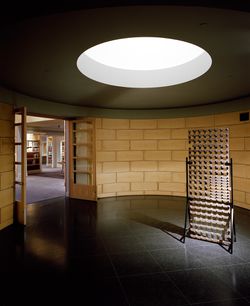
L’idée du pénitencier
L’idée du pénitencier
Actions:
Description:
Cette exposition explore l’idée du pénitencier qui, au XIXe siècle, s’est frayée un chemin dans les consciences et les territoires d’Europe et d’Amérique du Nord. S’inspirant de la tendance rationaliste en architecture et des principes sociaux posés au XVIIIe siècle, les partisans de la prison se sont attachés à une claire géométrie de l’isolement, de la surveillance et(...)
Cette exposition explore l’idée du pénitencier qui, au XIXe siècle, s’est frayée un chemin dans les consciences et les territoires d’Europe et d’Amérique du Nord. S’inspirant de la tendance rationaliste en architecture et des principes sociaux posés au XVIIIe siècle, les partisans de la prison se sont attachés à une claire géométrie de l’isolement, de la surveillance et(...)
Localisation:
Vitrines
Vitrines
Date:
8 novembre 1995 au 31 mai 1996
8 novembre 1995 au 31 mai 1996
Titre:
L’idée du pénitencier
Actions:
Description:
Cette exposition explore l’idée du pénitencier qui, au XIXe siècle, s’est frayée un chemin dans les consciences et les territoires d’Europe et d’Amérique du Nord. S’inspirant de la tendance rationaliste en architecture et des principes sociaux posés au XVIIIe siècle, les partisans de la prison se sont attachés à une claire géométrie de l’isolement, de la surveillance et(...)
L’idée du pénitencier
Actions:
Description:
Cette exposition explore l’idée du pénitencier qui, au XIXe siècle, s’est frayée un chemin dans les consciences et les territoires d’Europe et d’Amérique du Nord. S’inspirant de la tendance rationaliste en architecture et des principes sociaux posés au XVIIIe siècle, les partisans de la prison se sont attachés à une claire géométrie de l’isolement, de la surveillance et(...)
Classification:
expositions
expositions
Date:
8 novembre 1995 au
31 mai 1996
8 novembre 1995 au
31 mai 1996
Localisation:
Vitrines
Vitrines
Niveau de description archivistique:
Série(s)
Série(s)
Numéro de référence:
CI007.S1
Description:
The series contains materials related to Mies van der Rohe's work as an architect, consulting architect, interior designer, and furniture designer. It documents various architectural projects in America and in Europe, predominantly in the United States and in Germany, between 1923 and 1958. The material in the series was produced between 1918 and 2000. Included are materials related to some of Mies' major projects as an architect, such as pavillion designs for the Illinois Institute of Technology in Chicago (1936-1958) and the Seagram Building in New York (1949-1958), Mies' work as consulting architect for the Toronto-Dominion Centre in Canada (1962-1985), as well as commissions for private residences, mainly in Germany and in the United States. The series also includes material related to his work for furniture designs. Documenting Mies's projects are photographs, textual documentation including notes, and some drawings, mainly conceptual sketches.
CI007.S1
Description:
The series contains materials related to Mies van der Rohe's work as an architect, consulting architect, interior designer, and furniture designer. It documents various architectural projects in America and in Europe, predominantly in the United States and in Germany, between 1923 and 1958. The material in the series was produced between 1918 and 2000. Included are materials related to some of Mies' major projects as an architect, such as pavillion designs for the Illinois Institute of Technology in Chicago (1936-1958) and the Seagram Building in New York (1949-1958), Mies' work as consulting architect for the Toronto-Dominion Centre in Canada (1962-1985), as well as commissions for private residences, mainly in Germany and in the United States. The series also includes material related to his work for furniture designs. Documenting Mies's projects are photographs, textual documentation including notes, and some drawings, mainly conceptual sketches.
Personnes et institutions:
Date:
1918-2000
1918-2000
Titre:
Architectural projects by Mies
CI007.S1
Description:
The series contains materials related to Mies van der Rohe's work as an architect, consulting architect, interior designer, and furniture designer. It documents various architectural projects in America and in Europe, predominantly in the United States and in Germany, between 1923 and 1958. The material in the series was produced between 1918 and 2000. Included are materials related to some of Mies' major projects as an architect, such as pavillion designs for the Illinois Institute of Technology in Chicago (1936-1958) and the Seagram Building in New York (1949-1958), Mies' work as consulting architect for the Toronto-Dominion Centre in Canada (1962-1985), as well as commissions for private residences, mainly in Germany and in the United States. The series also includes material related to his work for furniture designs. Documenting Mies's projects are photographs, textual documentation including notes, and some drawings, mainly conceptual sketches.
Architectural projects by Mies
CI007.S1
Description:
The series contains materials related to Mies van der Rohe's work as an architect, consulting architect, interior designer, and furniture designer. It documents various architectural projects in America and in Europe, predominantly in the United States and in Germany, between 1923 and 1958. The material in the series was produced between 1918 and 2000. Included are materials related to some of Mies' major projects as an architect, such as pavillion designs for the Illinois Institute of Technology in Chicago (1936-1958) and the Seagram Building in New York (1949-1958), Mies' work as consulting architect for the Toronto-Dominion Centre in Canada (1962-1985), as well as commissions for private residences, mainly in Germany and in the United States. The series also includes material related to his work for furniture designs. Documenting Mies's projects are photographs, textual documentation including notes, and some drawings, mainly conceptual sketches.
Niveau de description archivistique:
series
series
Date:
1918-2000
1918-2000
Personnes et institutions:
Niveau de description archivistique:
Série(s)
Série(s)
Titre:
Dessins et tableaux
Dessins et tableaux
Numéro de référence:
AP104.S1
Description:
Series I consists of sketches, drawings and paintings, mostly created by Parizeau. From the period he spent in Europe (1923-1933), there are 11 student drawings in the standard presentation format of the École des Beaux-arts de Paris, a volume of course notes, as well as unidentified drawings, sketchbooks and paintings of primarily buildings and landscapes executed in Paris and during his travels in France. Drawings relating to Parizeau's architectural career in Montreal are represented in a number of independant projects, including a small chapel beside the St. Lawrence River, a pair of two-storey cabin-cottages outside of Montreal, and several residences in the city. The documents are mostly original preliminary studies with some reproductions of working drawings. It should be noted that there are also photographs of exterior details of the Laroque Residence and the Jarry Residence in documents CO2 in Series II. Reproductions of designs for worker housing by French architect Eugène Beaudoin in 1938 perhaps give a clue to Parizeau's relatively early employment of modernist forms. A residence in Baie D'Urfé is unlikely to be connected to Parizeau because its date, ca. 1955, is a decade after his death. Parizeau's concern with furniture and interior design is represented in the Archive with many lively perspective sketches in colour, and elevation and plan studies of several kinds of rooms and types of furniture. Some preliminary drawings for interiors were grouped with the Gillow house in Ville Mont-Royal, and the Walter Downs Residence in Montreal. The artworks by Parizeau consist of paintings and drawings of landscapes, buildings, still lifes and figure studies on loose sheets and in bound sketchbooks. These works are executed in a variety of media, including pencil, coloured pencil, watercolour on paper, and oil paint on masonite panels. Studies of buildings in Brittany and Paris are the subjects in three small sketchbooks, while larger spiral-bound drawing books contain some architectural plans, elevations and details. Most of these artworks and sketches were likely created in Europe before 1933.
AP104.S1
Description:
Series I consists of sketches, drawings and paintings, mostly created by Parizeau. From the period he spent in Europe (1923-1933), there are 11 student drawings in the standard presentation format of the École des Beaux-arts de Paris, a volume of course notes, as well as unidentified drawings, sketchbooks and paintings of primarily buildings and landscapes executed in Paris and during his travels in France. Drawings relating to Parizeau's architectural career in Montreal are represented in a number of independant projects, including a small chapel beside the St. Lawrence River, a pair of two-storey cabin-cottages outside of Montreal, and several residences in the city. The documents are mostly original preliminary studies with some reproductions of working drawings. It should be noted that there are also photographs of exterior details of the Laroque Residence and the Jarry Residence in documents CO2 in Series II. Reproductions of designs for worker housing by French architect Eugène Beaudoin in 1938 perhaps give a clue to Parizeau's relatively early employment of modernist forms. A residence in Baie D'Urfé is unlikely to be connected to Parizeau because its date, ca. 1955, is a decade after his death. Parizeau's concern with furniture and interior design is represented in the Archive with many lively perspective sketches in colour, and elevation and plan studies of several kinds of rooms and types of furniture. Some preliminary drawings for interiors were grouped with the Gillow house in Ville Mont-Royal, and the Walter Downs Residence in Montreal. The artworks by Parizeau consist of paintings and drawings of landscapes, buildings, still lifes and figure studies on loose sheets and in bound sketchbooks. These works are executed in a variety of media, including pencil, coloured pencil, watercolour on paper, and oil paint on masonite panels. Studies of buildings in Brittany and Paris are the subjects in three small sketchbooks, while larger spiral-bound drawing books contain some architectural plans, elevations and details. Most of these artworks and sketches were likely created in Europe before 1933.
Personnes et institutions:
Date:
1917-1955
1917-1955
Titre:
Dessins et tableaux
Actions:
AP104.S1
Description:
Series I consists of sketches, drawings and paintings, mostly created by Parizeau. From the period he spent in Europe (1923-1933), there are 11 student drawings in the standard presentation format of the École des Beaux-arts de Paris, a volume of course notes, as well as unidentified drawings, sketchbooks and paintings of primarily buildings and landscapes executed in Paris and during his travels in France. Drawings relating to Parizeau's architectural career in Montreal are represented in a number of independant projects, including a small chapel beside the St. Lawrence River, a pair of two-storey cabin-cottages outside of Montreal, and several residences in the city. The documents are mostly original preliminary studies with some reproductions of working drawings. It should be noted that there are also photographs of exterior details of the Laroque Residence and the Jarry Residence in documents CO2 in Series II. Reproductions of designs for worker housing by French architect Eugène Beaudoin in 1938 perhaps give a clue to Parizeau's relatively early employment of modernist forms. A residence in Baie D'Urfé is unlikely to be connected to Parizeau because its date, ca. 1955, is a decade after his death. Parizeau's concern with furniture and interior design is represented in the Archive with many lively perspective sketches in colour, and elevation and plan studies of several kinds of rooms and types of furniture. Some preliminary drawings for interiors were grouped with the Gillow house in Ville Mont-Royal, and the Walter Downs Residence in Montreal. The artworks by Parizeau consist of paintings and drawings of landscapes, buildings, still lifes and figure studies on loose sheets and in bound sketchbooks. These works are executed in a variety of media, including pencil, coloured pencil, watercolour on paper, and oil paint on masonite panels. Studies of buildings in Brittany and Paris are the subjects in three small sketchbooks, while larger spiral-bound drawing books contain some architectural plans, elevations and details. Most of these artworks and sketches were likely created in Europe before 1933.
Dessins et tableaux
Actions:
AP104.S1
Description:
Series I consists of sketches, drawings and paintings, mostly created by Parizeau. From the period he spent in Europe (1923-1933), there are 11 student drawings in the standard presentation format of the École des Beaux-arts de Paris, a volume of course notes, as well as unidentified drawings, sketchbooks and paintings of primarily buildings and landscapes executed in Paris and during his travels in France. Drawings relating to Parizeau's architectural career in Montreal are represented in a number of independant projects, including a small chapel beside the St. Lawrence River, a pair of two-storey cabin-cottages outside of Montreal, and several residences in the city. The documents are mostly original preliminary studies with some reproductions of working drawings. It should be noted that there are also photographs of exterior details of the Laroque Residence and the Jarry Residence in documents CO2 in Series II. Reproductions of designs for worker housing by French architect Eugène Beaudoin in 1938 perhaps give a clue to Parizeau's relatively early employment of modernist forms. A residence in Baie D'Urfé is unlikely to be connected to Parizeau because its date, ca. 1955, is a decade after his death. Parizeau's concern with furniture and interior design is represented in the Archive with many lively perspective sketches in colour, and elevation and plan studies of several kinds of rooms and types of furniture. Some preliminary drawings for interiors were grouped with the Gillow house in Ville Mont-Royal, and the Walter Downs Residence in Montreal. The artworks by Parizeau consist of paintings and drawings of landscapes, buildings, still lifes and figure studies on loose sheets and in bound sketchbooks. These works are executed in a variety of media, including pencil, coloured pencil, watercolour on paper, and oil paint on masonite panels. Studies of buildings in Brittany and Paris are the subjects in three small sketchbooks, while larger spiral-bound drawing books contain some architectural plans, elevations and details. Most of these artworks and sketches were likely created in Europe before 1933.
Niveau de description archivistique:
Série 1
Série 1
Date:
1917-1955
1917-1955
Personnes et institutions:
Classification:
expositions
expositions
Actions:
Description:
Dans la deuxième moitié du XIXe siècle, plusieurs photographes précurseurs voyagent au Moyen-Orient et en Afrique du Nord, et rapportent en Europe et en Amérique du Nord des images qui illustrent cette idée même de l’exotique. Qu’ils partent à la découverte des temples de la vallée du Nil, de la Terre sainte ou des costumes berbères, qu’ils soient amateurs ou pèlerins,(...)
Dans la deuxième moitié du XIXe siècle, plusieurs photographes précurseurs voyagent au Moyen-Orient et en Afrique du Nord, et rapportent en Europe et en Amérique du Nord des images qui illustrent cette idée même de l’exotique. Qu’ils partent à la découverte des temples de la vallée du Nil, de la Terre sainte ou des costumes berbères, qu’ils soient amateurs ou pèlerins,(...)
Localisation:
Salle octogonale
Salle octogonale
Date:
30 janvier 2014 au 25 mai 2014
30 janvier 2014 au 25 mai 2014
Titre:
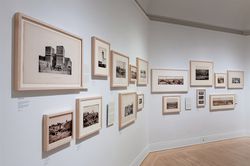
La photographie de la ville arabe au XIXe siècle
Actions:
Description:
Dans la deuxième moitié du XIXe siècle, plusieurs photographes précurseurs voyagent au Moyen-Orient et en Afrique du Nord, et rapportent en Europe et en Amérique du Nord des images qui illustrent cette idée même de l’exotique. Qu’ils partent à la découverte des temples de la vallée du Nil, de la Terre sainte ou des costumes berbères, qu’ils soient amateurs ou pèlerins,(...)
La photographie de la ville arabe au XIXe siècle
Actions:
Description:
Dans la deuxième moitié du XIXe siècle, plusieurs photographes précurseurs voyagent au Moyen-Orient et en Afrique du Nord, et rapportent en Europe et en Amérique du Nord des images qui illustrent cette idée même de l’exotique. Qu’ils partent à la découverte des temples de la vallée du Nil, de la Terre sainte ou des costumes berbères, qu’ils soient amateurs ou pèlerins,(...)
Classification:
expositions
expositions
Date:
30 janvier 2014 au
25 mai 2014
30 janvier 2014 au
25 mai 2014
Localisation:
Salle octogonale
Salle octogonale
Niveau de description archivistique:
Projet
Projet
Numéro de référence:
AP143.S4.D100
Description:
File documents the unexecuted project for the Zurich Insurance Headquarters, Frankfurt, Germany. Material in this file was produced in 1992. File contains textual records and study models. Textual records include filing index, other European project with numbers and summaries programs, and sketches.
AP143.S4.D100
Description:
File documents the unexecuted project for the Zurich Insurance Headquarters, Frankfurt, Germany. Material in this file was produced in 1992. File contains textual records and study models. Textual records include filing index, other European project with numbers and summaries programs, and sketches.
Personnes et institutions:
Date:
1992
1992
Titre:
Zurich Insurance Headquarters Study
Actions:
AP143.S4.D100
Description:
File documents the unexecuted project for the Zurich Insurance Headquarters, Frankfurt, Germany. Material in this file was produced in 1992. File contains textual records and study models. Textual records include filing index, other European project with numbers and summaries programs, and sketches.
Zurich Insurance Headquarters Study
Actions:
AP143.S4.D100
Description:
File documents the unexecuted project for the Zurich Insurance Headquarters, Frankfurt, Germany. Material in this file was produced in 1992. File contains textual records and study models. Textual records include filing index, other European project with numbers and summaries programs, and sketches.
Niveau de description archivistique:
File 100
File 100
Date:
1992
1992
Personnes et institutions:
Classification:
événements
événements
Titre:
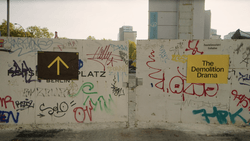
Nuit blanche 2025 : 38%
Nuit blanche 2025 : 38%
Actions:
Description:
Il est temps d’envisager un changement systémique dans notre manière de concevoir et de valoriser lenvironnement bâti. Notre façon de construire nest pas écologiquement durable. Aujourd’hui 38% de la production mondiale annuelle du gaz à effet de serre est émis par l’industrie de la construction. Lors de la Nuit Blanche au CCA, nous vous invitons à venir discuter,(...)
Il est temps d’envisager un changement systémique dans notre manière de concevoir et de valoriser lenvironnement bâti. Notre façon de construire nest pas écologiquement durable. Aujourd’hui 38% de la production mondiale annuelle du gaz à effet de serre est émis par l’industrie de la construction. Lors de la Nuit Blanche au CCA, nous vous invitons à venir discuter,(...)
Mot(s)-clé(s):
Nuit Blanche 2025
Nuit Blanche 2025
Date:
1 mars 2025 au 2 mars 2025, de 19h à 1h
1 mars 2025 au 2 mars 2025, de 19h à 1h
Titre:
Nuit blanche 2025 : 38%
Actions:
Description:
Il est temps d’envisager un changement systémique dans notre manière de concevoir et de valoriser lenvironnement bâti. Notre façon de construire nest pas écologiquement durable. Aujourd’hui 38% de la production mondiale annuelle du gaz à effet de serre est émis par l’industrie de la construction. Lors de la Nuit Blanche au CCA, nous vous invitons à venir discuter,(...)
Nuit blanche 2025 : 38%
Actions:
Description:
Il est temps d’envisager un changement systémique dans notre manière de concevoir et de valoriser lenvironnement bâti. Notre façon de construire nest pas écologiquement durable. Aujourd’hui 38% de la production mondiale annuelle du gaz à effet de serre est émis par l’industrie de la construction. Lors de la Nuit Blanche au CCA, nous vous invitons à venir discuter,(...)
Classification:
événements
événements
Date:
1 mars 2025 au
2 mars 2025
de 19h à 1h
1 mars 2025 au
2 mars 2025
de 19h à 1h
Mot(s)-clé(s):
Nuit Blanche 2025
Nuit Blanche 2025
Niveau de description archivistique:
Série(s)
Série(s)
Titre:
Personal Papers
Personal Papers
Numéro de référence:
AP032.S1
Description:
This series contains chronologically-arranged papers, photographs and drawings concerning Goldsmith's life from about the time of his enrollment at the Armour Institute in Chicago, to the mid-1950s when he returned from Europe to America to join Skidmore, Owings & Merrill. These documents are records of Goldsmith's early influences, and his education and training as an architect at the Armour Institute (later the Illinois Institute of Technology) and at the University of Rome. The papers also concern his service as an structural engineer in the U.S. armed forces, work in the office of Mies van der Rohe, and travels in Europe in the early 1950's all of which could be also considered as part of his education. The documents in this series are interesting for the quantity of Goldsmith's student sketches and research notes, including lectures by and observations on Mies van der Rohe and Pier Luigi Nervi. Moreover, correspondence, notes and photographs reveal a variety of other important influences on the young Goldsmith, such as a pilgrimage to visit Frank Lloyd Wright at Taliesan East, and letters to Buckminister Fuller. Of particular interest are the papers concerning Mies van der Rohe as teacher, mentor and friend to Goldsmith. The fonds contains various documents from office files, including Goldsmith's notations on projects like the Farnsworth House, and collections of period photographs and blueprints of Mies' buildings and furniture designs. Related documentation on Mies exists in various files throughout the fonds, especially in the Mies van der Rohe Centennial Project located in Series 3: Professional Activities - Teaching. The last section in this series, Papers and Correspondence, which consists of personal and business papers dating from the late 1950's to the mid-1990's. This material includes the Goldsmith-Ferris Portfolio, a collection of 150 mounted photographs (possibly for an exhibition) that presents mostly Goldsmith's collaborative work with architect James Ferris, from the experimental projects in reinforced concrete in Rome to the Kitt Peak Solar Telescope of 1962. Also included are documents concerning Mies van der Rohe's Mansion House Square scheme as revived by architect Peter Carter (1982-84).
AP032.S1
Description:
This series contains chronologically-arranged papers, photographs and drawings concerning Goldsmith's life from about the time of his enrollment at the Armour Institute in Chicago, to the mid-1950s when he returned from Europe to America to join Skidmore, Owings & Merrill. These documents are records of Goldsmith's early influences, and his education and training as an architect at the Armour Institute (later the Illinois Institute of Technology) and at the University of Rome. The papers also concern his service as an structural engineer in the U.S. armed forces, work in the office of Mies van der Rohe, and travels in Europe in the early 1950's all of which could be also considered as part of his education. The documents in this series are interesting for the quantity of Goldsmith's student sketches and research notes, including lectures by and observations on Mies van der Rohe and Pier Luigi Nervi. Moreover, correspondence, notes and photographs reveal a variety of other important influences on the young Goldsmith, such as a pilgrimage to visit Frank Lloyd Wright at Taliesan East, and letters to Buckminister Fuller. Of particular interest are the papers concerning Mies van der Rohe as teacher, mentor and friend to Goldsmith. The fonds contains various documents from office files, including Goldsmith's notations on projects like the Farnsworth House, and collections of period photographs and blueprints of Mies' buildings and furniture designs. Related documentation on Mies exists in various files throughout the fonds, especially in the Mies van der Rohe Centennial Project located in Series 3: Professional Activities - Teaching. The last section in this series, Papers and Correspondence, which consists of personal and business papers dating from the late 1950's to the mid-1990's. This material includes the Goldsmith-Ferris Portfolio, a collection of 150 mounted photographs (possibly for an exhibition) that presents mostly Goldsmith's collaborative work with architect James Ferris, from the experimental projects in reinforced concrete in Rome to the Kitt Peak Solar Telescope of 1962. Also included are documents concerning Mies van der Rohe's Mansion House Square scheme as revived by architect Peter Carter (1982-84).
Personnes et institutions:
Date:
1931-1995
1931-1995
Titre:
Personal Papers
Actions:
AP032.S1
Description:
This series contains chronologically-arranged papers, photographs and drawings concerning Goldsmith's life from about the time of his enrollment at the Armour Institute in Chicago, to the mid-1950s when he returned from Europe to America to join Skidmore, Owings & Merrill. These documents are records of Goldsmith's early influences, and his education and training as an architect at the Armour Institute (later the Illinois Institute of Technology) and at the University of Rome. The papers also concern his service as an structural engineer in the U.S. armed forces, work in the office of Mies van der Rohe, and travels in Europe in the early 1950's all of which could be also considered as part of his education. The documents in this series are interesting for the quantity of Goldsmith's student sketches and research notes, including lectures by and observations on Mies van der Rohe and Pier Luigi Nervi. Moreover, correspondence, notes and photographs reveal a variety of other important influences on the young Goldsmith, such as a pilgrimage to visit Frank Lloyd Wright at Taliesan East, and letters to Buckminister Fuller. Of particular interest are the papers concerning Mies van der Rohe as teacher, mentor and friend to Goldsmith. The fonds contains various documents from office files, including Goldsmith's notations on projects like the Farnsworth House, and collections of period photographs and blueprints of Mies' buildings and furniture designs. Related documentation on Mies exists in various files throughout the fonds, especially in the Mies van der Rohe Centennial Project located in Series 3: Professional Activities - Teaching. The last section in this series, Papers and Correspondence, which consists of personal and business papers dating from the late 1950's to the mid-1990's. This material includes the Goldsmith-Ferris Portfolio, a collection of 150 mounted photographs (possibly for an exhibition) that presents mostly Goldsmith's collaborative work with architect James Ferris, from the experimental projects in reinforced concrete in Rome to the Kitt Peak Solar Telescope of 1962. Also included are documents concerning Mies van der Rohe's Mansion House Square scheme as revived by architect Peter Carter (1982-84).
Personal Papers
Actions:
AP032.S1
Description:
This series contains chronologically-arranged papers, photographs and drawings concerning Goldsmith's life from about the time of his enrollment at the Armour Institute in Chicago, to the mid-1950s when he returned from Europe to America to join Skidmore, Owings & Merrill. These documents are records of Goldsmith's early influences, and his education and training as an architect at the Armour Institute (later the Illinois Institute of Technology) and at the University of Rome. The papers also concern his service as an structural engineer in the U.S. armed forces, work in the office of Mies van der Rohe, and travels in Europe in the early 1950's all of which could be also considered as part of his education. The documents in this series are interesting for the quantity of Goldsmith's student sketches and research notes, including lectures by and observations on Mies van der Rohe and Pier Luigi Nervi. Moreover, correspondence, notes and photographs reveal a variety of other important influences on the young Goldsmith, such as a pilgrimage to visit Frank Lloyd Wright at Taliesan East, and letters to Buckminister Fuller. Of particular interest are the papers concerning Mies van der Rohe as teacher, mentor and friend to Goldsmith. The fonds contains various documents from office files, including Goldsmith's notations on projects like the Farnsworth House, and collections of period photographs and blueprints of Mies' buildings and furniture designs. Related documentation on Mies exists in various files throughout the fonds, especially in the Mies van der Rohe Centennial Project located in Series 3: Professional Activities - Teaching. The last section in this series, Papers and Correspondence, which consists of personal and business papers dating from the late 1950's to the mid-1990's. This material includes the Goldsmith-Ferris Portfolio, a collection of 150 mounted photographs (possibly for an exhibition) that presents mostly Goldsmith's collaborative work with architect James Ferris, from the experimental projects in reinforced concrete in Rome to the Kitt Peak Solar Telescope of 1962. Also included are documents concerning Mies van der Rohe's Mansion House Square scheme as revived by architect Peter Carter (1982-84).
Niveau de description archivistique:
Series 1
Series 1
Date:
1931-1995
1931-1995
Personnes et institutions:
Titre:
Fried. Krupp Essen A/R
Fried. Krupp Essen A/R
Actions:
Numéro de référence:
PH1983:0485
Description:
Portfolio of photographs showing cast-steel muzzle-loading guns and artillery, fortress and siege mortars, coast and landing guns, workshops, machinery and company products, manufactured by the Krupp armament plant in Essen/Ruhr river valley (in Prussia). This portfolio shows different models of guns and canons, locomotive wheels, exterior views of the factory with large chimneys and line-ups of workers, a panorama showing the factory complex and dwellings built for the workers, mines, inside views of the factory with machinery and two maps : one of the layout of the grounds that is colour-coded to indicate growth between 1861 and 1871 - Rhenish Prussia (Rhein provinz), and one of the world distribution of Krupp representatives - District of Essen, Europe, Germany and the World. This portfolio was compiled and probably sent, like many others by the company, to Krupp Cast Steel Works agents throughout Europe or used as a presentation catalogue for international expositions.
PH1983:0485
Description:
Portfolio of photographs showing cast-steel muzzle-loading guns and artillery, fortress and siege mortars, coast and landing guns, workshops, machinery and company products, manufactured by the Krupp armament plant in Essen/Ruhr river valley (in Prussia). This portfolio shows different models of guns and canons, locomotive wheels, exterior views of the factory with large chimneys and line-ups of workers, a panorama showing the factory complex and dwellings built for the workers, mines, inside views of the factory with machinery and two maps : one of the layout of the grounds that is colour-coded to indicate growth between 1861 and 1871 - Rhenish Prussia (Rhein provinz), and one of the world distribution of Krupp representatives - District of Essen, Europe, Germany and the World. This portfolio was compiled and probably sent, like many others by the company, to Krupp Cast Steel Works agents throughout Europe or used as a presentation catalogue for international expositions.
Personnes et institutions:
Sujet:
ingénierie
ingénierie
Date:
between ca.1861 and ca. 1872
between ca.1861 and ca. 1872
Titre:
Fried. Krupp Essen A/R
Actions:
PH1983:0485
Description:
Portfolio of photographs showing cast-steel muzzle-loading guns and artillery, fortress and siege mortars, coast and landing guns, workshops, machinery and company products, manufactured by the Krupp armament plant in Essen/Ruhr river valley (in Prussia). This portfolio shows different models of guns and canons, locomotive wheels, exterior views of the factory with large chimneys and line-ups of workers, a panorama showing the factory complex and dwellings built for the workers, mines, inside views of the factory with machinery and two maps : one of the layout of the grounds that is colour-coded to indicate growth between 1861 and 1871 - Rhenish Prussia (Rhein provinz), and one of the world distribution of Krupp representatives - District of Essen, Europe, Germany and the World. This portfolio was compiled and probably sent, like many others by the company, to Krupp Cast Steel Works agents throughout Europe or used as a presentation catalogue for international expositions.
Fried. Krupp Essen A/R
Actions:
PH1983:0485
Description:
Portfolio of photographs showing cast-steel muzzle-loading guns and artillery, fortress and siege mortars, coast and landing guns, workshops, machinery and company products, manufactured by the Krupp armament plant in Essen/Ruhr river valley (in Prussia). This portfolio shows different models of guns and canons, locomotive wheels, exterior views of the factory with large chimneys and line-ups of workers, a panorama showing the factory complex and dwellings built for the workers, mines, inside views of the factory with machinery and two maps : one of the layout of the grounds that is colour-coded to indicate growth between 1861 and 1871 - Rhenish Prussia (Rhein provinz), and one of the world distribution of Krupp representatives - District of Essen, Europe, Germany and the World. This portfolio was compiled and probably sent, like many others by the company, to Krupp Cast Steel Works agents throughout Europe or used as a presentation catalogue for international expositions.
Date:
between ca.1861 and ca. 1872
between ca.1861 and ca. 1872
Personnes et institutions:
Sujet:
ingénierie
ingénierie
Classification:
archives
Niveau de description archivistique:
Fonds
archives
Niveau de description archivistique:
Fonds
Titre:
Fonds Lars Spuybroek
Fonds Lars Spuybroek
Numéro de référence:
AP173
Résumé:
The Lars Spuybroek fonds documents the professional practice of architect Lars Spuybroek from his early projects in the 1990s to projects undertaken with his firm NOX from 1995 to 2010. The majority of the documents in the fonds consist of photographic materials, drawings and textual records relating to over 70 projects, such as the H2Oexpo in Neeltje Jans Island, Netherlands (1997), the Maison Folie in Nantes, France (2001) and the D-Tower in Doetinchem, Netherlands (2004).
AP173
Résumé:
The Lars Spuybroek fonds documents the professional practice of architect Lars Spuybroek from his early projects in the 1990s to projects undertaken with his firm NOX from 1995 to 2010. The majority of the documents in the fonds consist of photographic materials, drawings and textual records relating to over 70 projects, such as the H2Oexpo in Neeltje Jans Island, Netherlands (1997), the Maison Folie in Nantes, France (2001) and the D-Tower in Doetinchem, Netherlands (2004).
Personnes et institutions:
Date:
1980s-2010
1980s-2010
Titre:
Fonds Lars Spuybroek
Actions:
AP173
Résumé:
The Lars Spuybroek fonds documents the professional practice of architect Lars Spuybroek from his early projects in the 1990s to projects undertaken with his firm NOX from 1995 to 2010. The majority of the documents in the fonds consist of photographic materials, drawings and textual records relating to over 70 projects, such as the H2Oexpo in Neeltje Jans Island, Netherlands (1997), the Maison Folie in Nantes, France (2001) and the D-Tower in Doetinchem, Netherlands (2004).
Fonds Lars Spuybroek
Actions:
AP173
Résumé:
The Lars Spuybroek fonds documents the professional practice of architect Lars Spuybroek from his early projects in the 1990s to projects undertaken with his firm NOX from 1995 to 2010. The majority of the documents in the fonds consist of photographic materials, drawings and textual records relating to over 70 projects, such as the H2Oexpo in Neeltje Jans Island, Netherlands (1997), the Maison Folie in Nantes, France (2001) and the D-Tower in Doetinchem, Netherlands (2004).
Classification:
archives
Niveau de description archivistique:
Fonds
archives
Niveau de description archivistique:
Fonds
Date:
1980s-2010
1980s-2010
Personnes et institutions:
Niveau de description archivistique:
Sous-série
Sous-série
Numéro de référence:
AP001.S1.SS05
Description:
Cette série est composée de photographies personnelles et professionnelles de Cormier. Elle comprend des photographies de Cormier et de sa compagne, de sa famille, de ses voyages en Europe et des divers évènements sociaux auxquels il participa. Elle témoigne aussi de l’intérêt que Cormier possédait pour la photographie, puisqu’il prit un grand nombre des clichés de cette série. Au niveau professionnel, la plupart des bâtiments de Cormier sont photographiés, dont l'Université de Montréal, la Cour Suprême du Canada, le Grand Séminaire de Québec et l'Annexe au Palais de Justice de Montréal. Plusieurs projets sont très bien documentés et permettent de visualiser l'évolution des chantiers de construction. Pour les projets majeurs, plusieurs photographies montrent en détail les différents aspects du bâtiment tels que la façade, les pièces, la décoration ou les escaliers. La série contient également des films personnels par Ernest Cormier montrant diverses activités de familles et d'amis et voyages.
AP001.S1.SS05
Description:
Cette série est composée de photographies personnelles et professionnelles de Cormier. Elle comprend des photographies de Cormier et de sa compagne, de sa famille, de ses voyages en Europe et des divers évènements sociaux auxquels il participa. Elle témoigne aussi de l’intérêt que Cormier possédait pour la photographie, puisqu’il prit un grand nombre des clichés de cette série. Au niveau professionnel, la plupart des bâtiments de Cormier sont photographiés, dont l'Université de Montréal, la Cour Suprême du Canada, le Grand Séminaire de Québec et l'Annexe au Palais de Justice de Montréal. Plusieurs projets sont très bien documentés et permettent de visualiser l'évolution des chantiers de construction. Pour les projets majeurs, plusieurs photographies montrent en détail les différents aspects du bâtiment tels que la façade, les pièces, la décoration ou les escaliers. La série contient également des films personnels par Ernest Cormier montrant diverses activités de familles et d'amis et voyages.
Personnes et institutions:
Date:
1890-1978
1890-1978
Titre:
Photographies et films personnels
Actions:
AP001.S1.SS05
Description:
Cette série est composée de photographies personnelles et professionnelles de Cormier. Elle comprend des photographies de Cormier et de sa compagne, de sa famille, de ses voyages en Europe et des divers évènements sociaux auxquels il participa. Elle témoigne aussi de l’intérêt que Cormier possédait pour la photographie, puisqu’il prit un grand nombre des clichés de cette série. Au niveau professionnel, la plupart des bâtiments de Cormier sont photographiés, dont l'Université de Montréal, la Cour Suprême du Canada, le Grand Séminaire de Québec et l'Annexe au Palais de Justice de Montréal. Plusieurs projets sont très bien documentés et permettent de visualiser l'évolution des chantiers de construction. Pour les projets majeurs, plusieurs photographies montrent en détail les différents aspects du bâtiment tels que la façade, les pièces, la décoration ou les escaliers. La série contient également des films personnels par Ernest Cormier montrant diverses activités de familles et d'amis et voyages.
Photographies et films personnels
Actions:
AP001.S1.SS05
Description:
Cette série est composée de photographies personnelles et professionnelles de Cormier. Elle comprend des photographies de Cormier et de sa compagne, de sa famille, de ses voyages en Europe et des divers évènements sociaux auxquels il participa. Elle témoigne aussi de l’intérêt que Cormier possédait pour la photographie, puisqu’il prit un grand nombre des clichés de cette série. Au niveau professionnel, la plupart des bâtiments de Cormier sont photographiés, dont l'Université de Montréal, la Cour Suprême du Canada, le Grand Séminaire de Québec et l'Annexe au Palais de Justice de Montréal. Plusieurs projets sont très bien documentés et permettent de visualiser l'évolution des chantiers de construction. Pour les projets majeurs, plusieurs photographies montrent en détail les différents aspects du bâtiment tels que la façade, les pièces, la décoration ou les escaliers. La série contient également des films personnels par Ernest Cormier montrant diverses activités de familles et d'amis et voyages.
Niveau de description archivistique:
Sous-série
Sous-série
Date:
1890-1978
1890-1978
Personnes et institutions:


