


2576 Résultats
Classification:
livres
livres
Titre:
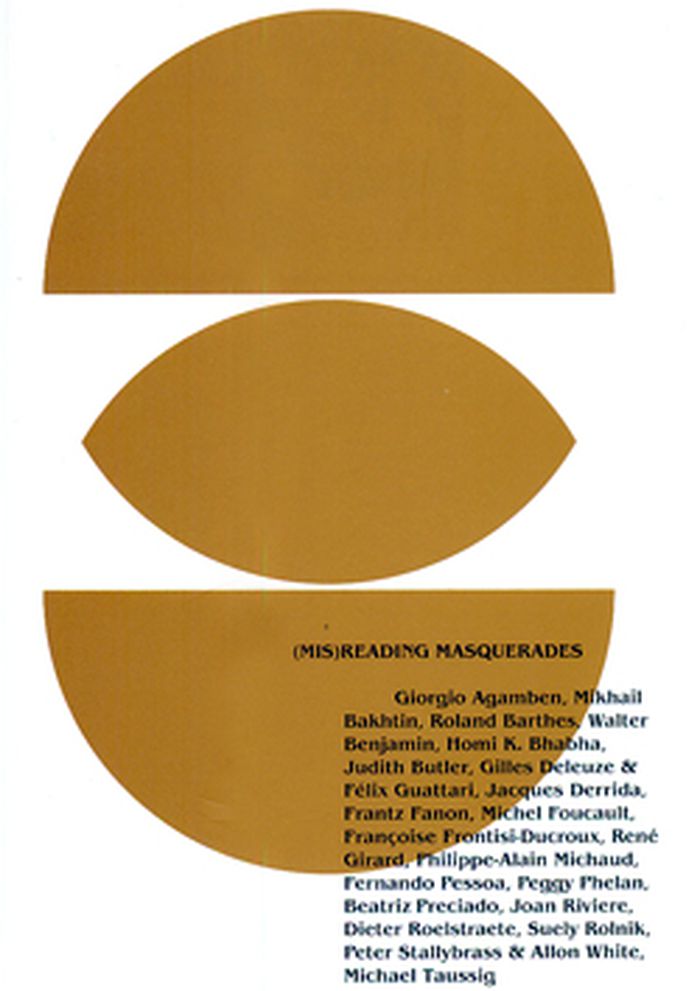
(Mis)Reading Masquerades
(Mis)Reading Masquerades
Actions:
Prix:
$52.00
(disponible sur commande)
Résumé:
This publication focuses on the notion of Masquerade. For the past two years, "If I Can’t Dance, I Don’t Want To Be Part Of Your Revolution" has been exploring the cultural, social and political meanings of this concept from a critical and interdisciplinary perspective together with more than fifty artists, curators, writers and theoreticians. This book comprises a(...)
$52.00
(disponible sur commande)
Résumé:
This publication focuses on the notion of Masquerade. For the past two years, "If I Can’t Dance, I Don’t Want To Be Part Of Your Revolution" has been exploring the cultural, social and political meanings of this concept from a critical and interdisciplinary perspective together with more than fifty artists, curators, writers and theoreticians. This book comprises a(...)
Titre:
(Mis)Reading Masquerades
Actions:
Prix:
$52.00
(disponible sur commande)
Résumé:
This publication focuses on the notion of Masquerade. For the past two years, "If I Can’t Dance, I Don’t Want To Be Part Of Your Revolution" has been exploring the cultural, social and political meanings of this concept from a critical and interdisciplinary perspective together with more than fifty artists, curators, writers and theoreticians. This book comprises a selection of theoretical texts drawn from different fields of knowledge that address questions such as transgression, gender identity and subversion, gesture, the carnivalesque, the construction of subjectivity, authorship, mimesis, and alterity. With : Giorgio Agamben, Mikhail Bakhtin, Roland Barthes, Walter Benjamin, Homi K. Bhabha, Judith Butler, Gilles Deleuze & Felix Guattari, Jacques Derrida, Frantz Fanon, Michel Foucault, Francoise Frontisi-Ducroux, René Girard, Philippe-Alain Michaud, Fernando Pessoa, Peggy Phelan, Beatriz Preciado, Joan Riviere, Dieter Roelstraete, Suely Rolnik, Peter Stallybrass & Allon White, Michael Taussig.
(Mis)Reading Masquerades
Actions:
Prix:
$52.00
(disponible sur commande)
Résumé:
This publication focuses on the notion of Masquerade. For the past two years, "If I Can’t Dance, I Don’t Want To Be Part Of Your Revolution" has been exploring the cultural, social and political meanings of this concept from a critical and interdisciplinary perspective together with more than fifty artists, curators, writers and theoreticians. This book comprises a selection of theoretical texts drawn from different fields of knowledge that address questions such as transgression, gender identity and subversion, gesture, the carnivalesque, the construction of subjectivity, authorship, mimesis, and alterity. With : Giorgio Agamben, Mikhail Bakhtin, Roland Barthes, Walter Benjamin, Homi K. Bhabha, Judith Butler, Gilles Deleuze & Felix Guattari, Jacques Derrida, Frantz Fanon, Michel Foucault, Francoise Frontisi-Ducroux, René Girard, Philippe-Alain Michaud, Fernando Pessoa, Peggy Phelan, Beatriz Preciado, Joan Riviere, Dieter Roelstraete, Suely Rolnik, Peter Stallybrass & Allon White, Michael Taussig.
Classification:
livres
livres
Publication:
mai 2010
mai 2010
Sujet:
Théorie/ philosophie
Théorie/ philosophie
Classification:
livres
livres
Actions:
Prix:
$46.95
(disponible sur commande)
Résumé:
From the dawn of European civilization to the twentieth century, the automaton—better known today as the robot—has captured the Western imagination and provided a vital lens into the nature of humanity. Historian Minsoo Kang argues that to properly understand the human-as-machine and the human-as-fundamentally-different-from-machine, we must trace the origins of these(...)
$46.95
(disponible sur commande)
Résumé:
From the dawn of European civilization to the twentieth century, the automaton—better known today as the robot—has captured the Western imagination and provided a vital lens into the nature of humanity. Historian Minsoo Kang argues that to properly understand the human-as-machine and the human-as-fundamentally-different-from-machine, we must trace the origins of these(...)
Titre:
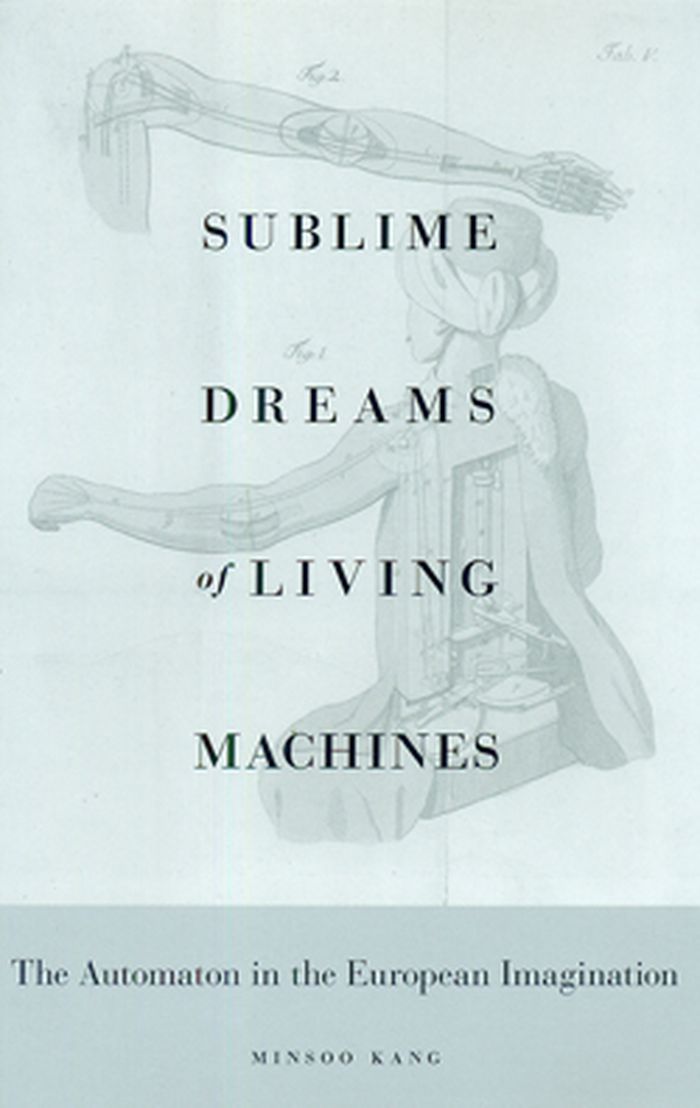
Sublime dreams of living machines: The automaton in the European imagination
Actions:
Prix:
$46.95
(disponible sur commande)
Résumé:
From the dawn of European civilization to the twentieth century, the automaton—better known today as the robot—has captured the Western imagination and provided a vital lens into the nature of humanity. Historian Minsoo Kang argues that to properly understand the human-as-machine and the human-as-fundamentally-different-from-machine, we must trace the origins of these ideas and examine how they were transformed by intellectual, cultural, and artistic appearances of the automaton throughout the history of the West. Kang tracks the first appearance of the automaton in ancient myths through the medieval and Renaissance periods, marks the proliferation of the automaton as a central intellectual concept in the Scientific Revolution and the subsequent backlash during the Enlightenment, and details appearances in Romantic literature and the introduction of the living machine in the Industrial Age.
Sublime dreams of living machines: The automaton in the European imagination
Actions:
Prix:
$46.95
(disponible sur commande)
Résumé:
From the dawn of European civilization to the twentieth century, the automaton—better known today as the robot—has captured the Western imagination and provided a vital lens into the nature of humanity. Historian Minsoo Kang argues that to properly understand the human-as-machine and the human-as-fundamentally-different-from-machine, we must trace the origins of these ideas and examine how they were transformed by intellectual, cultural, and artistic appearances of the automaton throughout the history of the West. Kang tracks the first appearance of the automaton in ancient myths through the medieval and Renaissance periods, marks the proliferation of the automaton as a central intellectual concept in the Scientific Revolution and the subsequent backlash during the Enlightenment, and details appearances in Romantic literature and the introduction of the living machine in the Industrial Age.
Classification:
livres
livres
Publication:
février 2011
février 2011
Sujet:
Théorie/ philosophie
Théorie/ philosophie
Classification:
livres
livres
Actions:
Prix:
$54.00
(disponible sur commande)
Résumé:
With his memorably titled 1956 collage "Just What is it that Makes Today's Homes So Different, So Appealing?", British artist Richard Hamilton (born 1922) heralded the British Pop revolution; and with his 1967 Swingeing London series of prints, which depicted the arrest of Mick Jagger and Robert Fraser, Hamilton's art entered the general public consciousness. But unlike(...)
$54.00
(disponible sur commande)
Résumé:
With his memorably titled 1956 collage "Just What is it that Makes Today's Homes So Different, So Appealing?", British artist Richard Hamilton (born 1922) heralded the British Pop revolution; and with his 1967 Swingeing London series of prints, which depicted the arrest of Mick Jagger and Robert Fraser, Hamilton's art entered the general public consciousness. But unlike(...)
Publication:
juillet 2010
juillet 2010
Titre:
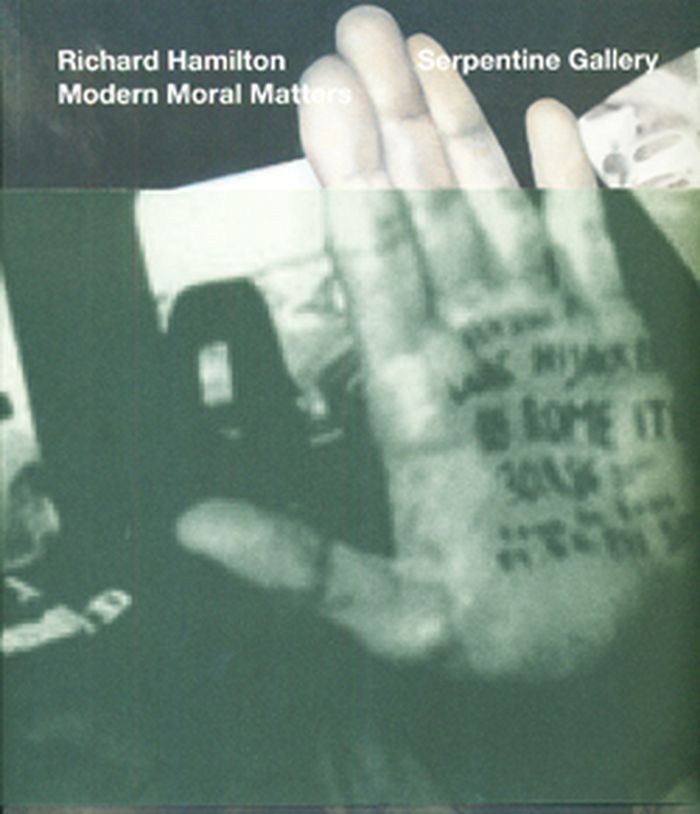
Richard Hamilton : Modern moral matters
Actions:
Prix:
$54.00
(disponible sur commande)
Résumé:
With his memorably titled 1956 collage "Just What is it that Makes Today's Homes So Different, So Appealing?", British artist Richard Hamilton (born 1922) heralded the British Pop revolution; and with his 1967 Swingeing London series of prints, which depicted the arrest of Mick Jagger and Robert Fraser, Hamilton's art entered the general public consciousness. But unlike so many Pop artists, Hamilton was never an uncritical or ambivalent advocate of postwar society, and he has often agitated directly against it, producing a great deal of openly political, satirical work that assaults both consumer culture at large and more immediate political events. This monograph, published for Hamilton's 2010 exhibition at the Serpentine Gallery in London (his first exhibition since 1992), brings together Hamilton's famous "protest" paintings as well as newer political works and features essays by Benjamin H.D. Buchloh and Michael Bracewell.
Richard Hamilton : Modern moral matters
Actions:
Prix:
$54.00
(disponible sur commande)
Résumé:
With his memorably titled 1956 collage "Just What is it that Makes Today's Homes So Different, So Appealing?", British artist Richard Hamilton (born 1922) heralded the British Pop revolution; and with his 1967 Swingeing London series of prints, which depicted the arrest of Mick Jagger and Robert Fraser, Hamilton's art entered the general public consciousness. But unlike so many Pop artists, Hamilton was never an uncritical or ambivalent advocate of postwar society, and he has often agitated directly against it, producing a great deal of openly political, satirical work that assaults both consumer culture at large and more immediate political events. This monograph, published for Hamilton's 2010 exhibition at the Serpentine Gallery in London (his first exhibition since 1992), brings together Hamilton's famous "protest" paintings as well as newer political works and features essays by Benjamin H.D. Buchloh and Michael Bracewell.
Classification:
livres
livres
Publication:
juillet 2010
juillet 2010
Classification:
livres
livres
Titre:
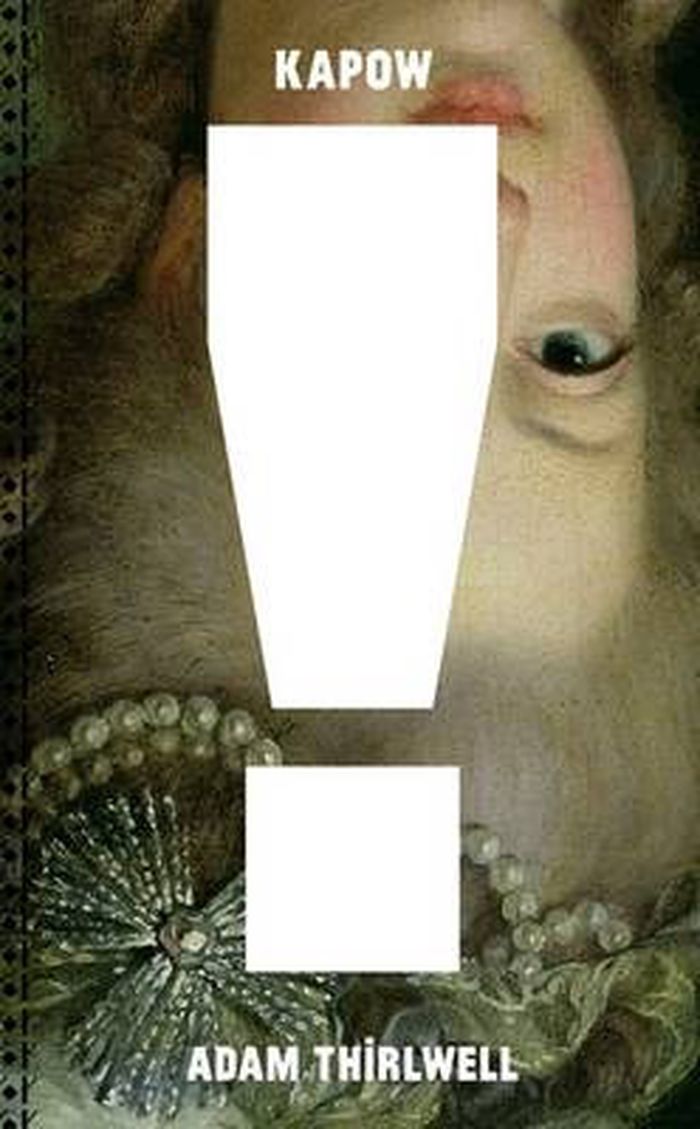
Adam Thirlwell : Kapow!
Adam Thirlwell : Kapow!
Actions:
Prix:
$28.95
(disponible sur commande)
Résumé:
Exploding with unfolding pages and multiple directions, Kapow! is a new book by British writer Adam Thirlwell. Set in the thick of the Arab Spring, it is guided by the high-speed monologue of an unnamed narrator — over-doped, over-caffeinated, overweight — trying to make sense of this history in real time. A clever, funny, and bitingly critical cultural commentary,(...)
$28.95
(disponible sur commande)
Résumé:
Exploding with unfolding pages and multiple directions, Kapow! is a new book by British writer Adam Thirlwell. Set in the thick of the Arab Spring, it is guided by the high-speed monologue of an unnamed narrator — over-doped, over-caffeinated, overweight — trying to make sense of this history in real time. A clever, funny, and bitingly critical cultural commentary,(...)
Titre:
Adam Thirlwell : Kapow!
Actions:
Prix:
$28.95
(disponible sur commande)
Résumé:
Exploding with unfolding pages and multiple directions, Kapow! is a new book by British writer Adam Thirlwell. Set in the thick of the Arab Spring, it is guided by the high-speed monologue of an unnamed narrator — over-doped, over-caffeinated, overweight — trying to make sense of this history in real time. A clever, funny, and bitingly critical cultural commentary, it uses spinning digressions to tell the stories of a group of interconnected characters in London and Egypt, each transformed by the idea of revolution. Kapow! asks readers to open and unfold pages, to follow text leaking in and out of paragraphs, while progressively becoming part of and lost within the narrator’s giddy digressions. A beautifully crafted object told in Thirlwell’s uniquely acrobatic voice, this is a visually immersive storytelling experience like no other. *** Designed by London-based Studio Frith
Adam Thirlwell : Kapow!
Actions:
Prix:
$28.95
(disponible sur commande)
Résumé:
Exploding with unfolding pages and multiple directions, Kapow! is a new book by British writer Adam Thirlwell. Set in the thick of the Arab Spring, it is guided by the high-speed monologue of an unnamed narrator — over-doped, over-caffeinated, overweight — trying to make sense of this history in real time. A clever, funny, and bitingly critical cultural commentary, it uses spinning digressions to tell the stories of a group of interconnected characters in London and Egypt, each transformed by the idea of revolution. Kapow! asks readers to open and unfold pages, to follow text leaking in and out of paragraphs, while progressively becoming part of and lost within the narrator’s giddy digressions. A beautifully crafted object told in Thirlwell’s uniquely acrobatic voice, this is a visually immersive storytelling experience like no other. *** Designed by London-based Studio Frith
Classification:
livres
livres
Publication:
juin 2012
juin 2012
Classification:
livres
livres
Actions:
Prix:
$39.95
(disponible sur commande)
Résumé:
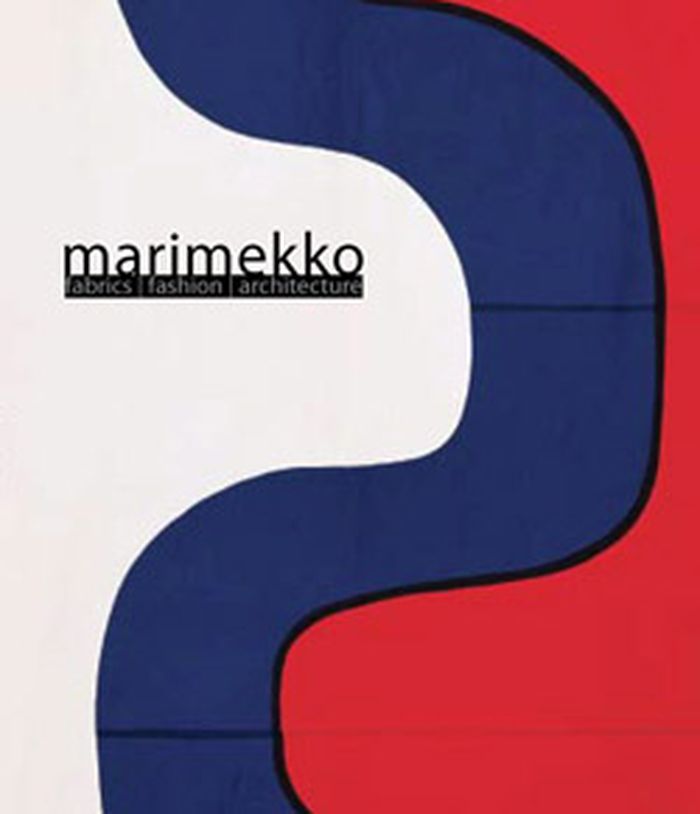
Founded in 1951 by visionary textile designer Armi Ratia and her husband, Viljo, the Marimekko Corporation in Finland not only sparked a revolution in pattern making but also pioneered a new definition of fashion that embraced the entire home environment. This book presents more than one hundred examples of the exuberant Marimekko fashions and home furnishings that gave(...)
$39.95
(disponible sur commande)
Résumé:
Founded in 1951 by visionary textile designer Armi Ratia and her husband, Viljo, the Marimekko Corporation in Finland not only sparked a revolution in pattern making but also pioneered a new definition of fashion that embraced the entire home environment. This book presents more than one hundred examples of the exuberant Marimekko fashions and home furnishings that gave(...)
Titre:
Marimekko : fabrics / fashion / architecture
Actions:
Prix:
$39.95
(disponible sur commande)
Résumé:
Founded in 1951 by visionary textile designer Armi Ratia and her husband, Viljo, the Marimekko Corporation in Finland not only sparked a revolution in pattern making but also pioneered a new definition of fashion that embraced the entire home environment. This book presents more than one hundred examples of the exuberant Marimekko fashions and home furnishings that gave the company a definitive presence on the world design stage. The book considers the history of the company from its founding through today and examines Marimekko’s impact on design in Finland and around the world. The company’s most important designers, including Maija Isola and Vuokko Eskolin-Nurmesniemi, their contributions, and their stylistic development are also discussed. In addition, the book examines Marimekko home and office interiors and how they reflected the lifestyle envisioned in Armi Ratia’s broad, radical definition of fashion.
Marimekko : fabrics / fashion / architecture
Actions:
Prix:
$39.95
(disponible sur commande)
Résumé:
Founded in 1951 by visionary textile designer Armi Ratia and her husband, Viljo, the Marimekko Corporation in Finland not only sparked a revolution in pattern making but also pioneered a new definition of fashion that embraced the entire home environment. This book presents more than one hundred examples of the exuberant Marimekko fashions and home furnishings that gave the company a definitive presence on the world design stage. The book considers the history of the company from its founding through today and examines Marimekko’s impact on design in Finland and around the world. The company’s most important designers, including Maija Isola and Vuokko Eskolin-Nurmesniemi, their contributions, and their stylistic development are also discussed. In addition, the book examines Marimekko home and office interiors and how they reflected the lifestyle envisioned in Armi Ratia’s broad, radical definition of fashion.
Classification:
livres
livres
Publication:
septembre 2012
septembre 2012
Sujet:
Création de mode
Création de mode
Classification:
livres
livres
Titre:
Two cheers for anarchism
Two cheers for anarchism
Actions:
Prix:
$26.95
(disponible sur commande)
Résumé:
Having studied how people in marginal societies deal with the state, Yale political scientist and anthropologist Scott (The Art of Not Being Governed) found himself drawn to a study of anarchism. his brief, six-part study is the result. Having concluded that revolution too often leads to such repressive regimes as France's Committee of Public Safety or the Soviet(...)
$26.95
(disponible sur commande)
Résumé:
Having studied how people in marginal societies deal with the state, Yale political scientist and anthropologist Scott (The Art of Not Being Governed) found himself drawn to a study of anarchism. his brief, six-part study is the result. Having concluded that revolution too often leads to such repressive regimes as France's Committee of Public Safety or the Soviet(...)
Titre:
Two cheers for anarchism
Actions:
Prix:
$26.95
(disponible sur commande)
Résumé:
Having studied how people in marginal societies deal with the state, Yale political scientist and anthropologist Scott (The Art of Not Being Governed) found himself drawn to a study of anarchism. his brief, six-part study is the result. Having concluded that revolution too often leads to such repressive regimes as France's Committee of Public Safety or the Soviet state, Scott began to examine leaderless mass efforts disorganized strivings towards social improvement. Scott recognizes that anarchism is not a panacea and that there are problems that only government can treat. Nevertheless, he expresses a strong dislike for centralized governance and a preference for expanding chaos. He refers to his sections as "fragments," highlighting the book's key shortcoming: every chapter seems rushed and incomplete, as though Scott were hurrying to get his thoughts down on paper before they vanished.
Two cheers for anarchism
Actions:
Prix:
$26.95
(disponible sur commande)
Résumé:
Having studied how people in marginal societies deal with the state, Yale political scientist and anthropologist Scott (The Art of Not Being Governed) found himself drawn to a study of anarchism. his brief, six-part study is the result. Having concluded that revolution too often leads to such repressive regimes as France's Committee of Public Safety or the Soviet state, Scott began to examine leaderless mass efforts disorganized strivings towards social improvement. Scott recognizes that anarchism is not a panacea and that there are problems that only government can treat. Nevertheless, he expresses a strong dislike for centralized governance and a preference for expanding chaos. He refers to his sections as "fragments," highlighting the book's key shortcoming: every chapter seems rushed and incomplete, as though Scott were hurrying to get his thoughts down on paper before they vanished.
Classification:
livres
livres
Publication:
novembre 2012
novembre 2012
Sujet:
Théorie/ philosophie
Théorie/ philosophie
Classification:
livres
livres
Actions:
Prix:
$35.00
(disponible sur commande)
Résumé:
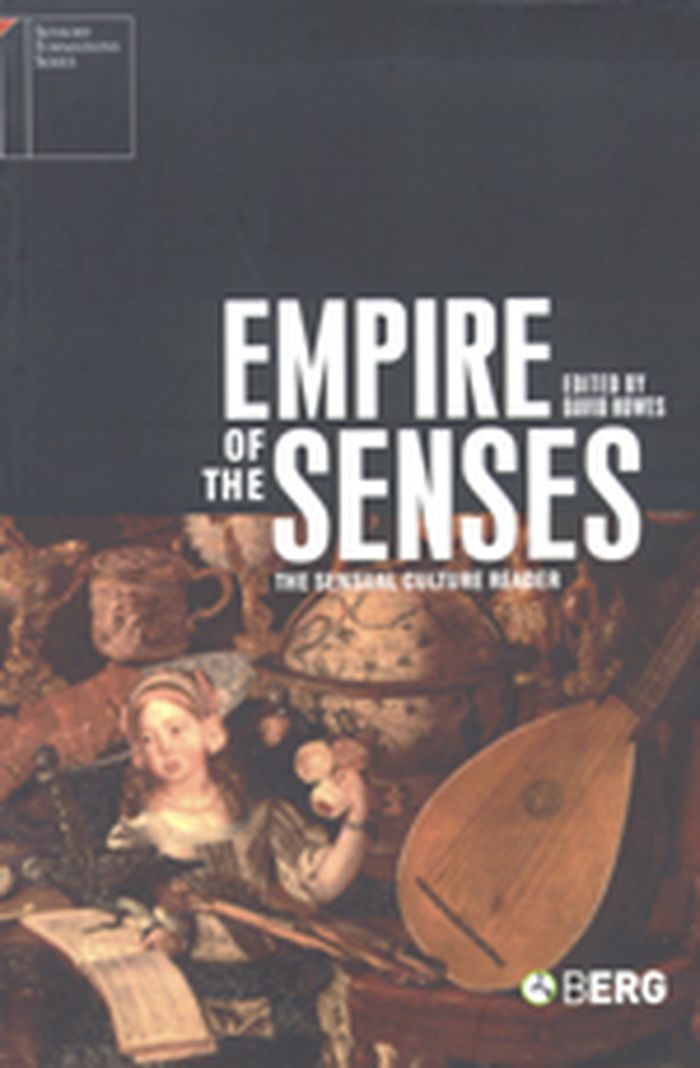
In Empire of the Senses the senses are considered as cultural systems. Bringing together classic pieces by key thinkers--from Marshall McLuhan and Alain Corbin to Susan Stewart and Oliver Sacks--as well as newly commissioned articles, this path-breaking book provides a comprehensive overview of the "sensual revolution," where all manner of disciplines converge. Its aim is(...)
$35.00
(disponible sur commande)
Résumé:
In Empire of the Senses the senses are considered as cultural systems. Bringing together classic pieces by key thinkers--from Marshall McLuhan and Alain Corbin to Susan Stewart and Oliver Sacks--as well as newly commissioned articles, this path-breaking book provides a comprehensive overview of the "sensual revolution," where all manner of disciplines converge. Its aim is(...)
Titre:
Empire of the Senses : The sensual culture reader
Actions:
Prix:
$35.00
(disponible sur commande)
Résumé:
In Empire of the Senses the senses are considered as cultural systems. Bringing together classic pieces by key thinkers--from Marshall McLuhan and Alain Corbin to Susan Stewart and Oliver Sacks--as well as newly commissioned articles, this path-breaking book provides a comprehensive overview of the "sensual revolution," where all manner of disciplines converge. Its aim is to enhance our understanding of the role of the senses in history and across cultures by overturning the hegemony of vision in contemporary theory and demonstrating that all senses play a role in mediating cultural experience. It asks provocative questions that most of us take for granted. Are there, for example, only five senses, or is this assumption a Western construct? This radical contribution to revisioning cultural studies will be essential reading for anyone hoping to understand the full complexity of how we experience our world.
Empire of the Senses : The sensual culture reader
Actions:
Prix:
$35.00
(disponible sur commande)
Résumé:
In Empire of the Senses the senses are considered as cultural systems. Bringing together classic pieces by key thinkers--from Marshall McLuhan and Alain Corbin to Susan Stewart and Oliver Sacks--as well as newly commissioned articles, this path-breaking book provides a comprehensive overview of the "sensual revolution," where all manner of disciplines converge. Its aim is to enhance our understanding of the role of the senses in history and across cultures by overturning the hegemony of vision in contemporary theory and demonstrating that all senses play a role in mediating cultural experience. It asks provocative questions that most of us take for granted. Are there, for example, only five senses, or is this assumption a Western construct? This radical contribution to revisioning cultural studies will be essential reading for anyone hoping to understand the full complexity of how we experience our world.
Classification:
livres
livres
Publication:
décembre 2004, Oxford New York
décembre 2004, Oxford New York
Sujet:
Théorie de l’architecture
Théorie de l’architecture
Classification:
livres
livres

Prix:
$25.95
(disponible sur commande)
Résumé:
The Earth has entered a new epoch: the Anthropocene. What we are facing is not only an environmental crisis, but a geological revolution of human origin. In two centuries, our planet has tipped into a state unknown for millions of years. How did we get to this point? Refuting the convenient view of a “human species” that upset the Earth system, unaware of what it was(...)
$25.95
(disponible sur commande)
Résumé:
The Earth has entered a new epoch: the Anthropocene. What we are facing is not only an environmental crisis, but a geological revolution of human origin. In two centuries, our planet has tipped into a state unknown for millions of years. How did we get to this point? Refuting the convenient view of a “human species” that upset the Earth system, unaware of what it was(...)
Publication:
avril 2017
avril 2017
Titre:
The shock of the anthropocene: the earth, history and us
Actions:
Prix:
$25.95
(disponible sur commande)
Résumé:
The Earth has entered a new epoch: the Anthropocene. What we are facing is not only an environmental crisis, but a geological revolution of human origin. In two centuries, our planet has tipped into a state unknown for millions of years. How did we get to this point? Refuting the convenient view of a “human species” that upset the Earth system, unaware of what it was doing, this book proposes the first critical history of the Anthropocene, shaking up many accepted ideas: about our supposedly recent “environmental awareness,” about previous challenges to industrialism, about the manufacture of ignorance and consumerism, about so-called energy transitions, as well as about the role of the military in environmental destruction. In a dialogue between science and history, The Shock of the Anthropocene dissects a new theoretical buzzword and explores paths for living and acting politically in this rapidly developing geological epoch.
The shock of the anthropocene: the earth, history and us
Actions:
Prix:
$25.95
(disponible sur commande)
Résumé:
The Earth has entered a new epoch: the Anthropocene. What we are facing is not only an environmental crisis, but a geological revolution of human origin. In two centuries, our planet has tipped into a state unknown for millions of years. How did we get to this point? Refuting the convenient view of a “human species” that upset the Earth system, unaware of what it was doing, this book proposes the first critical history of the Anthropocene, shaking up many accepted ideas: about our supposedly recent “environmental awareness,” about previous challenges to industrialism, about the manufacture of ignorance and consumerism, about so-called energy transitions, as well as about the role of the military in environmental destruction. In a dialogue between science and history, The Shock of the Anthropocene dissects a new theoretical buzzword and explores paths for living and acting politically in this rapidly developing geological epoch.
Classification:
livres
livres
Publication:
avril 2017
avril 2017
Classification:
livres
livres
Prix:
$27.50
(disponible sur commande)
Résumé:
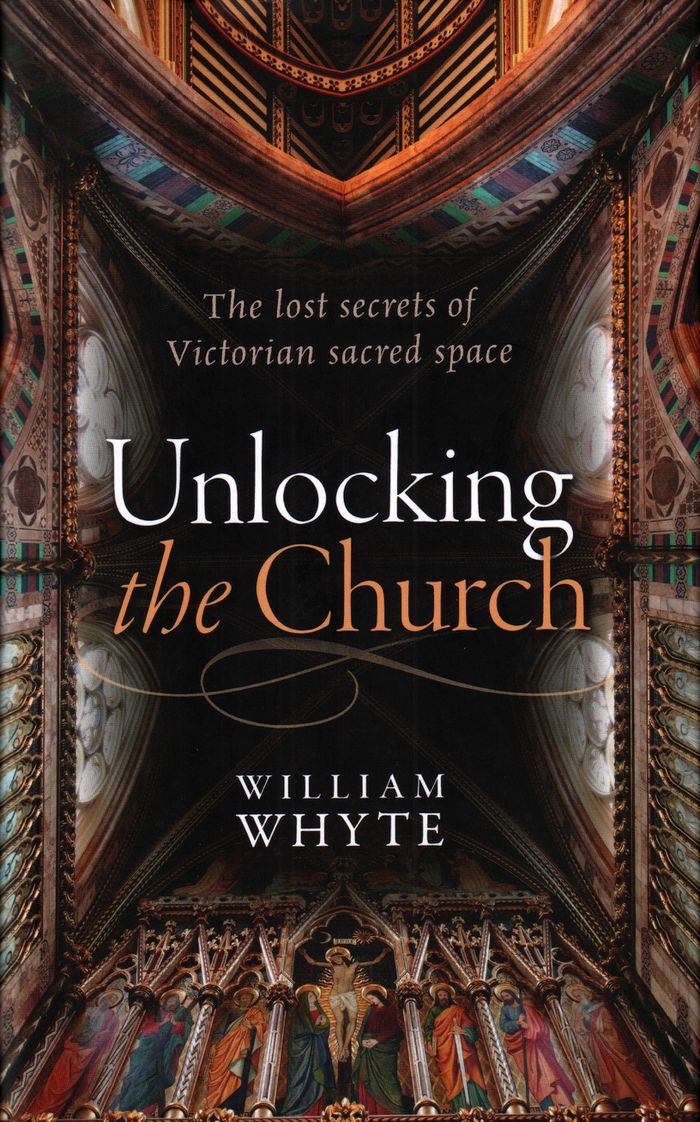
In Unlocking the Church, William Whyte explores a forgotten revolution in social and architectural history and in the history of the Church. He details the architectural and theological debates of the day, explaining how the Tractarians of Oxford and the Ecclesiologists of Cambridge were embroiled in the aesthetics of architecture, and how the Victorians profoundly(...)
$27.50
(disponible sur commande)
Résumé:
In Unlocking the Church, William Whyte explores a forgotten revolution in social and architectural history and in the history of the Church. He details the architectural and theological debates of the day, explaining how the Tractarians of Oxford and the Ecclesiologists of Cambridge were embroiled in the aesthetics of architecture, and how the Victorians profoundly(...)
Titre:
Unlocking the church: the lost secrets of Victorian sacred space
Actions:
Prix:
$27.50
(disponible sur commande)
Résumé:
In Unlocking the Church, William Whyte explores a forgotten revolution in social and architectural history and in the history of the Church. He details the architectural and theological debates of the day, explaining how the Tractarians of Oxford and the Ecclesiologists of Cambridge were embroiled in the aesthetics of architecture, and how the Victorians profoundly changed the ways in which buildings were understood and experienced. No longer mere receptacles for worship, churches became active agents in their own rights, capable of conveying theological ideas and designed to shape people's emotions. These church buildings are now a challenge: their maintenance, repair or repurposing are pressing problems for parishes in age of declining attendance and dwindling funds. By understanding their past, unlocking the secrets of their space, there might be answers in how to deal with the legacy of the Victorians now and into the future.
Unlocking the church: the lost secrets of Victorian sacred space
Actions:
Prix:
$27.50
(disponible sur commande)
Résumé:
In Unlocking the Church, William Whyte explores a forgotten revolution in social and architectural history and in the history of the Church. He details the architectural and theological debates of the day, explaining how the Tractarians of Oxford and the Ecclesiologists of Cambridge were embroiled in the aesthetics of architecture, and how the Victorians profoundly changed the ways in which buildings were understood and experienced. No longer mere receptacles for worship, churches became active agents in their own rights, capable of conveying theological ideas and designed to shape people's emotions. These church buildings are now a challenge: their maintenance, repair or repurposing are pressing problems for parishes in age of declining attendance and dwindling funds. By understanding their past, unlocking the secrets of their space, there might be answers in how to deal with the legacy of the Victorians now and into the future.
Classification:
livres
livres
Publication:
novembre 2017
novembre 2017
Sujet:
Théorie de l’architecture
Théorie de l’architecture
Classification:
livres
livres
Prix:
$32.00
(disponible sur commande)
Résumé:
The Earth has entered a new epoch: the Anthropocene. What we are facing is not only an environmental crisis, but a geological revolution of human origin. In two centuries, our planet has tipped into a state unknown for millions of years. How did we get to this point? Refuting the convenient view of a “human species” that upset the Earth system, unaware of what it was(...)
$32.00
(disponible sur commande)
Résumé:
The Earth has entered a new epoch: the Anthropocene. What we are facing is not only an environmental crisis, but a geological revolution of human origin. In two centuries, our planet has tipped into a state unknown for millions of years. How did we get to this point? Refuting the convenient view of a “human species” that upset the Earth system, unaware of what it was(...)
Sujet:
Architecture écologique
Architecture écologique
Publication:
mars 2016
mars 2016
Titre:
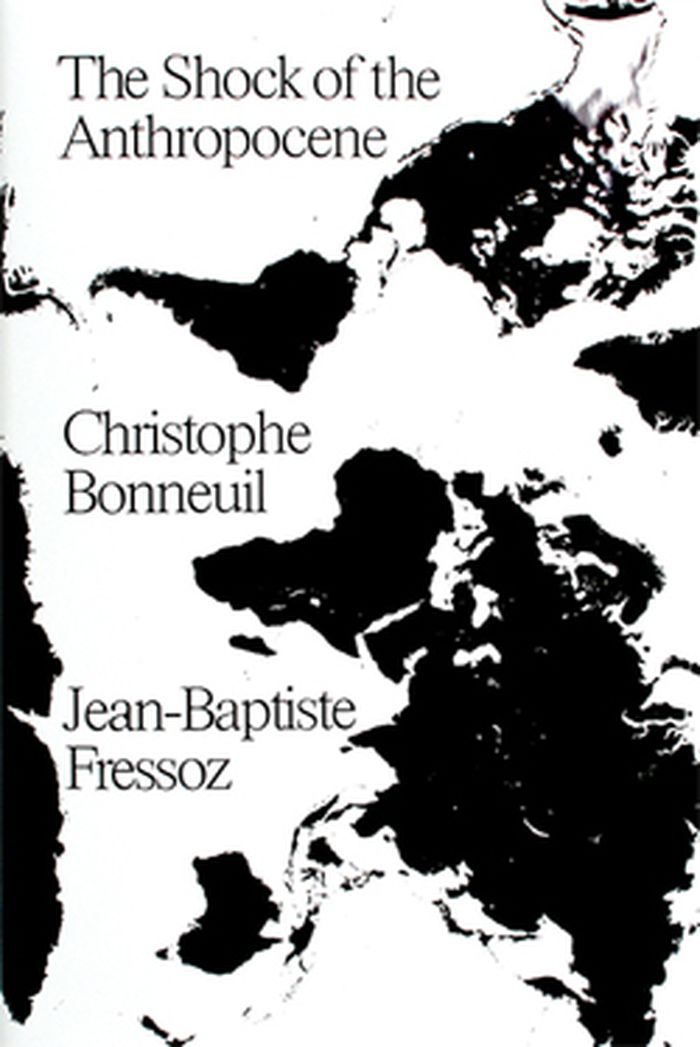
The Shock of the Anthropocene: The Earth, History and Us
Actions:
Prix:
$32.00
(disponible sur commande)
Résumé:
The Earth has entered a new epoch: the Anthropocene. What we are facing is not only an environmental crisis, but a geological revolution of human origin. In two centuries, our planet has tipped into a state unknown for millions of years. How did we get to this point? Refuting the convenient view of a “human species” that upset the Earth system, unaware of what it was doing, this book proposes the first critical history of the Anthropocene, shaking up many accepted ideas: about our supposedly recent “environmental awareness,” about previous challenges to industrialism, about the manufacture of ignorance and consumerism, about so-called energy transitions, as well as about the role of the military in environmental destruction. In a dialogue between science and history, The Shock of the Anthropocene dissects a new theoretical buzzword and explores paths for living and acting politically in this rapidly developing geological epoch.
The Shock of the Anthropocene: The Earth, History and Us
Actions:
Prix:
$32.00
(disponible sur commande)
Résumé:
The Earth has entered a new epoch: the Anthropocene. What we are facing is not only an environmental crisis, but a geological revolution of human origin. In two centuries, our planet has tipped into a state unknown for millions of years. How did we get to this point? Refuting the convenient view of a “human species” that upset the Earth system, unaware of what it was doing, this book proposes the first critical history of the Anthropocene, shaking up many accepted ideas: about our supposedly recent “environmental awareness,” about previous challenges to industrialism, about the manufacture of ignorance and consumerism, about so-called energy transitions, as well as about the role of the military in environmental destruction. In a dialogue between science and history, The Shock of the Anthropocene dissects a new theoretical buzzword and explores paths for living and acting politically in this rapidly developing geological epoch.
Classification:
livres
livres
Publication:
mars 2016
mars 2016
Sujet:
Architecture écologique
Architecture écologique


