


2576 Résultats
Classification:
livres
livres
Actions:
Prix:
$66.00
(disponible sur commande)
Résumé:
This book offers a critical look at the territory that today forms the state of Israel and the lasting historical role of agriculture, which sprang from the Neolithic revolution in the Middle East, had for a wide range of aspects of human social and ecological development. Topics considered include agriculture’s role in territorial appropriation and domestication, in(...)
$66.00
(disponible sur commande)
Résumé:
This book offers a critical look at the territory that today forms the state of Israel and the lasting historical role of agriculture, which sprang from the Neolithic revolution in the Middle East, had for a wide range of aspects of human social and ecological development. Topics considered include agriculture’s role in territorial appropriation and domestication, in(...)
Publication:
avril 2018
avril 2018
Titre:
Israel lessons: industrial Arcadia. Teaching and research in architecture
Actions:
Prix:
$66.00
(disponible sur commande)
Résumé:
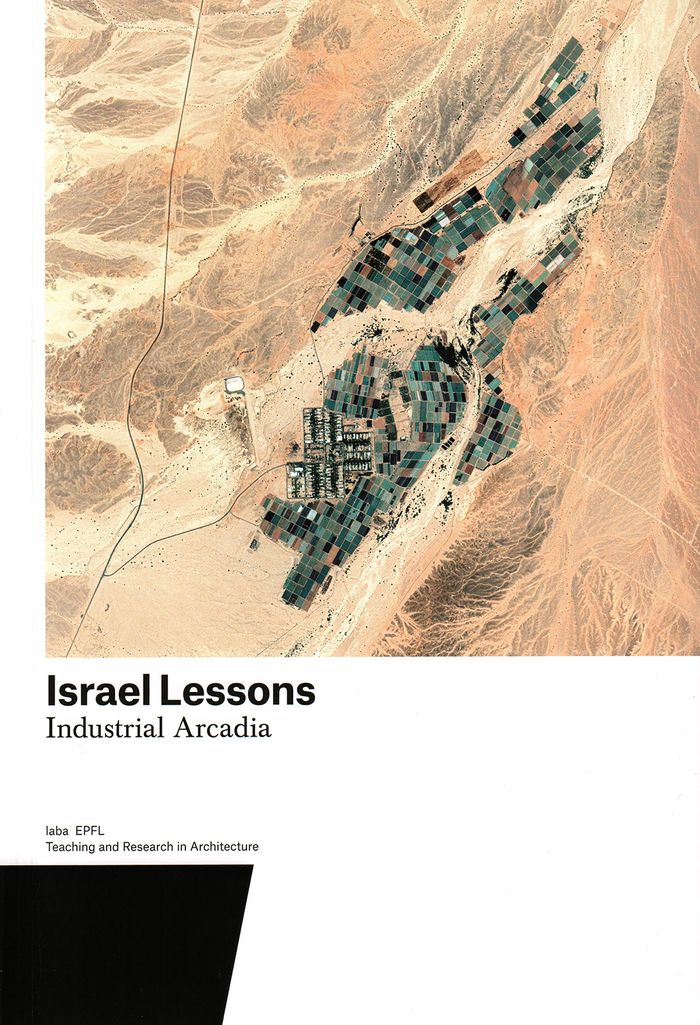
This book offers a critical look at the territory that today forms the state of Israel and the lasting historical role of agriculture, which sprang from the Neolithic revolution in the Middle East, had for a wide range of aspects of human social and ecological development. Topics considered include agriculture’s role in territorial appropriation and domestication, in structuring the development of urbanization, in creating a national homeland narrative for the Jewish state, and in changing the climate. "Israel Lessons" explores in particular the three major types of Israeli agricultural development: vernacular Palestinian/Bedouin, socialist utopian Kibbutz/Moshav, and contemporary high-tech desert farming. Presenting findings through text matched to striking images, graphics, and maps, and featuring proposals for architectural intervetions, it demonstrates how facts and narratives related to agriculture and the climate crisis are intertwined with geopolitics and sectarian ideals of an earthly paradise.
Israel lessons: industrial Arcadia. Teaching and research in architecture
Actions:
Prix:
$66.00
(disponible sur commande)
Résumé:
This book offers a critical look at the territory that today forms the state of Israel and the lasting historical role of agriculture, which sprang from the Neolithic revolution in the Middle East, had for a wide range of aspects of human social and ecological development. Topics considered include agriculture’s role in territorial appropriation and domestication, in structuring the development of urbanization, in creating a national homeland narrative for the Jewish state, and in changing the climate. "Israel Lessons" explores in particular the three major types of Israeli agricultural development: vernacular Palestinian/Bedouin, socialist utopian Kibbutz/Moshav, and contemporary high-tech desert farming. Presenting findings through text matched to striking images, graphics, and maps, and featuring proposals for architectural intervetions, it demonstrates how facts and narratives related to agriculture and the climate crisis are intertwined with geopolitics and sectarian ideals of an earthly paradise.
Classification:
livres
livres
Publication:
avril 2018
avril 2018
Classification:
livres
livres
Actions:
Prix:
$45.95
(disponible sur commande)
Résumé:
Archivio opens its third editorial cycle: four thematic issues, each curated by a Guest Editor with deep expertise, offering access to worlds where past, present, and future converge. The third issue, Archivio N°11, focuses on technology and is curated by Massimo Banzi, co-founder of Arduino, together with Cecilia Botta, technology historian and Head of Memories at(...)
$45.95
(disponible sur commande)
Résumé:
Archivio opens its third editorial cycle: four thematic issues, each curated by a Guest Editor with deep expertise, offering access to worlds where past, present, and future converge. The third issue, Archivio N°11, focuses on technology and is curated by Massimo Banzi, co-founder of Arduino, together with Cecilia Botta, technology historian and Head of Memories at(...)
Titre:
Archivio n.11 : The Tech Issue
Actions:
Prix:
$45.95
(disponible sur commande)
Résumé:
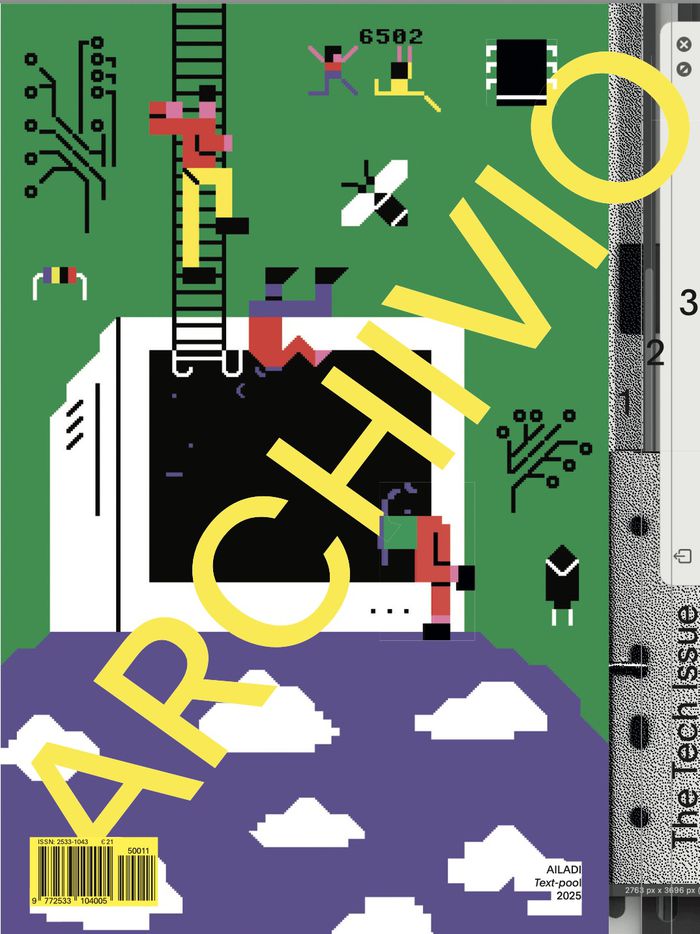
Archivio opens its third editorial cycle: four thematic issues, each curated by a Guest Editor with deep expertise, offering access to worlds where past, present, and future converge. The third issue, Archivio N°11, focuses on technology and is curated by Massimo Banzi, co-founder of Arduino, together with Cecilia Botta, technology historian and Head of Memories at Promemoria Group, the magazine's publisher. Daniela Hamaui oversees editorial direction, while Alessandro Gori shapes the art direction. The cover, designed by artist Ailadi, pays tribute to the early aesthetics of the digital age. Created using PETSCII, the character set of Commodore 8-bit computers, it evokes the visual language of technology in its formative years. Archivio N°11 maps the international landscape of technology archives, tracing the roots of the digital revolution and exploring the places where our technological past is preserved, along with the collectors and institutions that recognized its cultural value.
Archivio n.11 : The Tech Issue
Actions:
Prix:
$45.95
(disponible sur commande)
Résumé:
Archivio opens its third editorial cycle: four thematic issues, each curated by a Guest Editor with deep expertise, offering access to worlds where past, present, and future converge. The third issue, Archivio N°11, focuses on technology and is curated by Massimo Banzi, co-founder of Arduino, together with Cecilia Botta, technology historian and Head of Memories at Promemoria Group, the magazine's publisher. Daniela Hamaui oversees editorial direction, while Alessandro Gori shapes the art direction. The cover, designed by artist Ailadi, pays tribute to the early aesthetics of the digital age. Created using PETSCII, the character set of Commodore 8-bit computers, it evokes the visual language of technology in its formative years. Archivio N°11 maps the international landscape of technology archives, tracing the roots of the digital revolution and exploring the places where our technological past is preserved, along with the collectors and institutions that recognized its cultural value.
Classification:
livres
livres
Publication:
décembre 2025
décembre 2025
Sujet:
Revues
Revues
Classification:
livres
livres

Actions:
Prix:
$42.00
(disponible en magasin)
Résumé:
Hey culture worker! Are you feeling alone and afraid while the world burns? "It’s Too Late. Do It Anyway!" is two books in one, created for cultural workers who want to get off the racial capitalist high-speed-train-to-nowhere and start structuring revolution through collective care. "It’s Too Late. Do It Anyway!" offers two routes into a fractal support network designed(...)
$42.00
(disponible en magasin)
Résumé:
Hey culture worker! Are you feeling alone and afraid while the world burns? "It’s Too Late. Do It Anyway!" is two books in one, created for cultural workers who want to get off the racial capitalist high-speed-train-to-nowhere and start structuring revolution through collective care. "It’s Too Late. Do It Anyway!" offers two routes into a fractal support network designed(...)
Titre:
It’s Too Late. Do It Anyway! A Book about being a cultural worker in the apocalypse
Actions:
Prix:
$42.00
(disponible en magasin)
Résumé:
Hey culture worker! Are you feeling alone and afraid while the world burns? "It’s Too Late. Do It Anyway!" is two books in one, created for cultural workers who want to get off the racial capitalist high-speed-train-to-nowhere and start structuring revolution through collective care. "It’s Too Late. Do It Anyway!" offers two routes into a fractal support network designed to shed absurd, useless forms of artworld prestige in favor of collectively producing a world organized to support caregivers. "It’s Too Late" tells the true story of an exhibition about care that exposed the difference between making symbolic gestures and actually doing something. "Do It Anyway!" serves as a manual for The Hologram, a prism-shaped collective care protocol conceptualized by artist Cassie Thornton, inspired by the Social Solidarity Clinic of Thessaloniki in Greece, and now practiced by people all over the world.
It’s Too Late. Do It Anyway! A Book about being a cultural worker in the apocalypse
Actions:
Prix:
$42.00
(disponible en magasin)
Résumé:
Hey culture worker! Are you feeling alone and afraid while the world burns? "It’s Too Late. Do It Anyway!" is two books in one, created for cultural workers who want to get off the racial capitalist high-speed-train-to-nowhere and start structuring revolution through collective care. "It’s Too Late. Do It Anyway!" offers two routes into a fractal support network designed to shed absurd, useless forms of artworld prestige in favor of collectively producing a world organized to support caregivers. "It’s Too Late" tells the true story of an exhibition about care that exposed the difference between making symbolic gestures and actually doing something. "Do It Anyway!" serves as a manual for The Hologram, a prism-shaped collective care protocol conceptualized by artist Cassie Thornton, inspired by the Social Solidarity Clinic of Thessaloniki in Greece, and now practiced by people all over the world.
Classification:
livres
livres
Publication:
septembre 2025
septembre 2025
Sujet:
Social
Social
Classification:
livres
livres
Prix:
$62.00
(disponible en magasin)
Résumé:
Architecture, as a living organism, establishes a relationship between beings and their environment, where the notions of energy, breathing and light are the vectors for the conception of spaces. For Serero, ?architecture should reach the minimum impact on its local environment and aims to vanish and resiliate in nature. The work rethink architecture and shifts away its(...)
$62.00
(disponible en magasin)
Résumé:
Architecture, as a living organism, establishes a relationship between beings and their environment, where the notions of energy, breathing and light are the vectors for the conception of spaces. For Serero, ?architecture should reach the minimum impact on its local environment and aims to vanish and resiliate in nature. The work rethink architecture and shifts away its(...)
Titre:
Data. Energy. Matter: Why architecture is key to climate change
Actions:
Prix:
$62.00
(disponible en magasin)
Résumé:
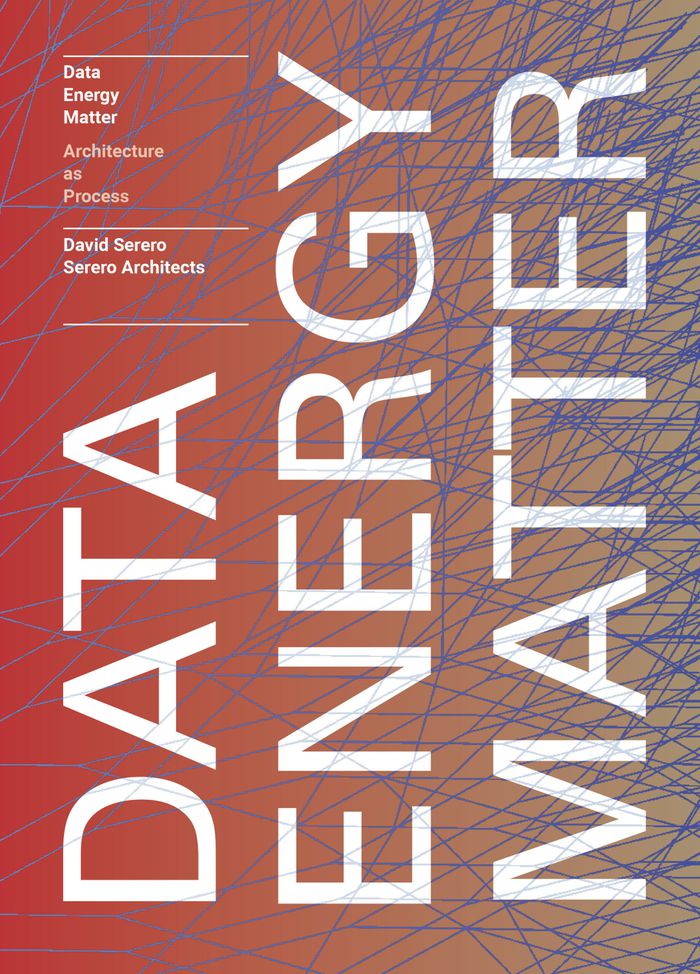
Architecture, as a living organism, establishes a relationship between beings and their environment, where the notions of energy, breathing and light are the vectors for the conception of spaces. For Serero, ?architecture should reach the minimum impact on its local environment and aims to vanish and resiliate in nature. The work rethink architecture and shifts away its permanent condition towards a transient and ephemeral one, with greater spatial versatility and multiplying the potential usage to propose an open architecture. This book reveals 3 profound transformations of recent architecture: the digital revolution and its impact on creative work in all conceptual aspects, the emergence of an internet of energy ?that buildings will contribute to create to share energy, and the profusion of new usage of private and public spaces, both collaborative and connected, creating an interstitial experience of spaces ?between the physical and the virtual.
Data. Energy. Matter: Why architecture is key to climate change
Actions:
Prix:
$62.00
(disponible en magasin)
Résumé:
Architecture, as a living organism, establishes a relationship between beings and their environment, where the notions of energy, breathing and light are the vectors for the conception of spaces. For Serero, ?architecture should reach the minimum impact on its local environment and aims to vanish and resiliate in nature. The work rethink architecture and shifts away its permanent condition towards a transient and ephemeral one, with greater spatial versatility and multiplying the potential usage to propose an open architecture. This book reveals 3 profound transformations of recent architecture: the digital revolution and its impact on creative work in all conceptual aspects, the emergence of an internet of energy ?that buildings will contribute to create to share energy, and the profusion of new usage of private and public spaces, both collaborative and connected, creating an interstitial experience of spaces ?between the physical and the virtual.
Classification:
livres
livres
Publication:
décembre 2025
décembre 2025
Classification:
livres
livres

Actions:
Prix:
$29.95
(disponible en magasin)
Résumé:
First published in 1976, issued in a new edition in 2008, and now back in print, “And It Came to Pass—Not to Stay” brings together a selection of Buckminster Fuller's (1895–1983) lyrical and philosophical best, including seven "essays" that address global crises and his predictions for the future—"to make the world work for 100% of humanity in the shortest possible time(...)
$29.95
(disponible en magasin)
Résumé:
First published in 1976, issued in a new edition in 2008, and now back in print, “And It Came to Pass—Not to Stay” brings together a selection of Buckminster Fuller's (1895–1983) lyrical and philosophical best, including seven "essays" that address global crises and his predictions for the future—"to make the world work for 100% of humanity in the shortest possible time(...)
Titre:
And it came to pass not to stay
Actions:
Prix:
$29.95
(disponible en magasin)
Résumé:
First published in 1976, issued in a new edition in 2008, and now back in print, “And It Came to Pass—Not to Stay” brings together a selection of Buckminster Fuller's (1895–1983) lyrical and philosophical best, including seven "essays" that address global crises and his predictions for the future—"to make the world work for 100% of humanity in the shortest possible time through spontaneous cooperation without ecological offence or the disadvantage of anyone." These essays, comprising "How Little I Know," "Complexion 1976," "What I Am Trying to Do," "A Definition of Evolution," "'And It Came to Pass' (Not to Stay)," "Soft Revolution" and "Ethics," pursue the task of ushering in a new era for humanity by "always starting with the universe." Each of the texts is written in Fuller's "ventilated prose," an essayistic poem form that breaks up his thinking into lines and stanzas.
And it came to pass not to stay
Actions:
Prix:
$29.95
(disponible en magasin)
Résumé:
First published in 1976, issued in a new edition in 2008, and now back in print, “And It Came to Pass—Not to Stay” brings together a selection of Buckminster Fuller's (1895–1983) lyrical and philosophical best, including seven "essays" that address global crises and his predictions for the future—"to make the world work for 100% of humanity in the shortest possible time through spontaneous cooperation without ecological offence or the disadvantage of anyone." These essays, comprising "How Little I Know," "Complexion 1976," "What I Am Trying to Do," "A Definition of Evolution," "'And It Came to Pass' (Not to Stay)," "Soft Revolution" and "Ethics," pursue the task of ushering in a new era for humanity by "always starting with the universe." Each of the texts is written in Fuller's "ventilated prose," an essayistic poem form that breaks up his thinking into lines and stanzas.
Classification:
livres
livres
Publication:
août 2019
août 2019
Sujet:
Architecture, monographies
Architecture, monographies
Classification:
livres
livres
Titre:
Technics & civilization
Technics & civilization
Actions:
Prix:
$45.95
(disponible sur commande)
Résumé:
Technics and Civilization first presented its compelling history of the machine and critical study of its effects on civilization in 1934 —before television, the personal computer, and the Internet even appeared on our periphery. Drawing upon art, science, philosophy, and the history of culture, Lewis Mumford explained the origin of the machine age and traced its(...)
$45.95
(disponible sur commande)
Résumé:
Technics and Civilization first presented its compelling history of the machine and critical study of its effects on civilization in 1934 —before television, the personal computer, and the Internet even appeared on our periphery. Drawing upon art, science, philosophy, and the history of culture, Lewis Mumford explained the origin of the machine age and traced its(...)
Titre:
Technics & civilization
Actions:
Prix:
$45.95
(disponible sur commande)
Résumé:
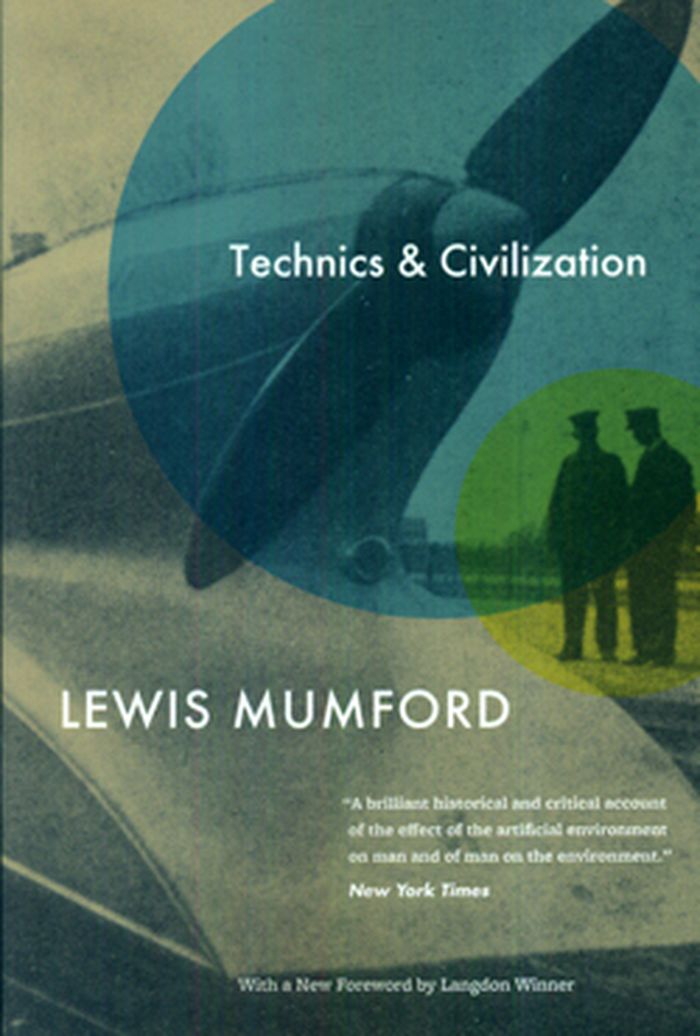
Technics and Civilization first presented its compelling history of the machine and critical study of its effects on civilization in 1934 —before television, the personal computer, and the Internet even appeared on our periphery. Drawing upon art, science, philosophy, and the history of culture, Lewis Mumford explained the origin of the machine age and traced its social results, asserting that the development of modern technology had its roots in the Middle Ages rather than the Industrial Revolution. Mumford sagely argued that it was the moral, economic, and political choices we made, not the machines that we used, that determined our then industrially driven economy. Equal parts powerful history and polemic criticism, this book was the first comprehensive attempt in English to portray the development of the machine age over the last thousand years — and to predict the pull the technological still holds over us today.
Technics & civilization
Actions:
Prix:
$45.95
(disponible sur commande)
Résumé:
Technics and Civilization first presented its compelling history of the machine and critical study of its effects on civilization in 1934 —before television, the personal computer, and the Internet even appeared on our periphery. Drawing upon art, science, philosophy, and the history of culture, Lewis Mumford explained the origin of the machine age and traced its social results, asserting that the development of modern technology had its roots in the Middle Ages rather than the Industrial Revolution. Mumford sagely argued that it was the moral, economic, and political choices we made, not the machines that we used, that determined our then industrially driven economy. Equal parts powerful history and polemic criticism, this book was the first comprehensive attempt in English to portray the development of the machine age over the last thousand years — and to predict the pull the technological still holds over us today.
Classification:
livres
livres
Publication:
octobre 2010
octobre 2010
Sujet:
Théorie de l’architecture
Théorie de l’architecture
Classification:
livres
livres
Titre:
Pigments
Pigments
Actions:
Prix:
$39.95
(disponible sur commande)
Résumé:
Over the millennia, humans have used pigments to decorate, narrate, and instruct. Charred bone, ground earth, stones, bugs, and blood were the first pigments. New pigments were manufactured by simple processes such as corrosion and calcination until the Industrial Revolution introduced colors outside the spectrum of the natural world. "Pigments" brings together leading(...)
$39.95
(disponible sur commande)
Résumé:
Over the millennia, humans have used pigments to decorate, narrate, and instruct. Charred bone, ground earth, stones, bugs, and blood were the first pigments. New pigments were manufactured by simple processes such as corrosion and calcination until the Industrial Revolution introduced colors outside the spectrum of the natural world. "Pigments" brings together leading(...)
Publication:
juin 2024
juin 2024
Titre:
Pigments
Actions:
Prix:
$39.95
(disponible sur commande)
Résumé:
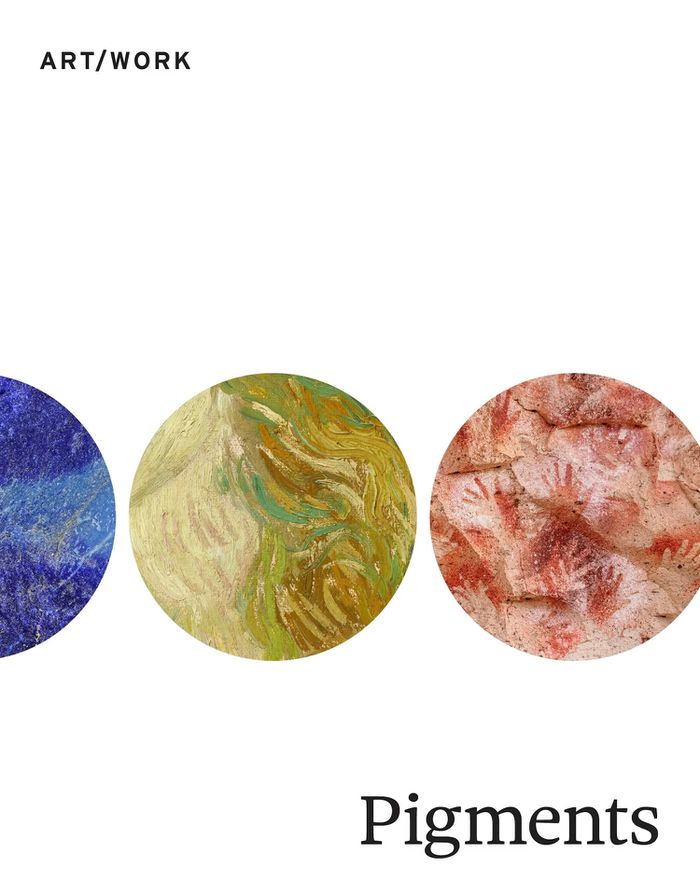
Over the millennia, humans have used pigments to decorate, narrate, and instruct. Charred bone, ground earth, stones, bugs, and blood were the first pigments. New pigments were manufactured by simple processes such as corrosion and calcination until the Industrial Revolution introduced colors outside the spectrum of the natural world. "Pigments" brings together leading art historians and conservators to trace the history of the materials used to create color and their invention across diverse cultures and time periods. This richly illustrated book features incisive historical essays and case studies that shed light on the many forms of pigments—the organic and inorganic; the edible and the toxic; and those that are more precious than gold. It shows how pigments were as central to the earliest art forms and global trade networks as they are to commerce, ornamentation, and artistic expression today. The book reveals the innate instability and mutability of most pigments and discusses how few artworks or objects look as they did when they were first created.
Pigments
Actions:
Prix:
$39.95
(disponible sur commande)
Résumé:
Over the millennia, humans have used pigments to decorate, narrate, and instruct. Charred bone, ground earth, stones, bugs, and blood were the first pigments. New pigments were manufactured by simple processes such as corrosion and calcination until the Industrial Revolution introduced colors outside the spectrum of the natural world. "Pigments" brings together leading art historians and conservators to trace the history of the materials used to create color and their invention across diverse cultures and time periods. This richly illustrated book features incisive historical essays and case studies that shed light on the many forms of pigments—the organic and inorganic; the edible and the toxic; and those that are more precious than gold. It shows how pigments were as central to the earliest art forms and global trade networks as they are to commerce, ornamentation, and artistic expression today. The book reveals the innate instability and mutability of most pigments and discusses how few artworks or objects look as they did when they were first created.
Classification:
livres
livres
Publication:
juin 2024
juin 2024
Classification:
livres
livres
Actions:
Prix:
$33.95
(disponible sur commande)
Résumé:
Is the capital of Latin America a small island at the mouth of the Hudson River? Will California soon hold the balance of power in Mexican national politics? Will Latinos reinvigorate the US labor movement? These are some of the provocative questions that Mike Davis explores in this fascinating account of the Latinization of the US urban landscape. As he forefully shows,(...)
$33.95
(disponible sur commande)
Résumé:
Is the capital of Latin America a small island at the mouth of the Hudson River? Will California soon hold the balance of power in Mexican national politics? Will Latinos reinvigorate the US labor movement? These are some of the provocative questions that Mike Davis explores in this fascinating account of the Latinization of the US urban landscape. As he forefully shows,(...)
Titre:
Magical urbanism: Latinos reinvent the US city
Actions:
Prix:
$33.95
(disponible sur commande)
Résumé:
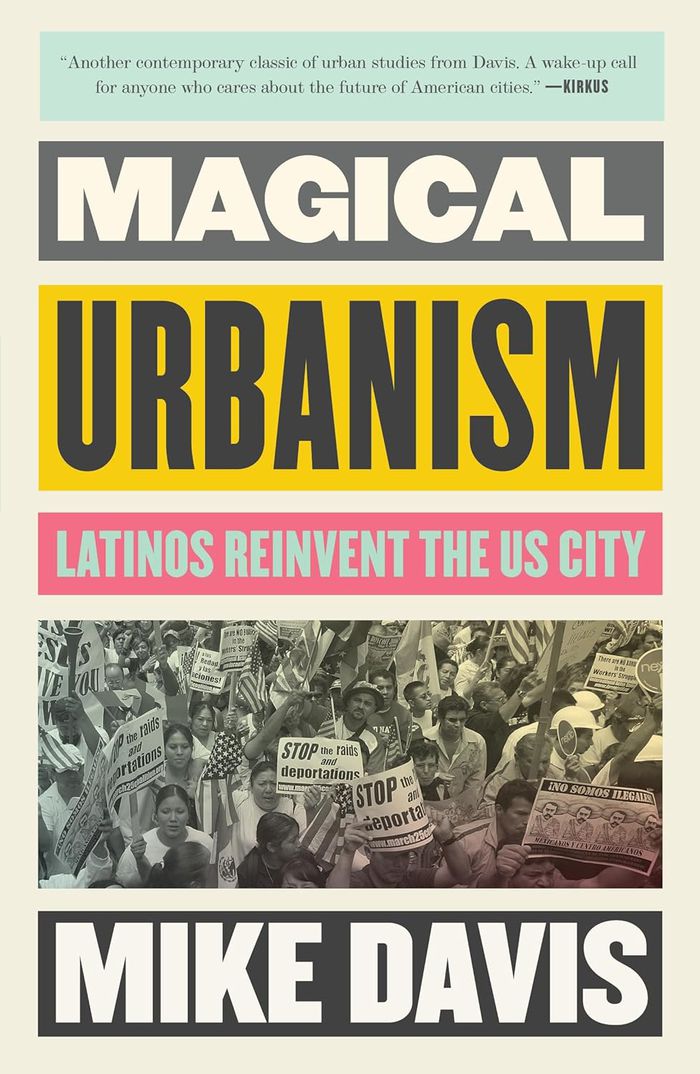
Is the capital of Latin America a small island at the mouth of the Hudson River? Will California soon hold the balance of power in Mexican national politics? Will Latinos reinvigorate the US labor movement? These are some of the provocative questions that Mike Davis explores in this fascinating account of the Latinization of the US urban landscape. As he forefully shows, this is a demographic and cultural revolution with extraordinary implications. With Spanish surnames increasing five times faster than the general population, salsa is becoming the predominant ethnic rhythm (and flavor) of contemporary city life. In Los Angeles, Houston, San Antonio, and (shortly) Dallas, Latinos outnumber non-Hispanic whites; in New York, San Diego and Phoenix they outnumber Blacks. According to the Bureau of the Census, Latinos will supply fully two-thirds of the nation’s population growth between now and the middle of the 21st century when nearly 100 millions Americans will boast Latin American ancestry.
Magical urbanism: Latinos reinvent the US city
Actions:
Prix:
$33.95
(disponible sur commande)
Résumé:
Is the capital of Latin America a small island at the mouth of the Hudson River? Will California soon hold the balance of power in Mexican national politics? Will Latinos reinvigorate the US labor movement? These are some of the provocative questions that Mike Davis explores in this fascinating account of the Latinization of the US urban landscape. As he forefully shows, this is a demographic and cultural revolution with extraordinary implications. With Spanish surnames increasing five times faster than the general population, salsa is becoming the predominant ethnic rhythm (and flavor) of contemporary city life. In Los Angeles, Houston, San Antonio, and (shortly) Dallas, Latinos outnumber non-Hispanic whites; in New York, San Diego and Phoenix they outnumber Blacks. According to the Bureau of the Census, Latinos will supply fully two-thirds of the nation’s population growth between now and the middle of the 21st century when nearly 100 millions Americans will boast Latin American ancestry.
Classification:
livres
livres
Publication:
juin 2024
juin 2024
Sujet:
Théorie de l’urbanisme
Théorie de l’urbanisme
Classification:
livres
livres
Actions:
Prix:
$99.95
(disponible sur commande)
Résumé:
Think plastic. Think inflatable PVC chairs and TV tables. It must be the 1960s, when radical furniture designs "popped" next to new art, traditional designs were recast with new materials, and the results were often mixed in one room. One of the boldest decades of design in the twentieth century, this a decade of contradictions in styles that Anne Bony has captured in(...)
$99.95
(disponible sur commande)
Résumé:
Think plastic. Think inflatable PVC chairs and TV tables. It must be the 1960s, when radical furniture designs "popped" next to new art, traditional designs were recast with new materials, and the results were often mixed in one room. One of the boldest decades of design in the twentieth century, this a decade of contradictions in styles that Anne Bony has captured in(...)
Titre:
Furniture & interiors of the 1960s
Actions:
Prix:
$99.95
(disponible sur commande)
Résumé:
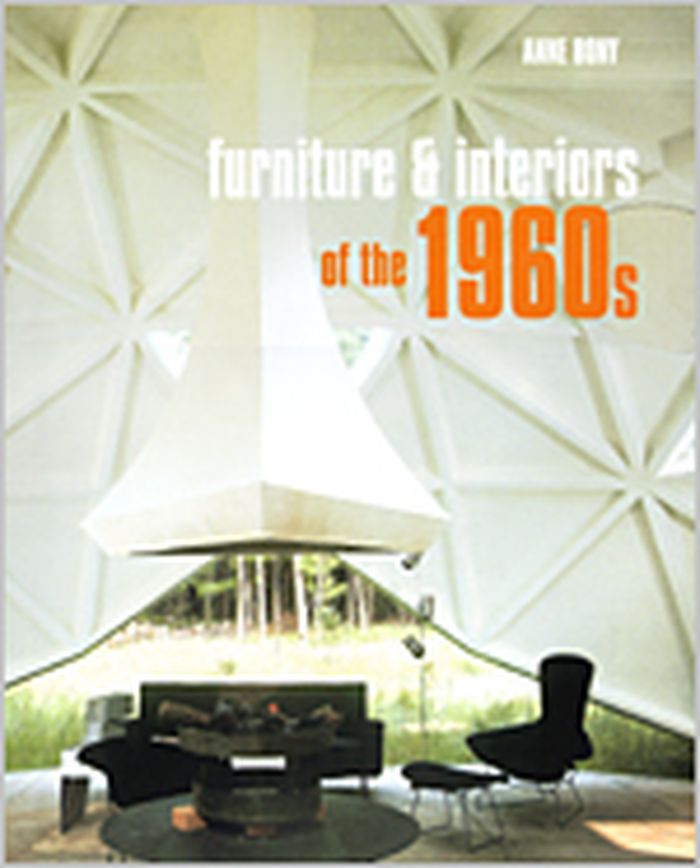
Think plastic. Think inflatable PVC chairs and TV tables. It must be the 1960s, when radical furniture designs "popped" next to new art, traditional designs were recast with new materials, and the results were often mixed in one room. One of the boldest decades of design in the twentieth century, this a decade of contradictions in styles that Anne Bony has captured in this book. "Furniture and interiors of the 1960s" pays homage to the vibrancy and buoyant energy of the decade's design trends and influences in 300 key designs that attract enormous interest and command unprecedented prices today. For the first time, America was leading a design revolution with Wendell Castle's Molar and Castle chairs, Estelle Lavergne's lucite furniture and the experiments of Ray and Charles Eames. Warren Planter, Hans Knoll, Harry Bertoia, Alexander Girard, and Robert Propst were world-ranked designers who pioneered new directions in furnishings and accessories that appeared in trendy homes and offices in Europe and Asia.
Furniture & interiors of the 1960s
Actions:
Prix:
$99.95
(disponible sur commande)
Résumé:
Think plastic. Think inflatable PVC chairs and TV tables. It must be the 1960s, when radical furniture designs "popped" next to new art, traditional designs were recast with new materials, and the results were often mixed in one room. One of the boldest decades of design in the twentieth century, this a decade of contradictions in styles that Anne Bony has captured in this book. "Furniture and interiors of the 1960s" pays homage to the vibrancy and buoyant energy of the decade's design trends and influences in 300 key designs that attract enormous interest and command unprecedented prices today. For the first time, America was leading a design revolution with Wendell Castle's Molar and Castle chairs, Estelle Lavergne's lucite furniture and the experiments of Ray and Charles Eames. Warren Planter, Hans Knoll, Harry Bertoia, Alexander Girard, and Robert Propst were world-ranked designers who pioneered new directions in furnishings and accessories that appeared in trendy homes and offices in Europe and Asia.
Classification:
livres
livres
Publication:
mai 2004, Paris
mai 2004, Paris
Sujet:
Design d’intérieur
Design d’intérieur
Classification:
livres
livres
Actions:
Prix:
$45.95
(disponible sur commande)
Résumé:
This lively and authoritative book explores the influence of the Bauhaus and modernism on typography and book design. Alan Bartram examines work by such key figures as Max Bill, F. T. Marinetti, El Lissitzky, László Moholy-Nagy, Jan Tschichold, and Paul Rand. All of the carefully chosen examples, some of which have not been previously reproduced, clearly demonstrate the(...)
$45.95
(disponible sur commande)
Résumé:
This lively and authoritative book explores the influence of the Bauhaus and modernism on typography and book design. Alan Bartram examines work by such key figures as Max Bill, F. T. Marinetti, El Lissitzky, László Moholy-Nagy, Jan Tschichold, and Paul Rand. All of the carefully chosen examples, some of which have not been previously reproduced, clearly demonstrate the(...)
Titre:
Bauhaus, modernism & the illustrated book
Actions:
Prix:
$45.95
(disponible sur commande)
Résumé:
This lively and authoritative book explores the influence of the Bauhaus and modernism on typography and book design. Alan Bartram examines work by such key figures as Max Bill, F. T. Marinetti, El Lissitzky, László Moholy-Nagy, Jan Tschichold, and Paul Rand. All of the carefully chosen examples, some of which have not been previously reproduced, clearly demonstrate the modernist revolution that took place in graphic design. In an informative introductory essay, Bartram surveys the German art and design school known as the Bauhaus. Under Walter Gropius, the Bauhaus intended to create an academic, theoretical, and practical synthesis of all forms of visual expression, a marrying of art, architecture, industry, and design that had never been attempted before. Although the Bauhaus existed for only fourteen years, from 1920 to 1934, Bartram asserts that its philosophy influenced the appearance of almost every kind of modernist artifact throughout the twentieth century and continues to do so today.
Bauhaus, modernism & the illustrated book
Actions:
Prix:
$45.95
(disponible sur commande)
Résumé:
This lively and authoritative book explores the influence of the Bauhaus and modernism on typography and book design. Alan Bartram examines work by such key figures as Max Bill, F. T. Marinetti, El Lissitzky, László Moholy-Nagy, Jan Tschichold, and Paul Rand. All of the carefully chosen examples, some of which have not been previously reproduced, clearly demonstrate the modernist revolution that took place in graphic design. In an informative introductory essay, Bartram surveys the German art and design school known as the Bauhaus. Under Walter Gropius, the Bauhaus intended to create an academic, theoretical, and practical synthesis of all forms of visual expression, a marrying of art, architecture, industry, and design that had never been attempted before. Although the Bauhaus existed for only fourteen years, from 1920 to 1934, Bartram asserts that its philosophy influenced the appearance of almost every kind of modernist artifact throughout the twentieth century and continues to do so today.
Classification:
livres
livres
Publication:
avril 2004, London
avril 2004, London


