


2504 Résultats
Classification:
livres
livres
Actions:
Prix:
$93.95
(disponible sur commande)
Résumé:
Throughout the twentieth century, housing displays have proven to be a singular genre of architectural and design exhibitions. By crossing geographies and adopting multiple scales of observation – from domestic space to urban visions – this volume investigates a set of unexplored events devoted to housing and dwelling, organised by technical, professional, cultural or(...)
$93.95
(disponible sur commande)
Résumé:
Throughout the twentieth century, housing displays have proven to be a singular genre of architectural and design exhibitions. By crossing geographies and adopting multiple scales of observation – from domestic space to urban visions – this volume investigates a set of unexplored events devoted to housing and dwelling, organised by technical, professional, cultural or(...)
Titre:
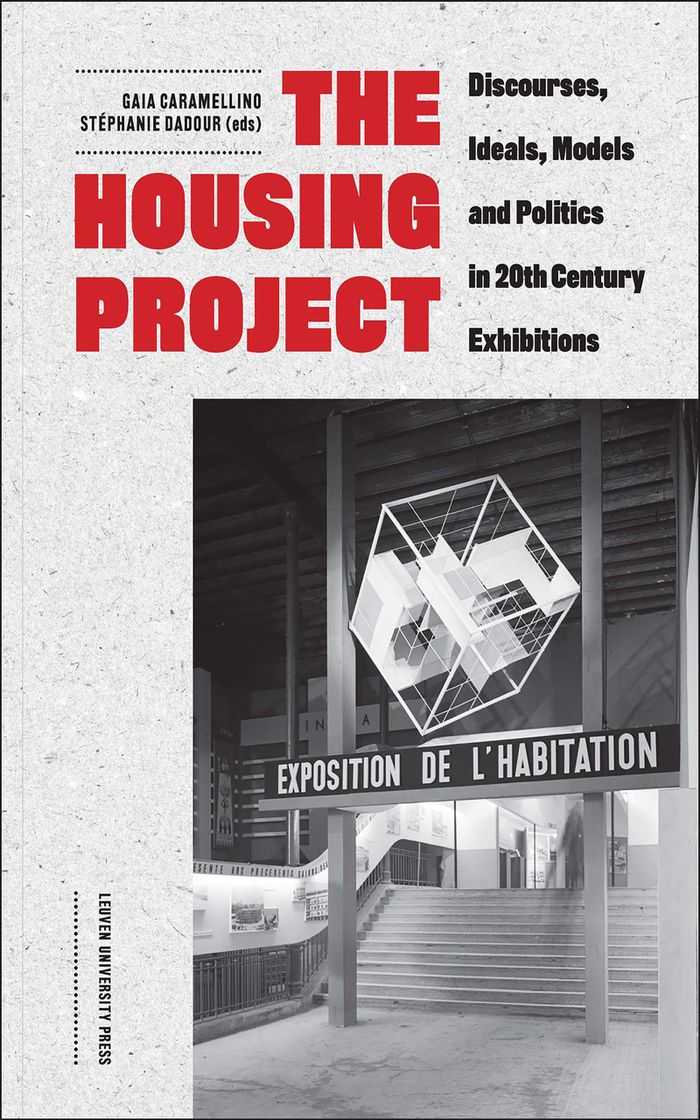
The housing project: discourses, ideals, models and politics in 20th century exhibitions
Actions:
Prix:
$93.95
(disponible sur commande)
Résumé:
Throughout the twentieth century, housing displays have proven to be a singular genre of architectural and design exhibitions. By crossing geographies and adopting multiple scales of observation – from domestic space to urban visions – this volume investigates a set of unexplored events devoted to housing and dwelling, organised by technical, professional, cultural or governmental institutions from the interwar years to the Cold War. The book offers a first critical assessment of twentieth-century housing exhibits and explores the role of exhibitions in the codification of notions of domesticity, social models, policies, and architectural and urban discourse. At the intersection of housing studies and the history of exhibitions, ''The Housing Project'' not only offers a novel angle on architectural history but also enriches scholarly perspectives in urban studies, cultural and media history, design, and consumption studies.
The housing project: discourses, ideals, models and politics in 20th century exhibitions
Actions:
Prix:
$93.95
(disponible sur commande)
Résumé:
Throughout the twentieth century, housing displays have proven to be a singular genre of architectural and design exhibitions. By crossing geographies and adopting multiple scales of observation – from domestic space to urban visions – this volume investigates a set of unexplored events devoted to housing and dwelling, organised by technical, professional, cultural or governmental institutions from the interwar years to the Cold War. The book offers a first critical assessment of twentieth-century housing exhibits and explores the role of exhibitions in the codification of notions of domesticity, social models, policies, and architectural and urban discourse. At the intersection of housing studies and the history of exhibitions, ''The Housing Project'' not only offers a novel angle on architectural history but also enriches scholarly perspectives in urban studies, cultural and media history, design, and consumption studies.
Classification:
livres
livres
Publication:
août 2019
août 2019
Sujet:
Logements collectifs
Logements collectifs
Classification:
livres
livres
Titre:
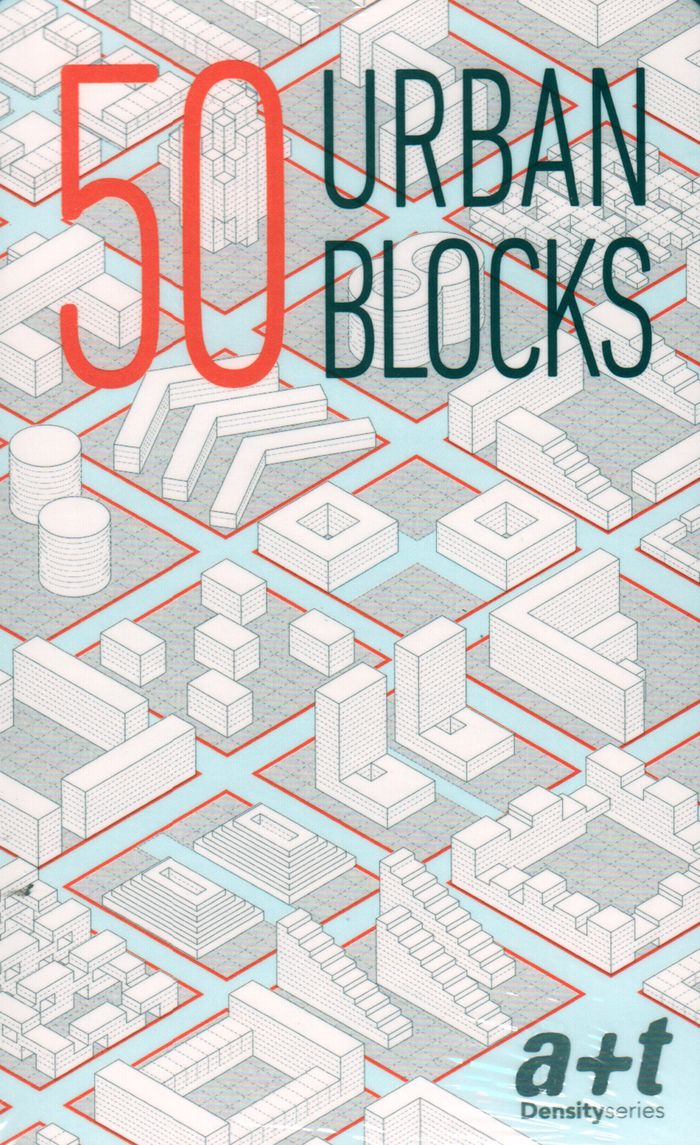
50 urban blocks
50 urban blocks
Actions:
Prix:
$55.95
(disponible sur commande)
Résumé:
This set of cards contains 50 examples of how to design an urban block. Each card proposes a possible urban form along with measurements and density data, including floor plans, sun exposure, coverage, and both the built and occupied floor area per storey. Units are provided in feet and metres, and axonometric diagrams offer a clear visual supplement to the data,(...)
$55.95
(disponible sur commande)
Résumé:
This set of cards contains 50 examples of how to design an urban block. Each card proposes a possible urban form along with measurements and density data, including floor plans, sun exposure, coverage, and both the built and occupied floor area per storey. Units are provided in feet and metres, and axonometric diagrams offer a clear visual supplement to the data,(...)
Titre:
50 urban blocks
Actions:
Prix:
$55.95
(disponible sur commande)
Résumé:
This set of cards contains 50 examples of how to design an urban block. Each card proposes a possible urban form along with measurements and density data, including floor plans, sun exposure, coverage, and both the built and occupied floor area per storey. Units are provided in feet and metres, and axonometric diagrams offer a clear visual supplement to the data, illustrating the various spatial arrangements. With so many types of urban blocks gathered in a single, easy-to-use format, the set offers inspiration for architects, designers, and urbanists everywhere.
50 urban blocks
Actions:
Prix:
$55.95
(disponible sur commande)
Résumé:
This set of cards contains 50 examples of how to design an urban block. Each card proposes a possible urban form along with measurements and density data, including floor plans, sun exposure, coverage, and both the built and occupied floor area per storey. Units are provided in feet and metres, and axonometric diagrams offer a clear visual supplement to the data, illustrating the various spatial arrangements. With so many types of urban blocks gathered in a single, easy-to-use format, the set offers inspiration for architects, designers, and urbanists everywhere.
Classification:
livres
livres
Publication:
juin 2017
juin 2017
Sujet:
Logements collectifs
Logements collectifs
Classification:
livres
livres
Prix:
$88.95
(disponible sur commande)
Résumé:
This book investigates the development of multi-unit housing typologies that were predominant in a particular city from the 1800s to present day. It emphasises the importance of understanding the direct connection between housing and dwelling in the context of a city, and the manner in which the city is an instructional indication of how a housing typology is embodied.
$88.95
(disponible sur commande)
Résumé:
This book investigates the development of multi-unit housing typologies that were predominant in a particular city from the 1800s to present day. It emphasises the importance of understanding the direct connection between housing and dwelling in the context of a city, and the manner in which the city is an instructional indication of how a housing typology is embodied.
Titre:
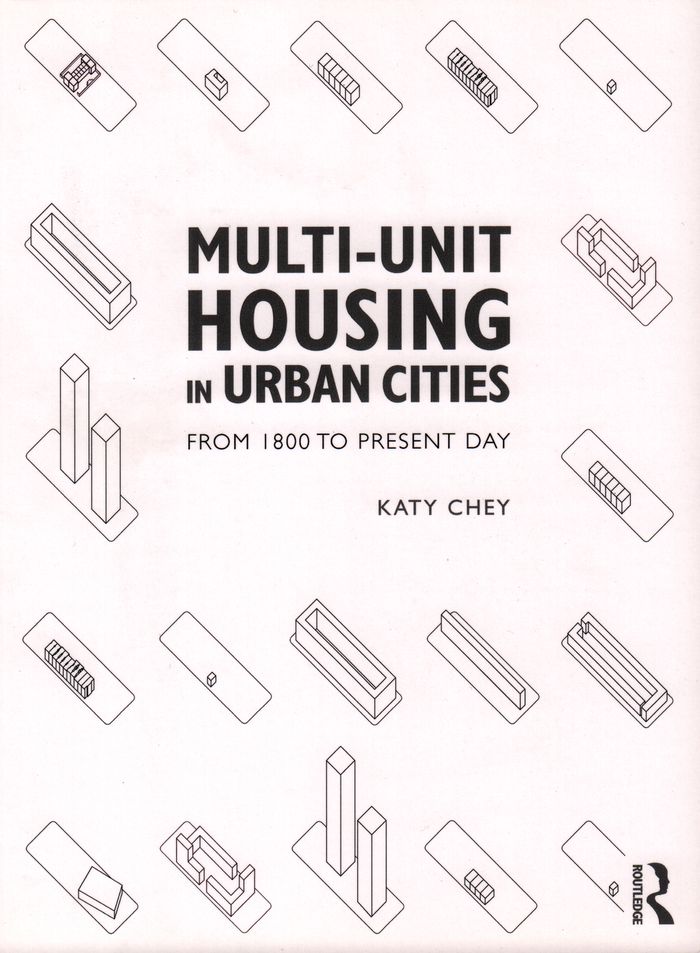
Multi-unit housing in urban cities: from 1800 to the present
Actions:
Prix:
$88.95
(disponible sur commande)
Résumé:
This book investigates the development of multi-unit housing typologies that were predominant in a particular city from the 1800s to present day. It emphasises the importance of understanding the direct connection between housing and dwelling in the context of a city, and the manner in which the city is an instructional indication of how a housing typology is embodied.
Multi-unit housing in urban cities: from 1800 to the present
Actions:
Prix:
$88.95
(disponible sur commande)
Résumé:
This book investigates the development of multi-unit housing typologies that were predominant in a particular city from the 1800s to present day. It emphasises the importance of understanding the direct connection between housing and dwelling in the context of a city, and the manner in which the city is an instructional indication of how a housing typology is embodied.
Classification:
livres
livres
Publication:
novembre 2017
novembre 2017
Sujet:
Logements collectifs
Logements collectifs
Classification:
livres
livres
Prix:
$102.95
(disponible sur commande)
Résumé:
Swiss architecture has come to be associated with iconic buildings and celebrated architects and firms like Peter Zumthor, Marion Botta, and Herzog & de Meuron. Yet there is a wide variety of other projects that contribute to a distinctly Swiss architecture, including private homes and housing developments. New Housing in Zurich looks specifically at the cooperative(...)
$102.95
(disponible sur commande)
Résumé:
Swiss architecture has come to be associated with iconic buildings and celebrated architects and firms like Peter Zumthor, Marion Botta, and Herzog & de Meuron. Yet there is a wide variety of other projects that contribute to a distinctly Swiss architecture, including private homes and housing developments. New Housing in Zurich looks specifically at the cooperative(...)
Titre:
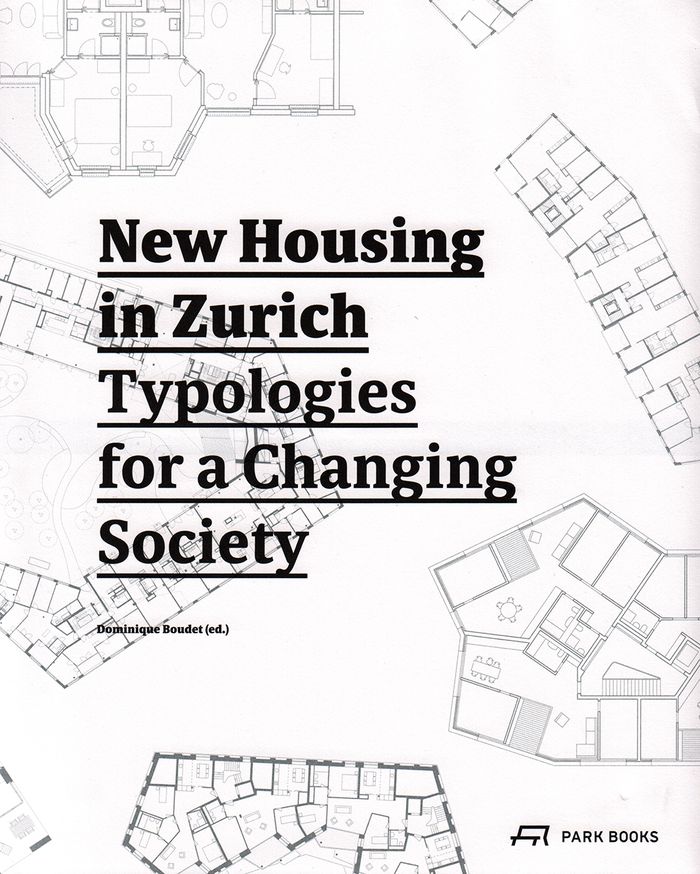
New housing in Zurich: typologies for a changing society
Actions:
Prix:
$102.95
(disponible sur commande)
Résumé:
Swiss architecture has come to be associated with iconic buildings and celebrated architects and firms like Peter Zumthor, Marion Botta, and Herzog & de Meuron. Yet there is a wide variety of other projects that contribute to a distinctly Swiss architecture, including private homes and housing developments. New Housing in Zurich looks specifically at the cooperative housing developments in the city of Zurich, as well as several examples outside the city’s boundaries.
New housing in Zurich: typologies for a changing society
Actions:
Prix:
$102.95
(disponible sur commande)
Résumé:
Swiss architecture has come to be associated with iconic buildings and celebrated architects and firms like Peter Zumthor, Marion Botta, and Herzog & de Meuron. Yet there is a wide variety of other projects that contribute to a distinctly Swiss architecture, including private homes and housing developments. New Housing in Zurich looks specifically at the cooperative housing developments in the city of Zurich, as well as several examples outside the city’s boundaries.
Classification:
livres
livres
Publication:
avril 2018
avril 2018
Sujet:
Logements collectifs
Logements collectifs
Classification:
livres
livres
Actions:
Prix:
$64.95
(disponible sur commande)
Résumé:
Paradoxically, the historical legacy of Korean housing is both heroic and mundane. Until recently, the nation’s rapid urbanisation fuelled the creation of new regions of high-density dwellings, while cycles of urban renewal continue to push the radical disjunction between new and historical fabrics. Yet the ongoing impasse between developmental pressures and design(...)
$64.95
(disponible sur commande)
Résumé:
Paradoxically, the historical legacy of Korean housing is both heroic and mundane. Until recently, the nation’s rapid urbanisation fuelled the creation of new regions of high-density dwellings, while cycles of urban renewal continue to push the radical disjunction between new and historical fabrics. Yet the ongoing impasse between developmental pressures and design(...)
Titre:
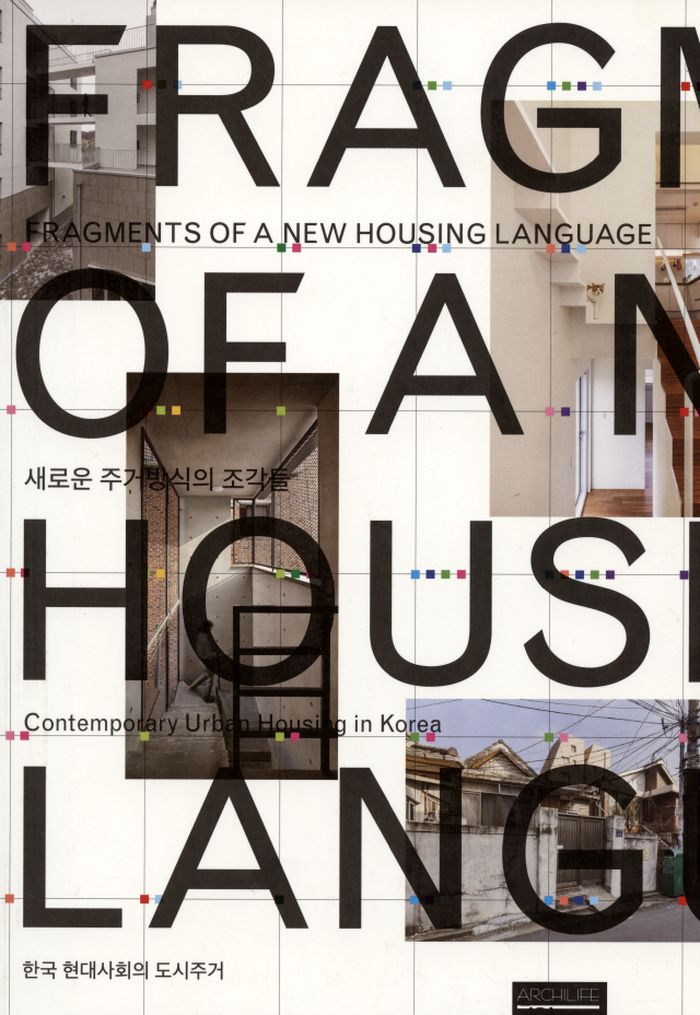
Fragments of a new housing language: contemporary urban housing in Korea
Actions:
Prix:
$64.95
(disponible sur commande)
Résumé:
Paradoxically, the historical legacy of Korean housing is both heroic and mundane. Until recently, the nation’s rapid urbanisation fuelled the creation of new regions of high-density dwellings, while cycles of urban renewal continue to push the radical disjunction between new and historical fabrics. Yet the ongoing impasse between developmental pressures and design progress has reduced housing to its basic elements. A current wave of architects has begun formulating new, efficient syntaxes with nuanced social qualities. While the works in this volume represent unique solutions, what we can learn from their innovations goes far further, towards making conscious typological advances.
Fragments of a new housing language: contemporary urban housing in Korea
Actions:
Prix:
$64.95
(disponible sur commande)
Résumé:
Paradoxically, the historical legacy of Korean housing is both heroic and mundane. Until recently, the nation’s rapid urbanisation fuelled the creation of new regions of high-density dwellings, while cycles of urban renewal continue to push the radical disjunction between new and historical fabrics. Yet the ongoing impasse between developmental pressures and design progress has reduced housing to its basic elements. A current wave of architects has begun formulating new, efficient syntaxes with nuanced social qualities. While the works in this volume represent unique solutions, what we can learn from their innovations goes far further, towards making conscious typological advances.
Classification:
livres
livres
Publication:
mai 2016
mai 2016
Sujet:
Logements collectifs
Logements collectifs
Classification:
livres
livres
Prix:
$60.00
(disponible sur commande)
Résumé:
In 1931, in response to the Great Depression and subsequent collapse of the building industry, Martin Wagner (1885–1957), then head of planning for Berlin, formulated plans for an adaptable micro-house called “the growing house.” Working with Egon Eiermann, Walter Gropius, Ludwig Hilberseimer, Erich Mendelssohn, Hans Poelzig and Hans Scharoun, the growing house was(...)
$60.00
(disponible sur commande)
Résumé:
In 1931, in response to the Great Depression and subsequent collapse of the building industry, Martin Wagner (1885–1957), then head of planning for Berlin, formulated plans for an adaptable micro-house called “the growing house.” Working with Egon Eiermann, Walter Gropius, Ludwig Hilberseimer, Erich Mendelssohn, Hans Poelzig and Hans Scharoun, the growing house was(...)
Sujet:
Logements collectifs
Logements collectifs
Publication:
juin 2016
juin 2016
Titre:
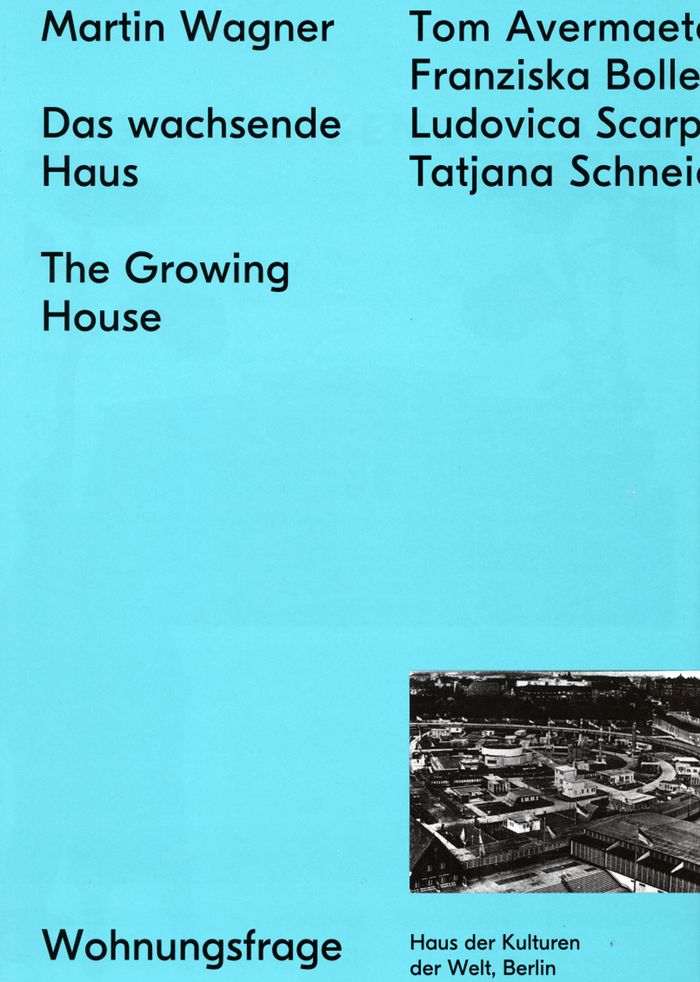
Martin Wagner: the Growing House / Das wachsende Haus
Actions:
Prix:
$60.00
(disponible sur commande)
Résumé:
In 1931, in response to the Great Depression and subsequent collapse of the building industry, Martin Wagner (1885–1957), then head of planning for Berlin, formulated plans for an adaptable micro-house called “the growing house.” Working with Egon Eiermann, Walter Gropius, Ludwig Hilberseimer, Erich Mendelssohn, Hans Poelzig and Hans Scharoun, the growing house was designed to be modified with the changing socioeconomic circumstances of its inhabitants, providing only what was necessary and expedient. Wagner’s coruscating foreword outlining his proposals for a new social, technical and economic fabric shifting the dwelling to the center of the world is published here for the first time. Historical and contemporary black-and-white and color illustrations, drawings, plans and photographs of the prototype are accompanied by commentary from Franziska Bollerey, Ludovica Scarpa, Tom Avermaete and Tatjana Schneider, demonstrating that the growing house is as relevant today as it was 100 years ago.
Martin Wagner: the Growing House / Das wachsende Haus
Actions:
Prix:
$60.00
(disponible sur commande)
Résumé:
In 1931, in response to the Great Depression and subsequent collapse of the building industry, Martin Wagner (1885–1957), then head of planning for Berlin, formulated plans for an adaptable micro-house called “the growing house.” Working with Egon Eiermann, Walter Gropius, Ludwig Hilberseimer, Erich Mendelssohn, Hans Poelzig and Hans Scharoun, the growing house was designed to be modified with the changing socioeconomic circumstances of its inhabitants, providing only what was necessary and expedient. Wagner’s coruscating foreword outlining his proposals for a new social, technical and economic fabric shifting the dwelling to the center of the world is published here for the first time. Historical and contemporary black-and-white and color illustrations, drawings, plans and photographs of the prototype are accompanied by commentary from Franziska Bollerey, Ludovica Scarpa, Tom Avermaete and Tatjana Schneider, demonstrating that the growing house is as relevant today as it was 100 years ago.
Classification:
livres
livres
Publication:
juin 2016
juin 2016
Sujet:
Logements collectifs
Logements collectifs
Classification:
livres
livres
Prix:
$36.00
(disponible sur commande)
Résumé:
Housing speaks directly to the challenges that define our times: social inequality, ecological crisis, displacement, asylum, migration and privatization. Framing the neo-liberal context as a defining condition of contemporary housing, International Case Studies consists of two parts: a series of essays by authors from architecture, anthropology, economy and literature,(...)
$36.00
(disponible sur commande)
Résumé:
Housing speaks directly to the challenges that define our times: social inequality, ecological crisis, displacement, asylum, migration and privatization. Framing the neo-liberal context as a defining condition of contemporary housing, International Case Studies consists of two parts: a series of essays by authors from architecture, anthropology, economy and literature,(...)
Sujet:
Logements collectifs
Logements collectifs
Publication:
juillet 2016
juillet 2016
Titre:
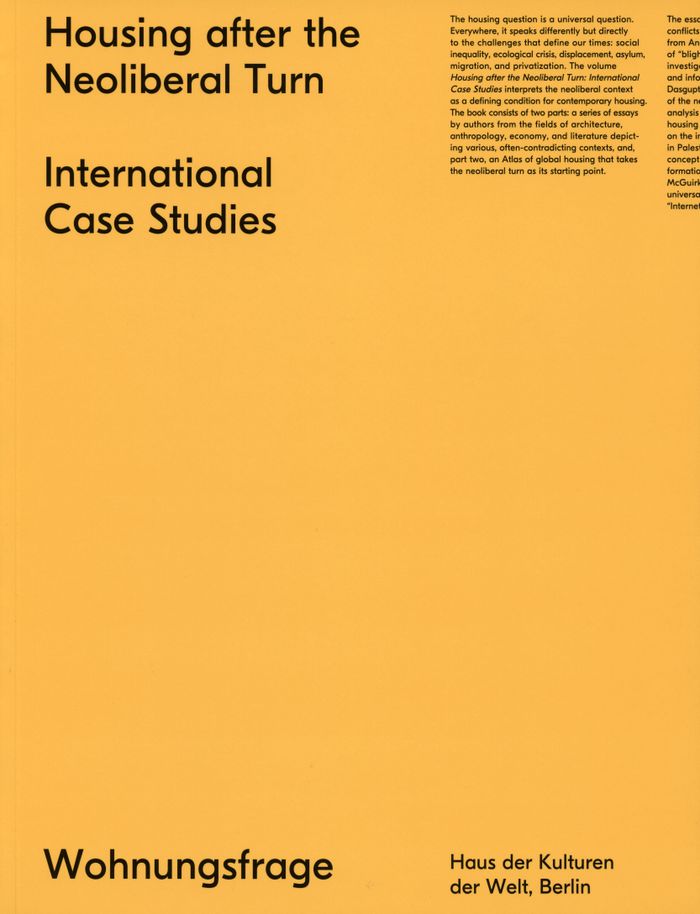
Housing after the neoliberal turn: international case studies
Actions:
Prix:
$36.00
(disponible sur commande)
Résumé:
Housing speaks directly to the challenges that define our times: social inequality, ecological crisis, displacement, asylum, migration and privatization. Framing the neo-liberal context as a defining condition of contemporary housing, International Case Studies consists of two parts: a series of essays by authors from architecture, anthropology, economy and literature, and an “atlas” of global housing that takes neo-liberalism as its starting point. The essays shed light on the challenges and conflicts of contemporary housing production from Andrew Herscher’s research on the politics of “blight” in Detroit to Justin McGuirk’s text on domesticity as data and universal housing questions eclipse by the “Internet of Things.” Conceptualized and compiled by architectural critic-historian Anne Kockelkorn and Columbia professor Reinhold Martin, the illustrated “atlas” presents 33 housing examples rarely seen together and invites readers to think of housing as an unstable constellation evolving within the power relations of territorial processes.
Housing after the neoliberal turn: international case studies
Actions:
Prix:
$36.00
(disponible sur commande)
Résumé:
Housing speaks directly to the challenges that define our times: social inequality, ecological crisis, displacement, asylum, migration and privatization. Framing the neo-liberal context as a defining condition of contemporary housing, International Case Studies consists of two parts: a series of essays by authors from architecture, anthropology, economy and literature, and an “atlas” of global housing that takes neo-liberalism as its starting point. The essays shed light on the challenges and conflicts of contemporary housing production from Andrew Herscher’s research on the politics of “blight” in Detroit to Justin McGuirk’s text on domesticity as data and universal housing questions eclipse by the “Internet of Things.” Conceptualized and compiled by architectural critic-historian Anne Kockelkorn and Columbia professor Reinhold Martin, the illustrated “atlas” presents 33 housing examples rarely seen together and invites readers to think of housing as an unstable constellation evolving within the power relations of territorial processes.
Classification:
livres
livres
Publication:
juillet 2016
juillet 2016
Sujet:
Logements collectifs
Logements collectifs
Classification:
livres
livres

Actions:
Prix:
$19.95
(disponible sur commande)
Résumé:
The development of housing in the major European cities is facing a number of challenges in these days of rampant urbanization. This trend is coupled with a growing interest in home ownership and increasingly diverse domestic requirements as a result of demographic change. In response to these challenges, new building initiatives are being formed with the aim of meeting(...)
$19.95
(disponible sur commande)
Résumé:
The development of housing in the major European cities is facing a number of challenges in these days of rampant urbanization. This trend is coupled with a growing interest in home ownership and increasingly diverse domestic requirements as a result of demographic change. In response to these challenges, new building initiatives are being formed with the aim of meeting(...)
Titre:
Don't be afraid to participate! The little ABC of communal planning and housing
Actions:
Prix:
$19.95
(disponible sur commande)
Résumé:
The development of housing in the major European cities is facing a number of challenges in these days of rampant urbanization. This trend is coupled with a growing interest in home ownership and increasingly diverse domestic requirements as a result of demographic change. In response to these challenges, new building initiatives are being formed with the aim of meeting individual requirements through self-determined forms of organization. These housing projects take a communal approach to both the planning process and later day-to-day living. From A for Architect to Z for Zoning, this book provides a brief and informative overview of all the key terms describing communal planning and living.
Don't be afraid to participate! The little ABC of communal planning and housing
Actions:
Prix:
$19.95
(disponible sur commande)
Résumé:
The development of housing in the major European cities is facing a number of challenges in these days of rampant urbanization. This trend is coupled with a growing interest in home ownership and increasingly diverse domestic requirements as a result of demographic change. In response to these challenges, new building initiatives are being formed with the aim of meeting individual requirements through self-determined forms of organization. These housing projects take a communal approach to both the planning process and later day-to-day living. From A for Architect to Z for Zoning, this book provides a brief and informative overview of all the key terms describing communal planning and living.
Classification:
livres
livres
Publication:
août 2016
août 2016
Sujet:
Logements collectifs
Logements collectifs
Classification:
livres
livres
Titre:
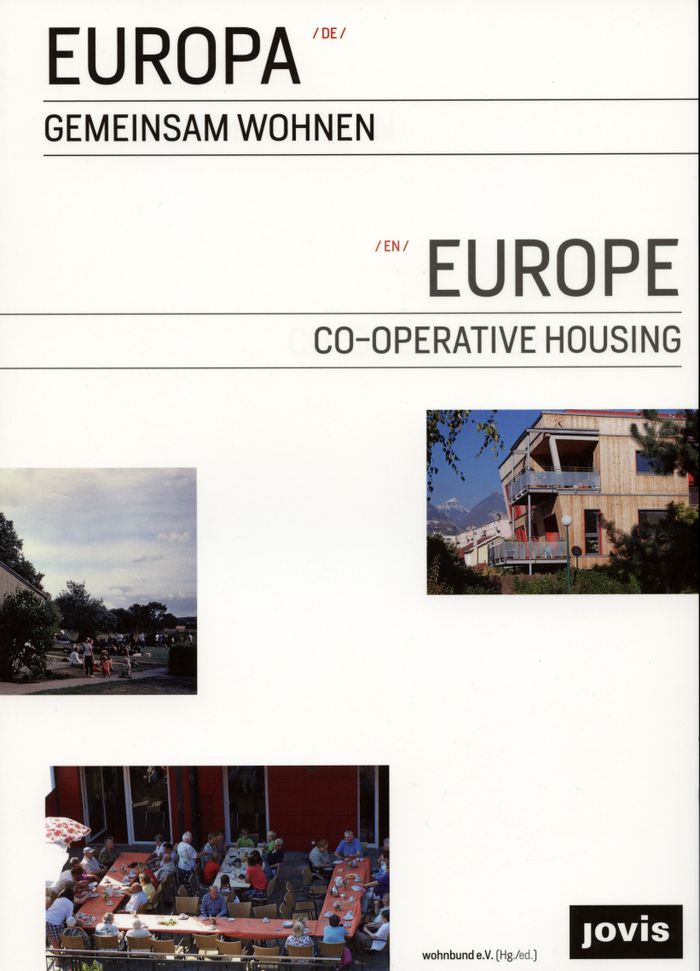
Europe: co-operative housing
Europe: co-operative housing
Actions:
Prix:
$39.50
(disponible sur commande)
Résumé:
This publication provides insight into communal living in 11 European countries, focusing on social concepts, architectural details and funding schemes. Exemplary residential projects from Austria, Switzerland, the Netherlands, France, Great Britain, the Czech Republic, Denmark, Sweden, Norway, Finland and Germany are included.
$39.50
(disponible sur commande)
Résumé:
This publication provides insight into communal living in 11 European countries, focusing on social concepts, architectural details and funding schemes. Exemplary residential projects from Austria, Switzerland, the Netherlands, France, Great Britain, the Czech Republic, Denmark, Sweden, Norway, Finland and Germany are included.
Titre:
Europe: co-operative housing
Actions:
Prix:
$39.50
(disponible sur commande)
Résumé:
This publication provides insight into communal living in 11 European countries, focusing on social concepts, architectural details and funding schemes. Exemplary residential projects from Austria, Switzerland, the Netherlands, France, Great Britain, the Czech Republic, Denmark, Sweden, Norway, Finland and Germany are included.
Europe: co-operative housing
Actions:
Prix:
$39.50
(disponible sur commande)
Résumé:
This publication provides insight into communal living in 11 European countries, focusing on social concepts, architectural details and funding schemes. Exemplary residential projects from Austria, Switzerland, the Netherlands, France, Great Britain, the Czech Republic, Denmark, Sweden, Norway, Finland and Germany are included.
Classification:
livres
livres
Publication:
août 2016
août 2016
Sujet:
Logements collectifs
Logements collectifs
Classification:
livres
livres
Prix:
$73.95
(disponible sur commande)
Résumé:
This publication presents a review of projects built between 2013 and 2016, to which an anatomical dissection of the elements constituting their form has been applied. It offers an integral vision of each work, from its implementation in the territory to the breakdown of its typologies, and continues along the line of inquiry first taken with ‘Why Density?’, developing(...)
$73.95
(disponible sur commande)
Résumé:
This publication presents a review of projects built between 2013 and 2016, to which an anatomical dissection of the elements constituting their form has been applied. It offers an integral vision of each work, from its implementation in the territory to the breakdown of its typologies, and continues along the line of inquiry first taken with ‘Why Density?’, developing(...)
Titre:
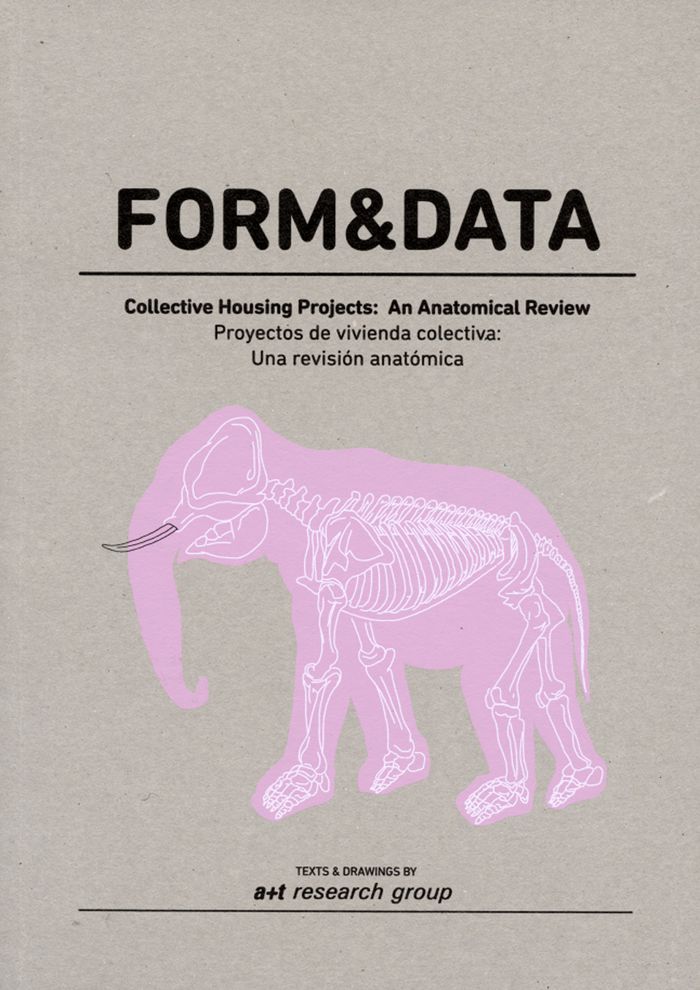
Form & data: collective housing projects : an anatomical review
Actions:
Prix:
$73.95
(disponible sur commande)
Résumé:
This publication presents a review of projects built between 2013 and 2016, to which an anatomical dissection of the elements constituting their form has been applied. It offers an integral vision of each work, from its implementation in the territory to the breakdown of its typologies, and continues along the line of inquiry first taken with ‘Why Density?’, developing the concepts on building the dense city expressed therein, this time with new projects.
Form & data: collective housing projects : an anatomical review
Actions:
Prix:
$73.95
(disponible sur commande)
Résumé:
This publication presents a review of projects built between 2013 and 2016, to which an anatomical dissection of the elements constituting their form has been applied. It offers an integral vision of each work, from its implementation in the territory to the breakdown of its typologies, and continues along the line of inquiry first taken with ‘Why Density?’, developing the concepts on building the dense city expressed therein, this time with new projects.
Classification:
livres
livres
Publication:
août 2016
août 2016
Sujet:
Logements collectifs
Logements collectifs


