


2644 Résultats
Classification:
livres
livres
Actions:
Prix:
$56.95
(disponible en magasin)
Résumé:
''Style Congo: Heritage & heresy'' examines the politics of cultural representation and appropriation through contemporary artistic and architectural interventions, as well as historical materials primarily sourced from the CIVA collection in Brussels. Starting with the Art Nouveau movement and stemming from the exhibition of the same name, this book traces the portrayal(...)
$56.95
(disponible en magasin)
Résumé:
''Style Congo: Heritage & heresy'' examines the politics of cultural representation and appropriation through contemporary artistic and architectural interventions, as well as historical materials primarily sourced from the CIVA collection in Brussels. Starting with the Art Nouveau movement and stemming from the exhibition of the same name, this book traces the portrayal(...)
Publication:
septembre 2023
septembre 2023
Titre:
Style Congo: Heritage and heresy
Actions:
Prix:
$56.95
(disponible en magasin)
Résumé:
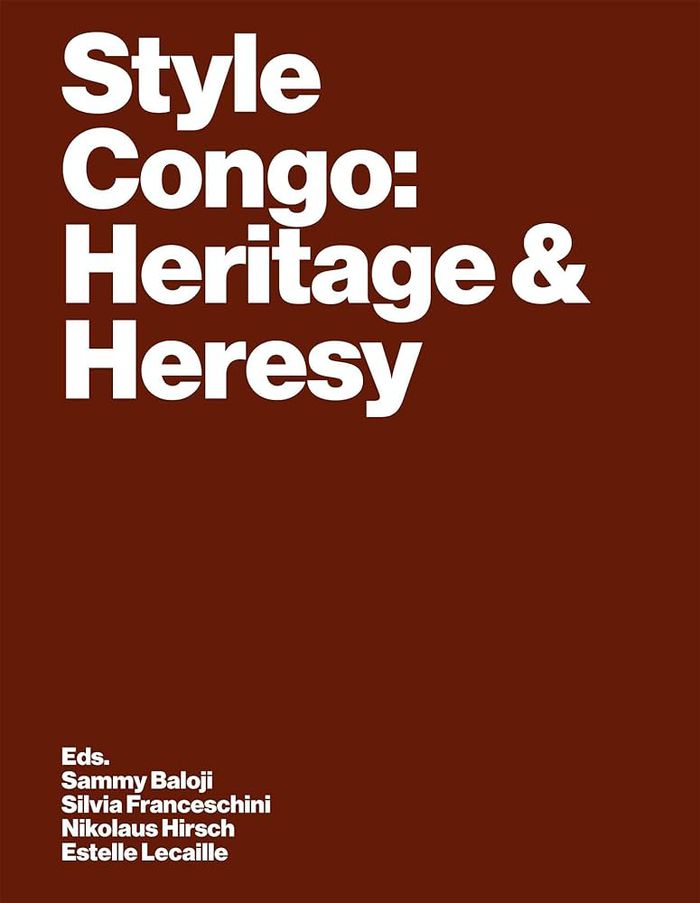
''Style Congo: Heritage & heresy'' examines the politics of cultural representation and appropriation through contemporary artistic and architectural interventions, as well as historical materials primarily sourced from the CIVA collection in Brussels. Starting with the Art Nouveau movement and stemming from the exhibition of the same name, this book traces the portrayal of the Congo in international and colonial exhibitions in Belgium, France, and the Congo between 1885 and 1958.
Style Congo: Heritage and heresy
Actions:
Prix:
$56.95
(disponible en magasin)
Résumé:
''Style Congo: Heritage & heresy'' examines the politics of cultural representation and appropriation through contemporary artistic and architectural interventions, as well as historical materials primarily sourced from the CIVA collection in Brussels. Starting with the Art Nouveau movement and stemming from the exhibition of the same name, this book traces the portrayal of the Congo in international and colonial exhibitions in Belgium, France, and the Congo between 1885 and 1958.
Classification:
livres
livres
Publication:
septembre 2023
septembre 2023
Classification:
livres
livres
Prix:
$55.95
(disponible sur commande)
Résumé:
The study of American architectural and urban history has undergone substantial growth and change during the past two decades. "American achitectural history : a contemporary reader" provides a critical introduction to this development. It features twenty-four illustrated selections drawn from the past twenty years of publishing in the field, arranged chronologically(...)
$55.95
(disponible sur commande)
Résumé:
The study of American architectural and urban history has undergone substantial growth and change during the past two decades. "American achitectural history : a contemporary reader" provides a critical introduction to this development. It features twenty-four illustrated selections drawn from the past twenty years of publishing in the field, arranged chronologically(...)
Titre:
American architectural history : a contemporary reader
Actions:
Prix:
$55.95
(disponible sur commande)
Résumé:
The study of American architectural and urban history has undergone substantial growth and change during the past two decades. "American achitectural history : a contemporary reader" provides a critical introduction to this development. It features twenty-four illustrated selections drawn from the past twenty years of publishing in the field, arranged chronologically from colonial to contemporary subjects. The editor provides a comprehensive introductory essay and sets the book's major theme in context.
American architectural history : a contemporary reader
Actions:
Prix:
$55.95
(disponible sur commande)
Résumé:
The study of American architectural and urban history has undergone substantial growth and change during the past two decades. "American achitectural history : a contemporary reader" provides a critical introduction to this development. It features twenty-four illustrated selections drawn from the past twenty years of publishing in the field, arranged chronologically from colonial to contemporary subjects. The editor provides a comprehensive introductory essay and sets the book's major theme in context.
Classification:
livres
livres
Publication:
avril 2004, London, New York
avril 2004, London, New York
Sujet:
Histoire jusqu’à 1900
Histoire jusqu’à 1900
Classification:
livres
livres
Titre:
City life
City life
Actions:
Prix:
$17.50
(disponible sur commande)
Résumé:
In this sweeping cultural history, the author traces the development of American cities and city life from the early colonial settlements to the new downtowns of skyscrapers and department stores. As he reflects on the changes wrought by the train, the automobiles, the telephone, and other social and technological developments, Rybczynski reveals how urban and suburban(...)
$17.50
(disponible sur commande)
Résumé:
In this sweeping cultural history, the author traces the development of American cities and city life from the early colonial settlements to the new downtowns of skyscrapers and department stores. As he reflects on the changes wrought by the train, the automobiles, the telephone, and other social and technological developments, Rybczynski reveals how urban and suburban(...)
Titre:
City life
Actions:
Prix:
$17.50
(disponible sur commande)
Résumé:
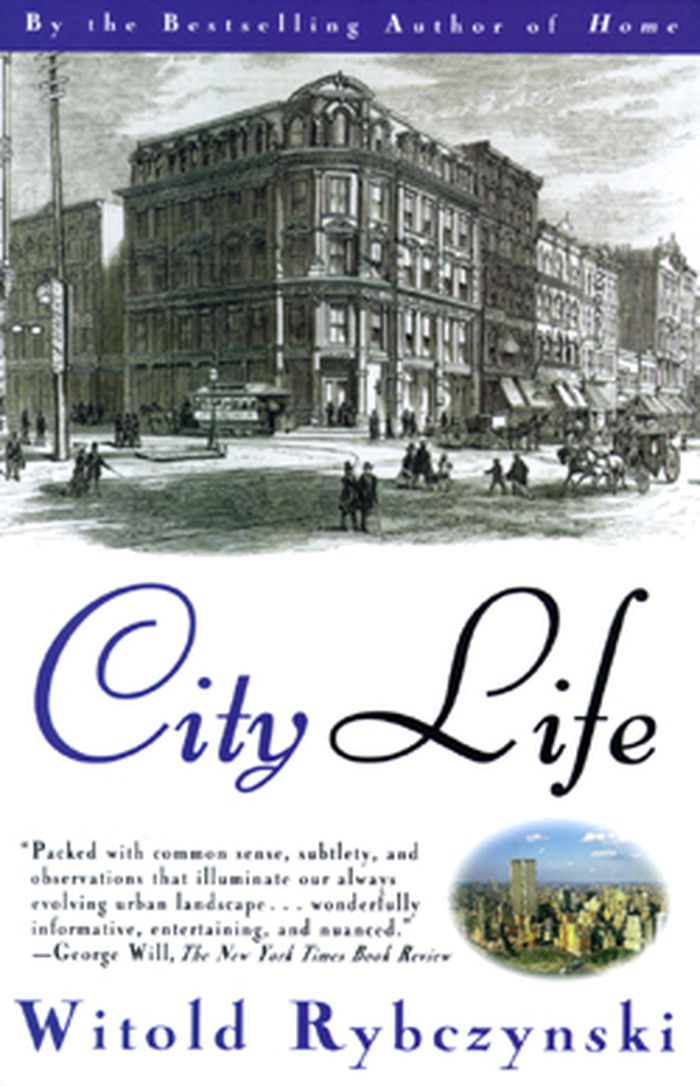
In this sweeping cultural history, the author traces the development of American cities and city life from the early colonial settlements to the new downtowns of skyscrapers and department stores. As he reflects on the changes wrought by the train, the automobiles, the telephone, and other social and technological developments, Rybczynski reveals how urban and suburban spaces have been shaped by the landscapes and lifestyles of New World.
City life
Actions:
Prix:
$17.50
(disponible sur commande)
Résumé:
In this sweeping cultural history, the author traces the development of American cities and city life from the early colonial settlements to the new downtowns of skyscrapers and department stores. As he reflects on the changes wrought by the train, the automobiles, the telephone, and other social and technological developments, Rybczynski reveals how urban and suburban spaces have been shaped by the landscapes and lifestyles of New World.
Classification:
livres
livres
Publication:
janvier 1995, New York
janvier 1995, New York
Sujet:
Théorie de l’urbanisme
Théorie de l’urbanisme
Classification:
livres
livres
Prix:
$19.95
(disponible sur commande)
Résumé:
'Horticultural Appropriation' is a conversation between an organic food grower and an artist about the possibility and necessity of bringing a decolonial lens to the practice of horticulture. Taking place within West Dean Art College and Gardens, the exchange explores how attempts to decolonise collections and spaces currently happening in arts and cultural institutions(...)
$19.95
(disponible sur commande)
Résumé:
'Horticultural Appropriation' is a conversation between an organic food grower and an artist about the possibility and necessity of bringing a decolonial lens to the practice of horticulture. Taking place within West Dean Art College and Gardens, the exchange explores how attempts to decolonise collections and spaces currently happening in arts and cultural institutions(...)
Titre:
Horticultural appropriation: why horticulture needs decolonising
Actions:
Prix:
$19.95
(disponible sur commande)
Résumé:
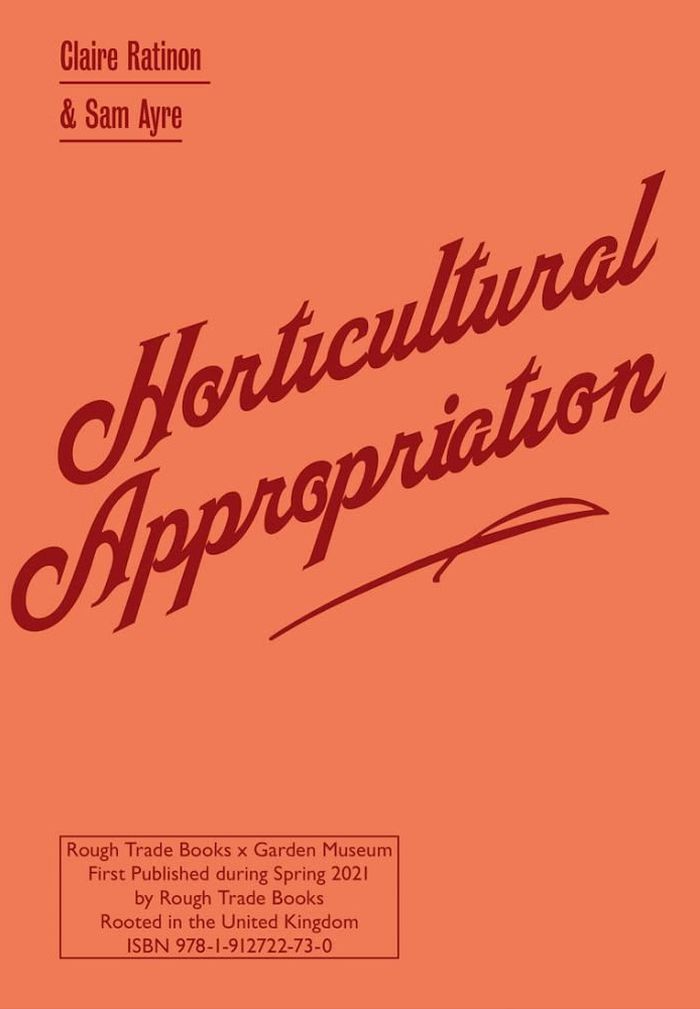
'Horticultural Appropriation' is a conversation between an organic food grower and an artist about the possibility and necessity of bringing a decolonial lens to the practice of horticulture. Taking place within West Dean Art College and Gardens, the exchange explores how attempts to decolonise collections and spaces currently happening in arts and cultural institutions might inform the interrogation of the colonial history at the heart of Britain's gardens and gardening.
Horticultural appropriation: why horticulture needs decolonising
Actions:
Prix:
$19.95
(disponible sur commande)
Résumé:
'Horticultural Appropriation' is a conversation between an organic food grower and an artist about the possibility and necessity of bringing a decolonial lens to the practice of horticulture. Taking place within West Dean Art College and Gardens, the exchange explores how attempts to decolonise collections and spaces currently happening in arts and cultural institutions might inform the interrogation of the colonial history at the heart of Britain's gardens and gardening.
Classification:
livres
livres
Publication:
juin 2021
juin 2021
Sujet:
Théorie du paysage
Théorie du paysage
Classification:
audio
audio
Actions:
Description:
1 online resource.
Auteur:
Sujet:
Publication:
[Place of publication not identified] : FHNW HGK, 2022.
[Place of publication not identified] : FHNW HGK, 2022.
Classification:
audio
audio
Publication:
[Place of publication not identified] : FHNW HGK, 2022.
[Place of publication not identified] : FHNW HGK, 2022.
Auteur:
Sujet:
Classification:
livres
livres
Prix:
$27.00
(disponible sur commande)
Résumé:
Los Angeles in the 1930s returns to print an invaluable document of Depression-era Los Angeles, illuminating a pivotal moment in L.A.’s history, when writers like Raymond Chandler, Nathanael West, and F. Scott Fitzgerald were creating the images and associations—and the mystique—for which the City of Angels is still known. Los Angeles in the 1930s revisits the Spanish(...)
$27.00
(disponible sur commande)
Résumé:
Los Angeles in the 1930s returns to print an invaluable document of Depression-era Los Angeles, illuminating a pivotal moment in L.A.’s history, when writers like Raymond Chandler, Nathanael West, and F. Scott Fitzgerald were creating the images and associations—and the mystique—for which the City of Angels is still known. Los Angeles in the 1930s revisits the Spanish(...)
Titre:
Los Angeles in the 1930s: The WPA guide to the city of angels
Actions:
Prix:
$27.00
(disponible sur commande)
Résumé:
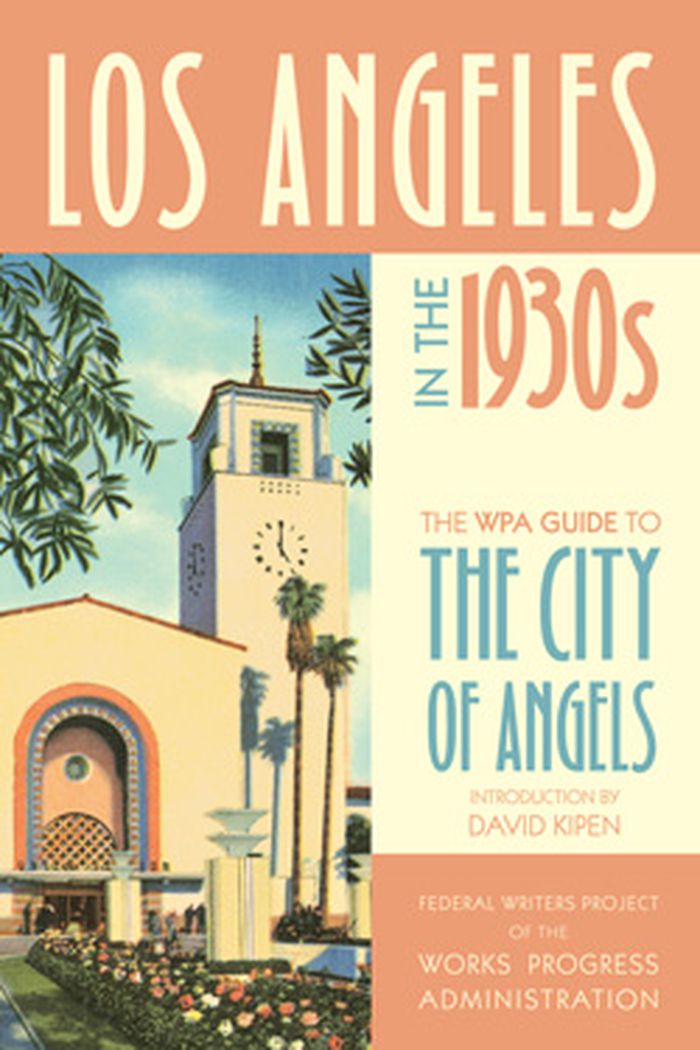
Los Angeles in the 1930s returns to print an invaluable document of Depression-era Los Angeles, illuminating a pivotal moment in L.A.’s history, when writers like Raymond Chandler, Nathanael West, and F. Scott Fitzgerald were creating the images and associations—and the mystique—for which the City of Angels is still known. Los Angeles in the 1930s revisits the Spanish colonial period, the Mexican period, the brief California Republic, and finally American sovereignty.
Los Angeles in the 1930s: The WPA guide to the city of angels
Actions:
Prix:
$27.00
(disponible sur commande)
Résumé:
Los Angeles in the 1930s returns to print an invaluable document of Depression-era Los Angeles, illuminating a pivotal moment in L.A.’s history, when writers like Raymond Chandler, Nathanael West, and F. Scott Fitzgerald were creating the images and associations—and the mystique—for which the City of Angels is still known. Los Angeles in the 1930s revisits the Spanish colonial period, the Mexican period, the brief California Republic, and finally American sovereignty.
Classification:
livres
livres
Publication:
mars 2011
mars 2011
Classification:
livres
livres

Titre:
Safar 6 : Power
Safar 6 : Power
Actions:
Prix:
$32.00
(disponible en magasin)
Résumé:
In the sixth issue, "Power," Safar explores the commodification of academia as evaluation forms multiply and students worldwide stare out into computer screens; examines the extensive cultural and environmental narrative that Hezbollah has cultivated in Lebanon and beyond; discusses the process of dismantling racist and colonial powers structures in U.S. design(...)
$32.00
(disponible en magasin)
Résumé:
In the sixth issue, "Power," Safar explores the commodification of academia as evaluation forms multiply and students worldwide stare out into computer screens; examines the extensive cultural and environmental narrative that Hezbollah has cultivated in Lebanon and beyond; discusses the process of dismantling racist and colonial powers structures in U.S. design(...)
Titre:
Safar 6 : Power
Actions:
Prix:
$32.00
(disponible en magasin)
Résumé:
In the sixth issue, "Power," Safar explores the commodification of academia as evaluation forms multiply and students worldwide stare out into computer screens; examines the extensive cultural and environmental narrative that Hezbollah has cultivated in Lebanon and beyond; discusses the process of dismantling racist and colonial powers structures in U.S. design institutions; shares artifacts tracing the long and complicated history of electricity shortages in Lebanon; considers the revolutionary potential of Palestinian printed material; and more.
Safar 6 : Power
Actions:
Prix:
$32.00
(disponible en magasin)
Résumé:
In the sixth issue, "Power," Safar explores the commodification of academia as evaluation forms multiply and students worldwide stare out into computer screens; examines the extensive cultural and environmental narrative that Hezbollah has cultivated in Lebanon and beyond; discusses the process of dismantling racist and colonial powers structures in U.S. design institutions; shares artifacts tracing the long and complicated history of electricity shortages in Lebanon; considers the revolutionary potential of Palestinian printed material; and more.
Classification:
livres
livres
Publication:
août 2021
août 2021
Sujet:
Revues
Revues
Classification:
livres
livres
Titre:
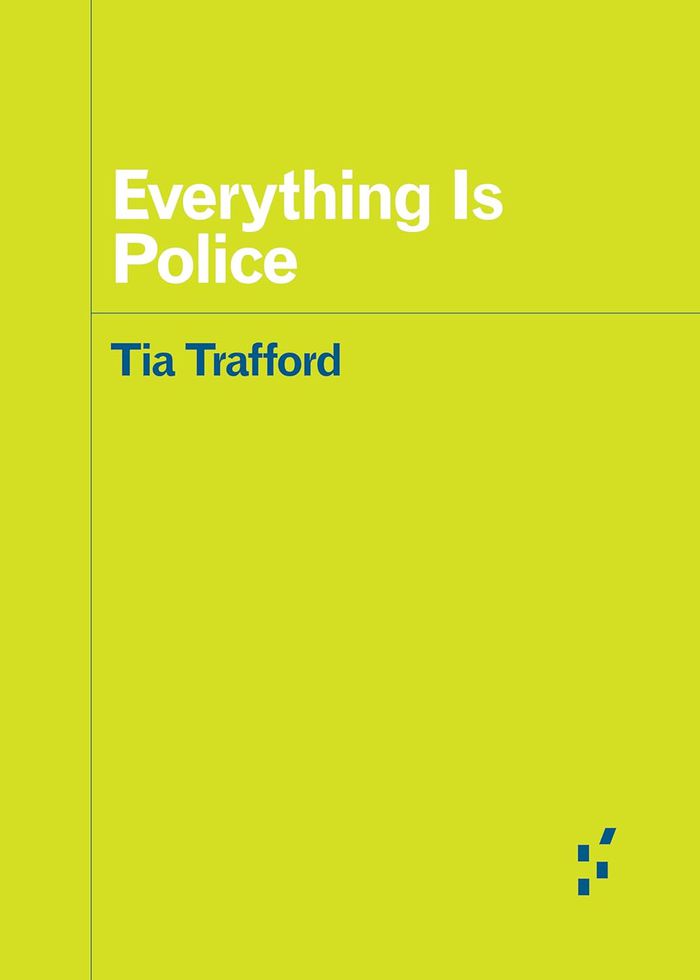
Everything is police
Everything is police
Actions:
Prix:
$13.99
(disponible en magasin)
Résumé:
Policing is constitutive of colonial modernity: normalizing, internalizing, and legalizing anti-Black violence as the ongoing condition for white life and freedom. The result, Tia Trafford argues here, is a situation where we cannot practically experience or even imagine worlds free from policing. From the plantation to the prison, global apartheid, and pandemic control,(...)
$13.99
(disponible en magasin)
Résumé:
Policing is constitutive of colonial modernity: normalizing, internalizing, and legalizing anti-Black violence as the ongoing condition for white life and freedom. The result, Tia Trafford argues here, is a situation where we cannot practically experience or even imagine worlds free from policing. From the plantation to the prison, global apartheid, and pandemic control,(...)
Titre:
Everything is police
Actions:
Prix:
$13.99
(disponible en magasin)
Résumé:
Policing is constitutive of colonial modernity: normalizing, internalizing, and legalizing anti-Black violence as the ongoing condition for white life and freedom. The result, Tia Trafford argues here, is a situation where we cannot practically experience or even imagine worlds free from policing. From the plantation to the prison, global apartheid, and pandemic control, this book examines why and how policing has become the most ingrained, commonsense-and insidious-way of managing our world.
Everything is police
Actions:
Prix:
$13.99
(disponible en magasin)
Résumé:
Policing is constitutive of colonial modernity: normalizing, internalizing, and legalizing anti-Black violence as the ongoing condition for white life and freedom. The result, Tia Trafford argues here, is a situation where we cannot practically experience or even imagine worlds free from policing. From the plantation to the prison, global apartheid, and pandemic control, this book examines why and how policing has become the most ingrained, commonsense-and insidious-way of managing our world.
Classification:
livres
livres
Publication:
février 2024
février 2024
Sujet:
Social
Social
Classification:
livres
livres
Actions:
Prix:
$33.95
(disponible sur commande)
Résumé:
This reader, edited and introduced by noted art historian and critic Gilda Williams, gathers the key critical writings across the artist’s essential works as explored through the lens of art history, post-colonial theory, film analysis, and more. Catalogue essays and exhibition reviews on individual works are set alongside Tan’s own substantial body of writing: essays,(...)
$33.95
(disponible sur commande)
Résumé:
This reader, edited and introduced by noted art historian and critic Gilda Williams, gathers the key critical writings across the artist’s essential works as explored through the lens of art history, post-colonial theory, film analysis, and more. Catalogue essays and exhibition reviews on individual works are set alongside Tan’s own substantial body of writing: essays,(...)
Titre:
Fiona Tan: With the other hand
Actions:
Prix:
$33.95
(disponible sur commande)
Résumé:
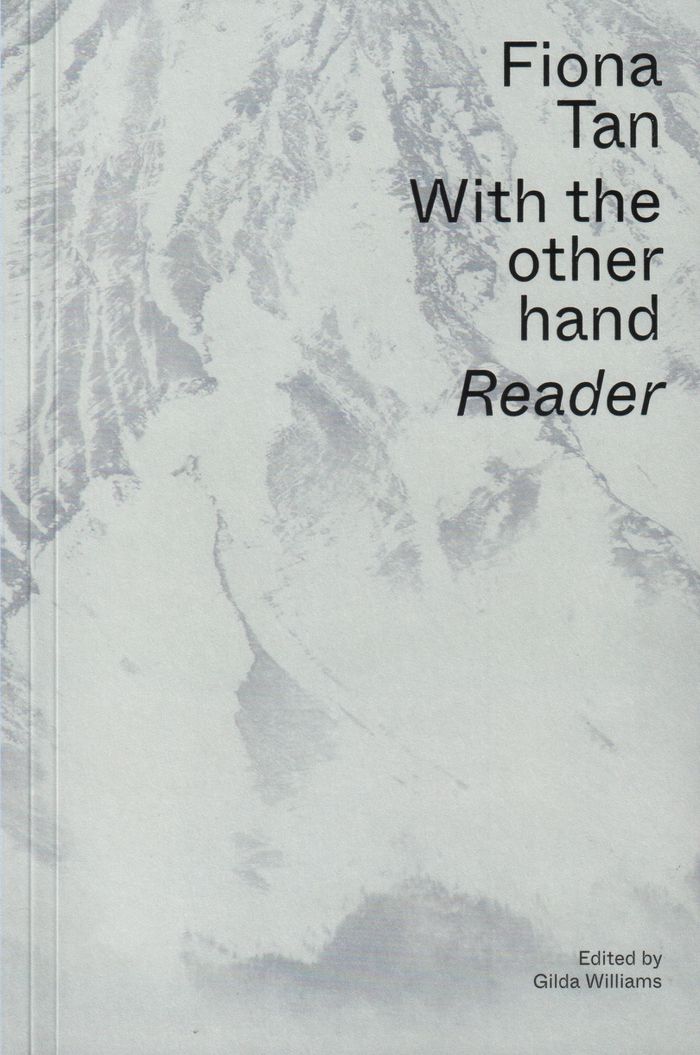
This reader, edited and introduced by noted art historian and critic Gilda Williams, gathers the key critical writings across the artist’s essential works as explored through the lens of art history, post-colonial theory, film analysis, and more. Catalogue essays and exhibition reviews on individual works are set alongside Tan’s own substantial body of writing: essays, letters, scripts, project notes, as well as discussions of other artists’ work, from Chantal Akerman to Jeff Wall.
Fiona Tan: With the other hand
Actions:
Prix:
$33.95
(disponible sur commande)
Résumé:
This reader, edited and introduced by noted art historian and critic Gilda Williams, gathers the key critical writings across the artist’s essential works as explored through the lens of art history, post-colonial theory, film analysis, and more. Catalogue essays and exhibition reviews on individual works are set alongside Tan’s own substantial body of writing: essays, letters, scripts, project notes, as well as discussions of other artists’ work, from Chantal Akerman to Jeff Wall.
Classification:
livres
livres
Publication:
avril 2021
avril 2021
Sujet:
Théorie de l’art
Théorie de l’art
Classification:
livres
livres
Actions:
Prix:
$35.00
(disponible sur commande)
Résumé:
Benjamin Franklin secretly loved London more than Philadelphia: it was simply the most exciting place to be in the British Empire. And in the decade before the outbreak of the American Revolution, thousands of his fellow colonists flocked to the Georgian city in its first big wave of American visitors. At the very point of political rupture, mother country and colonies(...)
$35.00
(disponible sur commande)
Résumé:
Benjamin Franklin secretly loved London more than Philadelphia: it was simply the most exciting place to be in the British Empire. And in the decade before the outbreak of the American Revolution, thousands of his fellow colonists flocked to the Georgian city in its first big wave of American visitors. At the very point of political rupture, mother country and colonies(...)
Titre:
When London was capital of America
Actions:
Prix:
$35.00
(disponible sur commande)
Résumé:
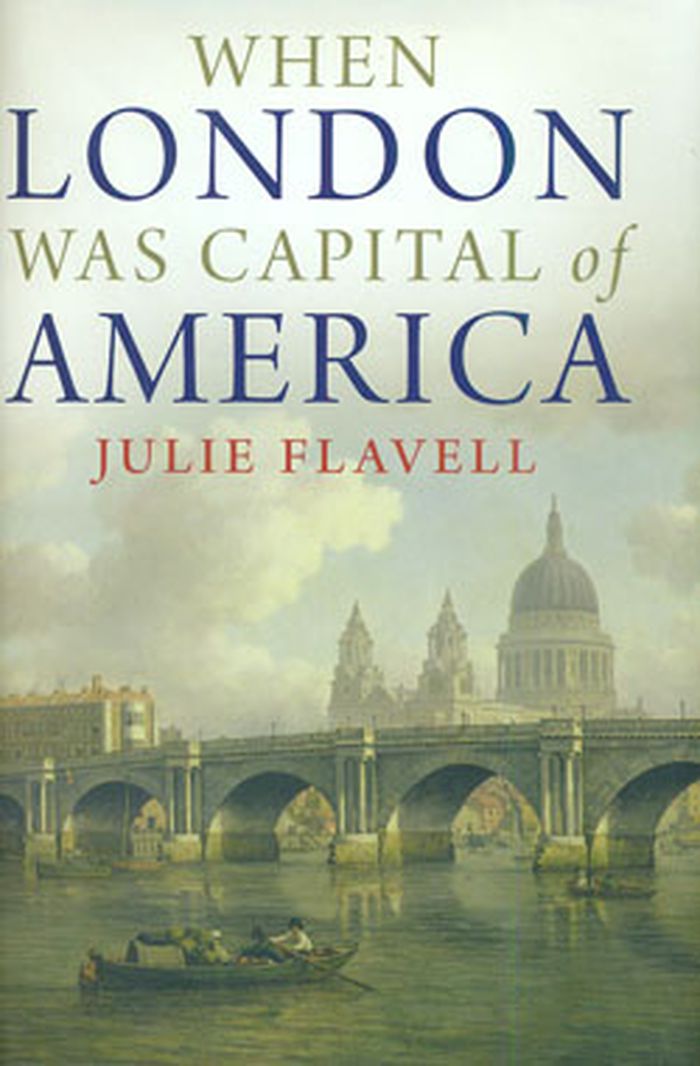
Benjamin Franklin secretly loved London more than Philadelphia: it was simply the most exciting place to be in the British Empire. And in the decade before the outbreak of the American Revolution, thousands of his fellow colonists flocked to the Georgian city in its first big wave of American visitors. At the very point of political rupture, mother country and colonies were socially and culturally closer than ever before. In this first-ever portrait of eighteenth-century London as the capital of America, Julie Flavell recreates the famous city's heyday as the centre of an empire that encompassed North America and the West Indies. The momentous years before independence saw more colonial Americans than ever on London's streets: wealthy Southern plantation owners in quest of culture, slaves hoping for a chance of freedom, Yankee businessmen looking for opportunities in the city, even Ben Franklin seeking a second, more distinguished career. The stories of the colonials, no innocents abroad, vividly recreate a time when Americans saw London as their own and remind us of the complex, multiracial - at times even decadent - nature of America's colonial British heritage.
When London was capital of America
Actions:
Prix:
$35.00
(disponible sur commande)
Résumé:
Benjamin Franklin secretly loved London more than Philadelphia: it was simply the most exciting place to be in the British Empire. And in the decade before the outbreak of the American Revolution, thousands of his fellow colonists flocked to the Georgian city in its first big wave of American visitors. At the very point of political rupture, mother country and colonies were socially and culturally closer than ever before. In this first-ever portrait of eighteenth-century London as the capital of America, Julie Flavell recreates the famous city's heyday as the centre of an empire that encompassed North America and the West Indies. The momentous years before independence saw more colonial Americans than ever on London's streets: wealthy Southern plantation owners in quest of culture, slaves hoping for a chance of freedom, Yankee businessmen looking for opportunities in the city, even Ben Franklin seeking a second, more distinguished career. The stories of the colonials, no innocents abroad, vividly recreate a time when Americans saw London as their own and remind us of the complex, multiracial - at times even decadent - nature of America's colonial British heritage.
Classification:
livres
livres
Publication:
juin 2010
juin 2010


