


2576 Résultats
Classification:
livres
livres
Titre:
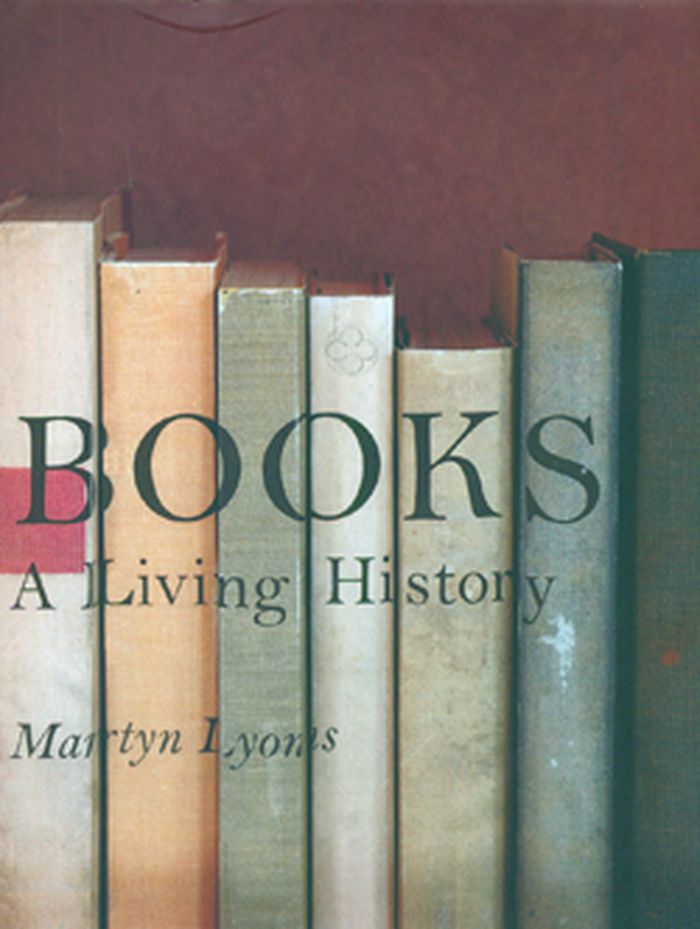
Books: a living history
Books: a living history
Actions:
Prix:
$35.95
(disponible sur commande)
Résumé:
From the first scribbling on papyrus to the emergence of the e-book, this wide-ranging overview of the history of the book provides a fascinating look at one of the most efficient, versatile, and enduring technologies ever developed. The author traces the evolution of the book from the rarefied world of the hand-copied and illuminated volume in ancient and medieval times,(...)
$35.95
(disponible sur commande)
Résumé:
From the first scribbling on papyrus to the emergence of the e-book, this wide-ranging overview of the history of the book provides a fascinating look at one of the most efficient, versatile, and enduring technologies ever developed. The author traces the evolution of the book from the rarefied world of the hand-copied and illuminated volume in ancient and medieval times,(...)
Titre:
Books: a living history
Actions:
Prix:
$35.95
(disponible sur commande)
Résumé:
From the first scribbling on papyrus to the emergence of the e-book, this wide-ranging overview of the history of the book provides a fascinating look at one of the most efficient, versatile, and enduring technologies ever developed. The author traces the evolution of the book from the rarefied world of the hand-copied and illuminated volume in ancient and medieval times, through the revolutionary impact of Gutenberg’s invention of the printing press, to the rise of a publishing culture in the nineteenth and twentieth centuries, and the subsequent impact of new technologies on this culture. Many of the great individual titles of the past two millennia are discussed as well as the range of book types and formats that have emerged in the last few hundred years, from serial and dime novels to paperbacks, children’s books, and Japanese manga. The volume ends with a discussion of the digital revolution in book production and distribution and the ramifications for book lovers, who can’t help but wonder whether the book will thrive—or even survive—in a form they recognize. Martyn Lyons is professor of history at the University of New South Wales in Sydney, Australia, and the author of A History of Reading and Writing in the Western World (Palgrave Macmillan, 2009) and Reading Culture and Writing Practices in Nineteenth-Century France (University of Toronto Press, 2008).
Books: a living history
Actions:
Prix:
$35.95
(disponible sur commande)
Résumé:
From the first scribbling on papyrus to the emergence of the e-book, this wide-ranging overview of the history of the book provides a fascinating look at one of the most efficient, versatile, and enduring technologies ever developed. The author traces the evolution of the book from the rarefied world of the hand-copied and illuminated volume in ancient and medieval times, through the revolutionary impact of Gutenberg’s invention of the printing press, to the rise of a publishing culture in the nineteenth and twentieth centuries, and the subsequent impact of new technologies on this culture. Many of the great individual titles of the past two millennia are discussed as well as the range of book types and formats that have emerged in the last few hundred years, from serial and dime novels to paperbacks, children’s books, and Japanese manga. The volume ends with a discussion of the digital revolution in book production and distribution and the ramifications for book lovers, who can’t help but wonder whether the book will thrive—or even survive—in a form they recognize. Martyn Lyons is professor of history at the University of New South Wales in Sydney, Australia, and the author of A History of Reading and Writing in the Western World (Palgrave Macmillan, 2009) and Reading Culture and Writing Practices in Nineteenth-Century France (University of Toronto Press, 2008).
Classification:
livres
livres
Publication:
octobre 2011
octobre 2011
Classification:
livres
livres
Actions:
Prix:
$16.95
(disponible sur commande)
Résumé:
Plus la crise écologique s'aggrave, plus l'écologie devient une idéologie dominante. Elle nous promet un monde « décarboné » grâce au tout-électrique, au tout-numérique et au « nucléaire vert ». Mais capitalisme et écologie sont incompatibles. Le capitalisme repose sur l'exploitation de prolétaires dans des entreprises forcées par la concurrence d'accumuler plus de valeur(...)
$16.95
(disponible sur commande)
Résumé:
Plus la crise écologique s'aggrave, plus l'écologie devient une idéologie dominante. Elle nous promet un monde « décarboné » grâce au tout-électrique, au tout-numérique et au « nucléaire vert ». Mais capitalisme et écologie sont incompatibles. Le capitalisme repose sur l'exploitation de prolétaires dans des entreprises forcées par la concurrence d'accumuler plus de valeur(...)
Titre:
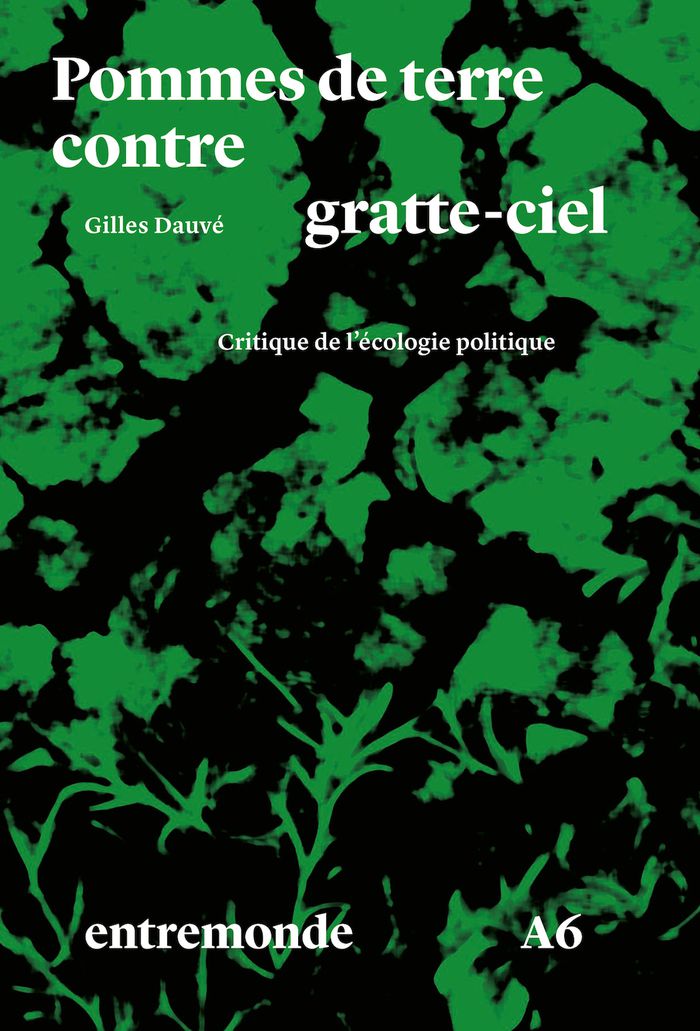
Pommes de terre contre gratte-ciel : Critique de l'écologie politique
Actions:
Prix:
$16.95
(disponible sur commande)
Résumé:
Plus la crise écologique s'aggrave, plus l'écologie devient une idéologie dominante. Elle nous promet un monde « décarboné » grâce au tout-électrique, au tout-numérique et au « nucléaire vert ». Mais capitalisme et écologie sont incompatibles. Le capitalisme repose sur l'exploitation de prolétaires dans des entreprises forcées par la concurrence d'accumuler plus de valeur que leurs rivales. La quête incessante de productivité entraîne surproduction, surconsommation... aux effets destructeurs pour les prolétaires, pour l'humanité et pour la planète. Il n'y aura pas de « révolution écologique » sans révolution sociale qui rompt avec les rapports de classe.
Pommes de terre contre gratte-ciel : Critique de l'écologie politique
Actions:
Prix:
$16.95
(disponible sur commande)
Résumé:
Plus la crise écologique s'aggrave, plus l'écologie devient une idéologie dominante. Elle nous promet un monde « décarboné » grâce au tout-électrique, au tout-numérique et au « nucléaire vert ». Mais capitalisme et écologie sont incompatibles. Le capitalisme repose sur l'exploitation de prolétaires dans des entreprises forcées par la concurrence d'accumuler plus de valeur que leurs rivales. La quête incessante de productivité entraîne surproduction, surconsommation... aux effets destructeurs pour les prolétaires, pour l'humanité et pour la planète. Il n'y aura pas de « révolution écologique » sans révolution sociale qui rompt avec les rapports de classe.
Classification:
livres
livres
Publication:
juillet 2024
juillet 2024
Sujet:
Théorie/ philosophie
Théorie/ philosophie
Classification:
livres
livres
Actions:
Prix:
$32.95
(disponible en magasin)
Résumé:
Anthologie d'essais parus dans la revue Liberté de 1959 à 2009, qui offre un panorama sans précédent de l’histoire du Québec, des débuts de la Révolution tranquille à nos jours.
$32.95
(disponible en magasin)
Résumé:
Anthologie d'essais parus dans la revue Liberté de 1959 à 2009, qui offre un panorama sans précédent de l’histoire du Québec, des débuts de la Révolution tranquille à nos jours.
Titre:
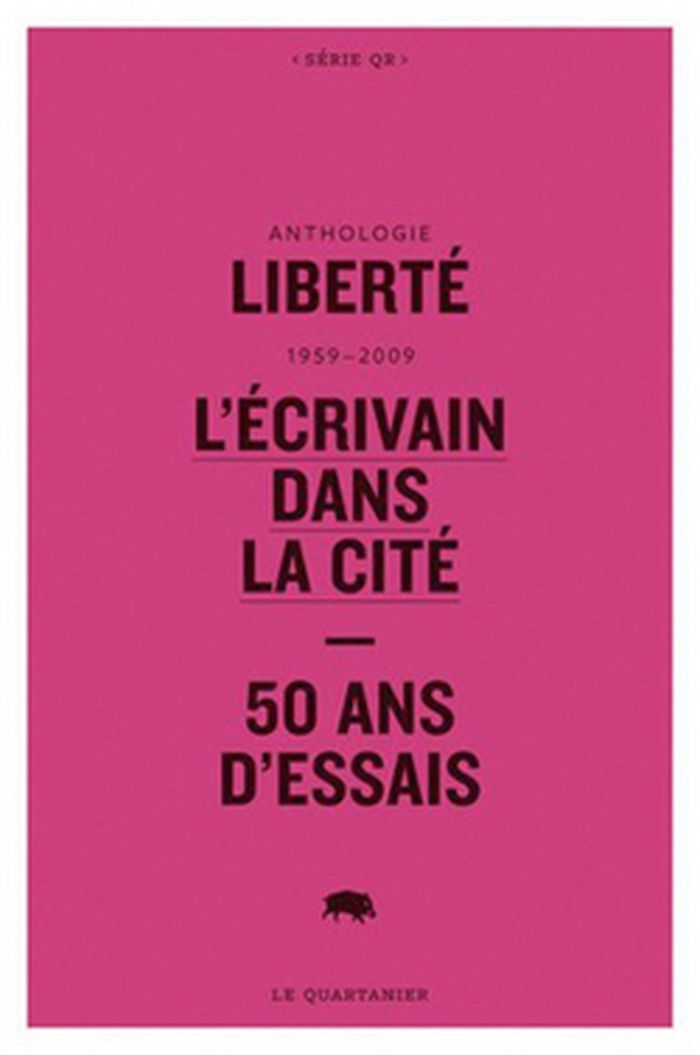
Anthologie Liberté 1959-2009: l'écrivain dans la cité, 50 ans d'essais
Actions:
Prix:
$32.95
(disponible en magasin)
Résumé:
Anthologie d'essais parus dans la revue Liberté de 1959 à 2009, qui offre un panorama sans précédent de l’histoire du Québec, des débuts de la Révolution tranquille à nos jours.
Anthologie Liberté 1959-2009: l'écrivain dans la cité, 50 ans d'essais
Actions:
Prix:
$32.95
(disponible en magasin)
Résumé:
Anthologie d'essais parus dans la revue Liberté de 1959 à 2009, qui offre un panorama sans précédent de l’histoire du Québec, des débuts de la Révolution tranquille à nos jours.
Classification:
livres
livres
Publication:
novembre 2012
novembre 2012
Sujet:
Théorie/ philosophie
Théorie/ philosophie
Classification:
livres
livres
Titre:
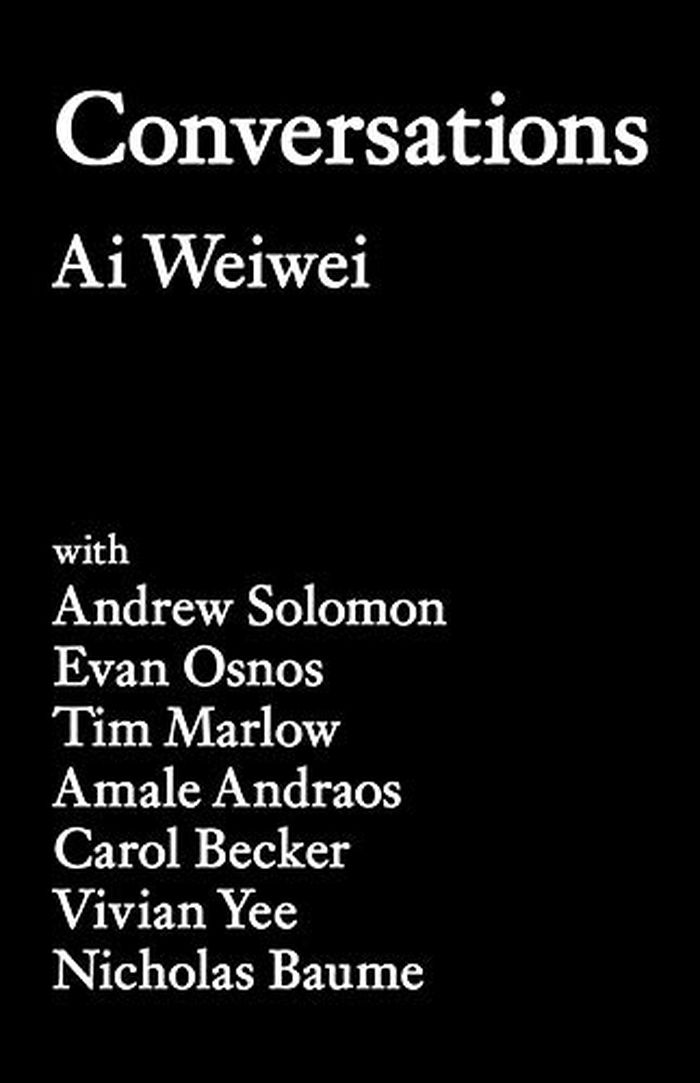
Conversations
Conversations
Actions:
Prix:
$25.95
(disponible sur commande)
Résumé:
Ai Weiwei is one of the world’s most acclaimed artists and dissidents. This book presents him in conversation with theorists, critics, journalists, and curators about key moments in his life and career. These wide-ranging conversations flow between topics such as his relationship with China, the meaning of citizenship, moving his studio to Lesbos to be on the front lines(...)
$25.95
(disponible sur commande)
Résumé:
Ai Weiwei is one of the world’s most acclaimed artists and dissidents. This book presents him in conversation with theorists, critics, journalists, and curators about key moments in his life and career. These wide-ranging conversations flow between topics such as his relationship with China, the meaning of citizenship, moving his studio to Lesbos to be on the front lines(...)
Titre:
Conversations
Actions:
Prix:
$25.95
(disponible sur commande)
Résumé:
Ai Weiwei is one of the world’s most acclaimed artists and dissidents. This book presents him in conversation with theorists, critics, journalists, and curators about key moments in his life and career. These wide-ranging conversations flow between topics such as his relationship with China, the meaning of citizenship, moving his studio to Lesbos to be on the front lines of the migrant crisis, how to make art, and technology as a tool for freedom or oppression. Ai opens up about his relationship to his father as a poet and as a dissident forced into hard labor in a small village after the Cultural Revolution. He shares his thoughts on formal education and the importance of finding your own way as an artist. New York- both the city and its people- were formative for Ai Weiwei, and he speaks eloquently about how these experiences continue to influence him. Ai conjures up scenes from his long relationship with the city: dropping out of Parsons School of Design because he couldn’t afford tuition, making portraits in Washington Square Park as an undocumented immigrant in the 1980s, taking photos for the New York Times at demonstrations in Tompkins Square Park, and returning to set up the ''Good Fences Make Good Neighbors'' project across the city. These candid, spontaneous conversations reveal why Ai Weiwei has become such a major force in contemporary art and political life.
Conversations
Actions:
Prix:
$25.95
(disponible sur commande)
Résumé:
Ai Weiwei is one of the world’s most acclaimed artists and dissidents. This book presents him in conversation with theorists, critics, journalists, and curators about key moments in his life and career. These wide-ranging conversations flow between topics such as his relationship with China, the meaning of citizenship, moving his studio to Lesbos to be on the front lines of the migrant crisis, how to make art, and technology as a tool for freedom or oppression. Ai opens up about his relationship to his father as a poet and as a dissident forced into hard labor in a small village after the Cultural Revolution. He shares his thoughts on formal education and the importance of finding your own way as an artist. New York- both the city and its people- were formative for Ai Weiwei, and he speaks eloquently about how these experiences continue to influence him. Ai conjures up scenes from his long relationship with the city: dropping out of Parsons School of Design because he couldn’t afford tuition, making portraits in Washington Square Park as an undocumented immigrant in the 1980s, taking photos for the New York Times at demonstrations in Tompkins Square Park, and returning to set up the ''Good Fences Make Good Neighbors'' project across the city. These candid, spontaneous conversations reveal why Ai Weiwei has become such a major force in contemporary art and political life.
Classification:
livres
livres
Publication:
février 2021
février 2021
Classification:
livres
livres

Actions:
Prix:
$20.95
(disponible sur commande)
Résumé:
Cet ouvrage permet par une alternance de chapitres courts et longs très détaillés de comprendre l’exode rural qui a repoussé si rapidement les murs de Paris, engendré par la révolution industrielle.
$20.95
(disponible sur commande)
Résumé:
Cet ouvrage permet par une alternance de chapitres courts et longs très détaillés de comprendre l’exode rural qui a repoussé si rapidement les murs de Paris, engendré par la révolution industrielle.
Titre:
Paris à la fin du XIXe siècle
Actions:
Prix:
$20.95
(disponible sur commande)
Résumé:
Cet ouvrage permet par une alternance de chapitres courts et longs très détaillés de comprendre l’exode rural qui a repoussé si rapidement les murs de Paris, engendré par la révolution industrielle.
Paris à la fin du XIXe siècle
Actions:
Prix:
$20.95
(disponible sur commande)
Résumé:
Cet ouvrage permet par une alternance de chapitres courts et longs très détaillés de comprendre l’exode rural qui a repoussé si rapidement les murs de Paris, engendré par la révolution industrielle.
Classification:
livres
livres
Publication:
septembre 2005, Paris
septembre 2005, Paris
Sujet:
Littérature jeunesse
Littérature jeunesse
Classification:
livres
livres
Actions:
Prix:
$44.95
(disponible sur commande)
Résumé:
"Worldchanging : a User's guide for the 21st century " proposes innovative solutions, ideas and inventions emerging today for building a sustainable, livable, prosperous future. From consumer consciousness to a new vision for industry; non-toxic homes to refugee shelters; microfinance to effective philanthropy; socially responsible investing to starting a green business;(...)
$44.95
(disponible sur commande)
Résumé:
"Worldchanging : a User's guide for the 21st century " proposes innovative solutions, ideas and inventions emerging today for building a sustainable, livable, prosperous future. From consumer consciousness to a new vision for industry; non-toxic homes to refugee shelters; microfinance to effective philanthropy; socially responsible investing to starting a green business;(...)
Titre:
Worldchanging : a user's guide for the 21st century
Actions:
Prix:
$44.95
(disponible sur commande)
Résumé:
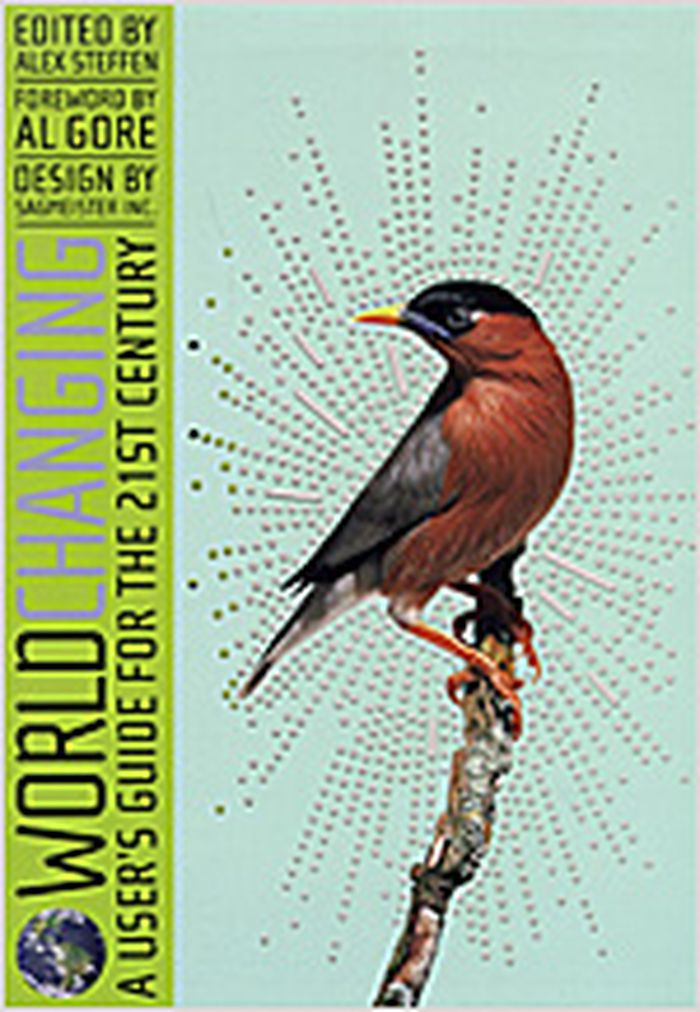
"Worldchanging : a User's guide for the 21st century " proposes innovative solutions, ideas and inventions emerging today for building a sustainable, livable, prosperous future. From consumer consciousness to a new vision for industry; non-toxic homes to refugee shelters; microfinance to effective philanthropy; socially responsible investing to starting a green business; citizen media to human rights; ecological economics to climate change, this is a comprehensive, cutting-edge overview. The book contains 7 sections which include those topics - from eco-building to responsible shopping, political action to humanitarian relief : stuff : green design, biomimicry, sustainable food, clothing, trade and technology ; shelter : green building and landscaping, clean energy, water, disaster relief and humanitarian design ; cities : smart growth, sustainable communities, transportation, greening infrastructure, product-service systems, leapfrogging and megacity challenges ; community : education, women's rights, public health, holistic approaches to community development, South-South science, social entrepreneurship and micro-lending, and philanthropy ; business : socially responsible investment, worldchanging start-ups, ecological economics, corporate social responsibility and green business ; politics : networked politics, new media, transparency, human rights, non-violent revolution and peacemaking ; planet : big picture -- everything from placing oneself in a bioregion to climate foresight to environmental history to green space exploration. Brought together by Alex Steffen, co-founder of the web site Worldchanging.com, this team of writers includes Cameron Sinclair, founder of Architecture for Humanity, Geekcorps founder Ethan Zuckerman, sustainable food expert Anna Lappé, and many others. With foreword by Al Gore. Design by Sagmeister.
Worldchanging : a user's guide for the 21st century
Actions:
Prix:
$44.95
(disponible sur commande)
Résumé:
"Worldchanging : a User's guide for the 21st century " proposes innovative solutions, ideas and inventions emerging today for building a sustainable, livable, prosperous future. From consumer consciousness to a new vision for industry; non-toxic homes to refugee shelters; microfinance to effective philanthropy; socially responsible investing to starting a green business; citizen media to human rights; ecological economics to climate change, this is a comprehensive, cutting-edge overview. The book contains 7 sections which include those topics - from eco-building to responsible shopping, political action to humanitarian relief : stuff : green design, biomimicry, sustainable food, clothing, trade and technology ; shelter : green building and landscaping, clean energy, water, disaster relief and humanitarian design ; cities : smart growth, sustainable communities, transportation, greening infrastructure, product-service systems, leapfrogging and megacity challenges ; community : education, women's rights, public health, holistic approaches to community development, South-South science, social entrepreneurship and micro-lending, and philanthropy ; business : socially responsible investment, worldchanging start-ups, ecological economics, corporate social responsibility and green business ; politics : networked politics, new media, transparency, human rights, non-violent revolution and peacemaking ; planet : big picture -- everything from placing oneself in a bioregion to climate foresight to environmental history to green space exploration. Brought together by Alex Steffen, co-founder of the web site Worldchanging.com, this team of writers includes Cameron Sinclair, founder of Architecture for Humanity, Geekcorps founder Ethan Zuckerman, sustainable food expert Anna Lappé, and many others. With foreword by Al Gore. Design by Sagmeister.
Classification:
livres
livres
Publication:
janvier 2007, New York
janvier 2007, New York
Sujet:
Architecture écologique
Architecture écologique
Classification:
livres
livres
Prix:
$75.00
(disponible sur commande)
Résumé:
The retro-futuristic epoch is one of the most visually spectacular in architecture's history. This book compiles radical ideas and visionary structures. The notion of utopia proves as diverse as it does universal. From exuberant master plans to singular architectural expressions, the rise of the utopian architectural movement in the 1960s and 1970s represents a critical(...)
$75.00
(disponible sur commande)
Résumé:
The retro-futuristic epoch is one of the most visually spectacular in architecture's history. This book compiles radical ideas and visionary structures. The notion of utopia proves as diverse as it does universal. From exuberant master plans to singular architectural expressions, the rise of the utopian architectural movement in the 1960s and 1970s represents a critical(...)
Titre:
The tale of tomorrow: utopian architecture in the modernist realm
Actions:
Prix:
$75.00
(disponible sur commande)
Résumé:
The retro-futuristic epoch is one of the most visually spectacular in architecture's history. This book compiles radical ideas and visionary structures. The notion of utopia proves as diverse as it does universal. From exuberant master plans to singular architectural expressions, the rise of the utopian architectural movement in the 1960s and 1970s represents a critical shift in ideology away from mid-century traditionalism. This period shakes off the conformity and conventions of the 1950s in favor of a more experimental post-war agenda. Marked by groundbreaking reinterpretations of both the single family house as well as more large scale developments, the embrace of utopian and generally progressive thinking mirrored the cultural revolution of the times. These daring, charming, futuristic, and hopeful designs were not isolated to a particular part of the world. Visionary voices longing for a fresh approach to architecture began appearing across France, Japan, the United States, and beyond. The Tale of Tomorrow documents this prolific era in architecture--a time when anything felt possible as architects began to think further and further outside the box. 'The Tale of Tomorrow' focuses exclusively on built manifestations of utopian ideas. Highlighting well-known projects as well as the more obscure, the collection of utopian approaches compiled here maintain their visual power and infectious optimism nearly half a century later. These experimental structures, both large and small, appear in everyday places in stark contrast to their far-from-utopian contexts.
The tale of tomorrow: utopian architecture in the modernist realm
Actions:
Prix:
$75.00
(disponible sur commande)
Résumé:
The retro-futuristic epoch is one of the most visually spectacular in architecture's history. This book compiles radical ideas and visionary structures. The notion of utopia proves as diverse as it does universal. From exuberant master plans to singular architectural expressions, the rise of the utopian architectural movement in the 1960s and 1970s represents a critical shift in ideology away from mid-century traditionalism. This period shakes off the conformity and conventions of the 1950s in favor of a more experimental post-war agenda. Marked by groundbreaking reinterpretations of both the single family house as well as more large scale developments, the embrace of utopian and generally progressive thinking mirrored the cultural revolution of the times. These daring, charming, futuristic, and hopeful designs were not isolated to a particular part of the world. Visionary voices longing for a fresh approach to architecture began appearing across France, Japan, the United States, and beyond. The Tale of Tomorrow documents this prolific era in architecture--a time when anything felt possible as architects began to think further and further outside the box. 'The Tale of Tomorrow' focuses exclusively on built manifestations of utopian ideas. Highlighting well-known projects as well as the more obscure, the collection of utopian approaches compiled here maintain their visual power and infectious optimism nearly half a century later. These experimental structures, both large and small, appear in everyday places in stark contrast to their far-from-utopian contexts.
Classification:
livres
livres
Publication:
avril 2015
avril 2015
Sujet:
Architecture expérimentale
Architecture expérimentale
Classification:
livres
livres
Titre:
L'événement anthropocène
L'événement anthropocène
Actions:
Prix:
$24.95
(disponible sur commande)
Résumé:
Les scientifiques nous l’annoncent, la Terre est entrée dans une nouvelle époque : l’Anthropocène. Ce qui nous arrive n’est pas une crise environnementale, c’est une révolution géologique d’origine humaine. Depuis la révolution thermo-industrielle, notre planète a basculé vers un état inédit. Les traces de notre âge urbain, consumériste, chimique et nucléaire resteront(...)
$24.95
(disponible sur commande)
Résumé:
Les scientifiques nous l’annoncent, la Terre est entrée dans une nouvelle époque : l’Anthropocène. Ce qui nous arrive n’est pas une crise environnementale, c’est une révolution géologique d’origine humaine. Depuis la révolution thermo-industrielle, notre planète a basculé vers un état inédit. Les traces de notre âge urbain, consumériste, chimique et nucléaire resteront(...)
Sujet:
Architecture écologique
Architecture écologique
Publication:
janvier 2016
janvier 2016
Titre:
L'événement anthropocène
Actions:
Prix:
$24.95
(disponible sur commande)
Résumé:
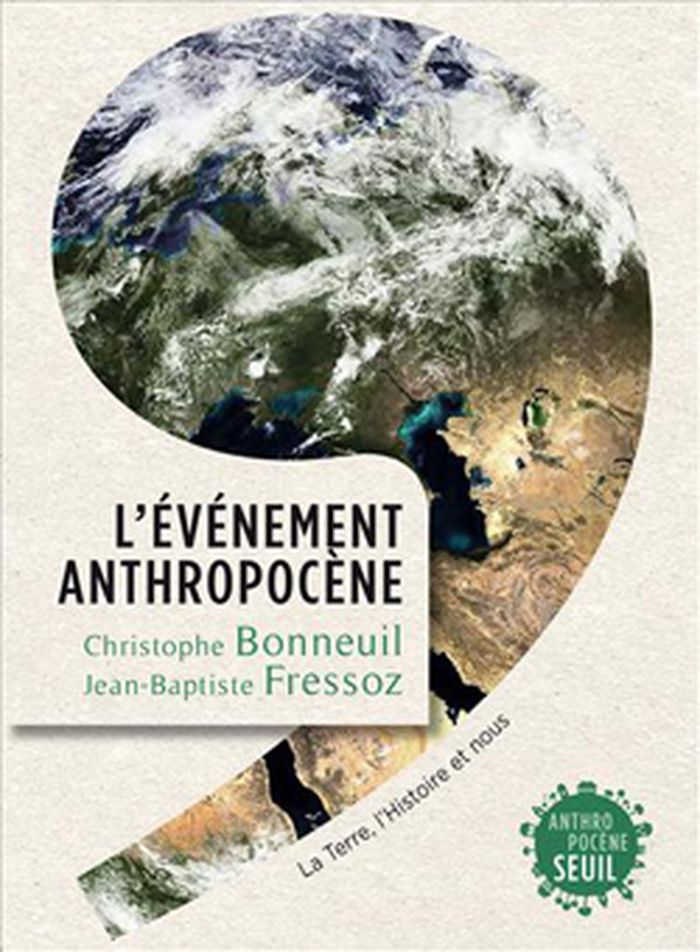
Les scientifiques nous l’annoncent, la Terre est entrée dans une nouvelle époque : l’Anthropocène. Ce qui nous arrive n’est pas une crise environnementale, c’est une révolution géologique d’origine humaine. Depuis la révolution thermo-industrielle, notre planète a basculé vers un état inédit. Les traces de notre âge urbain, consumériste, chimique et nucléaire resteront des milliers voire des millions d’années dans les archives géologiques de la planète et soumettront les sociétés humaines à des difficultés considérables. Comment en sommes-nous arrivés là ? Faisant dialoguer science et histoire, les auteurs dressent l’inventaire écologique d’un modèle de développement devenu insoutenable, ébranlent bien des idées reçues sur notre prétendue « prise de conscience environnementale » et ouvrent des pistes pour vivre et agir politiquement dans l’Anthropocène.
L'événement anthropocène
Actions:
Prix:
$24.95
(disponible sur commande)
Résumé:
Les scientifiques nous l’annoncent, la Terre est entrée dans une nouvelle époque : l’Anthropocène. Ce qui nous arrive n’est pas une crise environnementale, c’est une révolution géologique d’origine humaine. Depuis la révolution thermo-industrielle, notre planète a basculé vers un état inédit. Les traces de notre âge urbain, consumériste, chimique et nucléaire resteront des milliers voire des millions d’années dans les archives géologiques de la planète et soumettront les sociétés humaines à des difficultés considérables. Comment en sommes-nous arrivés là ? Faisant dialoguer science et histoire, les auteurs dressent l’inventaire écologique d’un modèle de développement devenu insoutenable, ébranlent bien des idées reçues sur notre prétendue « prise de conscience environnementale » et ouvrent des pistes pour vivre et agir politiquement dans l’Anthropocène.
Classification:
livres
livres
Publication:
janvier 2016
janvier 2016
Sujet:
Architecture écologique
Architecture écologique
Classification:
livres
livres
Actions:
Prix:
$24.95
(disponible sur commande)
Résumé:
À qui profitent les ressources du Québec ? Qui contrôle nos forêts, nos mines et les produits de nos terres agricoles ? Qui choisit la voie qu’empruntera notre développement hydro-électrique ? Qui décide du sort de nos réserves d’eau potable ? Si, depuis la Révolution tranquille, nous sommes vraiment « maîtres chez nous », d’où vient ce sentiment que nos ressources sont(...)
$24.95
(disponible sur commande)
Résumé:
À qui profitent les ressources du Québec ? Qui contrôle nos forêts, nos mines et les produits de nos terres agricoles ? Qui choisit la voie qu’empruntera notre développement hydro-électrique ? Qui décide du sort de nos réserves d’eau potable ? Si, depuis la Révolution tranquille, nous sommes vraiment « maîtres chez nous », d’où vient ce sentiment que nos ressources sont(...)
Titre:
Dépossession : une histoire économique du Québec contemporain, les ressources, volume 1
Actions:
Prix:
$24.95
(disponible sur commande)
Résumé:
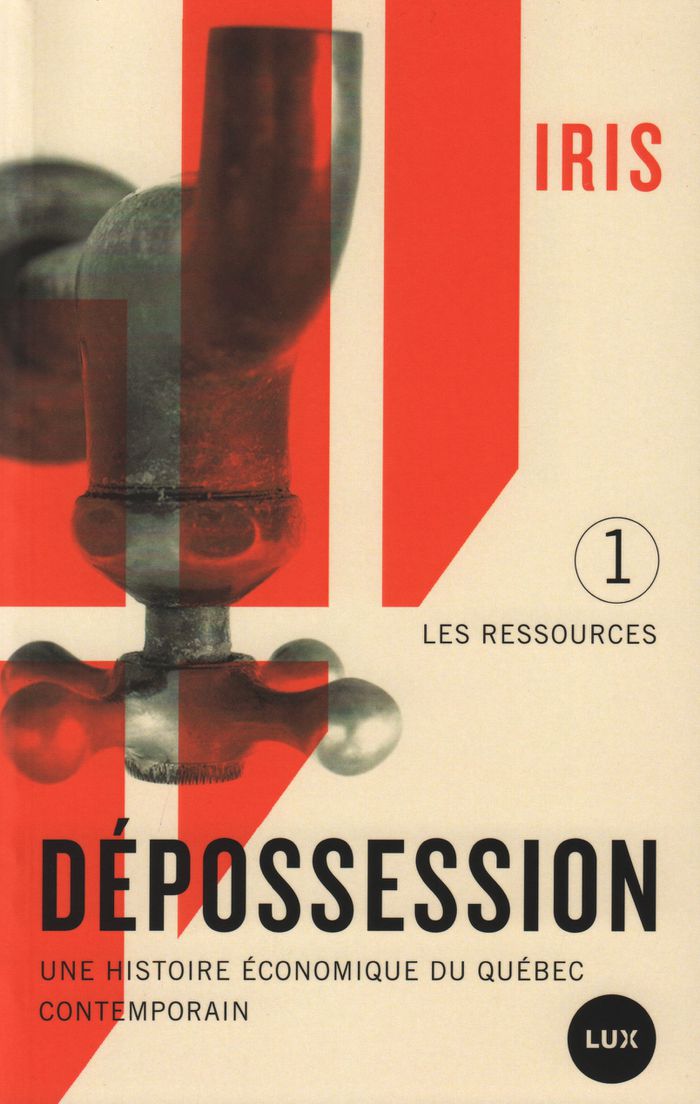
À qui profitent les ressources du Québec ? Qui contrôle nos forêts, nos mines et les produits de nos terres agricoles ? Qui choisit la voie qu’empruntera notre développement hydro-électrique ? Qui décide du sort de nos réserves d’eau potable ? Si, depuis la Révolution tranquille, nous sommes vraiment « maîtres chez nous », d’où vient ce sentiment que nos ressources sont encore pillées ? ''Dépossession'' répond à ces questions persistantes, attaquant l’idée – chère à l’imaginaire québécois – selon laquelle le projet de souveraineté économique des années 1960-1970 est accompli. L’histoire ici retracée est celle d’une perversion, d’une corruption au sens propre du terme. Est-il en effet possible que la Révolution tranquille ait contenu en germes le néolibéralisme que l’on connaît aujourd’hui ?
Dépossession : une histoire économique du Québec contemporain, les ressources, volume 1
Actions:
Prix:
$24.95
(disponible sur commande)
Résumé:
À qui profitent les ressources du Québec ? Qui contrôle nos forêts, nos mines et les produits de nos terres agricoles ? Qui choisit la voie qu’empruntera notre développement hydro-électrique ? Qui décide du sort de nos réserves d’eau potable ? Si, depuis la Révolution tranquille, nous sommes vraiment « maîtres chez nous », d’où vient ce sentiment que nos ressources sont encore pillées ? ''Dépossession'' répond à ces questions persistantes, attaquant l’idée – chère à l’imaginaire québécois – selon laquelle le projet de souveraineté économique des années 1960-1970 est accompli. L’histoire ici retracée est celle d’une perversion, d’une corruption au sens propre du terme. Est-il en effet possible que la Révolution tranquille ait contenu en germes le néolibéralisme que l’on connaît aujourd’hui ?
Classification:
livres
livres
Publication:
mars 2015
mars 2015
Sujet:
Sociologie (Québec)
Sociologie (Québec)
Classification:
livres
livres
Prix:
$55.95
(disponible sur commande)
Résumé:
Built around snatches of discussion overheard in a Beijing design studio, this book explores attitudes toward architecture in China since the opening of the Treaty Ports in the 1840s. Central to the discussion are the concepts of ti and yong, or “essence” and “form,” Chinese characters that are used to define the proper arrangement of what should be considered modern and(...)
$55.95
(disponible sur commande)
Résumé:
Built around snatches of discussion overheard in a Beijing design studio, this book explores attitudes toward architecture in China since the opening of the Treaty Ports in the 1840s. Central to the discussion are the concepts of ti and yong, or “essence” and “form,” Chinese characters that are used to define the proper arrangement of what should be considered modern and(...)
Publication:
avril 2002, Cambridge, Mass.
avril 2002, Cambridge, Mass.
Titre:
Architectural encounters with essence and form in modern China
Actions:
Prix:
$55.95
(disponible sur commande)
Résumé:
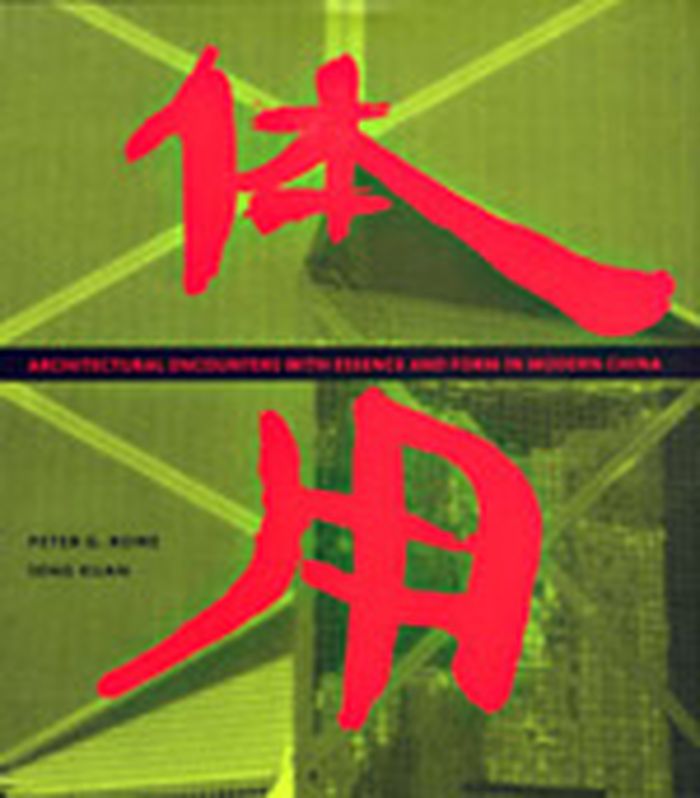
Built around snatches of discussion overheard in a Beijing design studio, this book explores attitudes toward architecture in China since the opening of the Treaty Ports in the 1840s. Central to the discussion are the concepts of ti and yong, or “essence” and “form,” Chinese characters that are used to define the proper arrangement of what should be considered modern and essentially Chinese. Ti and yong have gone through various transformations--for example, from “Chinese learning for essential principles and Western learning for practical application” to “socialist essence and cultural form” and an almost complete reversal to “modern essence and Chinese form.” The book opens with a discussion of cultural developments in China in response to the forced opening to the West in the mid-nineteenth century, efforts to reform the Qing dynasty, and the Nationalist and Communist regimes. It then considers the return of overseas-educated Chinese architects and foreign influences on Chinese architecture, four architectural orientations toward tradition and modernity in the 1920s and 1930s, and the controversy over the use of “big roofs” and other sinicizing aspects of Chinese architecture in the 1950s. The book then moves to the hard economic conditions of the Great Leap Forward and the Cultural Revolution, when architecture was almost abandoned, and the beginning of reform and opening up to the outside world in the late 1970s and 1980s. Finally, it looks at the present socialist market economy and Chinese architecture during the still incomplete process of modernization. It closes with a prognosis for the future.
Architectural encounters with essence and form in modern China
Actions:
Prix:
$55.95
(disponible sur commande)
Résumé:
Built around snatches of discussion overheard in a Beijing design studio, this book explores attitudes toward architecture in China since the opening of the Treaty Ports in the 1840s. Central to the discussion are the concepts of ti and yong, or “essence” and “form,” Chinese characters that are used to define the proper arrangement of what should be considered modern and essentially Chinese. Ti and yong have gone through various transformations--for example, from “Chinese learning for essential principles and Western learning for practical application” to “socialist essence and cultural form” and an almost complete reversal to “modern essence and Chinese form.” The book opens with a discussion of cultural developments in China in response to the forced opening to the West in the mid-nineteenth century, efforts to reform the Qing dynasty, and the Nationalist and Communist regimes. It then considers the return of overseas-educated Chinese architects and foreign influences on Chinese architecture, four architectural orientations toward tradition and modernity in the 1920s and 1930s, and the controversy over the use of “big roofs” and other sinicizing aspects of Chinese architecture in the 1950s. The book then moves to the hard economic conditions of the Great Leap Forward and the Cultural Revolution, when architecture was almost abandoned, and the beginning of reform and opening up to the outside world in the late 1970s and 1980s. Finally, it looks at the present socialist market economy and Chinese architecture during the still incomplete process of modernization. It closes with a prognosis for the future.
Classification:
livres
livres
Publication:
avril 2002, Cambridge, Mass.
avril 2002, Cambridge, Mass.


