


2688 Résultats
Classification:
livres
livres
Actions:
Prix:
$61.00
(disponible sur commande)
Résumé:
''Japan: nation building nature'' is the first book to map out the views of nature that have shaped the widely acclaimed but often misunderstood modern architecture of Japan. By connecting the dots between philosophy, design, geopolitics, and an earnest quest for a greener tomorrow, this book explains how Japanese culture can shed new light on our understanding of(...)
$61.00
(disponible sur commande)
Résumé:
''Japan: nation building nature'' is the first book to map out the views of nature that have shaped the widely acclaimed but often misunderstood modern architecture of Japan. By connecting the dots between philosophy, design, geopolitics, and an earnest quest for a greener tomorrow, this book explains how Japanese culture can shed new light on our understanding of(...)
Titre:
Japan: Nation building nature
Actions:
Prix:
$61.00
(disponible sur commande)
Résumé:
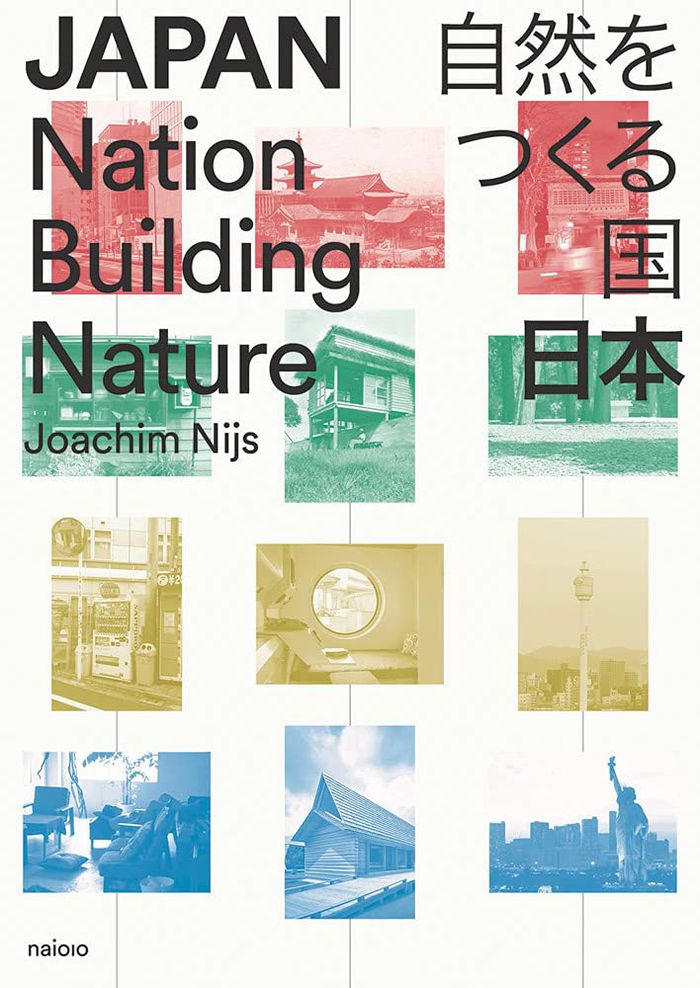
''Japan: nation building nature'' is the first book to map out the views of nature that have shaped the widely acclaimed but often misunderstood modern architecture of Japan. By connecting the dots between philosophy, design, geopolitics, and an earnest quest for a greener tomorrow, this book explains how Japanese culture can shed new light on our understanding of ecology, and vice-versa. Using a distinctive blend of academic research and personal experience, Joachim Nijs draws on architectural history to navigate Japan's complex and unique ecological ethic through the lens of four stereotypical phenomena: earthquakes, monsoon climates, nuclear erasure of life, and insularity.
Japan: Nation building nature
Actions:
Prix:
$61.00
(disponible sur commande)
Résumé:
''Japan: nation building nature'' is the first book to map out the views of nature that have shaped the widely acclaimed but often misunderstood modern architecture of Japan. By connecting the dots between philosophy, design, geopolitics, and an earnest quest for a greener tomorrow, this book explains how Japanese culture can shed new light on our understanding of ecology, and vice-versa. Using a distinctive blend of academic research and personal experience, Joachim Nijs draws on architectural history to navigate Japan's complex and unique ecological ethic through the lens of four stereotypical phenomena: earthquakes, monsoon climates, nuclear erasure of life, and insularity.
Classification:
livres
livres
Publication:
septembre 2021
septembre 2021
Classification:
périodiques
périodiques
Titre:
C3 328: urban addition
C3 328: urban addition
Actions:
Prix:
$36.95
(disponible en magasin)
Résumé:
Building a modern extension to an existing museum, church or other historic site can be problematic. These buildings are often situated in old and overpopulated cities. This issue takes a closer look at how today's architects have solved this dilemma. The Dresden Military History Museum by Daniel Libeskind, The new Messner Mountain Museum by EM2 Architects and the(...)
$36.95
(disponible en magasin)
Résumé:
Building a modern extension to an existing museum, church or other historic site can be problematic. These buildings are often situated in old and overpopulated cities. This issue takes a closer look at how today's architects have solved this dilemma. The Dresden Military History Museum by Daniel Libeskind, The new Messner Mountain Museum by EM2 Architects and the(...)
Titre:
C3 328: urban addition
Actions:
Prix:
$36.95
(disponible en magasin)
Résumé:
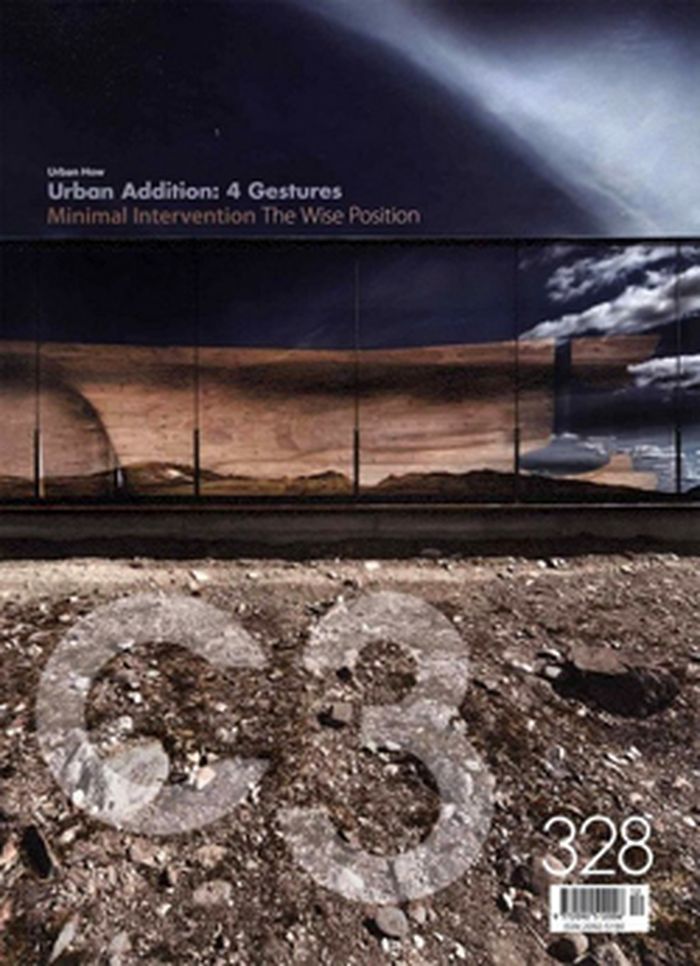
Building a modern extension to an existing museum, church or other historic site can be problematic. These buildings are often situated in old and overpopulated cities. This issue takes a closer look at how today's architects have solved this dilemma. The Dresden Military History Museum by Daniel Libeskind, The new Messner Mountain Museum by EM2 Architects and the restoration of Madrid’s Slaughterhouse by Pesquera Ulargui Arquitectos serve as key examples. Other projects featured are: Milstein Hall at Cornell University by OMA, the Drents Museum extension by Erick van Egeraat Architects, and the Theater of Châtelard by Clermont Architects.
C3 328: urban addition
Actions:
Prix:
$36.95
(disponible en magasin)
Résumé:
Building a modern extension to an existing museum, church or other historic site can be problematic. These buildings are often situated in old and overpopulated cities. This issue takes a closer look at how today's architects have solved this dilemma. The Dresden Military History Museum by Daniel Libeskind, The new Messner Mountain Museum by EM2 Architects and the restoration of Madrid’s Slaughterhouse by Pesquera Ulargui Arquitectos serve as key examples. Other projects featured are: Milstein Hall at Cornell University by OMA, the Drents Museum extension by Erick van Egeraat Architects, and the Theater of Châtelard by Clermont Architects.
Classification:
périodiques
périodiques
Publication:
mars 2012
mars 2012
Sujet:
Revues
Revues
Classification:
livres
livres
Actions:
Prix:
$28.95
(disponible sur commande)
Résumé:
The first in a series by the Sikkens Foundation, this pocket-sized publication of the Mondrian Lecture given by Charles Jencks reprints his talk in full, along with various images. Jencks discusses the possibility that architecture and well-being can have a direct correlation, exploring how architecture can influence society, business productivity, profits and hospitals.(...)
$28.95
(disponible sur commande)
Résumé:
The first in a series by the Sikkens Foundation, this pocket-sized publication of the Mondrian Lecture given by Charles Jencks reprints his talk in full, along with various images. Jencks discusses the possibility that architecture and well-being can have a direct correlation, exploring how architecture can influence society, business productivity, profits and hospitals.(...)
Titre:
Can architecture affect your health?
Actions:
Prix:
$28.95
(disponible sur commande)
Résumé:
The first in a series by the Sikkens Foundation, this pocket-sized publication of the Mondrian Lecture given by Charles Jencks reprints his talk in full, along with various images. Jencks discusses the possibility that architecture and well-being can have a direct correlation, exploring how architecture can influence society, business productivity, profits and hospitals. He elaborates with examples of architectural determinism from both ancient and modern history, with a special focus on his experience with the Maggie’s Centres – cancer care centres set up throughout Britain by Jencks and designed by famous architects – whose purpose is to experiment with these ideas.
Can architecture affect your health?
Actions:
Prix:
$28.95
(disponible sur commande)
Résumé:
The first in a series by the Sikkens Foundation, this pocket-sized publication of the Mondrian Lecture given by Charles Jencks reprints his talk in full, along with various images. Jencks discusses the possibility that architecture and well-being can have a direct correlation, exploring how architecture can influence society, business productivity, profits and hospitals. He elaborates with examples of architectural determinism from both ancient and modern history, with a special focus on his experience with the Maggie’s Centres – cancer care centres set up throughout Britain by Jencks and designed by famous architects – whose purpose is to experiment with these ideas.
Classification:
livres
livres
Publication:
janvier 2013
janvier 2013
Sujet:
Théorie de l’architecture
Théorie de l’architecture
Classification:
livres
livres
Titre:
A world of gardens
A world of gardens
Actions:
Prix:
$41.95
(disponible sur commande)
Résumé:
Hunt shows here how cultural assumptions and local geography have shaped gardens and their meaning. He explores our continuing responses to land and reworkings of the natural world, encompassing a broad range of gardens, from ancient Roman times to early Islamic and Mughal gardens, from Chinese and Japanese gardens to the invention of the public park and modern landscape(...)
$41.95
(disponible sur commande)
Résumé:
Hunt shows here how cultural assumptions and local geography have shaped gardens and their meaning. He explores our continuing responses to land and reworkings of the natural world, encompassing a broad range of gardens, from ancient Roman times to early Islamic and Mughal gardens, from Chinese and Japanese gardens to the invention of the public park and modern landscape(...)
Titre:
A world of gardens
Actions:
Prix:
$41.95
(disponible sur commande)
Résumé:
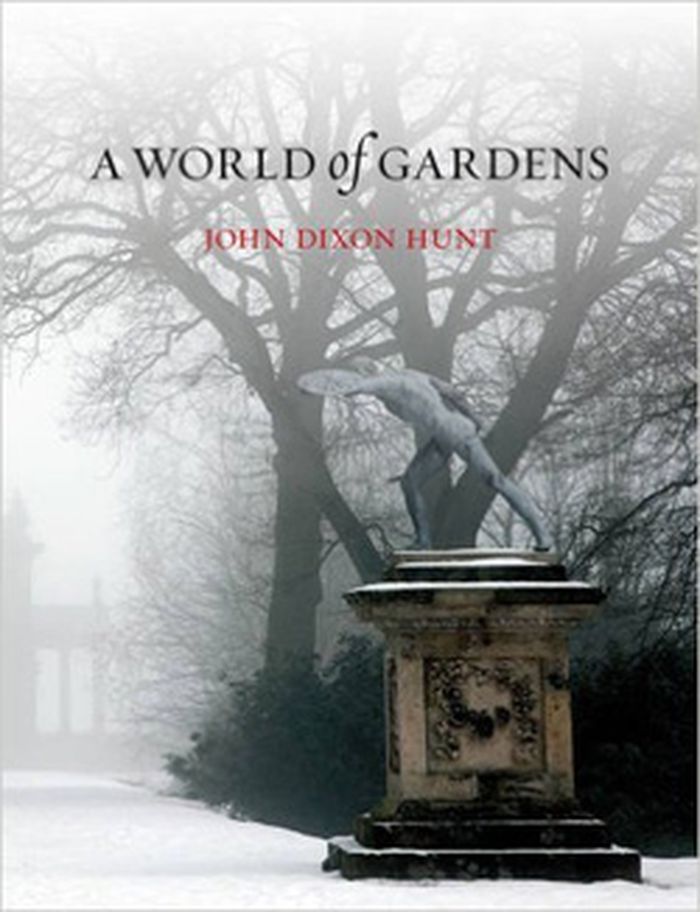
Hunt shows here how cultural assumptions and local geography have shaped gardens and their meaning. He explores our continuing responses to land and reworkings of the natural world, encompassing a broad range of gardens, from ancient Roman times to early Islamic and Mughal gardens, from Chinese and Japanese gardens to the invention of the public park and modern landscape architecture. A World of Gardens looks at key chapters in garden history, reviewing their significance past and present and tracing the recurrence of different themes and motifs in the design and reception of gardens throughout the world.
A world of gardens
Actions:
Prix:
$41.95
(disponible sur commande)
Résumé:
Hunt shows here how cultural assumptions and local geography have shaped gardens and their meaning. He explores our continuing responses to land and reworkings of the natural world, encompassing a broad range of gardens, from ancient Roman times to early Islamic and Mughal gardens, from Chinese and Japanese gardens to the invention of the public park and modern landscape architecture. A World of Gardens looks at key chapters in garden history, reviewing their significance past and present and tracing the recurrence of different themes and motifs in the design and reception of gardens throughout the world.
Classification:
livres
livres
Publication:
août 2015
août 2015
Sujet:
Jardins
Jardins
Classification:
livres
livres
Titre:
Infinity and perspective
Infinity and perspective
Actions:
Prix:
$36.95
(disponible sur commande)
Résumé:
Much postmodern rhetoric, suggests Karsten Harries, can be understood as a symptom of our civilization's discontent, born of regret that we are no longer able to experience our world as a cosmos that assigns us our place. But dissatisfaction with the modern world may also spring from a conviction that modernism has failed to confront the challenge of an inevitably open(...)
$36.95
(disponible sur commande)
Résumé:
Much postmodern rhetoric, suggests Karsten Harries, can be understood as a symptom of our civilization's discontent, born of regret that we are no longer able to experience our world as a cosmos that assigns us our place. But dissatisfaction with the modern world may also spring from a conviction that modernism has failed to confront the challenge of an inevitably open(...)
Sujet:
Théorie de l’architecture
Théorie de l’architecture
Publication:
octobre 2002, Cambridge, Mass.
octobre 2002, Cambridge, Mass.
Titre:
Infinity and perspective
Actions:
Prix:
$36.95
(disponible sur commande)
Résumé:
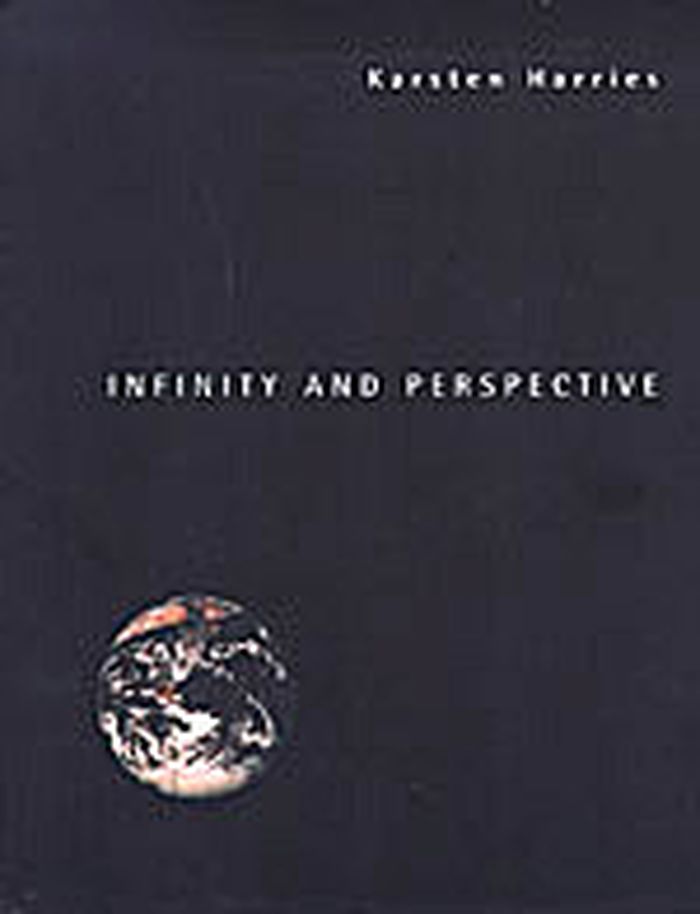
Much postmodern rhetoric, suggests Karsten Harries, can be understood as a symptom of our civilization's discontent, born of regret that we are no longer able to experience our world as a cosmos that assigns us our place. But dissatisfaction with the modern world may also spring from a conviction that modernism has failed to confront the challenge of an inevitably open future. Such conviction has frequently led to a critique of modernity's founding heroes. Challenging that critique, Harries insists that modernity is supported by nothing other than human freedom. But more important to Harries is to show how modernist self-assertion is shadowed by nihilism and what it might mean to step out of that shadow. Looking at a small number of medieval and Renaissance texts, as well as some paintings, he uncovers the threshold that separates the modern from the premodern world. At the same time, he illuminates that other, more questionable threshold, between the modern and the postmodern. Two spirits preside over the book: Alberti, the Renaissance author on art and architecture, whose passionate interest in perspective and point of view offers a key to modernity; and Nicolaus Cusanus, the fifteenth-century cardinal, whose work shows that such interest cannot be divorced from speculations on the infinity of God. The title Infinity and Perspective connects the two to each other and to the shape of modernity.
Infinity and perspective
Actions:
Prix:
$36.95
(disponible sur commande)
Résumé:
Much postmodern rhetoric, suggests Karsten Harries, can be understood as a symptom of our civilization's discontent, born of regret that we are no longer able to experience our world as a cosmos that assigns us our place. But dissatisfaction with the modern world may also spring from a conviction that modernism has failed to confront the challenge of an inevitably open future. Such conviction has frequently led to a critique of modernity's founding heroes. Challenging that critique, Harries insists that modernity is supported by nothing other than human freedom. But more important to Harries is to show how modernist self-assertion is shadowed by nihilism and what it might mean to step out of that shadow. Looking at a small number of medieval and Renaissance texts, as well as some paintings, he uncovers the threshold that separates the modern from the premodern world. At the same time, he illuminates that other, more questionable threshold, between the modern and the postmodern. Two spirits preside over the book: Alberti, the Renaissance author on art and architecture, whose passionate interest in perspective and point of view offers a key to modernity; and Nicolaus Cusanus, the fifteenth-century cardinal, whose work shows that such interest cannot be divorced from speculations on the infinity of God. The title Infinity and Perspective connects the two to each other and to the shape of modernity.
Classification:
livres
livres
Publication:
octobre 2002, Cambridge, Mass.
octobre 2002, Cambridge, Mass.
Sujet:
Théorie de l’architecture
Théorie de l’architecture
Classification:
livres
livres
Titre:
Architecture & mobility
Architecture & mobility
Actions:
Prix:
$38.00
(disponible sur commande)
Résumé:
Finizio’s theme is one we can see on the streets: having changed the 19th-century city into a “metropolis” of suburbs and highways, the car as an object is, in turn, changing in relation to the modern city. A leading Italian design professional, Finizio has gathered an international symposium of architects to explore how urban planning, architecture, and design ideas can(...)
$38.00
(disponible sur commande)
Résumé:
Finizio’s theme is one we can see on the streets: having changed the 19th-century city into a “metropolis” of suburbs and highways, the car as an object is, in turn, changing in relation to the modern city. A leading Italian design professional, Finizio has gathered an international symposium of architects to explore how urban planning, architecture, and design ideas can(...)
Titre:
Architecture & mobility
Actions:
Prix:
$38.00
(disponible sur commande)
Résumé:
Finizio’s theme is one we can see on the streets: having changed the 19th-century city into a “metropolis” of suburbs and highways, the car as an object is, in turn, changing in relation to the modern city. A leading Italian design professional, Finizio has gathered an international symposium of architects to explore how urban planning, architecture, and design ideas can create a new design philosophy for the automobile as a sort of domestic moving space that interacts with the new urban environment. This richly illustrated book focuses on the relationship between the static city and “mobile architecture” of the car through the works of some of the most important contemporary international architects such as Frank Gehry, Rem Koolhass, Jean Nouvel, Massimiliano Fuksas, and Alessandro Mendini.This is an urgent, exciting design mission that finally deals with how thinking about the urban car must coevolve in profound new ways.
Architecture & mobility
Actions:
Prix:
$38.00
(disponible sur commande)
Résumé:
Finizio’s theme is one we can see on the streets: having changed the 19th-century city into a “metropolis” of suburbs and highways, the car as an object is, in turn, changing in relation to the modern city. A leading Italian design professional, Finizio has gathered an international symposium of architects to explore how urban planning, architecture, and design ideas can create a new design philosophy for the automobile as a sort of domestic moving space that interacts with the new urban environment. This richly illustrated book focuses on the relationship between the static city and “mobile architecture” of the car through the works of some of the most important contemporary international architects such as Frank Gehry, Rem Koolhass, Jean Nouvel, Massimiliano Fuksas, and Alessandro Mendini.This is an urgent, exciting design mission that finally deals with how thinking about the urban car must coevolve in profound new ways.
Classification:
livres
livres
Publication:
octobre 2007, New York
octobre 2007, New York
Sujet:
Théorie de l’architecture
Théorie de l’architecture
Classification:
livres
livres
Titre:
Fallen empires
Fallen empires
Actions:
Prix:
$55.00
(disponible sur commande)
Résumé:
Extensively covered by the media, debated by the governments of the world and claimed by vying religions, Israel is a remarkable case study for understanding the rise and fall of empires. By highlighting the country's historic architecture and its highly contentious ruins, Israeli photographer Shai Kremer (born 1974) questions how these sites figure today in the discourse(...)
$55.00
(disponible sur commande)
Résumé:
Extensively covered by the media, debated by the governments of the world and claimed by vying religions, Israel is a remarkable case study for understanding the rise and fall of empires. By highlighting the country's historic architecture and its highly contentious ruins, Israeli photographer Shai Kremer (born 1974) questions how these sites figure today in the discourse(...)
Titre:
Fallen empires
Actions:
Prix:
$55.00
(disponible sur commande)
Résumé:
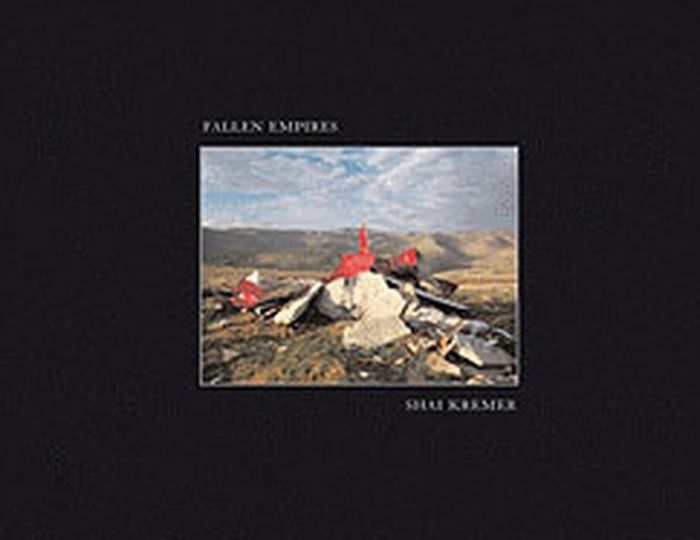
Extensively covered by the media, debated by the governments of the world and claimed by vying religions, Israel is a remarkable case study for understanding the rise and fall of empires. By highlighting the country's historic architecture and its highly contentious ruins, Israeli photographer Shai Kremer (born 1974) questions how these sites figure today in the discourse of the Israeli-Palestinian conflict and the future of the nation. This publication invites viewers to consider new relationships between the histories and identities assembled and disassembled in the creation of modern Israel. As Kremer explains, “Israel is overloaded with sediments of past empires. More than half of the current IDF (Israel Defense Forces) strongholds rest on the ruins of military sites of former empires. The recycling of these spaces, from one conqueror to the next, shows how most empires tried to conquer and rule this land, with one similar outcome: they eventually failed.”
Fallen empires
Actions:
Prix:
$55.00
(disponible sur commande)
Résumé:
Extensively covered by the media, debated by the governments of the world and claimed by vying religions, Israel is a remarkable case study for understanding the rise and fall of empires. By highlighting the country's historic architecture and its highly contentious ruins, Israeli photographer Shai Kremer (born 1974) questions how these sites figure today in the discourse of the Israeli-Palestinian conflict and the future of the nation. This publication invites viewers to consider new relationships between the histories and identities assembled and disassembled in the creation of modern Israel. As Kremer explains, “Israel is overloaded with sediments of past empires. More than half of the current IDF (Israel Defense Forces) strongholds rest on the ruins of military sites of former empires. The recycling of these spaces, from one conqueror to the next, shows how most empires tried to conquer and rule this land, with one similar outcome: they eventually failed.”
Classification:
livres
livres
Publication:
juillet 2011
juillet 2011
Sujet:
Monographies photo
Monographies photo
Classification:
livres
livres

Actions:
Prix:
$195.00
(disponible sur commande)
Résumé:
The significance of the work of Louis I Kahn, one of the greatest influences on post-WWII world architecture, has skyrocketed in the twenty-first century. Robert McCarter’s bestselling and critically-acclaimed monograph explains how Kahn redefined Modern architecture and why his work remains a fundamental source for architects and designers today. Now thoughtfully(...)
$195.00
(disponible sur commande)
Résumé:
The significance of the work of Louis I Kahn, one of the greatest influences on post-WWII world architecture, has skyrocketed in the twenty-first century. Robert McCarter’s bestselling and critically-acclaimed monograph explains how Kahn redefined Modern architecture and why his work remains a fundamental source for architects and designers today. Now thoughtfully(...)
Titre:
Louis I. Kahn: revised and expanded
Actions:
Prix:
$195.00
(disponible sur commande)
Résumé:
The significance of the work of Louis I Kahn, one of the greatest influences on post-WWII world architecture, has skyrocketed in the twenty-first century. Robert McCarter’s bestselling and critically-acclaimed monograph explains how Kahn redefined Modern architecture and why his work remains a fundamental source for architects and designers today. Now thoughtfully updated, this comprehensive and extensively illustrated overview features both built and unbuilt projects, including Yale University Art Gallery, Kimbell Art Museum, and the Salk Institute, along with his work in India and Bangladesh, as well as a project realized forty years after Kahn’s death – New York City’s Four Freedoms Park.
Louis I. Kahn: revised and expanded
Actions:
Prix:
$195.00
(disponible sur commande)
Résumé:
The significance of the work of Louis I Kahn, one of the greatest influences on post-WWII world architecture, has skyrocketed in the twenty-first century. Robert McCarter’s bestselling and critically-acclaimed monograph explains how Kahn redefined Modern architecture and why his work remains a fundamental source for architects and designers today. Now thoughtfully updated, this comprehensive and extensively illustrated overview features both built and unbuilt projects, including Yale University Art Gallery, Kimbell Art Museum, and the Salk Institute, along with his work in India and Bangladesh, as well as a project realized forty years after Kahn’s death – New York City’s Four Freedoms Park.
Classification:
livres
livres
Publication:
mars 2022
mars 2022
Sujet:
Architecture, monographies
Architecture, monographies
Classification:
livres
livres
Actions:
Prix:
$34.99
(disponible sur commande)
Résumé:
"Horror in architecture" presents an unflinching look at how horror genre tropes manifest in the built environment. Spanning the realms of art, design, literature, and film, this newly revised and expanded edition compiles examples from all areas of popular culture to form a visual anthology of the architectural uncanny. Rooted in the Romantic and Gothic treatment of(...)
$34.99
(disponible sur commande)
Résumé:
"Horror in architecture" presents an unflinching look at how horror genre tropes manifest in the built environment. Spanning the realms of art, design, literature, and film, this newly revised and expanded edition compiles examples from all areas of popular culture to form a visual anthology of the architectural uncanny. Rooted in the Romantic and Gothic treatment of(...)
Titre:
Horror in architecture: The reanimated edition
Actions:
Prix:
$34.99
(disponible sur commande)
Résumé:
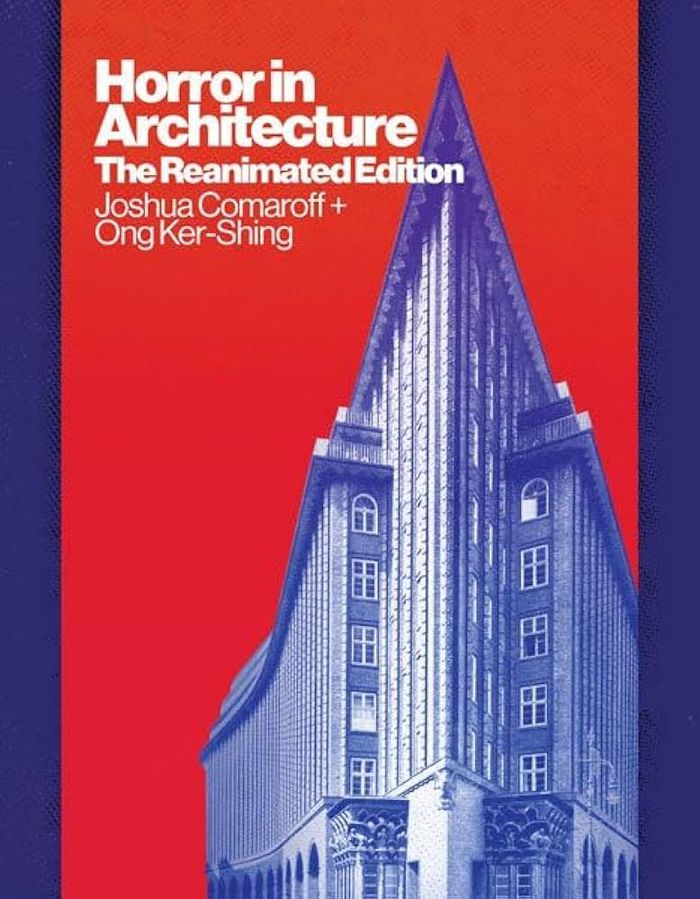
"Horror in architecture" presents an unflinching look at how horror genre tropes manifest in the built environment. Spanning the realms of art, design, literature, and film, this newly revised and expanded edition compiles examples from all areas of popular culture to form a visual anthology of the architectural uncanny. Rooted in the Romantic and Gothic treatment of horror as a serious aesthetic category, "Horror in architecture" establishes incisive links between contemporary horror media and its parallel traits found in various architectural designs. Through chapters dedicated to distorted and monstrous buildings, abandoned spaces, extremes of scale, and other structural peculiarities, and featuring new essays on insurgent natures, blobs, and architectural puppets, this volume brings together diverse architectural anomalies and shows how their unsettling effects deepen our fascination with the unreal. Intended for both horror fans and students of visual culture, Horror in Architecture turns a unique lens on the relationship between the human body and the artificial landscapes it inhabits. Extensively illustrated with photographs, film stills, and diagrams, this book retrieves horror from the cultural fringes and demonstrates how its attributes permeate the modern condition and the material world.
Horror in architecture: The reanimated edition
Actions:
Prix:
$34.99
(disponible sur commande)
Résumé:
"Horror in architecture" presents an unflinching look at how horror genre tropes manifest in the built environment. Spanning the realms of art, design, literature, and film, this newly revised and expanded edition compiles examples from all areas of popular culture to form a visual anthology of the architectural uncanny. Rooted in the Romantic and Gothic treatment of horror as a serious aesthetic category, "Horror in architecture" establishes incisive links between contemporary horror media and its parallel traits found in various architectural designs. Through chapters dedicated to distorted and monstrous buildings, abandoned spaces, extremes of scale, and other structural peculiarities, and featuring new essays on insurgent natures, blobs, and architectural puppets, this volume brings together diverse architectural anomalies and shows how their unsettling effects deepen our fascination with the unreal. Intended for both horror fans and students of visual culture, Horror in Architecture turns a unique lens on the relationship between the human body and the artificial landscapes it inhabits. Extensively illustrated with photographs, film stills, and diagrams, this book retrieves horror from the cultural fringes and demonstrates how its attributes permeate the modern condition and the material world.
Classification:
livres
livres
Publication:
janvier 2024
janvier 2024
Sujet:
Théorie de l’architecture
Théorie de l’architecture
Classification:
livres
livres
Titre:
Piranesi's lost words
Piranesi's lost words
Actions:
Prix:
$106.95
(disponible sur commande)
Résumé:
Eighteenth-century european artist Giovanni Battista Piranesi was more than an artist; he was an engraver and printmaker, architect, antiquities dealer, archaeologist, draftsman, publisher, bookseller, and author. In Piranesi’s Lost Words, Heather Hyde Minor considers Piranesi the author and publisher, focusing on his major publications from 1756 to his death in 1778.(...)
$106.95
(disponible sur commande)
Résumé:
Eighteenth-century european artist Giovanni Battista Piranesi was more than an artist; he was an engraver and printmaker, architect, antiquities dealer, archaeologist, draftsman, publisher, bookseller, and author. In Piranesi’s Lost Words, Heather Hyde Minor considers Piranesi the author and publisher, focusing on his major publications from 1756 to his death in 1778.(...)
Titre:
Piranesi's lost words
Actions:
Prix:
$106.95
(disponible sur commande)
Résumé:
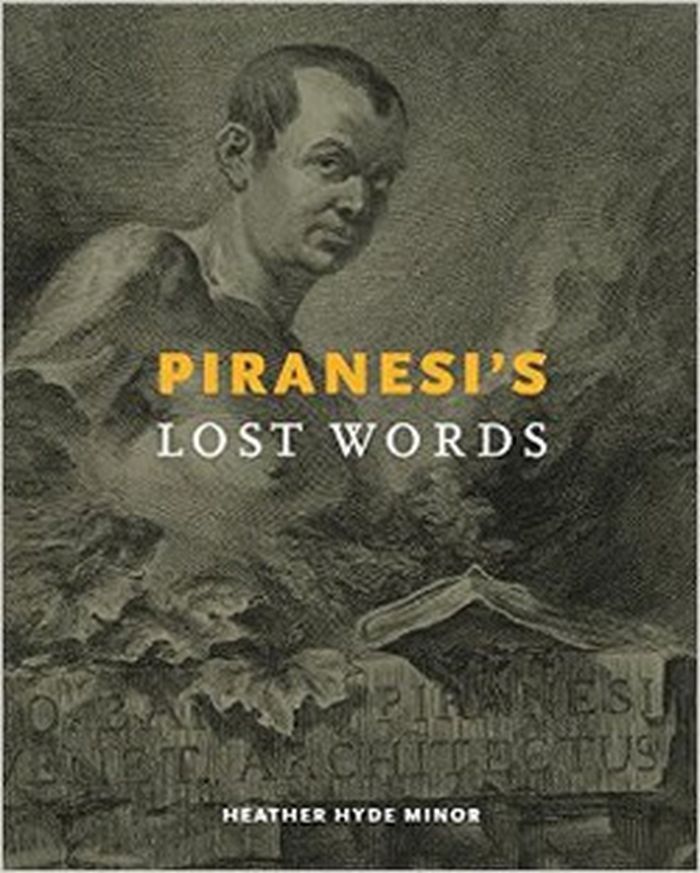
Eighteenth-century european artist Giovanni Battista Piranesi was more than an artist; he was an engraver and printmaker, architect, antiquities dealer, archaeologist, draftsman, publisher, bookseller, and author. In Piranesi’s Lost Words, Heather Hyde Minor considers Piranesi the author and publisher, focusing on his major publications from 1756 to his death in 1778. Piranesi designed and manufactured twelve beautiful, large-format books combining visual and verbal content over the course of his lifetime. While the images from these books have been widely studied, they are usually considered in isolation from the texts in which they originally appeared. This study reunites Piranesi’s texts and images, interpreting them in conjunction as composite art. Minor shows how this composite art demonstrates Piranesi’s ability for interpreting the classical world and its remains—and how his books offer a critique of both the Enlightenment project of creating an epistemology of the classical past and how eighteenth-century scholars explicated this past. Piranesi’s books, Minor argues, were integral to the emergence of the modern discipline of art history. Using new, previously unpublished archival material, Piranesi’s Lost Words refines our understanding of Piranesi’s works and the eighteenth-century context in which they were created.
Piranesi's lost words
Actions:
Prix:
$106.95
(disponible sur commande)
Résumé:
Eighteenth-century european artist Giovanni Battista Piranesi was more than an artist; he was an engraver and printmaker, architect, antiquities dealer, archaeologist, draftsman, publisher, bookseller, and author. In Piranesi’s Lost Words, Heather Hyde Minor considers Piranesi the author and publisher, focusing on his major publications from 1756 to his death in 1778. Piranesi designed and manufactured twelve beautiful, large-format books combining visual and verbal content over the course of his lifetime. While the images from these books have been widely studied, they are usually considered in isolation from the texts in which they originally appeared. This study reunites Piranesi’s texts and images, interpreting them in conjunction as composite art. Minor shows how this composite art demonstrates Piranesi’s ability for interpreting the classical world and its remains—and how his books offer a critique of both the Enlightenment project of creating an epistemology of the classical past and how eighteenth-century scholars explicated this past. Piranesi’s books, Minor argues, were integral to the emergence of the modern discipline of art history. Using new, previously unpublished archival material, Piranesi’s Lost Words refines our understanding of Piranesi’s works and the eighteenth-century context in which they were created.
Classification:
livres
livres
Publication:
novembre 2015
novembre 2015
Sujet:
Histoire jusqu'à 1900, Grèce
Histoire jusqu'à 1900, Grèce


