


2688 Résultats
Classification:
livres
livres
Prix:
$21.95
(disponible sur commande)
Résumé:
In recent architecture theory and practise there has been a tendency to refer to exteriors as a skin concealing an interior, as opposed to the traditional and more physical concepts of(...)
$21.95
(disponible sur commande)
Résumé:
In recent architecture theory and practise there has been a tendency to refer to exteriors as a skin concealing an interior, as opposed to the traditional and more physical concepts of(...)
Titre:
New flatness : surface tension in digital architecture
Actions:
Prix:
$21.95
(disponible sur commande)
Résumé:
In recent architecture theory and practise there has been a tendency to refer to exteriors as a skin concealing an interior, as opposed to the traditional and more physical concepts of surface, flatness, and depth. The computer now enables the architect to call his design into life, free from the rigid material form, and view it as a flexible and interactive creation. In this book, the concepts of flatness and surface tension are examined in the light of virtual design and built reality. A selection of projects are presented to show how architects regard space and surfaces in modern architectural practice in the digital age.
New flatness : surface tension in digital architecture
Actions:
Prix:
$21.95
(disponible sur commande)
Résumé:
In recent architecture theory and practise there has been a tendency to refer to exteriors as a skin concealing an interior, as opposed to the traditional and more physical concepts of surface, flatness, and depth. The computer now enables the architect to call his design into life, free from the rigid material form, and view it as a flexible and interactive creation. In this book, the concepts of flatness and surface tension are examined in the light of virtual design and built reality. A selection of projects are presented to show how architects regard space and surfaces in modern architectural practice in the digital age.
Classification:
livres
livres
Publication:
janvier 1900, Basel
janvier 1900, Basel
Sujet:
petits formats
petits formats
Classification:
livres
livres
Actions:
Prix:
$84.00
(disponible sur commande)
Résumé:
The book opens with a history of the country and its many cultural influences. An overview of Thai architecture in its context is followed by a look at its basic elements in their variety and structural detail. All types of structures are featured, from Thai houses and rice barns to elaborate temples and breathtaking palaces. The different materials used to achieve the(...)
$84.00
(disponible sur commande)
Résumé:
The book opens with a history of the country and its many cultural influences. An overview of Thai architecture in its context is followed by a look at its basic elements in their variety and structural detail. All types of structures are featured, from Thai houses and rice barns to elaborate temples and breathtaking palaces. The different materials used to achieve the(...)
Publication:
mai 2006, London
mai 2006, London
Titre:
Architecture of Thailand : a guide to traditional and contemporary forms
Actions:
Prix:
$84.00
(disponible sur commande)
Résumé:
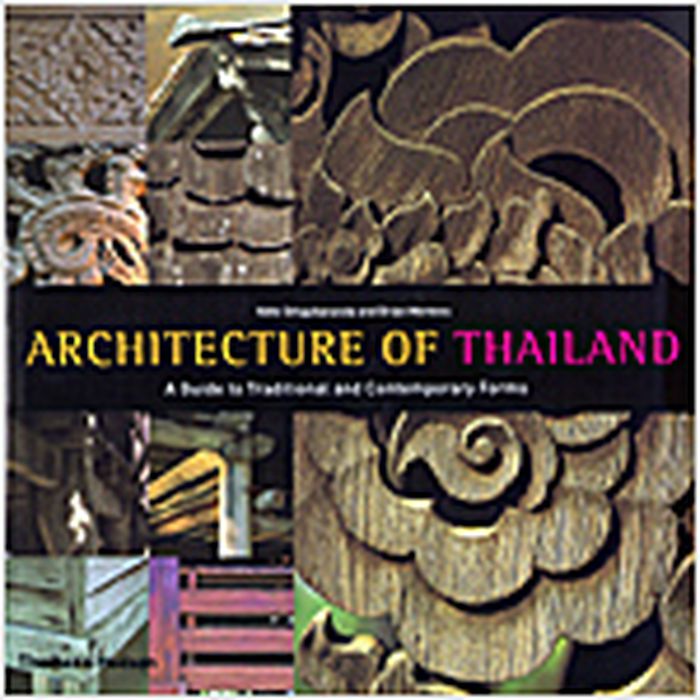
The book opens with a history of the country and its many cultural influences. An overview of Thai architecture in its context is followed by a look at its basic elements in their variety and structural detail. All types of structures are featured, from Thai houses and rice barns to elaborate temples and breathtaking palaces. The different materials used to achieve the distinctive Thai style are also discussed. The book also examines the hybrid forms that reflect the confluence of Thai and Western or other Asian styles. It ends with a look at contemporary Thai architecture and how traditional architectural practices have been adapted to suit modern needs.
Architecture of Thailand : a guide to traditional and contemporary forms
Actions:
Prix:
$84.00
(disponible sur commande)
Résumé:
The book opens with a history of the country and its many cultural influences. An overview of Thai architecture in its context is followed by a look at its basic elements in their variety and structural detail. All types of structures are featured, from Thai houses and rice barns to elaborate temples and breathtaking palaces. The different materials used to achieve the distinctive Thai style are also discussed. The book also examines the hybrid forms that reflect the confluence of Thai and Western or other Asian styles. It ends with a look at contemporary Thai architecture and how traditional architectural practices have been adapted to suit modern needs.
Classification:
livres
livres
Publication:
mai 2006, London
mai 2006, London
Classification:
livres
livres
Actions:
Prix:
$37.50
(disponible en magasin)
Résumé:
After September 11, Smith asserts, late modern architecture suddenly seemed an indulgence. With close readings of key buildings - including Jørn Utzon’s Sydney Opera House, Minoru Yamasaki’s World Trade Center, Frank Gehry’s Guggenheim Museum Bilbao, and Richard Meier’s Getty Center - Smith traces the growth of the architecture of modernity and then charts its aftermath(...)
$37.50
(disponible en magasin)
Résumé:
After September 11, Smith asserts, late modern architecture suddenly seemed an indulgence. With close readings of key buildings - including Jørn Utzon’s Sydney Opera House, Minoru Yamasaki’s World Trade Center, Frank Gehry’s Guggenheim Museum Bilbao, and Richard Meier’s Getty Center - Smith traces the growth of the architecture of modernity and then charts its aftermath(...)
Titre:
The architecture of aftermath
Actions:
Prix:
$37.50
(disponible en magasin)
Résumé:
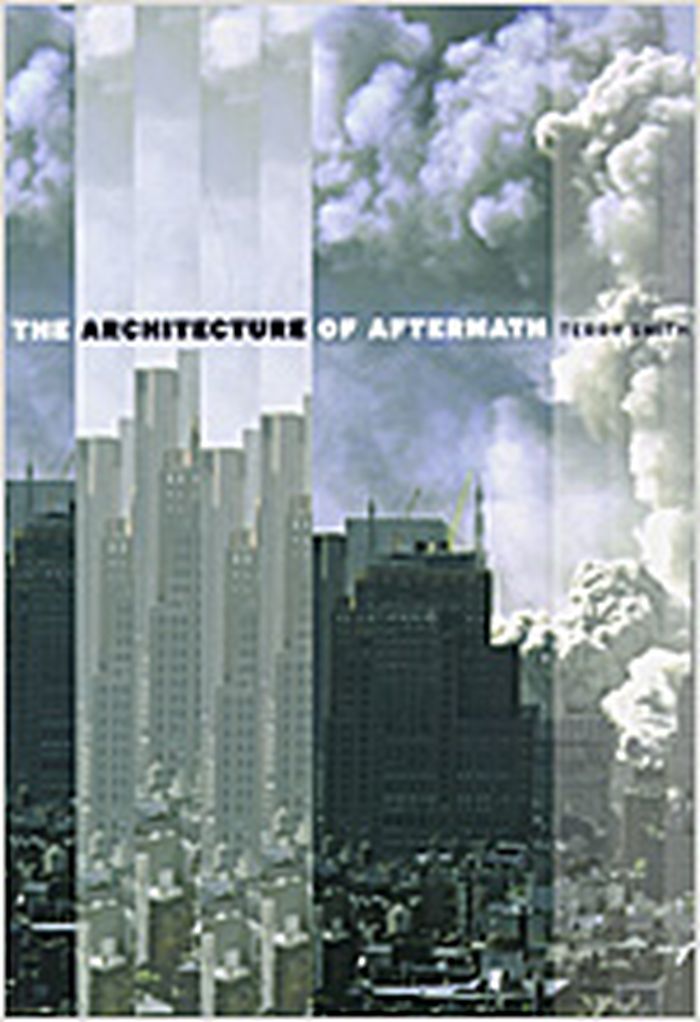
After September 11, Smith asserts, late modern architecture suddenly seemed an indulgence. With close readings of key buildings - including Jørn Utzon’s Sydney Opera House, Minoru Yamasaki’s World Trade Center, Frank Gehry’s Guggenheim Museum Bilbao, and Richard Meier’s Getty Center - Smith traces the growth of the architecture of modernity and then charts its aftermath in the conditions of contemporaneity. Smith focuses on the very culture of aftermath itself, exploring how global politics, clashing cultures, and symbolic warfare have changed the way we experience destination architecture. Like other artists everywhere, architects are responding to the idea of aftermath by questioning the viability of their forms and the validity of their purposes.
The architecture of aftermath
Actions:
Prix:
$37.50
(disponible en magasin)
Résumé:
After September 11, Smith asserts, late modern architecture suddenly seemed an indulgence. With close readings of key buildings - including Jørn Utzon’s Sydney Opera House, Minoru Yamasaki’s World Trade Center, Frank Gehry’s Guggenheim Museum Bilbao, and Richard Meier’s Getty Center - Smith traces the growth of the architecture of modernity and then charts its aftermath in the conditions of contemporaneity. Smith focuses on the very culture of aftermath itself, exploring how global politics, clashing cultures, and symbolic warfare have changed the way we experience destination architecture. Like other artists everywhere, architects are responding to the idea of aftermath by questioning the viability of their forms and the validity of their purposes.
Classification:
livres
livres
Publication:
janvier 2006, Chicago
janvier 2006, Chicago
Sujet:
Théorie de l’architecture
Théorie de l’architecture
Classification:
livres
livres
Actions:
Prix:
$98.00
(disponible sur commande)
Résumé:
The book spans Murcutt's entire career, from the early modernist houses to his most recent commissions in the 21st century, identifies recurring themes in his work and analyses how his buildings 'marry modern architecture to the place, the territory, the landcape' to arrive at an ecological functionalism. The buildings themselves are an eclectic selection ranging from(...)
$98.00
(disponible sur commande)
Résumé:
The book spans Murcutt's entire career, from the early modernist houses to his most recent commissions in the 21st century, identifies recurring themes in his work and analyses how his buildings 'marry modern architecture to the place, the territory, the landcape' to arrive at an ecological functionalism. The buildings themselves are an eclectic selection ranging from(...)
Titre:
Glenn Murcutt : buildings + projects 1962-2003
Actions:
Prix:
$98.00
(disponible sur commande)
Résumé:
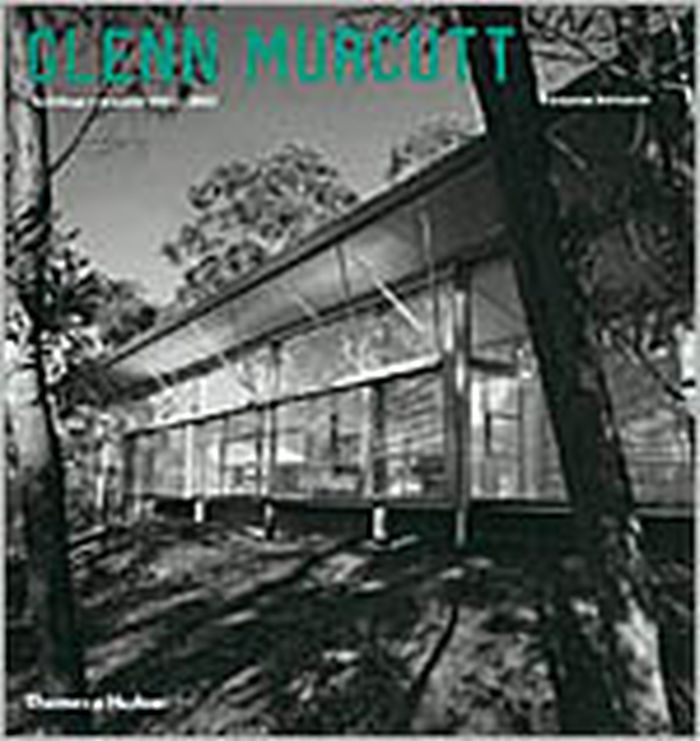
The book spans Murcutt's entire career, from the early modernist houses to his most recent commissions in the 21st century, identifies recurring themes in his work and analyses how his buildings 'marry modern architecture to the place, the territory, the landcape' to arrive at an ecological functionalism. The buildings themselves are an eclectic selection ranging from Murcutt's courtyard houses in Sydney to free-standing residences set in Australia's barren and isolated landscapes. The full-colour photography, much of it supplied from the architect's own private collection, testifies to the aesthetic appeal of the buildings, while Murcutt's line drawings and plans lend further insight into his work.
Glenn Murcutt : buildings + projects 1962-2003
Actions:
Prix:
$98.00
(disponible sur commande)
Résumé:
The book spans Murcutt's entire career, from the early modernist houses to his most recent commissions in the 21st century, identifies recurring themes in his work and analyses how his buildings 'marry modern architecture to the place, the territory, the landcape' to arrive at an ecological functionalism. The buildings themselves are an eclectic selection ranging from Murcutt's courtyard houses in Sydney to free-standing residences set in Australia's barren and isolated landscapes. The full-colour photography, much of it supplied from the architect's own private collection, testifies to the aesthetic appeal of the buildings, while Murcutt's line drawings and plans lend further insight into his work.
Classification:
livres
livres
Publication:
mai 2003, London
mai 2003, London
Sujet:
Architecture, monographies
Architecture, monographies
Classification:
livres
livres
Prix:
$48.00
(disponible en magasin)
Résumé:
What has planetary-scale computation done to our geopolitical realities? It takes different forms at different scales—from energy and mineral sourcing and subterranean cloud infrastructure to urban software and massive universal addressing systems; from interfaces drawn by the augmentation of the hand and eye to users identified by self-quantification and the arrival of(...)
$48.00
(disponible en magasin)
Résumé:
What has planetary-scale computation done to our geopolitical realities? It takes different forms at different scales—from energy and mineral sourcing and subterranean cloud infrastructure to urban software and massive universal addressing systems; from interfaces drawn by the augmentation of the hand and eye to users identified by self-quantification and the arrival of(...)
Titre:
The stack: On software and sovereignty. 10th anniversary edition
Actions:
Prix:
$48.00
(disponible en magasin)
Résumé:
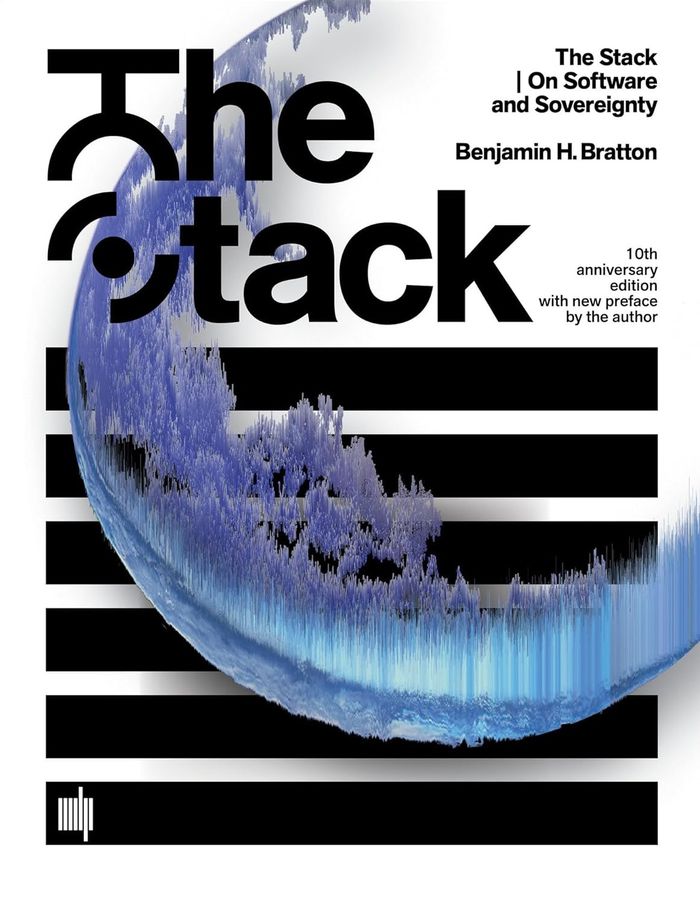
What has planetary-scale computation done to our geopolitical realities? It takes different forms at different scales—from energy and mineral sourcing and subterranean cloud infrastructure to urban software and massive universal addressing systems; from interfaces drawn by the augmentation of the hand and eye to users identified by self-quantification and the arrival of legions of sensors, algorithms, and robots. Together, how do these distort and deform modern political geographies and produce new territories in their own image? In an account that is both theoretical and technical, drawing on political philosophy, design theory, and computer science, Bratton explores six layers of ''The Stack'': Earth, Cloud, City, Address, Interface, User.
The stack: On software and sovereignty. 10th anniversary edition
Actions:
Prix:
$48.00
(disponible en magasin)
Résumé:
What has planetary-scale computation done to our geopolitical realities? It takes different forms at different scales—from energy and mineral sourcing and subterranean cloud infrastructure to urban software and massive universal addressing systems; from interfaces drawn by the augmentation of the hand and eye to users identified by self-quantification and the arrival of legions of sensors, algorithms, and robots. Together, how do these distort and deform modern political geographies and produce new territories in their own image? In an account that is both theoretical and technical, drawing on political philosophy, design theory, and computer science, Bratton explores six layers of ''The Stack'': Earth, Cloud, City, Address, Interface, User.
Classification:
livres
livres
Publication:
mars 2026
mars 2026
Classification:
livres
livres
Titre:
Herzog & de Meuron 2003-2019
Herzog & de Meuron 2003-2019
Actions:
Prix:
$169.00
(disponible sur commande)
Résumé:
Edited and with texts by Luis Fernández-Galiano, this monograph explores the evolution of Herzog & de Meuron from 2003 until today. With a selection of more than 40 exemplary buildings and projects, the book explores how the Swiss practice has continued to transform architecture in the 21st century. From iconic works like Elbphilharmonic Hamburg, VitraHaus, and the(...)
$169.00
(disponible sur commande)
Résumé:
Edited and with texts by Luis Fernández-Galiano, this monograph explores the evolution of Herzog & de Meuron from 2003 until today. With a selection of more than 40 exemplary buildings and projects, the book explores how the Swiss practice has continued to transform architecture in the 21st century. From iconic works like Elbphilharmonic Hamburg, VitraHaus, and the(...)
Titre:
Herzog & de Meuron 2003-2019
Actions:
Prix:
$169.00
(disponible sur commande)
Résumé:
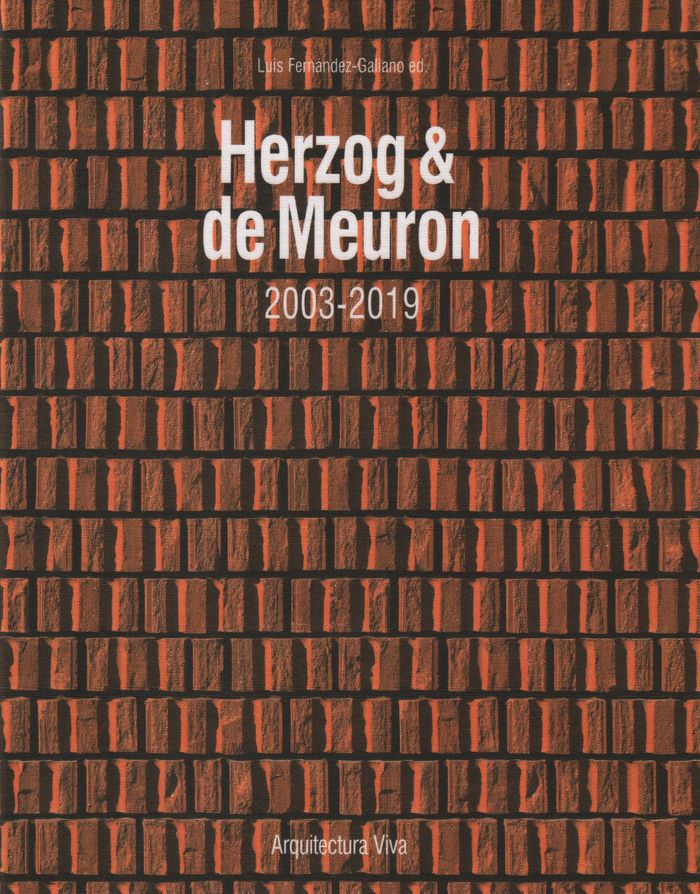
Edited and with texts by Luis Fernández-Galiano, this monograph explores the evolution of Herzog & de Meuron from 2003 until today. With a selection of more than 40 exemplary buildings and projects, the book explores how the Swiss practice has continued to transform architecture in the 21st century. From iconic works like Elbphilharmonic Hamburg, VitraHaus, and the Skolkovo Institute in Moscow, to numerous other projects around the world, including Beirut Terraces, Meret Oppenheim Tower in Basel, Arena do Morro in Brazil, the Tate Modern Project, and Parrish Art Museum on Long Island, New York, it offers a comprehensive look at one of today’s preeminent firms.
Herzog & de Meuron 2003-2019
Actions:
Prix:
$169.00
(disponible sur commande)
Résumé:
Edited and with texts by Luis Fernández-Galiano, this monograph explores the evolution of Herzog & de Meuron from 2003 until today. With a selection of more than 40 exemplary buildings and projects, the book explores how the Swiss practice has continued to transform architecture in the 21st century. From iconic works like Elbphilharmonic Hamburg, VitraHaus, and the Skolkovo Institute in Moscow, to numerous other projects around the world, including Beirut Terraces, Meret Oppenheim Tower in Basel, Arena do Morro in Brazil, the Tate Modern Project, and Parrish Art Museum on Long Island, New York, it offers a comprehensive look at one of today’s preeminent firms.
Classification:
livres
livres
Publication:
janvier 2020
janvier 2020
Sujet:
Architecture, monographies
Architecture, monographies
Classification:
livres
livres
Actions:
Prix:
$43.95
(disponible sur commande)
Résumé:
In 1949, Beijing still retained nearly all of its time-honoured character and magnificence. But when Chairman Mao rejected the proposal to build a new capital for the People's Republic of China and decided to stay in the ancient city, he initiated a long struggle to transform Beijing into a shining beacon of socialism. So began the remaking of the city into a modern(...)
$43.95
(disponible sur commande)
Résumé:
In 1949, Beijing still retained nearly all of its time-honoured character and magnificence. But when Chairman Mao rejected the proposal to build a new capital for the People's Republic of China and decided to stay in the ancient city, he initiated a long struggle to transform Beijing into a shining beacon of socialism. So began the remaking of the city into a modern(...)
Titre:
Remaking Beijing : Tiananmen Square and the creation of a political space
Actions:
Prix:
$43.95
(disponible sur commande)
Résumé:
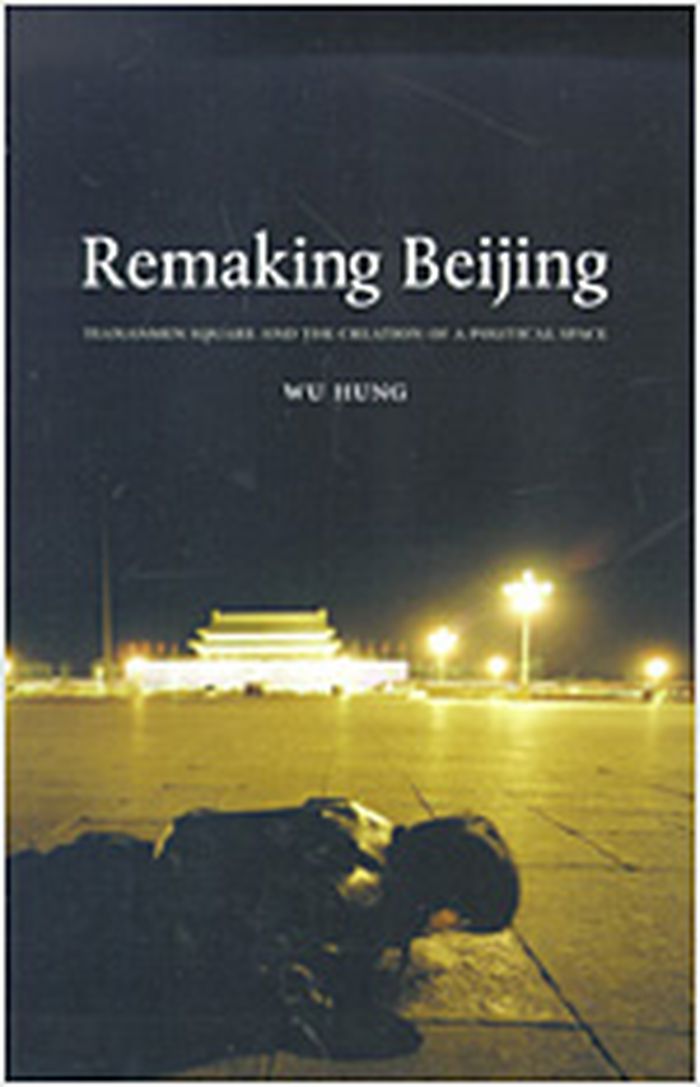
In 1949, Beijing still retained nearly all of its time-honoured character and magnificence. But when Chairman Mao rejected the proposal to build a new capital for the People's Republic of China and decided to stay in the ancient city, he initiated a long struggle to transform Beijing into a shining beacon of socialism. So began the remaking of the city into a modern metropolis rife with monuments, public squares, exhibition halls, and government offices. Wu Hung grew up in Beijing and experienced much of the city's makeover firsthand. In this lavishly illustrated work, he offers a vivid, often personal account of the struggle over Beijing's reinvention, drawing particular attention to Tiananmen Square - the most sacred space in the People's Republic of China. "Remaking Beijing" considers the square's transformation from a restricted imperial domain into a public arena for political expression, from an epic symbol of socialism into a holy relic of the Maoist regime, and from an official and monumental complex into a site for unofficial and antigovernment demonstrations. Wu Hung also explores how Tiananmen Square has become a touchstone for official art in modern China - as the site for Mao's monumental portrait, as the location of museums narrating revolutionary history, and as the grounds for extravagant National Day parades celebrating the revolutionary masses. He then shows how in recent years the square has inspired artists working without state sponsorship to create paintings, photographs, and even performances that reflect the spirit of the 1989 uprisings and pose a forceful challenge to official artworks and the socio-political system that supports them.
Remaking Beijing : Tiananmen Square and the creation of a political space
Actions:
Prix:
$43.95
(disponible sur commande)
Résumé:
In 1949, Beijing still retained nearly all of its time-honoured character and magnificence. But when Chairman Mao rejected the proposal to build a new capital for the People's Republic of China and decided to stay in the ancient city, he initiated a long struggle to transform Beijing into a shining beacon of socialism. So began the remaking of the city into a modern metropolis rife with monuments, public squares, exhibition halls, and government offices. Wu Hung grew up in Beijing and experienced much of the city's makeover firsthand. In this lavishly illustrated work, he offers a vivid, often personal account of the struggle over Beijing's reinvention, drawing particular attention to Tiananmen Square - the most sacred space in the People's Republic of China. "Remaking Beijing" considers the square's transformation from a restricted imperial domain into a public arena for political expression, from an epic symbol of socialism into a holy relic of the Maoist regime, and from an official and monumental complex into a site for unofficial and antigovernment demonstrations. Wu Hung also explores how Tiananmen Square has become a touchstone for official art in modern China - as the site for Mao's monumental portrait, as the location of museums narrating revolutionary history, and as the grounds for extravagant National Day parades celebrating the revolutionary masses. He then shows how in recent years the square has inspired artists working without state sponsorship to create paintings, photographs, and even performances that reflect the spirit of the 1989 uprisings and pose a forceful challenge to official artworks and the socio-political system that supports them.
Classification:
livres
livres
Publication:
mai 2005, Chicago
mai 2005, Chicago
Sujet:
Théorie de l’urbanisme
Théorie de l’urbanisme
Classification:
livres
livres
Titre:
Privacy a manifesto
Privacy a manifesto
Actions:
Prix:
$24.95
(disponible sur commande)
Résumé:
What ever happened to privacy? The simple right to be left alone? Surveillance cameras track our movements. Governments monitor our phone calls, e-mails, and Internet habits. Insurance companies know what drugs we take. Banks and credit agencies keep tabs on our smallest purchases. And new technologies - which gather, store, and share information as never before - have(...)
$24.95
(disponible sur commande)
Résumé:
What ever happened to privacy? The simple right to be left alone? Surveillance cameras track our movements. Governments monitor our phone calls, e-mails, and Internet habits. Insurance companies know what drugs we take. Banks and credit agencies keep tabs on our smallest purchases. And new technologies - which gather, store, and share information as never before - have(...)
Titre:
Privacy a manifesto
Actions:
Prix:
$24.95
(disponible sur commande)
Résumé:
What ever happened to privacy? The simple right to be left alone? Surveillance cameras track our movements. Governments monitor our phone calls, e-mails, and Internet habits. Insurance companies know what drugs we take. Banks and credit agencies keep tabs on our smallest purchases. And new technologies - which gather, store, and share information as never before - have made all of this possible. But, as the acclaimed social thinker Wolfgang Sofsky shows in this brief and powerful defense of privacy, neither technology nor fears of terrorism deserve all the blame. Rather, through indifference and the desire for attention, we have been accomplices in the loss of our privacy. When we aren't resigning ourselves to privacy's disappearance as the inevitable price of living in a new age, we are eagerly embracing opportunities to divulge personal information to people we know - and, increasingly, to people we don't. Dramatically demonstrating how much privacy we have already surrendered, Sofsky describes a day in the life of an average modern citizen - in other words, a person under almost constant scrutiny. He also briefly traces the changing status of privacy from ancient Rome to today, explains how liberty and freedom of thought depend on privacy, and points to some of the places where privacy is under greatest threat, from health to personal space. Privacy is a timely and compelling reminder of just how important privacy is - and just how devastating its loss would be.
Privacy a manifesto
Actions:
Prix:
$24.95
(disponible sur commande)
Résumé:
What ever happened to privacy? The simple right to be left alone? Surveillance cameras track our movements. Governments monitor our phone calls, e-mails, and Internet habits. Insurance companies know what drugs we take. Banks and credit agencies keep tabs on our smallest purchases. And new technologies - which gather, store, and share information as never before - have made all of this possible. But, as the acclaimed social thinker Wolfgang Sofsky shows in this brief and powerful defense of privacy, neither technology nor fears of terrorism deserve all the blame. Rather, through indifference and the desire for attention, we have been accomplices in the loss of our privacy. When we aren't resigning ourselves to privacy's disappearance as the inevitable price of living in a new age, we are eagerly embracing opportunities to divulge personal information to people we know - and, increasingly, to people we don't. Dramatically demonstrating how much privacy we have already surrendered, Sofsky describes a day in the life of an average modern citizen - in other words, a person under almost constant scrutiny. He also briefly traces the changing status of privacy from ancient Rome to today, explains how liberty and freedom of thought depend on privacy, and points to some of the places where privacy is under greatest threat, from health to personal space. Privacy is a timely and compelling reminder of just how important privacy is - and just how devastating its loss would be.
Classification:
livres
livres
Publication:
octobre 2008, Princeton, Oxford
octobre 2008, Princeton, Oxford
Sujet:
Théorie/ philosophie
Théorie/ philosophie
Classification:
livres
livres
Actions:
Prix:
$37.99
(disponible sur commande)
Résumé:
How, in a turbulent century, was Le Corbusier able to reinvent himself at least five times? How was he able to become the Picasso (or Duchamp) of architecture? How was he able to produce work in a regional Art Nouveau mode, then become a leader of the Modern Movement and International Style, then switch to primitive materials and Brutalism before pre-empting(...)
$37.99
(disponible sur commande)
Résumé:
How, in a turbulent century, was Le Corbusier able to reinvent himself at least five times? How was he able to become the Picasso (or Duchamp) of architecture? How was he able to produce work in a regional Art Nouveau mode, then become a leader of the Modern Movement and International Style, then switch to primitive materials and Brutalism before pre-empting(...)
Titre:
Architecture landscape urbanisme 9 : Le Corbusier & the architecture of reinvention
Actions:
Prix:
$37.99
(disponible sur commande)
Résumé:
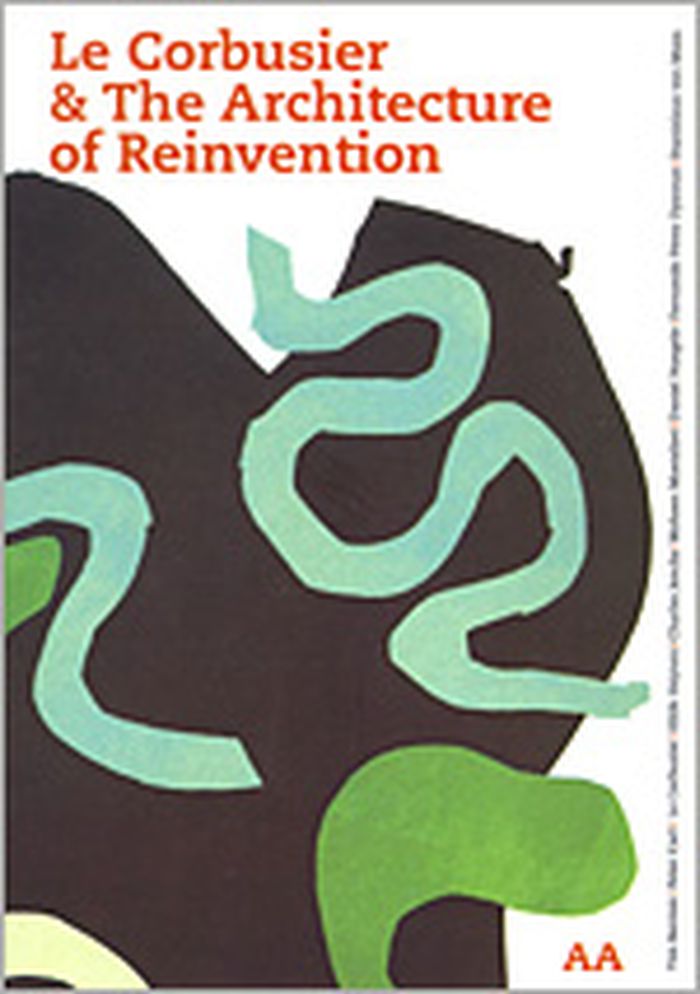
How, in a turbulent century, was Le Corbusier able to reinvent himself at least five times? How was he able to become the Picasso (or Duchamp) of architecture? How was he able to produce work in a regional Art Nouveau mode, then become a leader of the Modern Movement and International Style, then switch to primitive materials and Brutalism before pre-empting Post-Modernism through Ronchamp and Chandigarh, and pre-empting High-Tech and Complexity Architecture through the Centre Le Corbusier and the Philips Pavilion? How?’ These transformations were helped along by the way Le Corbusier was able to cross ideas from one medium to another. A work of architecture could be considered as a written text, a drawing, a model, a photograph, a sculpture, a painting or a detailed set of plans. Each medium challenged, clarified and refined the idea from different viewpoints. Each medium made use of different neurons, of different parts of his mind. The result? Continuous creation from different perspectives, a continual reinvention of architecture. This book brings together leading scholars to explore Le Corbusier’s tactics of self-reinvention, his relationship to the artistic avant-garde and his work as a multimedia practitioner. It also contains an English-language edition of Le Corbusier's 'Poème de l’Angle Droit', complete with beautiful colour lithographs. Authors include Tim Benton, Peter Carl, Hilde Heynen, Charles Jencks, Mohsen Mostafavi, Daniel Naegele, Fernando Pérez Oyarzun, and Stanislaus von Moos.
Architecture landscape urbanisme 9 : Le Corbusier & the architecture of reinvention
Actions:
Prix:
$37.99
(disponible sur commande)
Résumé:
How, in a turbulent century, was Le Corbusier able to reinvent himself at least five times? How was he able to become the Picasso (or Duchamp) of architecture? How was he able to produce work in a regional Art Nouveau mode, then become a leader of the Modern Movement and International Style, then switch to primitive materials and Brutalism before pre-empting Post-Modernism through Ronchamp and Chandigarh, and pre-empting High-Tech and Complexity Architecture through the Centre Le Corbusier and the Philips Pavilion? How?’ These transformations were helped along by the way Le Corbusier was able to cross ideas from one medium to another. A work of architecture could be considered as a written text, a drawing, a model, a photograph, a sculpture, a painting or a detailed set of plans. Each medium challenged, clarified and refined the idea from different viewpoints. Each medium made use of different neurons, of different parts of his mind. The result? Continuous creation from different perspectives, a continual reinvention of architecture. This book brings together leading scholars to explore Le Corbusier’s tactics of self-reinvention, his relationship to the artistic avant-garde and his work as a multimedia practitioner. It also contains an English-language edition of Le Corbusier's 'Poème de l’Angle Droit', complete with beautiful colour lithographs. Authors include Tim Benton, Peter Carl, Hilde Heynen, Charles Jencks, Mohsen Mostafavi, Daniel Naegele, Fernando Pérez Oyarzun, and Stanislaus von Moos.
Classification:
livres
livres
Publication:
mars 2003, London
mars 2003, London
Sujet:
Architecture, monographies
Architecture, monographies
Classification:
livres
livres
Actions:
Prix:
$54.50
(disponible sur commande)
Résumé:
What does the Western city at the end of the twentieth century look like? How did the modern metropolis of congestion and density turn into a posturban or even postsuburban cityscape? What are edge cities and technoburbs? How has the social composition of cities changed in the postwar era? What do gated communities tell us about social fragmentation? Is public space in(...)
$54.50
(disponible sur commande)
Résumé:
What does the Western city at the end of the twentieth century look like? How did the modern metropolis of congestion and density turn into a posturban or even postsuburban cityscape? What are edge cities and technoburbs? How has the social composition of cities changed in the postwar era? What do gated communities tell us about social fragmentation? Is public space in(...)
Publication:
janvier 1900, Rotterdam
janvier 1900, Rotterdam
Titre:
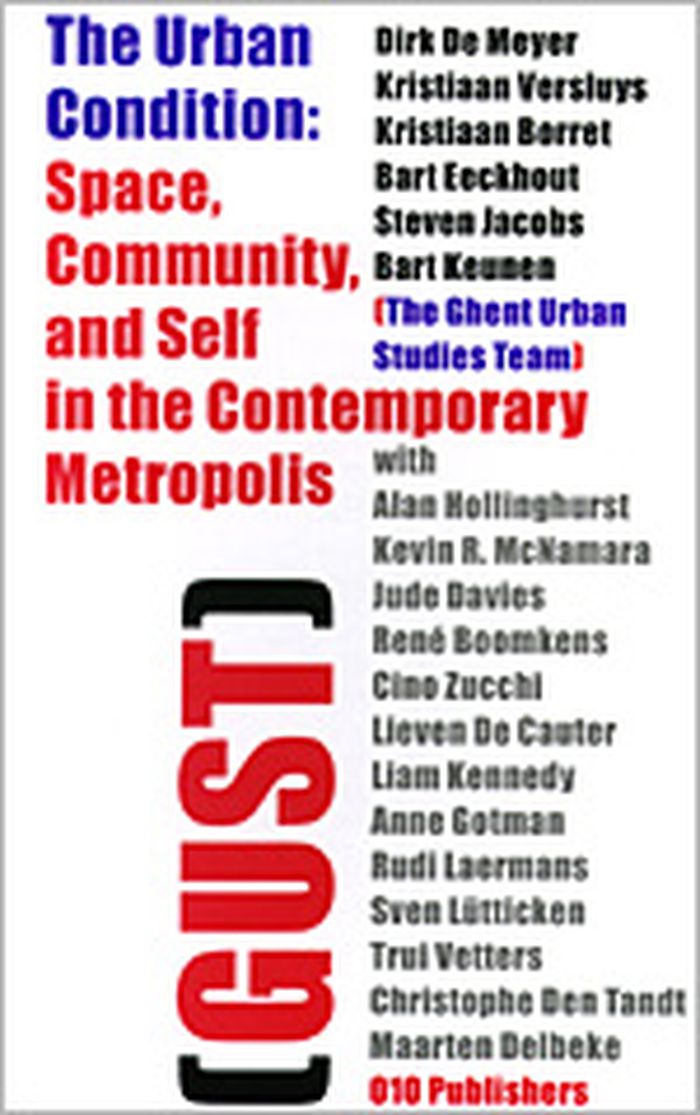
The urban condition : space, community, and self in the contemporary metropolis
Actions:
Prix:
$54.50
(disponible sur commande)
Résumé:
What does the Western city at the end of the twentieth century look like? How did the modern metropolis of congestion and density turn into a posturban or even postsuburban cityscape? What are edge cities and technoburbs? How has the social composition of cities changed in the postwar era? What do gated communities tell us about social fragmentation? Is public space in the contemporary city being privatized and militarized? How can the urban self still be defined? What role does consumer aestheticism have to play in this? These and many more questions are addressed by this uniquely conceived multidisciplinary study. "The Urban Condition" seeks to interfere in current debates over the future and interpretation of our urban landscapes by reuniting studies of the city as a physical and material phenomenon and as a cultural and mental (arte)fact. The Ghent Urban Studies Team responsible for the writing and editing of this volume is directed by Kristiaan Versluys and Dirk De Meyer at the University of Ghent, Belgium. It is an interdisciplinary research team of young academics that further consists of Kristiaan Borret, Bart Eeckhout, Steven Jacobs, and Bart Keunen. The collective expertise of GUST ranges from architectural theory, urban planning, and art history to philosophy, literary criticism and cultural theory.
The urban condition : space, community, and self in the contemporary metropolis
Actions:
Prix:
$54.50
(disponible sur commande)
Résumé:
What does the Western city at the end of the twentieth century look like? How did the modern metropolis of congestion and density turn into a posturban or even postsuburban cityscape? What are edge cities and technoburbs? How has the social composition of cities changed in the postwar era? What do gated communities tell us about social fragmentation? Is public space in the contemporary city being privatized and militarized? How can the urban self still be defined? What role does consumer aestheticism have to play in this? These and many more questions are addressed by this uniquely conceived multidisciplinary study. "The Urban Condition" seeks to interfere in current debates over the future and interpretation of our urban landscapes by reuniting studies of the city as a physical and material phenomenon and as a cultural and mental (arte)fact. The Ghent Urban Studies Team responsible for the writing and editing of this volume is directed by Kristiaan Versluys and Dirk De Meyer at the University of Ghent, Belgium. It is an interdisciplinary research team of young academics that further consists of Kristiaan Borret, Bart Eeckhout, Steven Jacobs, and Bart Keunen. The collective expertise of GUST ranges from architectural theory, urban planning, and art history to philosophy, literary criticism and cultural theory.
Classification:
livres
livres
Publication:
janvier 1900, Rotterdam
janvier 1900, Rotterdam


