


2644 Résultats
Classification:
livres
livres

Actions:
Prix:
$31.00
(disponible sur commande)
Résumé:
From the tunnels of Gaza to the militarized airspace of the Occupied Territories, Eyal Weizman unravels Israel's mechanisms of control and its transformation of Palestinian towns, villages and roads into an artifice where all natural and built features serve military ends. Weizman traces the development of this strategy, from the influence of archaeology on urban(...)
Titre:
Hollow land: Israel's architecture of occupation
Actions:
Prix:
$31.00
(disponible sur commande)
Résumé:
From the tunnels of Gaza to the militarized airspace of the Occupied Territories, Eyal Weizman unravels Israel's mechanisms of control and its transformation of Palestinian towns, villages and roads into an artifice where all natural and built features serve military ends. Weizman traces the development of this strategy, from the influence of archaeology on urban planning, Ariel Sharon's reconceptualization of military defence during the 1973 war, through the planning and architecture of the settlements, to the contemporary Israeli discourse and practice of urban warfare and airborne targeted assassinations. Hollow Land lays bare the political system at the heart of this complex and terrifying project of late-modern colonial occupation.
Classification:
livres
livres
Publication:
mai 2012
mai 2012
Classification:
livres
livres
Prix:
$44.95
(disponible sur commande)
Résumé:
"Botanical Drift" explores the hermeneutics, historicization, semiotics, and symbiosis of plant diversification, species cultivation, and destruction—past and present, extant and extinct—around the globe. Plant histories are explored as commodities and colonial as well as decolonial devices by significant and diverse feminist, art-historical, and anthropological(...)
Titre:
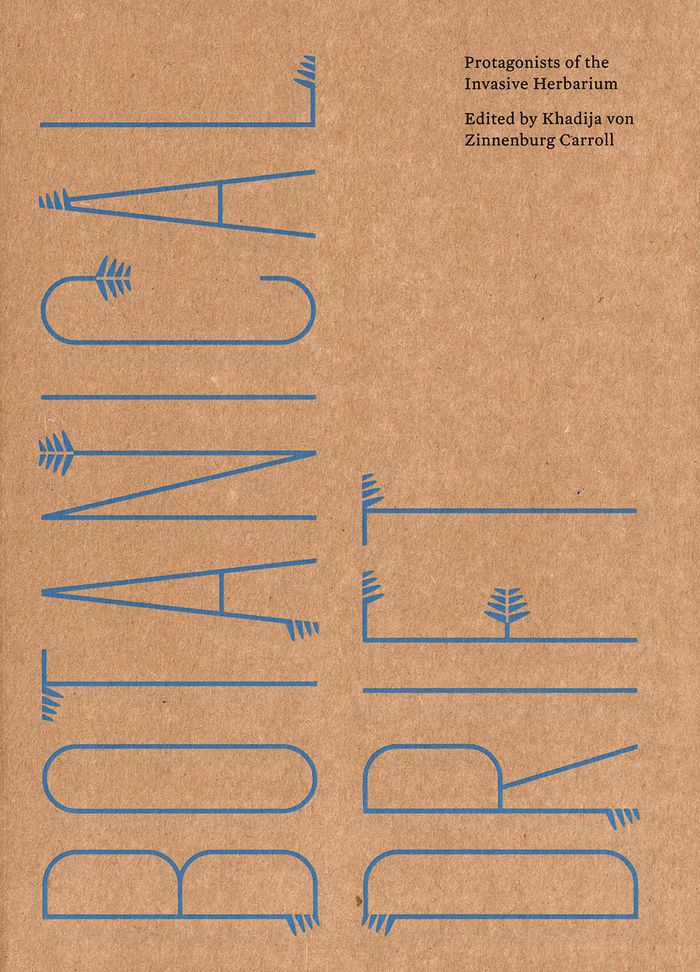
Botanical Drift: protagonists of the invasive herbarium
Actions:
Prix:
$44.95
(disponible sur commande)
Résumé:
"Botanical Drift" explores the hermeneutics, historicization, semiotics, and symbiosis of plant diversification, species cultivation, and destruction—past and present, extant and extinct—around the globe. Plant histories are explored as commodities and colonial as well as decolonial devices by significant and diverse feminist, art-historical, and anthropological voices—from Germaine Greer to herman de vries—bringing new perspectives through photo-essays, fiction, performance, and interventions in ecological, film, and translation archives. Reflecting on experimental ecology—the undiscovered, underestimated, and undesired non-European flora and fauna—it challenges perception and inspires potentialities to bring new understandings of the undergrowth of the Kew Gardens botany collection.
Classification:
livres
livres
Publication:
janvier 2018
janvier 2018
Sujet:
Théorie du paysage
Théorie du paysage
Classification:
livres
livres
Actions:
Prix:
$51.95
(disponible sur commande)
Résumé:
Going back to the nineteenth century, Scriver and Srivastava look at the beginnings of modernism in colonial India and the ways that public works and patronage fostered new design practices that directly challenged the social order and values invested in the building traditions of the past. They then trace how India’s architecture embodies the dramatic shifts in Indian(...)
Publication:
juin 2015
juin 2015
Titre:
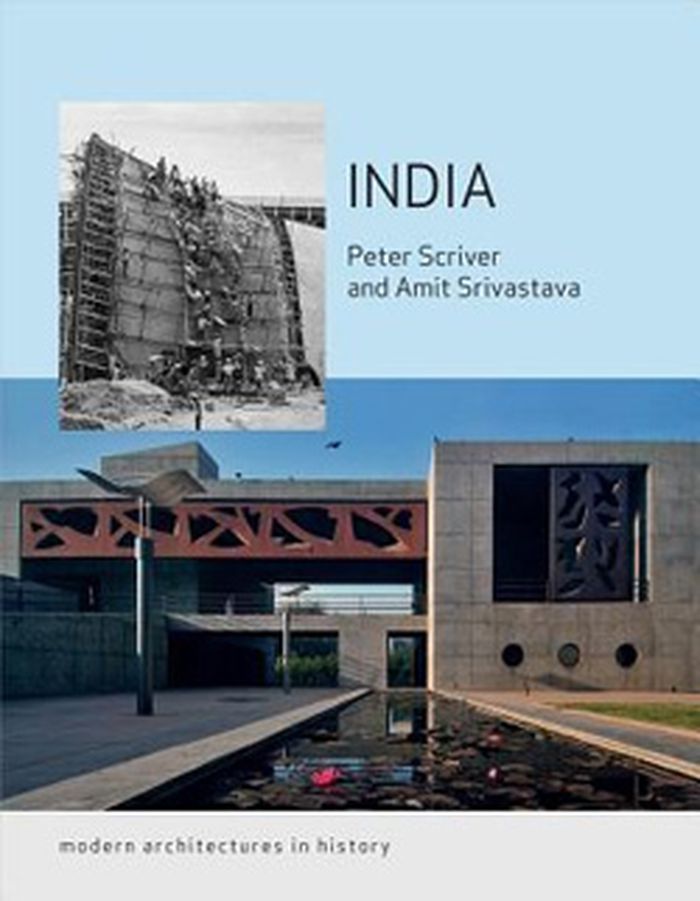
India: modern architecture in history
Actions:
Prix:
$51.95
(disponible sur commande)
Résumé:
Going back to the nineteenth century, Scriver and Srivastava look at the beginnings of modernism in colonial India and the ways that public works and patronage fostered new design practices that directly challenged the social order and values invested in the building traditions of the past. They then trace how India’s architecture embodies the dramatic shifts in Indian society and culture during the last century. Making sense of a broad range of sources, from private papers and photographic collections to the extensive records of the Indian Public Works Department, they provide the most rounded account of modern architecture in India that has yet been available.
Classification:
livres
livres
Publication:
juin 2015
juin 2015
Classification:
livres
livres
Titre:
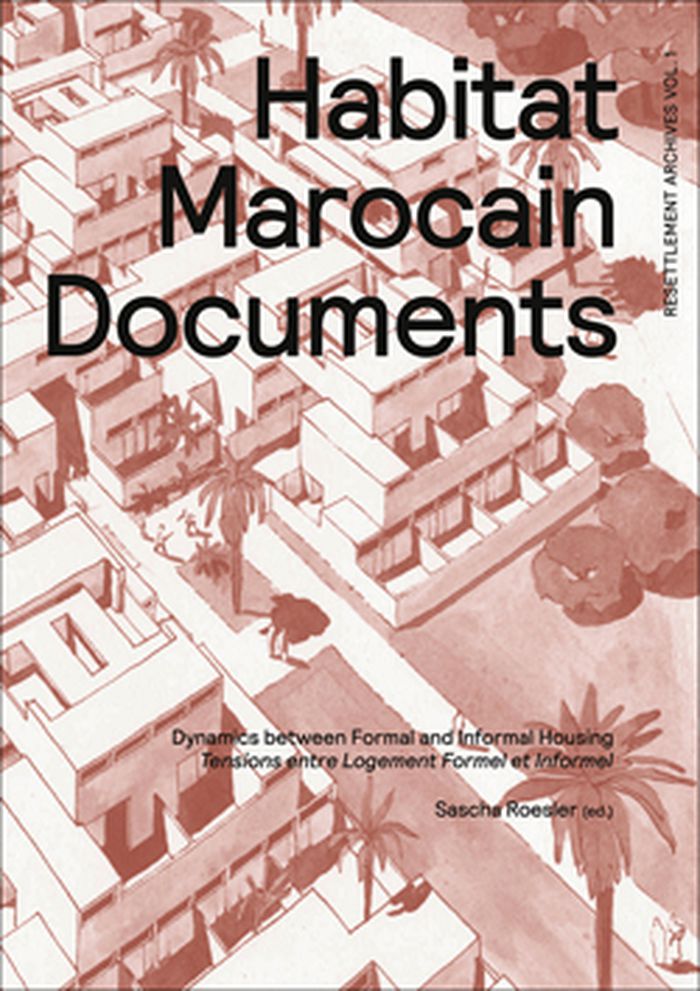
Habitat marocain documents
Habitat marocain documents
Actions:
Prix:
$59.95
(disponible sur commande)
Résumé:
Casablanca’s Habitat Marocain housing project was built between 1954 and 1956 by Swiss architects Jean Hentsch and André Studer, part of the major postwar reconstruction and expansion undertaken by the French colonial administration after World War II. The building was intended to house local inhabitants rather than European expats, and that intention guided the(...)
Titre:
Habitat marocain documents
Actions:
Prix:
$59.95
(disponible sur commande)
Résumé:
Casablanca’s Habitat Marocain housing project was built between 1954 and 1956 by Swiss architects Jean Hentsch and André Studer, part of the major postwar reconstruction and expansion undertaken by the French colonial administration after World War II. The building was intended to house local inhabitants rather than European expats, and that intention guided the architects in their design, which reflected a number of ethnographic assumptions about the Moroccan populace. This richly illustrated book explores the process of designing and building Habitat Marocain, illustrating the complicated interplay of ethnographic imagination and design synthesis, as well as the increasingly informal further development of the project after it was officially completed.
Classification:
livres
livres
Publication:
août 2015
août 2015
Sujet:
Logements collectifs
Logements collectifs
Classification:
livres
livres

Actions:
Prix:
$83.00
(disponible sur commande)
Résumé:
Architect C. Anjalendran, aided by an army of assistants and students, has been recording Sri Lanka's architectural heritage for almost 30 years. The result is a collection of exquisite measured drawings, all made with ink and pencil on tracing paper—documenting many interesting and often neglected buildings in Sri Lanka. This book features these, along with photographs(...)
Titre:
The architectural heritage of Sri Lanka
Actions:
Prix:
$83.00
(disponible sur commande)
Résumé:
Architect C. Anjalendran, aided by an army of assistants and students, has been recording Sri Lanka's architectural heritage for almost 30 years. The result is a collection of exquisite measured drawings, all made with ink and pencil on tracing paper—documenting many interesting and often neglected buildings in Sri Lanka. This book features these, along with photographs and insightful text, to highlight a broad cross-section of buildings in many different types and from many periods—from the ancient classical era of Anuradhapura and Polonnaruwa, from medieval times, from the colonial period and from the years after Sri Lanka regained its independence in 1948.
Classification:
livres
livres
Publication:
juillet 2015
juillet 2015
Classification:
livres
livres
Titre:
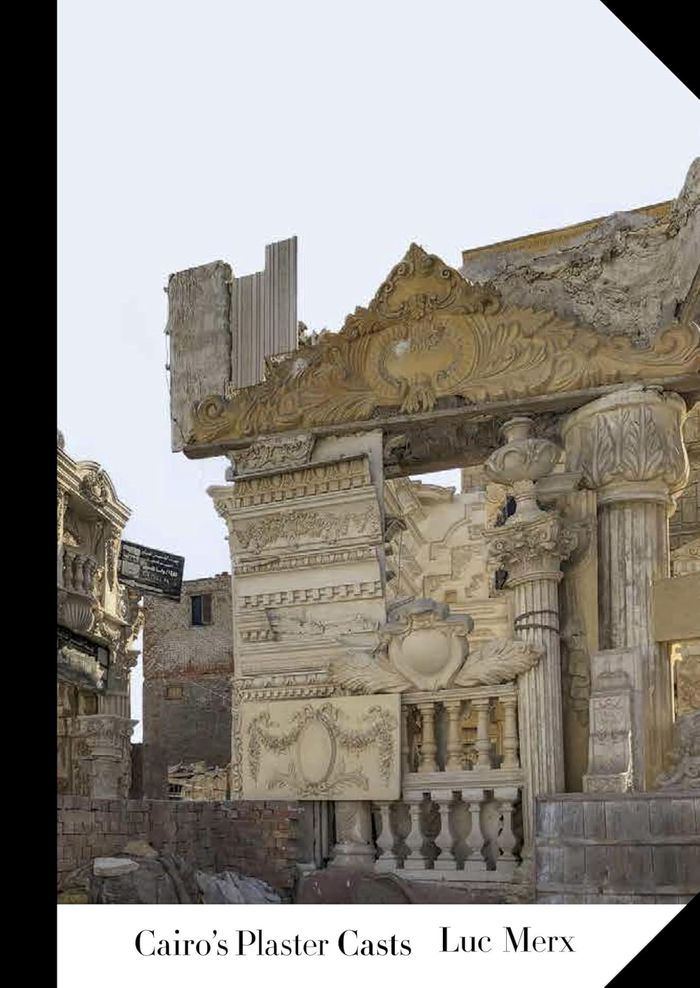
Cairo's Plaster Casts
Cairo's Plaster Casts
Actions:
Prix:
$87.95
(disponible sur commande)
Résumé:
Artisanal production in Cairo takes place in open-air workshops and directly on the street. Stucco producers in the city are grouped into clusters where interior walls and facades are covered with patterns and serve as a catalogue of ornaments. The result is often chaotic and grotesque. Decorative styles of the Belle Époque are deconstructed and reassembled as a spatial(...)
Titre:
Cairo's Plaster Casts
Actions:
Prix:
$87.95
(disponible sur commande)
Résumé:
Artisanal production in Cairo takes place in open-air workshops and directly on the street. Stucco producers in the city are grouped into clusters where interior walls and facades are covered with patterns and serve as a catalogue of ornaments. The result is often chaotic and grotesque. Decorative styles of the Belle Époque are deconstructed and reassembled as a spatial collage, while symbols from pop culture are juxtaposed with historical forms. In his photos, Luc Merx reveals these unique aesthetics and diverse references to building practice and art history. The plaster casts reflect Egypt’s contradictory relationship to its colonial past, to modernity, and to the country’s own identity.
Classification:
livres
livres
Publication:
juin 2025
juin 2025
Sujet:
Monographies photo
Monographies photo
Classification:
livres
livres
Actions:
Prix:
$56.95
(disponible sur commande)
Résumé:
Architects, historians, and theorists have been obsessed with fascist architecture since postmodernism. But who are the antifascist architects? What does antifascist architecture look like? This book is the first attempt at creating a working definition. Significant scholarship has already been presented about anti-colonial architecture, militant modernism, liberation(...)
Sujet:
Théorie de l’architecture
Théorie de l’architecture
Publication:
avril 2026
avril 2026
Titre:
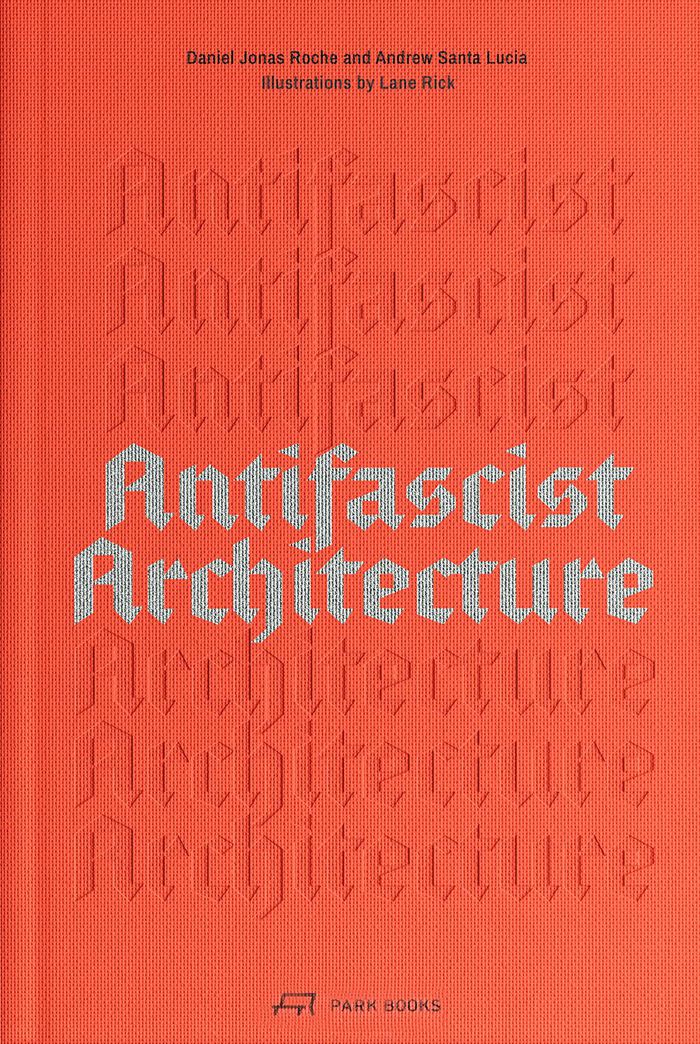
Antifascist architecture: A genealogy of antifascist architects, buidings, history, theory
Actions:
Prix:
$56.95
(disponible sur commande)
Résumé:
Architects, historians, and theorists have been obsessed with fascist architecture since postmodernism. But who are the antifascist architects? What does antifascist architecture look like? This book is the first attempt at creating a working definition. Significant scholarship has already been presented about anti-colonial architecture, militant modernism, liberation architecture, and so forth, yet antifascist architecture is an avenue that remains to be explored. "Antifascist architecture" collects a kaleidoscope of diverse architects who heroically aligned themselves with antifascist struggles around the world. It is written for students and practitioners of architecture, but also activists and scholars in the social sciences who are interested in antifascist history, theory, and practice.
Classification:
livres
livres
Publication:
avril 2026
avril 2026
Sujet:
Théorie de l’architecture
Théorie de l’architecture
Classification:
livres
livres

Actions:
Prix:
$150.00
(disponible en magasin)
Résumé:
Mapping constellations between five specific pre-colonial cosmological examples extending from the Sahel to the Horn of Africa, this work reframes cosmology as a multi-dimensional and scalable practice of situated technologies and embodied cartographies. The resulting publication which was produced during the Jan van Eyck residency is a culmination of several years of(...)
Titre:
The (incomplete) cosmic catalogue
Actions:
Prix:
$150.00
(disponible en magasin)
Résumé:
Mapping constellations between five specific pre-colonial cosmological examples extending from the Sahel to the Horn of Africa, this work reframes cosmology as a multi-dimensional and scalable practice of situated technologies and embodied cartographies. The resulting publication which was produced during the Jan van Eyck residency is a culmination of several years of research and exploration into precolonial cosmologies and spatial orders rooted in the African Sahel extending to the Horn of Africa. The (Incomplete) Cosmic Catalogue is an output of a research project that was initially commissioned by the Canadian Centre for Architecture as part of the multi-disciplinary research fellowship, The Digita Now: Architecture and Intersectionality in 2022.
Classification:
livres
livres
Publication:
novembre 2025
novembre 2025
Classification:
livres
livres

Titre:
The arctic cities
The arctic cities
Actions:
Prix:
$56.95
(disponible en magasin)
Résumé:
Where are the Arctic cities, who inhabits them, who shaped their development, and how might they evolve in the future? This book explores the history, planning, and design of urban settlements across the Arctic, tracing how they have been formed by colonial expansion, Indigenous cultures, resource extraction, and welfare-state ambitions. It examines the complex(...)
Titre:
The arctic cities
Actions:
Prix:
$56.95
(disponible en magasin)
Résumé:
Where are the Arctic cities, who inhabits them, who shaped their development, and how might they evolve in the future? This book explores the history, planning, and design of urban settlements across the Arctic, tracing how they have been formed by colonial expansion, Indigenous cultures, resource extraction, and welfare-state ambitions. It examines the complex relationships between landscape, infrastructure, and community, while considering the challenges and opportunities facing northern cities today. Against a backdrop of climate change, globalisation, and shifting geopolitical interests, the book reflects on how Arctic urban communities can navigate an uncertain future and reimagine their role in a rapidly changing world.
Classification:
livres
livres
Publication:
juin 2026
juin 2026
Sujet:
Théorie de l’urbanisme
Théorie de l’urbanisme
Classification:
livres
livres
Actions:
Prix:
$29.99
(disponible sur commande)
Résumé:
This revised edition presents new photographs and line drawings, a concise, illustrated glossary, and accessible information on twenty-two major styles of American architecture from the past 300 years. Organized chronologically to put information at your fingertips, "What style is it?" presents succinct summaries of architectural styles, discusses their development and(...)
Sujet:
Histoire jusqu’à 1900
Histoire jusqu’à 1900
Publication:
octobre 2003, Hoboken
octobre 2003, Hoboken
Titre:
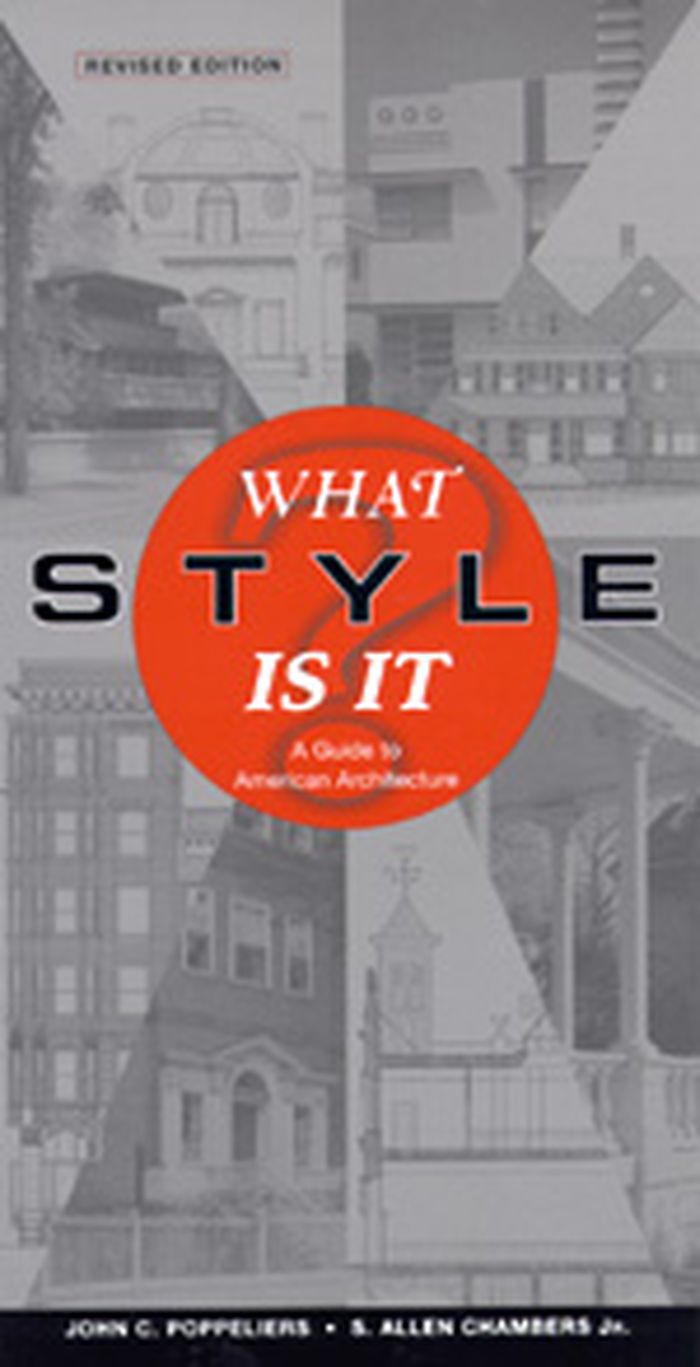
What style is it ? A guide to American architecture
Actions:
Prix:
$29.99
(disponible sur commande)
Résumé:
This revised edition presents new photographs and line drawings, a concise, illustrated glossary, and accessible information on twenty-two major styles of American architecture from the past 300 years. Organized chronologically to put information at your fingertips, "What style is it?" presents succinct summaries of architectural styles, discusses their development and notable characteristics, and mentions where real-world examples can be found. This guide is packed with more than 200 descriptive photographs and illustrations, accompanied by nontechnical explanations that help to identify the most significant styles of architecture--from Early Colonial, Federal, and Second Empire to Neoclassical, pre-Civil War Romanesque Revival, and late nineteenth- and early twentieth-century Rustic styles.
Classification:
livres
livres
Publication:
octobre 2003, Hoboken
octobre 2003, Hoboken
Sujet:
Histoire jusqu’à 1900
Histoire jusqu’à 1900


