


2586 Résultats
Classification:
livres
livres
Prix:
$32.00
(disponible sur commande)
Résumé:
The Earth has entered a new epoch: the Anthropocene. What we are facing is not only an environmental crisis, but a geological revolution of human origin. In two centuries, our planet has tipped into a state unknown for millions of years. How did we get to this point? Refuting the convenient view of a “human species” that upset the Earth system, unaware of what it was(...)
Sujet:
Architecture écologique
Architecture écologique
Publication:
mars 2016
mars 2016
Titre:
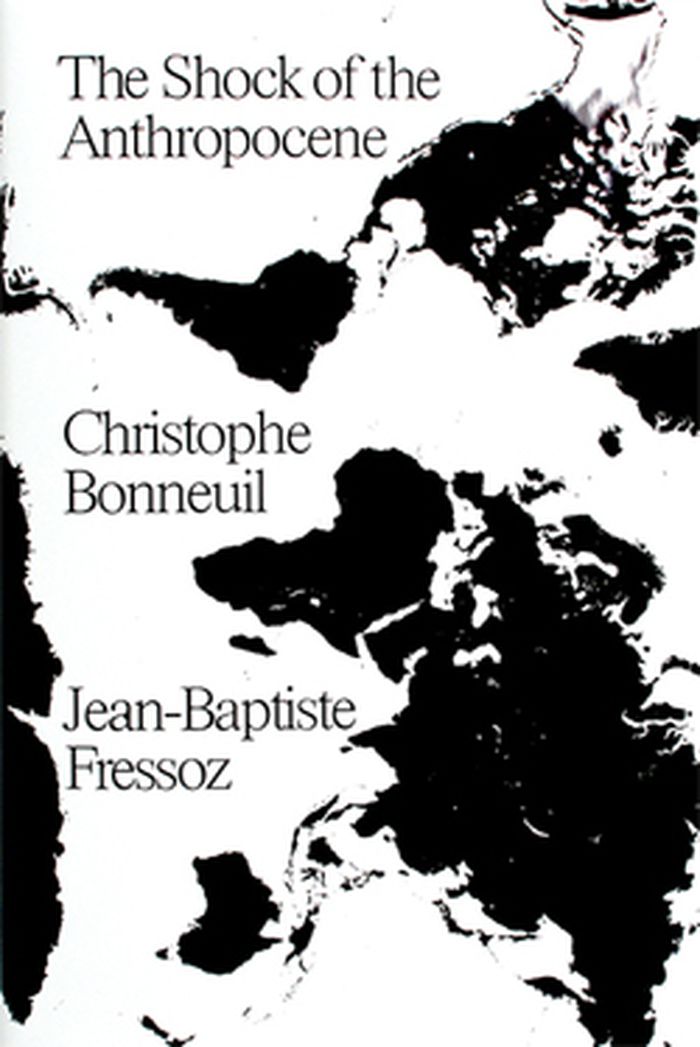
The Shock of the Anthropocene: The Earth, History and Us
Actions:
Prix:
$32.00
(disponible sur commande)
Résumé:
The Earth has entered a new epoch: the Anthropocene. What we are facing is not only an environmental crisis, but a geological revolution of human origin. In two centuries, our planet has tipped into a state unknown for millions of years. How did we get to this point? Refuting the convenient view of a “human species” that upset the Earth system, unaware of what it was doing, this book proposes the first critical history of the Anthropocene, shaking up many accepted ideas: about our supposedly recent “environmental awareness,” about previous challenges to industrialism, about the manufacture of ignorance and consumerism, about so-called energy transitions, as well as about the role of the military in environmental destruction. In a dialogue between science and history, The Shock of the Anthropocene dissects a new theoretical buzzword and explores paths for living and acting politically in this rapidly developing geological epoch.
Classification:
livres
livres
Publication:
mars 2016
mars 2016
Sujet:
Architecture écologique
Architecture écologique
Classification:
périodiques
périodiques
Actions:
Prix:
$58.00
(disponible en magasin)
Résumé:
What happens to architecture and urbanism when they are no longer supercharged by refrigerants and fossil carbon? How might architecture be reshaped by cascading flows of ambient energy, through solar fluxes and thermal gradients, linked to biogenic growing cycles? This issue of AD examines the relations between three progressive practices that have emerged in(...)
Titre:
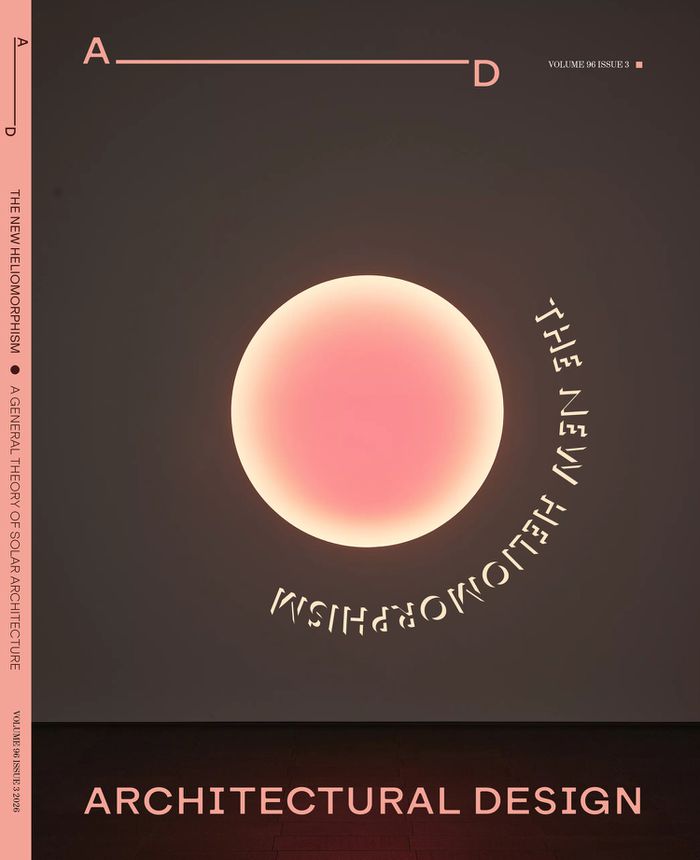
AD 96.3: The New Heliomorphism: A general theory of solar architecture
Actions:
Prix:
$58.00
(disponible en magasin)
Résumé:
What happens to architecture and urbanism when they are no longer supercharged by refrigerants and fossil carbon? How might architecture be reshaped by cascading flows of ambient energy, through solar fluxes and thermal gradients, linked to biogenic growing cycles? This issue of AD examines the relations between three progressive practices that have emerged in contemporary practice over the past decade: critical solar performance, thermal self-regulation, and circular economies of biogenic materials. “The New Heliomorphism” proposes a unifying theory to reconcile the contradictions within and between these distinct modes of spatial projection and their implications for contemporary practice. The edition features contributions from leading voices across three thematic modes of ecologically informed practice—biopolitics and critical solar performance; thermal gradients and thermodynamic sections; biogenic materials after extraction. “The New Heliomorphism examines multiple shared latent tendencies within these ecological practices to propose a general theory of contemporary solar architecture.
Classification:
périodiques
périodiques
Publication:
septembre 2026
septembre 2026
Sujet:
Revues
Revues
Classification:
livres
livres
Prix:
$58.00
(disponible sur commande)
Résumé:
Mobility shapes society in countless ways. Looking at society from the perspective of mobility reveals that its key moments of development coincide with the removal of obstacles to human flow—in the physical movement of people, goods, ideas, and spoken and written language. This book explores mobility in various essayistic modes, from visual essays to scientific essay to(...)
Sujet:
L'écologie de l'architecure
L'écologie de l'architecure
Publication:
décembre 2023
décembre 2023
Titre:
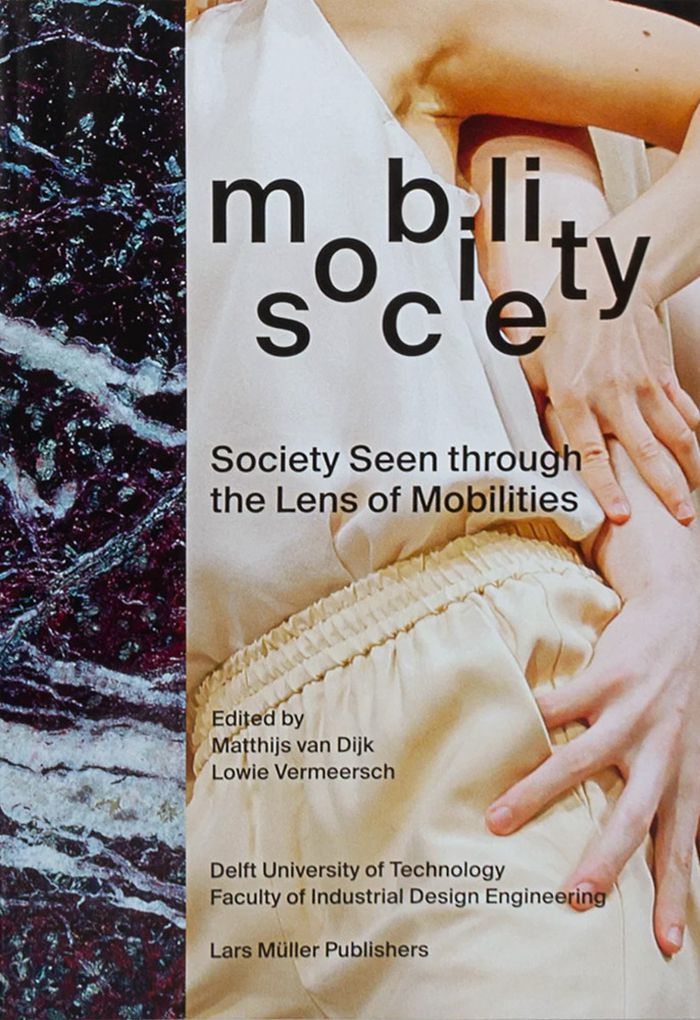
Mobility society: Society seen through the lens of mobilities
Actions:
Prix:
$58.00
(disponible sur commande)
Résumé:
Mobility shapes society in countless ways. Looking at society from the perspective of mobility reveals that its key moments of development coincide with the removal of obstacles to human flow—in the physical movement of people, goods, ideas, and spoken and written language. This book explores mobility in various essayistic modes, from visual essays to scientific essay to broad cultural speculations. ''Mobility | Society'' addresses, among other topics, energy politics and oil’s grip on everyday life; urban transportation policy; the restrictions placed upon differently abled bodies; patterns of data flow; human mobility and Blackness; the politics of speed; concepts of "freedom" in relation to mobility; the appearance and experience of permanence in architectural and other objects; geological movement; and the politics of mobile phones. The design of the book encourages the reader to discover and explore unsuspected relations between mobilities and aspects of our evolving society.
Classification:
livres
livres
Publication:
décembre 2023
décembre 2023
Sujet:
L'écologie de l'architecure
L'écologie de l'architecure
Classification:
livres
livres

Titre:
Fusako Kodama 1960-1980
Fusako Kodama 1960-1980
Actions:
Prix:
$105.00
(disponible en magasin)
Résumé:
Between agitation and lightness, Fusako Kodama depicts the effervescence of modern Japan. From 1960 to 1980, she captures the atmosphere of places and the energy of people.Movement is constant; disorder occurs at times; gestures are carefree and instinctive: Fusako Kodama captures forward momentum. Her spontaneous photographs summon surprising perspectives where subjects(...)
Titre:
Fusako Kodama 1960-1980
Actions:
Prix:
$105.00
(disponible en magasin)
Résumé:
Between agitation and lightness, Fusako Kodama depicts the effervescence of modern Japan. From 1960 to 1980, she captures the atmosphere of places and the energy of people.Movement is constant; disorder occurs at times; gestures are carefree and instinctive: Fusako Kodama captures forward momentum. Her spontaneous photographs summon surprising perspectives where subjects appear slightly out of sync. Between restlessness and lightness, Fusako Kodama portrays a certain effervescence of modern Japan. From 1960 to 1980, she captures the atmosphere of cities and villages inhabited by animated beings. Through her unusual and spontaneous framing, the prolific photographer casts a gaze that is both gentle and vibrant over twenty years of Japan. 1960-1980 is the first book by Fusako Kodama published in the West, where she is still relatively unknown. This work aligns with the ongoing efforts of Chose Commune, which aims to shed light on contemporary Japanese photographers beyond their country of origin.
Classification:
livres
livres
Publication:
juillet 2025
juillet 2025
Sujet:
Monographies photo
Monographies photo
Classification:
livres
livres
Actions:
Prix:
$52.00
(disponible en magasin)
Résumé:
Building in existing fabric conserves resources, saves energy, and reduces carbon emissions – good reasons to choose conversion over new build. Yet there is another, less tangible dimension: time. With additions and adaptations, patina and cracks, it leaves its mark and stores memories in the buildings. To carry these stories forward requires sensitivity to materials,(...)
Titre:
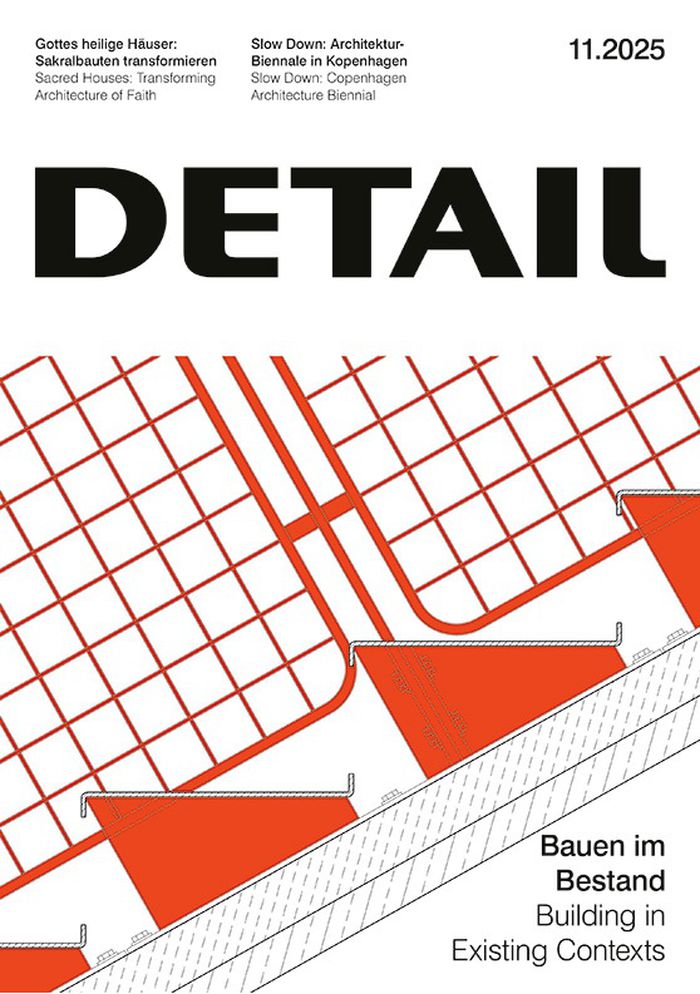
Detail 11 2025 : Building in existing contexts
Actions:
Prix:
$52.00
(disponible en magasin)
Résumé:
Building in existing fabric conserves resources, saves energy, and reduces carbon emissions – good reasons to choose conversion over new build. Yet there is another, less tangible dimension: time. With additions and adaptations, patina and cracks, it leaves its mark and stores memories in the buildings. To carry these stories forward requires sensitivity to materials, spaces, and histories. Deciding what remains and what is replaced demands careful judgment. Some interventions are so discreet that only trained eyes notice them, often compared by architects to the restoration of a classic car. Others are more radical: ceiling panels titled and set diagonally into a room, or large atriums cut into the existing architecture. At times, we may need to rethink our ingrained aesthetics and ask whether materials with a problematic reputation – such as fibre cement panels (Eternit) – can still be used, or whether cut edges might be left uncovered.
Classification:
livres
livres
Publication:
novembre 2025
novembre 2025
Sujet:
Revues
Revues
Classification:
livres
livres
Actions:
Prix:
$18.00
(disponible sur commande)
Résumé:
"Charles Correa – seen by many in India as a sort of guru, as someone capable to transcend and grasp the ineffable reality that surrounds us – has left his noteworthy architectural heritage across the globe. In 2013, the Royal Institute of British Architects (RIBA) celebrated him as one of the greatest contemporary urban planners showcasing his work in an exhibition(...)
Titre:
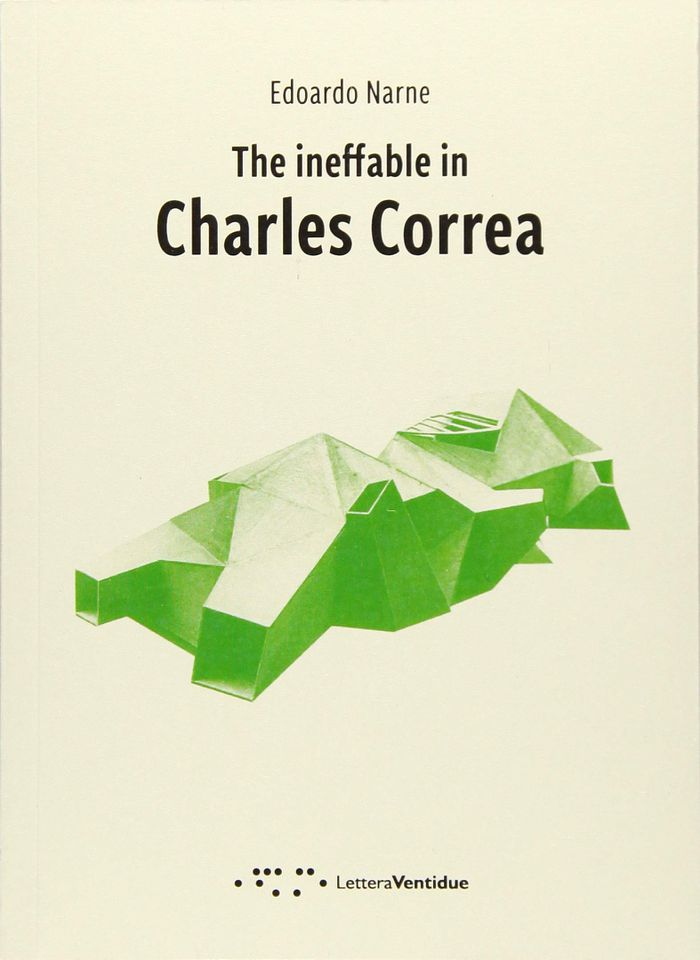
The ineffable in Charles Correa
Actions:
Prix:
$18.00
(disponible sur commande)
Résumé:
"Charles Correa – seen by many in India as a sort of guru, as someone capable to transcend and grasp the ineffable reality that surrounds us – has left his noteworthy architectural heritage across the globe. In 2013, the Royal Institute of British Architects (RIBA) celebrated him as one of the greatest contemporary urban planners showcasing his work in an exhibition called: 'Charles Correa: India’s greatest architect'. Profoundly tied to my Indian origins, to me Correa has been the master over distance, a personal benchmark to set my goals against. He was my inspiring thinker, architect and urbanist, or simply said, the designer I would have liked to be. Many of Correa’s last works show his deep-rooted search of the highest spiritual dimension in the attempt to trap part of the cosmic energy surrounding us into architectural works that were – and are – the shadow of his soul."
Classification:
livres
livres
Publication:
octobre 2019
octobre 2019
Sujet:
Architecture, monographies
Architecture, monographies
Classification:
livres
livres
Actions:
Prix:
$64.95
(disponible sur commande)
Résumé:
An argument for how the modernist credo "more with less" can guide sustainable architecture in the era of climate change. Over the past five hundred years, a rift has grown between the design and construction of buildings. "The turning point in architectural design" does not lament this rift, but rather sees it as an opportunity to explore new horizons in building(...)
Titre:
The turning point in architectural design: A historical scenario for the future
Actions:
Prix:
$64.95
(disponible sur commande)
Résumé:
An argument for how the modernist credo "more with less" can guide sustainable architecture in the era of climate change. Over the past five hundred years, a rift has grown between the design and construction of buildings. "The turning point in architectural design" does not lament this rift, but rather sees it as an opportunity to explore new horizons in building design in the era of climate change. By taking a historical approach, this book shows how over time design has been less and less limited by the constraints of building materials and techniques and how novel architectural designs have pushed the boundaries of what is possible in construction. World-renowned architect Helmut Schulitz takes the modernist motto "more with less" to heart and applies its lessons to the future, where the demand for energy and resource conservation in all aspects of life—especially architecture—will be paramount.
Classification:
livres
livres
Publication:
juillet 2021
juillet 2021
Sujet:
Architecture contemporaine
Architecture contemporaine
Classification:
livres
livres
Prix:
$29.95
(disponible sur commande)
Résumé:
Our global thirst for energy and raw materials is increasing all the time. Year after year, humanity exhausts large quantities of mineral resources; the areas of the world in which we drill and dig for oil, gas, coal, gravel, clay and ore are becoming more and more remote, and the range of resources demanded is expanding constantly. Lusitania is a prime example of this(...)
Titre:
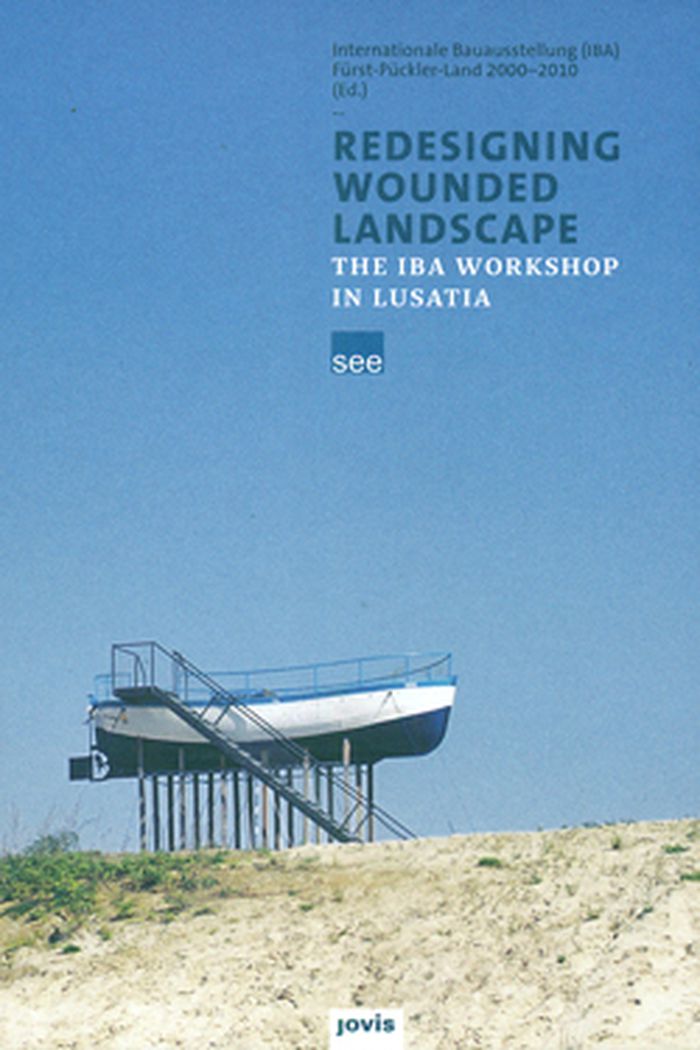
Redesigning wounded landscape : the IBA workshop of Lusatia
Actions:
Prix:
$29.95
(disponible sur commande)
Résumé:
Our global thirst for energy and raw materials is increasing all the time. Year after year, humanity exhausts large quantities of mineral resources; the areas of the world in which we drill and dig for oil, gas, coal, gravel, clay and ore are becoming more and more remote, and the range of resources demanded is expanding constantly. Lusitania is a prime example of this kind of resource depletion. Unrestrained open-pit mining during the nineteenth and twentieth centuries has devastated the region, and ten years ago this "wounded landscape" became the subject of an International Building Exhibition dedicated to providing creative designs for a post-mining landscape. What are the possibilities of such landscapes? What methods and processes may be applied in regions beyond Lusatia? In Redesigning Wounded Landscapes, ten authors explore these questions, looking at the region and the project from a wide range of perspectives.
Classification:
livres
livres
Publication:
novembre 2012
novembre 2012
Sujet:
Architecture contemporaine
Architecture contemporaine
Classification:
livres
livres

Titre:
In the Holocene
In the Holocene
Actions:
Prix:
$48.95
(disponible sur commande)
Résumé:
In the Holocene is based on a 2012 group exhibition of the same name at the MIT List Visual Arts Center that explored art as a speculative science, investigating principles more commonly associated with scientific or mathematical thought. Through the work of an intergenerational group of artists, the exhibition and book propose that art acts as an investigative and(...)
Sujet:
Théorie de l’art
Théorie de l’art
Publication:
mars 2015
mars 2015
Titre:
In the Holocene
Actions:
Prix:
$48.95
(disponible sur commande)
Résumé:
In the Holocene is based on a 2012 group exhibition of the same name at the MIT List Visual Arts Center that explored art as a speculative science, investigating principles more commonly associated with scientific or mathematical thought. Through the work of an intergenerational group of artists, the exhibition and book propose that art acts as an investigative and experimental form of inquiry, addressing or amending what is explained through traditional scientific or mathematical means: entropy, matter, time (cosmic, geological), energy, topology, mimicry, perception, consciousness, et cetera. Sometimes employing scientific methodologies or the epistemology of science, other times investigating phenomena not restricted to any scientific discipline, art can be seen as a form of inquiry into the physical and natural world. In this sense, both art and science share an interest in knowledge, realism, and observable phenomena, yet are subject to different logics, principles of reasoning, and conclusions.
Classification:
livres
livres
Publication:
mars 2015
mars 2015
Sujet:
Théorie de l’art
Théorie de l’art
Classification:
livres
livres
Exemplaires:
Description:
160 pages : illustrations (chiefly color) ; 29 cm.
Description:
160 pages : illustrations (chiefly color) ; 29 cm.
Auteur:
Sujet:
Publication:
London ; New York : Phaidon Press, 2004
London ; New York : Phaidon Press, 2004
Titre:
Hans Haacke / Walter Grasskamp, Molly Nesbit, Jon Bird.
Actions:
Exemplaires:
Description:
160 pages : illustrations (chiefly color) ; 29 cm.
Hans Haacke / Walter Grasskamp, Molly Nesbit, Jon Bird.
Actions:
Exemplaires:
Description:
160 pages : illustrations (chiefly color) ; 29 cm.
Classification:
livres
livres
Publication:
London ; New York : Phaidon Press, 2004
London ; New York : Phaidon Press, 2004
Auteur:
Sujet:


