


3015 Résultats
Classification:
livres
livres
Actions:
Prix:
$74.95
(disponible sur commande)
Résumé:
Au fur et à mesure que la population mondiale s'urbanise, la conception des blocs résidentiels doit évoluer afin d'assurer la création d'espaces adaptés à cette population changeante. Chaque oeuvre est présentée avec des plans, des croquis, des détails constructifs, des photographies et des textes descriptifs permettant de comprendre avec clarté les concepts développés et(...)
$74.95
(disponible sur commande)
Résumé:
Au fur et à mesure que la population mondiale s'urbanise, la conception des blocs résidentiels doit évoluer afin d'assurer la création d'espaces adaptés à cette population changeante. Chaque oeuvre est présentée avec des plans, des croquis, des détails constructifs, des photographies et des textes descriptifs permettant de comprendre avec clarté les concepts développés et(...)
Titre:
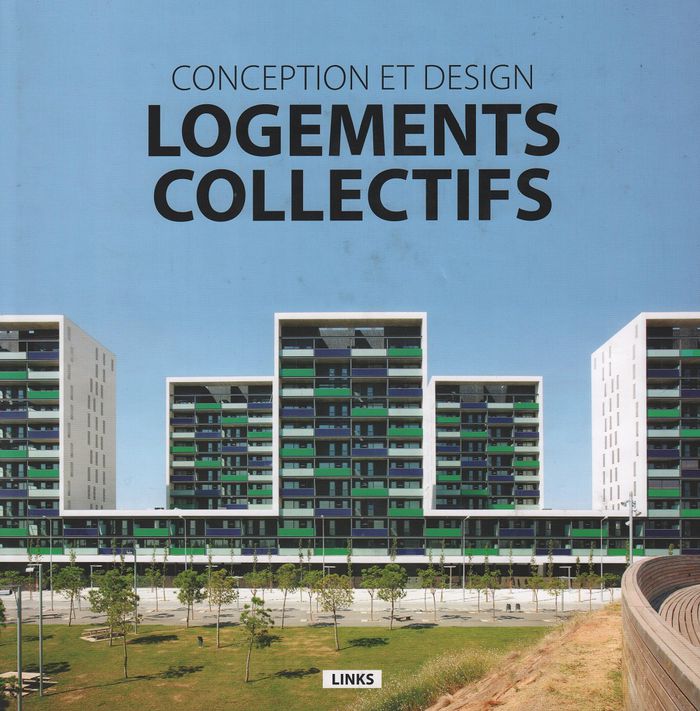
Conception et design : logements collectifs
Actions:
Prix:
$74.95
(disponible sur commande)
Résumé:
Au fur et à mesure que la population mondiale s'urbanise, la conception des blocs résidentiels doit évoluer afin d'assurer la création d'espaces adaptés à cette population changeante. Chaque oeuvre est présentée avec des plans, des croquis, des détails constructifs, des photographies et des textes descriptifs permettant de comprendre avec clarté les concepts développés et les notions utilisées pour chaque projet de logement collectif.
Conception et design : logements collectifs
Actions:
Prix:
$74.95
(disponible sur commande)
Résumé:
Au fur et à mesure que la population mondiale s'urbanise, la conception des blocs résidentiels doit évoluer afin d'assurer la création d'espaces adaptés à cette population changeante. Chaque oeuvre est présentée avec des plans, des croquis, des détails constructifs, des photographies et des textes descriptifs permettant de comprendre avec clarté les concepts développés et les notions utilisées pour chaque projet de logement collectif.
Classification:
livres
livres
Publication:
mai 2017
mai 2017
Sujet:
Logements collectifs
Logements collectifs
Classification:
livres
livres
Titre:
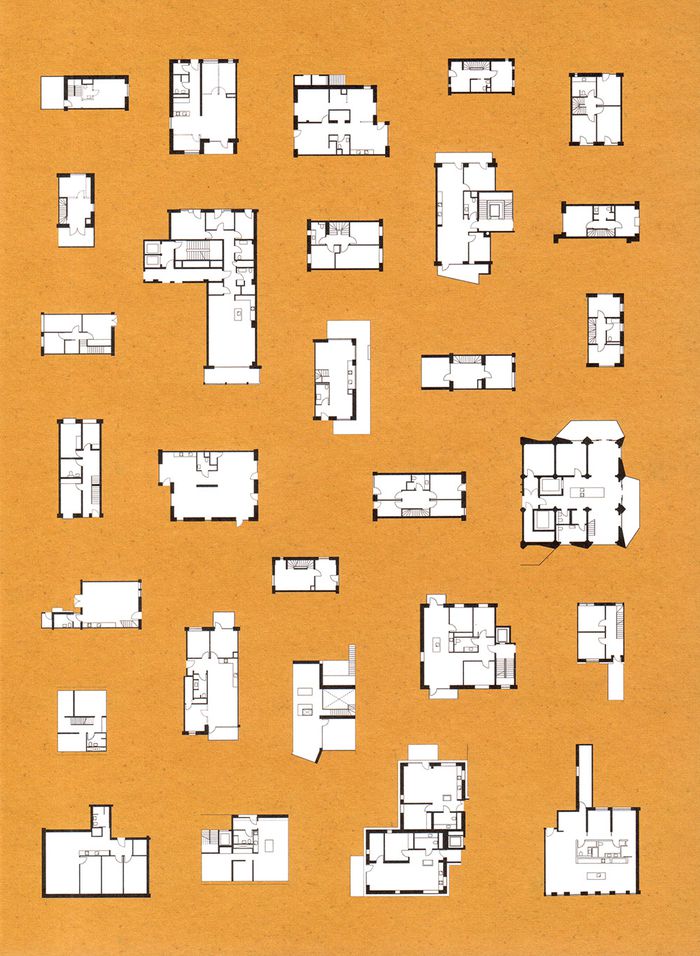
Homes, ensembles, city
Homes, ensembles, city
Actions:
Prix:
$103.00
(disponible sur commande)
Résumé:
The book shows 36 building projects of the near future after a thoroughly introduction by the author on the three scale-modules of the dwelling, the housing ensembles, and the city, suggesting that the city is to be perceived, conceived, and lived in terms of the relationship between the home and the public realm. Hence not only public spaces but also housing ensembles(...)
$103.00
(disponible sur commande)
Résumé:
The book shows 36 building projects of the near future after a thoroughly introduction by the author on the three scale-modules of the dwelling, the housing ensembles, and the city, suggesting that the city is to be perceived, conceived, and lived in terms of the relationship between the home and the public realm. Hence not only public spaces but also housing ensembles(...)
Titre:
Homes, ensembles, city
Actions:
Prix:
$103.00
(disponible sur commande)
Résumé:
The book shows 36 building projects of the near future after a thoroughly introduction by the author on the three scale-modules of the dwelling, the housing ensembles, and the city, suggesting that the city is to be perceived, conceived, and lived in terms of the relationship between the home and the public realm. Hence not only public spaces but also housing ensembles become essential elements in defining the morphology of the city.
Homes, ensembles, city
Actions:
Prix:
$103.00
(disponible sur commande)
Résumé:
The book shows 36 building projects of the near future after a thoroughly introduction by the author on the three scale-modules of the dwelling, the housing ensembles, and the city, suggesting that the city is to be perceived, conceived, and lived in terms of the relationship between the home and the public realm. Hence not only public spaces but also housing ensembles become essential elements in defining the morphology of the city.
Classification:
livres
livres
Publication:
mars 2018
mars 2018
Sujet:
Logements collectifs
Logements collectifs
Classification:
livres
livres
Titre:
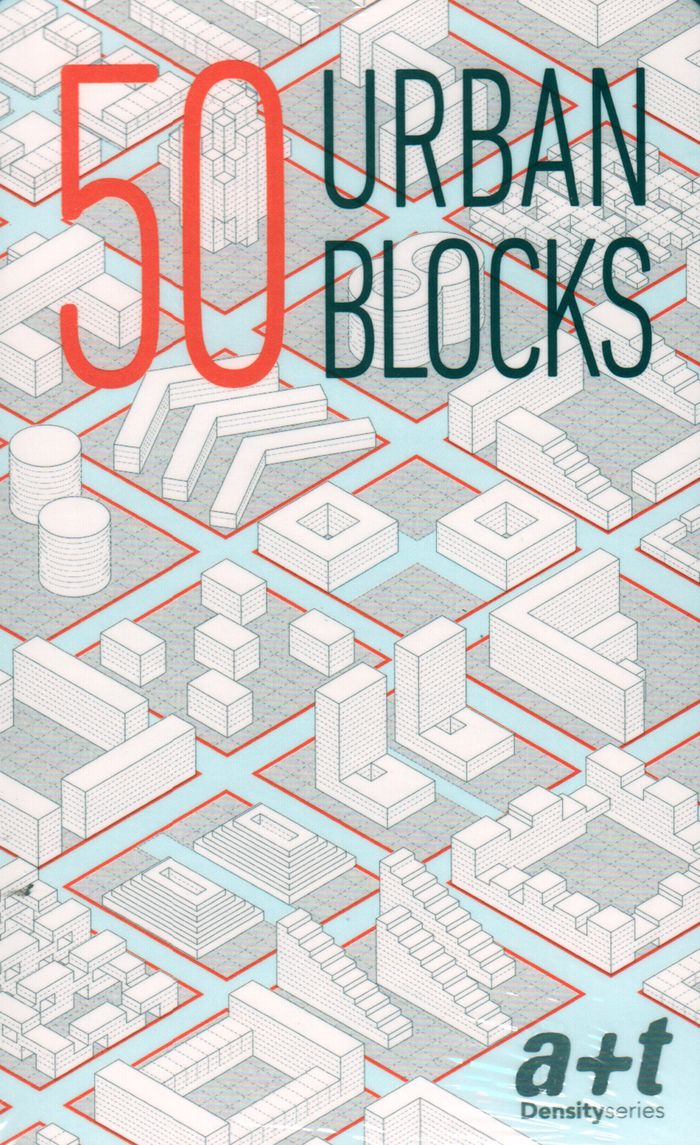
50 urban blocks
50 urban blocks
Actions:
Prix:
$55.95
(disponible sur commande)
Résumé:
This set of cards contains 50 examples of how to design an urban block. Each card proposes a possible urban form along with measurements and density data, including floor plans, sun exposure, coverage, and both the built and occupied floor area per storey. Units are provided in feet and metres, and axonometric diagrams offer a clear visual supplement to the data,(...)
$55.95
(disponible sur commande)
Résumé:
This set of cards contains 50 examples of how to design an urban block. Each card proposes a possible urban form along with measurements and density data, including floor plans, sun exposure, coverage, and both the built and occupied floor area per storey. Units are provided in feet and metres, and axonometric diagrams offer a clear visual supplement to the data,(...)
Titre:
50 urban blocks
Actions:
Prix:
$55.95
(disponible sur commande)
Résumé:
This set of cards contains 50 examples of how to design an urban block. Each card proposes a possible urban form along with measurements and density data, including floor plans, sun exposure, coverage, and both the built and occupied floor area per storey. Units are provided in feet and metres, and axonometric diagrams offer a clear visual supplement to the data, illustrating the various spatial arrangements. With so many types of urban blocks gathered in a single, easy-to-use format, the set offers inspiration for architects, designers, and urbanists everywhere.
50 urban blocks
Actions:
Prix:
$55.95
(disponible sur commande)
Résumé:
This set of cards contains 50 examples of how to design an urban block. Each card proposes a possible urban form along with measurements and density data, including floor plans, sun exposure, coverage, and both the built and occupied floor area per storey. Units are provided in feet and metres, and axonometric diagrams offer a clear visual supplement to the data, illustrating the various spatial arrangements. With so many types of urban blocks gathered in a single, easy-to-use format, the set offers inspiration for architects, designers, and urbanists everywhere.
Classification:
livres
livres
Publication:
juin 2017
juin 2017
Sujet:
Logements collectifs
Logements collectifs
Classification:
livres
livres
Prix:
$88.95
(disponible sur commande)
Résumé:
This book investigates the development of multi-unit housing typologies that were predominant in a particular city from the 1800s to present day. It emphasises the importance of understanding the direct connection between housing and dwelling in the context of a city, and the manner in which the city is an instructional indication of how a housing typology is embodied.
$88.95
(disponible sur commande)
Résumé:
This book investigates the development of multi-unit housing typologies that were predominant in a particular city from the 1800s to present day. It emphasises the importance of understanding the direct connection between housing and dwelling in the context of a city, and the manner in which the city is an instructional indication of how a housing typology is embodied.
Titre:
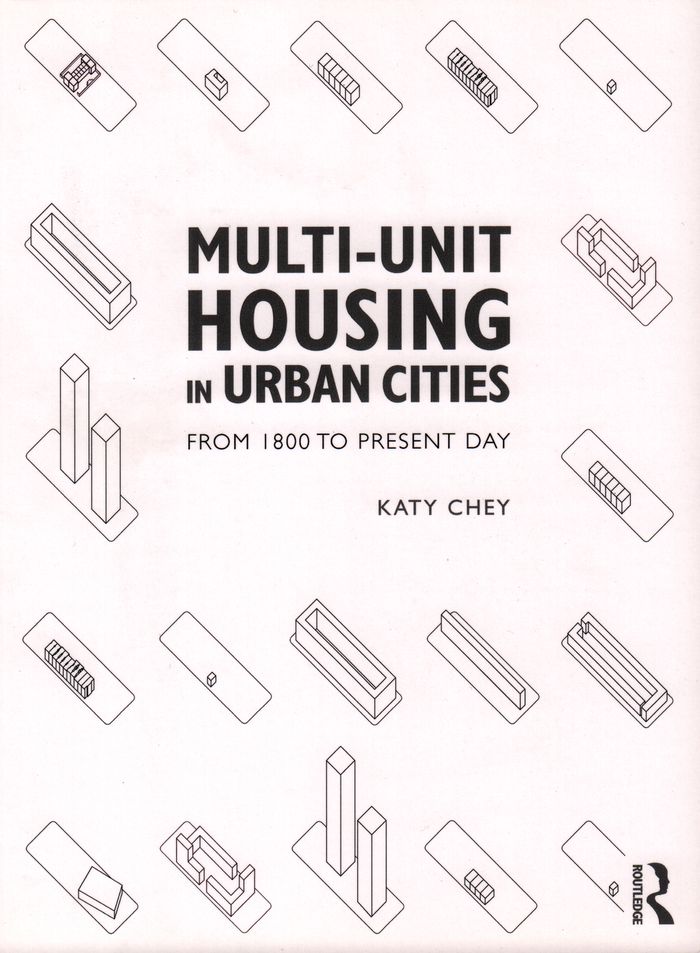
Multi-unit housing in urban cities: from 1800 to the present
Actions:
Prix:
$88.95
(disponible sur commande)
Résumé:
This book investigates the development of multi-unit housing typologies that were predominant in a particular city from the 1800s to present day. It emphasises the importance of understanding the direct connection between housing and dwelling in the context of a city, and the manner in which the city is an instructional indication of how a housing typology is embodied.
Multi-unit housing in urban cities: from 1800 to the present
Actions:
Prix:
$88.95
(disponible sur commande)
Résumé:
This book investigates the development of multi-unit housing typologies that were predominant in a particular city from the 1800s to present day. It emphasises the importance of understanding the direct connection between housing and dwelling in the context of a city, and the manner in which the city is an instructional indication of how a housing typology is embodied.
Classification:
livres
livres
Publication:
novembre 2017
novembre 2017
Sujet:
Logements collectifs
Logements collectifs
Classification:
livres
livres
Prix:
$65.50
(disponible en magasin)
Résumé:
This book looks at the design solutions developed during the 20th and the 21st centuries, and illustrates over 200 of the best projects. It is both a guide to the most significant schemes built in Britain since 1900 and a resource for practitioners and students of the built environment. It provides an overview of the evolution of housing development during the last 108(...)
$65.50
(disponible en magasin)
Résumé:
This book looks at the design solutions developed during the 20th and the 21st centuries, and illustrates over 200 of the best projects. It is both a guide to the most significant schemes built in Britain since 1900 and a resource for practitioners and students of the built environment. It provides an overview of the evolution of housing development during the last 108(...)
Titre:
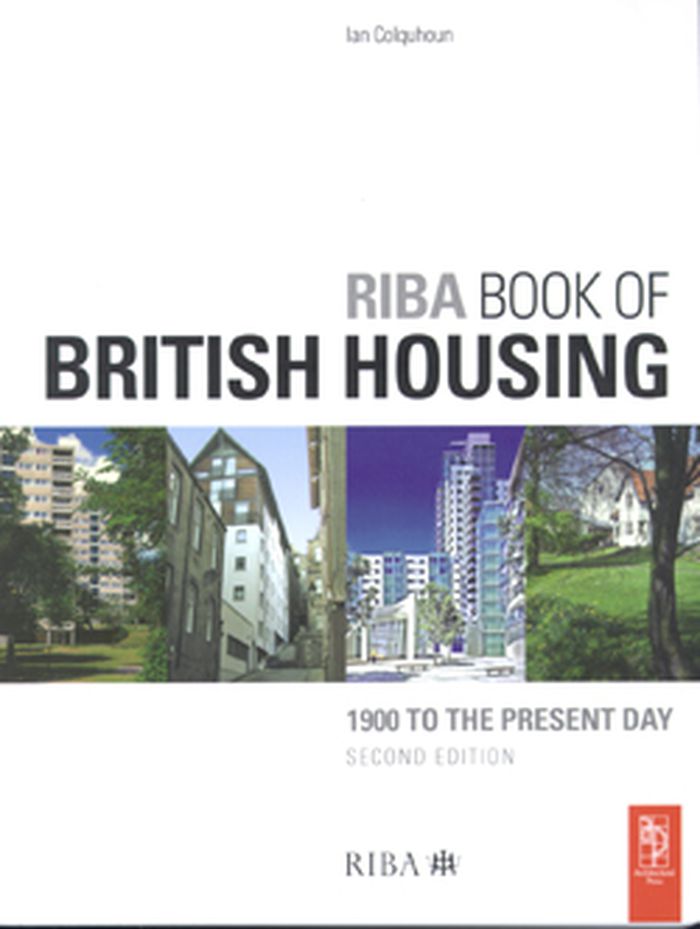
RIBA book of British housing: 1900 to the present day
Actions:
Prix:
$65.50
(disponible en magasin)
Résumé:
This book looks at the design solutions developed during the 20th and the 21st centuries, and illustrates over 200 of the best projects. It is both a guide to the most significant schemes built in Britain since 1900 and a resource for practitioners and students of the built environment. It provides an overview of the evolution of housing development during the last 108 years and includes present day schemes and estate regeneration as well as special sections on housing in Scotland and Northern Ireland. This fully updated new edition includes a new chapter on the development of design concepts and projects built since 1999, and emphasises the concept of creating sustainable communities. Referring extensively to relevant websites, journals and publications, it provides a valuable resource for anyone engaged in housing design wishing to conduct further research. It is a valuable sourcebook for this booming industry. It is a comprehensive history of housing from 1900 to the present day. It is a unique and authoritative reference, presented in full colour with plans.
RIBA book of British housing: 1900 to the present day
Actions:
Prix:
$65.50
(disponible en magasin)
Résumé:
This book looks at the design solutions developed during the 20th and the 21st centuries, and illustrates over 200 of the best projects. It is both a guide to the most significant schemes built in Britain since 1900 and a resource for practitioners and students of the built environment. It provides an overview of the evolution of housing development during the last 108 years and includes present day schemes and estate regeneration as well as special sections on housing in Scotland and Northern Ireland. This fully updated new edition includes a new chapter on the development of design concepts and projects built since 1999, and emphasises the concept of creating sustainable communities. Referring extensively to relevant websites, journals and publications, it provides a valuable resource for anyone engaged in housing design wishing to conduct further research. It is a valuable sourcebook for this booming industry. It is a comprehensive history of housing from 1900 to the present day. It is a unique and authoritative reference, presented in full colour with plans.
Classification:
livres
livres
Publication:
août 2008, Oxford
août 2008, Oxford
Sujet:
Logements collectifs
Logements collectifs
Classification:
livres
livres

Actions:
Prix:
$48.95
(disponible sur commande)
Résumé:
Project APTM 200 Multihabitas: the polyvalent living unit had been presented during Salon Construmat - Fira de Barcelona, from May 14 to 19, 2007.
$48.95
(disponible sur commande)
Résumé:
Project APTM 200 Multihabitas: the polyvalent living unit had been presented during Salon Construmat - Fira de Barcelona, from May 14 to 19, 2007.
Titre:
Project APTM 2007: a house is many houses
Actions:
Prix:
$48.95
(disponible sur commande)
Résumé:
Project APTM 200 Multihabitas: the polyvalent living unit had been presented during Salon Construmat - Fira de Barcelona, from May 14 to 19, 2007.
Project APTM 2007: a house is many houses
Actions:
Prix:
$48.95
(disponible sur commande)
Résumé:
Project APTM 200 Multihabitas: the polyvalent living unit had been presented during Salon Construmat - Fira de Barcelona, from May 14 to 19, 2007.
Classification:
livres
livres
Publication:
juin 2008, Barcelona
juin 2008, Barcelona
Sujet:
Logements collectifs
Logements collectifs
Classification:
livres
livres
Titre:
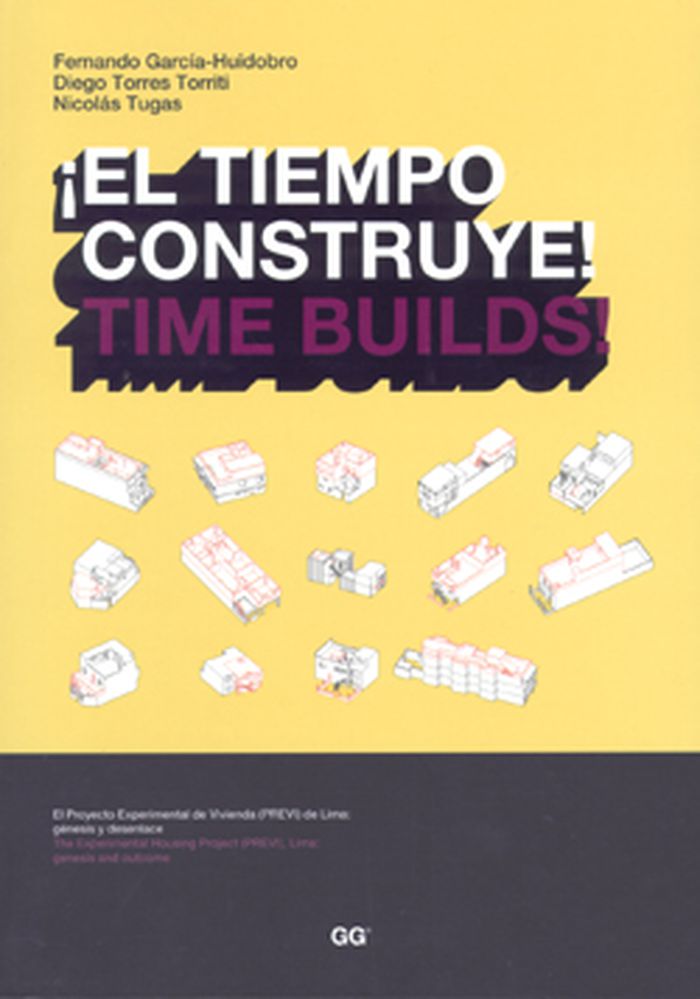
Time builds!
Time builds!
Actions:
Prix:
$74.95
(disponible sur commande)
Résumé:
A study of PREVI after more than three decades since its formulation seeks not only to salvage the original construction along the lines of an 'archaeological' survey, which reclaims the authorial oeuvre hidden behind the constant interventions on the part of its occupants, but aims to call into question the idea of housing as a habitational solution, the role of the(...)
$74.95
(disponible sur commande)
Résumé:
A study of PREVI after more than three decades since its formulation seeks not only to salvage the original construction along the lines of an 'archaeological' survey, which reclaims the authorial oeuvre hidden behind the constant interventions on the part of its occupants, but aims to call into question the idea of housing as a habitational solution, the role of the(...)
Sujet:
Logements collectifs
Logements collectifs
Publication:
octobre 2008, Barcelona
octobre 2008, Barcelona
Titre:
Time builds!
Actions:
Prix:
$74.95
(disponible sur commande)
Résumé:
A study of PREVI after more than three decades since its formulation seeks not only to salvage the original construction along the lines of an 'archaeological' survey, which reclaims the authorial oeuvre hidden behind the constant interventions on the part of its occupants, but aims to call into question the idea of housing as a habitational solution, the role of the architect in the process and the materials of the design as scarce resources. To salvage the idea of neighbouring units, the rapport between public and communal space, the values and possibilities of a more open city planning and the different family structures against the actual standardisation of the user.
Time builds!
Actions:
Prix:
$74.95
(disponible sur commande)
Résumé:
A study of PREVI after more than three decades since its formulation seeks not only to salvage the original construction along the lines of an 'archaeological' survey, which reclaims the authorial oeuvre hidden behind the constant interventions on the part of its occupants, but aims to call into question the idea of housing as a habitational solution, the role of the architect in the process and the materials of the design as scarce resources. To salvage the idea of neighbouring units, the rapport between public and communal space, the values and possibilities of a more open city planning and the different family structures against the actual standardisation of the user.
Classification:
livres
livres
Publication:
octobre 2008, Barcelona
octobre 2008, Barcelona
Sujet:
Logements collectifs
Logements collectifs
Classification:
livres
livres
Titre:
Housing move on
Housing move on
Actions:
Prix:
$80.00
(disponible sur commande)
Résumé:
‘Housing Moves On’ starts where ‘Housing is Back’ left off two years ago in the discussion of the challenges of housing construction in the 21st century. The book discusses luxurious individual projects, temporary housing and the challenges posed by the dissolution of traditional social maxims of ‘social housing’. Peter Ebner compiled residential projects by 26(...)
$80.00
(disponible sur commande)
Résumé:
‘Housing Moves On’ starts where ‘Housing is Back’ left off two years ago in the discussion of the challenges of housing construction in the 21st century. The book discusses luxurious individual projects, temporary housing and the challenges posed by the dissolution of traditional social maxims of ‘social housing’. Peter Ebner compiled residential projects by 26(...)
Titre:
Housing move on
Actions:
Prix:
$80.00
(disponible sur commande)
Résumé:
‘Housing Moves On’ starts where ‘Housing is Back’ left off two years ago in the discussion of the challenges of housing construction in the 21st century. The book discusses luxurious individual projects, temporary housing and the challenges posed by the dissolution of traditional social maxims of ‘social housing’. Peter Ebner compiled residential projects by 26 internationally acclaimed architects including the work of Kengo Kuma, Kazujo Sejima, Francis Soler, Christian Sumi, Helena Paver Njiric etc. Each project is presented with a short description, scaled planning drafts (1:200 and 1:500) and numerous illustrations.
Housing move on
Actions:
Prix:
$80.00
(disponible sur commande)
Résumé:
‘Housing Moves On’ starts where ‘Housing is Back’ left off two years ago in the discussion of the challenges of housing construction in the 21st century. The book discusses luxurious individual projects, temporary housing and the challenges posed by the dissolution of traditional social maxims of ‘social housing’. Peter Ebner compiled residential projects by 26 internationally acclaimed architects including the work of Kengo Kuma, Kazujo Sejima, Francis Soler, Christian Sumi, Helena Paver Njiric etc. Each project is presented with a short description, scaled planning drafts (1:200 and 1:500) and numerous illustrations.
Classification:
livres
livres
Publication:
octobre 2008, New York
octobre 2008, New York
Sujet:
Logements collectifs
Logements collectifs
Classification:
livres
livres
Prix:
$12.95
(disponible sur commande)
Résumé:
John Turner's classic essay now in its fourht edition makes a unique contribution to housing theory and practice. His three Laws of Housing summarize the psychological, social and economic basis of his thesis: 1. When people have no control over, nor responsibility for, key decisions in the housing process, dwelling environments may become a barrier to personal(...)
$12.95
(disponible sur commande)
Résumé:
John Turner's classic essay now in its fourht edition makes a unique contribution to housing theory and practice. His three Laws of Housing summarize the psychological, social and economic basis of his thesis: 1. When people have no control over, nor responsibility for, key decisions in the housing process, dwelling environments may become a barrier to personal(...)
Titre:
Housing by People: towards autonomy in building environments
Actions:
Prix:
$12.95
(disponible sur commande)
Résumé:
John Turner's classic essay now in its fourht edition makes a unique contribution to housing theory and practice. His three Laws of Housing summarize the psychological, social and economic basis of his thesis: 1. When people have no control over, nor responsibility for, key decisions in the housing process, dwelling environments may become a barrier to personal fulfilment and a burden on the economy. 2. The important thing about housing is not what it is, but what it does in people's lives. 3. Deficiencies and imperfections in your housing are infinitely more tolerable if they are your responsibility than if they are somebody else's.
Housing by People: towards autonomy in building environments
Actions:
Prix:
$12.95
(disponible sur commande)
Résumé:
John Turner's classic essay now in its fourht edition makes a unique contribution to housing theory and practice. His three Laws of Housing summarize the psychological, social and economic basis of his thesis: 1. When people have no control over, nor responsibility for, key decisions in the housing process, dwelling environments may become a barrier to personal fulfilment and a burden on the economy. 2. The important thing about housing is not what it is, but what it does in people's lives. 3. Deficiencies and imperfections in your housing are infinitely more tolerable if they are your responsibility than if they are somebody else's.
Classification:
livres
livres
Publication:
août 1990, London
août 1990, London
Sujet:
Logements collectifs
Logements collectifs
Classification:
livres
livres
Prix:
$72.00
(disponible sur commande)
Résumé:
Presented here are recent collective housing projects - in phase of development or execution through 2007 - that are characterised by their use of densification models in combination with good architecture. Many of the projects incorporate other uses, alongside residential ones in their programmes. This contributes both to density and intensity of use in respective(...)
$72.00
(disponible sur commande)
Résumé:
Presented here are recent collective housing projects - in phase of development or execution through 2007 - that are characterised by their use of densification models in combination with good architecture. Many of the projects incorporate other uses, alongside residential ones in their programmes. This contributes both to density and intensity of use in respective(...)
Sujet:
Logements collectifs
Logements collectifs
Publication:
janvier 2008, Vitoria-Gasteiz
janvier 2008, Vitoria-Gasteiz
Titre:
A+T Density Projects. 36 New Concepts on Collective Housing
Actions:
Prix:
$72.00
(disponible sur commande)
Résumé:
Presented here are recent collective housing projects - in phase of development or execution through 2007 - that are characterised by their use of densification models in combination with good architecture. Many of the projects incorporate other uses, alongside residential ones in their programmes. This contributes both to density and intensity of use in respective environments, in turn creating new urban nuclei and providing a solution to strained resources. Fully illustrated with plans, diagrams and elevations, ‘Density Projects' includes works from the likes of; BIG, Jean Nouvel, Kohn Pedersen Fox, MGM, No.MAD, Stephen Holl, Studio Gang Architects and VMX architects.
A+T Density Projects. 36 New Concepts on Collective Housing
Actions:
Prix:
$72.00
(disponible sur commande)
Résumé:
Presented here are recent collective housing projects - in phase of development or execution through 2007 - that are characterised by their use of densification models in combination with good architecture. Many of the projects incorporate other uses, alongside residential ones in their programmes. This contributes both to density and intensity of use in respective environments, in turn creating new urban nuclei and providing a solution to strained resources. Fully illustrated with plans, diagrams and elevations, ‘Density Projects' includes works from the likes of; BIG, Jean Nouvel, Kohn Pedersen Fox, MGM, No.MAD, Stephen Holl, Studio Gang Architects and VMX architects.
Classification:
livres
livres
Publication:
janvier 2008, Vitoria-Gasteiz
janvier 2008, Vitoria-Gasteiz
Sujet:
Logements collectifs
Logements collectifs


