


2689 Résultats
Classification:
livres
livres
Prix:
$58.95
(disponible sur commande)
Résumé:
In the years of reconstruction and economic boom that followed the Second World War, the domestic sphere encountered new expectations regarding social behaviour, modes of living, and forms of dwelling. This book brings together an international group of scholars from architecture, design, urban planning, and interior design to reappraise mid-twentieth century modern life,(...)
$58.95
(disponible sur commande)
Résumé:
In the years of reconstruction and economic boom that followed the Second World War, the domestic sphere encountered new expectations regarding social behaviour, modes of living, and forms of dwelling. This book brings together an international group of scholars from architecture, design, urban planning, and interior design to reappraise mid-twentieth century modern life,(...)
Titre:
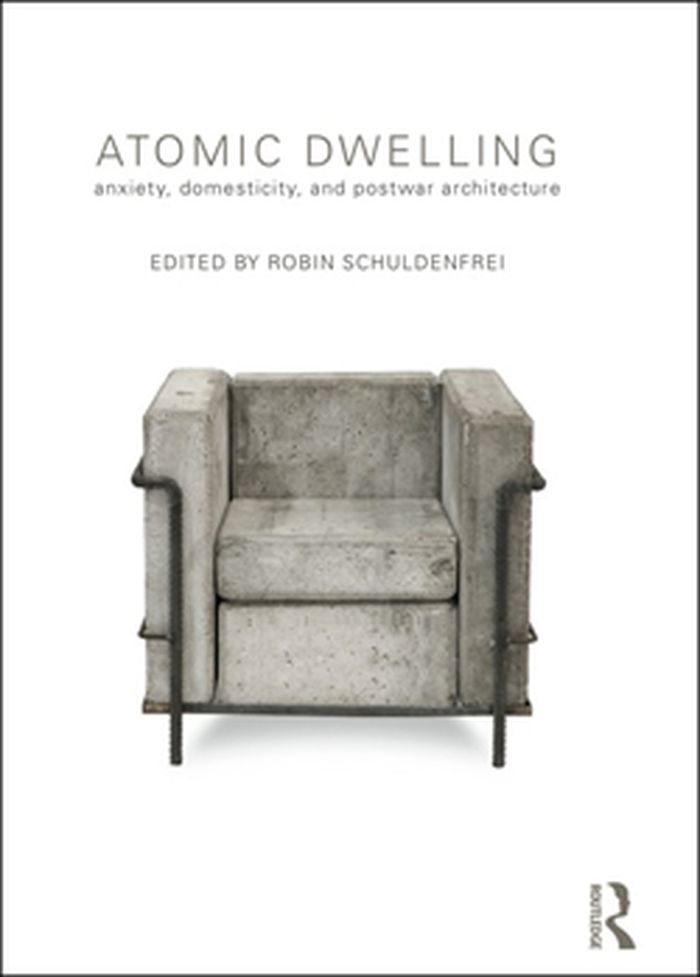
Atomic dwelling: anxiety, domesticity, and postwar architecture
Actions:
Prix:
$58.95
(disponible sur commande)
Résumé:
In the years of reconstruction and economic boom that followed the Second World War, the domestic sphere encountered new expectations regarding social behaviour, modes of living, and forms of dwelling. This book brings together an international group of scholars from architecture, design, urban planning, and interior design to reappraise mid-twentieth century modern life, offering a timely reassessment of culture and the economic and political effects on civilian life. This collection contains essays that examine the material of art, objects, and spaces in the context of practices of dwelling over the long span of the postwar period. It asks what role material objects, interior spaces, and architecture played in quelling or fanning the anxieties of modernism’s ordinary denizens, and how this role informs their legacy today.
Atomic dwelling: anxiety, domesticity, and postwar architecture
Actions:
Prix:
$58.95
(disponible sur commande)
Résumé:
In the years of reconstruction and economic boom that followed the Second World War, the domestic sphere encountered new expectations regarding social behaviour, modes of living, and forms of dwelling. This book brings together an international group of scholars from architecture, design, urban planning, and interior design to reappraise mid-twentieth century modern life, offering a timely reassessment of culture and the economic and political effects on civilian life. This collection contains essays that examine the material of art, objects, and spaces in the context of practices of dwelling over the long span of the postwar period. It asks what role material objects, interior spaces, and architecture played in quelling or fanning the anxieties of modernism’s ordinary denizens, and how this role informs their legacy today.
Classification:
livres
livres
Publication:
mai 2012
mai 2012
Sujet:
Théorie de l’architecture
Théorie de l’architecture
Classification:
livres
livres
Titre:
From cliché to archetype
From cliché to archetype
Actions:
Prix:
$27.95
(disponible sur commande)
Résumé:
In this publication, readers learn how to look at stale clichés with fresh eyes, as artists do, and discover that clichés provide the key to understanding Modernism, from the puns of James Joyce to Ionesco’s Theater of the Absurd. McLuhan mines the greats of modern literature, such as Yeats, Eliot, and Pound, and points the way to richer understanding of their work.(...)
$27.95
(disponible sur commande)
Résumé:
In this publication, readers learn how to look at stale clichés with fresh eyes, as artists do, and discover that clichés provide the key to understanding Modernism, from the puns of James Joyce to Ionesco’s Theater of the Absurd. McLuhan mines the greats of modern literature, such as Yeats, Eliot, and Pound, and points the way to richer understanding of their work.(...)
Titre:
From cliché to archetype
Actions:
Prix:
$27.95
(disponible sur commande)
Résumé:
In this publication, readers learn how to look at stale clichés with fresh eyes, as artists do, and discover that clichés provide the key to understanding Modernism, from the puns of James Joyce to Ionesco’s Theater of the Absurd. McLuhan mines the greats of modern literature, such as Yeats, Eliot, and Pound, and points the way to richer understanding of their work. Discussion ranges over conventional topics of literary analysis such as genres, esthetics, rhetoric, paradox, mimesis, and parody, though never in conventional fashion, because McLuhan deliberately stakes his turf in a manner that draws technology and culture together. As a result, the key terms cliché and archetype are not confined to language but are shown to have counterparts in the non-linguistic world.
From cliché to archetype
Actions:
Prix:
$27.95
(disponible sur commande)
Résumé:
In this publication, readers learn how to look at stale clichés with fresh eyes, as artists do, and discover that clichés provide the key to understanding Modernism, from the puns of James Joyce to Ionesco’s Theater of the Absurd. McLuhan mines the greats of modern literature, such as Yeats, Eliot, and Pound, and points the way to richer understanding of their work. Discussion ranges over conventional topics of literary analysis such as genres, esthetics, rhetoric, paradox, mimesis, and parody, though never in conventional fashion, because McLuhan deliberately stakes his turf in a manner that draws technology and culture together. As a result, the key terms cliché and archetype are not confined to language but are shown to have counterparts in the non-linguistic world.
Classification:
livres
livres
Publication:
janvier 2012
janvier 2012
Sujet:
Théorie/ philosophie
Théorie/ philosophie
Classification:
livres
livres
Actions:
Prix:
$49.95
(disponible sur commande)
Résumé:
Louis Kahn' National Assembly building in Dhaka, the capital of Bangladesh, is regarded by many as his greatest masterpiece and one of the wonders of modern architecture.The octagonal main Parliament building is framed by eight hostel blocks--all built in local red brick, lawns and an artificial lake symbolizing the significance of water in Bangladesh.The striking(...)
$49.95
(disponible sur commande)
Résumé:
Louis Kahn' National Assembly building in Dhaka, the capital of Bangladesh, is regarded by many as his greatest masterpiece and one of the wonders of modern architecture.The octagonal main Parliament building is framed by eight hostel blocks--all built in local red brick, lawns and an artificial lake symbolizing the significance of water in Bangladesh.The striking(...)
Sujet:
Architecture, monographies
Architecture, monographies
Publication:
juin 2014
juin 2014
Titre:
Louis Kahn: house of the nation
Actions:
Prix:
$49.95
(disponible sur commande)
Résumé:
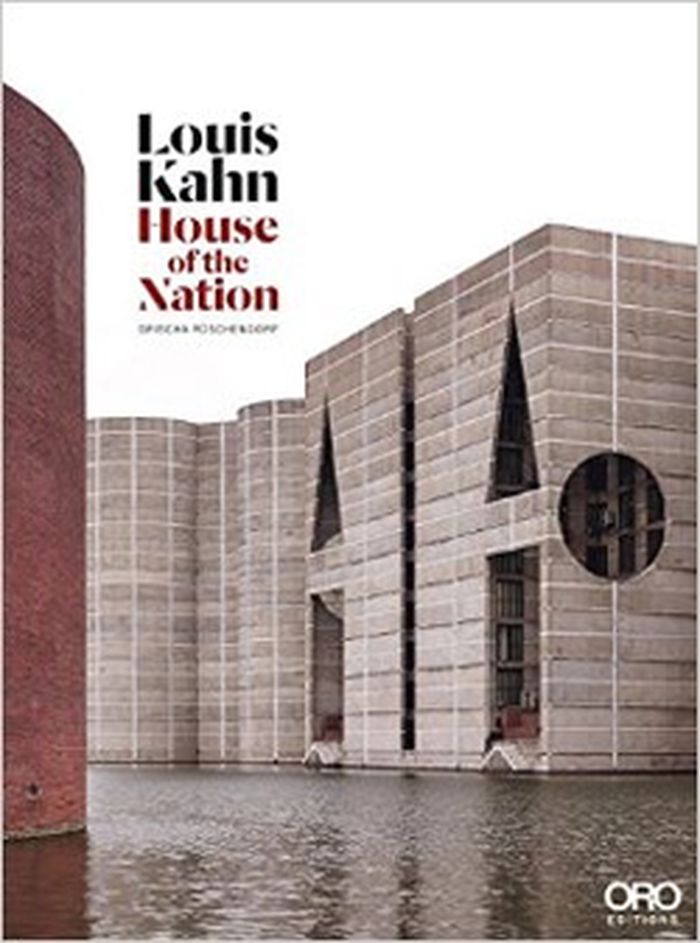
Louis Kahn' National Assembly building in Dhaka, the capital of Bangladesh, is regarded by many as his greatest masterpiece and one of the wonders of modern architecture.The octagonal main Parliament building is framed by eight hostel blocks--all built in local red brick, lawns and an artificial lake symbolizing the significance of water in Bangladesh.The striking simplicity of the exterior, consisting of only concrete and bands of inlaid marble, is broken up by a variety of recessed geometric shapes which create hollow spaces to allow for sunlight and air to circulate the entire building complex. Grischa Rüschendorf’s stunning architectural photos, some depicting so far unseen areas, invite you to explore the rarely visited building, and how this timeless masterpiece has stood the test of time.
Louis Kahn: house of the nation
Actions:
Prix:
$49.95
(disponible sur commande)
Résumé:
Louis Kahn' National Assembly building in Dhaka, the capital of Bangladesh, is regarded by many as his greatest masterpiece and one of the wonders of modern architecture.The octagonal main Parliament building is framed by eight hostel blocks--all built in local red brick, lawns and an artificial lake symbolizing the significance of water in Bangladesh.The striking simplicity of the exterior, consisting of only concrete and bands of inlaid marble, is broken up by a variety of recessed geometric shapes which create hollow spaces to allow for sunlight and air to circulate the entire building complex. Grischa Rüschendorf’s stunning architectural photos, some depicting so far unseen areas, invite you to explore the rarely visited building, and how this timeless masterpiece has stood the test of time.
Classification:
livres
livres
Publication:
juin 2014
juin 2014
Sujet:
Architecture, monographies
Architecture, monographies
Classification:
livres
livres
Actions:
Prix:
$56.95
(disponible sur commande)
Résumé:
Film noir remains one of the most enduring legacies of 1940's and 1950's Hollywood. Populated by double-crossing, unsavory characters, this pioneering film style explored a shadow side of American life during a period of tremendous prosperity and optimism. Edward Dimendberg compellingly demonstrates how film noir is preoccupied with modernity, particularly the urban(...)
$56.95
(disponible sur commande)
Résumé:
Film noir remains one of the most enduring legacies of 1940's and 1950's Hollywood. Populated by double-crossing, unsavory characters, this pioneering film style explored a shadow side of American life during a period of tremendous prosperity and optimism. Edward Dimendberg compellingly demonstrates how film noir is preoccupied with modernity, particularly the urban(...)
Publication:
avril 2004, Cambridge, Mass.
avril 2004, Cambridge, Mass.
Titre:
Film noir and the spaces of modernity
Actions:
Prix:
$56.95
(disponible sur commande)
Résumé:
Film noir remains one of the most enduring legacies of 1940's and 1950's Hollywood. Populated by double-crossing, unsavory characters, this pioneering film style explored a shadow side of American life during a period of tremendous prosperity and optimism. Edward Dimendberg compellingly demonstrates how film noir is preoccupied with modernity, particularly the urban landscape. The originality of Dimendberg's approach lies in his examining these films in tandem with historical developments in architecture, city planning, and modern communications systems. He confirms that noir is not simply a reflection of modernity but a virtual continuation of the spaces of the metropolis. He convincingly shows that Hollywood's dark thrillers of the postwar decades were determined by the same forces that shaped the city itself. Exploring classic examples of film noir such as "The Asphalt Jungle", "Double Indemnity", "Kiss Me Deadly", and "The Naked City" alongside many lesser-known works, Dimendberg masterfully interweaves film history and urban history while perceptively analyzing works by Raymond Chandler, Edward Hopper, Siegfried Kracauer, and Henri Lefebvre. A bold intervention in cultural studies and a major contribution to film history, Film Noir and the Spaces of Modernity will provoke debate by cinema scholars, urban historians, and students of modern culture - and will captivate admirers of a vital period in American cinema.
Film noir and the spaces of modernity
Actions:
Prix:
$56.95
(disponible sur commande)
Résumé:
Film noir remains one of the most enduring legacies of 1940's and 1950's Hollywood. Populated by double-crossing, unsavory characters, this pioneering film style explored a shadow side of American life during a period of tremendous prosperity and optimism. Edward Dimendberg compellingly demonstrates how film noir is preoccupied with modernity, particularly the urban landscape. The originality of Dimendberg's approach lies in his examining these films in tandem with historical developments in architecture, city planning, and modern communications systems. He confirms that noir is not simply a reflection of modernity but a virtual continuation of the spaces of the metropolis. He convincingly shows that Hollywood's dark thrillers of the postwar decades were determined by the same forces that shaped the city itself. Exploring classic examples of film noir such as "The Asphalt Jungle", "Double Indemnity", "Kiss Me Deadly", and "The Naked City" alongside many lesser-known works, Dimendberg masterfully interweaves film history and urban history while perceptively analyzing works by Raymond Chandler, Edward Hopper, Siegfried Kracauer, and Henri Lefebvre. A bold intervention in cultural studies and a major contribution to film history, Film Noir and the Spaces of Modernity will provoke debate by cinema scholars, urban historians, and students of modern culture - and will captivate admirers of a vital period in American cinema.
Classification:
livres
livres
Publication:
avril 2004, Cambridge, Mass.
avril 2004, Cambridge, Mass.
Classification:
livres
livres
Actions:
Prix:
$45.00
(disponible sur commande)
Résumé:
In this book, Richard Hill examines the many-faceted relationship between aesthetic theory and architecture. Grounding his arguments in the practical issues related to building - the demands of site, materials, labor force, the nature of the commission - Hill expands our understanding and enjoyment of architecture. The book opens with an analysis of the relationship(...)
$45.00
(disponible sur commande)
Résumé:
In this book, Richard Hill examines the many-faceted relationship between aesthetic theory and architecture. Grounding his arguments in the practical issues related to building - the demands of site, materials, labor force, the nature of the commission - Hill expands our understanding and enjoyment of architecture. The book opens with an analysis of the relationship(...)
Titre:
Designs and their consequences
Actions:
Prix:
$45.00
(disponible sur commande)
Résumé:
In this book, Richard Hill examines the many-faceted relationship between aesthetic theory and architecture. Grounding his arguments in the practical issues related to building - the demands of site, materials, labor force, the nature of the commission - Hill expands our understanding and enjoyment of architecture. The book opens with an analysis of the relationship between buildings, drawings, and designs. Hill suggests that architectural drawings are essentially pictures of physical objects, although initially they may be imagined ones, and he considers the implications of this for architects and builders. He discusses the notion of "architectural experience" that has been important in the development of modern architecture, and the notion of "seeing as" that has been developed for other visual arts and that illuminates a range of architectural meaning. Asking how architecture can be expressive of a range of human states and qualities, Hill tests the idea that our ability to see the expressive aspects of buildings relates to our ability to see meaning in the faces and demeanor of other people. In the final section of the book, the author focuses on modern architecture's central aim to deepen the connection between usefulness and design, explores recent intense criticism of this outlook, and assesses the strengths and weaknesses of this body of criticism.
Designs and their consequences
Actions:
Prix:
$45.00
(disponible sur commande)
Résumé:
In this book, Richard Hill examines the many-faceted relationship between aesthetic theory and architecture. Grounding his arguments in the practical issues related to building - the demands of site, materials, labor force, the nature of the commission - Hill expands our understanding and enjoyment of architecture. The book opens with an analysis of the relationship between buildings, drawings, and designs. Hill suggests that architectural drawings are essentially pictures of physical objects, although initially they may be imagined ones, and he considers the implications of this for architects and builders. He discusses the notion of "architectural experience" that has been important in the development of modern architecture, and the notion of "seeing as" that has been developed for other visual arts and that illuminates a range of architectural meaning. Asking how architecture can be expressive of a range of human states and qualities, Hill tests the idea that our ability to see the expressive aspects of buildings relates to our ability to see meaning in the faces and demeanor of other people. In the final section of the book, the author focuses on modern architecture's central aim to deepen the connection between usefulness and design, explores recent intense criticism of this outlook, and assesses the strengths and weaknesses of this body of criticism.
Classification:
livres
livres
Publication:
août 1999, New Haven
août 1999, New Haven
Sujet:
Théorie de l’architecture
Théorie de l’architecture
Classification:
livres
livres
Prix:
$49.95
(disponible sur commande)
Résumé:
"Last Landscapes" is an exploration of the cult and celebration of death, loss and memory. It traces the history and design of burial places throughout Europe and the USA, ranging from the picturesque tradition of the village churchyard to tightly packed ‘cities of the dead’, such as the Jewish Cemetery in Prague and Père Lachaise in Paris. Other landscapes that feature(...)
$49.95
(disponible sur commande)
Résumé:
"Last Landscapes" is an exploration of the cult and celebration of death, loss and memory. It traces the history and design of burial places throughout Europe and the USA, ranging from the picturesque tradition of the village churchyard to tightly packed ‘cities of the dead’, such as the Jewish Cemetery in Prague and Père Lachaise in Paris. Other landscapes that feature(...)
Titre:
Last landscapes : the architecture of the cemetery in the west
Actions:
Prix:
$49.95
(disponible sur commande)
Résumé:
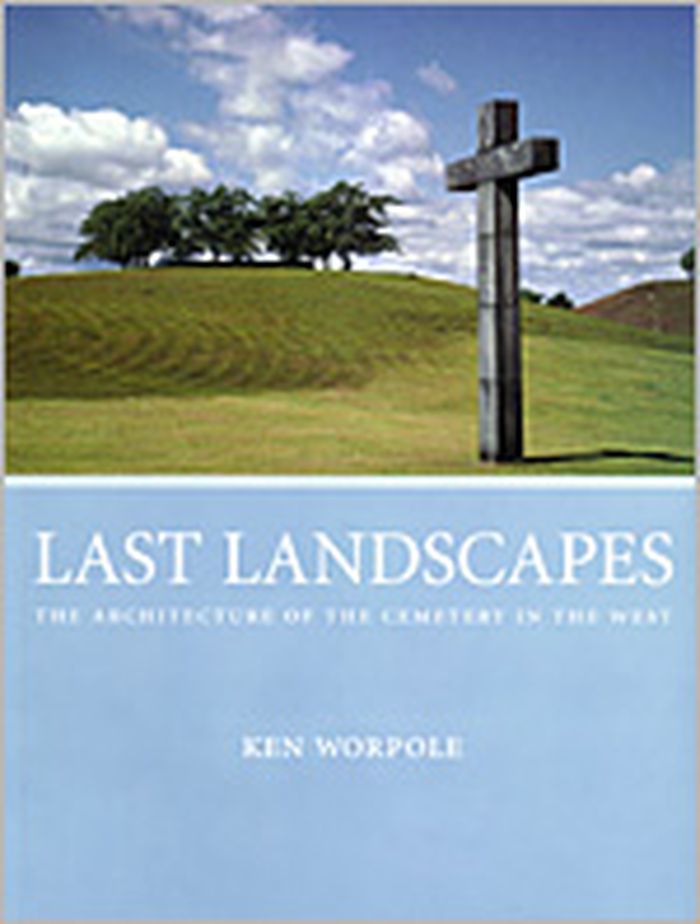
"Last Landscapes" is an exploration of the cult and celebration of death, loss and memory. It traces the history and design of burial places throughout Europe and the USA, ranging from the picturesque tradition of the village churchyard to tightly packed ‘cities of the dead’, such as the Jewish Cemetery in Prague and Père Lachaise in Paris. Other landscapes that feature in this book include the war cemeteries of northern France, Viking burial islands in central Sweden, Etruscan tombs and early Christian catacombs in Italy, the 17th-century Portuguese–Jewish cemetery 'Beth Haim' at Ouderkerk in the Netherlands, Forest Lawns in California, Derek Jarman’s garden in Kent and the Stockholm Woodland Cemetery. It is a fact that architecture ‘began with the tomb', yet, as Ken Worpole shows us in Last Landscapes, many historic cemeteries have been demolished or abandoned in recent times (notably the case with Jewish cemeteries in Eastern Europe), and there has been an increasing loss of inscription and memorialization in the modern urban cemetery. Too often cemeteries today are both poorly designed and physically and culturally marginalized. Worse, cremation denies a full architectural response to the mystery and solemnity of death. The author explores how modes of disposal – burial, cremation, inhumation in mausoleums and wall tombs – vary across Europe and North America, according to religious and other cultural influences. And Last Landscapes raises profound questions as to how, in an age of mass cremation, architects and landscape designers might create meaningful structures and settings in the absence of a body, since for most of history the human body itself has provided the fundamental structural scale. This evocative book also contemplates other forms of memorialization within modern societies, from sculptures to parks, most notably the extraordinary Duisberg Park, set in a former giant steelworks in Germany’s Ruhr Valley.
Last landscapes : the architecture of the cemetery in the west
Actions:
Prix:
$49.95
(disponible sur commande)
Résumé:
"Last Landscapes" is an exploration of the cult and celebration of death, loss and memory. It traces the history and design of burial places throughout Europe and the USA, ranging from the picturesque tradition of the village churchyard to tightly packed ‘cities of the dead’, such as the Jewish Cemetery in Prague and Père Lachaise in Paris. Other landscapes that feature in this book include the war cemeteries of northern France, Viking burial islands in central Sweden, Etruscan tombs and early Christian catacombs in Italy, the 17th-century Portuguese–Jewish cemetery 'Beth Haim' at Ouderkerk in the Netherlands, Forest Lawns in California, Derek Jarman’s garden in Kent and the Stockholm Woodland Cemetery. It is a fact that architecture ‘began with the tomb', yet, as Ken Worpole shows us in Last Landscapes, many historic cemeteries have been demolished or abandoned in recent times (notably the case with Jewish cemeteries in Eastern Europe), and there has been an increasing loss of inscription and memorialization in the modern urban cemetery. Too often cemeteries today are both poorly designed and physically and culturally marginalized. Worse, cremation denies a full architectural response to the mystery and solemnity of death. The author explores how modes of disposal – burial, cremation, inhumation in mausoleums and wall tombs – vary across Europe and North America, according to religious and other cultural influences. And Last Landscapes raises profound questions as to how, in an age of mass cremation, architects and landscape designers might create meaningful structures and settings in the absence of a body, since for most of history the human body itself has provided the fundamental structural scale. This evocative book also contemplates other forms of memorialization within modern societies, from sculptures to parks, most notably the extraordinary Duisberg Park, set in a former giant steelworks in Germany’s Ruhr Valley.
Classification:
livres
livres
Publication:
juin 2003, London
juin 2003, London
Sujet:
Jardins
Jardins
Classification:
livres
livres
Actions:
Prix:
$45.00
(disponible sur commande)
Résumé:
From the summer of 1933 to the fall of 1934, more than 38 million fairgoers visited a 3-mile stretch along Lake Michigan, home to Chicago’s second World’s Fair. Millions more experienced the Century of Progress International Exposition through newspaper and magazine articles, newsreels, and souvenirs. Together, all marveled at the industrial, scientific, consumer, and(...)
$45.00
(disponible sur commande)
Résumé:
From the summer of 1933 to the fall of 1934, more than 38 million fairgoers visited a 3-mile stretch along Lake Michigan, home to Chicago’s second World’s Fair. Millions more experienced the Century of Progress International Exposition through newspaper and magazine articles, newsreels, and souvenirs. Together, all marveled at the industrial, scientific, consumer, and(...)
Publication:
août 2007, Minneapolis, London
août 2007, Minneapolis, London
Titre:
Building a century of progress : the architecture of Chicago's 1933-34 World's Fair
Actions:
Prix:
$45.00
(disponible sur commande)
Résumé:
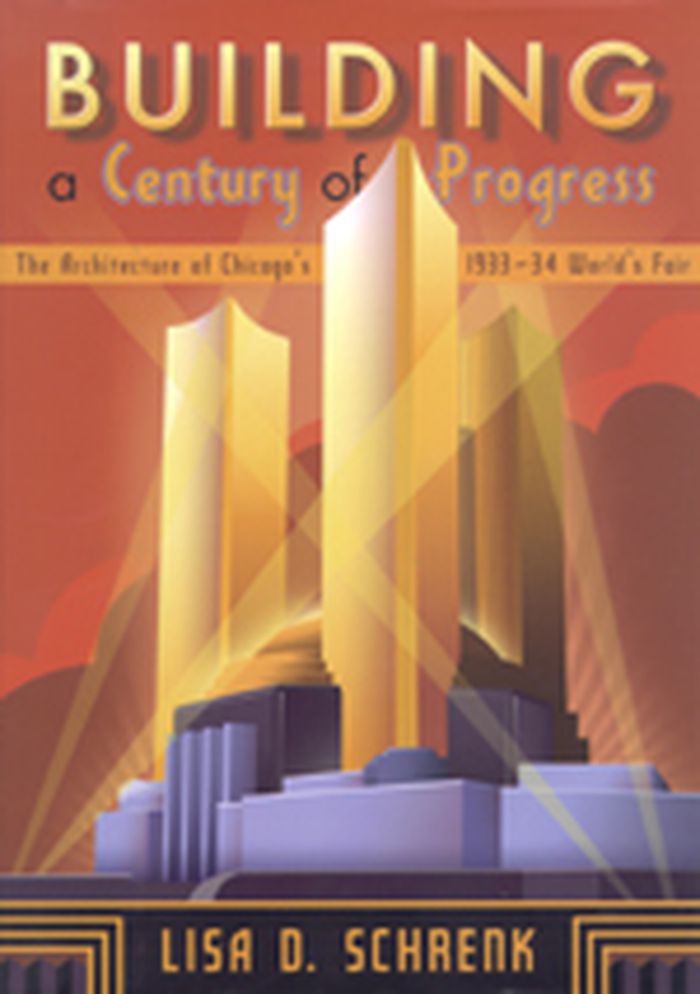
From the summer of 1933 to the fall of 1934, more than 38 million fairgoers visited a 3-mile stretch along Lake Michigan, home to Chicago’s second World’s Fair. Millions more experienced the Century of Progress International Exposition through newspaper and magazine articles, newsreels, and souvenirs. Together, all marveled at the industrial, scientific, consumer, and cultural displays, many of which were housed in fifty massive and colorful exhibition halls, the largest architectural project realized in the United States during the Great Depression. In the richly illustrated "Building a century of progress", Lisa D. Schrenk explores the pivotal role of the 1933 Chicago World’s Fair in modern American architecture. She recounts how the exposition’s architectural commission promoted a broad definition of modern architecture, not relying on purely aesthetic characteristics but instead focusing on new design solutions. The fair’s pavilions incorporated recently introduced building materials such as masonite and gypsum board; structural innovations (for example, the first thin-shell concrete roof and the first suspended roof structures built in the United States); and new construction processes, most notably the use of prefabrication. They also featured curiosities like the giant, constantly operating mayonnaise maker and the glass-walled House of Tomorrow, which had no operable windows. Schrenk shows how the halls’ designs reflected cultural and political developments of the period, including the expanding relationships between science, industry, and government; the rise of a corporate consumer culture; and the impact of the Great Depression. Many of the designs provoked intense responses from critics and other prominent architects, including Frank Lloyd Wright and Ralph Adams Cram, fueling heated debates over the appropriate direction for architecture in the United States. Demonstrating the rich diversity of progressive American building design seen at the fair, this book captures a crucial moment in American modernism.
Building a century of progress : the architecture of Chicago's 1933-34 World's Fair
Actions:
Prix:
$45.00
(disponible sur commande)
Résumé:
From the summer of 1933 to the fall of 1934, more than 38 million fairgoers visited a 3-mile stretch along Lake Michigan, home to Chicago’s second World’s Fair. Millions more experienced the Century of Progress International Exposition through newspaper and magazine articles, newsreels, and souvenirs. Together, all marveled at the industrial, scientific, consumer, and cultural displays, many of which were housed in fifty massive and colorful exhibition halls, the largest architectural project realized in the United States during the Great Depression. In the richly illustrated "Building a century of progress", Lisa D. Schrenk explores the pivotal role of the 1933 Chicago World’s Fair in modern American architecture. She recounts how the exposition’s architectural commission promoted a broad definition of modern architecture, not relying on purely aesthetic characteristics but instead focusing on new design solutions. The fair’s pavilions incorporated recently introduced building materials such as masonite and gypsum board; structural innovations (for example, the first thin-shell concrete roof and the first suspended roof structures built in the United States); and new construction processes, most notably the use of prefabrication. They also featured curiosities like the giant, constantly operating mayonnaise maker and the glass-walled House of Tomorrow, which had no operable windows. Schrenk shows how the halls’ designs reflected cultural and political developments of the period, including the expanding relationships between science, industry, and government; the rise of a corporate consumer culture; and the impact of the Great Depression. Many of the designs provoked intense responses from critics and other prominent architects, including Frank Lloyd Wright and Ralph Adams Cram, fueling heated debates over the appropriate direction for architecture in the United States. Demonstrating the rich diversity of progressive American building design seen at the fair, this book captures a crucial moment in American modernism.
Classification:
livres
livres
Publication:
août 2007, Minneapolis, London
août 2007, Minneapolis, London
Classification:
livres
livres
Prix:
$49.95
(disponible sur commande)
Résumé:
This landmark collection of illustrated essays explores the vastly under-appreciated history of America's other cities — the great metropolises found south of our borders in Central and South America. Buenos Aires, Sao Paulo, Mexico City, Caracas, Havana, Santiago, Rio, Tijuana, and Quito are just some of the subjects of this diverse collection. How have desires to(...)
$49.95
(disponible sur commande)
Résumé:
This landmark collection of illustrated essays explores the vastly under-appreciated history of America's other cities — the great metropolises found south of our borders in Central and South America. Buenos Aires, Sao Paulo, Mexico City, Caracas, Havana, Santiago, Rio, Tijuana, and Quito are just some of the subjects of this diverse collection. How have desires to(...)
Titre:
Cruelty & utopia : cities and landscapes of Latin America
Actions:
Prix:
$49.95
(disponible sur commande)
Résumé:
This landmark collection of illustrated essays explores the vastly under-appreciated history of America's other cities — the great metropolises found south of our borders in Central and South America. Buenos Aires, Sao Paulo, Mexico City, Caracas, Havana, Santiago, Rio, Tijuana, and Quito are just some of the subjects of this diverse collection. How have desires to create modern societies shaped these cities, leading to both architectural masterworks (by the likes of Luis Barragan, Juan O'Gorman, Lucio Costa, Roberto Burle Marx, Carlos Raul Villanueva, and Lina Bo Bardi) and the most shocking favelas? How have they grappled with concepts of national identity, their colonial history, and the continued demands of a globalized economy? Lavishly illustrated, "Cruelty and Utopia" features the work of such leading scholars as Carlos Fuentes, Edward Burian, Lauro Cavalcanti, Fernando Oayrzun, Roberto Segre, and Eduardo Subirats, along with artwork ranging from colonial paintings to stills from Chantal Akerman's film "From the Other Side". Also included is a revised translation of Spanish King Philip II's influential planning treatise of 1573, the "Laws of the Indies," which did so much to define the form of the Latin American city.
Cruelty & utopia : cities and landscapes of Latin America
Actions:
Prix:
$49.95
(disponible sur commande)
Résumé:
This landmark collection of illustrated essays explores the vastly under-appreciated history of America's other cities — the great metropolises found south of our borders in Central and South America. Buenos Aires, Sao Paulo, Mexico City, Caracas, Havana, Santiago, Rio, Tijuana, and Quito are just some of the subjects of this diverse collection. How have desires to create modern societies shaped these cities, leading to both architectural masterworks (by the likes of Luis Barragan, Juan O'Gorman, Lucio Costa, Roberto Burle Marx, Carlos Raul Villanueva, and Lina Bo Bardi) and the most shocking favelas? How have they grappled with concepts of national identity, their colonial history, and the continued demands of a globalized economy? Lavishly illustrated, "Cruelty and Utopia" features the work of such leading scholars as Carlos Fuentes, Edward Burian, Lauro Cavalcanti, Fernando Oayrzun, Roberto Segre, and Eduardo Subirats, along with artwork ranging from colonial paintings to stills from Chantal Akerman's film "From the Other Side". Also included is a revised translation of Spanish King Philip II's influential planning treatise of 1573, the "Laws of the Indies," which did so much to define the form of the Latin American city.
Classification:
livres
livres
Publication:
janvier 2005, New York
janvier 2005, New York
Sujet:
Arch Moyen-Orient
Arch Moyen-Orient
Classification:
livres
livres
Titre:
Nietzsche for architects
Nietzsche for architects
Actions:
Prix:
$48.95
(disponible sur commande)
Résumé:
Nietzsche’s philosophy is provocative and complex and has been hugely influential on modern intellectual history and European culture. But his critical approach and writing style invites misunderstandings, sometimes with disastrous consequences. His ideas—or those loosely associated with him—are often briefly cited in scholarly studies in architectural theory and history.(...)
$48.95
(disponible sur commande)
Résumé:
Nietzsche’s philosophy is provocative and complex and has been hugely influential on modern intellectual history and European culture. But his critical approach and writing style invites misunderstandings, sometimes with disastrous consequences. His ideas—or those loosely associated with him—are often briefly cited in scholarly studies in architectural theory and history.(...)
Titre:
Nietzsche for architects
Actions:
Prix:
$48.95
(disponible sur commande)
Résumé:
Nietzsche’s philosophy is provocative and complex and has been hugely influential on modern intellectual history and European culture. But his critical approach and writing style invites misunderstandings, sometimes with disastrous consequences. His ideas—or those loosely associated with him—are often briefly cited in scholarly studies in architectural theory and history. His ideas are thought to have influenced the theories and designs of such iconic architects as Le Corbusier, Henry van de Velde, Bruno Taut, Louis H. Sullivan, Lebbeus Woods, and Peter Eisenman, as well as competing approaches to architecture and design, such as those adopted by the Bauhaus School and the Nazis. In the bewildering array of architectural positions that lay claim to Nietzsche as an influence, how can we begin to make sense of Nietzsche’s own approach to architecture? And how can we identify within his complex philosophy the key ideas and themes we require to make sense of his contribution to architecture? This first introduction to Nietzsche’s philosophy written specifically for architects locates his evaluation of appropriate and inappropriate architecture in the body of his writings and presents a clear overview of Nietzsche’s insights into architectural design alongside his advice for architects and designers.
Nietzsche for architects
Actions:
Prix:
$48.95
(disponible sur commande)
Résumé:
Nietzsche’s philosophy is provocative and complex and has been hugely influential on modern intellectual history and European culture. But his critical approach and writing style invites misunderstandings, sometimes with disastrous consequences. His ideas—or those loosely associated with him—are often briefly cited in scholarly studies in architectural theory and history. His ideas are thought to have influenced the theories and designs of such iconic architects as Le Corbusier, Henry van de Velde, Bruno Taut, Louis H. Sullivan, Lebbeus Woods, and Peter Eisenman, as well as competing approaches to architecture and design, such as those adopted by the Bauhaus School and the Nazis. In the bewildering array of architectural positions that lay claim to Nietzsche as an influence, how can we begin to make sense of Nietzsche’s own approach to architecture? And how can we identify within his complex philosophy the key ideas and themes we require to make sense of his contribution to architecture? This first introduction to Nietzsche’s philosophy written specifically for architects locates his evaluation of appropriate and inappropriate architecture in the body of his writings and presents a clear overview of Nietzsche’s insights into architectural design alongside his advice for architects and designers.
Classification:
livres
livres
Publication:
novembre 2025
novembre 2025
Sujet:
Théorie/ philosophie
Théorie/ philosophie
Classification:
livres
livres
Titre:
Robot futures
Robot futures
Actions:
Prix:
$27.00
(disponible sur commande)
Résumé:
With robots, we are inventing a new species that is part material and part digital. The ambition of modern robotics goes beyond copying humans, beyond the effort to make walking, talking androids that are indistinguishable from people. Future robots will have superhuman abilities in both the physical and digital realms. They will be embedded in our physical spaces, with(...)
$27.00
(disponible sur commande)
Résumé:
With robots, we are inventing a new species that is part material and part digital. The ambition of modern robotics goes beyond copying humans, beyond the effort to make walking, talking androids that are indistinguishable from people. Future robots will have superhuman abilities in both the physical and digital realms. They will be embedded in our physical spaces, with(...)
Titre:
Robot futures
Actions:
Prix:
$27.00
(disponible sur commande)
Résumé:
With robots, we are inventing a new species that is part material and part digital. The ambition of modern robotics goes beyond copying humans, beyond the effort to make walking, talking androids that are indistinguishable from people. Future robots will have superhuman abilities in both the physical and digital realms. They will be embedded in our physical spaces, with the ability to go where we cannot, and will have minds of their own, thanks to artificial intelligence. In ''Robot futures,'' the roboticist Illah Reza Nourbakhsh considers how we will share our world with these creatures, and how our society could change as it incorporates a race of stronger, smarter beings. Nourbakhsh imagines a future that includes adbots offering interactive custom messaging; robotic flying toys that operate by means of “gaze tracking”; robot-enabled multimodal, multicontinental telepresence; and even a way that nanorobots could allow us to assume different physical forms. Nourbakhsh examines the underlying technology and the social consequences of each scenario. He also offers a counter-vision: a robotics designed to create civic and community empowerment. His book helps us understand why that is the robot future we should try to bring about.
Robot futures
Actions:
Prix:
$27.00
(disponible sur commande)
Résumé:
With robots, we are inventing a new species that is part material and part digital. The ambition of modern robotics goes beyond copying humans, beyond the effort to make walking, talking androids that are indistinguishable from people. Future robots will have superhuman abilities in both the physical and digital realms. They will be embedded in our physical spaces, with the ability to go where we cannot, and will have minds of their own, thanks to artificial intelligence. In ''Robot futures,'' the roboticist Illah Reza Nourbakhsh considers how we will share our world with these creatures, and how our society could change as it incorporates a race of stronger, smarter beings. Nourbakhsh imagines a future that includes adbots offering interactive custom messaging; robotic flying toys that operate by means of “gaze tracking”; robot-enabled multimodal, multicontinental telepresence; and even a way that nanorobots could allow us to assume different physical forms. Nourbakhsh examines the underlying technology and the social consequences of each scenario. He also offers a counter-vision: a robotics designed to create civic and community empowerment. His book helps us understand why that is the robot future we should try to bring about.
Classification:
livres
livres
Publication:
août 2015
août 2015
Sujet:
Social
Social


