


2705 Résultats
Classification:
livres
livres
Actions:
Prix:
$45.00
(disponible sur commande)
Résumé:
From the summer of 1933 to the fall of 1934, more than 38 million fairgoers visited a 3-mile stretch along Lake Michigan, home to Chicago’s second World’s Fair. Millions more experienced the Century of Progress International Exposition through newspaper and magazine articles, newsreels, and souvenirs. Together, all marveled at the industrial, scientific, consumer, and(...)
Publication:
août 2007, Minneapolis, London
août 2007, Minneapolis, London
Titre:
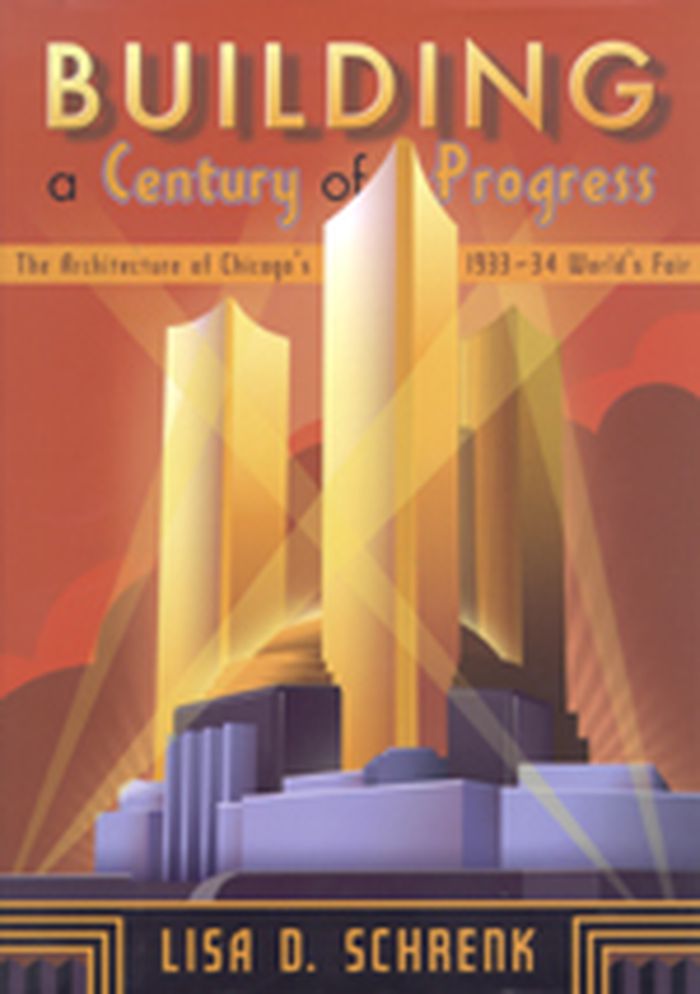
Building a century of progress : the architecture of Chicago's 1933-34 World's Fair
Actions:
Prix:
$45.00
(disponible sur commande)
Résumé:
From the summer of 1933 to the fall of 1934, more than 38 million fairgoers visited a 3-mile stretch along Lake Michigan, home to Chicago’s second World’s Fair. Millions more experienced the Century of Progress International Exposition through newspaper and magazine articles, newsreels, and souvenirs. Together, all marveled at the industrial, scientific, consumer, and cultural displays, many of which were housed in fifty massive and colorful exhibition halls, the largest architectural project realized in the United States during the Great Depression. In the richly illustrated "Building a century of progress", Lisa D. Schrenk explores the pivotal role of the 1933 Chicago World’s Fair in modern American architecture. She recounts how the exposition’s architectural commission promoted a broad definition of modern architecture, not relying on purely aesthetic characteristics but instead focusing on new design solutions. The fair’s pavilions incorporated recently introduced building materials such as masonite and gypsum board; structural innovations (for example, the first thin-shell concrete roof and the first suspended roof structures built in the United States); and new construction processes, most notably the use of prefabrication. They also featured curiosities like the giant, constantly operating mayonnaise maker and the glass-walled House of Tomorrow, which had no operable windows. Schrenk shows how the halls’ designs reflected cultural and political developments of the period, including the expanding relationships between science, industry, and government; the rise of a corporate consumer culture; and the impact of the Great Depression. Many of the designs provoked intense responses from critics and other prominent architects, including Frank Lloyd Wright and Ralph Adams Cram, fueling heated debates over the appropriate direction for architecture in the United States. Demonstrating the rich diversity of progressive American building design seen at the fair, this book captures a crucial moment in American modernism.
Classification:
livres
livres
Publication:
août 2007, Minneapolis, London
août 2007, Minneapolis, London
Classification:
livres
livres
Prix:
$49.95
(disponible sur commande)
Résumé:
"Last Landscapes" is an exploration of the cult and celebration of death, loss and memory. It traces the history and design of burial places throughout Europe and the USA, ranging from the picturesque tradition of the village churchyard to tightly packed ‘cities of the dead’, such as the Jewish Cemetery in Prague and Père Lachaise in Paris. Other landscapes that feature(...)
Titre:
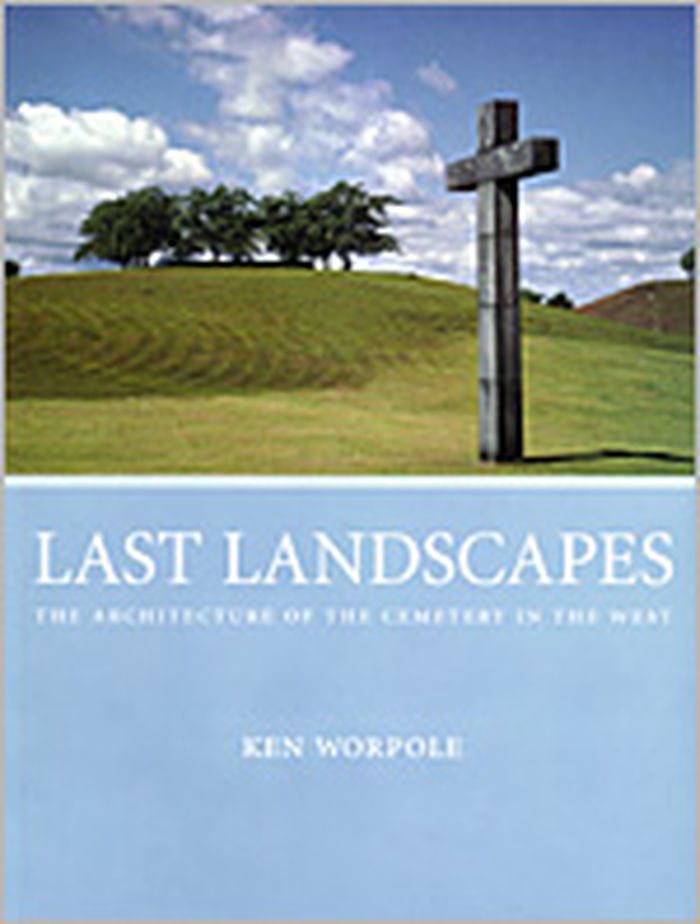
Last landscapes : the architecture of the cemetery in the west
Actions:
Prix:
$49.95
(disponible sur commande)
Résumé:
"Last Landscapes" is an exploration of the cult and celebration of death, loss and memory. It traces the history and design of burial places throughout Europe and the USA, ranging from the picturesque tradition of the village churchyard to tightly packed ‘cities of the dead’, such as the Jewish Cemetery in Prague and Père Lachaise in Paris. Other landscapes that feature in this book include the war cemeteries of northern France, Viking burial islands in central Sweden, Etruscan tombs and early Christian catacombs in Italy, the 17th-century Portuguese–Jewish cemetery 'Beth Haim' at Ouderkerk in the Netherlands, Forest Lawns in California, Derek Jarman’s garden in Kent and the Stockholm Woodland Cemetery. It is a fact that architecture ‘began with the tomb', yet, as Ken Worpole shows us in Last Landscapes, many historic cemeteries have been demolished or abandoned in recent times (notably the case with Jewish cemeteries in Eastern Europe), and there has been an increasing loss of inscription and memorialization in the modern urban cemetery. Too often cemeteries today are both poorly designed and physically and culturally marginalized. Worse, cremation denies a full architectural response to the mystery and solemnity of death. The author explores how modes of disposal – burial, cremation, inhumation in mausoleums and wall tombs – vary across Europe and North America, according to religious and other cultural influences. And Last Landscapes raises profound questions as to how, in an age of mass cremation, architects and landscape designers might create meaningful structures and settings in the absence of a body, since for most of history the human body itself has provided the fundamental structural scale. This evocative book also contemplates other forms of memorialization within modern societies, from sculptures to parks, most notably the extraordinary Duisberg Park, set in a former giant steelworks in Germany’s Ruhr Valley.
Classification:
livres
livres
Publication:
juin 2003, London
juin 2003, London
Sujet:
Jardins
Jardins
Classification:
livres
livres
Titre:
Nietzsche for architects
Nietzsche for architects
Actions:
Prix:
$48.95
(disponible sur commande)
Résumé:
Nietzsche’s philosophy is provocative and complex and has been hugely influential on modern intellectual history and European culture. But his critical approach and writing style invites misunderstandings, sometimes with disastrous consequences. His ideas—or those loosely associated with him—are often briefly cited in scholarly studies in architectural theory and history.(...)
Titre:
Nietzsche for architects
Actions:
Prix:
$48.95
(disponible sur commande)
Résumé:
Nietzsche’s philosophy is provocative and complex and has been hugely influential on modern intellectual history and European culture. But his critical approach and writing style invites misunderstandings, sometimes with disastrous consequences. His ideas—or those loosely associated with him—are often briefly cited in scholarly studies in architectural theory and history. His ideas are thought to have influenced the theories and designs of such iconic architects as Le Corbusier, Henry van de Velde, Bruno Taut, Louis H. Sullivan, Lebbeus Woods, and Peter Eisenman, as well as competing approaches to architecture and design, such as those adopted by the Bauhaus School and the Nazis. In the bewildering array of architectural positions that lay claim to Nietzsche as an influence, how can we begin to make sense of Nietzsche’s own approach to architecture? And how can we identify within his complex philosophy the key ideas and themes we require to make sense of his contribution to architecture? This first introduction to Nietzsche’s philosophy written specifically for architects locates his evaluation of appropriate and inappropriate architecture in the body of his writings and presents a clear overview of Nietzsche’s insights into architectural design alongside his advice for architects and designers.
Classification:
livres
livres
Publication:
novembre 2025
novembre 2025
Sujet:
Théorie/ philosophie
Théorie/ philosophie
Classification:
livres
livres
Prix:
$49.95
(disponible sur commande)
Résumé:
This landmark collection of illustrated essays explores the vastly under-appreciated history of America's other cities — the great metropolises found south of our borders in Central and South America. Buenos Aires, Sao Paulo, Mexico City, Caracas, Havana, Santiago, Rio, Tijuana, and Quito are just some of the subjects of this diverse collection. How have desires to(...)
Publication:
janvier 2005, New York
janvier 2005, New York
Titre:
Cruelty & utopia : cities and landscapes of Latin America
Actions:
Prix:
$49.95
(disponible sur commande)
Résumé:
This landmark collection of illustrated essays explores the vastly under-appreciated history of America's other cities — the great metropolises found south of our borders in Central and South America. Buenos Aires, Sao Paulo, Mexico City, Caracas, Havana, Santiago, Rio, Tijuana, and Quito are just some of the subjects of this diverse collection. How have desires to create modern societies shaped these cities, leading to both architectural masterworks (by the likes of Luis Barragan, Juan O'Gorman, Lucio Costa, Roberto Burle Marx, Carlos Raul Villanueva, and Lina Bo Bardi) and the most shocking favelas? How have they grappled with concepts of national identity, their colonial history, and the continued demands of a globalized economy? Lavishly illustrated, "Cruelty and Utopia" features the work of such leading scholars as Carlos Fuentes, Edward Burian, Lauro Cavalcanti, Fernando Oayrzun, Roberto Segre, and Eduardo Subirats, along with artwork ranging from colonial paintings to stills from Chantal Akerman's film "From the Other Side". Also included is a revised translation of Spanish King Philip II's influential planning treatise of 1573, the "Laws of the Indies," which did so much to define the form of the Latin American city.
Classification:
livres
livres
Publication:
janvier 2005, New York
janvier 2005, New York
Classification:
livres
livres
Titre:
Robot futures
Robot futures
Actions:
Prix:
$27.00
(disponible sur commande)
Résumé:
With robots, we are inventing a new species that is part material and part digital. The ambition of modern robotics goes beyond copying humans, beyond the effort to make walking, talking androids that are indistinguishable from people. Future robots will have superhuman abilities in both the physical and digital realms. They will be embedded in our physical spaces, with(...)
Titre:
Robot futures
Actions:
Prix:
$27.00
(disponible sur commande)
Résumé:
With robots, we are inventing a new species that is part material and part digital. The ambition of modern robotics goes beyond copying humans, beyond the effort to make walking, talking androids that are indistinguishable from people. Future robots will have superhuman abilities in both the physical and digital realms. They will be embedded in our physical spaces, with the ability to go where we cannot, and will have minds of their own, thanks to artificial intelligence. In ''Robot futures,'' the roboticist Illah Reza Nourbakhsh considers how we will share our world with these creatures, and how our society could change as it incorporates a race of stronger, smarter beings. Nourbakhsh imagines a future that includes adbots offering interactive custom messaging; robotic flying toys that operate by means of “gaze tracking”; robot-enabled multimodal, multicontinental telepresence; and even a way that nanorobots could allow us to assume different physical forms. Nourbakhsh examines the underlying technology and the social consequences of each scenario. He also offers a counter-vision: a robotics designed to create civic and community empowerment. His book helps us understand why that is the robot future we should try to bring about.
Classification:
livres
livres
Publication:
août 2015
août 2015
Sujet:
Social
Social
Classification:
livres
livres
Actions:
Prix:
$45.00
(disponible sur commande)
Résumé:
This publication showcases how, at the outset of the 21st century, classical and vernacular traditions are flourishing as a modern phenomena, practiced by a wide spectrum of architectural firms, scholars, students, universities and institutions. The 'New Palladians' are dedicated to the highest standards of craftsmanship and design, and to the very best ecological(...)
Titre:
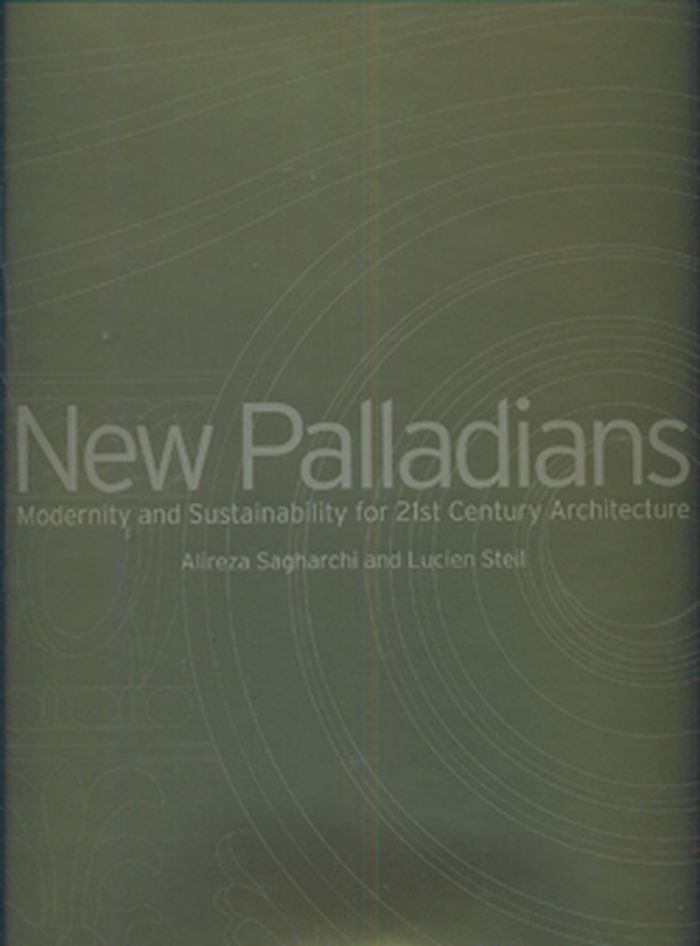
New Palladians: modernity and sustainability for 21st century architecture
Actions:
Prix:
$45.00
(disponible sur commande)
Résumé:
This publication showcases how, at the outset of the 21st century, classical and vernacular traditions are flourishing as a modern phenomena, practiced by a wide spectrum of architectural firms, scholars, students, universities and institutions. The 'New Palladians' are dedicated to the highest standards of craftsmanship and design, and to the very best ecological building and sustainable urbanism. The reference to Palladio is to engage him as a model of professional integrity and building expertise that encompasses the dimensions and dialectics of cities, the countryside and nature. The efficient didactic nature of Palladio's work and its contextual adaptability, has favoured the flourishing of Palladian architecture throughout the world. This book features the latest architectural and urban projects from forty-eight of the most important classical architects in the world today.
Classification:
livres
livres
Publication:
septembre 2010
septembre 2010
Sujet:
Architecture contemporaine
Architecture contemporaine
Classification:
livres
livres
Titre:
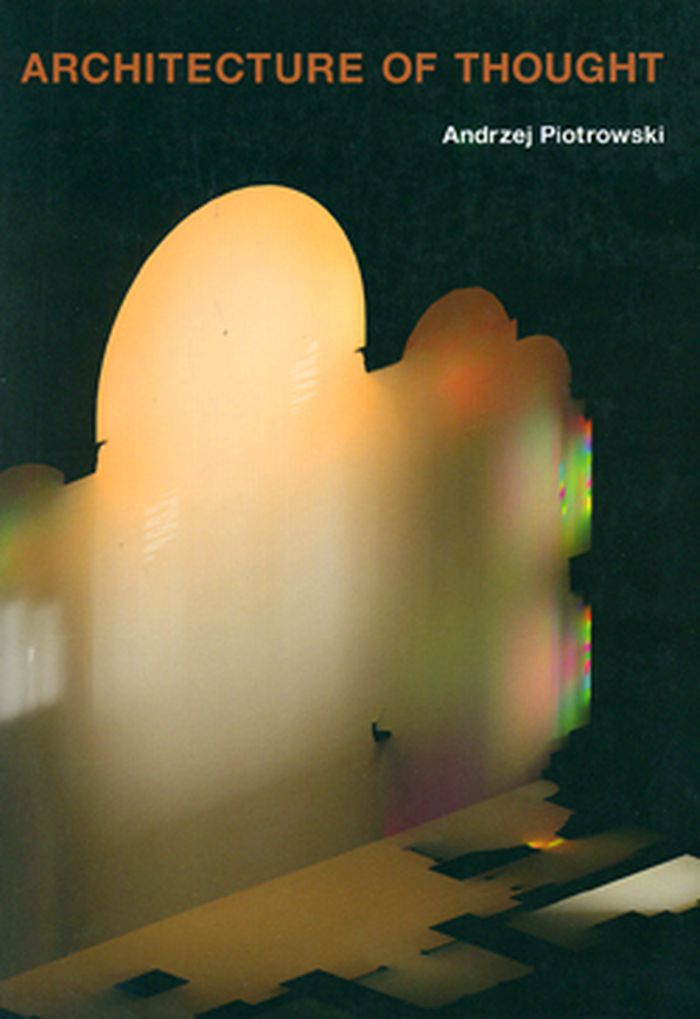
Architecture of thought
Architecture of thought
Actions:
Prix:
$42.00
(disponible en magasin)
Résumé:
In Architecture of Thought, Andrzej Piotrowski maps and conceptually explores material practices of the past, showing how physical artifacts and visual environments manifest culturally rooted modes of thought and participate in the most nuanced processes of negotiations and ideological exchanges. Combining design thinking with academic methods of inquiry, Piotrowski(...)
Titre:
Architecture of thought
Actions:
Prix:
$42.00
(disponible en magasin)
Résumé:
In Architecture of Thought, Andrzej Piotrowski maps and conceptually explores material practices of the past, showing how physical artifacts and visual environments manifest culturally rooted modes of thought and participate in the most nuanced processes of negotiations and ideological exchanges. Combining design thinking with academic methods of inquiry, Piotrowski traces ancient to modern architectural histories and—through critical readings of select buildings—examines the role of nonverbal exchanges in the development of an accumulated Western identity. Operating from the assertion that buildings are the most permanent record of unself-conscious beliefs and attitudes, it discusses Byzantium and the West after iconoclasm, the conquest and colonization of Mesoamerica, the Reformation and Counter-Reformation in Eastern Europe, the rise of the culture of consumerism in Victorian England, and High Modernism as its consequence.
Classification:
livres
livres
Publication:
mai 2011
mai 2011
Sujet:
Théorie de l’architecture
Théorie de l’architecture
Classification:
livres
livres

Prix:
$47.50
(disponible sur commande)
Résumé:
The making of shadows is an act as old as architecture itself. From the gloom of the medieval hearth through to the masterworks of modernism, shadows have been an essential yet neglected presence in architectural history. "Shadow-Makers" tells for the first time the history of shadows in architecture. It weaves together a rich narrative – combining close readings of(...)
Titre:
Shadow-makers: a cultural history of shadows in architecture
Actions:
Prix:
$47.50
(disponible sur commande)
Résumé:
The making of shadows is an act as old as architecture itself. From the gloom of the medieval hearth through to the masterworks of modernism, shadows have been an essential yet neglected presence in architectural history. "Shadow-Makers" tells for the first time the history of shadows in architecture. It weaves together a rich narrative – combining close readings of significant buildings both ancient and modern with architectural theory and art history – to reveal the key places and moments where shadows shaped architecture in distinctive and dynamic ways. It shows how shadows are used as an architectural instrument of form, composition, and visual effect, while also exploring the deeper cultural context – tracing differing conceptions of their meaning and symbolism, whether as places of refuge, devotion, terror, occult practice, sublime experience or as metaphors of the unconscious.
Classification:
livres
livres
Publication:
octobre 2017
octobre 2017
Sujet:
Théorie de l’architecture
Théorie de l’architecture
Classification:
livres
livres

Actions:
Prix:
$77.50
(disponible sur commande)
Résumé:
"HEC Campus: Evolution of a Model" documents the transformation in close detail and with one hundred illustrations, including twenty newly commissioned photographs by award-winning French photographer Cyrille Weiner. After a brief history of HEC Paris since its foundation in 1881, the book takes readers through the planning and construction of its modern buildings(...)
Sujet:
Architecture, monographies
Architecture, monographies
Publication:
septembre 2019
septembre 2019
Titre:
HEC Campus: evolution of a model
Actions:
Prix:
$77.50
(disponible sur commande)
Résumé:
"HEC Campus: Evolution of a Model" documents the transformation in close detail and with one hundred illustrations, including twenty newly commissioned photographs by award-winning French photographer Cyrille Weiner. After a brief history of HEC Paris since its foundation in 1881, the book takes readers through the planning and construction of its modern buildings throughout the 1960s by René Coulons, and the careful restoration of many of these buildings by Duplantier and Chipperfield. The architects also conceived an entirely new building and a surrounding park, which has become a key element of campus social life. Through essays and an interview with Martin Duplantier, the book also explores the interplay of preservation and renovation and demonstrates how this exemplary contemporary redesign can be taken as a model for this sort of planning.
Classification:
livres
livres
Publication:
septembre 2019
septembre 2019
Sujet:
Architecture, monographies
Architecture, monographies
Classification:
livres
livres
Actions:
Prix:
$62.95
(disponible sur commande)
Résumé:
Houses for a New World is the first comprehensive history of this uniquely American form of domestic architecture and urbanism. Between 1945 and 1965, more than thirteen million houses--most of them in new ranch and split-level styles--were constructed on large expanses of land outside city centers, providing homes for the country's rapidly expanding population.(...)
Titre:
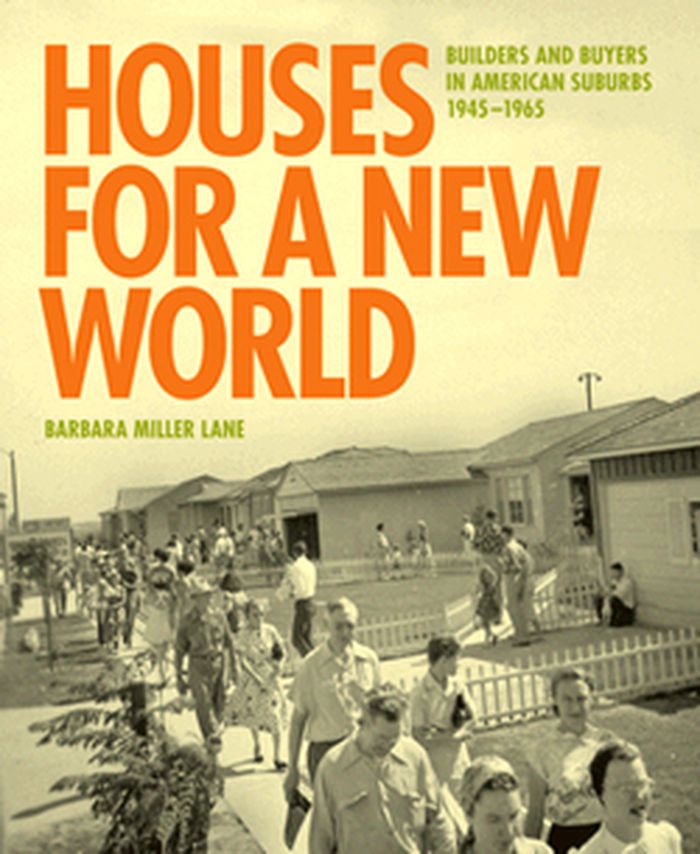
Houses for a new world: builders and buyers in american suburds 1945-1965
Actions:
Prix:
$62.95
(disponible sur commande)
Résumé:
Houses for a New World is the first comprehensive history of this uniquely American form of domestic architecture and urbanism. Between 1945 and 1965, more than thirteen million houses--most of them in new ranch and split-level styles--were constructed on large expanses of land outside city centers, providing homes for the country's rapidly expanding population. Focusing on twelve developments in the suburbs of Boston, Philadelphia, Chicago, and Los Angeles, Barbara Miller Lane tells the story of the collaborations between builders and buyers, showing how both wanted houses and communities that espoused a modern way of life--informal, democratic, multiethnic, and devoted to improving the lives of their children. The resulting houses differed dramatically from both the European International Style and older forms of American domestic architecture.
Classification:
livres
livres
Publication:
octobre 2015
octobre 2015
Sujet:
Théorie de l’urbanisme
Théorie de l’urbanisme


