


2644 Résultats
Classification:
livres
livres

Titre:
What to let go?
What to let go?
Actions:
Prix:
$43.95
(disponible sur commande)
Résumé:
"What to let go?" offers new contributions by and international roster of thinkers, authors, anthropologists, curators, artists, and poets addressing the question: what gets counted within the category of heritage, and who gets to do the counting? Addressing the increasing debate around repatriation of looted artefacts by colonial powers to the varied and dissimilar(...)
Titre:
What to let go?
Actions:
Prix:
$43.95
(disponible sur commande)
Résumé:
"What to let go?" offers new contributions by and international roster of thinkers, authors, anthropologists, curators, artists, and poets addressing the question: what gets counted within the category of heritage, and who gets to do the counting? Addressing the increasing debate around repatriation of looted artefacts by colonial powers to the varied and dissimilar processes of renaming and removing symbols of past eras, from India and Myanmar to Apartheid South Africa, the book will also look at how China's resurgent nationalism is placing a (still developing) version of its imperial heritage at the core of its twenty-first century self-image. As these processes appear to occupy an increasingly prominent segment of the political discourse, with history seemingly becoming the major battlefield both for the left and for the right, "What to let go?" asks: how can art reconfigure our collective foundational myths?
Classification:
livres
livres
Publication:
août 2024
août 2024
Sujet:
Théorie de l’art
Théorie de l’art
Classification:
livres
livres
Actions:
Prix:
$51.50
(disponible en magasin)
Résumé:
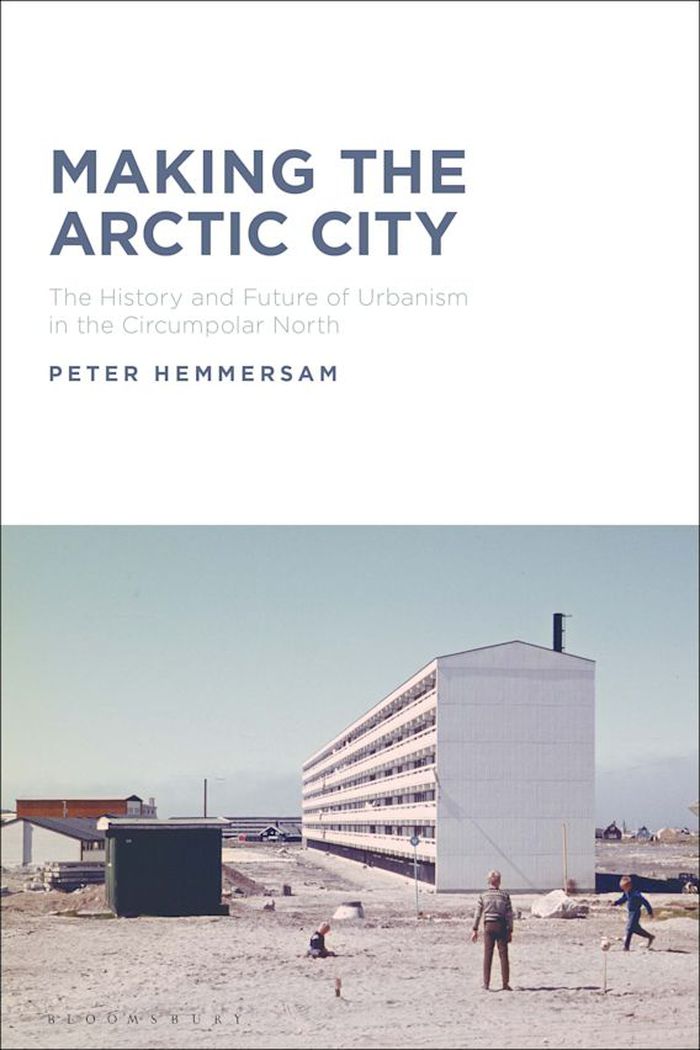
This publication explores the unwritten history of city-building in the Arctic over the last 100 years. Spanning northern regions of North America, through Greenland, Svalbard to Russia, this is the first book to provide a truly circumpolar account of historical and contemporary architecture and urbanism in the Arctic – and it shows how the Arctic city offers valuable(...)
Titre:
Making the arctic city: history and future of urbanism in the circumpolar north
Actions:
Prix:
$51.50
(disponible en magasin)
Résumé:
This publication explores the unwritten history of city-building in the Arctic over the last 100 years. Spanning northern regions of North America, through Greenland, Svalbard to Russia, this is the first book to provide a truly circumpolar account of historical and contemporary architecture and urbanism in the Arctic – and it shows how the Arctic city offers valuable lessons for the post-colonial study of architectural and urban planning history elsewhere. Examining architects' and planners' designs for Arctic urban futures, it considers the impact of 20th-century models of urban design and planning in Arctic cities, and reveals how contemporary architectural approaches continue to this day to essentialize 'extreme' climate conditions and disregard the agency of Arctic city-dwellers – a critical perspective that is vital to the formulation of future design and planning practices in the region.
Classification:
livres
livres
Publication:
janvier 2023
janvier 2023
Sujet:
Théorie de l’urbanisme
Théorie de l’urbanisme
Classification:
livres
livres

Actions:
Prix:
$70.00
(disponible sur commande)
Résumé:
Angola cinemas honors the unique, fantastic and unknown architecture of movie theaters in Angola, built in the decades before the end of Portuguese colonial rule in 1975. Initially designed as traditional closed spaces, open-air cinemas with terrace bars became the order of the day, better suited as they were to a tropical climate. The arrival of these cinemas in the(...)
Titre:
Angola cinemas: a fiction of freedom
Actions:
Prix:
$70.00
(disponible sur commande)
Résumé:
Angola cinemas honors the unique, fantastic and unknown architecture of movie theaters in Angola, built in the decades before the end of Portuguese colonial rule in 1975. Initially designed as traditional closed spaces, open-air cinemas with terrace bars became the order of the day, better suited as they were to a tropical climate. The arrival of these cinemas in the 1960s brought atmosphere and elegance to the experience of going to the movies; but these urban cathedrals were also, importantly, a place where social barriers dissolved and where liberation from colonialism was possible. Walter Fernandes' (born 1979) photographs offer not only an examination of the architectural history of these buildings, but also an important document of urban organization in the twentieth century, as well as the changing mentalities of a society living with the prospect of its independence.
Classification:
livres
livres
Publication:
février 2015
février 2015
Sujet:
Monographies photo
Monographies photo
Classification:
livres
livres
Titre:
Trois zoos humains
Trois zoos humains
Actions:
Prix:
$20.00
(disponible sur commande)
Résumé:
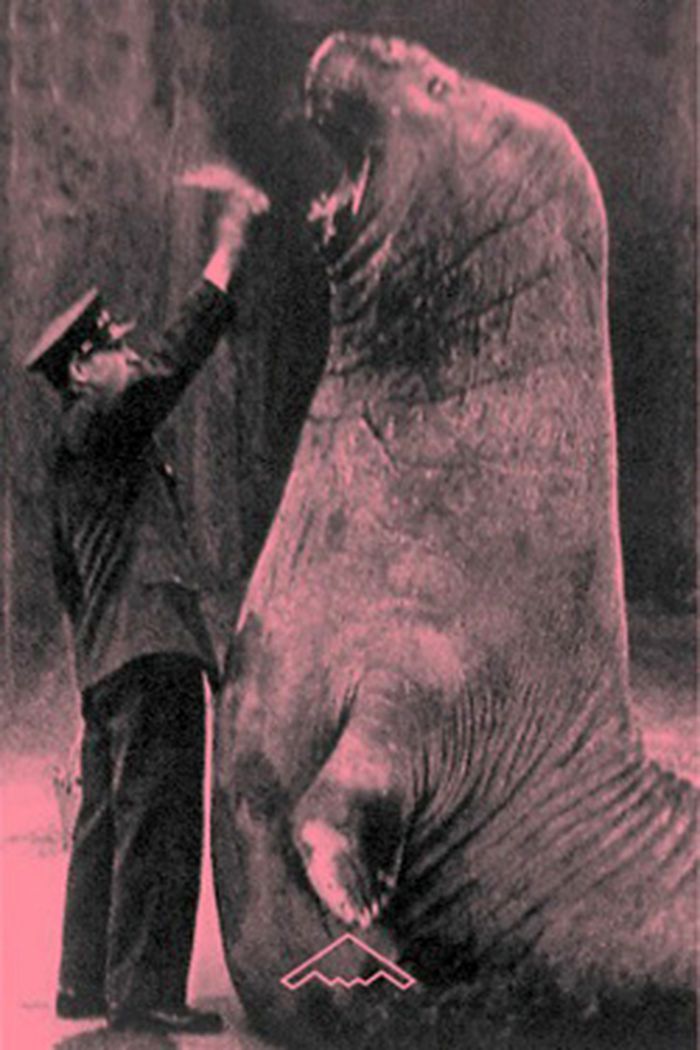
Avec crainte ou fascination pour l'Autre et l'Ailleurs, humanisme, exotisme et zoos dialoguent depuis longtemps dans l'histoire de l'Occident. Que l'animal selon Heidegger soit « pauvre en monde » ne dépare nullement la distance maintenue entre le sauvage primitif et son « inventeur » scientifique ou colonial. Mais, ainsi exploré et reconstruit, l'homme serait-il vraiment(...)
Titre:
Trois zoos humains
Actions:
Prix:
$20.00
(disponible sur commande)
Résumé:
Avec crainte ou fascination pour l'Autre et l'Ailleurs, humanisme, exotisme et zoos dialoguent depuis longtemps dans l'histoire de l'Occident. Que l'animal selon Heidegger soit « pauvre en monde » ne dépare nullement la distance maintenue entre le sauvage primitif et son « inventeur » scientifique ou colonial. Mais, ainsi exploré et reconstruit, l'homme serait-il vraiment devenu un singe affranchi de sa cage ontologique ? Ne serait-il pas l'architecte ayant fait du monde un parc animalier presque sous contrôle ? Et si, par-delà les premières ménageries de la Renaissance, il y avait eu au moins trois autres « humanismes » du zoo : celui des zoos anthropologiques du Jardin d'Acclimatation ; celui de la condition animale d'après-guerre, si interrogatifs au regard des camps du IIIe Reich ; et celui d'un « jardin planétaire » artificiel pour animaux sauvages, Pangée 2.0 sur le thème de leur disparition et, avec eux, de la nôtre ?
Classification:
livres
livres
Publication:
novembre 2012
novembre 2012
Sujet:
Théorie de l’architecture
Théorie de l’architecture
Classification:
livres
livres
Actions:
Prix:
$67.50
(disponible en magasin)
Résumé:
Founded in the fifteenth century, planned and rebuilt by the French, and then modernised and expanded in the era after independence, the city of Phnom Penh displays a diverse mix of styles. Here, early religious and vernacular buildings, the glittering structures of the Royal Palace, and colonial buildings of the French Protectorate (1863–1953) coexist with the gems of(...)
Titre:
Phnom Penh architectural guide
Actions:
Prix:
$67.50
(disponible en magasin)
Résumé:
Founded in the fifteenth century, planned and rebuilt by the French, and then modernised and expanded in the era after independence, the city of Phnom Penh displays a diverse mix of styles. Here, early religious and vernacular buildings, the glittering structures of the Royal Palace, and colonial buildings of the French Protectorate (1863–1953) coexist with the gems of the ‘New Khmer Architecture’ of the 1960s. After the destructive period under the Khmer Rouge, the city went through a rebirth. It has seen rapid modernisation and economic development in recent years, and its urban landscape is transforming at a breathtaking pace. This guide offers a comprehensive overview of Phnom Penh’s built heritage, highlighting its history and architectural layers. In addition to covering better-known masterpieces, it also takes readers through the city’s ‘everyday architecture’, revealing places off the beaten track.
Classification:
livres
livres
Publication:
mai 2020
mai 2020
Sujet:
Guides des villes
Guides des villes
Classification:
livres
livres
Actions:
Prix:
$72.50
(disponible en magasin)
Résumé:
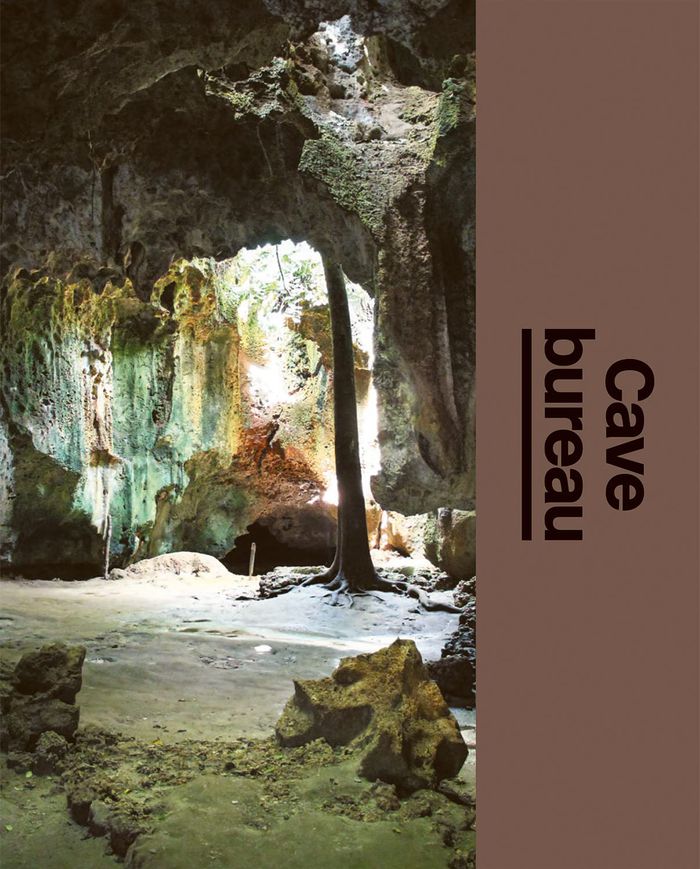
This fifth volume in Lars Müller’s Architect’s Studio series is dedicated to the Nairobi-based architects Cave_bureau. This acclaimed collective of architects and researchers-- the first Kenyan firm to appear at the Venice Architecture Biennale, in 2021-- explores the synergy between architecture, urbanism and nature, and curates performative events of resistance within(...)
Sujet:
Architecture, monographies
Architecture, monographies
Publication:
septembre 2023
septembre 2023
Titre:
Cave bureau: The architect's studio
Actions:
Prix:
$72.50
(disponible en magasin)
Résumé:
This fifth volume in Lars Müller’s Architect’s Studio series is dedicated to the Nairobi-based architects Cave_bureau. This acclaimed collective of architects and researchers-- the first Kenyan firm to appear at the Venice Architecture Biennale, in 2021-- explores the synergy between architecture, urbanism and nature, and curates performative events of resistance within caves along the Great Rift Valley in East Africa. The cave, as physical space and as metaphor, is seen by the collective as a provocation to test the limits of contemporary architecture. Here, Cave_bureau’s Stella Mutegi and Kabage Karanja describe eight of their projects. Photographs are accompanied by essays posing questions about the future of architecture in the age of the Anthropocene, the effects of colonial extraction and erasure on African architecture, as well as the specificity of each continent and each geographic space.
Classification:
livres
livres
Publication:
septembre 2023
septembre 2023
Sujet:
Architecture, monographies
Architecture, monographies
Classification:
périodiques
périodiques

Actions:
Prix:
$16.95
(disponible sur commande)
Résumé:
Colonial, judiciaire, créatif ou militant?: les différents contextes dans lesquels la traduction littéraire se pratique aujourd’hui soulèvent des enjeux contemporains qui dépassent de loin le seul domaine linguistique. Donnant la parole à des traducteur·rice·s de métier, le dossier de ce numéro met en évidence le caractère éminemment subjectif et situé du geste de(...)
Titre:
Spirale #284 : traduire en contexte
Actions:
Prix:
$16.95
(disponible sur commande)
Résumé:
Colonial, judiciaire, créatif ou militant?: les différents contextes dans lesquels la traduction littéraire se pratique aujourd’hui soulèvent des enjeux contemporains qui dépassent de loin le seul domaine linguistique. Donnant la parole à des traducteur·rice·s de métier, le dossier de ce numéro met en évidence le caractère éminemment subjectif et situé du geste de traduire, à un moment où la «?neutralité?» de celui-ci est plus que jamais remise en question. S’y croisent des réflexions diverses sur le rôle et les implications (éthiques, politiques et esthétiques) de la traduction selon le contexte, de même que des contributions plus personnelles à propos de la langue, de la littérature et de la poésie. Les textes du dossier nous font ainsi pénétrer dans l’espace même où les traducteur·rice·s exercent leur travail et s’interrogent sur celui-ci, se demandant, chacun·e à sa manière?: «?Chez qui traduisons-nous ??»
Classification:
périodiques
périodiques
Publication:
octobre 2023
octobre 2023
Sujet:
Revues
Revues
Classification:
livres
livres

Actions:
Prix:
$105.00
(disponible sur commande)
Résumé:
Surrealism was not only an international artistic movement, but also a political one. Its members denounced European colonial policy, opposed fascist regimes, fought for the Spanish Republic, were persecuted, went into exile, and died in war. They wrote poetry, deconstructed the language of a supposedly rational world, worked on paintings, collective drawings, took(...)
Titre:
Surrealism and anti-fascism: An anthology
Actions:
Prix:
$105.00
(disponible sur commande)
Résumé:
Surrealism was not only an international artistic movement, but also a political one. Its members denounced European colonial policy, opposed fascist regimes, fought for the Spanish Republic, were persecuted, went into exile, and died in war. They wrote poetry, deconstructed the language of a supposedly rational world, worked on paintings, collective drawings, took photographs, and made collages. Surrealism was associated with later emancipatory concerns not as a style, but as a method, and was taken up by the student protests of the 1960s and the Black Liberation Movement. This catalogue is published on the occasion of an exhibition at the Lenbachhaus Munich. In the form of an anthology, it presents pivotal texts and manifestoes of political Surrealism from its beginnings to current references in art and politics. It thus offers a valuable contribution to revising the still narrowly defined Surrealist canon.
Classification:
livres
livres
Publication:
juin 2025
juin 2025
Sujet:
Théorie de l’art
Théorie de l’art
Classification:
livres
livres
Titre:
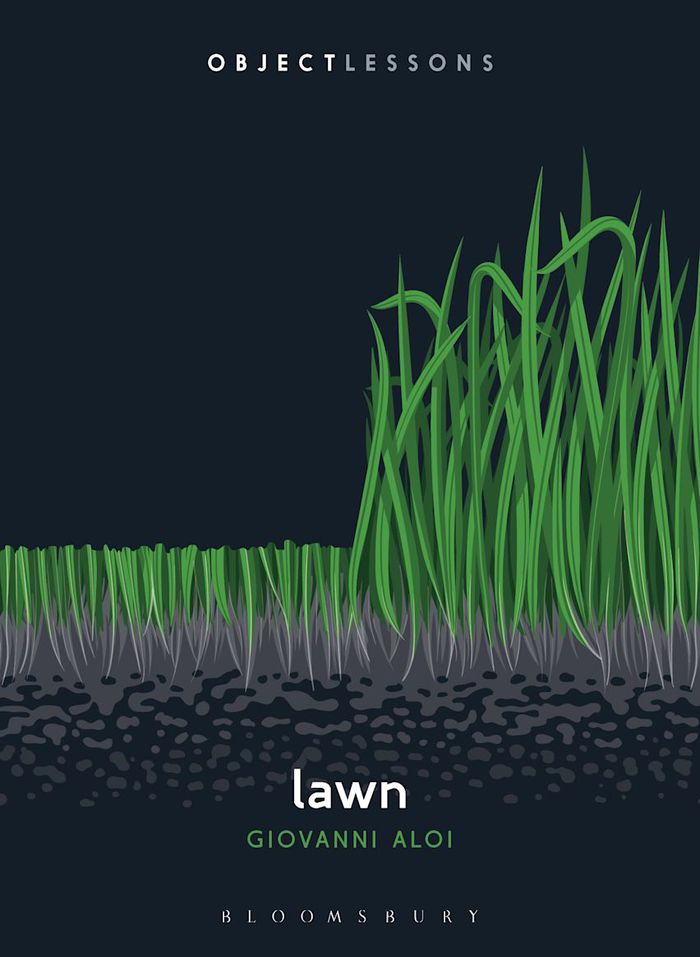
Lawn: Object lessons
Lawn: Object lessons
Actions:
Prix:
$21.95
(disponible en magasin)
Résumé:
A quintessential feature in Western gardens and landscaping, the lawn is now at the center of a climate change controversy. The large carbon footprint maintenance, its unquenchable thirst for fertilizers, weedkillers, and water, and the notorious unfriendliness towards all forms of wildlife have recently attracted criticism and even spurred an anti-lawn movement. Lawn(...)
Titre:
Lawn: Object lessons
Actions:
Prix:
$21.95
(disponible en magasin)
Résumé:
A quintessential feature in Western gardens and landscaping, the lawn is now at the center of a climate change controversy. The large carbon footprint maintenance, its unquenchable thirst for fertilizers, weedkillers, and water, and the notorious unfriendliness towards all forms of wildlife have recently attracted criticism and even spurred an anti-lawn movement. Lawn untangles the colonial-capitalist threads that keep our passion for mown grass alive despite mounting evidence that we'd be better off without it. The lawn is aesthetically and ideologically versatile. From museums and hospitals to corporate headquarters and university campuses, it has become the verdant lingua franca of institutions of all kinds. Its formal homogeneity and neatness imply reliability, constancy, and solicit our trust. But beneath the lawn lies a stratification of intricate ideological and ecological issues that over time have come to define our conception of nature.
Classification:
livres
livres
Publication:
mai 2025
mai 2025
Sujet:
Théorie/ philosophie
Théorie/ philosophie
Classification:
livres
livres
Actions:
Prix:
$41.99
(disponible en magasin)
Résumé:
In "Plant life", Rosetta S. Elkin explores the procedures of afforestation, the large-scale planting of trees in otherwise treeless environments, including grasslands, prairies, and drylands. Elkin reveals that planting a tree can either be one of the ultimate offerings to thriving on this planet, or one of the most extreme perversions of human agency over it. Using(...)
Titre:
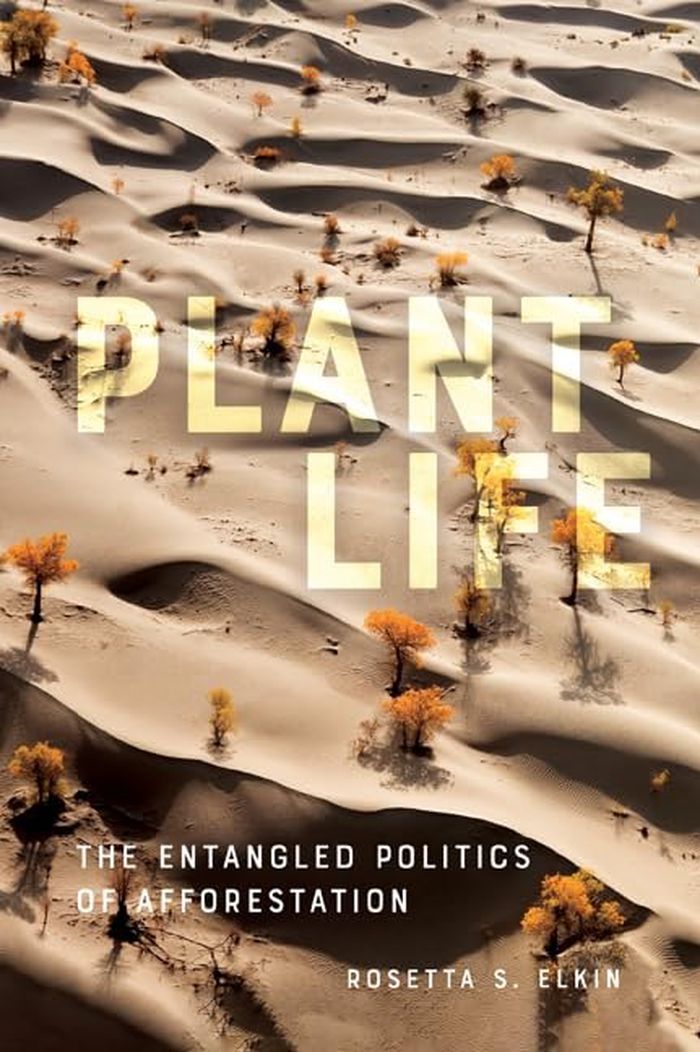
Plant life: the entangled politics of afforestation
Actions:
Prix:
$41.99
(disponible en magasin)
Résumé:
In "Plant life", Rosetta S. Elkin explores the procedures of afforestation, the large-scale planting of trees in otherwise treeless environments, including grasslands, prairies, and drylands. Elkin reveals that planting a tree can either be one of the ultimate offerings to thriving on this planet, or one of the most extreme perversions of human agency over it. Using three supracontinental case studies-scientific forestry in the American prairies, colonial control in Africa's Sahelian grasslands, and Chinese efforts to control and administer territory-Elkin explores the political implications of plant life as a tool of environmentalism. By exposing the human tendency to fix or solve environmental matters by exploiting other organisms, this work exposes the relationship between human and plant life, revealing that afforestation is not an ecological act: rather, it is deliberately political and distressingly social.
Classification:
livres
livres
Publication:
mai 2022
mai 2022
Sujet:
L'écologie de l'architecure
L'écologie de l'architecure


