


12071 Résultats
Classification:
livres
livres
Prix:
$45.00
(disponible sur commande)
Résumé:
Residential design provides a rich testing ground for architectural innovation. Intimate scales and specific programs inspire distinctive homes, and comparatively small budgets are catalysts for exploring nontraditional materials. Modern Shoestring proves that building a contemporary house can be affordable and shows how constraints actually stimulate the most creative(...)
$45.00
(disponible sur commande)
Résumé:
Residential design provides a rich testing ground for architectural innovation. Intimate scales and specific programs inspire distinctive homes, and comparatively small budgets are catalysts for exploring nontraditional materials. Modern Shoestring proves that building a contemporary house can be affordable and shows how constraints actually stimulate the most creative(...)
Titre:
Modern shoestring: contemporary architecture on a budget
Actions:
Prix:
$45.00
(disponible sur commande)
Résumé:
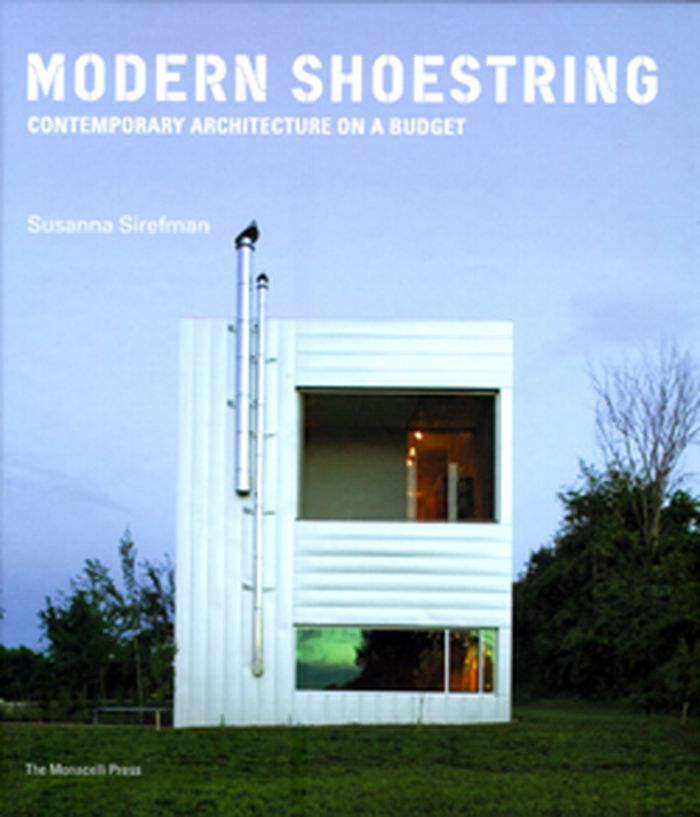
Residential design provides a rich testing ground for architectural innovation. Intimate scales and specific programs inspire distinctive homes, and comparatively small budgets are catalysts for exploring nontraditional materials. Modern Shoestring proves that building a contemporary house can be affordable and shows how constraints actually stimulate the most creative design solutions. Eighteen residential projects are presented, with emphasis on the goals of the owners, the site, and the cost in the design process. Collections determine floor plans, observatories are built for starry rural nights, and found and industrial materials such as highway construction remnants, laboratory counters, plastic water bottles, and discarded chalkboards keep costs low while imbuing structures with character. These ingenious designs range in cost from $50 to $220 per square foot and represent geographical settings from Los Angeles to Anchorage to East Hampton.
Modern shoestring: contemporary architecture on a budget
Actions:
Prix:
$45.00
(disponible sur commande)
Résumé:
Residential design provides a rich testing ground for architectural innovation. Intimate scales and specific programs inspire distinctive homes, and comparatively small budgets are catalysts for exploring nontraditional materials. Modern Shoestring proves that building a contemporary house can be affordable and shows how constraints actually stimulate the most creative design solutions. Eighteen residential projects are presented, with emphasis on the goals of the owners, the site, and the cost in the design process. Collections determine floor plans, observatories are built for starry rural nights, and found and industrial materials such as highway construction remnants, laboratory counters, plastic water bottles, and discarded chalkboards keep costs low while imbuing structures with character. These ingenious designs range in cost from $50 to $220 per square foot and represent geographical settings from Los Angeles to Anchorage to East Hampton.
Classification:
livres
livres
Publication:
août 2008, New York
août 2008, New York
Sujet:
Architecture résidentielle
Architecture résidentielle
Classification:
livres
livres
Prix:
$60.00
(disponible sur commande)
Résumé:
Wittgenstein's House reads Wittgenstein's his two main philosophical texts, Tractatus Logico-Philosophicus and Philosophical Investigations, in relation to an experience that intervened between them: his design and construction of the Stonborough-Wittgenstein house in Vienna. Arguing that the practice of architecture occupies not just a historical position between(...)
$60.00
(disponible sur commande)
Résumé:
Wittgenstein's House reads Wittgenstein's his two main philosophical texts, Tractatus Logico-Philosophicus and Philosophical Investigations, in relation to an experience that intervened between them: his design and construction of the Stonborough-Wittgenstein house in Vienna. Arguing that the practice of architecture occupies not just a historical position between(...)
Titre:
Wittgenstein's house: language, space, & architecture
Actions:
Prix:
$60.00
(disponible sur commande)
Résumé:
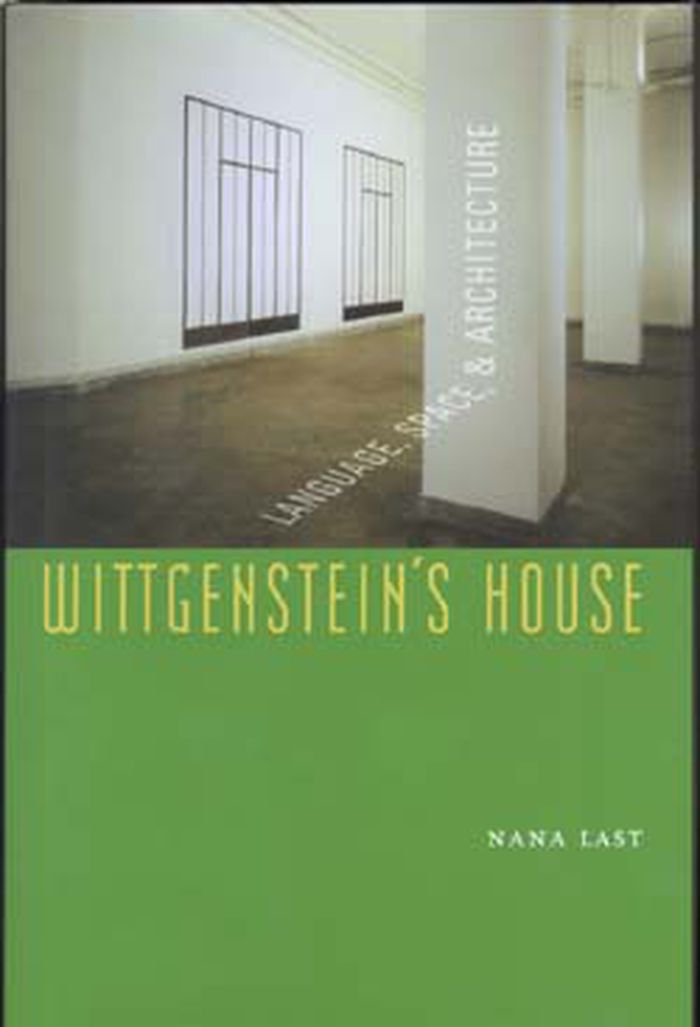
Wittgenstein's House reads Wittgenstein's his two main philosophical texts, Tractatus Logico-Philosophicus and Philosophical Investigations, in relation to an experience that intervened between them: his design and construction of the Stonborough-Wittgenstein house in Vienna. Arguing that the practice of architecture occupies not just a historical position between Wittgenstein's early and late philosophy, but a conceptual position as well, the book demonstrates that Wittgenstein's practice of architecture constitutes a fundamental component in the development of his philosophy of language from its early to late phases. The book advances the radical proposition that the field in which architecture and philosophy operate includes linguistic and spatial practices. It develops innovative forms of interdisciplinary analyses to demonstrate that the philosophical positions put forth by Wittgenstein's two main works are literally unthinkable outside of their respective conceptions of space: the view from above in the early work and the view from within constructed by the late work. To examine the manner in which Wittgenstein's practice of architecture insinuated itself into his philosophy, the author interweaves in-depth analyses of the spatial constructs underpinning the early and late philosophies with conceptual, formal and operative discussions of the design of the Stonborough-Wittgenstein house. Together these discussions reveal how Wittgenstein's practice of architecture engaged philosophical concepts, through which it influenced Wittgenstein's philosophy of language. At the heart of this approach is the finding that the philosophical concepts at the core of Wittgenstein's philosophy areindeed spatial ones, including his concerns with the limits of language, the boundary between showing and saying, the intricate textual numbering systems he devises, the relationship between the interiority of the subject and the publicness of language, and the formative principle of family resemblance.
Wittgenstein's house: language, space, & architecture
Actions:
Prix:
$60.00
(disponible sur commande)
Résumé:
Wittgenstein's House reads Wittgenstein's his two main philosophical texts, Tractatus Logico-Philosophicus and Philosophical Investigations, in relation to an experience that intervened between them: his design and construction of the Stonborough-Wittgenstein house in Vienna. Arguing that the practice of architecture occupies not just a historical position between Wittgenstein's early and late philosophy, but a conceptual position as well, the book demonstrates that Wittgenstein's practice of architecture constitutes a fundamental component in the development of his philosophy of language from its early to late phases. The book advances the radical proposition that the field in which architecture and philosophy operate includes linguistic and spatial practices. It develops innovative forms of interdisciplinary analyses to demonstrate that the philosophical positions put forth by Wittgenstein's two main works are literally unthinkable outside of their respective conceptions of space: the view from above in the early work and the view from within constructed by the late work. To examine the manner in which Wittgenstein's practice of architecture insinuated itself into his philosophy, the author interweaves in-depth analyses of the spatial constructs underpinning the early and late philosophies with conceptual, formal and operative discussions of the design of the Stonborough-Wittgenstein house. Together these discussions reveal how Wittgenstein's practice of architecture engaged philosophical concepts, through which it influenced Wittgenstein's philosophy of language. At the heart of this approach is the finding that the philosophical concepts at the core of Wittgenstein's philosophy areindeed spatial ones, including his concerns with the limits of language, the boundary between showing and saying, the intricate textual numbering systems he devises, the relationship between the interiority of the subject and the publicness of language, and the formative principle of family resemblance.
Classification:
livres
livres
Publication:
mai 2008, New York
mai 2008, New York
Sujet:
Théorie de l’architecture
Théorie de l’architecture
Classification:
livres
livres
Actions:
Prix:
$70.00
(disponible sur commande)
Résumé:
The Hans van Heeswijk architecture firm was founded in Amsterdam in 1985, and it has designed and realized a great variety of projects, among them offices, public buildings, museums, bridges, renovations, refurbishments, interiors and product design. Those projects are without exception matchlessly lucid and crafted to a standard rarely seen, particularly in an economy(...)
$70.00
(disponible sur commande)
Résumé:
The Hans van Heeswijk architecture firm was founded in Amsterdam in 1985, and it has designed and realized a great variety of projects, among them offices, public buildings, museums, bridges, renovations, refurbishments, interiors and product design. Those projects are without exception matchlessly lucid and crafted to a standard rarely seen, particularly in an economy(...)
Titre:
Hans van Heeswijk : architecture, 1995-2005
Actions:
Prix:
$70.00
(disponible sur commande)
Résumé:
The Hans van Heeswijk architecture firm was founded in Amsterdam in 1985, and it has designed and realized a great variety of projects, among them offices, public buildings, museums, bridges, renovations, refurbishments, interiors and product design. Those projects are without exception matchlessly lucid and crafted to a standard rarely seen, particularly in an economy where tight budgets are the rule. Their forms, reticent at first, become articulate at close range. Each encounter with them seems right--thus the aura of tranquility, typical for buildings composed with great care and attention. This monograph deals with the works and ideas of Hans van Heeswijk architects over the last decade, including the recent commission for the refurbishment of the Hermitage Museum in Amsterdam.
Hans van Heeswijk : architecture, 1995-2005
Actions:
Prix:
$70.00
(disponible sur commande)
Résumé:
The Hans van Heeswijk architecture firm was founded in Amsterdam in 1985, and it has designed and realized a great variety of projects, among them offices, public buildings, museums, bridges, renovations, refurbishments, interiors and product design. Those projects are without exception matchlessly lucid and crafted to a standard rarely seen, particularly in an economy where tight budgets are the rule. Their forms, reticent at first, become articulate at close range. Each encounter with them seems right--thus the aura of tranquility, typical for buildings composed with great care and attention. This monograph deals with the works and ideas of Hans van Heeswijk architects over the last decade, including the recent commission for the refurbishment of the Hermitage Museum in Amsterdam.
Classification:
livres
livres
Publication:
mars 2006, Berlin
mars 2006, Berlin
Sujet:
Architecture, monographies
Architecture, monographies
Classification:
livres
livres
Actions:
Prix:
$45.50
(disponible sur commande)
Résumé:
Saarinen's buildings are famous worldwide: the Gateway Arch in St. Louis, the TWA terminal in JFK Airport, Dulles Airport, outside Washington D.C., the CBS Building in New York, the General Motors Technical Center in Michigan, the US Embassy in London, and many other landmarks. Equally celebrated are his furniture designs, including the Tulip Table and Womb Chair. While(...)
$45.50
(disponible sur commande)
Résumé:
Saarinen's buildings are famous worldwide: the Gateway Arch in St. Louis, the TWA terminal in JFK Airport, Dulles Airport, outside Washington D.C., the CBS Building in New York, the General Motors Technical Center in Michigan, the US Embassy in London, and many other landmarks. Equally celebrated are his furniture designs, including the Tulip Table and Womb Chair. While(...)
Titre:
Eero Saarinen : an architecture of multiplicity
Actions:
Prix:
$45.50
(disponible sur commande)
Résumé:
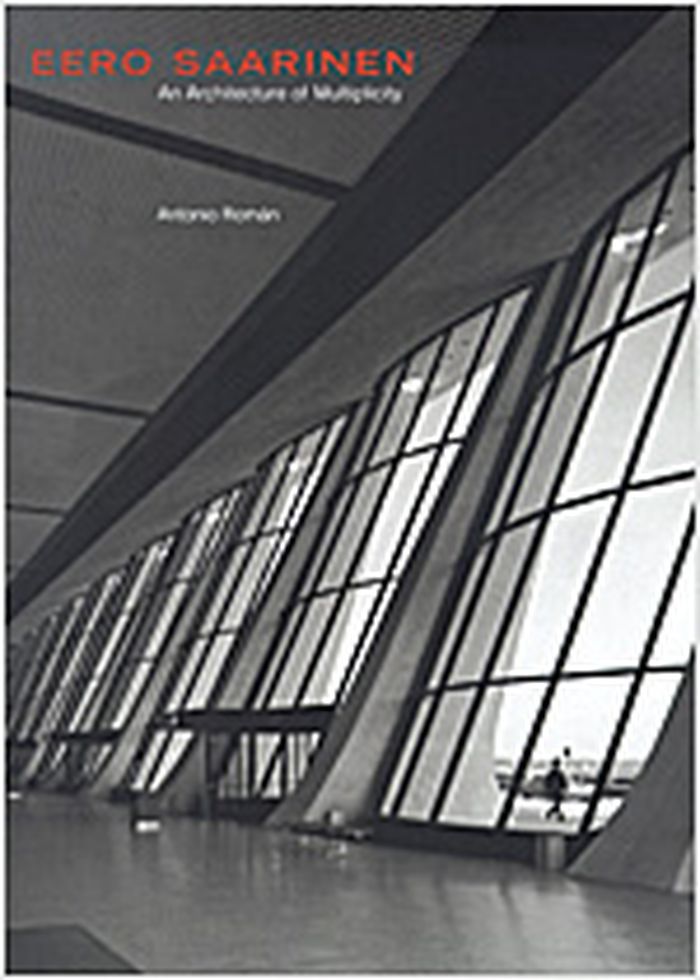
Saarinen's buildings are famous worldwide: the Gateway Arch in St. Louis, the TWA terminal in JFK Airport, Dulles Airport, outside Washington D.C., the CBS Building in New York, the General Motors Technical Center in Michigan, the US Embassy in London, and many other landmarks. Equally celebrated are his furniture designs, including the Tulip Table and Womb Chair. While Saarinen's exuberant, even expressionistic, forms were lightning rods for many critics, his unique personal style is now much admired, making him a key figure for many designers practicing today. Saarinen's was a career of innovation. His airport terminals combined the poetry of sculpture with daring structural feats and raganizational genius; his pioneering industrial complexes for GM, IBM, and Bell Labs brought rational modernism to corporate America; and his furniture and residential buildings conveyed an optimistic, humane vision for the future. This illustrated monograph spans Saarinen's entire career, including his drawings, models, most important built works, and furniture.
Eero Saarinen : an architecture of multiplicity
Actions:
Prix:
$45.50
(disponible sur commande)
Résumé:
Saarinen's buildings are famous worldwide: the Gateway Arch in St. Louis, the TWA terminal in JFK Airport, Dulles Airport, outside Washington D.C., the CBS Building in New York, the General Motors Technical Center in Michigan, the US Embassy in London, and many other landmarks. Equally celebrated are his furniture designs, including the Tulip Table and Womb Chair. While Saarinen's exuberant, even expressionistic, forms were lightning rods for many critics, his unique personal style is now much admired, making him a key figure for many designers practicing today. Saarinen's was a career of innovation. His airport terminals combined the poetry of sculpture with daring structural feats and raganizational genius; his pioneering industrial complexes for GM, IBM, and Bell Labs brought rational modernism to corporate America; and his furniture and residential buildings conveyed an optimistic, humane vision for the future. This illustrated monograph spans Saarinen's entire career, including his drawings, models, most important built works, and furniture.
Classification:
livres
livres
Publication:
juillet 2006, New York
juillet 2006, New York
Sujet:
Architecture, monographies
Architecture, monographies
Classification:
livres
livres
Actions:
Prix:
$37.95
(disponible sur commande)
Résumé:
The twentieth-century architect Mies van der Rohe once declared that 'Architecture starts when you carefully put two bricks together'. In "Travels in the History of Architecture", renowned architectural writer Robert Harbison looks closely at these bricks, taking us on a journey through the great themes and movements of architecture, from antiquity to the present day.(...)
$37.95
(disponible sur commande)
Résumé:
The twentieth-century architect Mies van der Rohe once declared that 'Architecture starts when you carefully put two bricks together'. In "Travels in the History of Architecture", renowned architectural writer Robert Harbison looks closely at these bricks, taking us on a journey through the great themes and movements of architecture, from antiquity to the present day.(...)
Titre:
Travels in the history of architecture
Actions:
Prix:
$37.95
(disponible sur commande)
Résumé:
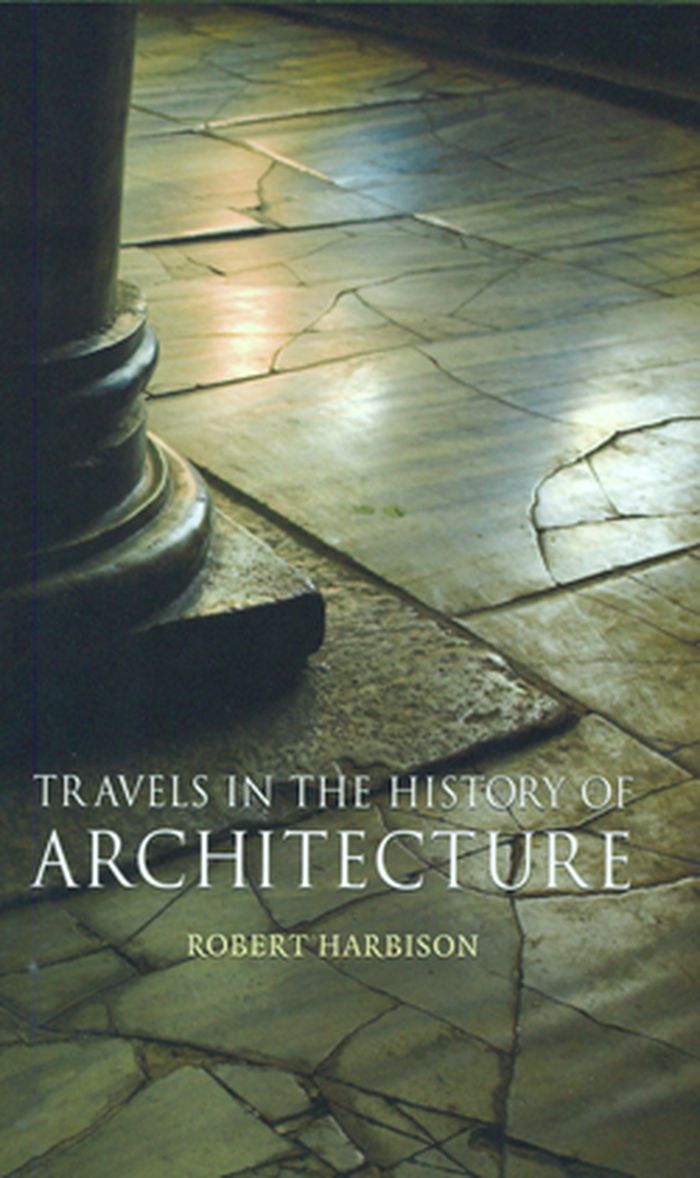
The twentieth-century architect Mies van der Rohe once declared that 'Architecture starts when you carefully put two bricks together'. In "Travels in the History of Architecture", renowned architectural writer Robert Harbison looks closely at these bricks, taking us on a journey through the great themes and movements of architecture, from antiquity to the present day. Taking as a starting place his own experience of the physical fabric of buildings, Harbison interprets the conceptions of the original architects and makers, pointing out carefully crafted detail and inspiring form along the way. Beginning with the great temples and tombs of the Egyptians, and the monuments and shrines of Greek and Roman architecture, and concluding with the museums of the twenty-first century, each chapter of his Travels focuses on a moment in architectural history, including Byzantine, Baroque, Mannerism, Historicism, Functionalism and Decon structionism.
Travels in the history of architecture
Actions:
Prix:
$37.95
(disponible sur commande)
Résumé:
The twentieth-century architect Mies van der Rohe once declared that 'Architecture starts when you carefully put two bricks together'. In "Travels in the History of Architecture", renowned architectural writer Robert Harbison looks closely at these bricks, taking us on a journey through the great themes and movements of architecture, from antiquity to the present day. Taking as a starting place his own experience of the physical fabric of buildings, Harbison interprets the conceptions of the original architects and makers, pointing out carefully crafted detail and inspiring form along the way. Beginning with the great temples and tombs of the Egyptians, and the monuments and shrines of Greek and Roman architecture, and concluding with the museums of the twenty-first century, each chapter of his Travels focuses on a moment in architectural history, including Byzantine, Baroque, Mannerism, Historicism, Functionalism and Decon structionism.
Classification:
livres
livres
Publication:
mai 2009
mai 2009
Sujet:
Théorie de l’architecture
Théorie de l’architecture
Classification:
livres
livres
Actions:
Prix:
$19.95
(disponible en magasin)
Résumé:
1966 est une année importante dans l’histoire des théories architecturales. L’émulation intellectuelle à Milan est alors à son comble : philosophes, écrivains, artistes et architectes croisent leurs savoirs et produisent une œuvre collective parmi les plus influentes de la seconde moitié du XXe siècle. C’est au contact de cette génération talentueuse, dont il fait partie,(...)
$19.95
(disponible en magasin)
Résumé:
1966 est une année importante dans l’histoire des théories architecturales. L’émulation intellectuelle à Milan est alors à son comble : philosophes, écrivains, artistes et architectes croisent leurs savoirs et produisent une œuvre collective parmi les plus influentes de la seconde moitié du XXe siècle. C’est au contact de cette génération talentueuse, dont il fait partie,(...)
Titre:
L'extase de la modification : Vittorio Gregotti, Le territoire de l'architecture
Actions:
Prix:
$19.95
(disponible en magasin)
Résumé:
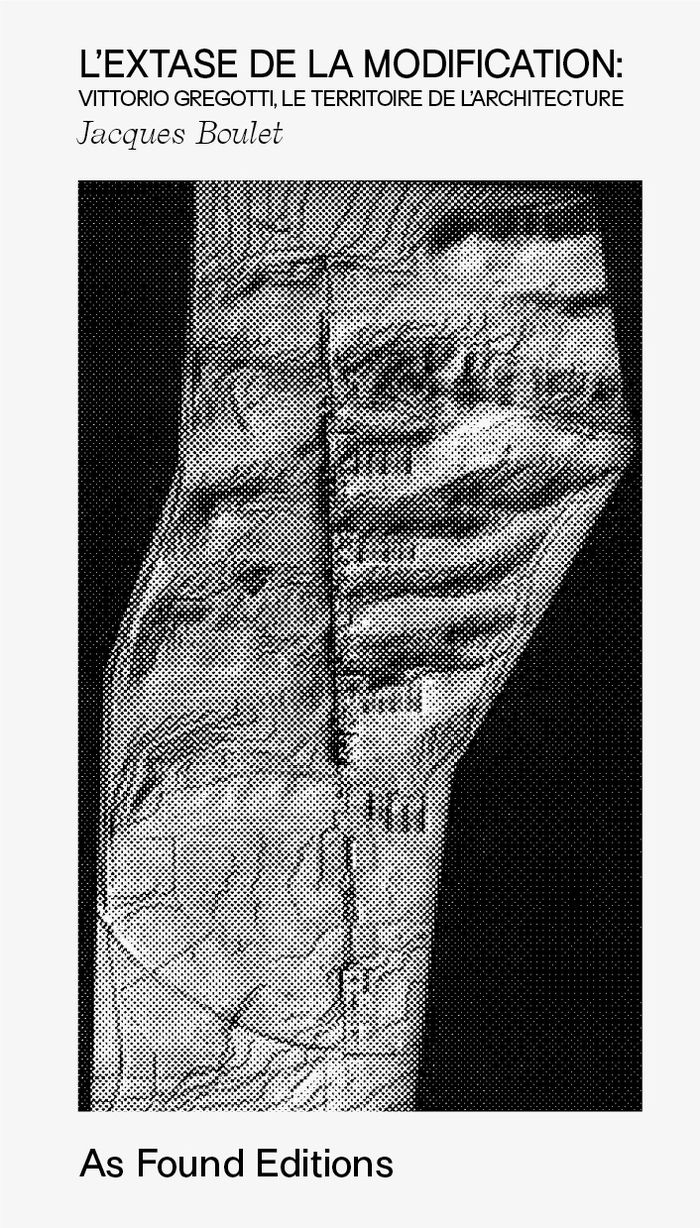
1966 est une année importante dans l’histoire des théories architecturales. L’émulation intellectuelle à Milan est alors à son comble : philosophes, écrivains, artistes et architectes croisent leurs savoirs et produisent une œuvre collective parmi les plus influentes de la seconde moitié du XXe siècle. C’est au contact de cette génération talentueuse, dont il fait partie, que Vittorio Gregotti écrira son livre le plus connu : Le territoire de l’architecture. Un texte important, savant, mais aussi difficile, fragmenté, et rendu presque inaccessible au lecteur français par l’insuffisance de sa seule traduction. Jacques Boulet, transposant en architecture un statut du texte que l’historien de l’art Julius von Schlosser définissait par Kunstlitteratur, nous en livre ici, en hommage à Vittorio Gregotti, une lecture utile en “opera aperta”, écrite en 2000 et non publiée, qui pose l’hypothèse, chez l’architecte italien, d’une écriture analogue à la projetation.
L'extase de la modification : Vittorio Gregotti, Le territoire de l'architecture
Actions:
Prix:
$19.95
(disponible en magasin)
Résumé:
1966 est une année importante dans l’histoire des théories architecturales. L’émulation intellectuelle à Milan est alors à son comble : philosophes, écrivains, artistes et architectes croisent leurs savoirs et produisent une œuvre collective parmi les plus influentes de la seconde moitié du XXe siècle. C’est au contact de cette génération talentueuse, dont il fait partie, que Vittorio Gregotti écrira son livre le plus connu : Le territoire de l’architecture. Un texte important, savant, mais aussi difficile, fragmenté, et rendu presque inaccessible au lecteur français par l’insuffisance de sa seule traduction. Jacques Boulet, transposant en architecture un statut du texte que l’historien de l’art Julius von Schlosser définissait par Kunstlitteratur, nous en livre ici, en hommage à Vittorio Gregotti, une lecture utile en “opera aperta”, écrite en 2000 et non publiée, qui pose l’hypothèse, chez l’architecte italien, d’une écriture analogue à la projetation.
Classification:
livres
livres
Publication:
mars 2023
mars 2023
Sujet:
Théorie de l’architecture
Théorie de l’architecture
Classification:
livres
livres
Actions:
Prix:
$42.00
(disponible sur commande)
Résumé:
In this suggestive inquiry into the operations of linearity in architectural theory and practice, Catherine Ingraham investigates the line as both a conceptual and a literal force in architecture. She approaches her subject from philosophical, theoretical, practical, and historical points of view, finding many places of convergence between architecture and(...)
$42.00
(disponible sur commande)
Résumé:
In this suggestive inquiry into the operations of linearity in architectural theory and practice, Catherine Ingraham investigates the line as both a conceptual and a literal force in architecture. She approaches her subject from philosophical, theoretical, practical, and historical points of view, finding many places of convergence between architecture and(...)
Titre:
Architecture and the burdens of linearity
Actions:
Prix:
$42.00
(disponible sur commande)
Résumé:
In this suggestive inquiry into the operations of linearity in architectural theory and practice, Catherine Ingraham investigates the line as both a conceptual and a literal force in architecture. She approaches her subject from philosophical, theoretical, practical, and historical points of view, finding many places of convergence between architecture and other fields. She considers maps, architectural plans, the laws of geometry, systems of architectural knowledge, and mythologies of architectural origin in works of Le Corbusier, Vitruvius, Alberti, Tafuri, Derrida, Lévi-Strauss, Shakespeare, Lacan, Deleuze, Rilke, and Stendhal.
Architecture and the burdens of linearity
Actions:
Prix:
$42.00
(disponible sur commande)
Résumé:
In this suggestive inquiry into the operations of linearity in architectural theory and practice, Catherine Ingraham investigates the line as both a conceptual and a literal force in architecture. She approaches her subject from philosophical, theoretical, practical, and historical points of view, finding many places of convergence between architecture and other fields. She considers maps, architectural plans, the laws of geometry, systems of architectural knowledge, and mythologies of architectural origin in works of Le Corbusier, Vitruvius, Alberti, Tafuri, Derrida, Lévi-Strauss, Shakespeare, Lacan, Deleuze, Rilke, and Stendhal.
Classification:
livres
livres
Publication:
avril 1998, New Haven
avril 1998, New Haven
Sujet:
Théorie de l’architecture
Théorie de l’architecture
Classification:
livres
livres
Actions:
Prix:
$65.00
(disponible sur commande)
Résumé:
Joseph Rykwert, a professor of architecture at the University of Pennsylvania, has contributed to the body of work about architecture a wide-ranging study of the use of the human figure in the discipline, particularly in columns. Rykwert plunges deep into architectural history, tracing the development of the classic orders from Greece to Rome and on through the(...)
$65.00
(disponible sur commande)
Résumé:
Joseph Rykwert, a professor of architecture at the University of Pennsylvania, has contributed to the body of work about architecture a wide-ranging study of the use of the human figure in the discipline, particularly in columns. Rykwert plunges deep into architectural history, tracing the development of the classic orders from Greece to Rome and on through the(...)
Titre:
The dancing column: on order in architecture
Actions:
Prix:
$65.00
(disponible sur commande)
Résumé:
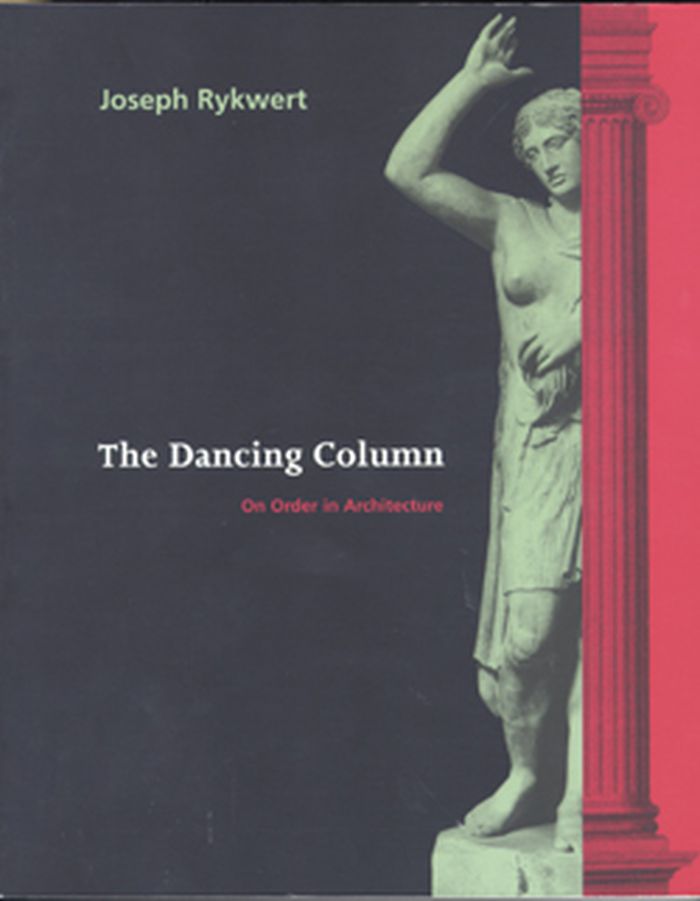
Joseph Rykwert, a professor of architecture at the University of Pennsylvania, has contributed to the body of work about architecture a wide-ranging study of the use of the human figure in the discipline, particularly in columns. Rykwert plunges deep into architectural history, tracing the development of the classic orders from Greece to Rome and on through the Renaissance in France and Italy. He says the relationship between the human body and architecture is "deeply ingrained in all recorded architectural thinking." He especially sees a close tie between the body and the column, the essential building block of architectural order.
The dancing column: on order in architecture
Actions:
Prix:
$65.00
(disponible sur commande)
Résumé:
Joseph Rykwert, a professor of architecture at the University of Pennsylvania, has contributed to the body of work about architecture a wide-ranging study of the use of the human figure in the discipline, particularly in columns. Rykwert plunges deep into architectural history, tracing the development of the classic orders from Greece to Rome and on through the Renaissance in France and Italy. He says the relationship between the human body and architecture is "deeply ingrained in all recorded architectural thinking." He especially sees a close tie between the body and the column, the essential building block of architectural order.
Classification:
livres
livres
Publication:
avril 1998, Cambridge, London
avril 1998, Cambridge, London
Sujet:
Théorie de l’architecture
Théorie de l’architecture
Classification:
livres
livres
Actions:
Prix:
$31.50
(disponible sur commande)
Résumé:
"Why Architecture Matters" collects the best of Kamin's columns, incuding his acclaimed series advocating the intelligent development of Chicago's lakefront. The columns are organized thematically, providing an accessible and thought-provoking view of architecture in the 1990s, from soaring skyscrapers to vibrant immigrant neighborhoods, troubled public housing projects,(...)
$31.50
(disponible sur commande)
Résumé:
"Why Architecture Matters" collects the best of Kamin's columns, incuding his acclaimed series advocating the intelligent development of Chicago's lakefront. The columns are organized thematically, providing an accessible and thought-provoking view of architecture in the 1990s, from soaring skyscrapers to vibrant immigrant neighborhoods, troubled public housing projects,(...)
Titre:
Why architecture matters : lessons from Chicago
Actions:
Prix:
$31.50
(disponible sur commande)
Résumé:
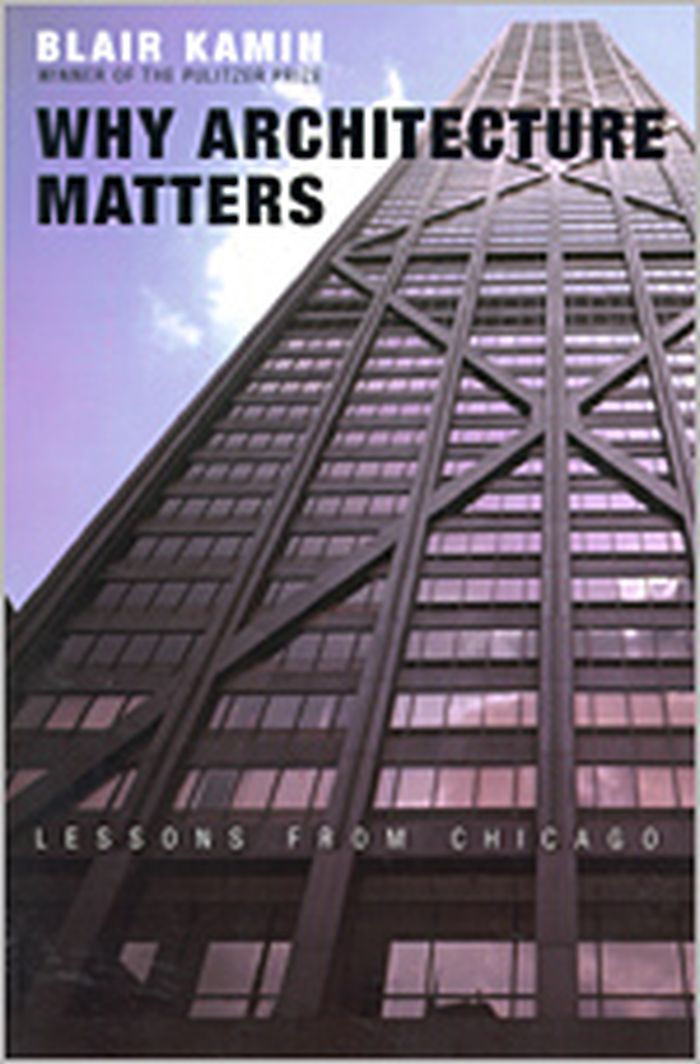
"Why Architecture Matters" collects the best of Kamin's columns, incuding his acclaimed series advocating the intelligent development of Chicago's lakefront. The columns are organized thematically, providing an accessible and thought-provoking view of architecture in the 1990s, from soaring skyscrapers to vibrant immigrant neighborhoods, troubled public housing projects, and sprawling suburbs. Because Chicago serves as a barometer of national design trends, these writings shed new light on American architecture and urbanism during a decade that Kamin labels "The Nervous Nineties"--a period of unparalleled affluence and underlying anxiety, of soothing retro buildings and provocative new ones that express the frenzied state of modern life.
Why architecture matters : lessons from Chicago
Actions:
Prix:
$31.50
(disponible sur commande)
Résumé:
"Why Architecture Matters" collects the best of Kamin's columns, incuding his acclaimed series advocating the intelligent development of Chicago's lakefront. The columns are organized thematically, providing an accessible and thought-provoking view of architecture in the 1990s, from soaring skyscrapers to vibrant immigrant neighborhoods, troubled public housing projects, and sprawling suburbs. Because Chicago serves as a barometer of national design trends, these writings shed new light on American architecture and urbanism during a decade that Kamin labels "The Nervous Nineties"--a period of unparalleled affluence and underlying anxiety, of soothing retro buildings and provocative new ones that express the frenzied state of modern life.
Classification:
livres
livres
Publication:
juin 2003, Chicago
juin 2003, Chicago
Sujet:
Théorie de l’architecture
Théorie de l’architecture
Classification:
livres
livres
Actions:
Prix:
$62.00
(disponible sur commande)
Résumé:
When Friedrich Gilly died in 1800 at the age of twenty-eight, his architectural career spanned less than a decade and none of his major designs had been built. Nevertheless, his ideas so influenced Berlin architecture for the next century that today he is widely regarded as the founder of that city's modern architectural tradition. Framed by Fritz Neumeyer's cogent(...)
$62.00
(disponible sur commande)
Résumé:
When Friedrich Gilly died in 1800 at the age of twenty-eight, his architectural career spanned less than a decade and none of his major designs had been built. Nevertheless, his ideas so influenced Berlin architecture for the next century that today he is widely regarded as the founder of that city's modern architectural tradition. Framed by Fritz Neumeyer's cogent(...)
Titre:
Friedrich Gilly: Essays on architecture 1796-1799
Actions:
Prix:
$62.00
(disponible sur commande)
Résumé:
When Friedrich Gilly died in 1800 at the age of twenty-eight, his architectural career spanned less than a decade and none of his major designs had been built. Nevertheless, his ideas so influenced Berlin architecture for the next century that today he is widely regarded as the founder of that city's modern architectural tradition. Framed by Fritz Neumeyer's cogent introductory analysis, these new translations of five of Gilly's essays are accompanied by previously unpublished archival records and an illuminating catalog of his personal library. The result is a provocative and novel historical perspective of an artistically vibrant epoch.
Friedrich Gilly: Essays on architecture 1796-1799
Actions:
Prix:
$62.00
(disponible sur commande)
Résumé:
When Friedrich Gilly died in 1800 at the age of twenty-eight, his architectural career spanned less than a decade and none of his major designs had been built. Nevertheless, his ideas so influenced Berlin architecture for the next century that today he is widely regarded as the founder of that city's modern architectural tradition. Framed by Fritz Neumeyer's cogent introductory analysis, these new translations of five of Gilly's essays are accompanied by previously unpublished archival records and an illuminating catalog of his personal library. The result is a provocative and novel historical perspective of an artistically vibrant epoch.
Classification:
livres
livres
Publication:
janvier 1994
janvier 1994
Sujet:
Théorie de l’architecture
Théorie de l’architecture


