


2705 Résultats
Classification:
livres
livres

Actions:
Prix:
$67.50
(disponible sur commande)
Résumé:
The buildings of the past were constructed with readily available and local materials, such as stone, wood, or handmade bricks. Architects in the modern era, however, can choose from an ever increasing number of new materials, each one allowing for different advances in design. And yet the traditional materials have never been entirely supplanted; they still form an(...)
Publication:
octobre 2019
octobre 2019
Titre:
Building on tradition: repurposing traditional materials in architecture
Actions:
Prix:
$67.50
(disponible sur commande)
Résumé:
The buildings of the past were constructed with readily available and local materials, such as stone, wood, or handmade bricks. Architects in the modern era, however, can choose from an ever increasing number of new materials, each one allowing for different advances in design. And yet the traditional materials have never been entirely supplanted; they still form an important part of the architectural range and are still used by architects the world over. The humble brick, for example, has remained a constant throughout the history of architecture, as has timber with its flexibility and warm tones. But today such elements can be used in conjunction with newer materials to highlight their natural beauty in many different ways: creating a stunning metal facade, wrapping a building with a cool, sleek stone finish, designing a wall with an eye-catching interesting texture, or adding depth or warmth to an internal design. Traditional metals are also finding new use, being employed to coat a structure in a light metal skin that reflects the sunlight, or embedded onto a building to add interest and texture. This book journeys through a curated selection of stunning examples from across the world, showcasing how each material is creatively used over a diverse range of building types and styles, and illustrating the myriad possibilities and forms available to the modern architect who chooses to rework these age-old materials into a brand-new decorative yet functional form.
Classification:
livres
livres
Publication:
octobre 2019
octobre 2019
Classification:
livres
livres
Actions:
Prix:
$24.95
(disponible sur commande)
Résumé:
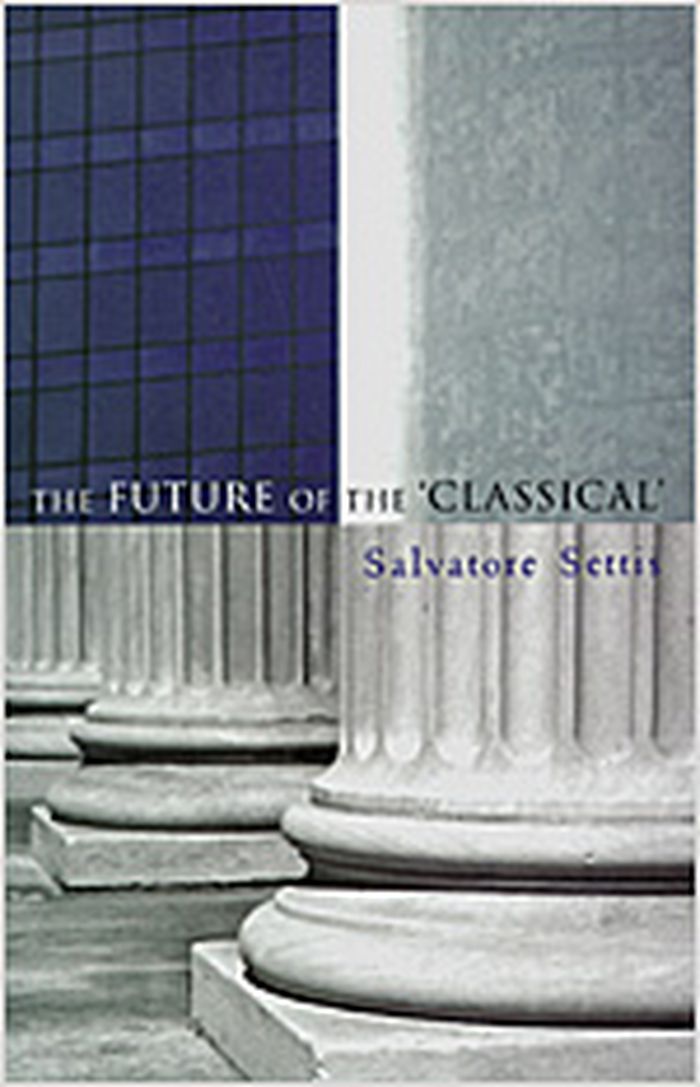
In this new book, Salvatore Settis traces the ways in which we have related to our "classical" past, starting with post-modern American skyscrapers and working his way back through our cultural history to the attitudes of the Greeks and Romans themselves. Settis argues that this obsession with cultural decay, ruins and a "classical" past is specifically European and the(...)
Sujet:
Théorie de l’architecture
Théorie de l’architecture
Publication:
août 2006, Cambridge, Malden (MA)
août 2006, Cambridge, Malden (MA)
Titre:
The future of the 'Classical'
Actions:
Prix:
$24.95
(disponible sur commande)
Résumé:
In this new book, Salvatore Settis traces the ways in which we have related to our "classical" past, starting with post-modern American skyscrapers and working his way back through our cultural history to the attitudes of the Greeks and Romans themselves. Settis argues that this obsession with cultural decay, ruins and a "classical" past is specifically European and the product of a collective cultural trauma following the collapse of the Roman Empire. He demonstrates how the idea of the "classical" has changed over the centuries through an unrelenting decay of "classicism" and its equally unrelenting rebirth in an altered form. In the Modern Era this emulation of the "ancients" by the "moderns" was accompanied by new trends: the increasing belief that the former had now been surpassed by the latter, and an increasing preference for the Greek over the Roman. These conflicting interpretations were as much about the future as they were about the past. No civilization can invent itself if it does not have other societies in other times and other places to act as benchmarks. Settis argues that we will be better equipped to mould new generations for the future once we understand that the "classical" is not a dead culture we inherited and for which we can take no credit, but something startling that has to be re-created every day and is a powerful spur to understanding the "other".
Classification:
livres
livres
Publication:
août 2006, Cambridge, Malden (MA)
août 2006, Cambridge, Malden (MA)
Sujet:
Théorie de l’architecture
Théorie de l’architecture
Classification:
livres
livres

Actions:
Prix:
$39.99
(disponible sur commande)
Résumé:
At the opening of the nineteenth century, publishing houses in London, New York, Paris, Stuttgart, and Berlin produced books in ever greater numbers. But it was not just the advent of mass printing that created the era's 'bookish' culture. According to Andrew Piper, romantic writers played a crucial role in adjusting readers to this increasingly international and(...)
Titre:
Dreaming in books: the making of the bibliographic imagination in the romantic age
Actions:
Prix:
$39.99
(disponible sur commande)
Résumé:
At the opening of the nineteenth century, publishing houses in London, New York, Paris, Stuttgart, and Berlin produced books in ever greater numbers. But it was not just the advent of mass printing that created the era's 'bookish' culture. According to Andrew Piper, romantic writers played a crucial role in adjusting readers to this increasingly international and overflowing literary environment. Learning how to use and want books occurred through more than the technological, commercial, or legal conditions that made the growing proliferation of books possible; the making of such bibliographic fantasies was importantly a product of the symbolic operations contained within books as well. Examining novels, critical editions, gift books, translations, and illustrated books, as well as the communities who made them, "Dreaming in Books" tells a wide-ranging story of the book's identity at the turn of the nineteenth century. In so doing, it shows how many of the most pressing modern communicative concerns are not unique to the digital age but emerged with a particular sense of urgency during the bookish upheavals of the romantic era. In revisiting the book's rise through the prism of romantic literature, Piper aims to revise our assumptions about romanticism, the medium of the printed book, and, ultimately, the future of the book in our so-called digital age.
Classification:
livres
livres
Publication:
avril 2009
avril 2009
Sujet:
Théorie de l’architecture
Théorie de l’architecture
Classification:
livres
livres
Titre:
In pursuit of color. From fungi to fossil fuels: Uncovering the origins of the world's famous dyes
In pursuit of color. From fungi to fossil fuels: Uncovering the origins of the world's famous dyes
Actions:
Prix:
$66.95
(disponible sur commande)
Résumé:
Over the centuries our manipulation of the natural world has resulted in an explosion of synthetic dye production and application globally. To gain insight into the history of how folk practices have been lost and technical processes found, anthropologist and textile artist Lauren MacDonald explores a practice that is both ancient and wholly modern: coloring cloth. The(...)
Titre:
In pursuit of color. From fungi to fossil fuels: Uncovering the origins of the world's famous dyes
Actions:
Prix:
$66.95
(disponible sur commande)
Résumé:
Over the centuries our manipulation of the natural world has resulted in an explosion of synthetic dye production and application globally. To gain insight into the history of how folk practices have been lost and technical processes found, anthropologist and textile artist Lauren MacDonald explores a practice that is both ancient and wholly modern: coloring cloth. The pursuit of color has long spurred economic and social contest, and through this deeply researched volume we explore the stories that the materials used to dye cloth tell us about our complex relationship to nature, our troubling ideas about progress and our understanding of power and labor. In Pursuit of Color: From Fungi to Fossil Fuels: Uncovering the Origins of the World's Most Famous Dyes brings together historic techniques, archive photography, specimens and present-day events to tell the histories of some of the world’s most important dyestuffs.
Classification:
livres
livres
Publication:
novembre 2022
novembre 2022
Classification:
livres
livres
Prix:
$49.95
(disponible sur commande)
Résumé:
Traditional and modern design come together to form a sharp new aesthetic in Geometric Graphics, a collection that features the best of contemporary design utilizing geometric shapes. While it may be easy to take shapes like quadrilaterals, circles and even straight lines for granted, the projects in this volume show how designers can create fresh concepts with these(...)
Titre:
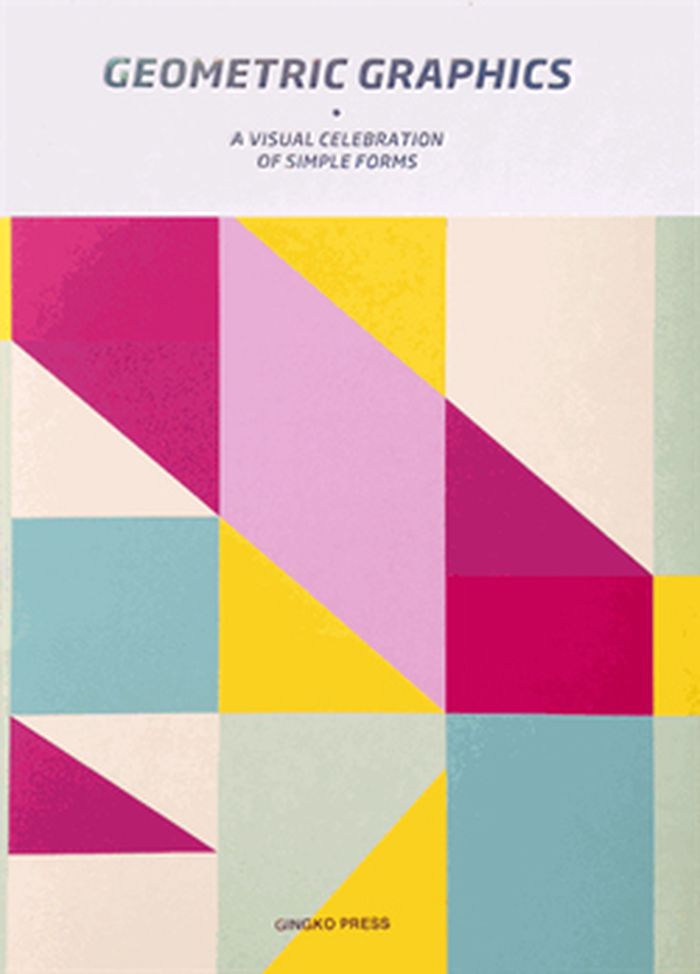
Geometric graphics: a visual celebration of simple forms
Actions:
Prix:
$49.95
(disponible sur commande)
Résumé:
Traditional and modern design come together to form a sharp new aesthetic in Geometric Graphics, a collection that features the best of contemporary design utilizing geometric shapes. While it may be easy to take shapes like quadrilaterals, circles and even straight lines for granted, the projects in this volume show how designers can create fresh concepts with these seemingly rigid forms. The works in Geometric Graphics tap into the philosophy of geometry, allowing them a sense of timelessness despite the undeniably current feel of the designs; album covers, calendars, clothing lines, even packaging for canned fish are reworked with crisp, minimalist designs centering around timeless shapes that are used in visually fascinating new ways. With projects drawn from a multitude of brands and designers, Geometric Graphics is a valuable resource for design creatives as well as those casually interested in the hipness of squares.
Classification:
livres
livres
Publication:
décembre 2014
décembre 2014
Classification:
périodiques
périodiques
Titre:
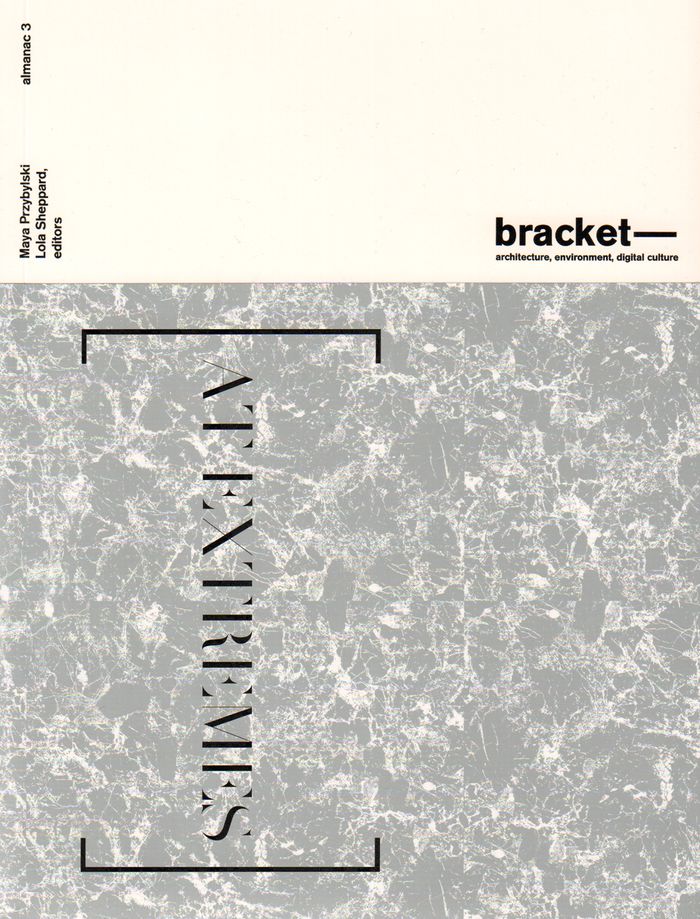
Bracket 3, At Extremes
Bracket 3, At Extremes
Actions:
Prix:
$51.95
(disponible sur commande)
Résumé:
"Bracket [at Extremes]" includes critical articles and unpublished design projects that investigate architecture, infrastructure and technology as they operate in conditions of imbalance, negotiate tipping points and test limit states. We are conditioned, as designers of the built environment, towards the organization of people, programs and movement. Indeed the history(...)
Titre:
Bracket 3, At Extremes
Actions:
Prix:
$51.95
(disponible sur commande)
Résumé:
"Bracket [at Extremes]" includes critical articles and unpublished design projects that investigate architecture, infrastructure and technology as they operate in conditions of imbalance, negotiate tipping points and test limit states. We are conditioned, as designers of the built environment, towards the organization of people, programs and movement. Indeed the history of modern urbanism, architecture and building science has been predicated on an anti-entropic notion of programmatic and social order. But are there scenarios in which a state of extremity or imbalance is productive? Bracket [at Extremes] seeks to understand what new spatial orders emerge in this liminal space. How might it be leveraged as an opportunity for invention? What are the limits of wilderness and control, of the natural and artificial, the real and the virtual? What new landscapes, networks, and urban models might emerge in the wake of destabilized economic, social and environmental conditions?
Classification:
périodiques
périodiques
Publication:
septembre 2016
septembre 2016
Sujet:
Revues
Revues
Classification:
livres
livres
Prix:
$56.50
(disponible sur commande)
Résumé:
Canadian architect Fred Hollingsworth designed his first house in 1946. Since then he has created some of the most innovative homes of the twentieth century. Hollingsworth's home designs incorporate an open floor plan and a keen observance of the flow between the inside and outside environment. Using natural materials with an emphasis on texture and natural lighting,(...)
Sujet:
Architecture du Canada
Architecture du Canada
Publication:
octobre 2005,
octobre 2005,
Titre:
Living spaces : the architecture of Fred Thornton Hollingsworth
Actions:
Prix:
$56.50
(disponible sur commande)
Résumé:
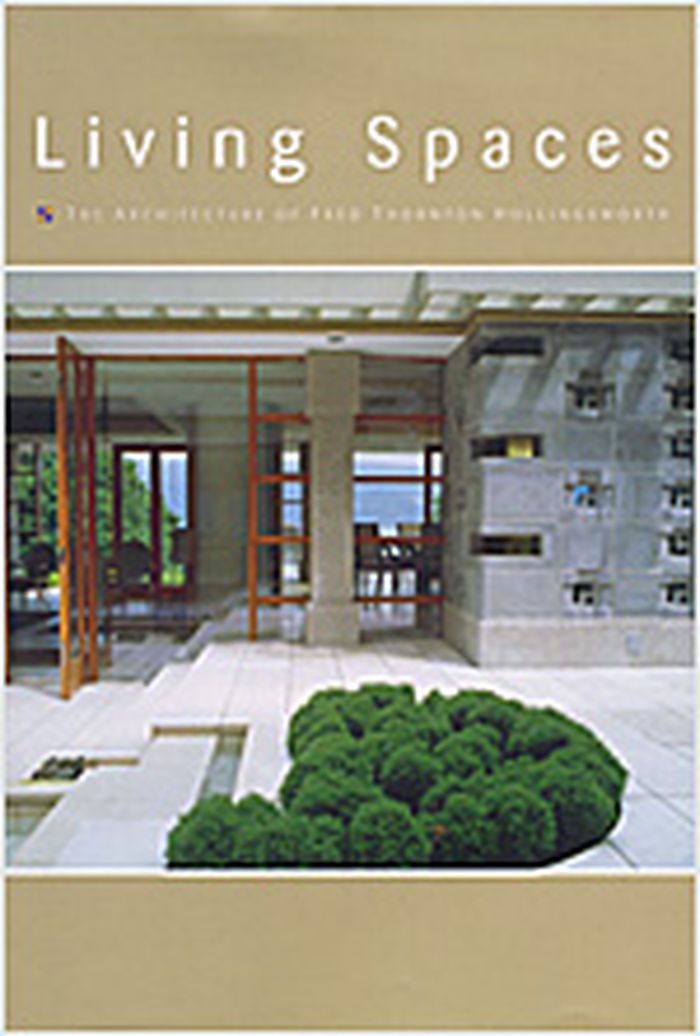
Canadian architect Fred Hollingsworth designed his first house in 1946. Since then he has created some of the most innovative homes of the twentieth century. Hollingsworth's home designs incorporate an open floor plan and a keen observance of the flow between the inside and outside environment. Using natural materials with an emphasis on texture and natural lighting, Hollingsworth is one of the few modernist architects who look wholly to organic form as the basis of their design aesthetic. "Living spaces" is a detailed monograph on Hollingsworth's career, revealing how he and a handful of visionary architects pioneered the acclaimed "West Coast Style" and helped establish modern ideals of structure and utility. Through full-page images, architectural plans, and text from the artist himself, this book follows an acclaimed architect from his early days to his most recent achievements that show his continued commitment to innovation.
Classification:
livres
livres
Publication:
octobre 2005,
octobre 2005,
Sujet:
Architecture du Canada
Architecture du Canada
Classification:
livres
livres
Prix:
$30.00
(disponible sur commande)
Résumé:
In "Chasing the perfect" writer/designer Natalia Ilyin delivers her observations on design and the world it has molded. According to Ilyin, "Modern design is based on deeply idealist notions, and its inherent perfectionism has dovetailed beautifully with our commodity-based economy's need to keep people itching so that they will buy things and keep the society chugging(...)
Titre:
Chasing the perfect : thoughts on modernist design in our time
Actions:
Prix:
$30.00
(disponible sur commande)
Résumé:
In "Chasing the perfect" writer/designer Natalia Ilyin delivers her observations on design and the world it has molded. According to Ilyin, "Modern design is based on deeply idealist notions, and its inherent perfectionism has dovetailed beautifully with our commodity-based economy's need to keep people itching so that they will buy things and keep the society chugging along. I began "Chasing the perfect" because I started to become aware of this collusion, this silent pressure that a language of design based in perfectionism had brought to bear on how I developed as a person." "Chasing the perfect" is especially relevant in our times as interest in graphic, industrial, and architectural design moves more and more into mainstream culture. Each of the 10 chapters features Ilyin’s accessible and often hilarious writing, which is highlighted with a broad range of images-some quite unexpected-from the designed world around us.
Classification:
livres
livres
Publication:
janvier 1900, New York
janvier 1900, New York
Sujet:
Théorie du design
Théorie du design
Classification:
livres
livres
Actions:
Prix:
$54.95
(disponible sur commande)
Résumé:
In process and technique, printmaking is an art of physical contact. From woodcut and engraving to lithography and screenprinting, every print is the record of a contact event: the transfer of an image between surfaces, under pressure, followed by release. Contact reveals how the physical properties of print have their own poetics and politics and provides a new framework(...)
Titre:
Contact: Art and the pull of print
Actions:
Prix:
$54.95
(disponible sur commande)
Résumé:
In process and technique, printmaking is an art of physical contact. From woodcut and engraving to lithography and screenprinting, every print is the record of a contact event: the transfer of an image between surfaces, under pressure, followed by release. Contact reveals how the physical properties of print have their own poetics and politics and provides a new framework for understanding the intelligence and continuing relevance of printmaking today. The seemingly simple physics of printmaking brings with it an array of metamorphoses that give expression to many of the social and conceptual concerns at the heart of modern and contemporary art. Exploring transformations such as reversal, separation, and interference, Jennifer Roberts explores these dynamics in the work of Christiane Baumgartner, David Hammons, Edgar Heap of Birds, Jasper Johns, Corita Kent, Glenn Ligon, Julie Mehretu, Robert Rauschenberg, and many other leading artists who work at the edge of the medium and beyond.
Classification:
livres
livres
Publication:
mai 2024
mai 2024
Sujet:
Théorie de l’art
Théorie de l’art
Classification:
livres
livres

Actions:
Prix:
$54.95
(disponible sur commande)
Résumé:
Hannah Höch (1889–1978) moved between differing worlds: as an editorial assistant with a major Berlin-based magazine publisher, and as the only woman who could hold her own in the German capital’s vibrant Dada scene of the 1920s. Cutting and montage also shaped film, still a new medium in the 1920s, which strongly influenced Höch’s art: she understood her assembled(...)
Publication:
février 2024
février 2024
Titre:
Hannah Höch: Assembled worlds
Actions:
Prix:
$54.95
(disponible sur commande)
Résumé:
Hannah Höch (1889–1978) moved between differing worlds: as an editorial assistant with a major Berlin-based magazine publisher, and as the only woman who could hold her own in the German capital’s vibrant Dada scene of the 1920s. Cutting and montage also shaped film, still a new medium in the 1920s, which strongly influenced Höch’s art: she understood her assembled pictures as static films. This richly illustrated and expertly annotated book explores comprehensively for the first time Höch’s life-long fascination with film and the visual culture of the modern industrial age. Covering her entire career, It demonstrates how montage evolved in a field of tension between artistic experimentation, commercial exploitation, and political appropriation. A text on photomontage by Höch, written in 1948, and a text-collage on the history of montage, in which major protagonists of Modernism and Avant-garde have their say, round out this volume.
Classification:
livres
livres
Publication:
février 2024
février 2024


