


2677 Résultats
Classification:
livres
livres
Actions:
Prix:
$51.00
(disponible sur commande)
Résumé:
In 1965, leading Swiss furniture company USM patented its signature modular furniture system, USM Haller. This flexible storage solution for both home and office was inspired by Fritz Haller’s modular architecture and designed for infinite reuse and reconfiguration. Considered a design classic, USM Haller is included in the collections of major museums including MoMA and(...)
Titre:
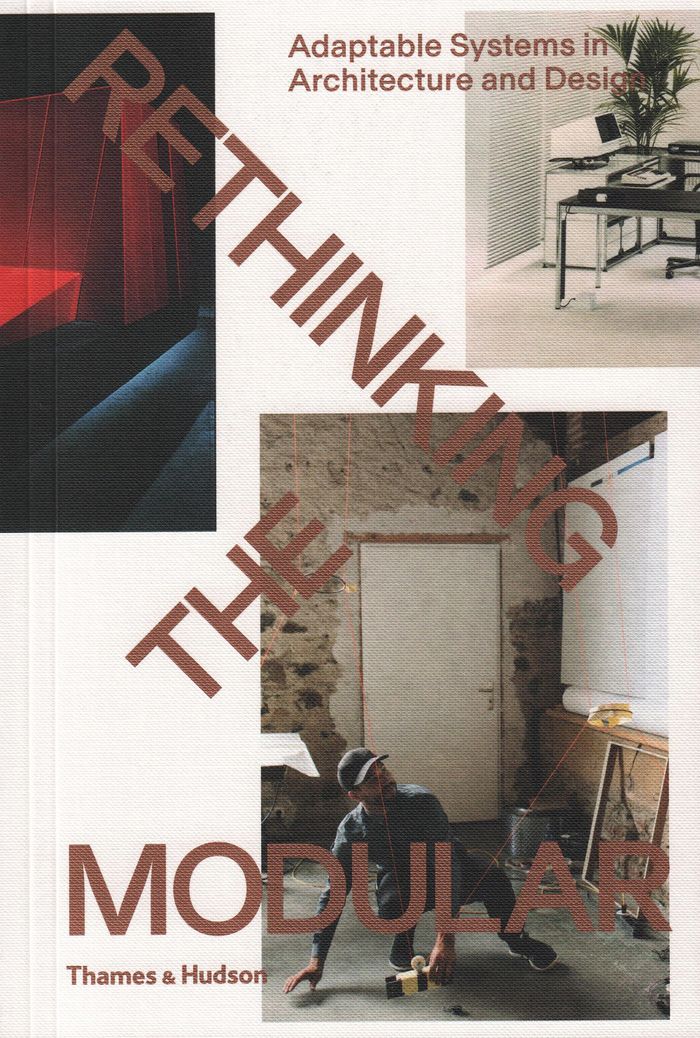
Rethinking the modular: adaptable systems in architecture and design
Actions:
Prix:
$51.00
(disponible sur commande)
Résumé:
In 1965, leading Swiss furniture company USM patented its signature modular furniture system, USM Haller. This flexible storage solution for both home and office was inspired by Fritz Haller’s modular architecture and designed for infinite reuse and reconfiguration. Considered a design classic, USM Haller is included in the collections of major museums including MoMA and the Cooper-Hewitt National Design Museum. Released as part of USM’s fiftieth-anniversary celebration of this iconic furniture design, Rethink the Modular examines the role of unit-based systems in the wider context of architecture and design. It combines previously published writings, specially commissioned essays from thinkers and innovators John Thackara and Rick Poyner, and interviews with leading figures in the design world that explain how the concept of the modular influences their work. Interspersed with visual material, the texts reveal the many possibilities created by balancing structure with flexibility, and seek to redefine the place of modularity in modern design history.
Classification:
livres
livres
Publication:
juillet 2016
juillet 2016
Sujet:
Design industriel
Design industriel
Classification:
livres
livres
Titre:
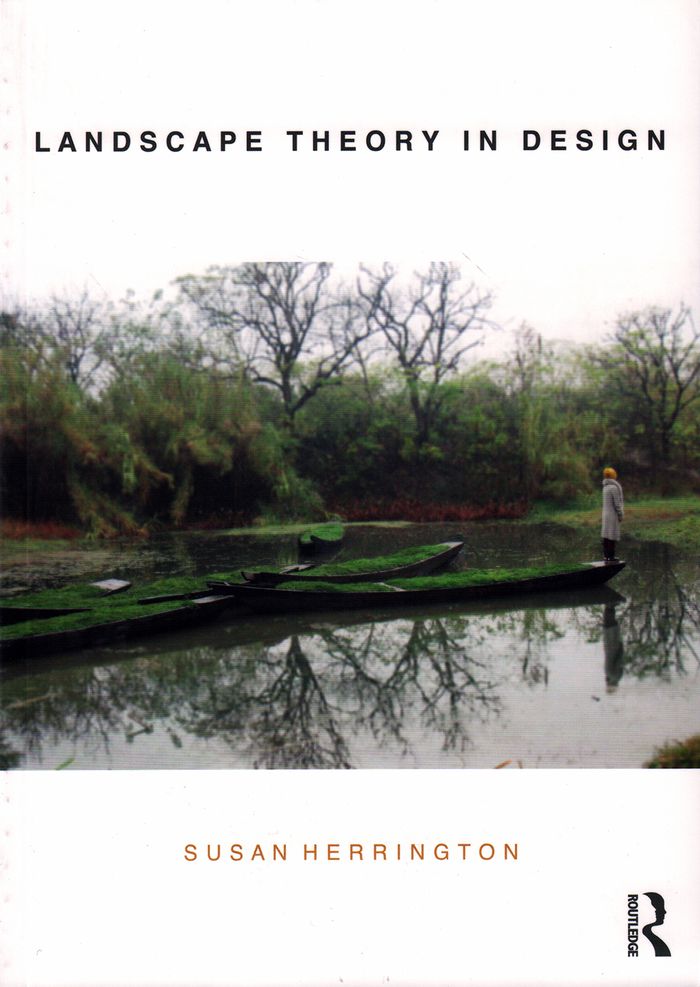
Landscape theory in design
Landscape theory in design
Actions:
Prix:
$90.90
(disponible sur commande)
Résumé:
Phenomenology, Materiality, Cybernetics, Palimpsest, Cyborgs, Landscape Urbanism, Typology, Semiotics, Deconstruction - the minefield of theoretical ideas that students must navigate today can be utterly confusing, and how do these theories translate to the design studio? "Landscape theory in design" introduces theoretical ideas to students without the use of jargon or an(...)
Titre:
Landscape theory in design
Actions:
Prix:
$90.90
(disponible sur commande)
Résumé:
Phenomenology, Materiality, Cybernetics, Palimpsest, Cyborgs, Landscape Urbanism, Typology, Semiotics, Deconstruction - the minefield of theoretical ideas that students must navigate today can be utterly confusing, and how do these theories translate to the design studio? "Landscape theory in design" introduces theoretical ideas to students without the use of jargon or an assumption of extensive knowledge in other fields, and in doing so, links these ideas to the processes of design. In five thematic chapters Susan Herrington explains: the theoretic groundings of the theory of philosophy, why it matters to design, an example of the theory in a work of landscape architecture from the twentieth and twenty-first centuries, debates surrounding the theory (particularly as they elaborate modern and postmodern thought) and primary readings that can be read as companions to her text. An extensive glossary of theoretical terms also adds a vital contribution to students’ comprehension of theories relevant to the design of landscapes and gardens.
Classification:
livres
livres
Publication:
janvier 2017
janvier 2017
Sujet:
Théorie du paysage
Théorie du paysage
Classification:
livres
livres
Prix:
$49.00
(disponible sur commande)
Résumé:
Even as the media environment has changed dramatically in recent years, one thing at least remains true: photographs are everywhere. From professional news photos to smartphone selfies, images have become part of the fabric of modern life. And that may be the problem. Even as photography bears witness, it provokes anxieties about fraudulent representation; even as it(...)
Sujet:
Théorie de la photographie
Théorie de la photographie
Publication:
novembre 2016
novembre 2016
Titre:
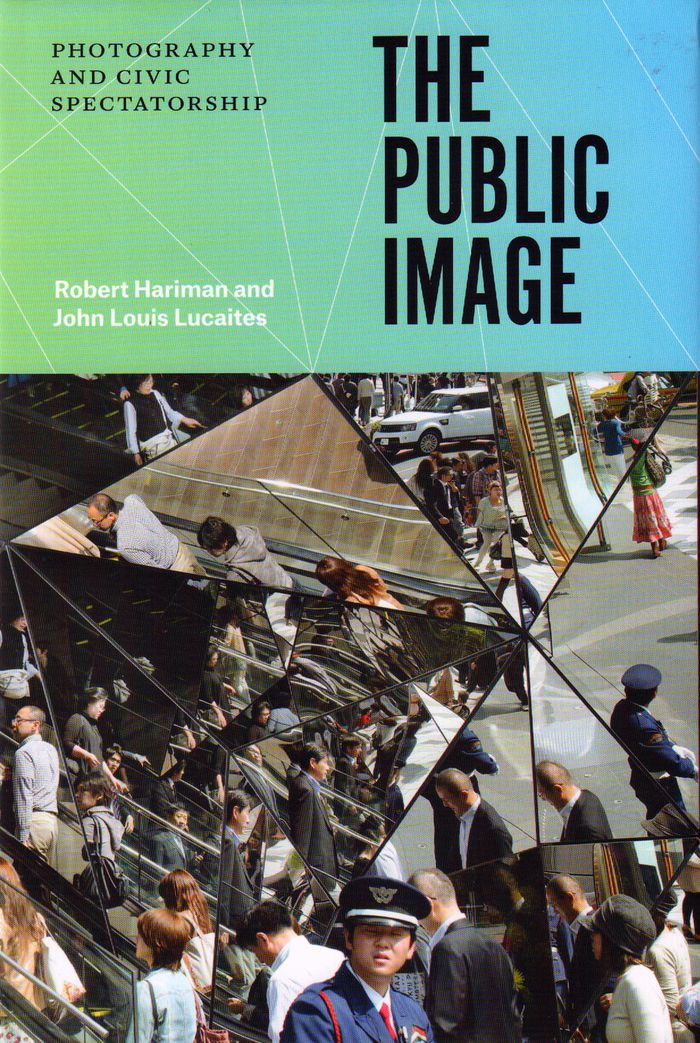
The public image: photography and civic spectatorship
Actions:
Prix:
$49.00
(disponible sur commande)
Résumé:
Even as the media environment has changed dramatically in recent years, one thing at least remains true: photographs are everywhere. From professional news photos to smartphone selfies, images have become part of the fabric of modern life. And that may be the problem. Even as photography bears witness, it provokes anxieties about fraudulent representation; even as it evokes compassion, it prompts anxieties about excessive exposure. Parents and pundits alike worry about the unprecedented media saturation that transforms society into an image world. And yet a great news photo can still stop us in our tracks, and the ever-expanding photographic archive documents an era of continuous change. By confronting these conflicted reactions to photography, Robert Hariman and John Louis Lucaites make the case for a fundamental shift in understanding photography and public culture. In place of suspicions about the medium’s capacity for distraction, deception, and manipulation, they suggest how it can provide resources for democratic communication and thoughtful reflection about contemporary social problems.
Classification:
livres
livres
Publication:
novembre 2016
novembre 2016
Sujet:
Théorie de la photographie
Théorie de la photographie
Classification:
livres
livres
Titre:
Domus volume 2 1940-1949
Domus volume 2 1940-1949
Actions:
Prix:
$79.95
(disponible sur commande)
Résumé:
1940-1949: Destruction and Reconstruction. This volume covers the 1940s, when fascism came to a climax and World War II led to the extensive destruction of Europe. But the second half of this decade was also a time of reconstruction, democratization, and the related search for new social values. Unlike in Nazi Germany, in fascist Italy Modernism was able to advance in(...)
Titre:
Domus volume 2 1940-1949
Actions:
Prix:
$79.95
(disponible sur commande)
Résumé:
1940-1949: Destruction and Reconstruction. This volume covers the 1940s, when fascism came to a climax and World War II led to the extensive destruction of Europe. But the second half of this decade was also a time of reconstruction, democratization, and the related search for new social values. Unlike in Nazi Germany, in fascist Italy Modernism was able to advance in architecture and design - as proved impressively by the buildings and designs by Carlo Mollino, Gian Luigi Banfi, Franco Albini, and Giuseppe Terragni that are documented herein. After the war, Organic Design emerged alongside the International style. This edition reflects upon the economic, social, and cultural problems of the time, but also shows how the force of the avant-garde continued to thrive in Italy, Switzerland, Scandinavia and the USA. Reports and features on modern industrial design and furniture, as well as domestic and business interiors stand side by side with articles about novel prefabricated houses
Classification:
livres
livres
Publication:
octobre 2008
octobre 2008
Sujet:
Design d’intérieur
Design d’intérieur
Classification:
livres
livres
Actions:
Prix:
$26.00
(disponible sur commande)
Résumé:
Although airports are now best known for interminable waits at check-in counters, liquid restrictions for carry-on luggage, and humiliating shoe-removal rituals at security, they were once the backdrops for jet-setters who strutted, martinis in hand, through curvilinear terminals designed by Eero Saarinen. In the critically acclaimed Naked Airport, Alastair Gordon traces(...)
Titre:
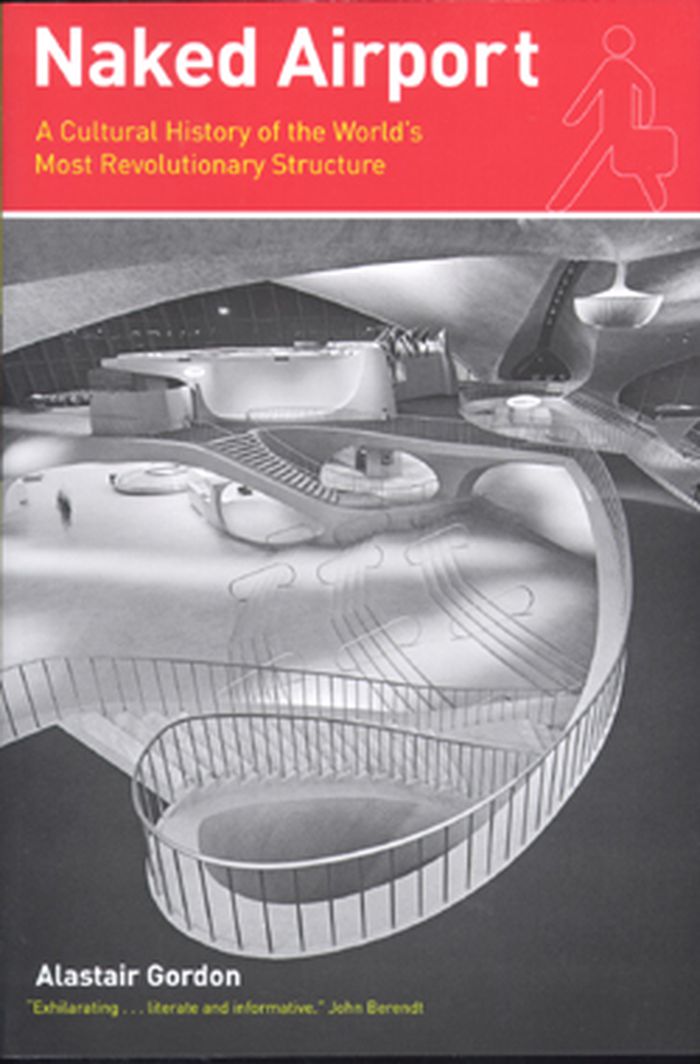
Naked Airport: a cultural history of the world's most revolutionary structure
Actions:
Prix:
$26.00
(disponible sur commande)
Résumé:
Although airports are now best known for interminable waits at check-in counters, liquid restrictions for carry-on luggage, and humiliating shoe-removal rituals at security, they were once the backdrops for jet-setters who strutted, martinis in hand, through curvilinear terminals designed by Eero Saarinen. In the critically acclaimed Naked Airport, Alastair Gordon traces the cultural history of this defining institution from its origins in the muddy fields of flying machines to its frontline position in the struggle against international terrorism. From global politics to action movies to the daily commute, Gordon shows how the airport has changed our sense of time, distance, and style, and ultimately the way cities are built and business is done. He introduces the people who shaped and were shaped by this place of sudden transition: pilots like Charles Lindbergh, architects like Le Corbusier, and political figures like Fiorello LaGuardia and Adolf Hitler. Naked Airport is a profoundly original history of a long-neglected yet central component of modern life.
Classification:
livres
livres
Publication:
mai 2008, Chicago
mai 2008, Chicago
Classification:
livres
livres
Titre:
Thomas Ruff : m.d.p.n.
Thomas Ruff : m.d.p.n.
Actions:
Prix:
$42.00
(disponible sur commande)
Résumé:
" Shortly after graduating in Bridge and Road Engineering in 1929 and being appointed to the rank of reserve lieutenant, I took a look around my city. There were no patterns to follow—only examples to imitate. The grand extravagant projects were the monopoly of the regime of arrogance and favoritism. A modern fish market was needed to replace the grubby “pietra del pesce”(...)
Sujet:
Monographies photo
Monographies photo
Publication:
janvier 2006, Milan
janvier 2006, Milan
Titre:
Thomas Ruff : m.d.p.n.
Actions:
Prix:
$42.00
(disponible sur commande)
Résumé:
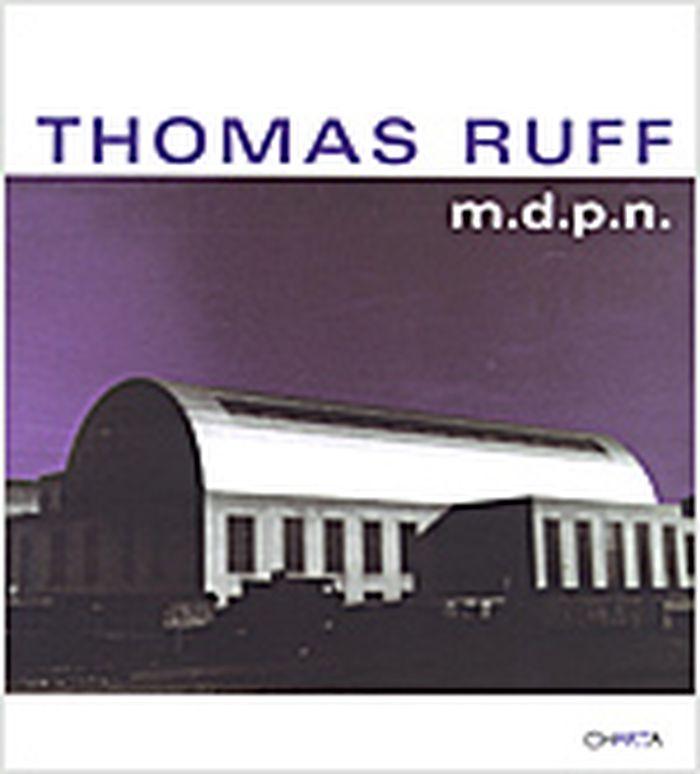
" Shortly after graduating in Bridge and Road Engineering in 1929 and being appointed to the rank of reserve lieutenant, I took a look around my city. There were no patterns to follow—only examples to imitate. The grand extravagant projects were the monopoly of the regime of arrogance and favoritism. A modern fish market was needed to replace the grubby “pietra del pesce” on Via Marina. I studied the problem on the spot and visited various other fish markets in Pozzuoli, Milan, Venice, Marseilles, Ostend, Hamburg. " This is how Luigi Cosenza (Naples 1905–1984) describes the genesis of his first project. The Fish Market of Naples—built in 1929 and considered the manifesto of the city’s rational architecture. This book documents the building with series of images produced by Thomas Ruff, a major contemporary artist from Germany, beginning with photos taken in the dazzling light of an early afternoon back in September 2002.
Classification:
livres
livres
Publication:
janvier 2006, Milan
janvier 2006, Milan
Sujet:
Monographies photo
Monographies photo
Classification:
livres
livres

Titre:
Art and the end of apartheid
Art and the end of apartheid
Actions:
Prix:
$35.95
(disponible sur commande)
Résumé:
The first book to fully explore cosmopolitan modern art by black South Africans under apartheid Black South African artists have typically had their work labeled “African art” or “township art,” qualifiers that, when contrasted with simply “modernist art,” have been used to marginalize their work both in South Africa and internationally. In Art and the End of(...)
Titre:
Art and the end of apartheid
Actions:
Prix:
$35.95
(disponible sur commande)
Résumé:
The first book to fully explore cosmopolitan modern art by black South Africans under apartheid Black South African artists have typically had their work labeled “African art” or “township art,” qualifiers that, when contrasted with simply “modernist art,” have been used to marginalize their work both in South Africa and internationally. In Art and the End of Apartheid,John Peffer considers in depth the work of black South African artists in the decades leading up to the end of apartheid in 1994. Peffer examines painting and graphic art, photography, avant-garde and performance art, and popular and protest art through artist collectives (such as the Thupelo Art Project and the Medu Art Ensemble) and individuals such as Durant Sihlali and Santu Mofokeng. He shows how South African artists imagined what “postapartheid” could mean during the time of apartheid, even as they struggled with immediate issues of censorship, militancy, street violence and torture, and, more broadly, the problem of self-representation and the social role of art.
Classification:
livres
livres
Publication:
février 2009, Minneapolis, London
février 2009, Minneapolis, London
Sujet:
Théorie de l’art
Théorie de l’art
Classification:
livres
livres
Titre:
Essays on Adolf Loos
Essays on Adolf Loos
Actions:
Prix:
$35.00
(disponible sur commande)
Résumé:
In this collection of essays, noted architectural historian and University of Texas professor Christopher Long (author of Adolf Loos on Trial) examines some of the many influences that shaped the work of the great architect Adolf Loos (1870–1933). Long’s finely tuned essays on subjects such as Loos' time in America, his famous essay "Ornament and Crime" and other(...)
Titre:
Essays on Adolf Loos
Actions:
Prix:
$35.00
(disponible sur commande)
Résumé:
In this collection of essays, noted architectural historian and University of Texas professor Christopher Long (author of Adolf Loos on Trial) examines some of the many influences that shaped the work of the great architect Adolf Loos (1870–1933). Long’s finely tuned essays on subjects such as Loos' time in America, his famous essay "Ornament and Crime" and other subjects, are at once brief excursions into Loos’ rich and complex intellectual world, and an attempt to shed light on an important time in the history of architecture and design. Long is deeply interested in Loos as an architect, but he is even more drawn to his profound and unique intellect, and to the clarity of mind with which Loos managed to probe and understand the realities of modern life. Loos, as Long writes, saw that “the problem of modernism was not the problem of style, but the problem of understanding how the world was changing.”
Classification:
livres
livres
Publication:
avril 2020
avril 2020
Sujet:
Théorie de l’architecture
Théorie de l’architecture
Classification:
livres
livres
Actions:
Prix:
$83.95
(disponible sur commande)
Résumé:
This important book tells the multifaceted story of humankind’s relationship with flooding, a story that is permeated with a history of both worship and fear. Modern water engineering has turned plains and valleys into fully inhabitable environments. At the same time, those environments have become highly vulnerable to climate change. In efforts to prevent future floods,(...)
Titre:
Floodscapes: contemporary landscape strategies in times of climate change
Actions:
Prix:
$83.95
(disponible sur commande)
Résumé:
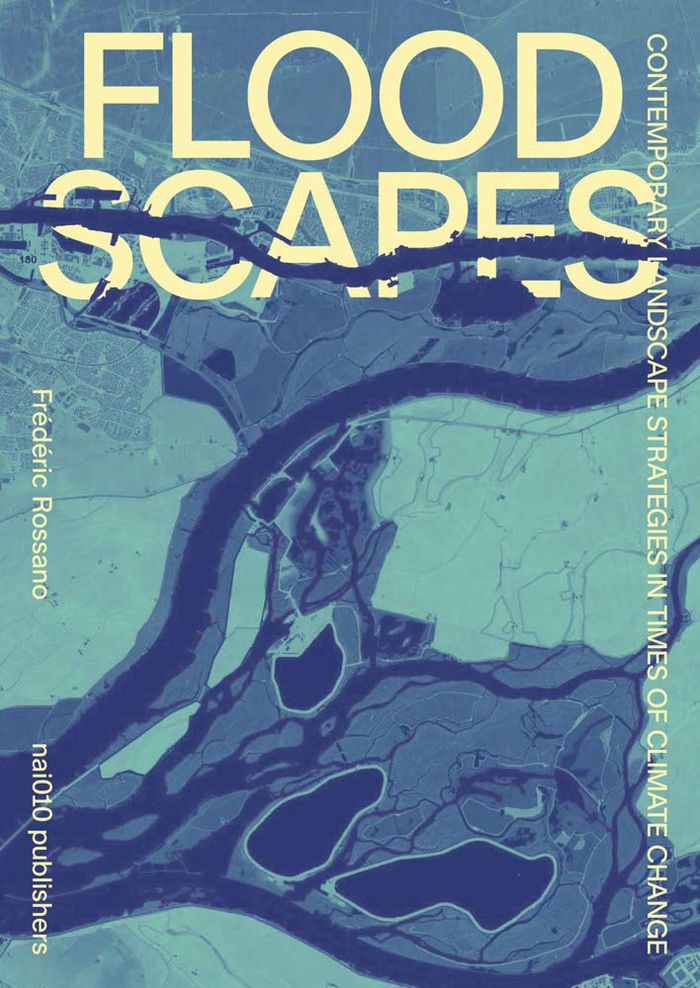
This important book tells the multifaceted story of humankind’s relationship with flooding, a story that is permeated with a history of both worship and fear. Modern water engineering has turned plains and valleys into fully inhabitable environments. At the same time, those environments have become highly vulnerable to climate change. In efforts to prevent future floods, countries are rediscovering adaptation strategies: making room for flooding, redistributing risks and reconsidering the use and legal status of floodplains. Through historical investigations and six contemporary projects implemented in four European countries, "Floodscapes" illustrates how flood-mitigation measures can be embedded in local space and culture. Merged with landscape development, agriculture, recreation, nature, and even urban growth, river management becomes a design issue, giving landscape architects and urban designers a prominent role in future transitions. This book provides an in-depth look into the most common natural disaster in the US, and the innovative solutions that have arisen.
Classification:
livres
livres
Publication:
juin 2021
juin 2021
Classification:
livres
livres
Titre:
Architecture and film
Architecture and film
Actions:
Prix:
$32.50
(disponible sur commande)
Résumé:
"Architecture and Film" looks at the ways architecture and architects are treated on screen and, conversely, how these depictions filter and shape the ways we understand the built environment. It also examines the significant effect that the film industry has had on the (...)
Publication:
février 2000, New York
février 2000, New York
Titre:
Architecture and film
Actions:
Prix:
$32.50
(disponible sur commande)
Résumé:
"Architecture and Film" looks at the ways architecture and architects are treated on screen and, conversely, how these depictions filter and shape the ways we understand the built environment. It also examines the significant effect that the film industry has had on the American public's perception of urban, suburban, and rural spaces. Contributors to this collection of essays come from a wide range of disciplines. Nancy Levinson writes on how films from "The Fountainhead" to "Jungle Fever" have depicted architects. Eric Rosenberg looks at how architecture and spatial relations shape the Beatles films "A Hard Day's Night", "Help!", and "Let It Be". Joseph Rosa discusses why modern domestic architecture in recent Hollywood films such as "The Ice Storm", "L.A. Confidential", and "The Big Lebowski" has become synonymous with unstable inhabitants. Peter Hall discusses the history of film titling, focusing on the groundbreaking work of Saul Bass and Maurice Binder. Editor Mark Lamster examines the anti-urbanism of the Star Wars trilogy. The collection also includes the voices of those from within the film industry, who are uniquely able to provide a "behind the scenes" perspective: film editor Bob Eisenhardt comments on the making of "Concert of Wills", a documentary on the construction of the Getty Museum; and Robert Kraft focuses on his work as a location director for Diane Keaton's upcoming film about Los Angeles. Also included are interviews with David Rockwell, architect of numerous Planet Hollywood restaurants worldwide and designer of a new hall to host the Academy Awards ceremony; Kyle Kooper, who created title sequences for "Seven" and "Mission Impossible"; and motion picture art director Jan Roelfs, whose credits include "Gattaca", "Orlando", and "Little Women". Previously priced at $41.50.
Classification:
livres
livres
Publication:
février 2000, New York
février 2000, New York


