


6599 Résultats
Classification:
événements
événements
Actions:
Description:
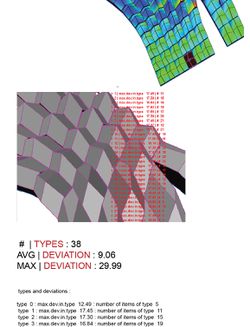
Les outils numériques ont changé la nature profonde de la conception et de la réalisation des bâtiments, c’est une évidence. Pourtant, l’innovation et l’inventivité formelles (et les compétences techniques nécessaires pour parvenir à ces fins) ne dépendent pas uniquement de la virtuosité dans la création de formes. Elles font également ressortir l’incidence marquante des(...)
Les outils numériques ont changé la nature profonde de la conception et de la réalisation des bâtiments, c’est une évidence. Pourtant, l’innovation et l’inventivité formelles (et les compétences techniques nécessaires pour parvenir à ces fins) ne dépendent pas uniquement de la virtuosité dans la création de formes. Elles font également ressortir l’incidence marquante des(...)
Localisation:
Théâtre Paul-Desmarais
Théâtre Paul-Desmarais
Date:
20 octobre 2016, 18h
20 octobre 2016, 18h
Titre:
Conseils judicieux et dessins clairs : conception et calcul au deuxième âge de la machine
Actions:
Description:
Les outils numériques ont changé la nature profonde de la conception et de la réalisation des bâtiments, c’est une évidence. Pourtant, l’innovation et l’inventivité formelles (et les compétences techniques nécessaires pour parvenir à ces fins) ne dépendent pas uniquement de la virtuosité dans la création de formes. Elles font également ressortir l’incidence marquante des(...)
Conseils judicieux et dessins clairs : conception et calcul au deuxième âge de la machine
Actions:
Description:
Les outils numériques ont changé la nature profonde de la conception et de la réalisation des bâtiments, c’est une évidence. Pourtant, l’innovation et l’inventivité formelles (et les compétences techniques nécessaires pour parvenir à ces fins) ne dépendent pas uniquement de la virtuosité dans la création de formes. Elles font également ressortir l’incidence marquante des(...)
Classification:
événements
événements
Date:
20 octobre 2016
18h
20 octobre 2016
18h
Localisation:
Théâtre Paul-Desmarais
Théâtre Paul-Desmarais
Classification:
documents textuels
documents textuels
Numéro de référence:
AP140.S1.SS2.P1
Description:
Certificate of post-war credit awarded to "J. F. Stirling" for the year ending 5 April 1946, dated 5 November 1948; letter from Peter G. Halpreaves (Liverpool University Contingent Senior Training Corps) to James Stirling, dated 16 June 1944, regarding Stirling`s letter discussing his military service and injury; letter from Professor L.B. Budden (Liverpool School of Architecture) to James Stirling, dated 1 February 1951, responding to Stirling`s statement of having "no intention of taking part in any future war, nor service relating to war" and his medical status
AP140.S1.SS2.P1
Description:
Certificate of post-war credit awarded to "J. F. Stirling" for the year ending 5 April 1946, dated 5 November 1948; letter from Peter G. Halpreaves (Liverpool University Contingent Senior Training Corps) to James Stirling, dated 16 June 1944, regarding Stirling`s letter discussing his military service and injury; letter from Professor L.B. Budden (Liverpool School of Architecture) to James Stirling, dated 1 February 1951, responding to Stirling`s statement of having "no intention of taking part in any future war, nor service relating to war" and his medical status
Personnes et institutions:
Date:
1948-1951
1948-1951
Titre:
Certificate of post-war credit
Actions:
AP140.S1.SS2.P1
Description:
Certificate of post-war credit awarded to "J. F. Stirling" for the year ending 5 April 1946, dated 5 November 1948; letter from Peter G. Halpreaves (Liverpool University Contingent Senior Training Corps) to James Stirling, dated 16 June 1944, regarding Stirling`s letter discussing his military service and injury; letter from Professor L.B. Budden (Liverpool School of Architecture) to James Stirling, dated 1 February 1951, responding to Stirling`s statement of having "no intention of taking part in any future war, nor service relating to war" and his medical status
Certificate of post-war credit
Actions:
AP140.S1.SS2.P1
Description:
Certificate of post-war credit awarded to "J. F. Stirling" for the year ending 5 April 1946, dated 5 November 1948; letter from Peter G. Halpreaves (Liverpool University Contingent Senior Training Corps) to James Stirling, dated 16 June 1944, regarding Stirling`s letter discussing his military service and injury; letter from Professor L.B. Budden (Liverpool School of Architecture) to James Stirling, dated 1 February 1951, responding to Stirling`s statement of having "no intention of taking part in any future war, nor service relating to war" and his medical status
Classification:
documents textuels
documents textuels
Date:
1948-1951
1948-1951
Personnes et institutions:
Classification:
articles
articles
Actions:
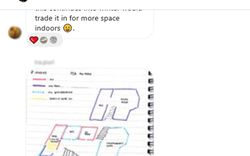
Les experts dans la salle de 13 à 16 ans livrent les résultats de l’enquête
Publié:
16 octobre 2020
16 octobre 2020
Titre:
À quoi ressemble la vie en 2040?
Les experts dans la salle de 13 à 16 ans livrent les résultats de l’enquête
Actions:
À quoi ressemble la vie en 2040?
Les experts dans la salle de 13 à 16 ans livrent les résultats de l’enquête
Actions:
Niveau de description archivistique:
Projet
Projet
Numéro de référence:
AP056.S1.1987.PR01
Description:
This project series documents the design and construction of the Di Stefano residence located at 98 Tetherwood Boulevard in London, Ontario from 1987-1990. The office identified the project number as 8720. This project consisted of a V shaped house with a red brick masonry veneer and cedar shingles that was about 3300 square feet in size. From above, the two arms of the V appeared almost as separate structures, connected only at the front of the home by an entrance hall. However, the front facade of the home joined the two arms fluidly using a curved wall that matched the round street court in front of the home. One arm of the house was two storeys with a garage and kitchen on the ground floor and bedrooms on the second. This arm was shorter than the other but opened onto a patio in the backyard. The other arm contained the master bedroom and great hall on the ground floor and in place of a second storey, had a sloped roof with four chimneys. There was also a basement for storage, with future plans for a rec room and workshop. Several design schemes were investigated for this home, with variations on the floor plan layout, the shape of the house, the number of storeys, and the positioning of the garage and patio. The project is recorded through original drawings used for design and construction which date from 1987-1990. The large part of the drawings consist of sketches, plans, elevations, sections, details, isometrics and perspectives.
AP056.S1.1987.PR01
Description:
This project series documents the design and construction of the Di Stefano residence located at 98 Tetherwood Boulevard in London, Ontario from 1987-1990. The office identified the project number as 8720. This project consisted of a V shaped house with a red brick masonry veneer and cedar shingles that was about 3300 square feet in size. From above, the two arms of the V appeared almost as separate structures, connected only at the front of the home by an entrance hall. However, the front facade of the home joined the two arms fluidly using a curved wall that matched the round street court in front of the home. One arm of the house was two storeys with a garage and kitchen on the ground floor and bedrooms on the second. This arm was shorter than the other but opened onto a patio in the backyard. The other arm contained the master bedroom and great hall on the ground floor and in place of a second storey, had a sloped roof with four chimneys. There was also a basement for storage, with future plans for a rec room and workshop. Several design schemes were investigated for this home, with variations on the floor plan layout, the shape of the house, the number of storeys, and the positioning of the garage and patio. The project is recorded through original drawings used for design and construction which date from 1987-1990. The large part of the drawings consist of sketches, plans, elevations, sections, details, isometrics and perspectives.
Personnes et institutions:
Date:
1987-1992
1987-1992
Titre:
Di Stefano Residence, London, Ontario (1987-1990)
Actions:
AP056.S1.1987.PR01
Description:
This project series documents the design and construction of the Di Stefano residence located at 98 Tetherwood Boulevard in London, Ontario from 1987-1990. The office identified the project number as 8720. This project consisted of a V shaped house with a red brick masonry veneer and cedar shingles that was about 3300 square feet in size. From above, the two arms of the V appeared almost as separate structures, connected only at the front of the home by an entrance hall. However, the front facade of the home joined the two arms fluidly using a curved wall that matched the round street court in front of the home. One arm of the house was two storeys with a garage and kitchen on the ground floor and bedrooms on the second. This arm was shorter than the other but opened onto a patio in the backyard. The other arm contained the master bedroom and great hall on the ground floor and in place of a second storey, had a sloped roof with four chimneys. There was also a basement for storage, with future plans for a rec room and workshop. Several design schemes were investigated for this home, with variations on the floor plan layout, the shape of the house, the number of storeys, and the positioning of the garage and patio. The project is recorded through original drawings used for design and construction which date from 1987-1990. The large part of the drawings consist of sketches, plans, elevations, sections, details, isometrics and perspectives.
Di Stefano Residence, London, Ontario (1987-1990)
Actions:
AP056.S1.1987.PR01
Description:
This project series documents the design and construction of the Di Stefano residence located at 98 Tetherwood Boulevard in London, Ontario from 1987-1990. The office identified the project number as 8720. This project consisted of a V shaped house with a red brick masonry veneer and cedar shingles that was about 3300 square feet in size. From above, the two arms of the V appeared almost as separate structures, connected only at the front of the home by an entrance hall. However, the front facade of the home joined the two arms fluidly using a curved wall that matched the round street court in front of the home. One arm of the house was two storeys with a garage and kitchen on the ground floor and bedrooms on the second. This arm was shorter than the other but opened onto a patio in the backyard. The other arm contained the master bedroom and great hall on the ground floor and in place of a second storey, had a sloped roof with four chimneys. There was also a basement for storage, with future plans for a rec room and workshop. Several design schemes were investigated for this home, with variations on the floor plan layout, the shape of the house, the number of storeys, and the positioning of the garage and patio. The project is recorded through original drawings used for design and construction which date from 1987-1990. The large part of the drawings consist of sketches, plans, elevations, sections, details, isometrics and perspectives.
Niveau de description archivistique:
Project
Project
Date:
1987-1992
1987-1992
Personnes et institutions:
Classification:
archives
Niveau de description archivistique:
Fonds
archives
Niveau de description archivistique:
Fonds
Titre:
Jean-Louis Cohen fonds
Jean-Louis Cohen fonds
Numéro de référence:
AP210
Résumé:
The Jean-Louis Cohen fonds, 1968 – 2023, documents the projects and activities of historian, curator, professor, and architect Jean-Louis Cohen (1949 – 2023). Cohen’s research focus was largely modern architecture and transnational architectural exchange, particularly between and among the United States, Europe, and the former Soviet Union in the 20th century. Through physical and digital records, this fonds documents his academic, publishing, and curatorial work along with his professional activities within architectural research and heritage organizations, as well as his architectural practice.
AP210
Résumé:
The Jean-Louis Cohen fonds, 1968 – 2023, documents the projects and activities of historian, curator, professor, and architect Jean-Louis Cohen (1949 – 2023). Cohen’s research focus was largely modern architecture and transnational architectural exchange, particularly between and among the United States, Europe, and the former Soviet Union in the 20th century. Through physical and digital records, this fonds documents his academic, publishing, and curatorial work along with his professional activities within architectural research and heritage organizations, as well as his architectural practice.
Personnes et institutions:
Date:
1968 - 2023
1968 - 2023
Titre:
Jean-Louis Cohen fonds
Actions:
AP210
Résumé:
The Jean-Louis Cohen fonds, 1968 – 2023, documents the projects and activities of historian, curator, professor, and architect Jean-Louis Cohen (1949 – 2023). Cohen’s research focus was largely modern architecture and transnational architectural exchange, particularly between and among the United States, Europe, and the former Soviet Union in the 20th century. Through physical and digital records, this fonds documents his academic, publishing, and curatorial work along with his professional activities within architectural research and heritage organizations, as well as his architectural practice.
Jean-Louis Cohen fonds
Actions:
AP210
Résumé:
The Jean-Louis Cohen fonds, 1968 – 2023, documents the projects and activities of historian, curator, professor, and architect Jean-Louis Cohen (1949 – 2023). Cohen’s research focus was largely modern architecture and transnational architectural exchange, particularly between and among the United States, Europe, and the former Soviet Union in the 20th century. Through physical and digital records, this fonds documents his academic, publishing, and curatorial work along with his professional activities within architectural research and heritage organizations, as well as his architectural practice.
Classification:
archives
Niveau de description archivistique:
Fonds
archives
Niveau de description archivistique:
Fonds
Date:
1968 - 2023
1968 - 2023
Personnes et institutions:
Classification:
expositions
expositions
Description:
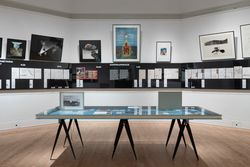
Alors que le cinéma décentralisé, expérimental et subversif gagne en importance à la fin des années 1960 et au début des années 1970, de nombreux groupes opérant dans le domaine de l’architecture, tels que Superstudio, Studio 9999 et Ant Farm explorent le médium du court métrage comme moyen d’élargir le discours architectural, d’intégrer à leurs projets des réflexions(...)
Alors que le cinéma décentralisé, expérimental et subversif gagne en importance à la fin des années 1960 et au début des années 1970, de nombreux groupes opérant dans le domaine de l’architecture, tels que Superstudio, Studio 9999 et Ant Farm explorent le médium du court métrage comme moyen d’élargir le discours architectural, d’intégrer à leurs projets des réflexions(...)
Localisation:
salle octogonale
salle octogonale
Date:
21 septembre 2018 au 19 mai 2019
21 septembre 2018 au 19 mai 2019
Titre:
Récits pour un monde nouveau
Actions:
Description:
Alors que le cinéma décentralisé, expérimental et subversif gagne en importance à la fin des années 1960 et au début des années 1970, de nombreux groupes opérant dans le domaine de l’architecture, tels que Superstudio, Studio 9999 et Ant Farm explorent le médium du court métrage comme moyen d’élargir le discours architectural, d’intégrer à leurs projets des réflexions(...)
Récits pour un monde nouveau
Actions:
Description:
Alors que le cinéma décentralisé, expérimental et subversif gagne en importance à la fin des années 1960 et au début des années 1970, de nombreux groupes opérant dans le domaine de l’architecture, tels que Superstudio, Studio 9999 et Ant Farm explorent le médium du court métrage comme moyen d’élargir le discours architectural, d’intégrer à leurs projets des réflexions(...)
Classification:
expositions
expositions
Date:
21 septembre 2018 au
19 mai 2019
21 septembre 2018 au
19 mai 2019
Localisation:
salle octogonale
salle octogonale
Niveau de description archivistique:
Projet
Projet
Numéro de référence:
AP018.S1.1974.PR22
Description:
This project series documents the design and construction of the medical clinic building at the Etobicoke General Hospital site in Etobicoke, Ontario from 1974-1980. The office identified the project number as 7428. At the same time that Parkin Architects Planners was constructing the Etobicoke General Hospital, they began working on this project, an adjacent medical clinic that would be attached to the hospital via tunnel. This project consisted of an 80 suite medical centre with a proposed space of 65,000 square feet including the building’s basement. The building shared architectural unity with the neighbouring hospital but was built at a distance in order to allow for future expansions of the hospital. In the project materials, the building is also referred to as the Professional Building. A prominent part of this project was design work for the radiology department in the clinic. It should be noted when viewing textual records and drawings in this project series that many are entitled Rexdale Radiological Services Limited. This project originally began under a different project number assigned by the office, but was built under this project number after the building's location was changed. This original project is also described in the fonds (see project series AP018.S1.1972.PR14). The project is recorded through drawings, photographs and textual records dating from 1974-1980. A large part of the drawings show site plans, but elevations, sections, details and floor plans are also included. The photographs track the construction progress of the project. The textual records include correspondence, meeting minutes and reports, specifications, tender documents, change orders, supplementary instructions, design records, site reports and detail planning records. Box AP018.S1.1974.PR22.009 contains an index to the textual records, which was created by the office.
AP018.S1.1974.PR22
Description:
This project series documents the design and construction of the medical clinic building at the Etobicoke General Hospital site in Etobicoke, Ontario from 1974-1980. The office identified the project number as 7428. At the same time that Parkin Architects Planners was constructing the Etobicoke General Hospital, they began working on this project, an adjacent medical clinic that would be attached to the hospital via tunnel. This project consisted of an 80 suite medical centre with a proposed space of 65,000 square feet including the building’s basement. The building shared architectural unity with the neighbouring hospital but was built at a distance in order to allow for future expansions of the hospital. In the project materials, the building is also referred to as the Professional Building. A prominent part of this project was design work for the radiology department in the clinic. It should be noted when viewing textual records and drawings in this project series that many are entitled Rexdale Radiological Services Limited. This project originally began under a different project number assigned by the office, but was built under this project number after the building's location was changed. This original project is also described in the fonds (see project series AP018.S1.1972.PR14). The project is recorded through drawings, photographs and textual records dating from 1974-1980. A large part of the drawings show site plans, but elevations, sections, details and floor plans are also included. The photographs track the construction progress of the project. The textual records include correspondence, meeting minutes and reports, specifications, tender documents, change orders, supplementary instructions, design records, site reports and detail planning records. Box AP018.S1.1974.PR22.009 contains an index to the textual records, which was created by the office.
Personnes et institutions:
Date:
1974-1980
1974-1980
Titre:
Etobicoke General Hospital, Medical Clinic Building, Etobicoke Ontario (1974-1980)
Actions:
AP018.S1.1974.PR22
Description:
This project series documents the design and construction of the medical clinic building at the Etobicoke General Hospital site in Etobicoke, Ontario from 1974-1980. The office identified the project number as 7428. At the same time that Parkin Architects Planners was constructing the Etobicoke General Hospital, they began working on this project, an adjacent medical clinic that would be attached to the hospital via tunnel. This project consisted of an 80 suite medical centre with a proposed space of 65,000 square feet including the building’s basement. The building shared architectural unity with the neighbouring hospital but was built at a distance in order to allow for future expansions of the hospital. In the project materials, the building is also referred to as the Professional Building. A prominent part of this project was design work for the radiology department in the clinic. It should be noted when viewing textual records and drawings in this project series that many are entitled Rexdale Radiological Services Limited. This project originally began under a different project number assigned by the office, but was built under this project number after the building's location was changed. This original project is also described in the fonds (see project series AP018.S1.1972.PR14). The project is recorded through drawings, photographs and textual records dating from 1974-1980. A large part of the drawings show site plans, but elevations, sections, details and floor plans are also included. The photographs track the construction progress of the project. The textual records include correspondence, meeting minutes and reports, specifications, tender documents, change orders, supplementary instructions, design records, site reports and detail planning records. Box AP018.S1.1974.PR22.009 contains an index to the textual records, which was created by the office.
Etobicoke General Hospital, Medical Clinic Building, Etobicoke Ontario (1974-1980)
Actions:
AP018.S1.1974.PR22
Description:
This project series documents the design and construction of the medical clinic building at the Etobicoke General Hospital site in Etobicoke, Ontario from 1974-1980. The office identified the project number as 7428. At the same time that Parkin Architects Planners was constructing the Etobicoke General Hospital, they began working on this project, an adjacent medical clinic that would be attached to the hospital via tunnel. This project consisted of an 80 suite medical centre with a proposed space of 65,000 square feet including the building’s basement. The building shared architectural unity with the neighbouring hospital but was built at a distance in order to allow for future expansions of the hospital. In the project materials, the building is also referred to as the Professional Building. A prominent part of this project was design work for the radiology department in the clinic. It should be noted when viewing textual records and drawings in this project series that many are entitled Rexdale Radiological Services Limited. This project originally began under a different project number assigned by the office, but was built under this project number after the building's location was changed. This original project is also described in the fonds (see project series AP018.S1.1972.PR14). The project is recorded through drawings, photographs and textual records dating from 1974-1980. A large part of the drawings show site plans, but elevations, sections, details and floor plans are also included. The photographs track the construction progress of the project. The textual records include correspondence, meeting minutes and reports, specifications, tender documents, change orders, supplementary instructions, design records, site reports and detail planning records. Box AP018.S1.1974.PR22.009 contains an index to the textual records, which was created by the office.
Niveau de description archivistique:
Project
Project
Date:
1974-1980
1974-1980
Personnes et institutions:
Classification:
articles
articles
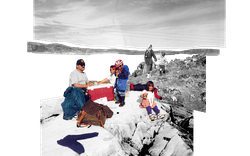
Nicole Luke s’entretient avec Rafico Ruiz et Ella den Elzen sur la collaboration, la collectivité et l’écoute dans l’avenir du design autochtone
Titre:
Futurecasting : Vers une architecture dirigée par des Autochtones
Nicole Luke s’entretient avec Rafico Ruiz et Ella den Elzen sur la collaboration, la collectivité et l’écoute dans l’avenir du design autochtone
Actions:
Futurecasting : Vers une architecture dirigée par des Autochtones
Nicole Luke s’entretient avec Rafico Ruiz et Ella den Elzen sur la collaboration, la collectivité et l’écoute dans l’avenir du design autochtone
Actions:
Classification:
articles
articles
Publié:
12 septembre 2022
12 septembre 2022
Classification:
archives
Niveau de description archivistique:
Fonds
archives
Niveau de description archivistique:
Fonds
Numéro de référence:
AP226
Résumé:
The Toyo Ito & Associates, Architects fonds, 1970 – 2011, documents the studio’s architectural work and involvement in selected exhibitions in the 1970s and 1980s. The records in this fonds represent 34 architectural projects, including built, unbuilt, and conceptual projects. The majority of the projects are located in Japan and are mostly documented through drawings as well as a limited number of videos, models, panels, textual records, and photographs. The fonds also contains records related to Toyo Ito & Associates, Architects’ participation in three exhibitions in the USA and the UK in 1978 and 1986.
AP226
Résumé:
The Toyo Ito & Associates, Architects fonds, 1970 – 2011, documents the studio’s architectural work and involvement in selected exhibitions in the 1970s and 1980s. The records in this fonds represent 34 architectural projects, including built, unbuilt, and conceptual projects. The majority of the projects are located in Japan and are mostly documented through drawings as well as a limited number of videos, models, panels, textual records, and photographs. The fonds also contains records related to Toyo Ito & Associates, Architects’ participation in three exhibitions in the USA and the UK in 1978 and 1986.
Personnes et institutions:
Date:
1970 - 2011
1970 - 2011
Titre:
Toyo Ito & Associates, Architects fonds
Actions:
AP226
Résumé:
The Toyo Ito & Associates, Architects fonds, 1970 – 2011, documents the studio’s architectural work and involvement in selected exhibitions in the 1970s and 1980s. The records in this fonds represent 34 architectural projects, including built, unbuilt, and conceptual projects. The majority of the projects are located in Japan and are mostly documented through drawings as well as a limited number of videos, models, panels, textual records, and photographs. The fonds also contains records related to Toyo Ito & Associates, Architects’ participation in three exhibitions in the USA and the UK in 1978 and 1986.
Toyo Ito & Associates, Architects fonds
Actions:
AP226
Résumé:
The Toyo Ito & Associates, Architects fonds, 1970 – 2011, documents the studio’s architectural work and involvement in selected exhibitions in the 1970s and 1980s. The records in this fonds represent 34 architectural projects, including built, unbuilt, and conceptual projects. The majority of the projects are located in Japan and are mostly documented through drawings as well as a limited number of videos, models, panels, textual records, and photographs. The fonds also contains records related to Toyo Ito & Associates, Architects’ participation in three exhibitions in the USA and the UK in 1978 and 1986.
Classification:
archives
Niveau de description archivistique:
Fonds
archives
Niveau de description archivistique:
Fonds
Date:
1970 - 2011
1970 - 2011
Personnes et institutions:
Niveau de description archivistique:
Projet
Projet
Numéro de référence:
AP018.S1.1974.PR07
Description:
This project series documents long-term planning for airports near Kabul, Afghanistan from 1974-1990. The office identified the project number as 7408. This project consisted of the planning of airports near Kabul for the years 1974-1990. This work was undertaken in joint venture with other Canadian firms who worked together on airport planning projects around the world. The firms, which consisted of Parkin Architects Planners as the architects, the Montreal Engineering Company Limited, and Peat, Marwick and Partners, joined with the local Afghan Bureau of Consulting Architects and Engineers for this project. It was to be funded by the Islamic Bank, with the Canadian government paying the design fees. The proposed airport, referred to as Logar Airport, consisted of a rectangular passenger terminal with each level set back to create the look of a staircase roofline. A 225 car parking lot, an administration building and a tower in the parking lot area were also included. The long-term plan showed a symmetrical addition built onto the passenger building and symmetrical 225 car parking lot to compliment it in the years following the original construction. An airport hotel was also proposed for future additions. A feasibility study for this project investigated Logar as a site for the airport, based on the ability to expand the terminal size for passenger processing and traffic, and the flexibility of the local topography. Planing, deplaning, processing and passenger flows were all investigated in this project, along with phasing and development plans. It is not clear from the project documentation if this project was ever built. The project is recorded through drawings, a photograph, and textual records dating from 1974-1976. The drawings include a large number of base plans with overlays to study planing and deplaning flows, natural lighting, and passenger movements. Plans, sections and presentation drawings are also included. The textual records consist of reports on the project program and costs, interoffice memos, correspondence, and financial records.
AP018.S1.1974.PR07
Description:
This project series documents long-term planning for airports near Kabul, Afghanistan from 1974-1990. The office identified the project number as 7408. This project consisted of the planning of airports near Kabul for the years 1974-1990. This work was undertaken in joint venture with other Canadian firms who worked together on airport planning projects around the world. The firms, which consisted of Parkin Architects Planners as the architects, the Montreal Engineering Company Limited, and Peat, Marwick and Partners, joined with the local Afghan Bureau of Consulting Architects and Engineers for this project. It was to be funded by the Islamic Bank, with the Canadian government paying the design fees. The proposed airport, referred to as Logar Airport, consisted of a rectangular passenger terminal with each level set back to create the look of a staircase roofline. A 225 car parking lot, an administration building and a tower in the parking lot area were also included. The long-term plan showed a symmetrical addition built onto the passenger building and symmetrical 225 car parking lot to compliment it in the years following the original construction. An airport hotel was also proposed for future additions. A feasibility study for this project investigated Logar as a site for the airport, based on the ability to expand the terminal size for passenger processing and traffic, and the flexibility of the local topography. Planing, deplaning, processing and passenger flows were all investigated in this project, along with phasing and development plans. It is not clear from the project documentation if this project was ever built. The project is recorded through drawings, a photograph, and textual records dating from 1974-1976. The drawings include a large number of base plans with overlays to study planing and deplaning flows, natural lighting, and passenger movements. Plans, sections and presentation drawings are also included. The textual records consist of reports on the project program and costs, interoffice memos, correspondence, and financial records.
Personnes et institutions:
Date:
1974-1976
1974-1976
Titre:
Kabul Area Airport Developments, Afghanistan (1974-1990)
Actions:
AP018.S1.1974.PR07
Description:
This project series documents long-term planning for airports near Kabul, Afghanistan from 1974-1990. The office identified the project number as 7408. This project consisted of the planning of airports near Kabul for the years 1974-1990. This work was undertaken in joint venture with other Canadian firms who worked together on airport planning projects around the world. The firms, which consisted of Parkin Architects Planners as the architects, the Montreal Engineering Company Limited, and Peat, Marwick and Partners, joined with the local Afghan Bureau of Consulting Architects and Engineers for this project. It was to be funded by the Islamic Bank, with the Canadian government paying the design fees. The proposed airport, referred to as Logar Airport, consisted of a rectangular passenger terminal with each level set back to create the look of a staircase roofline. A 225 car parking lot, an administration building and a tower in the parking lot area were also included. The long-term plan showed a symmetrical addition built onto the passenger building and symmetrical 225 car parking lot to compliment it in the years following the original construction. An airport hotel was also proposed for future additions. A feasibility study for this project investigated Logar as a site for the airport, based on the ability to expand the terminal size for passenger processing and traffic, and the flexibility of the local topography. Planing, deplaning, processing and passenger flows were all investigated in this project, along with phasing and development plans. It is not clear from the project documentation if this project was ever built. The project is recorded through drawings, a photograph, and textual records dating from 1974-1976. The drawings include a large number of base plans with overlays to study planing and deplaning flows, natural lighting, and passenger movements. Plans, sections and presentation drawings are also included. The textual records consist of reports on the project program and costs, interoffice memos, correspondence, and financial records.
Kabul Area Airport Developments, Afghanistan (1974-1990)
Actions:
AP018.S1.1974.PR07
Description:
This project series documents long-term planning for airports near Kabul, Afghanistan from 1974-1990. The office identified the project number as 7408. This project consisted of the planning of airports near Kabul for the years 1974-1990. This work was undertaken in joint venture with other Canadian firms who worked together on airport planning projects around the world. The firms, which consisted of Parkin Architects Planners as the architects, the Montreal Engineering Company Limited, and Peat, Marwick and Partners, joined with the local Afghan Bureau of Consulting Architects and Engineers for this project. It was to be funded by the Islamic Bank, with the Canadian government paying the design fees. The proposed airport, referred to as Logar Airport, consisted of a rectangular passenger terminal with each level set back to create the look of a staircase roofline. A 225 car parking lot, an administration building and a tower in the parking lot area were also included. The long-term plan showed a symmetrical addition built onto the passenger building and symmetrical 225 car parking lot to compliment it in the years following the original construction. An airport hotel was also proposed for future additions. A feasibility study for this project investigated Logar as a site for the airport, based on the ability to expand the terminal size for passenger processing and traffic, and the flexibility of the local topography. Planing, deplaning, processing and passenger flows were all investigated in this project, along with phasing and development plans. It is not clear from the project documentation if this project was ever built. The project is recorded through drawings, a photograph, and textual records dating from 1974-1976. The drawings include a large number of base plans with overlays to study planing and deplaning flows, natural lighting, and passenger movements. Plans, sections and presentation drawings are also included. The textual records consist of reports on the project program and costs, interoffice memos, correspondence, and financial records.
Niveau de description archivistique:
Project
Project
Date:
1974-1976
1974-1976
Personnes et institutions:


