


2723 Résultats
Classification:
livres
livres
Actions:
Prix:
$34.00
(disponible sur commande)
Résumé:
From the creator of Paper Pilot and Paper Captain, Paper Astronaut is a beautifully illustrated voyage into deep space, combining stunning archival photographs and colorful technical drawings with expertly designed die-cut models that readers can actually cut out and assemble. Published for the fortieth anniversary of the moon landing in 1969—and introduced by Buzz(...)
$34.00
(disponible sur commande)
Résumé:
From the creator of Paper Pilot and Paper Captain, Paper Astronaut is a beautifully illustrated voyage into deep space, combining stunning archival photographs and colorful technical drawings with expertly designed die-cut models that readers can actually cut out and assemble. Published for the fortieth anniversary of the moon landing in 1969—and introduced by Buzz(...)
Titre:
Paper astronaut: paper spacecraft mission manual
Actions:
Prix:
$34.00
(disponible sur commande)
Résumé:
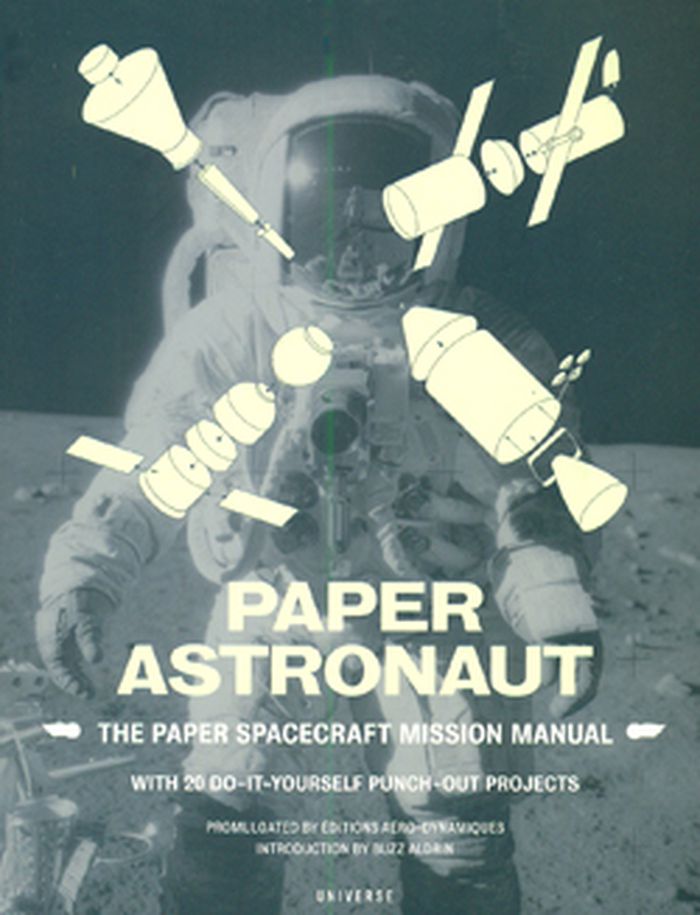
From the creator of Paper Pilot and Paper Captain, Paper Astronaut is a beautifully illustrated voyage into deep space, combining stunning archival photographs and colorful technical drawings with expertly designed die-cut models that readers can actually cut out and assemble. Published for the fortieth anniversary of the moon landing in 1969—and introduced by Buzz Aldrin—the book includes histories of twenty feats of aeronautic engineering drawn from half a century of space programs around the world, from Apollo 11 to the Soviet space station Mir and China’s Shenzou 7 capsule, and featuring the most iconic designs of fifty years of space exploration. Each spacecraft is accompanied by amazing stories, fascinating facts and statistics about the universe around them, and mesmerizing photographs of the vessels in space. Sixty-four pages of the book are devoted to finely crafted die-cut paper models of the featured rockets, presented with clear instructions for assembly and helpful advice for deploying your galactic fleet.
Paper astronaut: paper spacecraft mission manual
Actions:
Prix:
$34.00
(disponible sur commande)
Résumé:
From the creator of Paper Pilot and Paper Captain, Paper Astronaut is a beautifully illustrated voyage into deep space, combining stunning archival photographs and colorful technical drawings with expertly designed die-cut models that readers can actually cut out and assemble. Published for the fortieth anniversary of the moon landing in 1969—and introduced by Buzz Aldrin—the book includes histories of twenty feats of aeronautic engineering drawn from half a century of space programs around the world, from Apollo 11 to the Soviet space station Mir and China’s Shenzou 7 capsule, and featuring the most iconic designs of fifty years of space exploration. Each spacecraft is accompanied by amazing stories, fascinating facts and statistics about the universe around them, and mesmerizing photographs of the vessels in space. Sixty-four pages of the book are devoted to finely crafted die-cut paper models of the featured rockets, presented with clear instructions for assembly and helpful advice for deploying your galactic fleet.
Classification:
livres
livres
Publication:
juin 2009
juin 2009
Sujet:
cahiers d'activités
cahiers d'activités
Classification:
livres
livres
Exemplaires:
Description:
171 pages : illustrations (some color) ; 28 cm
Description:
171 pages : illustrations (some color) ; 28 cm
Sujet:
Publication:
Milano : Charta, ©1995.
Milano : Charta, ©1995.
Titre:
Il tempo delle illusioni : arte russa degli anni Venti.
Actions:
Exemplaires:
Description:
171 pages : illustrations (some color) ; 28 cm
Il tempo delle illusioni : arte russa degli anni Venti.
Actions:
Exemplaires:
Description:
171 pages : illustrations (some color) ; 28 cm
Classification:
livres
livres
Publication:
Milano : Charta, ©1995.
Milano : Charta, ©1995.
Sujet:
Classification:
livres
livres
Titre:
Rhythm in architecture
Rhythm in architecture
Actions:
Prix:
$29.95
(disponible sur commande)
Résumé:
"Rhythm in Architecture" is the first ever translation into English of a key early Modernist text, written by the celebrated Soviet Constructivist architect Moisei Ginzburg and first published in Russian as Ritm v Arkhitekture in 1923. Ginzburg is most famous for his Narkomfin Building in Moscow, completed in 1932, which he described as a “social-condenser”: a radical(...)
$29.95
(disponible sur commande)
Résumé:
"Rhythm in Architecture" is the first ever translation into English of a key early Modernist text, written by the celebrated Soviet Constructivist architect Moisei Ginzburg and first published in Russian as Ritm v Arkhitekture in 1923. Ginzburg is most famous for his Narkomfin Building in Moscow, completed in 1932, which he described as a “social-condenser”: a radical(...)
Titre:
Rhythm in architecture
Actions:
Prix:
$29.95
(disponible sur commande)
Résumé:
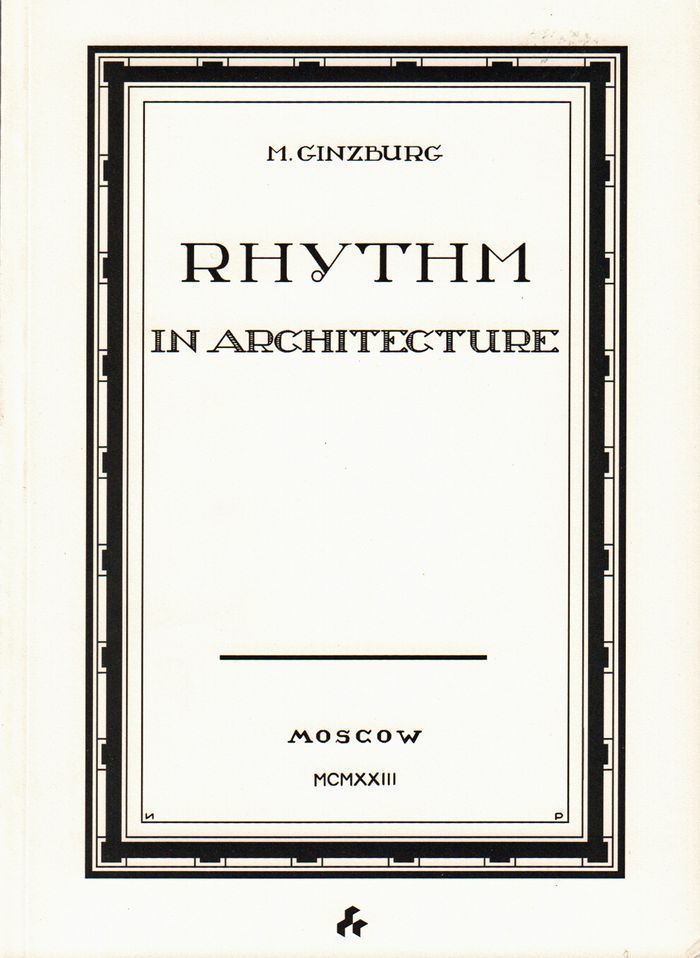
"Rhythm in Architecture" is the first ever translation into English of a key early Modernist text, written by the celebrated Soviet Constructivist architect Moisei Ginzburg and first published in Russian as Ritm v Arkhitekture in 1923. Ginzburg is most famous for his Narkomfin Building in Moscow, completed in 1932, which he described as a “social-condenser”: a radical experiment in communal living. While Ginzburg’s second book Style and Epoch, published in 1924, is often seen as the manifesto for Russian Constructivism, Rhythm in Architecture?which preceded it?can be seen as his attempt to create a synthesis in thinking about architecture as a whole, seeking to show how “the true essence of all works of architecture” are ”inspired by the laws of rhythm”. "Rhythm in Architecture" is republished in cooperation with the Ginzburg Design Practice run by Moisei Ginzburg’s grandson, Aleksey and his partner Natalia Shilova. It is the first of a planned series of reprints of Ginzburg’s four books, Home, 1934 and Industrialising Housing Construction, 1937 as well as Style and Epoch, 1924?the only one previously available in English.
Rhythm in architecture
Actions:
Prix:
$29.95
(disponible sur commande)
Résumé:
"Rhythm in Architecture" is the first ever translation into English of a key early Modernist text, written by the celebrated Soviet Constructivist architect Moisei Ginzburg and first published in Russian as Ritm v Arkhitekture in 1923. Ginzburg is most famous for his Narkomfin Building in Moscow, completed in 1932, which he described as a “social-condenser”: a radical experiment in communal living. While Ginzburg’s second book Style and Epoch, published in 1924, is often seen as the manifesto for Russian Constructivism, Rhythm in Architecture?which preceded it?can be seen as his attempt to create a synthesis in thinking about architecture as a whole, seeking to show how “the true essence of all works of architecture” are ”inspired by the laws of rhythm”. "Rhythm in Architecture" is republished in cooperation with the Ginzburg Design Practice run by Moisei Ginzburg’s grandson, Aleksey and his partner Natalia Shilova. It is the first of a planned series of reprints of Ginzburg’s four books, Home, 1934 and Industrialising Housing Construction, 1937 as well as Style and Epoch, 1924?the only one previously available in English.
Classification:
livres
livres
Publication:
janvier 2017
janvier 2017
Sujet:
Théorie de l’architecture
Théorie de l’architecture
Classification:
livres
livres
Titre:
We
We
Actions:
Prix:
$12.00
(disponible sur commande)
Résumé:
'We' takes place in a distant future, where humans are forced to submit their wills to the requirements of the state, under the rule of the all-powerful Benefactor, and dreams are regarded as a sign of mental illness. In a city of straight lines, protected by green walls and a glass dome, a spaceship is being built in order to spearhead the conquest of new planets. Its(...)
$12.00
(disponible sur commande)
Résumé:
'We' takes place in a distant future, where humans are forced to submit their wills to the requirements of the state, under the rule of the all-powerful Benefactor, and dreams are regarded as a sign of mental illness. In a city of straight lines, protected by green walls and a glass dome, a spaceship is being built in order to spearhead the conquest of new planets. Its(...)
Titre:
We
Actions:
Prix:
$12.00
(disponible sur commande)
Résumé:
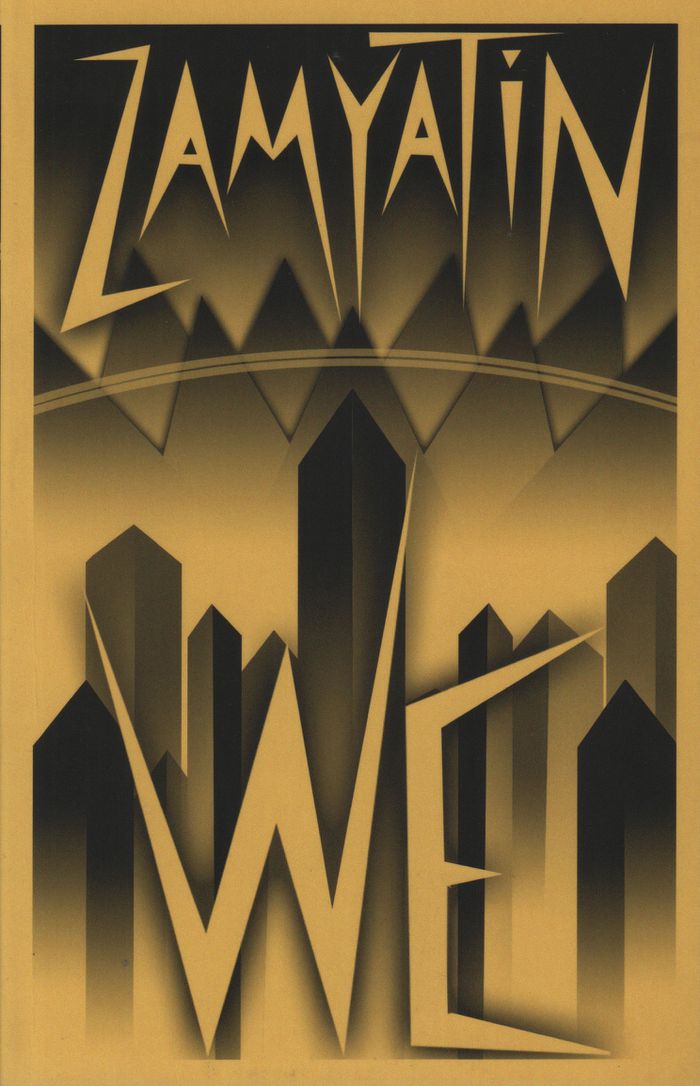
'We' takes place in a distant future, where humans are forced to submit their wills to the requirements of the state, under the rule of the all-powerful Benefactor, and dreams are regarded as a sign of mental illness. In a city of straight lines, protected by green walls and a glass dome, a spaceship is being built in order to spearhead the conquest of new planets. Its chief engineer, a man called D-503, keeps a journal of his life and activities: to his mathematical mind everything seems to make sense and proceed as it should, until a chance encounter with a woman threatens to shatter the very foundations of the world he lives in. Written in a highly charged, direct and concise style, Zamyatin's 1921 seminal novel is not only an indictment of the Soviet Russia of his time and a precursor of the works of Orwell and the dystopian genre, but also a prefiguration of much of twentieth-century history and a harbinger of the ominous future that may still lay ahead of us.
We
Actions:
Prix:
$12.00
(disponible sur commande)
Résumé:
'We' takes place in a distant future, where humans are forced to submit their wills to the requirements of the state, under the rule of the all-powerful Benefactor, and dreams are regarded as a sign of mental illness. In a city of straight lines, protected by green walls and a glass dome, a spaceship is being built in order to spearhead the conquest of new planets. Its chief engineer, a man called D-503, keeps a journal of his life and activities: to his mathematical mind everything seems to make sense and proceed as it should, until a chance encounter with a woman threatens to shatter the very foundations of the world he lives in. Written in a highly charged, direct and concise style, Zamyatin's 1921 seminal novel is not only an indictment of the Soviet Russia of his time and a precursor of the works of Orwell and the dystopian genre, but also a prefiguration of much of twentieth-century history and a harbinger of the ominous future that may still lay ahead of us.
Classification:
livres
livres
Publication:
mai 2019
mai 2019
Sujet:
Expositions en cours
Expositions en cours
Classification:
livres
livres
Titre:
Little golden America
Little golden America
Actions:
Prix:
$44.00
(disponible sur commande)
Résumé:
"Odnoetazhnya Amerika" ("One-Storied America") First published in the U.S.S.R. 1936. Little Golden America. First published in England in 1944. Translated from the Russian by Charles Malamuth This is one of the most popular books ever published in the Soviet Union. It remains popular in Russia today. Americans cannot figure out what makes it so popular. It is a good book,(...)
$44.00
(disponible sur commande)
Résumé:
"Odnoetazhnya Amerika" ("One-Storied America") First published in the U.S.S.R. 1936. Little Golden America. First published in England in 1944. Translated from the Russian by Charles Malamuth This is one of the most popular books ever published in the Soviet Union. It remains popular in Russia today. Americans cannot figure out what makes it so popular. It is a good book,(...)
Titre:
Little golden America
Actions:
Prix:
$44.00
(disponible sur commande)
Résumé:
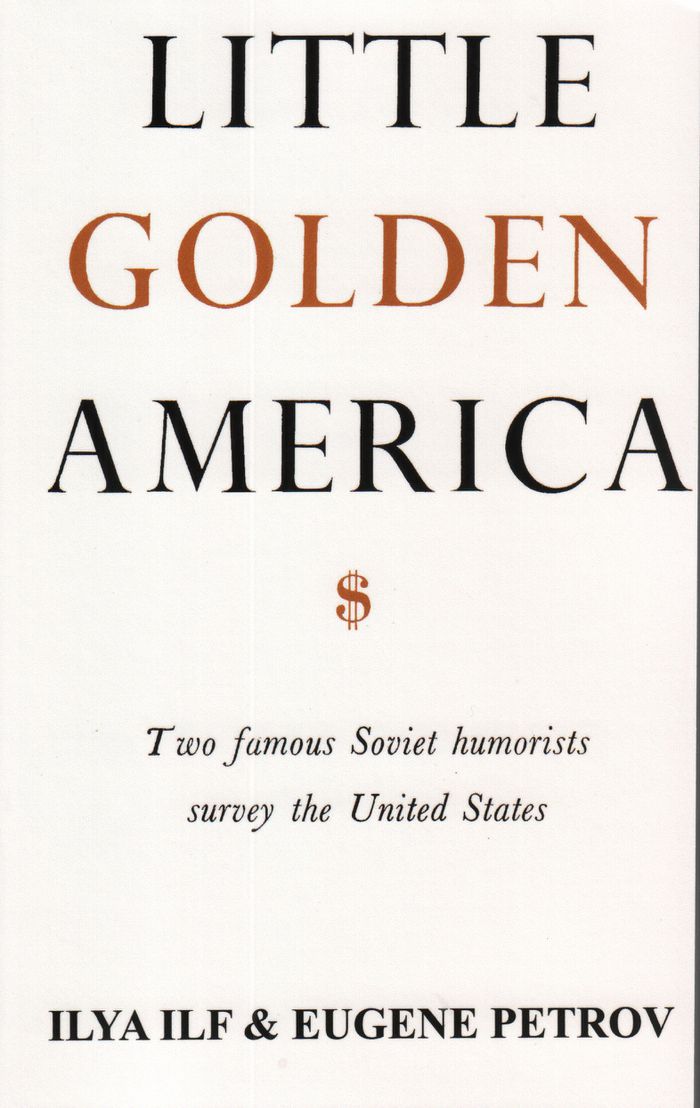
"Odnoetazhnya Amerika" ("One-Storied America") First published in the U.S.S.R. 1936. Little Golden America. First published in England in 1944. Translated from the Russian by Charles Malamuth This is one of the most popular books ever published in the Soviet Union. It remains popular in Russia today. Americans cannot figure out what makes it so popular. It is a good book, interesting and well written, but does not contain anything so outstanding as to make it the most popular book ever written. Yet almost every Russian seems to have read or to be familiar with "Little Golden America."It describes the adventures of the two authors, Ilya Ilf and Eugene Petrov, who arrived in New York City on the passenger ship Normandie. After one month in New York, they bought a car and started traveling around the United States. They went to Chicago and San Francisco and then swept back through the Southern States. When they arrived back in New York to return to Europe, they said that they had traveled ten thousand miles.
Little golden America
Actions:
Prix:
$44.00
(disponible sur commande)
Résumé:
"Odnoetazhnya Amerika" ("One-Storied America") First published in the U.S.S.R. 1936. Little Golden America. First published in England in 1944. Translated from the Russian by Charles Malamuth This is one of the most popular books ever published in the Soviet Union. It remains popular in Russia today. Americans cannot figure out what makes it so popular. It is a good book, interesting and well written, but does not contain anything so outstanding as to make it the most popular book ever written. Yet almost every Russian seems to have read or to be familiar with "Little Golden America."It describes the adventures of the two authors, Ilya Ilf and Eugene Petrov, who arrived in New York City on the passenger ship Normandie. After one month in New York, they bought a car and started traveling around the United States. They went to Chicago and San Francisco and then swept back through the Southern States. When they arrived back in New York to return to Europe, they said that they had traveled ten thousand miles.
Classification:
livres
livres
Publication:
décembre 2010
décembre 2010
Sujet:
Expositions en cours
Expositions en cours
Classification:
livres
livres
Actions:
Prix:
$26.00
(disponible sur commande)
Résumé:
The extensive range of posters, collages, maquettes, postcards, magazines, and books featured in this exhibition catalogue attests to the enormous influence of photomontage in politics, social protest, and advertising, while also demonstrating the popularity of the technique among avant-garde artists during these two decades. Essays in this publication examine(...)
$26.00
(disponible sur commande)
Résumé:
The extensive range of posters, collages, maquettes, postcards, magazines, and books featured in this exhibition catalogue attests to the enormous influence of photomontage in politics, social protest, and advertising, while also demonstrating the popularity of the technique among avant-garde artists during these two decades. Essays in this publication examine(...)
Titre:
Photomontage between the wars : 1918-1939
Actions:
Prix:
$26.00
(disponible sur commande)
Résumé:
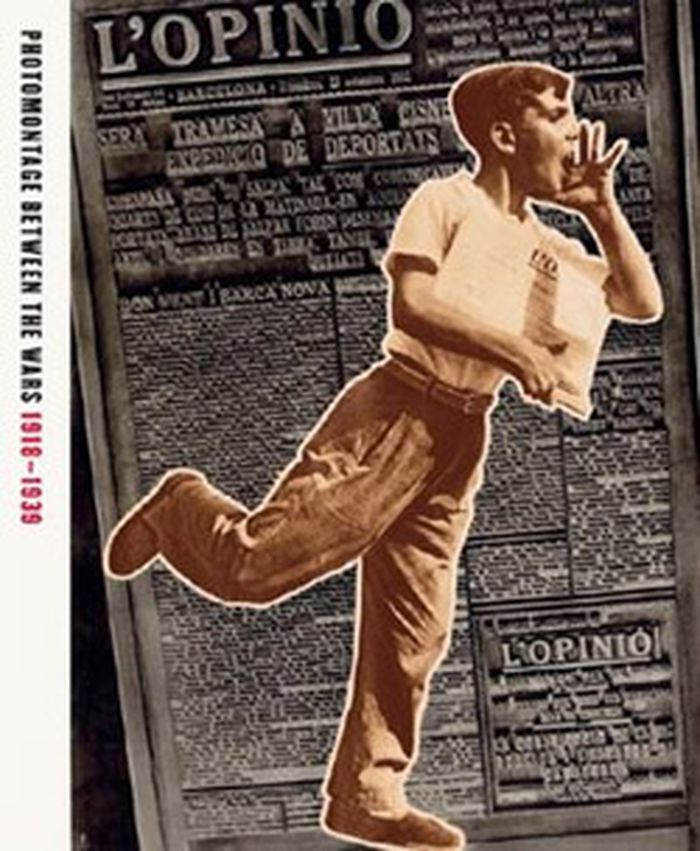
The extensive range of posters, collages, maquettes, postcards, magazines, and books featured in this exhibition catalogue attests to the enormous influence of photomontage in politics, social protest, and advertising, while also demonstrating the popularity of the technique among avant-garde artists during these two decades. Essays in this publication examine contemporary texts that the practice of photomontage inspired, and explore those qualities of photomontage that led to what was arguably the most important exhibition devoted to this artistic technique at the Kunstgewerbemuseum in Berlin in 1931. The present volume includes a facsimile reproduction and translation of the catalogue published on the occasion of that exhibition. In addition to a brief chronology, the interested reader will also find a selection of text - some scarcely familiar today - by authors of various nationalities that sheds further light on the practice. Produced to accompany the exhibition in Spain and available in North America for the first time, this entirely English-language publication offers an overview of the birth of the photomontage process specifically in Germany and the Soviet Union in the 1920s.
Photomontage between the wars : 1918-1939
Actions:
Prix:
$26.00
(disponible sur commande)
Résumé:
The extensive range of posters, collages, maquettes, postcards, magazines, and books featured in this exhibition catalogue attests to the enormous influence of photomontage in politics, social protest, and advertising, while also demonstrating the popularity of the technique among avant-garde artists during these two decades. Essays in this publication examine contemporary texts that the practice of photomontage inspired, and explore those qualities of photomontage that led to what was arguably the most important exhibition devoted to this artistic technique at the Kunstgewerbemuseum in Berlin in 1931. The present volume includes a facsimile reproduction and translation of the catalogue published on the occasion of that exhibition. In addition to a brief chronology, the interested reader will also find a selection of text - some scarcely familiar today - by authors of various nationalities that sheds further light on the practice. Produced to accompany the exhibition in Spain and available in North America for the first time, this entirely English-language publication offers an overview of the birth of the photomontage process specifically in Germany and the Soviet Union in the 1920s.
Classification:
livres
livres
Publication:
octobre 2012
octobre 2012
Sujet:
Photographie- collections
Photographie- collections
Classification:
livres
livres
Prix:
$60.00
(disponible sur commande)
Résumé:
Russian Textiles showcases the gorgeous printed-cotton textiles created and manufactured in Russia and exported to Central Asia from approximately 1860 to 1960. More than 175 spectacular patterns spanning a variety of periods and styles, from Art Nouveau florals to Soviet-era agitprop, are featured. The people in these Central Asian countries—including Uzbeks, Tadjiks,(...)
$60.00
(disponible sur commande)
Résumé:
Russian Textiles showcases the gorgeous printed-cotton textiles created and manufactured in Russia and exported to Central Asia from approximately 1860 to 1960. More than 175 spectacular patterns spanning a variety of periods and styles, from Art Nouveau florals to Soviet-era agitprop, are featured. The people in these Central Asian countries—including Uzbeks, Tadjiks,(...)
Titre:
Russian Textiles: printed cloth for the bazaars of Central Asia
Actions:
Prix:
$60.00
(disponible sur commande)
Résumé:
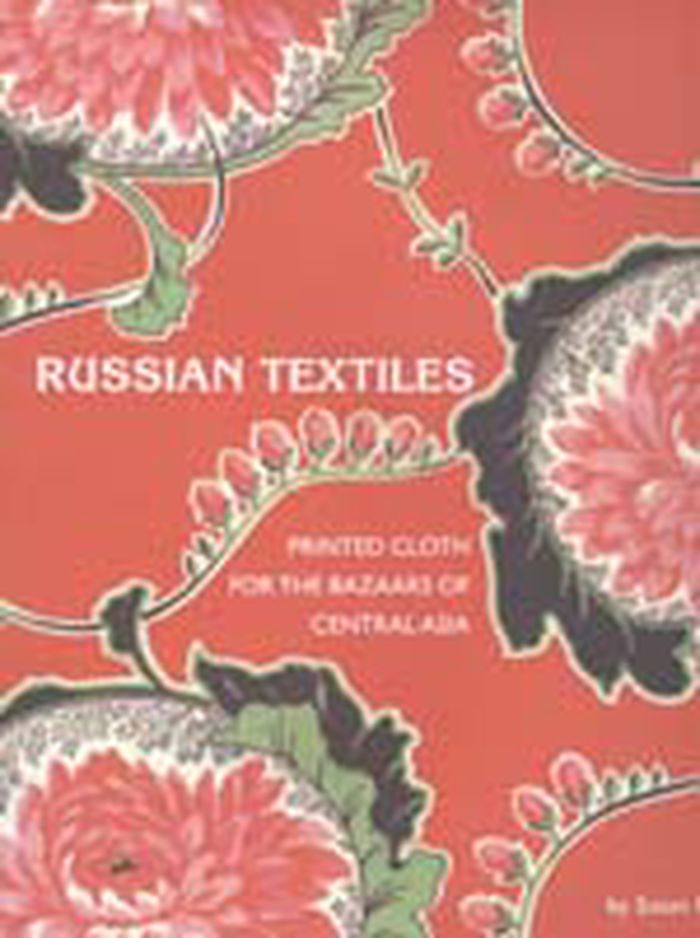
Russian Textiles showcases the gorgeous printed-cotton textiles created and manufactured in Russia and exported to Central Asia from approximately 1860 to 1960. More than 175 spectacular patterns spanning a variety of periods and styles, from Art Nouveau florals to Soviet-era agitprop, are featured. The people in these Central Asian countries—including Uzbeks, Tadjiks, and Turkmen—incorporated the brightly patterned material into their clothing, particularly their robes, and in their household items. Brief essays by the author and fellow textile experts describe the “social life” of the fabrics and the fascinating history of this merging of Russian, Western, and Central Asian aesthetic styles; Robert Kushner contributes a lively text on how an artist “sees” and is inspired by these designs. Complementing the pattern images are vintage photographs from the turn of the 20th century as well as beautifully detailed reproductions of the robes and other articles that were lined and embellished with these cloths. This is a must-have book for the inspiration library of every artist; professional fashion, interior, and product designer; crafter; and anyone with a love of extraordinary visual design.
Russian Textiles: printed cloth for the bazaars of Central Asia
Actions:
Prix:
$60.00
(disponible sur commande)
Résumé:
Russian Textiles showcases the gorgeous printed-cotton textiles created and manufactured in Russia and exported to Central Asia from approximately 1860 to 1960. More than 175 spectacular patterns spanning a variety of periods and styles, from Art Nouveau florals to Soviet-era agitprop, are featured. The people in these Central Asian countries—including Uzbeks, Tadjiks, and Turkmen—incorporated the brightly patterned material into their clothing, particularly their robes, and in their household items. Brief essays by the author and fellow textile experts describe the “social life” of the fabrics and the fascinating history of this merging of Russian, Western, and Central Asian aesthetic styles; Robert Kushner contributes a lively text on how an artist “sees” and is inspired by these designs. Complementing the pattern images are vintage photographs from the turn of the 20th century as well as beautifully detailed reproductions of the robes and other articles that were lined and embellished with these cloths. This is a must-have book for the inspiration library of every artist; professional fashion, interior, and product designer; crafter; and anyone with a love of extraordinary visual design.
Classification:
livres
livres
Publication:
septembre 2007, New York
septembre 2007, New York
Sujet:
Design d’intérieur
Design d’intérieur
Classification:
livres
livres
Prix:
$54.95
(disponible en magasin)
Résumé:
Mass-produced from the 1970s to the 1990s, modular kiosks like the seminal K67, designed by the Slovenian architect Saša J. Mächtig, and similar systems – including the Polish Kami, the Macedonian KC190, and the Soviet ‘Bathyscaphe’ – could be found anywhere throughout the former Eastern Bloc and ex-Yugoslav countries, from bustling city squares to socialist-era housing(...)
$54.95
(disponible en magasin)
Résumé:
Mass-produced from the 1970s to the 1990s, modular kiosks like the seminal K67, designed by the Slovenian architect Saša J. Mächtig, and similar systems – including the Polish Kami, the Macedonian KC190, and the Soviet ‘Bathyscaphe’ – could be found anywhere throughout the former Eastern Bloc and ex-Yugoslav countries, from bustling city squares to socialist-era housing(...)
Titre:
Kiosk: The last modernist booths across Central and Eastern Europe
Actions:
Prix:
$54.95
(disponible en magasin)
Résumé:
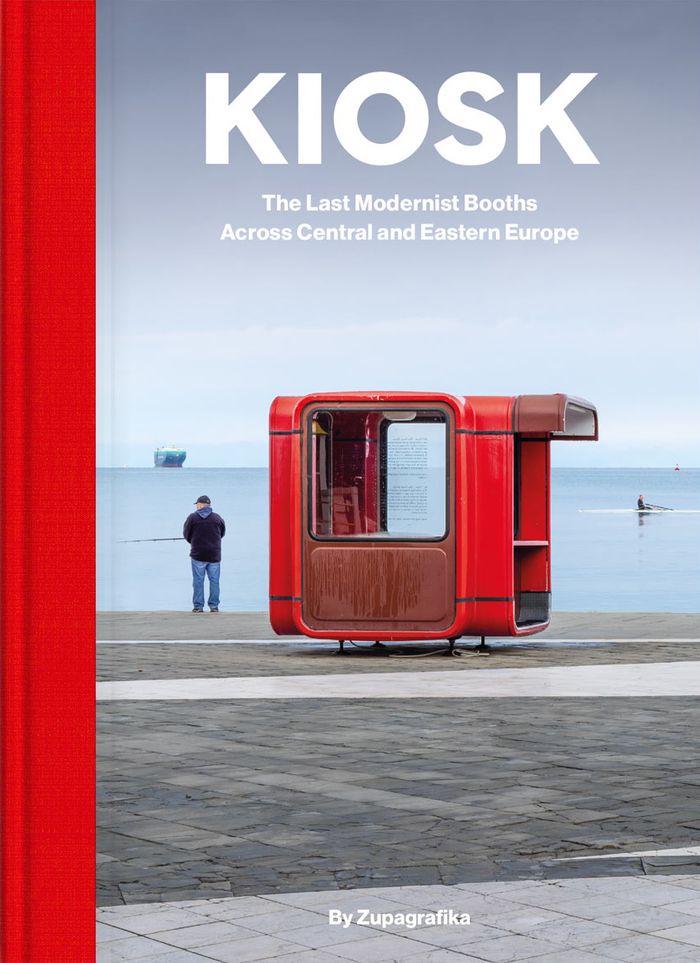
Mass-produced from the 1970s to the 1990s, modular kiosks like the seminal K67, designed by the Slovenian architect Saša J. Mächtig, and similar systems – including the Polish Kami, the Macedonian KC190, and the Soviet ‘Bathyscaphe’ – could be found anywhere throughout the former Eastern Bloc and ex-Yugoslav countries, from bustling city squares to socialist-era housing estates. They served as hot dog and Polish zapiekanka joints, farm egg and rotisserie chicken vendors, funeral flower shops, newsstands, car park booths, currency exchange offices, and more. Featuring over 150 kiosks – from Ljubljana to Warsaw, and from Belgrade to Berlin – this photobook provides previously unseen documentation of the remaining modernist booths that witnessed the socio-political transformation of Central and Eastern Europe at the end of the 20th century. While some remain active or have undergone refurbishment, others have been abandoned or have slowly faded from the urban landscape. The photographs in this unique collection were taken over the last decade by Zupagrafika’s founders, David Navarro and Martyna Sobecka. The book includes a foreword by urban explorer Maciej Czarnecki and an introduction by architectural historian Anna Cymer, offering invaluable insights into the history of these mobile structures.
Kiosk: The last modernist booths across Central and Eastern Europe
Actions:
Prix:
$54.95
(disponible en magasin)
Résumé:
Mass-produced from the 1970s to the 1990s, modular kiosks like the seminal K67, designed by the Slovenian architect Saša J. Mächtig, and similar systems – including the Polish Kami, the Macedonian KC190, and the Soviet ‘Bathyscaphe’ – could be found anywhere throughout the former Eastern Bloc and ex-Yugoslav countries, from bustling city squares to socialist-era housing estates. They served as hot dog and Polish zapiekanka joints, farm egg and rotisserie chicken vendors, funeral flower shops, newsstands, car park booths, currency exchange offices, and more. Featuring over 150 kiosks – from Ljubljana to Warsaw, and from Belgrade to Berlin – this photobook provides previously unseen documentation of the remaining modernist booths that witnessed the socio-political transformation of Central and Eastern Europe at the end of the 20th century. While some remain active or have undergone refurbishment, others have been abandoned or have slowly faded from the urban landscape. The photographs in this unique collection were taken over the last decade by Zupagrafika’s founders, David Navarro and Martyna Sobecka. The book includes a foreword by urban explorer Maciej Czarnecki and an introduction by architectural historian Anna Cymer, offering invaluable insights into the history of these mobile structures.
Classification:
livres
livres
Publication:
novembre 2024
novembre 2024
Sujet:
Modernisme
Modernisme
Classification:
livres
livres
Prix:
$50.00
(disponible en magasin)
Résumé:
Mass housing in post-war socialist countries was a quick and effective way to provide homes for the expanding city populations after WWII, but after the collapse of the Soviet Bloc the fate of these constructions became uncertain. While modernist estates are being renovated or prematurely demolished, their tenants remain undaunted. They have lived through the buildings’(...)
$50.00
(disponible en magasin)
Résumé:
Mass housing in post-war socialist countries was a quick and effective way to provide homes for the expanding city populations after WWII, but after the collapse of the Soviet Bloc the fate of these constructions became uncertain. While modernist estates are being renovated or prematurely demolished, their tenants remain undaunted. They have lived through the buildings’(...)
Titre:
The tenants: Concrete portraits of the former Eastern Bloc
Actions:
Prix:
$50.00
(disponible en magasin)
Résumé:
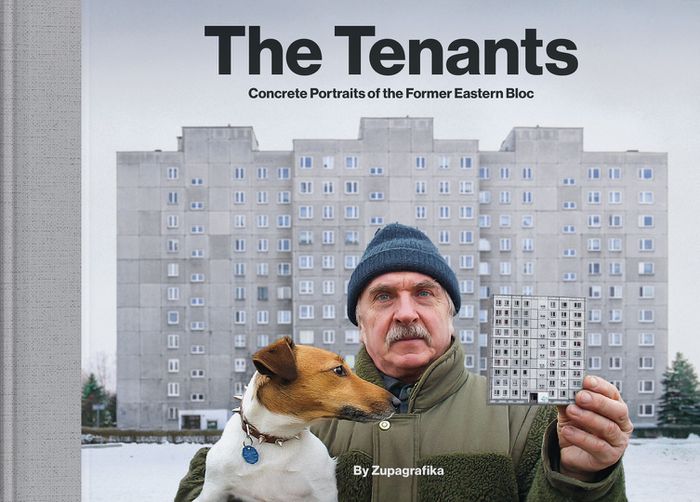
Mass housing in post-war socialist countries was a quick and effective way to provide homes for the expanding city populations after WWII, but after the collapse of the Soviet Bloc the fate of these constructions became uncertain. While modernist estates are being renovated or prematurely demolished, their tenants remain undaunted. They have lived through the buildings’ golden years and darker times. For the last decade, Zupagrafika has documented the housing estates erected in Central and Eastern Europe, still perceived by many as ‘eyesores,’ through photographs and illustrated paper models. The Tenants features over 40 housing projects in 37 different cities of the former Eastern Bloc and ex-Yugoslavia. From Berlin to Norilsk, and all the way through Kyiv to Tallinn, the album portrays the inhabitants of those complexes holding models of their homes, while sharing the stories of lives lived in the prefab panel blocks. Includes a foreword by the sociologist and urban researcher Maciej Frackowiak and an index of the featured housing estates, providing an insight into their history. The portraits were taken by David Navarro and Martyna Sobecka, with contributions by local photographers.
The tenants: Concrete portraits of the former Eastern Bloc
Actions:
Prix:
$50.00
(disponible en magasin)
Résumé:
Mass housing in post-war socialist countries was a quick and effective way to provide homes for the expanding city populations after WWII, but after the collapse of the Soviet Bloc the fate of these constructions became uncertain. While modernist estates are being renovated or prematurely demolished, their tenants remain undaunted. They have lived through the buildings’ golden years and darker times. For the last decade, Zupagrafika has documented the housing estates erected in Central and Eastern Europe, still perceived by many as ‘eyesores,’ through photographs and illustrated paper models. The Tenants features over 40 housing projects in 37 different cities of the former Eastern Bloc and ex-Yugoslavia. From Berlin to Norilsk, and all the way through Kyiv to Tallinn, the album portrays the inhabitants of those complexes holding models of their homes, while sharing the stories of lives lived in the prefab panel blocks. Includes a foreword by the sociologist and urban researcher Maciej Frackowiak and an index of the featured housing estates, providing an insight into their history. The portraits were taken by David Navarro and Martyna Sobecka, with contributions by local photographers.
Classification:
livres
livres
Publication:
septembre 2022
septembre 2022
Sujet:
Modernisme
Modernisme
Classification:
livres
livres
Actions:
Prix:
$49.95
(disponible sur commande)
Résumé:
Alexander Brodsky and Ilya Utkin are the best known of a loosely organized group of Soviet artists known as "Paper architects," who designed much but built little in the early days of Glasnost, in the late 1980s. Many of their elaborate etchings, in which they depicted outlandish, often impossible, structures and cityscapes of allegorical content, were collected in the(...)
$49.95
(disponible sur commande)
Résumé:
Alexander Brodsky and Ilya Utkin are the best known of a loosely organized group of Soviet artists known as "Paper architects," who designed much but built little in the early days of Glasnost, in the late 1980s. Many of their elaborate etchings, in which they depicted outlandish, often impossible, structures and cityscapes of allegorical content, were collected in the(...)
Titre:
Brodsky & Utkin : the complete works
Actions:
Prix:
$49.95
(disponible sur commande)
Résumé:
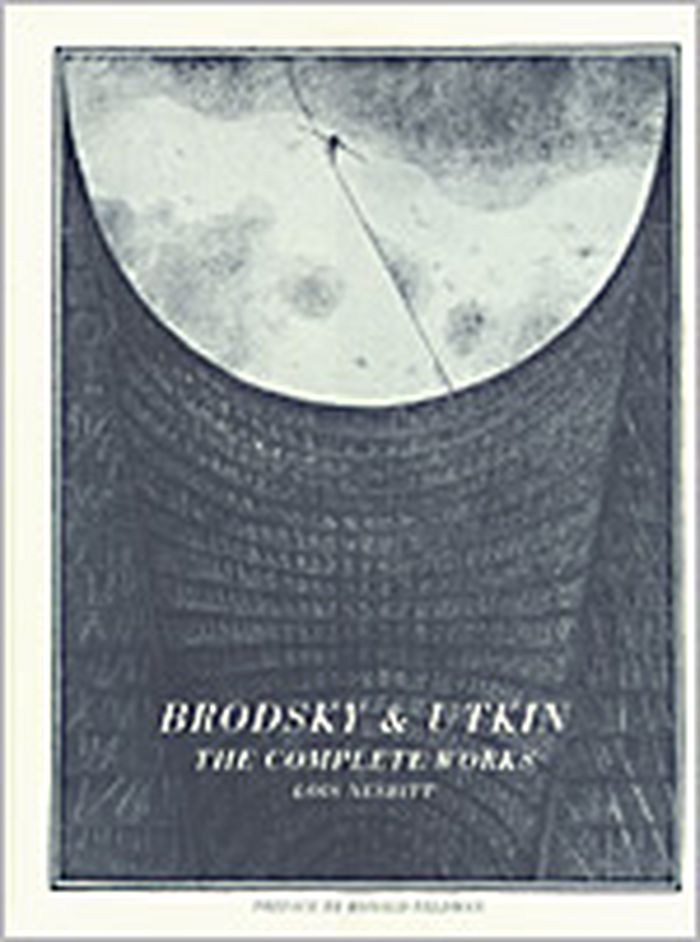
Alexander Brodsky and Ilya Utkin are the best known of a loosely organized group of Soviet artists known as "Paper architects," who designed much but built little in the early days of Glasnost, in the late 1980s. Many of their elaborate etchings, in which they depicted outlandish, often impossible, structures and cityscapes of allegorical content, were collected in the 1990 book Brodsky – Utkin. Now, with the addition of forty-three new and never-before-published prints,this book is an updated edition. In their designs, by turns funny, cerebral, and deeply human, Brodsky – Utkin borrow from Egyptian tombs, Ledoux's visionary architecture, Le Corbusier's urban master plans, and other historical precedents, collaging these heterogeneous forms in learned and layered scrambles. Underlying the wit and visual inventiveness is an unmistakable moral: that the dehumanizing architecture of the sort seen in Russian cities in the 1980s and 1990s, and elsewhere around the globe, takes a sinister toll. A new preface assesses the works of Brodsky – Utkin and reminds that the greatest art is often born of adversity. Beautifully printed in 300-screen dry-trap duotones by the Steinhauer Press, Brodsky – Utkin is a book for artists, architects, and collectors alike.
Brodsky & Utkin : the complete works
Actions:
Prix:
$49.95
(disponible sur commande)
Résumé:
Alexander Brodsky and Ilya Utkin are the best known of a loosely organized group of Soviet artists known as "Paper architects," who designed much but built little in the early days of Glasnost, in the late 1980s. Many of their elaborate etchings, in which they depicted outlandish, often impossible, structures and cityscapes of allegorical content, were collected in the 1990 book Brodsky – Utkin. Now, with the addition of forty-three new and never-before-published prints,this book is an updated edition. In their designs, by turns funny, cerebral, and deeply human, Brodsky – Utkin borrow from Egyptian tombs, Ledoux's visionary architecture, Le Corbusier's urban master plans, and other historical precedents, collaging these heterogeneous forms in learned and layered scrambles. Underlying the wit and visual inventiveness is an unmistakable moral: that the dehumanizing architecture of the sort seen in Russian cities in the 1980s and 1990s, and elsewhere around the globe, takes a sinister toll. A new preface assesses the works of Brodsky – Utkin and reminds that the greatest art is often born of adversity. Beautifully printed in 300-screen dry-trap duotones by the Steinhauer Press, Brodsky – Utkin is a book for artists, architects, and collectors alike.
Classification:
livres
livres
Publication:
mai 2003, New York
mai 2003, New York
Sujet:
Architecture, monographies
Architecture, monographies


