


322 Résultats
Classification:
livres
livres
Actions:
Prix:
$63.50
(disponible sur commande)
Résumé:
''How to read architecture'' is based on the fundamental premise that reading and interpreting architecture is something we already do, and that close observation matters. This book enhances this skill so that given an unfamiliar building, you will have the tools to understand it and to be inspired by it. Author Paulette Singley encourages you to misread, closely read,(...)
Titre:
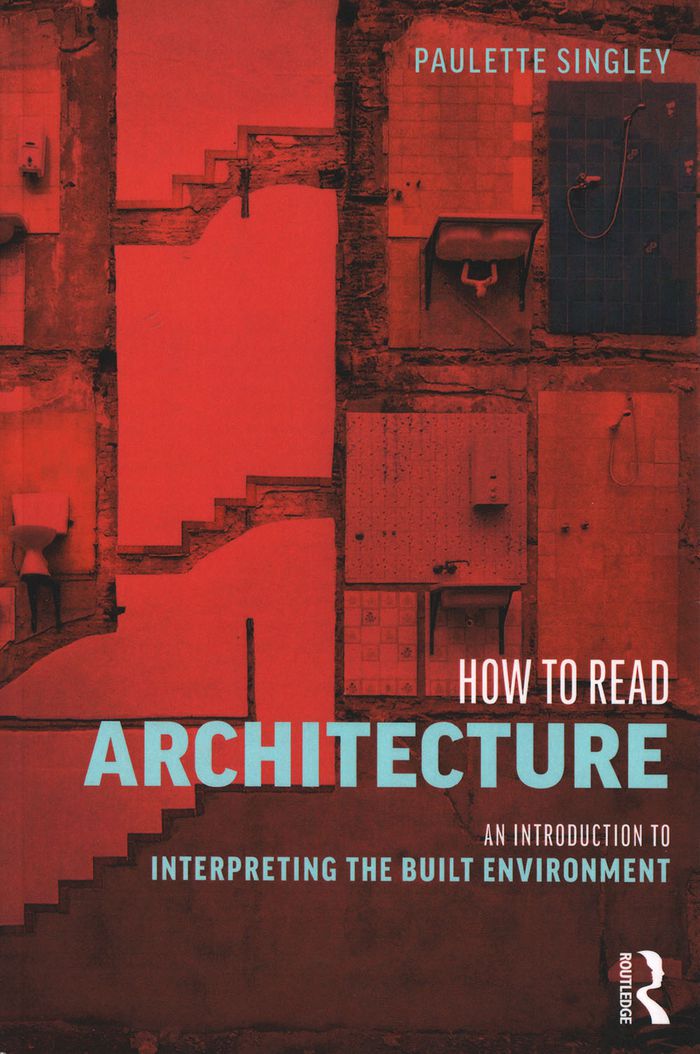
How to read architecture: an introduction to interpreting the the built environment
Actions:
Prix:
$63.50
(disponible sur commande)
Résumé:
''How to read architecture'' is based on the fundamental premise that reading and interpreting architecture is something we already do, and that close observation matters. This book enhances this skill so that given an unfamiliar building, you will have the tools to understand it and to be inspired by it. Author Paulette Singley encourages you to misread, closely read, conventionally read, and unconventionally read architecture to stimulate your creative process. This book explores three essential ways to help you understand architecture: reading a building from the outside-in, from the inside-out, and from the position of out-and-out, or formal, architecture. Using examples and case studies that span a wide range of historical and global precedents, Singley addresses the complex interaction among the ways a building engages its context, addresses its performative exigencies, and operates as an autonomous aesthetic object.
Classification:
livres
livres
Publication:
juillet 2019
juillet 2019
Sujet:
Théorie de l’architecture
Théorie de l’architecture
Classification:
livres
livres
Prix:
$37.50
(disponible sur commande)
Résumé:
Patrick Maynard surveys the rich and varied practices of drawing, from the earliest markings on cave walls to the complex technical schematics that make the modern world possible, from cartoons and the first efforts of preschoolers to the works of skilled draftspeople and the greatest artists, East and West. Despite, or perhaps because of, its ubiquity, drawing as such(...)
Titre:
Drawing distinctions : the varieties of graphic expression
Actions:
Prix:
$37.50
(disponible sur commande)
Résumé:
Patrick Maynard surveys the rich and varied practices of drawing, from the earliest markings on cave walls to the complex technical schematics that make the modern world possible, from cartoons and the first efforts of preschoolers to the works of skilled draftspeople and the greatest artists, East and West. Despite, or perhaps because of, its ubiquity, drawing as such has provoked remarkably little philosophical reflection. Nonphilosophical writing on the topic tends to be divided between specialties such as art history and mechanics. In this book, Maynard reveals the interconnections and developments that unite this fundamental autonomous human activity in all its diversity. Informed by close discussion of work in art history, art criticism, cognitive and developmental psychology, and aesthetics, Drawing Distinctions presents a theoretically sophisticated yet approachable argument that will improve comprehension and appreciation of drawing in its many forms, uses, and meanings.
Classification:
livres
livres
Publication:
novembre 2005, Ithaca, New York
novembre 2005, Ithaca, New York
Sujet:
Dessin d’architecture
Dessin d’architecture
Classification:
livres
livres
Actions:
Prix:
$39.95
(disponible sur commande)
Résumé:
Making Room is an anthology of texts on art, media and aesthetic practice in the context of squatting, occupation and urban-space activism. It includes pieces by activist researchers working between the academy and the movements they write about, as well as journalistic first-person narratives by squatters, original photography and interviews with artists, theorists and(...)
Titre:
Making Room: Cultural Production in Occupied Spaces
Actions:
Prix:
$39.95
(disponible sur commande)
Résumé:
Making Room is an anthology of texts on art, media and aesthetic practice in the context of squatting, occupation and urban-space activism. It includes pieces by activist researchers working between the academy and the movements they write about, as well as journalistic first-person narratives by squatters, original photography and interviews with artists, theorists and activists involved in struggles over urban space and creative production in the city. Topics include brief histories of squatting in the UK, Germany and the Netherlands; the creation of Temporary Autonomous Zones; Puerto Rican occupations in New York; the influence of the Situationists on French squatting; and activism and camping at Documentas 10, 11 and 13. Throughout, cultural production appears in various forms ranging from conventional art practices to the organizing of communities and networks, to the production of media and setting up of information systems.
Classification:
livres
livres
Publication:
février 2016
février 2016
Sujet:
Théorie de l’urbanisme
Théorie de l’urbanisme
Classification:
livres
livres
Prix:
$33.95
(disponible sur commande)
Résumé:
In this work of aesthetic theory, James Voorhies argues that we live in the shadow of old ways of thinking about art that emphasize the immediate visual experience of an autonomous art object. But theory must change as artistic and curatorial production has changed. It should encompass the full range of activities through which we encounter art and exhibitions, in which(...)
Titre:
Postsensual aesthetics: on the logic of the curatorial
Actions:
Prix:
$33.95
(disponible sur commande)
Résumé:
In this work of aesthetic theory, James Voorhies argues that we live in the shadow of old ways of thinking about art that emphasize the immediate visual experience of an autonomous art object. But theory must change as artistic and curatorial production has changed. It should encompass the full range of activities through which we encounter art and exhibitions, in which reading and thinking are central to the aesthetic experience. Voorhies advances the theoretical framework of a “postsensual aesthetics,” which does not mean we are beyond a sensual engagement with objects, but rather embraces the cognitive connections with ideas that unite art and knowledge production. Cognitive engagements with art often begin with publications conceived as integral to exhibitions, conveying the knowledge and research artists and curators produce, and continuing in time and space beyond traditional curatorial frames. The idea, and not just visual immediacy, is now art's defining moment.
Classification:
livres
livres
Publication:
février 2023
février 2023
Sujet:
Muséologie
Muséologie
Classification:
livres
livres
Actions:
Prix:
$60.95
(disponible sur commande)
Résumé:
Herman De Vries was trained as a horticulturist and worked as a natural scientist. He started to draw and paint in the mid-1950s. His early works were composed of white paintings and sculptures, which he defined as "informal" because they bore no figuration or color. With these works, he investigated the idea of "randomness" as a principle of order with the aim of(...)
Titre:
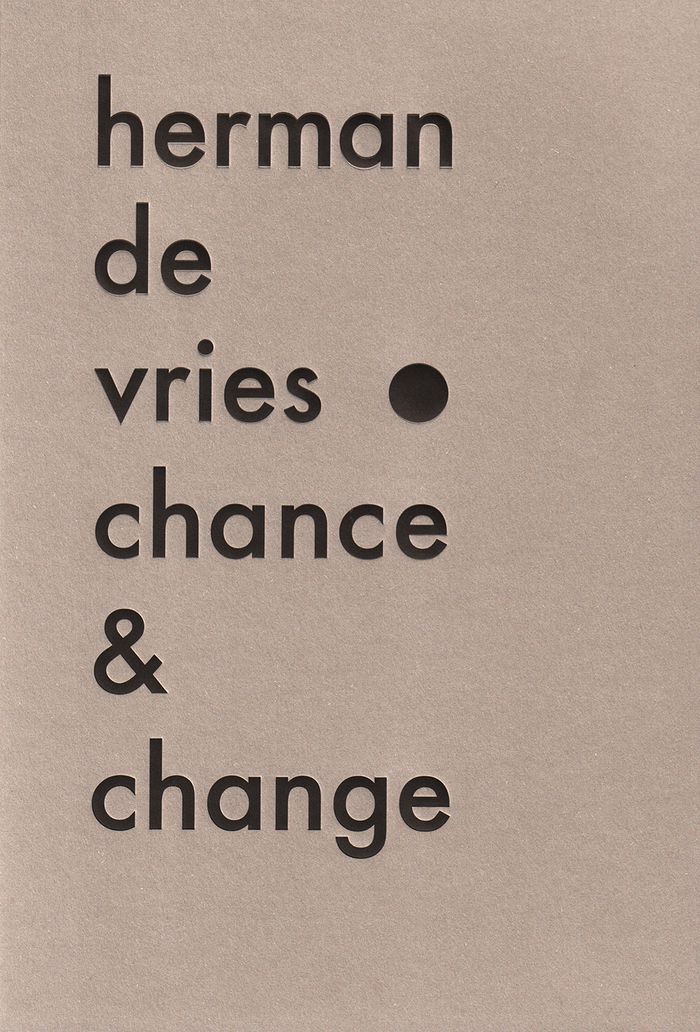
herman de vries chance & change
Actions:
Prix:
$60.95
(disponible sur commande)
Résumé:
Herman De Vries was trained as a horticulturist and worked as a natural scientist. He started to draw and paint in the mid-1950s. His early works were composed of white paintings and sculptures, which he defined as "informal" because they bore no figuration or color. With these works, he investigated the idea of "randomness" as a principle of order with the aim of achieving absolute objectivity. During this time, he was actively involved in the exhibitions and publications of the international ZERO movement. From 1964 onward, his concern for the relationship between humanity and nature took a leading role in his work, and he developed a unique oeuvre in which he juxtaposed art, science, and philosophy with the reality of the world. In 1975, he decided that the phenomena and processes of nature constitute the physical and autonomous work of art that he, as an artist, should represent.
Classification:
livres
livres
Publication:
janvier 2018
janvier 2018
Classification:
livres
livres
Actions:
Prix:
$75.00
(disponible en magasin)
Résumé:
The history of climate change and the history of architecture are connected in many ways. Through a multilayered chronology, "It’s About Time" showcases historical and contemporary building projects such as solar houses, autonomous structures and earth buildings, alongside more than 45 key moments in environmental justice history: among them the first Earth Day, the(...)
Titre:
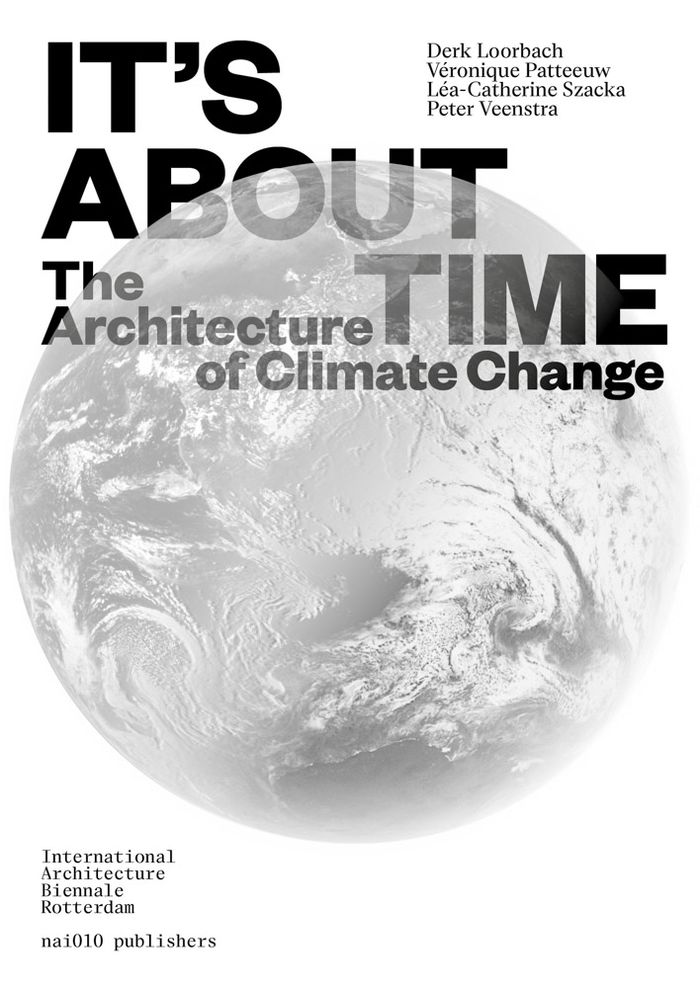
It's about time: The architecture of climate change
Actions:
Prix:
$75.00
(disponible en magasin)
Résumé:
The history of climate change and the history of architecture are connected in many ways. Through a multilayered chronology, "It’s About Time" showcases historical and contemporary building projects such as solar houses, autonomous structures and earth buildings, alongside more than 45 key moments in environmental justice history: among them the first Earth Day, the United Nations conference in Stockholm, the Chernobyl disaster, the Paris Climate Agreements and the European Green Deal. It explores architectural experimentation in the past, depicts the present moment of transition and offers hopeful glimpses of the future. Serving as both a reference and a source of inspiration, this publication is intended for architects, educators, students, scientists or anyone looking to play their part in shaping a more sustainable world. It emphasizes that while the time for change has now arrived, the field of architecture can play a key role in the transitions ahead.
Classification:
livres
livres
Publication:
février 2025
février 2025
Sujet:
Biennale
Biennale
Classification:
livres
livres
Actions:
Prix:
$152.50
(disponible sur commande)
Résumé:
The radical youth movements of the 1960s and '70s gave rise to both militant political groups ranging from urban guerrilla groups to autonomist counterculture, as well as radical media, including radio, music, film, video, and television. This book is concerned with both of those tendencies considered as bifurcations of radical media ecologies in the 1970s. While some of(...)
Titre:
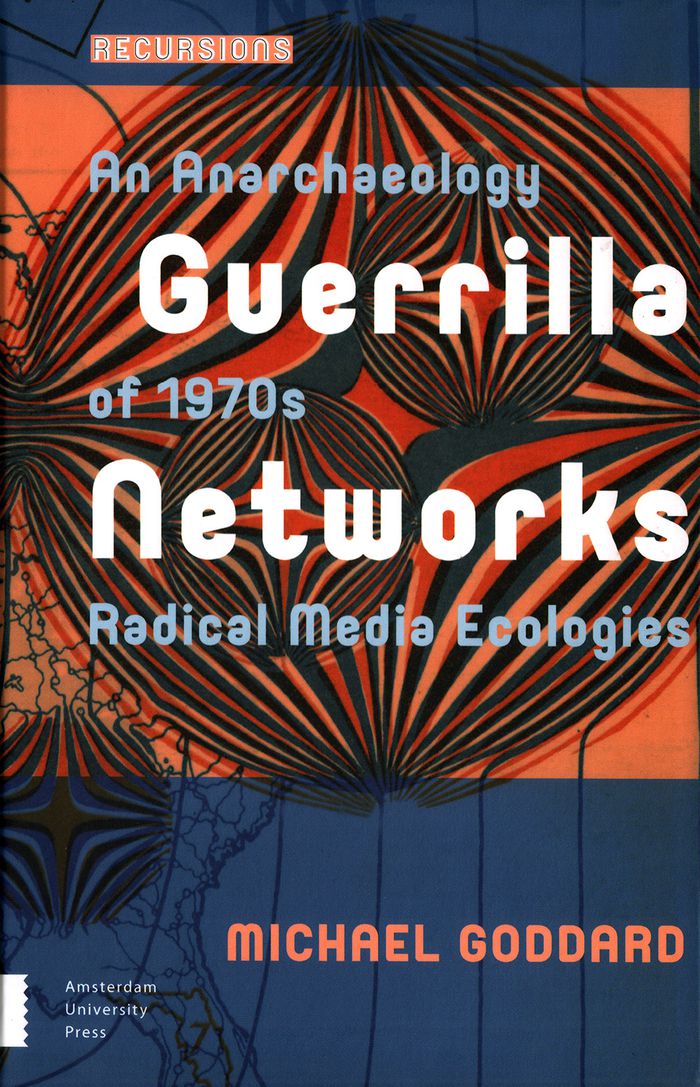
Guerrilla networks: an anarchaeology of 1970s radical media ecologies
Actions:
Prix:
$152.50
(disponible sur commande)
Résumé:
The radical youth movements of the 1960s and '70s gave rise to both militant political groups ranging from urban guerrilla groups to autonomist counterculture, as well as radical media, including radio, music, film, video, and television. This book is concerned with both of those tendencies considered as bifurcations of radical media ecologies in the 1970s. While some of the forms of media creativity and invention mapped here, such as militant film and video, pirate radio and guerrilla television, fit within conventional definitions of media, others, such as urban guerrilla groups and autonomous movements, do not. Nevertheless what was at stake in all these ventures was the use of available means of expression in order to produce transformative effects, and they were all in different ways responding to ideas and practices of guerrilla struggle and specifically of guerrilla media. This book examines these radical media ecologies as guerrilla networks, emphasising the proximity and inseparability of radical media and political practices.
Classification:
livres
livres
Publication:
janvier 2018
janvier 2018
Sujet:
Théorie de l’art
Théorie de l’art
Classification:
livres
livres
Titre:
Walking sculpture: 1967-2015
Walking sculpture: 1967-2015
Actions:
Prix:
$34.95
(disponible sur commande)
Résumé:
Artists have utilized walking as an autonomous form of art, a subject in their work, and as social practice since the early 20th century. Today walking continues to offer a salient means for artists to challenge social, political, and economic orders through a radical remapping of civic space. In this book, Lexi Lee Sullivan traces the history of walking as an aesthetic(...)
Titre:
Walking sculpture: 1967-2015
Actions:
Prix:
$34.95
(disponible sur commande)
Résumé:
Artists have utilized walking as an autonomous form of art, a subject in their work, and as social practice since the early 20th century. Today walking continues to offer a salient means for artists to challenge social, political, and economic orders through a radical remapping of civic space. In this book, Lexi Lee Sullivan traces the history of walking as an aesthetic action from the Dadaists to contemporary ramblers. Titled after Michelangelo Pistoletto’s performance Walking Sculpture, the catalogue features 50 color illustrations ranging from photographs of Yvonne Rainer’s street actions to Francis Alÿs’s fantastical processions, poems by Cole Swensen, and a new project by artist Helen Mirra, who produces poetic meditations on landscape, ecology, and locomotion. Sculpture, film, video, photography, and performance converge to address the multi-disciplinary practice of ambulation through the cityscape and the countryside. For those who hike; march in fundraisers, protests, or parades; walk the dog; stroll in the park; or commute daily, this catalogue will invite new thought into basic human movement.
Classification:
livres
livres
Publication:
mai 2015
mai 2015
Classification:
livres
livres
Titre:
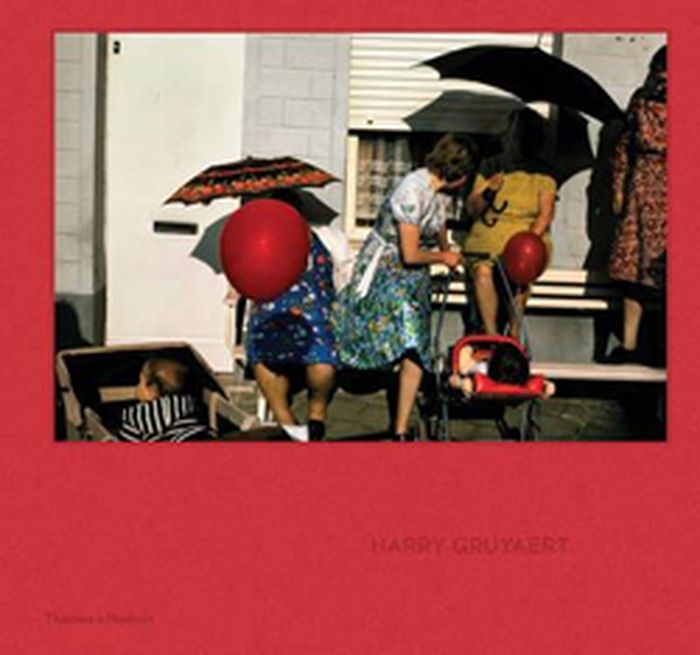
Harry Gruyaert
Harry Gruyaert
Actions:
Prix:
$74.00
(disponible sur commande)
Résumé:
Born in Antwerp in 1941 and a member of Magnum Photos since 1982, Harry Gruyaert revolutionized creative and experimental uses of color in the 1970s and 1980s. Influenced by cinema and American photographers, his work defined new territory for color photography: an emotive, non-narrative, and boldly graphic way of perceiving the world. In 1972, while living in London,(...)
Titre:
Harry Gruyaert
Actions:
Prix:
$74.00
(disponible sur commande)
Résumé:
Born in Antwerp in 1941 and a member of Magnum Photos since 1982, Harry Gruyaert revolutionized creative and experimental uses of color in the 1970s and 1980s. Influenced by cinema and American photographers, his work defined new territory for color photography: an emotive, non-narrative, and boldly graphic way of perceiving the world. In 1972, while living in London, Gruyaert created the striking series by turning the dial on a television set at random and photographing the distorted images he saw there. A later series, , portrays his ambivalent relationship with his homeland in a palette of saturated tones. In his most recent work, he embraces the possibilities of digital photography, taking further creative risks to capture light in new ways. Gruyaert’s images are autonomous, often independent of any context or thematic logic. This volume, the first retrospective of his work, is a superb overview of his personal quest for freedom of expression and the liberation of the senses.
Classification:
livres
livres
Publication:
septembre 2015
septembre 2015
Sujet:
Monographies photo
Monographies photo
Classification:
livres
livres
Titre:
Thinking photography
Thinking photography
Actions:
Prix:
$38.95
(disponible sur commande)
Résumé:
"Thinking photography" brings debates within the theory and practice of communications and culture, in this case in photography and photography criticism, to a wider audience. Victor Burgin's book is concerned with the production of meaning in photographs ( and so it is fully illustrated). A photograph has traditionally been understood as an expression of the(...)
Titre:
Thinking photography
Actions:
Prix:
$38.95
(disponible sur commande)
Résumé:
"Thinking photography" brings debates within the theory and practice of communications and culture, in this case in photography and photography criticism, to a wider audience. Victor Burgin's book is concerned with the production of meaning in photographs ( and so it is fully illustrated). A photograph has traditionally been understood as an expression of the photographer's personality, a transparent presentation of a real scene, or more recently in 'modernist' criticism as a purely formal object. Victor Burgin and his collaborators - Umberto Eco, Allan Sekula, John Tagg and Simon Watney - taking their cue from Walter Benjamin's "The author as producer" (also reprinted here), and working from a wide range of photographs, challenge the concept of the autonomous, spontaneously creative artist, the idea of documentary truth in photography and the notion of purely visual languages. They develop an account of the production of the meaning as a photograph within social institutions - advertising, journalism, art - within a society with a history and within the unconscious.
Classification:
livres
livres
Publication:
avril 2003, New York
avril 2003, New York
Sujet:
Théorie de la photographie
Théorie de la photographie


