


362 Résultats
Classification:
livres
livres
Prix:
$25.00
(disponible en magasin)
Résumé:
This essay-led book project by Izabella Scott and Skye Arundhati Thomas examines ongoing land disputes, military occupation, and communication blackouts. Through an extended text and a selection of photo essays made in collaboration with photographers, the project gathers together records produced under daily surveillance and confrontation. It seeks a new register of(...)
$25.00
(disponible en magasin)
Résumé:
This essay-led book project by Izabella Scott and Skye Arundhati Thomas examines ongoing land disputes, military occupation, and communication blackouts. Through an extended text and a selection of photo essays made in collaboration with photographers, the project gathers together records produced under daily surveillance and confrontation. It seeks a new register of(...)
Sujet:
L'écologie de l'architecure
L'écologie de l'architecure
Publication:
mai 2024
mai 2024
Titre:
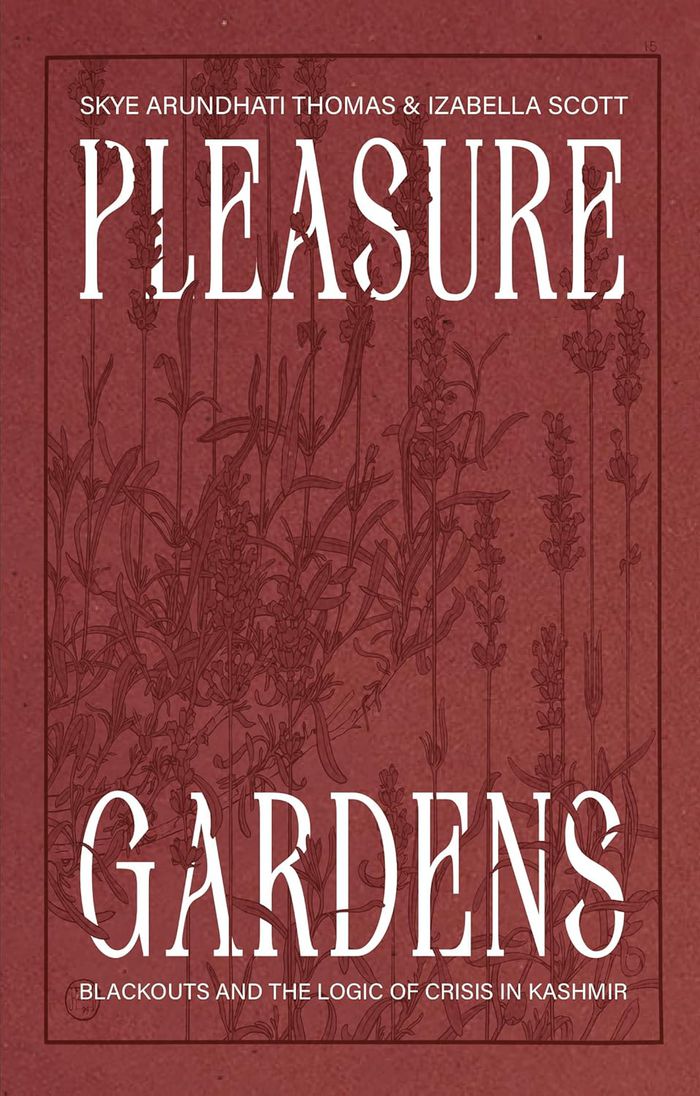
Pleasure gardens: Blackouts and the logic of crisis in Kashmir
Actions:
Prix:
$25.00
(disponible en magasin)
Résumé:
This essay-led book project by Izabella Scott and Skye Arundhati Thomas examines ongoing land disputes, military occupation, and communication blackouts. Through an extended text and a selection of photo essays made in collaboration with photographers, the project gathers together records produced under daily surveillance and confrontation. It seeks a new register of writing and image to make visible the conditions of military occupation and the protracted violence of the blackout.
Pleasure gardens: Blackouts and the logic of crisis in Kashmir
Actions:
Prix:
$25.00
(disponible en magasin)
Résumé:
This essay-led book project by Izabella Scott and Skye Arundhati Thomas examines ongoing land disputes, military occupation, and communication blackouts. Through an extended text and a selection of photo essays made in collaboration with photographers, the project gathers together records produced under daily surveillance and confrontation. It seeks a new register of writing and image to make visible the conditions of military occupation and the protracted violence of the blackout.
Classification:
livres
livres
Publication:
mai 2024
mai 2024
Sujet:
L'écologie de l'architecure
L'écologie de l'architecure
Classification:
livres
livres
Actions:
Prix:
$45.95
(disponible sur commande)
Résumé:
Strip Cultures examines the politics of food and water, art and spectacle, entertainment and branding, body and sensory experience. In confronting the ordinary on America’s most famous four-mile stretch of pavement, the authors reveal how the Strip concentrates and magnifies the basic truths and practices of American culture where consumerism is the stuff of life, digital(...)
$45.95
(disponible sur commande)
Résumé:
Strip Cultures examines the politics of food and water, art and spectacle, entertainment and branding, body and sensory experience. In confronting the ordinary on America’s most famous four-mile stretch of pavement, the authors reveal how the Strip concentrates and magnifies the basic truths and practices of American culture where consumerism is the stuff of life, digital(...)
Titre:
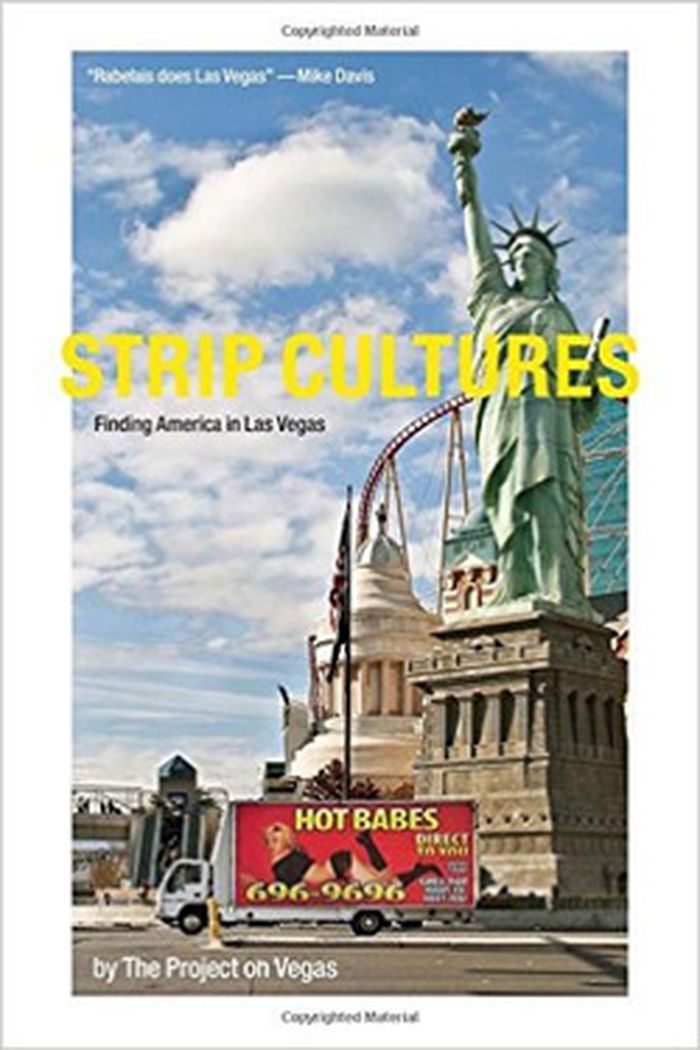
Strip cultures: finding America in Las Vegas
Actions:
Prix:
$45.95
(disponible sur commande)
Résumé:
Strip Cultures examines the politics of food and water, art and spectacle, entertainment and branding, body and sensory experience. In confronting the ordinary on America’s most famous four-mile stretch of pavement, the authors reveal how the Strip concentrates and magnifies the basic truths and practices of American culture where consumerism is the stuff of life, digital surveillance annuls the right to privacy, and nature—all but destroyed—is refashioned as an element of decor.
Strip cultures: finding America in Las Vegas
Actions:
Prix:
$45.95
(disponible sur commande)
Résumé:
Strip Cultures examines the politics of food and water, art and spectacle, entertainment and branding, body and sensory experience. In confronting the ordinary on America’s most famous four-mile stretch of pavement, the authors reveal how the Strip concentrates and magnifies the basic truths and practices of American culture where consumerism is the stuff of life, digital surveillance annuls the right to privacy, and nature—all but destroyed—is refashioned as an element of decor.
Classification:
livres
livres
Publication:
octobre 2015
octobre 2015
Sujet:
Théorie de l’urbanisme
Théorie de l’urbanisme
Classification:
livres
livres
Prix:
$33.95
(disponible sur commande)
Résumé:
A social history of AI that finally reveals its roots in the spatial computation of industrial factories and the surveillance of collective behaviour. What is AI? A dominant view describes it as the quest ''to solve intelligence,'' a solution supposedly to be found in the secret logic of the mind or in the deep physiology of the brain, such as in its complex neural(...)
$33.95
(disponible sur commande)
Résumé:
A social history of AI that finally reveals its roots in the spatial computation of industrial factories and the surveillance of collective behaviour. What is AI? A dominant view describes it as the quest ''to solve intelligence,'' a solution supposedly to be found in the secret logic of the mind or in the deep physiology of the brain, such as in its complex neural(...)
Titre:
The eye of the master: A social history of artificial intelligence
Actions:
Prix:
$33.95
(disponible sur commande)
Résumé:
A social history of AI that finally reveals its roots in the spatial computation of industrial factories and the surveillance of collective behaviour. What is AI? A dominant view describes it as the quest ''to solve intelligence,'' a solution supposedly to be found in the secret logic of the mind or in the deep physiology of the brain, such as in its complex neural networks. ''The eye of the master'' argues, to the contrary, that the inner code of AI is shaped not by the imitation of biological intelligence, but the intelligence of labour and social relations, as it is found in Babbage's ''calculating engines'' of the industrial age as well as in the recent algorithms for image recognition and surveillance. The idea that AI may one day become autonomous (or ''sentient'', as someone thought of Google's LaMDA) is pure fantasy. Computer algorithms have always imitated the form of social relations and the organisation of labour in their own inner structure and their purpose remains blind automation. ''The eye of the master'' urges a new literacy on AI for scientists, journalists and new generations of activists, who should recognise that the ''mystery'' of AI is just the automation of labour at the highest degree, not intelligence per se.
The eye of the master: A social history of artificial intelligence
Actions:
Prix:
$33.95
(disponible sur commande)
Résumé:
A social history of AI that finally reveals its roots in the spatial computation of industrial factories and the surveillance of collective behaviour. What is AI? A dominant view describes it as the quest ''to solve intelligence,'' a solution supposedly to be found in the secret logic of the mind or in the deep physiology of the brain, such as in its complex neural networks. ''The eye of the master'' argues, to the contrary, that the inner code of AI is shaped not by the imitation of biological intelligence, but the intelligence of labour and social relations, as it is found in Babbage's ''calculating engines'' of the industrial age as well as in the recent algorithms for image recognition and surveillance. The idea that AI may one day become autonomous (or ''sentient'', as someone thought of Google's LaMDA) is pure fantasy. Computer algorithms have always imitated the form of social relations and the organisation of labour in their own inner structure and their purpose remains blind automation. ''The eye of the master'' urges a new literacy on AI for scientists, journalists and new generations of activists, who should recognise that the ''mystery'' of AI is just the automation of labour at the highest degree, not intelligence per se.
Classification:
livres
livres
Publication:
octobre 2023
octobre 2023
Classification:
livres
livres
Titre:
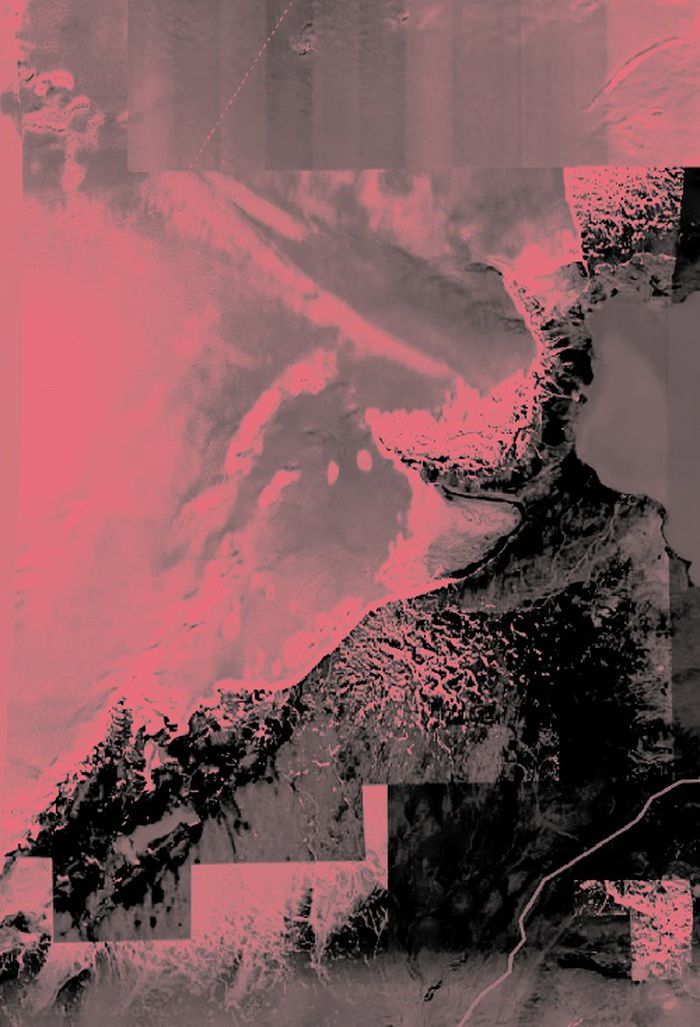
Landscape with(out) Locus
Landscape with(out) Locus
Actions:
Prix:
$39.95
(disponible en magasin)
Résumé:
How do we understand landscape today? How do we discuss and visualize nature? Can they be conceived and represented as something existing independently of the viewer, now that the human race has gotten into a very last corner of the world? 'Landscape with(out) Locus' interprets landscape as an ever-changing social, economic, and ecological construct. Addressing questions(...)
$39.95
(disponible en magasin)
Résumé:
How do we understand landscape today? How do we discuss and visualize nature? Can they be conceived and represented as something existing independently of the viewer, now that the human race has gotten into a very last corner of the world? 'Landscape with(out) Locus' interprets landscape as an ever-changing social, economic, and ecological construct. Addressing questions(...)
Titre:
Landscape with(out) Locus
Actions:
Prix:
$39.95
(disponible en magasin)
Résumé:
How do we understand landscape today? How do we discuss and visualize nature? Can they be conceived and represented as something existing independently of the viewer, now that the human race has gotten into a very last corner of the world? 'Landscape with(out) Locus' interprets landscape as an ever-changing social, economic, and ecological construct. Addressing questions of power, identity, and natural resources, the publication follows histories of surveillance and colonialism, considering photographic (and post-photographic) images as central to the process of interacting with the world.
Landscape with(out) Locus
Actions:
Prix:
$39.95
(disponible en magasin)
Résumé:
How do we understand landscape today? How do we discuss and visualize nature? Can they be conceived and represented as something existing independently of the viewer, now that the human race has gotten into a very last corner of the world? 'Landscape with(out) Locus' interprets landscape as an ever-changing social, economic, and ecological construct. Addressing questions of power, identity, and natural resources, the publication follows histories of surveillance and colonialism, considering photographic (and post-photographic) images as central to the process of interacting with the world.
Classification:
livres
livres
Publication:
décembre 2023
décembre 2023
Sujet:
Théorie du paysage
Théorie du paysage
Classification:
livres
livres

Prix:
$33.00
(disponible sur commande)
Résumé:
This new edition of the classic work on the politics of architecture—and the architecture of politics—appears on the fiftieth anniversary of the Six-Day War, which expanded Israel’s domination over Palestinian lands. From the tunnels of Gaza to the militarized airspace of the Occupied Territories, Eyal Weizman unravels Israel’s mechanisms of control and its transformation(...)
$33.00
(disponible sur commande)
Résumé:
This new edition of the classic work on the politics of architecture—and the architecture of politics—appears on the fiftieth anniversary of the Six-Day War, which expanded Israel’s domination over Palestinian lands. From the tunnels of Gaza to the militarized airspace of the Occupied Territories, Eyal Weizman unravels Israel’s mechanisms of control and its transformation(...)
Titre:
Hollow land: Israel's architecture of occupation. 2nd edition
Actions:
Prix:
$33.00
(disponible sur commande)
Résumé:
This new edition of the classic work on the politics of architecture—and the architecture of politics—appears on the fiftieth anniversary of the Six-Day War, which expanded Israel’s domination over Palestinian lands. From the tunnels of Gaza to the militarized airspace of the Occupied Territories, Eyal Weizman unravels Israel’s mechanisms of control and its transformation of Palestinian homes into a war zone under constant surveillance. This is essential reading for those seeking to understand how architecture and infrastructure are used as lethal weapons in the formation of Israel.
Hollow land: Israel's architecture of occupation. 2nd edition
Actions:
Prix:
$33.00
(disponible sur commande)
Résumé:
This new edition of the classic work on the politics of architecture—and the architecture of politics—appears on the fiftieth anniversary of the Six-Day War, which expanded Israel’s domination over Palestinian lands. From the tunnels of Gaza to the militarized airspace of the Occupied Territories, Eyal Weizman unravels Israel’s mechanisms of control and its transformation of Palestinian homes into a war zone under constant surveillance. This is essential reading for those seeking to understand how architecture and infrastructure are used as lethal weapons in the formation of Israel.
Classification:
livres
livres
Publication:
juillet 2017
juillet 2017
Classification:
livres
livres

Titre:
Photography and Germany
Photography and Germany
Actions:
Prix:
$42.00
(disponible sur commande)
Résumé:
The meeting of photography and Germany evokes pioneering modernist pictures from the Weimar era and colossal digital prints that define the medium’s art practice today. It also recalls horrifying documents of wartime atrocity and the relentless surveillance of East German citizens. This publication broadens these perceptions by examining photography’s multi-faceted(...)
$42.00
(disponible sur commande)
Résumé:
The meeting of photography and Germany evokes pioneering modernist pictures from the Weimar era and colossal digital prints that define the medium’s art practice today. It also recalls horrifying documents of wartime atrocity and the relentless surveillance of East German citizens. This publication broadens these perceptions by examining photography’s multi-faceted(...)
Titre:
Photography and Germany
Actions:
Prix:
$42.00
(disponible sur commande)
Résumé:
The meeting of photography and Germany evokes pioneering modernist pictures from the Weimar era and colossal digital prints that define the medium’s art practice today. It also recalls horrifying documents of wartime atrocity and the relentless surveillance of East German citizens. This publication broadens these perceptions by examining photography’s multi-faceted relationship with Germany’s turbulent cultural, political and social history. It shows how many of the same phenomena that helped generate the country’s most recognizable photographs also led to a range of lesser-known pictures that similarly documented or negotiated Germany’s cultural identity and historical ruptures.
Photography and Germany
Actions:
Prix:
$42.00
(disponible sur commande)
Résumé:
The meeting of photography and Germany evokes pioneering modernist pictures from the Weimar era and colossal digital prints that define the medium’s art practice today. It also recalls horrifying documents of wartime atrocity and the relentless surveillance of East German citizens. This publication broadens these perceptions by examining photography’s multi-faceted relationship with Germany’s turbulent cultural, political and social history. It shows how many of the same phenomena that helped generate the country’s most recognizable photographs also led to a range of lesser-known pictures that similarly documented or negotiated Germany’s cultural identity and historical ruptures.
Classification:
livres
livres
Publication:
mai 2017
mai 2017
Sujet:
Théorie de la photographie
Théorie de la photographie
Classification:
livres
livres
Titre:
Hito Steyerl
Hito Steyerl
Actions:
Prix:
$54.00
(disponible sur commande)
Résumé:
Artist, filmmaker, and writer Hito Steyerl is an acute observer and interpreter of globalized and digital cultures. This book examines three of Steyerl's large-scale works--"Hell Yeah We Fuck Die" (2016), "ExtraSpaceCraft" (2016), and "Liquidity Inc." (2014)--as well as other iconic works from the last 15 years. These essayistic documentary films blend personal with(...)
$54.00
(disponible sur commande)
Résumé:
Artist, filmmaker, and writer Hito Steyerl is an acute observer and interpreter of globalized and digital cultures. This book examines three of Steyerl's large-scale works--"Hell Yeah We Fuck Die" (2016), "ExtraSpaceCraft" (2016), and "Liquidity Inc." (2014)--as well as other iconic works from the last 15 years. These essayistic documentary films blend personal with(...)
Titre:
Hito Steyerl
Actions:
Prix:
$54.00
(disponible sur commande)
Résumé:
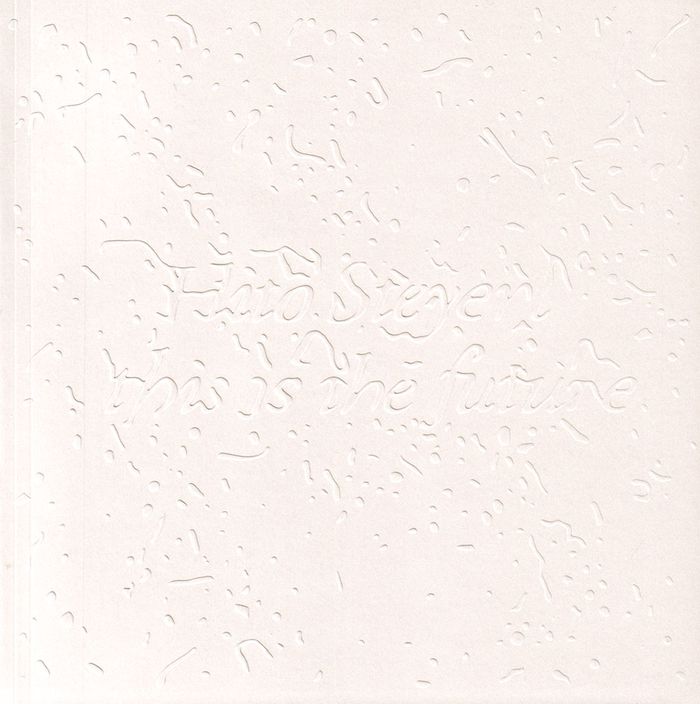
Artist, filmmaker, and writer Hito Steyerl is an acute observer and interpreter of globalized and digital cultures. This book examines three of Steyerl's large-scale works--"Hell Yeah We Fuck Die" (2016), "ExtraSpaceCraft" (2016), and "Liquidity Inc." (2014)--as well as other iconic works from the last 15 years. These essayistic documentary films blend personal with political and satire with seriousness. Her artworks and writings are inspired by her investigations of the impact of the internet and new technologies on our lives and are critical of the various forms of control and surveillance, as well as militarization and cultural globalization.
Hito Steyerl
Actions:
Prix:
$54.00
(disponible sur commande)
Résumé:
Artist, filmmaker, and writer Hito Steyerl is an acute observer and interpreter of globalized and digital cultures. This book examines three of Steyerl's large-scale works--"Hell Yeah We Fuck Die" (2016), "ExtraSpaceCraft" (2016), and "Liquidity Inc." (2014)--as well as other iconic works from the last 15 years. These essayistic documentary films blend personal with political and satire with seriousness. Her artworks and writings are inspired by her investigations of the impact of the internet and new technologies on our lives and are critical of the various forms of control and surveillance, as well as militarization and cultural globalization.
Classification:
livres
livres
Publication:
novembre 2019
novembre 2019
Classification:
livres
livres
Titre:
City of Panic
City of Panic
Actions:
Prix:
$19.95
(disponible sur commande)
Résumé:
City of Panic opens with a journey across the airy boulevards of Paris and into the crypt pf its Metro. Along the way, City of Panic tells the story of all cities. Cities everywhere are being reconstructed through a campaign of panic, the proliferation of gated-communities, policed shopping malls, the ever-widening net of surveillance, and a media consistently(...)
$19.95
(disponible sur commande)
Résumé:
City of Panic opens with a journey across the airy boulevards of Paris and into the crypt pf its Metro. Along the way, City of Panic tells the story of all cities. Cities everywhere are being reconstructed through a campaign of panic, the proliferation of gated-communities, policed shopping malls, the ever-widening net of surveillance, and a media consistently(...)
Titre:
City of Panic
Actions:
Prix:
$19.95
(disponible sur commande)
Résumé:
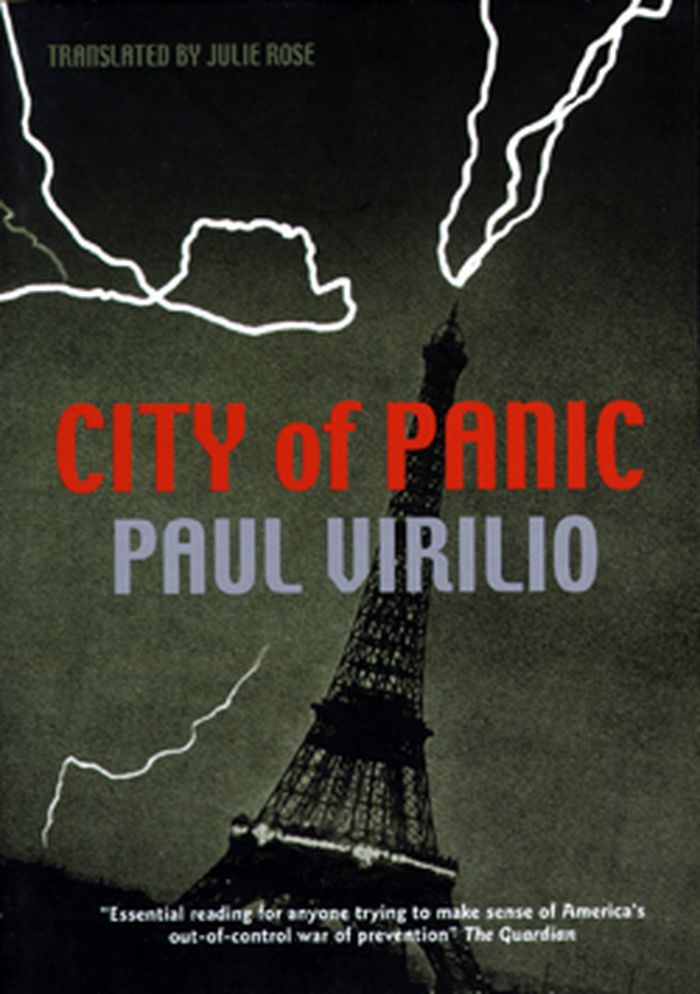
City of Panic opens with a journey across the airy boulevards of Paris and into the crypt pf its Metro. Along the way, City of Panic tells the story of all cities. Cities everywhere are being reconstructed through a campaign of panic, the proliferation of gated-communities, policed shopping malls, the ever-widening net of surveillance, and a media consistently fabricating a world of fear. As the past is torn downand replaced with an identikit present we seem to have accpted that our cities really are war zones and that every city must ben the same.
City of Panic
Actions:
Prix:
$19.95
(disponible sur commande)
Résumé:
City of Panic opens with a journey across the airy boulevards of Paris and into the crypt pf its Metro. Along the way, City of Panic tells the story of all cities. Cities everywhere are being reconstructed through a campaign of panic, the proliferation of gated-communities, policed shopping malls, the ever-widening net of surveillance, and a media consistently fabricating a world of fear. As the past is torn downand replaced with an identikit present we seem to have accpted that our cities really are war zones and that every city must ben the same.
Classification:
livres
livres
Publication:
mai 2007, Oxford, New York
mai 2007, Oxford, New York
Sujet:
Théorie de l’architecture
Théorie de l’architecture
Classification:
livres
livres
Titre:
Memo for Nemo
Memo for Nemo
Actions:
Prix:
$39.95
(disponible sur commande)
Résumé:
''Memo for Nemo'' is an account of the human inhabitation of the undersea, in fact and fiction. It takes as its starting point Jules Verne’s novel Twenty Thousand Leagues Under the Sea, with the Nautilus submarine and its captain Nemo – inventor, explorer, oceanologist, gastronome, musician and terrorist. The undersea is examined as a zone created both by exploration and(...)
$39.95
(disponible sur commande)
Résumé:
''Memo for Nemo'' is an account of the human inhabitation of the undersea, in fact and fiction. It takes as its starting point Jules Verne’s novel Twenty Thousand Leagues Under the Sea, with the Nautilus submarine and its captain Nemo – inventor, explorer, oceanologist, gastronome, musician and terrorist. The undersea is examined as a zone created both by exploration and(...)
Titre:
Memo for Nemo
Actions:
Prix:
$39.95
(disponible sur commande)
Résumé:
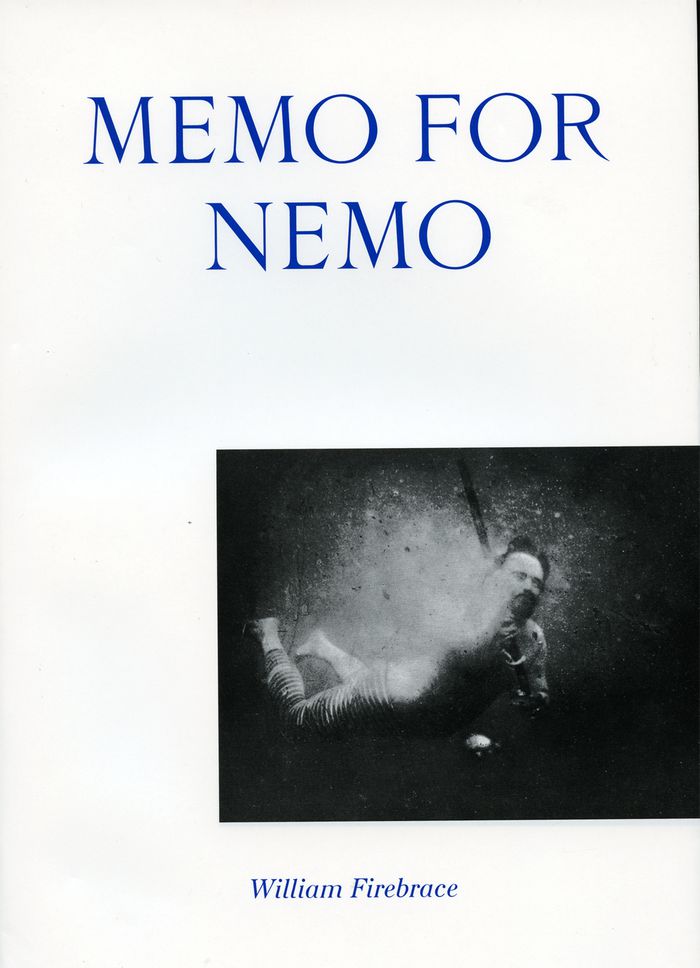
''Memo for Nemo'' is an account of the human inhabitation of the undersea, in fact and fiction. It takes as its starting point Jules Verne’s novel Twenty Thousand Leagues Under the Sea, with the Nautilus submarine and its captain Nemo – inventor, explorer, oceanologist, gastronome, musician and terrorist. The undersea is examined as a zone created both by exploration and invention, from the earliest attempts to photograph and descend into the depths with deep-sea devices, through the 1960s experiments and actual inhabitation, such as the US Sealab and Cousteau’s Conshelf, to contemporary surveillance of the rapidly changing oceans.
Memo for Nemo
Actions:
Prix:
$39.95
(disponible sur commande)
Résumé:
''Memo for Nemo'' is an account of the human inhabitation of the undersea, in fact and fiction. It takes as its starting point Jules Verne’s novel Twenty Thousand Leagues Under the Sea, with the Nautilus submarine and its captain Nemo – inventor, explorer, oceanologist, gastronome, musician and terrorist. The undersea is examined as a zone created both by exploration and invention, from the earliest attempts to photograph and descend into the depths with deep-sea devices, through the 1960s experiments and actual inhabitation, such as the US Sealab and Cousteau’s Conshelf, to contemporary surveillance of the rapidly changing oceans.
Classification:
livres
livres
Publication:
août 2014
août 2014
Sujet:
Théorie de l’architecture
Théorie de l’architecture
Classification:
livres
livres

Actions:
Prix:
$43.95
(disponible sur commande)
Résumé:
Showing how the upswell of paranoia and growing demand for security in the post-9/11 world has paradoxically created widespread insecurity, these varied essays examine how this anxiety-laden mindset erodes spaces both architectural and personal, encroaching on all aspects of everyday life. Starting from the most literal level—barricades and barriers in front of buildings,(...)
$43.95
(disponible sur commande)
Résumé:
Showing how the upswell of paranoia and growing demand for security in the post-9/11 world has paradoxically created widespread insecurity, these varied essays examine how this anxiety-laden mindset erodes spaces both architectural and personal, encroaching on all aspects of everyday life. Starting from the most literal level—barricades and barriers in front of buildings,(...)
Titre:
Indefensible space: the architecture of the national insecurity space
Actions:
Prix:
$43.95
(disponible sur commande)
Résumé:
Showing how the upswell of paranoia and growing demand for security in the post-9/11 world has paradoxically created widespread insecurity, these varied essays examine how this anxiety-laden mindset erodes spaces both architectural and personal, encroaching on all aspects of everyday life. Starting from the most literal level—barricades and barriers in front of buildings, beefed up border patrols, gated communities, "safe rooms,"—to more abstract levels—enhanced surveillance at public spaces such as airports, increasing worries about contagion, the psychological predilection for fortified space—the contributors cover the full gamut of securitized public life that is defining the zeitgeist of twenty-first century America
Indefensible space: the architecture of the national insecurity space
Actions:
Prix:
$43.95
(disponible sur commande)
Résumé:
Showing how the upswell of paranoia and growing demand for security in the post-9/11 world has paradoxically created widespread insecurity, these varied essays examine how this anxiety-laden mindset erodes spaces both architectural and personal, encroaching on all aspects of everyday life. Starting from the most literal level—barricades and barriers in front of buildings, beefed up border patrols, gated communities, "safe rooms,"—to more abstract levels—enhanced surveillance at public spaces such as airports, increasing worries about contagion, the psychological predilection for fortified space—the contributors cover the full gamut of securitized public life that is defining the zeitgeist of twenty-first century America
Classification:
livres
livres
Publication:
décembre 2008, New York
décembre 2008, New York


