


3263 Résultats
Classification:
dessins, documents textuels, oeuvres d'art
dessins, documents textuels, oeuvres d'art
Actions:
Numéro de référence:
DR1974:0002:002:001-094
Description:
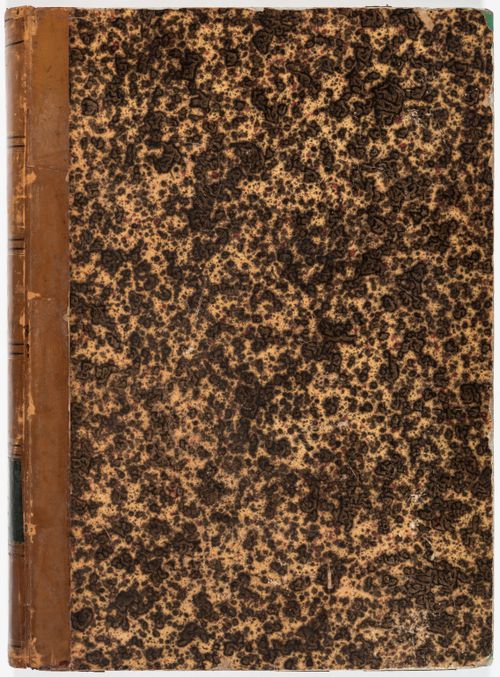
- This album consists mainly of elevations, sections and plans for a number of domestic commissions by Charles Rohault de Fleury: a house in Cologne, a hothouse for M. Faquet-Lemaitre, two [?] apartment houses and three private houses in Paris, a house for Mme de Lescure, Royan, and the Administration générale des omnibus office building, Paris. Both the drawings for the house in Cologne and the three variant projects for a hothouse are probably presentation drawings. There are contract drawings, probably the architect's copies, for apartment houses for M. Piet and M. Le Comte, and houses for M. Moreau Chaslon, Mme la comtesse de Lubersac, Mme de Lescure and M. Waresquiel. A sheet of cost calculations attached to a preliminary site plan, are probably for M. Waresquiel's house. The first plan for Mme la comtesse de Lubersac's house (DR1974:0002:002:084), and the plans for M. Waresquiel's house are annotated with the functions of the rooms. The architect's copies of the drawings for the country house in Royan, given to the client by the architect, include drawings of the foundations and framework, larger scale elevational and sectional details of the architectural elements, profiles and joinery details. The function within the design process of the prints for the commercial building for the Administration Générale de Omnibus is unclear. The principal elevation (DR1974:0002:002:020) is rendered in watercolour, suggesting it may be a presentation print. The other prints for this building exhibit the same degree of finish as the contract drawings in this album, but the absence of the client's and contractor's signatures and the revision attached to DR1974:0002:002:022 suggests they may be part of the design development stage of the project. Also included in the album is a sheet of preliminary sketches for a tomb for Daguerre (not the photographer) and two small unbound sheets of sketches for unidentified projects (DR1974:0002:002:048 and DR1974:0002:002:028).
DR1974:0002:002:001-094
Description:
- This album consists mainly of elevations, sections and plans for a number of domestic commissions by Charles Rohault de Fleury: a house in Cologne, a hothouse for M. Faquet-Lemaitre, two [?] apartment houses and three private houses in Paris, a house for Mme de Lescure, Royan, and the Administration générale des omnibus office building, Paris. Both the drawings for the house in Cologne and the three variant projects for a hothouse are probably presentation drawings. There are contract drawings, probably the architect's copies, for apartment houses for M. Piet and M. Le Comte, and houses for M. Moreau Chaslon, Mme la comtesse de Lubersac, Mme de Lescure and M. Waresquiel. A sheet of cost calculations attached to a preliminary site plan, are probably for M. Waresquiel's house. The first plan for Mme la comtesse de Lubersac's house (DR1974:0002:002:084), and the plans for M. Waresquiel's house are annotated with the functions of the rooms. The architect's copies of the drawings for the country house in Royan, given to the client by the architect, include drawings of the foundations and framework, larger scale elevational and sectional details of the architectural elements, profiles and joinery details. The function within the design process of the prints for the commercial building for the Administration Générale de Omnibus is unclear. The principal elevation (DR1974:0002:002:020) is rendered in watercolour, suggesting it may be a presentation print. The other prints for this building exhibit the same degree of finish as the contract drawings in this album, but the absence of the client's and contractor's signatures and the revision attached to DR1974:0002:002:022 suggests they may be part of the design development stage of the project. Also included in the album is a sheet of preliminary sketches for a tomb for Daguerre (not the photographer) and two small unbound sheets of sketches for unidentified projects (DR1974:0002:002:048 and DR1974:0002:002:028).
Personnes et institutions:
Sujet:
architecture
architecture
Date:
drawings exectued between 1838 and 1854, prints executed between 1838 and 1856
drawings exectued between 1838 and 1854, prints executed between 1838 and 1856
Titre:
Album of prints and drawings for nine domestic commissions, an office building, a tomb, and a hothouse in Paris, Royan and Cologne
Actions:
DR1974:0002:002:001-094
Description:
- This album consists mainly of elevations, sections and plans for a number of domestic commissions by Charles Rohault de Fleury: a house in Cologne, a hothouse for M. Faquet-Lemaitre, two [?] apartment houses and three private houses in Paris, a house for Mme de Lescure, Royan, and the Administration générale des omnibus office building, Paris. Both the drawings for the house in Cologne and the three variant projects for a hothouse are probably presentation drawings. There are contract drawings, probably the architect's copies, for apartment houses for M. Piet and M. Le Comte, and houses for M. Moreau Chaslon, Mme la comtesse de Lubersac, Mme de Lescure and M. Waresquiel. A sheet of cost calculations attached to a preliminary site plan, are probably for M. Waresquiel's house. The first plan for Mme la comtesse de Lubersac's house (DR1974:0002:002:084), and the plans for M. Waresquiel's house are annotated with the functions of the rooms. The architect's copies of the drawings for the country house in Royan, given to the client by the architect, include drawings of the foundations and framework, larger scale elevational and sectional details of the architectural elements, profiles and joinery details. The function within the design process of the prints for the commercial building for the Administration Générale de Omnibus is unclear. The principal elevation (DR1974:0002:002:020) is rendered in watercolour, suggesting it may be a presentation print. The other prints for this building exhibit the same degree of finish as the contract drawings in this album, but the absence of the client's and contractor's signatures and the revision attached to DR1974:0002:002:022 suggests they may be part of the design development stage of the project. Also included in the album is a sheet of preliminary sketches for a tomb for Daguerre (not the photographer) and two small unbound sheets of sketches for unidentified projects (DR1974:0002:002:048 and DR1974:0002:002:028).
Album of prints and drawings for nine domestic commissions, an office building, a tomb, and a hothouse in Paris, Royan and Cologne
Actions:
DR1974:0002:002:001-094
Description:
- This album consists mainly of elevations, sections and plans for a number of domestic commissions by Charles Rohault de Fleury: a house in Cologne, a hothouse for M. Faquet-Lemaitre, two [?] apartment houses and three private houses in Paris, a house for Mme de Lescure, Royan, and the Administration générale des omnibus office building, Paris. Both the drawings for the house in Cologne and the three variant projects for a hothouse are probably presentation drawings. There are contract drawings, probably the architect's copies, for apartment houses for M. Piet and M. Le Comte, and houses for M. Moreau Chaslon, Mme la comtesse de Lubersac, Mme de Lescure and M. Waresquiel. A sheet of cost calculations attached to a preliminary site plan, are probably for M. Waresquiel's house. The first plan for Mme la comtesse de Lubersac's house (DR1974:0002:002:084), and the plans for M. Waresquiel's house are annotated with the functions of the rooms. The architect's copies of the drawings for the country house in Royan, given to the client by the architect, include drawings of the foundations and framework, larger scale elevational and sectional details of the architectural elements, profiles and joinery details. The function within the design process of the prints for the commercial building for the Administration Générale de Omnibus is unclear. The principal elevation (DR1974:0002:002:020) is rendered in watercolour, suggesting it may be a presentation print. The other prints for this building exhibit the same degree of finish as the contract drawings in this album, but the absence of the client's and contractor's signatures and the revision attached to DR1974:0002:002:022 suggests they may be part of the design development stage of the project. Also included in the album is a sheet of preliminary sketches for a tomb for Daguerre (not the photographer) and two small unbound sheets of sketches for unidentified projects (DR1974:0002:002:048 and DR1974:0002:002:028).
Classification:
dessins, documents textuels, oeuvres d'art
dessins, documents textuels, oeuvres d'art
Date:
drawings exectued between 1838 and 1854, prints executed between 1838 and 1856
drawings exectued between 1838 and 1854, prints executed between 1838 and 1856
Personnes et institutions:
Sujet:
architecture
architecture
Classification:
archives
Niveau de description archivistique:
Fonds
archives
Niveau de description archivistique:
Fonds
Titre:
Fonds Günter Günschel
Fonds Günter Günschel
Numéro de référence:
AP187
Résumé:
The Günter Günschel fonds documents the architectural work of Günter Günschel. The fonds spans the years 1943 to 2006 and consists of drawings, photographic materials, and textual documentation related to over 50 projects, such as Kristallwucherungen (1953-1988), Geodätische Hallen (1955-1978), Wohnheim in Raumzellenbauweise für das Studentenwerk Göttingen (1969), Stadtquartiere (1977-1988), Emtwurf zur Bebauung der Weserinsel Teerhof in Bremen (1977-1978), and Stühle, Computergrafiken (1998).
AP187
Résumé:
The Günter Günschel fonds documents the architectural work of Günter Günschel. The fonds spans the years 1943 to 2006 and consists of drawings, photographic materials, and textual documentation related to over 50 projects, such as Kristallwucherungen (1953-1988), Geodätische Hallen (1955-1978), Wohnheim in Raumzellenbauweise für das Studentenwerk Göttingen (1969), Stadtquartiere (1977-1988), Emtwurf zur Bebauung der Weserinsel Teerhof in Bremen (1977-1978), and Stühle, Computergrafiken (1998).
Personnes et institutions:
Date:
1943-2006
1943-2006
Titre:
Fonds Günter Günschel
Actions:
AP187
Résumé:
The Günter Günschel fonds documents the architectural work of Günter Günschel. The fonds spans the years 1943 to 2006 and consists of drawings, photographic materials, and textual documentation related to over 50 projects, such as Kristallwucherungen (1953-1988), Geodätische Hallen (1955-1978), Wohnheim in Raumzellenbauweise für das Studentenwerk Göttingen (1969), Stadtquartiere (1977-1988), Emtwurf zur Bebauung der Weserinsel Teerhof in Bremen (1977-1978), and Stühle, Computergrafiken (1998).
Fonds Günter Günschel
Actions:
AP187
Résumé:
The Günter Günschel fonds documents the architectural work of Günter Günschel. The fonds spans the years 1943 to 2006 and consists of drawings, photographic materials, and textual documentation related to over 50 projects, such as Kristallwucherungen (1953-1988), Geodätische Hallen (1955-1978), Wohnheim in Raumzellenbauweise für das Studentenwerk Göttingen (1969), Stadtquartiere (1977-1988), Emtwurf zur Bebauung der Weserinsel Teerhof in Bremen (1977-1978), and Stühle, Computergrafiken (1998).
Classification:
archives
Niveau de description archivistique:
Fonds
archives
Niveau de description archivistique:
Fonds
Date:
1943-2006
1943-2006
Personnes et institutions:
Classification:
documents textuels, graphique
Quantité:
11 textual record(s) and ephemera
documents textuels, graphique
Quantité:
11 textual record(s) and ephemera
Actions:
Numéro de référence:
DR1987:0866:001-011
Description:
- This group of correspondence, clippings and a copy of a resolution was compiled by the architect, Lloyd Wright, for his own record while he was persuing the commission for the Los Angeles Municipal Airport, Mines Field, California. While Wright received the approval of the Municipal Art Commission, his design was ultimately rejected by the Airport Committee in favour of a Spanish Colonial design. The correspondence is composed of carbon copies and mimeographs of a letter sent to the Municipal Art Commission requesting that the commission consider his design. There are several copies of this letter, probably because it was sent to individual committee members and a copy was made of each letter. Of the newspaper clippings, three relate to the Mines Field project; the most significant is a half-page spread with photographs of both Lloyd Wright's project and the successful Spanish Colonial design. Also on the same page are photographs of four of people involved in the commission, including Lloyd Wright, a councilman, a member of the art commission, and the airport manager. The two other Mines Field clippings announce the completion of an aircraft factory at Mines Field and the completion of the municipal airport within thirty days. The unrelated clipping announces a model airport to be built in Chicago. Also included with these documents are a copy of the resolution made by the Municipal Art Commission recommending Wright's design to the Airport Committee and an envelope addressed to Clifford Henderson, Director of Municipal Airports, City of Los Angeles.
DR1987:0866:001-011
Description:
- This group of correspondence, clippings and a copy of a resolution was compiled by the architect, Lloyd Wright, for his own record while he was persuing the commission for the Los Angeles Municipal Airport, Mines Field, California. While Wright received the approval of the Municipal Art Commission, his design was ultimately rejected by the Airport Committee in favour of a Spanish Colonial design. The correspondence is composed of carbon copies and mimeographs of a letter sent to the Municipal Art Commission requesting that the commission consider his design. There are several copies of this letter, probably because it was sent to individual committee members and a copy was made of each letter. Of the newspaper clippings, three relate to the Mines Field project; the most significant is a half-page spread with photographs of both Lloyd Wright's project and the successful Spanish Colonial design. Also on the same page are photographs of four of people involved in the commission, including Lloyd Wright, a councilman, a member of the art commission, and the airport manager. The two other Mines Field clippings announce the completion of an aircraft factory at Mines Field and the completion of the municipal airport within thirty days. The unrelated clipping announces a model airport to be built in Chicago. Also included with these documents are a copy of the resolution made by the Municipal Art Commission recommending Wright's design to the Airport Committee and an envelope addressed to Clifford Henderson, Director of Municipal Airports, City of Los Angeles.
Personnes et institutions:
Sujet:
architecture
architecture
Date:
printed 1929
printed 1929
Titre:
Los Angeles Municipal Airport: Newspaper clippings, copies of a letter and a copy of a resolution relating to Lloyd Wright's design
Actions:
DR1987:0866:001-011
Description:
- This group of correspondence, clippings and a copy of a resolution was compiled by the architect, Lloyd Wright, for his own record while he was persuing the commission for the Los Angeles Municipal Airport, Mines Field, California. While Wright received the approval of the Municipal Art Commission, his design was ultimately rejected by the Airport Committee in favour of a Spanish Colonial design. The correspondence is composed of carbon copies and mimeographs of a letter sent to the Municipal Art Commission requesting that the commission consider his design. There are several copies of this letter, probably because it was sent to individual committee members and a copy was made of each letter. Of the newspaper clippings, three relate to the Mines Field project; the most significant is a half-page spread with photographs of both Lloyd Wright's project and the successful Spanish Colonial design. Also on the same page are photographs of four of people involved in the commission, including Lloyd Wright, a councilman, a member of the art commission, and the airport manager. The two other Mines Field clippings announce the completion of an aircraft factory at Mines Field and the completion of the municipal airport within thirty days. The unrelated clipping announces a model airport to be built in Chicago. Also included with these documents are a copy of the resolution made by the Municipal Art Commission recommending Wright's design to the Airport Committee and an envelope addressed to Clifford Henderson, Director of Municipal Airports, City of Los Angeles.
Los Angeles Municipal Airport: Newspaper clippings, copies of a letter and a copy of a resolution relating to Lloyd Wright's design
Actions:
DR1987:0866:001-011
Description:
- This group of correspondence, clippings and a copy of a resolution was compiled by the architect, Lloyd Wright, for his own record while he was persuing the commission for the Los Angeles Municipal Airport, Mines Field, California. While Wright received the approval of the Municipal Art Commission, his design was ultimately rejected by the Airport Committee in favour of a Spanish Colonial design. The correspondence is composed of carbon copies and mimeographs of a letter sent to the Municipal Art Commission requesting that the commission consider his design. There are several copies of this letter, probably because it was sent to individual committee members and a copy was made of each letter. Of the newspaper clippings, three relate to the Mines Field project; the most significant is a half-page spread with photographs of both Lloyd Wright's project and the successful Spanish Colonial design. Also on the same page are photographs of four of people involved in the commission, including Lloyd Wright, a councilman, a member of the art commission, and the airport manager. The two other Mines Field clippings announce the completion of an aircraft factory at Mines Field and the completion of the municipal airport within thirty days. The unrelated clipping announces a model airport to be built in Chicago. Also included with these documents are a copy of the resolution made by the Municipal Art Commission recommending Wright's design to the Airport Committee and an envelope addressed to Clifford Henderson, Director of Municipal Airports, City of Los Angeles.
Classification:
documents textuels, graphique
Quantité:
11 textual record(s) and ephemera
documents textuels, graphique
Quantité:
11 textual record(s) and ephemera
Date:
printed 1929
printed 1929
Personnes et institutions:
Sujet:
architecture
architecture
Niveau de description archivistique:
Projet
Projet
Numéro de référence:
AP056.S1.1988.PR11
Description:
This project series documents the design of a housing complex known as Dovestar in Toronto from1988-1991. The office identified the project number as 8815. This project consisted of a proposed housing complex on the corner of St. Joseph and St. Nicholas Streets, comprised of three components - the Dovestar condominiums, the CityHome building and a Co-op building. Maintaining the historic building facades along St. Joseph Street, the 19-storey Dovestar condominiums would bridge over St. Nicholas Street to connect to the CityHome building as one congruent structure. Across the street from Dovestar, the CityHome building was defined as the first five storeys of the property, also with historic facades at the lower levels, and the remaining storeys were part of the Dovestar condominium. The Co-op building was entirely separate, set apart from the others by a common outdoor garden space. Dovestar was to be a 312 unit condominium complex, approximately 32,000 square metres in size, with retail spaces and two-storey townhouse units on the ground floor. The CityHome building would be 35 units, approximately 3,500 square metres in size, with retail, restaurant spaces, and two-storey townhouse units on the ground floor. Finally, the Co-op building was to be 24 units and approximately 1,971 square metres in size. All three buildings shared 247 parking spaces and recreational areas totalling 2,934 square metres. This project was never built. The project is recorded through drawings and a project model dating from 1988-1991. The drawings are mostly originals and include site plans and surveys, sketches, elevations, plans, sections, and isometrics.
AP056.S1.1988.PR11
Description:
This project series documents the design of a housing complex known as Dovestar in Toronto from1988-1991. The office identified the project number as 8815. This project consisted of a proposed housing complex on the corner of St. Joseph and St. Nicholas Streets, comprised of three components - the Dovestar condominiums, the CityHome building and a Co-op building. Maintaining the historic building facades along St. Joseph Street, the 19-storey Dovestar condominiums would bridge over St. Nicholas Street to connect to the CityHome building as one congruent structure. Across the street from Dovestar, the CityHome building was defined as the first five storeys of the property, also with historic facades at the lower levels, and the remaining storeys were part of the Dovestar condominium. The Co-op building was entirely separate, set apart from the others by a common outdoor garden space. Dovestar was to be a 312 unit condominium complex, approximately 32,000 square metres in size, with retail spaces and two-storey townhouse units on the ground floor. The CityHome building would be 35 units, approximately 3,500 square metres in size, with retail, restaurant spaces, and two-storey townhouse units on the ground floor. Finally, the Co-op building was to be 24 units and approximately 1,971 square metres in size. All three buildings shared 247 parking spaces and recreational areas totalling 2,934 square metres. This project was never built. The project is recorded through drawings and a project model dating from 1988-1991. The drawings are mostly originals and include site plans and surveys, sketches, elevations, plans, sections, and isometrics.
Personnes et institutions:
Date:
1988-1991
1988-1991
Titre:
Dovestar Project, Toronto (1988-1991)
Actions:
AP056.S1.1988.PR11
Description:
This project series documents the design of a housing complex known as Dovestar in Toronto from1988-1991. The office identified the project number as 8815. This project consisted of a proposed housing complex on the corner of St. Joseph and St. Nicholas Streets, comprised of three components - the Dovestar condominiums, the CityHome building and a Co-op building. Maintaining the historic building facades along St. Joseph Street, the 19-storey Dovestar condominiums would bridge over St. Nicholas Street to connect to the CityHome building as one congruent structure. Across the street from Dovestar, the CityHome building was defined as the first five storeys of the property, also with historic facades at the lower levels, and the remaining storeys were part of the Dovestar condominium. The Co-op building was entirely separate, set apart from the others by a common outdoor garden space. Dovestar was to be a 312 unit condominium complex, approximately 32,000 square metres in size, with retail spaces and two-storey townhouse units on the ground floor. The CityHome building would be 35 units, approximately 3,500 square metres in size, with retail, restaurant spaces, and two-storey townhouse units on the ground floor. Finally, the Co-op building was to be 24 units and approximately 1,971 square metres in size. All three buildings shared 247 parking spaces and recreational areas totalling 2,934 square metres. This project was never built. The project is recorded through drawings and a project model dating from 1988-1991. The drawings are mostly originals and include site plans and surveys, sketches, elevations, plans, sections, and isometrics.
Dovestar Project, Toronto (1988-1991)
Actions:
AP056.S1.1988.PR11
Description:
This project series documents the design of a housing complex known as Dovestar in Toronto from1988-1991. The office identified the project number as 8815. This project consisted of a proposed housing complex on the corner of St. Joseph and St. Nicholas Streets, comprised of three components - the Dovestar condominiums, the CityHome building and a Co-op building. Maintaining the historic building facades along St. Joseph Street, the 19-storey Dovestar condominiums would bridge over St. Nicholas Street to connect to the CityHome building as one congruent structure. Across the street from Dovestar, the CityHome building was defined as the first five storeys of the property, also with historic facades at the lower levels, and the remaining storeys were part of the Dovestar condominium. The Co-op building was entirely separate, set apart from the others by a common outdoor garden space. Dovestar was to be a 312 unit condominium complex, approximately 32,000 square metres in size, with retail spaces and two-storey townhouse units on the ground floor. The CityHome building would be 35 units, approximately 3,500 square metres in size, with retail, restaurant spaces, and two-storey townhouse units on the ground floor. Finally, the Co-op building was to be 24 units and approximately 1,971 square metres in size. All three buildings shared 247 parking spaces and recreational areas totalling 2,934 square metres. This project was never built. The project is recorded through drawings and a project model dating from 1988-1991. The drawings are mostly originals and include site plans and surveys, sketches, elevations, plans, sections, and isometrics.
Niveau de description archivistique:
Project
Project
Date:
1988-1991
1988-1991
Personnes et institutions:
Niveau de description archivistique:
Projet
Projet
Titre:
Inter-Action Centre
Inter-Action Centre
Numéro de référence:
AP144.S2.D82
Description:
File documents Inter-Action Centre, a completed project for a community centre commissioned by Ed Berman and the Inter-Action Trust, for a disused site at Talacre Public Open Space in Kentish Town, Camden, London. The construction was divided into two phases. Foundations, steel frame and trusses were constructed first and could be used for open-air community events while funds were being raised for the second phase. Phase II included cladding, fittings, finishes, services prefabricated units, and log cabins. The building was intended as a flexible short life-span building in which the interior spaces would be independent of the roof and exterior walls. Functional areas suggested by Cedric Price include: assembly halls, classrooms, rehearsal rooms, studios, areas for performance, media resources, lounging and dining, and a gym and a nursery. Cedric Price had been engaged by the concepts of flexible architecture, indeterminacy, impermanence, and the fusion of information technology, entertainment, and educational activities in earlier unrealized projects such as Fun Palace (AP144.S2.D46) and Oxford Corner House (AP144.S2.D59). Existing conditions drawings include photographs of the site; reprographic copies of electrical and drainage systems; ordinance surveys of Kentish Town; and landscape and playground layout. Conceptual drawings include sketches of overall massing; diagrammatic plans; drawings and diagrams of site conditions; notes for the structural framework; rendered interior elevations; plans showing impact of site context on building design; diagrammatic sketches of relationship between functional requirements and structural form. Schematic drawings include diagrammatic plans; sections of structural system and exterior wall; cladding details; and axonometric views of supports. Design development drawings and working drawings include plans, elevations, sections, details and axonometric views. Presentation drawings include watercolours and other renderings; reprographic copies, possibly for publication; and perspectives drawings. Some material from this file was published in "Inter-action Centre." 'RIBA Journal'. (November 1977), 458-465; "Intervista A Cedric Price: London Interaction Centre." 'Domus'. (April 1978), 17-21; "Kentish Town West Amalgam, London." 'Architectural Record'. (January 1973), 19; Lyall, Sutherland. 'The State of British Architecture'. (London: Architectural Press, 1980), 107-109; 130 and 'Cedric Price-Works II' (London: Architectural Press, 1984), 54, 62-63. Material in this file was produced between 1964 and 1992, but predominantly between 1970 and 1981. File contains technical drawings that are attributed to the following consultants, contractors, and manufacturers: Coseley Buildings Ltd; H.G. Deacon Ltd; Kayanson Engineers; H.J. Knights & Co. Ltd; Woodcemair; Metal Sections Ltd; Spaceway; Gascoigne, Gush & Dent (Engineering Ltd); UBM Engineering; J. Murphy & Sons Ltd; Maurice Pickering Associates, Architects & Landscape Consultants; David Lee Architect & Landscape Architect; J. Starkie Gardner Ltd; Dibben Structural Engineers; Zisman, Bowyer & Partners; Felix J. Samuely and Partners; Ruberoid Contracts Ltd; Whitbread London Limited; and Portakabin. Paul Hyett and Will Alsop were Cedric Price's main assistants for this project. 'Inter-Action Trust Limited', 'Inter-Action Centre', and 'Talacre Centre Limited' appear as the client(s) at various stages of this project. File contains cartographic materials, conceptual drawings, consultant drawings, design development drawings, models, panels, photographic materials, presentation drawings, an illustration, textual records, and working drawings.
AP144.S2.D82
Description:
File documents Inter-Action Centre, a completed project for a community centre commissioned by Ed Berman and the Inter-Action Trust, for a disused site at Talacre Public Open Space in Kentish Town, Camden, London. The construction was divided into two phases. Foundations, steel frame and trusses were constructed first and could be used for open-air community events while funds were being raised for the second phase. Phase II included cladding, fittings, finishes, services prefabricated units, and log cabins. The building was intended as a flexible short life-span building in which the interior spaces would be independent of the roof and exterior walls. Functional areas suggested by Cedric Price include: assembly halls, classrooms, rehearsal rooms, studios, areas for performance, media resources, lounging and dining, and a gym and a nursery. Cedric Price had been engaged by the concepts of flexible architecture, indeterminacy, impermanence, and the fusion of information technology, entertainment, and educational activities in earlier unrealized projects such as Fun Palace (AP144.S2.D46) and Oxford Corner House (AP144.S2.D59). Existing conditions drawings include photographs of the site; reprographic copies of electrical and drainage systems; ordinance surveys of Kentish Town; and landscape and playground layout. Conceptual drawings include sketches of overall massing; diagrammatic plans; drawings and diagrams of site conditions; notes for the structural framework; rendered interior elevations; plans showing impact of site context on building design; diagrammatic sketches of relationship between functional requirements and structural form. Schematic drawings include diagrammatic plans; sections of structural system and exterior wall; cladding details; and axonometric views of supports. Design development drawings and working drawings include plans, elevations, sections, details and axonometric views. Presentation drawings include watercolours and other renderings; reprographic copies, possibly for publication; and perspectives drawings. Some material from this file was published in "Inter-action Centre." 'RIBA Journal'. (November 1977), 458-465; "Intervista A Cedric Price: London Interaction Centre." 'Domus'. (April 1978), 17-21; "Kentish Town West Amalgam, London." 'Architectural Record'. (January 1973), 19; Lyall, Sutherland. 'The State of British Architecture'. (London: Architectural Press, 1980), 107-109; 130 and 'Cedric Price-Works II' (London: Architectural Press, 1984), 54, 62-63. Material in this file was produced between 1964 and 1992, but predominantly between 1970 and 1981. File contains technical drawings that are attributed to the following consultants, contractors, and manufacturers: Coseley Buildings Ltd; H.G. Deacon Ltd; Kayanson Engineers; H.J. Knights & Co. Ltd; Woodcemair; Metal Sections Ltd; Spaceway; Gascoigne, Gush & Dent (Engineering Ltd); UBM Engineering; J. Murphy & Sons Ltd; Maurice Pickering Associates, Architects & Landscape Consultants; David Lee Architect & Landscape Architect; J. Starkie Gardner Ltd; Dibben Structural Engineers; Zisman, Bowyer & Partners; Felix J. Samuely and Partners; Ruberoid Contracts Ltd; Whitbread London Limited; and Portakabin. Paul Hyett and Will Alsop were Cedric Price's main assistants for this project. 'Inter-Action Trust Limited', 'Inter-Action Centre', and 'Talacre Centre Limited' appear as the client(s) at various stages of this project. File contains cartographic materials, conceptual drawings, consultant drawings, design development drawings, models, panels, photographic materials, presentation drawings, an illustration, textual records, and working drawings.
Personnes et institutions:
Date:
1964-1992, predominant 1970-1981
1964-1992, predominant 1970-1981
Titre:
Inter-Action Centre
Actions:
AP144.S2.D82
Description:
File documents Inter-Action Centre, a completed project for a community centre commissioned by Ed Berman and the Inter-Action Trust, for a disused site at Talacre Public Open Space in Kentish Town, Camden, London. The construction was divided into two phases. Foundations, steel frame and trusses were constructed first and could be used for open-air community events while funds were being raised for the second phase. Phase II included cladding, fittings, finishes, services prefabricated units, and log cabins. The building was intended as a flexible short life-span building in which the interior spaces would be independent of the roof and exterior walls. Functional areas suggested by Cedric Price include: assembly halls, classrooms, rehearsal rooms, studios, areas for performance, media resources, lounging and dining, and a gym and a nursery. Cedric Price had been engaged by the concepts of flexible architecture, indeterminacy, impermanence, and the fusion of information technology, entertainment, and educational activities in earlier unrealized projects such as Fun Palace (AP144.S2.D46) and Oxford Corner House (AP144.S2.D59). Existing conditions drawings include photographs of the site; reprographic copies of electrical and drainage systems; ordinance surveys of Kentish Town; and landscape and playground layout. Conceptual drawings include sketches of overall massing; diagrammatic plans; drawings and diagrams of site conditions; notes for the structural framework; rendered interior elevations; plans showing impact of site context on building design; diagrammatic sketches of relationship between functional requirements and structural form. Schematic drawings include diagrammatic plans; sections of structural system and exterior wall; cladding details; and axonometric views of supports. Design development drawings and working drawings include plans, elevations, sections, details and axonometric views. Presentation drawings include watercolours and other renderings; reprographic copies, possibly for publication; and perspectives drawings. Some material from this file was published in "Inter-action Centre." 'RIBA Journal'. (November 1977), 458-465; "Intervista A Cedric Price: London Interaction Centre." 'Domus'. (April 1978), 17-21; "Kentish Town West Amalgam, London." 'Architectural Record'. (January 1973), 19; Lyall, Sutherland. 'The State of British Architecture'. (London: Architectural Press, 1980), 107-109; 130 and 'Cedric Price-Works II' (London: Architectural Press, 1984), 54, 62-63. Material in this file was produced between 1964 and 1992, but predominantly between 1970 and 1981. File contains technical drawings that are attributed to the following consultants, contractors, and manufacturers: Coseley Buildings Ltd; H.G. Deacon Ltd; Kayanson Engineers; H.J. Knights & Co. Ltd; Woodcemair; Metal Sections Ltd; Spaceway; Gascoigne, Gush & Dent (Engineering Ltd); UBM Engineering; J. Murphy & Sons Ltd; Maurice Pickering Associates, Architects & Landscape Consultants; David Lee Architect & Landscape Architect; J. Starkie Gardner Ltd; Dibben Structural Engineers; Zisman, Bowyer & Partners; Felix J. Samuely and Partners; Ruberoid Contracts Ltd; Whitbread London Limited; and Portakabin. Paul Hyett and Will Alsop were Cedric Price's main assistants for this project. 'Inter-Action Trust Limited', 'Inter-Action Centre', and 'Talacre Centre Limited' appear as the client(s) at various stages of this project. File contains cartographic materials, conceptual drawings, consultant drawings, design development drawings, models, panels, photographic materials, presentation drawings, an illustration, textual records, and working drawings.
Inter-Action Centre
Actions:
AP144.S2.D82
Description:
File documents Inter-Action Centre, a completed project for a community centre commissioned by Ed Berman and the Inter-Action Trust, for a disused site at Talacre Public Open Space in Kentish Town, Camden, London. The construction was divided into two phases. Foundations, steel frame and trusses were constructed first and could be used for open-air community events while funds were being raised for the second phase. Phase II included cladding, fittings, finishes, services prefabricated units, and log cabins. The building was intended as a flexible short life-span building in which the interior spaces would be independent of the roof and exterior walls. Functional areas suggested by Cedric Price include: assembly halls, classrooms, rehearsal rooms, studios, areas for performance, media resources, lounging and dining, and a gym and a nursery. Cedric Price had been engaged by the concepts of flexible architecture, indeterminacy, impermanence, and the fusion of information technology, entertainment, and educational activities in earlier unrealized projects such as Fun Palace (AP144.S2.D46) and Oxford Corner House (AP144.S2.D59). Existing conditions drawings include photographs of the site; reprographic copies of electrical and drainage systems; ordinance surveys of Kentish Town; and landscape and playground layout. Conceptual drawings include sketches of overall massing; diagrammatic plans; drawings and diagrams of site conditions; notes for the structural framework; rendered interior elevations; plans showing impact of site context on building design; diagrammatic sketches of relationship between functional requirements and structural form. Schematic drawings include diagrammatic plans; sections of structural system and exterior wall; cladding details; and axonometric views of supports. Design development drawings and working drawings include plans, elevations, sections, details and axonometric views. Presentation drawings include watercolours and other renderings; reprographic copies, possibly for publication; and perspectives drawings. Some material from this file was published in "Inter-action Centre." 'RIBA Journal'. (November 1977), 458-465; "Intervista A Cedric Price: London Interaction Centre." 'Domus'. (April 1978), 17-21; "Kentish Town West Amalgam, London." 'Architectural Record'. (January 1973), 19; Lyall, Sutherland. 'The State of British Architecture'. (London: Architectural Press, 1980), 107-109; 130 and 'Cedric Price-Works II' (London: Architectural Press, 1984), 54, 62-63. Material in this file was produced between 1964 and 1992, but predominantly between 1970 and 1981. File contains technical drawings that are attributed to the following consultants, contractors, and manufacturers: Coseley Buildings Ltd; H.G. Deacon Ltd; Kayanson Engineers; H.J. Knights & Co. Ltd; Woodcemair; Metal Sections Ltd; Spaceway; Gascoigne, Gush & Dent (Engineering Ltd); UBM Engineering; J. Murphy & Sons Ltd; Maurice Pickering Associates, Architects & Landscape Consultants; David Lee Architect & Landscape Architect; J. Starkie Gardner Ltd; Dibben Structural Engineers; Zisman, Bowyer & Partners; Felix J. Samuely and Partners; Ruberoid Contracts Ltd; Whitbread London Limited; and Portakabin. Paul Hyett and Will Alsop were Cedric Price's main assistants for this project. 'Inter-Action Trust Limited', 'Inter-Action Centre', and 'Talacre Centre Limited' appear as the client(s) at various stages of this project. File contains cartographic materials, conceptual drawings, consultant drawings, design development drawings, models, panels, photographic materials, presentation drawings, an illustration, textual records, and working drawings.
Niveau de description archivistique:
File 82
File 82
Date:
1964-1992, predominant 1970-1981
1964-1992, predominant 1970-1981
Personnes et institutions:
Classification:
archives
Niveau de description archivistique:
Collection
archives
Niveau de description archivistique:
Collection
Titre:
Collection Georg Lippsmeier
Collection Georg Lippsmeier
Numéro de référence:
CD037
Résumé:
The Georg Lippsmeier collection comprises the research collection of the Institut für Tropenbau. Founded by Georg Lippsmeier the Institute was active from the 1960s to the early 1990s. The collection includes research material on architecture in tropical climates and building technologies.
CD037
Résumé:
The Georg Lippsmeier collection comprises the research collection of the Institut für Tropenbau. Founded by Georg Lippsmeier the Institute was active from the 1960s to the early 1990s. The collection includes research material on architecture in tropical climates and building technologies.
Personnes et institutions:
Date:
1960s-2010
1960s-2010
Titre:
Collection Georg Lippsmeier
Actions:
CD037
Résumé:
The Georg Lippsmeier collection comprises the research collection of the Institut für Tropenbau. Founded by Georg Lippsmeier the Institute was active from the 1960s to the early 1990s. The collection includes research material on architecture in tropical climates and building technologies.
Collection Georg Lippsmeier
Actions:
CD037
Résumé:
The Georg Lippsmeier collection comprises the research collection of the Institut für Tropenbau. Founded by Georg Lippsmeier the Institute was active from the 1960s to the early 1990s. The collection includes research material on architecture in tropical climates and building technologies.
Classification:
archives
Niveau de description archivistique:
Collection
archives
Niveau de description archivistique:
Collection
Date:
1960s-2010
1960s-2010
Personnes et institutions:
Classification:
expositions
expositions
Actions:
Description:
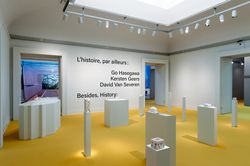
Quel rôle l’histoire a-t-elle à jouer dans la pratique architecturale contemporaine? Plutôt que d’adopter une position postmoderne ou d’évoquer des débats anciens et des formes architecturales historiques, Go Hasegawa, Kersten Geers et David Van Severen abordent dans leur travail les problématiques actuelles dans un esprit de dialogue avec l’histoire. Même si les(...)
Quel rôle l’histoire a-t-elle à jouer dans la pratique architecturale contemporaine? Plutôt que d’adopter une position postmoderne ou d’évoquer des débats anciens et des formes architecturales historiques, Go Hasegawa, Kersten Geers et David Van Severen abordent dans leur travail les problématiques actuelles dans un esprit de dialogue avec l’histoire. Même si les(...)
Localisation:
Salles principales Mot(s)-clé(s):
L’histoire, par ailleurs, Go Hasegawa, Kersten Geers, David Van Severen, Office, KGDVS, Bas Princen
Salles principales Mot(s)-clé(s):
L’histoire, par ailleurs, Go Hasegawa, Kersten Geers, David Van Severen, Office, KGDVS, Bas Princen
Date:
10 mai 2017 au 15 octobre 2017
10 mai 2017 au 15 octobre 2017
Titre:
L’histoire, par ailleurs : Go Hasegawa, Kersten Geers, David Van Severen
Actions:
Description:
Quel rôle l’histoire a-t-elle à jouer dans la pratique architecturale contemporaine? Plutôt que d’adopter une position postmoderne ou d’évoquer des débats anciens et des formes architecturales historiques, Go Hasegawa, Kersten Geers et David Van Severen abordent dans leur travail les problématiques actuelles dans un esprit de dialogue avec l’histoire. Même si les(...)
L’histoire, par ailleurs : Go Hasegawa, Kersten Geers, David Van Severen
Actions:
Description:
Quel rôle l’histoire a-t-elle à jouer dans la pratique architecturale contemporaine? Plutôt que d’adopter une position postmoderne ou d’évoquer des débats anciens et des formes architecturales historiques, Go Hasegawa, Kersten Geers et David Van Severen abordent dans leur travail les problématiques actuelles dans un esprit de dialogue avec l’histoire. Même si les(...)
Classification:
expositions
expositions
Date:
10 mai 2017 au
15 octobre 2017
10 mai 2017 au
15 octobre 2017
Localisation:
Salles principales Mot(s)-clé(s):
L’histoire, par ailleurs, Go Hasegawa, Kersten Geers, David Van Severen, Office, KGDVS, Bas Princen
Salles principales Mot(s)-clé(s):
L’histoire, par ailleurs, Go Hasegawa, Kersten Geers, David Van Severen, Office, KGDVS, Bas Princen
Classification:
événements
événements
Titre:
À bas les parcs?
À bas les parcs?
Actions:
Description:
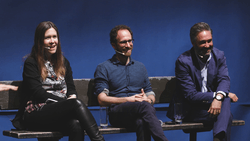
Les parcs sont-ils néfastes ? Ces bouts de terrain et maigres plans d’eau que nous séquestrons répondent à un besoin confus de « nature ». Ils contribuent sans doute à notre bonne santé, mais ne servent-ils pas aussi à excuser nos mauvaises habitudes? Les parcs ne sont pas anodins. Dans les villes, les parcs sont des actifs immobiliers et des « commodités » urbaines(...)
Les parcs sont-ils néfastes ? Ces bouts de terrain et maigres plans d’eau que nous séquestrons répondent à un besoin confus de « nature ». Ils contribuent sans doute à notre bonne santé, mais ne servent-ils pas aussi à excuser nos mauvaises habitudes? Les parcs ne sont pas anodins. Dans les villes, les parcs sont des actifs immobiliers et des « commodités » urbaines(...)
Date:
25 mai 2017
25 mai 2017
Titre:
À bas les parcs?
Actions:
Description:
Les parcs sont-ils néfastes ? Ces bouts de terrain et maigres plans d’eau que nous séquestrons répondent à un besoin confus de « nature ». Ils contribuent sans doute à notre bonne santé, mais ne servent-ils pas aussi à excuser nos mauvaises habitudes? Les parcs ne sont pas anodins. Dans les villes, les parcs sont des actifs immobiliers et des « commodités » urbaines(...)
À bas les parcs?
Actions:
Description:
Les parcs sont-ils néfastes ? Ces bouts de terrain et maigres plans d’eau que nous séquestrons répondent à un besoin confus de « nature ». Ils contribuent sans doute à notre bonne santé, mais ne servent-ils pas aussi à excuser nos mauvaises habitudes? Les parcs ne sont pas anodins. Dans les villes, les parcs sont des actifs immobiliers et des « commodités » urbaines(...)
Classification:
événements
événements
Date:
25 mai 2017
25 mai 2017
Classification:
événements
événements
Titre:
La connaissance du bâti
La connaissance du bâti
Actions:
Description:
Au cours de cette conférence, Madame Kundoo parlera d’un éventail de projets tirés de sa pratique, de sa recherche et de son enseignement. Dans ces sphères de travail distinctes mais complémentaires, elle tente de bâtir un savoir collectif, en collaboration avec des ingénieurs, des maçons, des dessinateurs, des producteurs d’infrastructure, des résidents, des fournisseurs(...)
Au cours de cette conférence, Madame Kundoo parlera d’un éventail de projets tirés de sa pratique, de sa recherche et de son enseignement. Dans ces sphères de travail distinctes mais complémentaires, elle tente de bâtir un savoir collectif, en collaboration avec des ingénieurs, des maçons, des dessinateurs, des producteurs d’infrastructure, des résidents, des fournisseurs(...)
Localisation:
Théâtre Paul-Desmarais
Théâtre Paul-Desmarais
Date:
16 avril 2015 , 18h
16 avril 2015 , 18h
Titre:
La connaissance du bâti
Actions:
Description:
Au cours de cette conférence, Madame Kundoo parlera d’un éventail de projets tirés de sa pratique, de sa recherche et de son enseignement. Dans ces sphères de travail distinctes mais complémentaires, elle tente de bâtir un savoir collectif, en collaboration avec des ingénieurs, des maçons, des dessinateurs, des producteurs d’infrastructure, des résidents, des fournisseurs(...)
La connaissance du bâti
Actions:
Description:
Au cours de cette conférence, Madame Kundoo parlera d’un éventail de projets tirés de sa pratique, de sa recherche et de son enseignement. Dans ces sphères de travail distinctes mais complémentaires, elle tente de bâtir un savoir collectif, en collaboration avec des ingénieurs, des maçons, des dessinateurs, des producteurs d’infrastructure, des résidents, des fournisseurs(...)
Classification:
événements
événements
Date:
16 avril 2015
18h
16 avril 2015
18h
Localisation:
Théâtre Paul-Desmarais
Théâtre Paul-Desmarais
Classification:
archives
Niveau de description archivistique:
Fonds
archives
Niveau de description archivistique:
Fonds
Numéro de référence:
AP183
Résumé:
The Ulrich Königs Chemnitz Stadium project records, 1995-1996, document the competition entry and design for an innovative stadium in Chemnitz, Germany. The project was a collaboration between Peter Kulka, Ulrich Königs, Cecil Balmond, and Arup Group, Ltd. The design was primarily driven by the theoretical and methodological processes made possible by computer-aided design, rather than aesthetics. The project records have both digital and physical components, which chiefly include renderings, wireframe drawings, digital 3D models, photographs, slides, video, and a booklet.
AP183
Résumé:
The Ulrich Königs Chemnitz Stadium project records, 1995-1996, document the competition entry and design for an innovative stadium in Chemnitz, Germany. The project was a collaboration between Peter Kulka, Ulrich Königs, Cecil Balmond, and Arup Group, Ltd. The design was primarily driven by the theoretical and methodological processes made possible by computer-aided design, rather than aesthetics. The project records have both digital and physical components, which chiefly include renderings, wireframe drawings, digital 3D models, photographs, slides, video, and a booklet.
Personnes et institutions:
Date:
1995-1996
1995-1996
Titre:
Documents d’archives d’Ulrich Königs pour le projet Chemnitz Stadium
Actions:
AP183
Résumé:
The Ulrich Königs Chemnitz Stadium project records, 1995-1996, document the competition entry and design for an innovative stadium in Chemnitz, Germany. The project was a collaboration between Peter Kulka, Ulrich Königs, Cecil Balmond, and Arup Group, Ltd. The design was primarily driven by the theoretical and methodological processes made possible by computer-aided design, rather than aesthetics. The project records have both digital and physical components, which chiefly include renderings, wireframe drawings, digital 3D models, photographs, slides, video, and a booklet.
Documents d’archives d’Ulrich Königs pour le projet Chemnitz Stadium
Actions:
AP183
Résumé:
The Ulrich Königs Chemnitz Stadium project records, 1995-1996, document the competition entry and design for an innovative stadium in Chemnitz, Germany. The project was a collaboration between Peter Kulka, Ulrich Königs, Cecil Balmond, and Arup Group, Ltd. The design was primarily driven by the theoretical and methodological processes made possible by computer-aided design, rather than aesthetics. The project records have both digital and physical components, which chiefly include renderings, wireframe drawings, digital 3D models, photographs, slides, video, and a booklet.
Classification:
archives
Niveau de description archivistique:
Fonds
archives
Niveau de description archivistique:
Fonds
Date:
1995-1996
1995-1996
Personnes et institutions:


