


12071 Résultats
Classification:
livres
livres
Prix:
$70.00
(disponible en magasin)
Résumé:
Since 1997, architect and installation artist Markus Heinsdorff has focused much of his work on the potential and possibilities afforded by bamboo. This volume shows how that interest played out in his design for the Sino-German pavilion at Expo 2010 in Shanghai. The pavilion, the only binational building at the Expo, employs an innovative two-story bamboo membrane(...)
$70.00
(disponible en magasin)
Résumé:
Since 1997, architect and installation artist Markus Heinsdorff has focused much of his work on the potential and possibilities afforded by bamboo. This volume shows how that interest played out in his design for the Sino-German pavilion at Expo 2010 in Shanghai. The pavilion, the only binational building at the Expo, employs an innovative two-story bamboo membrane(...)
Titre:
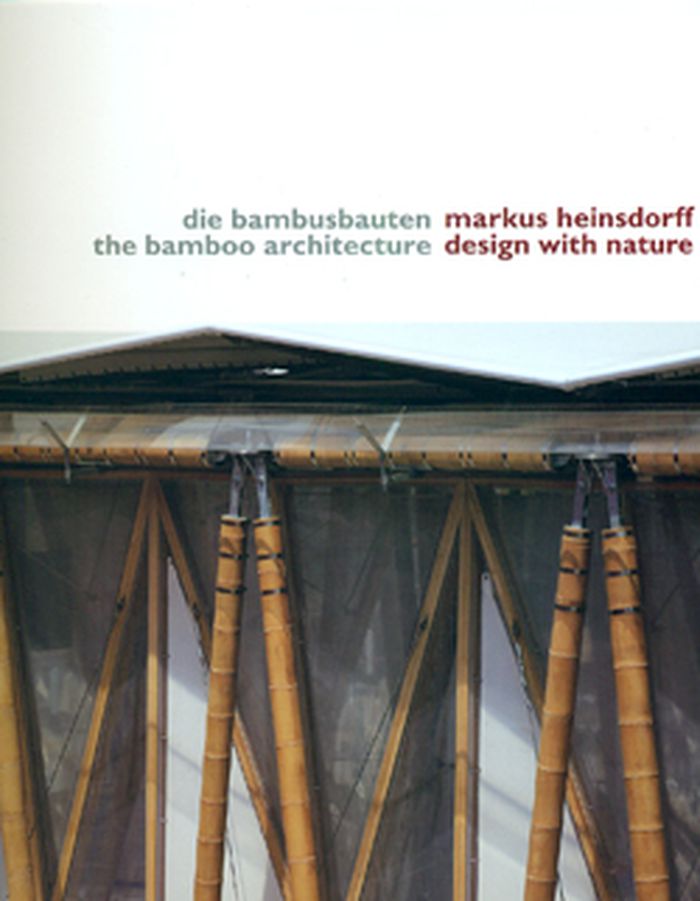
Markus Heinsdorff, design with nature: the bamboo architecture
Actions:
Prix:
$70.00
(disponible en magasin)
Résumé:
Since 1997, architect and installation artist Markus Heinsdorff has focused much of his work on the potential and possibilities afforded by bamboo. This volume shows how that interest played out in his design for the Sino-German pavilion at Expo 2010 in Shanghai. The pavilion, the only binational building at the Expo, employs an innovative two-story bamboo membrane structure, while the rest of the building is composed almost entirely of bamboo canes and laminates. This highly illustrated volume documents the planning and creation of the building, as well as the environmentalist ideology underlying its design. In addition, the book features a chapter that addresses some of Heinsdorff’s other projects, including an airship built in Bali, a treehouse in the canopy of a primeval forest, and a perpetually regrowing bamboo dome.
Markus Heinsdorff, design with nature: the bamboo architecture
Actions:
Prix:
$70.00
(disponible en magasin)
Résumé:
Since 1997, architect and installation artist Markus Heinsdorff has focused much of his work on the potential and possibilities afforded by bamboo. This volume shows how that interest played out in his design for the Sino-German pavilion at Expo 2010 in Shanghai. The pavilion, the only binational building at the Expo, employs an innovative two-story bamboo membrane structure, while the rest of the building is composed almost entirely of bamboo canes and laminates. This highly illustrated volume documents the planning and creation of the building, as well as the environmentalist ideology underlying its design. In addition, the book features a chapter that addresses some of Heinsdorff’s other projects, including an airship built in Bali, a treehouse in the canopy of a primeval forest, and a perpetually regrowing bamboo dome.
Classification:
livres
livres
Publication:
mars 2011
mars 2011
Sujet:
Architecture, monographies
Architecture, monographies
Classification:
livres
livres
Prix:
$64.95
(disponible sur commande)
Résumé:
This book is the definitive account of the life and works of Berthold Lubetkin (1901-1990), Britains leading Modernist architect.
$64.95
(disponible sur commande)
Résumé:
This book is the definitive account of the life and works of Berthold Lubetkin (1901-1990), Britains leading Modernist architect.
Titre:
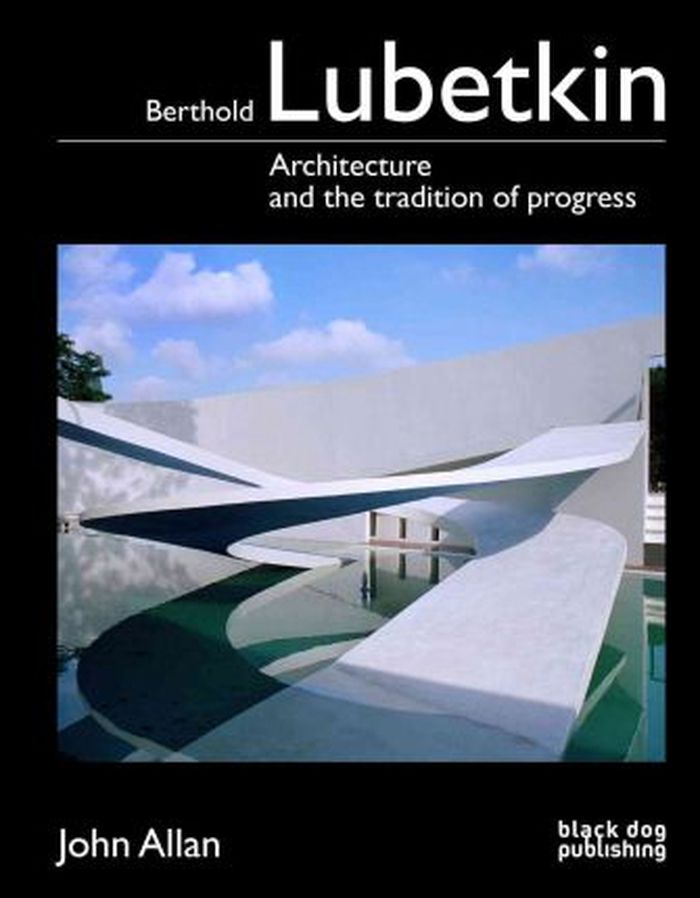
Berthold Lubetkin : architecture and the tradition of progress
Actions:
Prix:
$64.95
(disponible sur commande)
Résumé:
This book is the definitive account of the life and works of Berthold Lubetkin (1901-1990), Britains leading Modernist architect.
Berthold Lubetkin : architecture and the tradition of progress
Actions:
Prix:
$64.95
(disponible sur commande)
Résumé:
This book is the definitive account of the life and works of Berthold Lubetkin (1901-1990), Britains leading Modernist architect.
Classification:
livres
livres
Publication:
juillet 2012
juillet 2012
Sujet:
Architecture, monographies
Architecture, monographies
Classification:
livres
livres
Prix:
$72.95
(disponible sur commande)
Résumé:
Arkan Zeytinoglu calls his projects "built theory." Since many years, he has dealt with "the geometry of light", which describes best his special approach to architecture. But as an architect, Zeytinoglu, who studied at University of Technology TU Graz under Günther Domenig and later on at Cooper Union in New York, devotes himself mainly to building activities. Since his(...)
$72.95
(disponible sur commande)
Résumé:
Arkan Zeytinoglu calls his projects "built theory." Since many years, he has dealt with "the geometry of light", which describes best his special approach to architecture. But as an architect, Zeytinoglu, who studied at University of Technology TU Graz under Günther Domenig and later on at Cooper Union in New York, devotes himself mainly to building activities. Since his(...)
Titre:
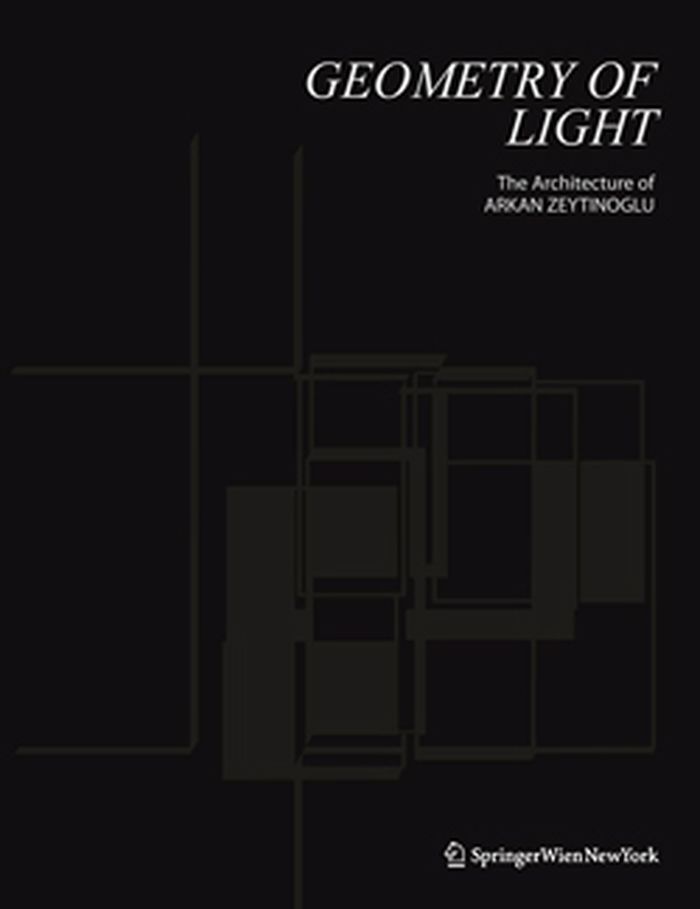
Geometry of light: the architecture of Arkan Zeytinoglu
Actions:
Prix:
$72.95
(disponible sur commande)
Résumé:
Arkan Zeytinoglu calls his projects "built theory." Since many years, he has dealt with "the geometry of light", which describes best his special approach to architecture. But as an architect, Zeytinoglu, who studied at University of Technology TU Graz under Günther Domenig and later on at Cooper Union in New York, devotes himself mainly to building activities. Since his office’s foundation in 1995, realizations have included works in the field of hotels and resorts, gastronomy, and luxury residences. In May 2010, the internationally much-noticed Austrian pavilion at Expo 2010 Shanghai (ARGE SPAN & Zeytinoglu) was inaugurated. This publication contains all essential realizations as well as a work list and an outlook at the buildings to be completed soon.
Geometry of light: the architecture of Arkan Zeytinoglu
Actions:
Prix:
$72.95
(disponible sur commande)
Résumé:
Arkan Zeytinoglu calls his projects "built theory." Since many years, he has dealt with "the geometry of light", which describes best his special approach to architecture. But as an architect, Zeytinoglu, who studied at University of Technology TU Graz under Günther Domenig and later on at Cooper Union in New York, devotes himself mainly to building activities. Since his office’s foundation in 1995, realizations have included works in the field of hotels and resorts, gastronomy, and luxury residences. In May 2010, the internationally much-noticed Austrian pavilion at Expo 2010 Shanghai (ARGE SPAN & Zeytinoglu) was inaugurated. This publication contains all essential realizations as well as a work list and an outlook at the buildings to be completed soon.
Classification:
livres
livres
Publication:
septembre 2011
septembre 2011
Sujet:
Architecture, monographies
Architecture, monographies
Classification:
livres
livres
Prix:
$75.00
(disponible sur commande)
Résumé:
In the councils and magistracies of the Venetian Republic, politicians argued intently over civic building projects in a manner curiously reminiscent of a modern democracy, taking advice from architects, engineers, and the public. Written by a leading authority on Venetian architecture, the book explores the complex dialectic between theory and practice; utopia and(...)
$75.00
(disponible sur commande)
Résumé:
In the councils and magistracies of the Venetian Republic, politicians argued intently over civic building projects in a manner curiously reminiscent of a modern democracy, taking advice from architects, engineers, and the public. Written by a leading authority on Venetian architecture, the book explores the complex dialectic between theory and practice; utopia and(...)
Titre:
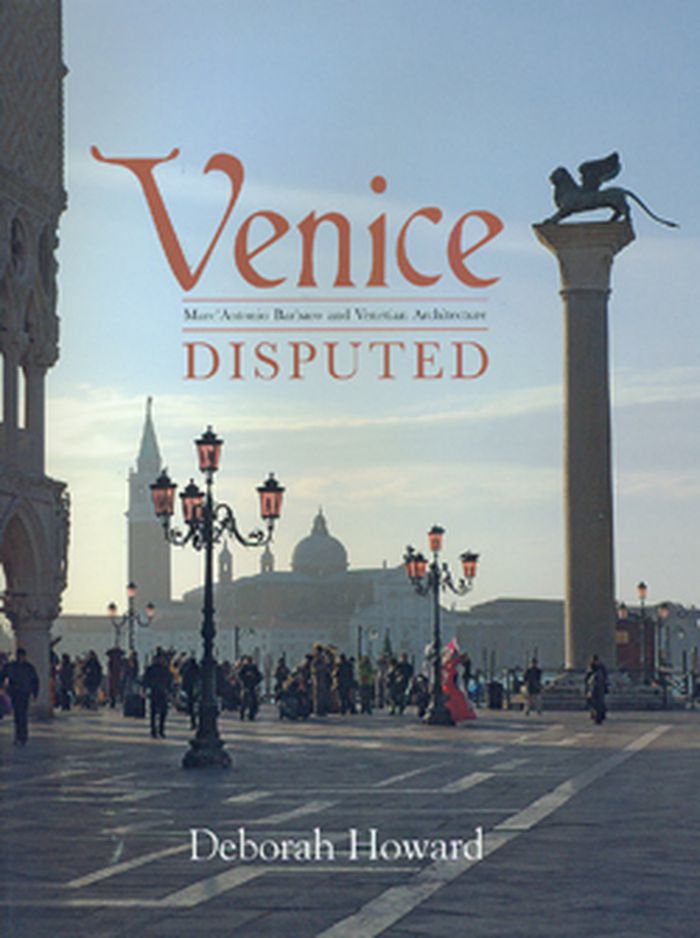
Venice disputed: Marc Antonio Barbaro and venetian architecture
Actions:
Prix:
$75.00
(disponible sur commande)
Résumé:
In the councils and magistracies of the Venetian Republic, politicians argued intently over civic building projects in a manner curiously reminiscent of a modern democracy, taking advice from architects, engineers, and the public. Written by a leading authority on Venetian architecture, the book explores the complex dialectic between theory and practice; utopia and reality; and design and technology that infused these disputes. The bitterly contested debates are seen through the experiences of one particular Venetian nobleman, Marc'Antonio Barbaro (1518-1595). Recognized as a gifted stuccoist and draftsman, Barbaro played a prominent role in the discussions about major state building projects such as Palladio's church of the Redentore, the restoration of the Doge's Palace, and the erection of the Rialto Bridge. He was a distinguished statesman and orator, but his idealistic views about the rhetorical power of classicism frequently clashed with local technological expertise. Venice Disputed recounts not only his public role but also his private life, centered on the now-famous family villa that he and his brother commissioned. Barbaro's compelling story thus weaves together politics, architectural history, and private life in early modern Venice.
Venice disputed: Marc Antonio Barbaro and venetian architecture
Actions:
Prix:
$75.00
(disponible sur commande)
Résumé:
In the councils and magistracies of the Venetian Republic, politicians argued intently over civic building projects in a manner curiously reminiscent of a modern democracy, taking advice from architects, engineers, and the public. Written by a leading authority on Venetian architecture, the book explores the complex dialectic between theory and practice; utopia and reality; and design and technology that infused these disputes. The bitterly contested debates are seen through the experiences of one particular Venetian nobleman, Marc'Antonio Barbaro (1518-1595). Recognized as a gifted stuccoist and draftsman, Barbaro played a prominent role in the discussions about major state building projects such as Palladio's church of the Redentore, the restoration of the Doge's Palace, and the erection of the Rialto Bridge. He was a distinguished statesman and orator, but his idealistic views about the rhetorical power of classicism frequently clashed with local technological expertise. Venice Disputed recounts not only his public role but also his private life, centered on the now-famous family villa that he and his brother commissioned. Barbaro's compelling story thus weaves together politics, architectural history, and private life in early modern Venice.
Classification:
livres
livres
Publication:
octobre 2011
octobre 2011
Sujet:
Architecture, monographies
Architecture, monographies
Classification:
livres
livres
Actions:
Prix:
$33.95
(disponible sur commande)
Résumé:
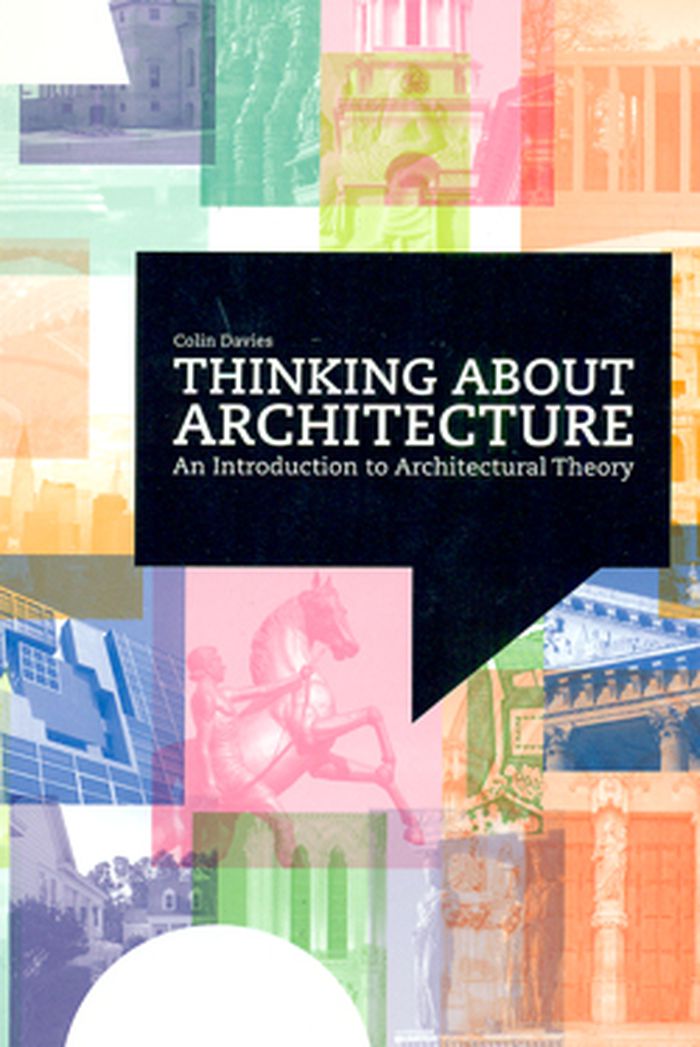
In order to understand architecture in all its cultural complexity it is necessary to grasp certain basic concepts such as representation, form and space. The aim of this book is to provide teachers, students, practising architects and curious general readers with a set of ideas that will enrich their conversation, their writing, and above all their thinking about architecture.
$33.95
(disponible sur commande)
Résumé:
In order to understand architecture in all its cultural complexity it is necessary to grasp certain basic concepts such as representation, form and space. The aim of this book is to provide teachers, students, practising architects and curious general readers with a set of ideas that will enrich their conversation, their writing, and above all their thinking about architecture.
Titre:
Thinking about architecture: An introduction to architectural theory
Actions:
Prix:
$33.95
(disponible sur commande)
Résumé:
In order to understand architecture in all its cultural complexity it is necessary to grasp certain basic concepts such as representation, form and space. The aim of this book is to provide teachers, students, practising architects and curious general readers with a set of ideas that will enrich their conversation, their writing, and above all their thinking about architecture.
Thinking about architecture: An introduction to architectural theory
Actions:
Prix:
$33.95
(disponible sur commande)
Résumé:
In order to understand architecture in all its cultural complexity it is necessary to grasp certain basic concepts such as representation, form and space. The aim of this book is to provide teachers, students, practising architects and curious general readers with a set of ideas that will enrich their conversation, their writing, and above all their thinking about architecture.
Classification:
livres
livres
Publication:
octobre 2011
octobre 2011
Sujet:
Théorie de l’architecture
Théorie de l’architecture
Classification:
livres
livres
Actions:
Prix:
$21.00
(disponible sur commande)
Résumé:
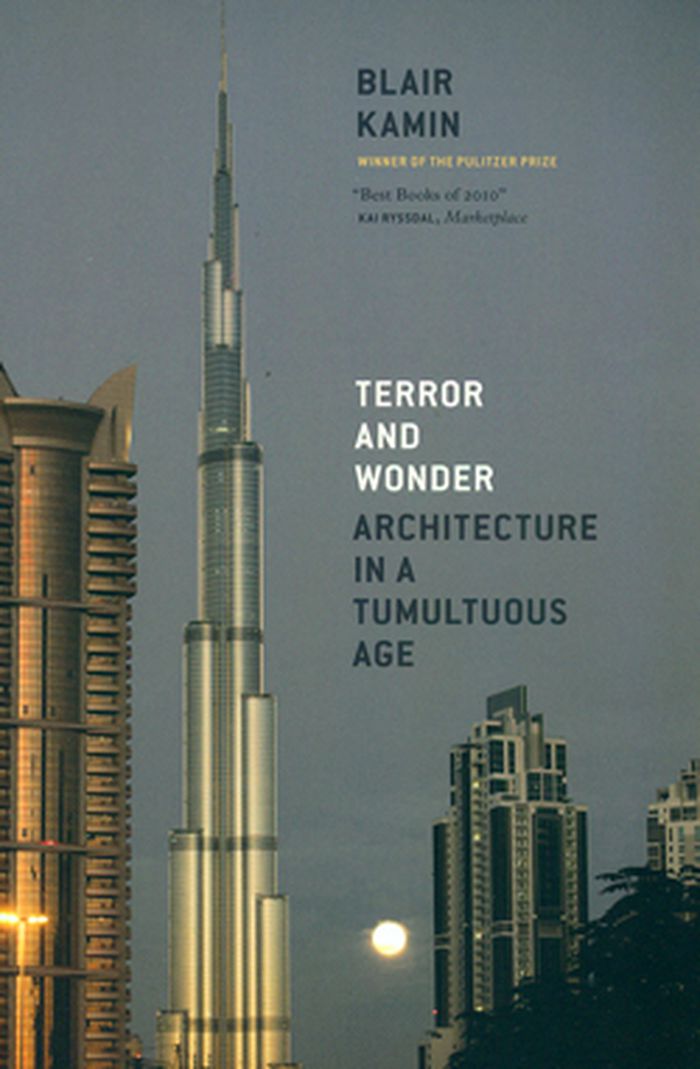
For nearly twenty years now, Blair Kamin of the "Chicago Tribune" has explored how architecture captures our imagination and engages our deepest emotions. A winner of the Pulitzer Prize for criticism and writer of the widely read "Cityscapes" blog, Kamin treats his subjects not only as works of art but also as symbols of the cultural and political forces that inspire(...)
$21.00
(disponible sur commande)
Résumé:
For nearly twenty years now, Blair Kamin of the "Chicago Tribune" has explored how architecture captures our imagination and engages our deepest emotions. A winner of the Pulitzer Prize for criticism and writer of the widely read "Cityscapes" blog, Kamin treats his subjects not only as works of art but also as symbols of the cultural and political forces that inspire(...)
Titre:
Terror and wonder : architecture in a tumultuous age
Actions:
Prix:
$21.00
(disponible sur commande)
Résumé:
For nearly twenty years now, Blair Kamin of the "Chicago Tribune" has explored how architecture captures our imagination and engages our deepest emotions. A winner of the Pulitzer Prize for criticism and writer of the widely read "Cityscapes" blog, Kamin treats his subjects not only as works of art but also as symbols of the cultural and political forces that inspire them. Terror and Wonder gathers the best of Kamin's writings from the past decade along with new reflections on an era framed by the destruction of the World Trade Center and the opening of the world's tallest skyscraper. Assessing ordinary commercial structures as well as head-turning designs by some of the world's leading architects, Kamin paints a sweeping but finely textured portrait of a tumultuous age torn between the conflicting mandates of architectural spectacle and sustainability. For Kamin, the story of our built environment over the past ten years is, in tangible ways, the story of the decade itself. Terror and Wonder considers how architecture has been central to the main events and crosscurrents in American life since 2001: the devastating and debilitating consequences of 9/11 and Hurricane Katrina; the real estate boom and bust; the use of over-the-top cultural designs as engines of civic renewal; new challenges in saving old buildings; the unlikely rise of energy-saving, green architecture; and growing concern over our nation's crumbling infrastructure.
Terror and wonder : architecture in a tumultuous age
Actions:
Prix:
$21.00
(disponible sur commande)
Résumé:
For nearly twenty years now, Blair Kamin of the "Chicago Tribune" has explored how architecture captures our imagination and engages our deepest emotions. A winner of the Pulitzer Prize for criticism and writer of the widely read "Cityscapes" blog, Kamin treats his subjects not only as works of art but also as symbols of the cultural and political forces that inspire them. Terror and Wonder gathers the best of Kamin's writings from the past decade along with new reflections on an era framed by the destruction of the World Trade Center and the opening of the world's tallest skyscraper. Assessing ordinary commercial structures as well as head-turning designs by some of the world's leading architects, Kamin paints a sweeping but finely textured portrait of a tumultuous age torn between the conflicting mandates of architectural spectacle and sustainability. For Kamin, the story of our built environment over the past ten years is, in tangible ways, the story of the decade itself. Terror and Wonder considers how architecture has been central to the main events and crosscurrents in American life since 2001: the devastating and debilitating consequences of 9/11 and Hurricane Katrina; the real estate boom and bust; the use of over-the-top cultural designs as engines of civic renewal; new challenges in saving old buildings; the unlikely rise of energy-saving, green architecture; and growing concern over our nation's crumbling infrastructure.
Classification:
livres
livres
Publication:
septembre 2011
septembre 2011
Sujet:
Théorie de l’architecture
Théorie de l’architecture
Classification:
livres
livres
Prix:
$79.95
(disponible sur commande)
Résumé:
James Stirling`s partnership with James Gowan between 1956 and 1963 put postwar British architecture on the international map, and their Leicester University Engineering Building became an iconic monument for a new kind of modernism. Mark Crinson's book is the most thoroughly researched study of Stirling and Gowan's partnership to date. Based on extensive interviews(...)
$79.95
(disponible sur commande)
Résumé:
James Stirling`s partnership with James Gowan between 1956 and 1963 put postwar British architecture on the international map, and their Leicester University Engineering Building became an iconic monument for a new kind of modernism. Mark Crinson's book is the most thoroughly researched study of Stirling and Gowan's partnership to date. Based on extensive interviews(...)
Titre:
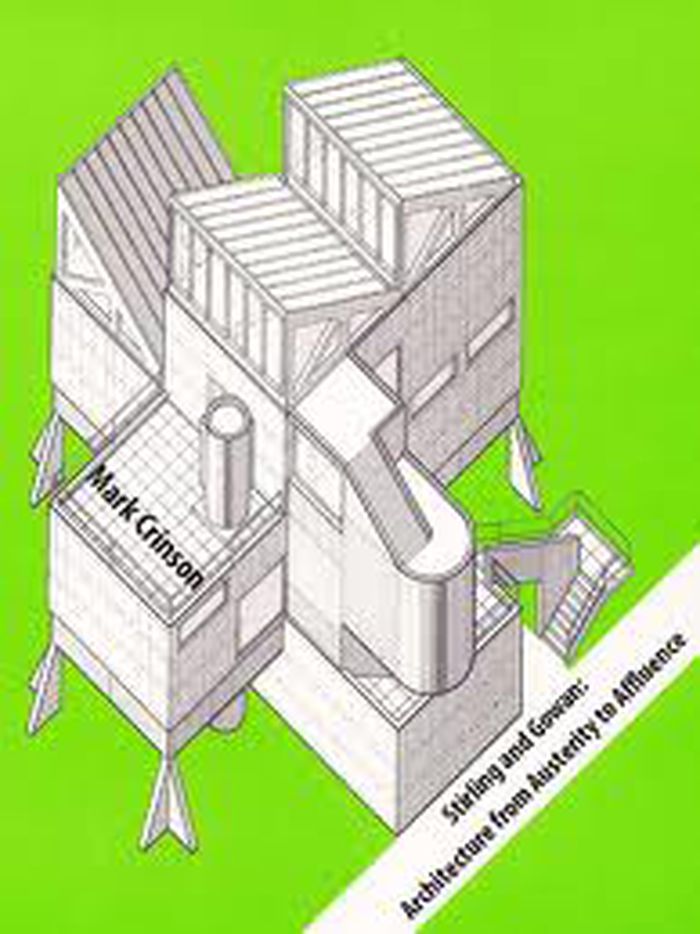
Stirling and Gowan: architecture from austerity to affluence
Actions:
Prix:
$79.95
(disponible sur commande)
Résumé:
James Stirling`s partnership with James Gowan between 1956 and 1963 put postwar British architecture on the international map, and their Leicester University Engineering Building became an iconic monument for a new kind of modernism. Mark Crinson's book is the most thoroughly researched study of Stirling and Gowan's partnership to date. Based on extensive interviews and archival research, Crinson argues that their work was the product of two equally creative partners whose different concerns produced a dynamic aesthetic. He gives an in-depth account of their training and early careers, their relation to key architects and movements of the time, and the commissioning, design, and construction of their work. This critical reassessment dispels previous myths and inaccuracies regarding their partnership and analyzes how ideas about mannerism, modernism, nostalgia, community, consumerism, Victorian cities, and institutional typologies influenced their designs. Stirling and Gowan positions their avant-garde creations within a larger context as creative responses to Britain's postwar deindustrialization and the shift from austerity to affluence.
Stirling and Gowan: architecture from austerity to affluence
Actions:
Prix:
$79.95
(disponible sur commande)
Résumé:
James Stirling`s partnership with James Gowan between 1956 and 1963 put postwar British architecture on the international map, and their Leicester University Engineering Building became an iconic monument for a new kind of modernism. Mark Crinson's book is the most thoroughly researched study of Stirling and Gowan's partnership to date. Based on extensive interviews and archival research, Crinson argues that their work was the product of two equally creative partners whose different concerns produced a dynamic aesthetic. He gives an in-depth account of their training and early careers, their relation to key architects and movements of the time, and the commissioning, design, and construction of their work. This critical reassessment dispels previous myths and inaccuracies regarding their partnership and analyzes how ideas about mannerism, modernism, nostalgia, community, consumerism, Victorian cities, and institutional typologies influenced their designs. Stirling and Gowan positions their avant-garde creations within a larger context as creative responses to Britain's postwar deindustrialization and the shift from austerity to affluence.
Classification:
livres
livres
Publication:
mai 2012
mai 2012
Sujet:
Architecture, monographies
Architecture, monographies
Classification:
livres
livres
Prix:
$53.95
(disponible sur commande)
Résumé:
Organized around the accounts of professional designers engaged in a high-stakes competition to redefine their work for the technological moment, this book explores the emerging cultures of computer simulation in architecture. Not only architects, but acousticians, fire safety engineers, and sustainability experts see themselves as co-designers in architecture, engaging(...)
$53.95
(disponible sur commande)
Résumé:
Organized around the accounts of professional designers engaged in a high-stakes competition to redefine their work for the technological moment, this book explores the emerging cultures of computer simulation in architecture. Not only architects, but acousticians, fire safety engineers, and sustainability experts see themselves as co-designers in architecture, engaging(...)
Titre:
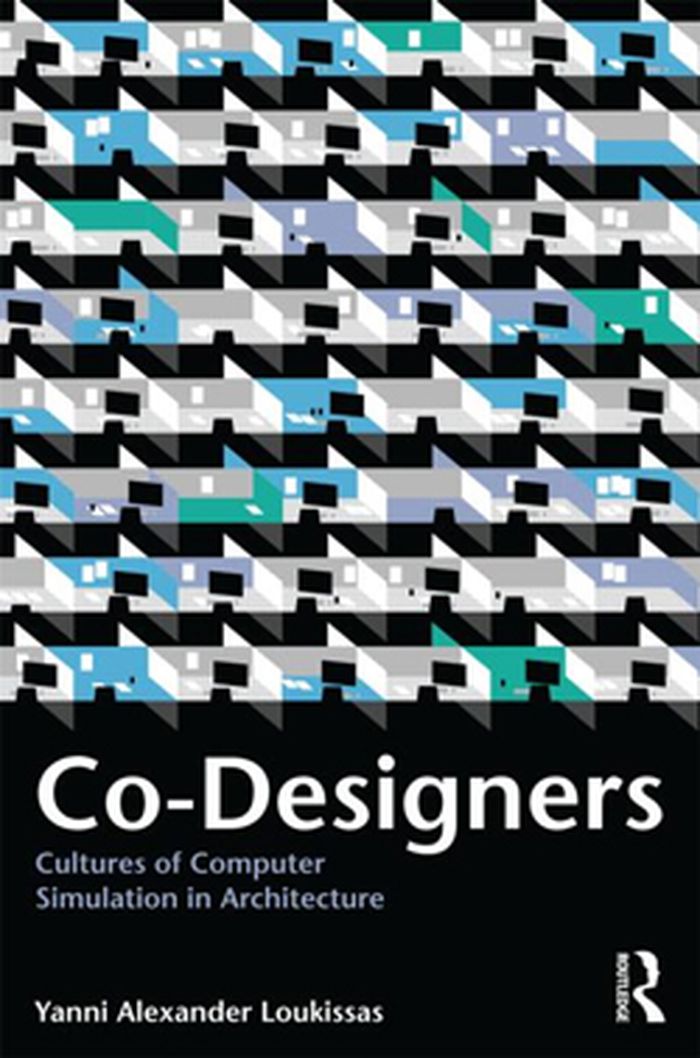
Co-Designers: cultures of computer simulation in architecture
Actions:
Prix:
$53.95
(disponible sur commande)
Résumé:
Organized around the accounts of professional designers engaged in a high-stakes competition to redefine their work for the technological moment, this book explores the emerging cultures of computer simulation in architecture. Not only architects, but acousticians, fire safety engineers, and sustainability experts see themselves as co-designers in architecture, engaging new technologies for simulation in an evolving search for the roles and relationships that can bring them both professional acceptance and greater control over design.
Co-Designers: cultures of computer simulation in architecture
Actions:
Prix:
$53.95
(disponible sur commande)
Résumé:
Organized around the accounts of professional designers engaged in a high-stakes competition to redefine their work for the technological moment, this book explores the emerging cultures of computer simulation in architecture. Not only architects, but acousticians, fire safety engineers, and sustainability experts see themselves as co-designers in architecture, engaging new technologies for simulation in an evolving search for the roles and relationships that can bring them both professional acceptance and greater control over design.
Classification:
livres
livres
Publication:
juin 2012
juin 2012
Sujet:
Architecture numérique
Architecture numérique
Classification:
livres
livres
Prix:
$69.95
(disponible sur commande)
Résumé:
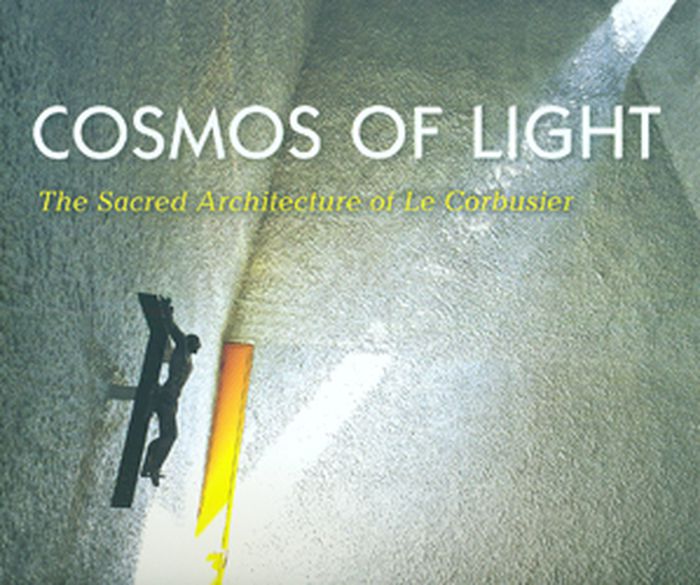
Cosmos of Light reveals how the artist reimagined sacred space and charted new ways that buildings can both reveal and inhabit the universe around them.
$69.95
(disponible sur commande)
Résumé:
Cosmos of Light reveals how the artist reimagined sacred space and charted new ways that buildings can both reveal and inhabit the universe around them.
Titre:
Cosmos of light : the sacred architecture of Le Corbusier
Actions:
Prix:
$69.95
(disponible sur commande)
Résumé:
Cosmos of Light reveals how the artist reimagined sacred space and charted new ways that buildings can both reveal and inhabit the universe around them.
Cosmos of light : the sacred architecture of Le Corbusier
Actions:
Prix:
$69.95
(disponible sur commande)
Résumé:
Cosmos of Light reveals how the artist reimagined sacred space and charted new ways that buildings can both reveal and inhabit the universe around them.
Classification:
livres
livres
Publication:
avril 2013
avril 2013
Sujet:
Architecture, monographies
Architecture, monographies
Classification:
livres
livres
Prix:
$123.95
(disponible sur commande)
Résumé:
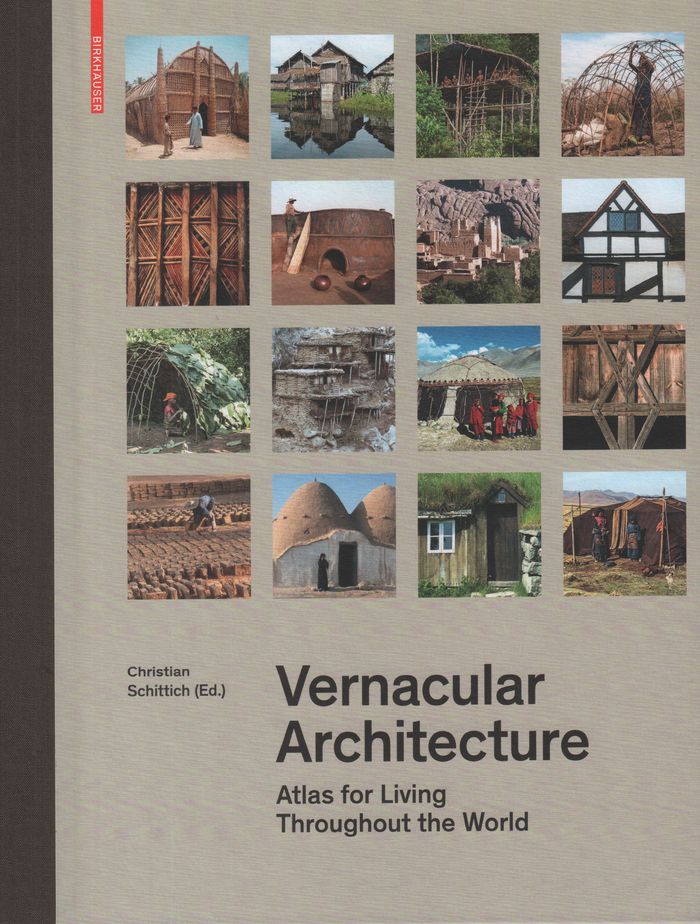
Traditional building methods – such as those used in pueblos, timbered houses, or the Japanese minka – exist in fascinating diversity and create the face of a region. However, as a result of globalization they have been marginalized in many places. In the fastest developing countries in particular, a wealth of experience that goes back hundreds of years is being(...)
$123.95
(disponible sur commande)
Résumé:
Traditional building methods – such as those used in pueblos, timbered houses, or the Japanese minka – exist in fascinating diversity and create the face of a region. However, as a result of globalization they have been marginalized in many places. In the fastest developing countries in particular, a wealth of experience that goes back hundreds of years is being(...)
Titre:
Vernacular architecture: atlas for living throughout the world
Actions:
Prix:
$123.95
(disponible sur commande)
Résumé:
Traditional building methods – such as those used in pueblos, timbered houses, or the Japanese minka – exist in fascinating diversity and create the face of a region. However, as a result of globalization they have been marginalized in many places. In the fastest developing countries in particular, a wealth of experience that goes back hundreds of years is being irretrievably lost, even though valuable insights can be gained for modern building. Using the examples of selected domestic buildings from all continents, 30 international experts demonstrate why we can still learn from vernacular architecture; they analyze the cultural context and the adaptation to topographic/climactic conditions, and focus on the local materials used as well as on the construction, the building process, and the necessary maintenance.
Vernacular architecture: atlas for living throughout the world
Actions:
Prix:
$123.95
(disponible sur commande)
Résumé:
Traditional building methods – such as those used in pueblos, timbered houses, or the Japanese minka – exist in fascinating diversity and create the face of a region. However, as a result of globalization they have been marginalized in many places. In the fastest developing countries in particular, a wealth of experience that goes back hundreds of years is being irretrievably lost, even though valuable insights can be gained for modern building. Using the examples of selected domestic buildings from all continents, 30 international experts demonstrate why we can still learn from vernacular architecture; they analyze the cultural context and the adaptation to topographic/climactic conditions, and focus on the local materials used as well as on the construction, the building process, and the necessary maintenance.
Classification:
livres
livres
Publication:
octobre 2019
octobre 2019
Sujet:
Architecture écologique
Architecture écologique


