


354 Résultats
Classification:
livres
livres

Actions:
Prix:
$50.00
(disponible sur commande)
Résumé:
Advancing a methodology that is rooted in good theory and practice, this book features case studies conducted in the Arctic and Africa, in Canada and Kathmandu, and in the Peruvian Amazon, Chesapeake Bay, and Chennai, India. Applying a systems approach to concrete environmental issues, this volume is geared toward scientists, engineers, and sustainable development(...)
Sujet:
Architecture écologique
Architecture écologique
Publication:
septembre 2008, New York
septembre 2008, New York
Titre:
The ecosystem approach: complexity, uncertainty, and managing for sustainability
Actions:
Prix:
$50.00
(disponible sur commande)
Résumé:
Advancing a methodology that is rooted in good theory and practice, this book features case studies conducted in the Arctic and Africa, in Canada and Kathmandu, and in the Peruvian Amazon, Chesapeake Bay, and Chennai, India. Applying a systems approach to concrete environmental issues, this volume is geared toward scientists, engineers, and sustainable development scholars and practitioners who are attuned to the ideas of the Resilience Alliance-an international group of scientists who take a more holistic view of ecology and environmental problem-solving. Chapters cover the origins and rebirth of the ecosystem approach in ecology; the bridging of science and values; the challenge of governance in complex systems; systemic and participatory approaches to management; and the place for cultural diversity in the quest for global sustainability.
Classification:
livres
livres
Publication:
septembre 2008, New York
septembre 2008, New York
Sujet:
Architecture écologique
Architecture écologique
Classification:
livres
livres

Prix:
$39.95
(disponible sur commande)
Résumé:
Digital technologies have changed the world, transforming how, where, and when we communicate, love, learn, produce, distribute, and consume. "Digital lives in the global city" examines those changes in the context of urban life, investigating how urban land, governance, and the economy are being remade by advancing communication technologies. Interspersing critical(...)
Sujet:
Théorie de l’urbanisme
Théorie de l’urbanisme
Publication:
novembre 2020
novembre 2020
Titre:
Digital lives in the global city: contesting infrastructures
Actions:
Prix:
$39.95
(disponible sur commande)
Résumé:
Digital technologies have changed the world, transforming how, where, and when we communicate, love, learn, produce, distribute, and consume. "Digital lives in the global city" examines those changes in the context of urban life, investigating how urban land, governance, and the economy are being remade by advancing communication technologies. Interspersing critical scholarship with provocative short works from non-tradtional authors to engage with a wide range of issues wrought by digital infrastructure, the book addresses such topics as struggles over unsafe and illegal buildings in Mumbai, the conditions of migrant work in Singapore, the question of digital debt in Toronto, and targeted policing in New York. This nuanced exploration reveals the profound connections between digital technologies and the social life of global cities.
Classification:
livres
livres
Publication:
novembre 2020
novembre 2020
Sujet:
Théorie de l’urbanisme
Théorie de l’urbanisme
Classification:
livres
livres
Actions:
Prix:
$70.00
(disponible sur commande)
Résumé:
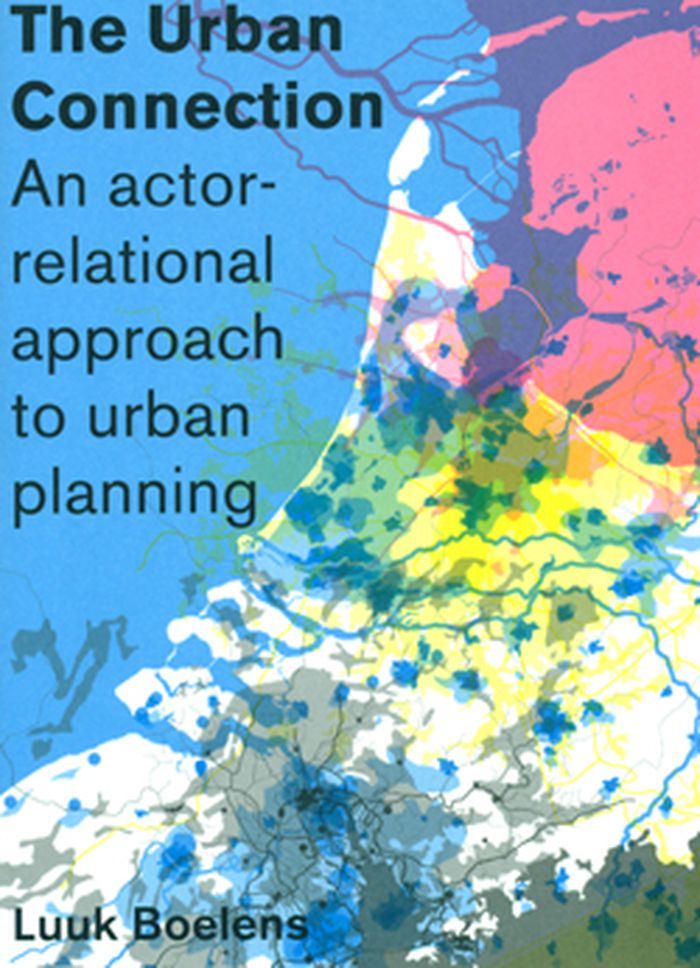
The Urban Connection develops a promising actor-relational approach to urban planning. With respect to the usual governmental planning, it is focused outside in, instead of inside out. It derives its leitmotif from the actual debate about state controlled versus neo-liberal planning and reflects on innovative post structuralist scholars in the field of planning,(...)
Titre:
The urban connection, an actor-relational approch to urban planning
Actions:
Prix:
$70.00
(disponible sur commande)
Résumé:
The Urban Connection develops a promising actor-relational approach to urban planning. With respect to the usual governmental planning, it is focused outside in, instead of inside out. It derives its leitmotif from the actual debate about state controlled versus neo-liberal planning and reflects on innovative post structuralist scholars in the field of planning, economics, social geography and governance. It then takes its own position in that debate, reflecting on actor-oriented experiments in planning practices. These experiments deal with the daily planning practice with a pro-active and operational attitude, contrary to the usual retrospective case studies. Therefore it results in concrete suggestions on how to develop a more robust planning-approach in an ongoing globalising and fragmenting world.
Classification:
livres
livres
Publication:
novembre 2009
novembre 2009
Sujet:
Théorie de l’urbanisme
Théorie de l’urbanisme
Classification:
livres
livres
Titre:
Commonwealth
Commonwealth
Actions:
Prix:
$39.95
(disponible sur commande)
Résumé:
Drawing on scenarios from around the globe and elucidating the themes that unite them, Hardt and Negri focus on the logic of institutions and the models of governance adequate to our understanding of a global commonwealth. They argue for the idea of the “common” to replace the opposition of private and public and the politics predicated on that opposition. Ultimately,(...)
Titre:
Commonwealth
Actions:
Prix:
$39.95
(disponible sur commande)
Résumé:
Drawing on scenarios from around the globe and elucidating the themes that unite them, Hardt and Negri focus on the logic of institutions and the models of governance adequate to our understanding of a global commonwealth. They argue for the idea of the “common” to replace the opposition of private and public and the politics predicated on that opposition. Ultimately, they articulate the theoretical bases for what they call “governing the revolution.” Though this book functions as an extension and a completion of a sustained line of Hardt and Negri’s thought, it also stands alone and is entirely accessible to readers who are not familiar with the previous works. It is certain to appeal to, challenge, and enrich the thinking of anyone interested in questions of politics and globalization.
Classification:
livres
livres
Publication:
octobre 2009
octobre 2009
Sujet:
Théorie/ philosophie
Théorie/ philosophie
Classification:
livres
livres
Actions:
Prix:
$37.95
(disponible sur commande)
Résumé:
In 2006 fifteen suburban municipalities of Montreal partially regained the autonomy they lost during the 2002 mergers. The fact that most of these were affluent suburbs did not go unnoticed. Supporters of the "one island, one city" project saw the demerged municipalities as fiscal and linguistic enclaves refusing integration into the wider metropolitan community, but for(...)
Titre:
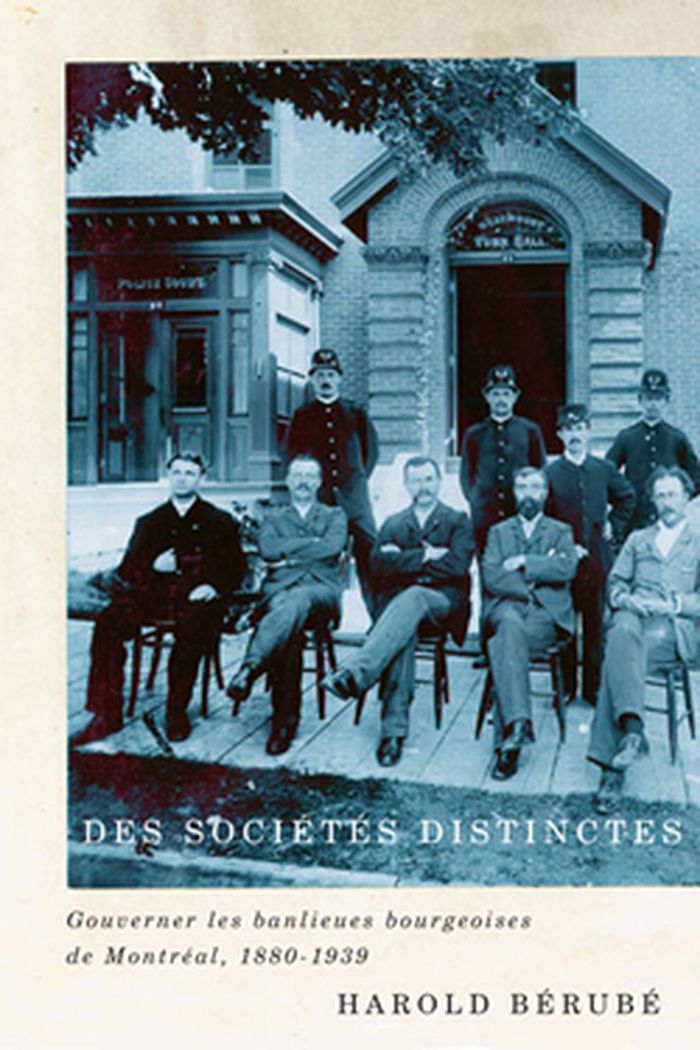
Des sociétés distinctes : gouverner les banlieues bourgeoises de Montréal, 1880-1939
Actions:
Prix:
$37.95
(disponible sur commande)
Résumé:
In 2006 fifteen suburban municipalities of Montreal partially regained the autonomy they lost during the 2002 mergers. The fact that most of these were affluent suburbs did not go unnoticed. Supporters of the "one island, one city" project saw the demerged municipalities as fiscal and linguistic enclaves refusing integration into the wider metropolitan community, but for merger opponents they represented the last political institutions of Quebec's anglophone community, with long-established local identities and distinct political cultures. Harold Bérubé studies three of these "distinct societies" - Westmount, Pointe-Claire, and Town of Mount Royal - between the end of the nineteenth century and the beginning of the Second World War, demonstrating that they were the stage for a distinctive form of suburban governance, rooted in the search for socioeconomic distinction in a quickly changing metropolitan environment.
Classification:
livres
livres
Publication:
décembre 2014
décembre 2014
Sujet:
Architecture de Montréal
Architecture de Montréal
Classification:
livres
livres
Actions:
Prix:
$40.25
(disponible sur commande)
Résumé:
Liberty and freedom are frequently invoked to justify political action. Presidents as diverse as Woodrow Wilson, Franklin Delano Roosevelt, John F. Kennedy, Ronald Reagan, and George W. Bush have built their policies on some version of these noble values. Yet in practice, idealist agendas often turn sour as they confront specific circumstances on the ground. Demonstrated(...)
Titre:
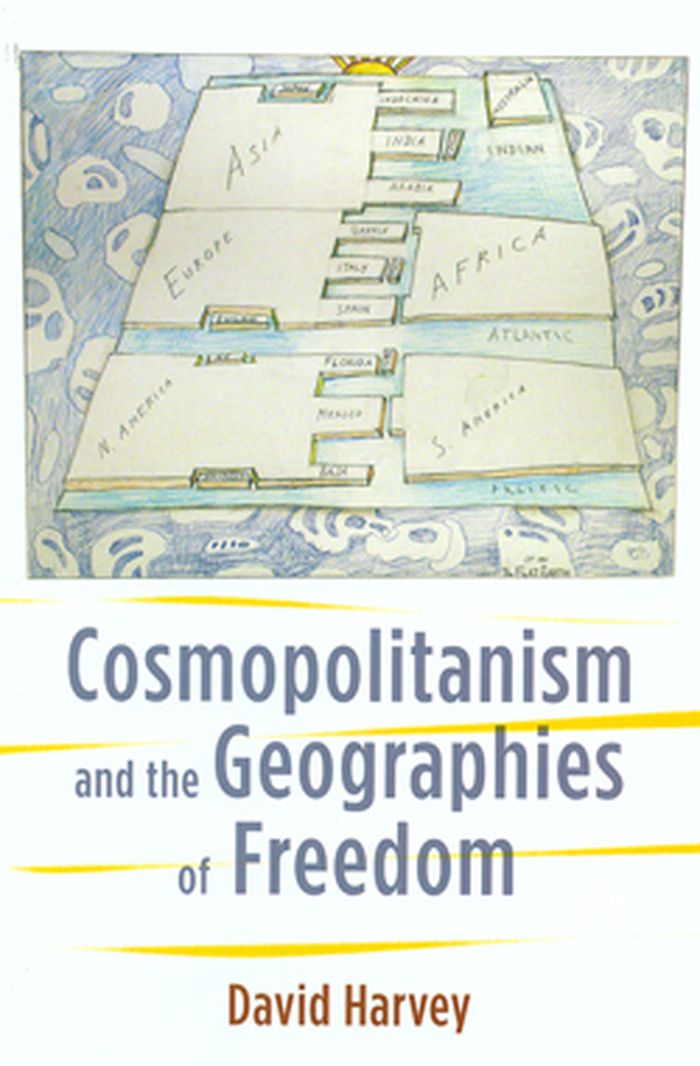
Cosmopolitanism and the geographies of freedom
Actions:
Prix:
$40.25
(disponible sur commande)
Résumé:
Liberty and freedom are frequently invoked to justify political action. Presidents as diverse as Woodrow Wilson, Franklin Delano Roosevelt, John F. Kennedy, Ronald Reagan, and George W. Bush have built their policies on some version of these noble values. Yet in practice, idealist agendas often turn sour as they confront specific circumstances on the ground. Demonstrated by incidents at Abu Ghraib and Guantánamo Bay, the pursuit of liberty and freedom can lead to violence and repression, undermining our trust in universal theories of liberalism, neoliberalism, and cosmopolitanism. Combining his passions for politics and geography, David Harvey charts a cosmopolitan order more appropriate to an emancipatory form of global governance. Political agendas tend to fail, he argues, because they ignore the complexities of geography. Incorporating geographical knowledge into the formation of social and political policy is therefore a necessary condition for genuine democracy.
Classification:
livres
livres
Publication:
juillet 2009
juillet 2009
Sujet:
Théorie de l’architecture
Théorie de l’architecture
Classification:
livres
livres
Actions:
Prix:
$36.00
(disponible en magasin)
Résumé:
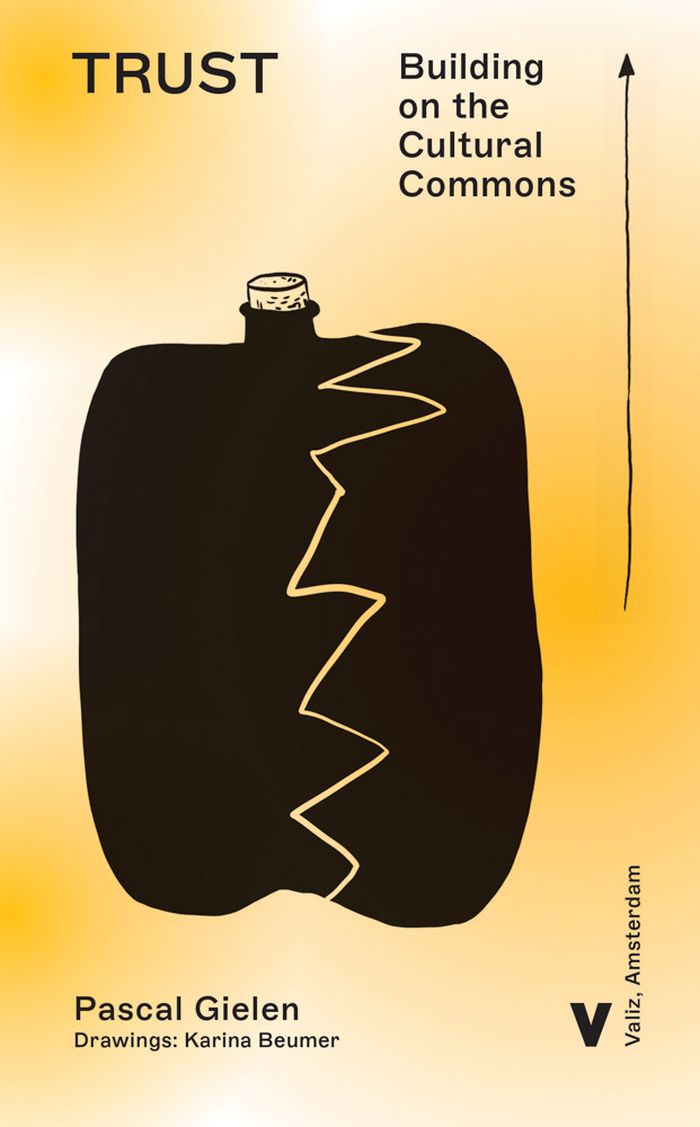
How do we break a culture of mistrust while suspicion of fellow humans, governments and capitalist enterprise seems to keep growing? Feelings of powerlessness are often cited as the main cause. We look for remedies in rules, contracts, assurances and audits, as well as in "good governance." But do they really provide trust? In ''Trust: Building on the Cultural Commons'',(...)
Titre:
Trust: Building on the cultural commons
Actions:
Prix:
$36.00
(disponible en magasin)
Résumé:
How do we break a culture of mistrust while suspicion of fellow humans, governments and capitalist enterprise seems to keep growing? Feelings of powerlessness are often cited as the main cause. We look for remedies in rules, contracts, assurances and audits, as well as in "good governance." But do they really provide trust? In ''Trust: Building on the Cultural Commons'', featuring drawings by Karina Beumer (born 1988), sociologist of art and cultural politics Pascal Gielen (born 1970) highlights the crucial role played by the cultural commons, shared "common" life and its customs, practices, knowledge and values. Trust is, after all, a matter of culture, of feeling and even of aesthetics. Broad societal trust begins with sharing vulnerabilities, and the commons, according to Gielen, provides space for that—breathing space and experimental space. How could a society and a policy further build on this?
Classification:
livres
livres
Publication:
juin 2025
juin 2025
Sujet:
Social
Social
Classification:
livres
livres

Prix:
$26.95
(disponible sur commande)
Résumé:
A conversation that seeks to apply the prefix "Xeno-" in philosophical discourse to the discourse of architecture.This book aims to unpack the prefix, probing what it entails--not merely rhetorically but also as a means of practice, in an attempt to bring the ideas it contains more concretely into the domain of architecture. It proposes to link the more philosophical(...)
Sujet:
Théorie de l’architecture
Théorie de l’architecture
Publication:
mars 2019
mars 2019
Titre:
Perhaps it is high time for a xeno-architecture to match
Actions:
Prix:
$26.95
(disponible sur commande)
Résumé:
A conversation that seeks to apply the prefix "Xeno-" in philosophical discourse to the discourse of architecture.This book aims to unpack the prefix, probing what it entails--not merely rhetorically but also as a means of practice, in an attempt to bring the ideas it contains more concretely into the domain of architecture. It proposes to link the more philosophical discussions on the notion of xeno with questions of instrumentalization and governance that are necessarily involved in the praxis of architecture. And it relates the significance of legal architecture and technologically driven transformation in the metaphysics of law back to the agenda of xeno-architecture. By researching how architects, artists, thinkers, and activists operating in the spatial field might endorse a process of "alienation" to confront global issues, this project attempts to re-radicalize spatial practice.
Classification:
livres
livres
Publication:
mars 2019
mars 2019
Sujet:
Théorie de l’architecture
Théorie de l’architecture
Classification:
livres
livres
Titre:
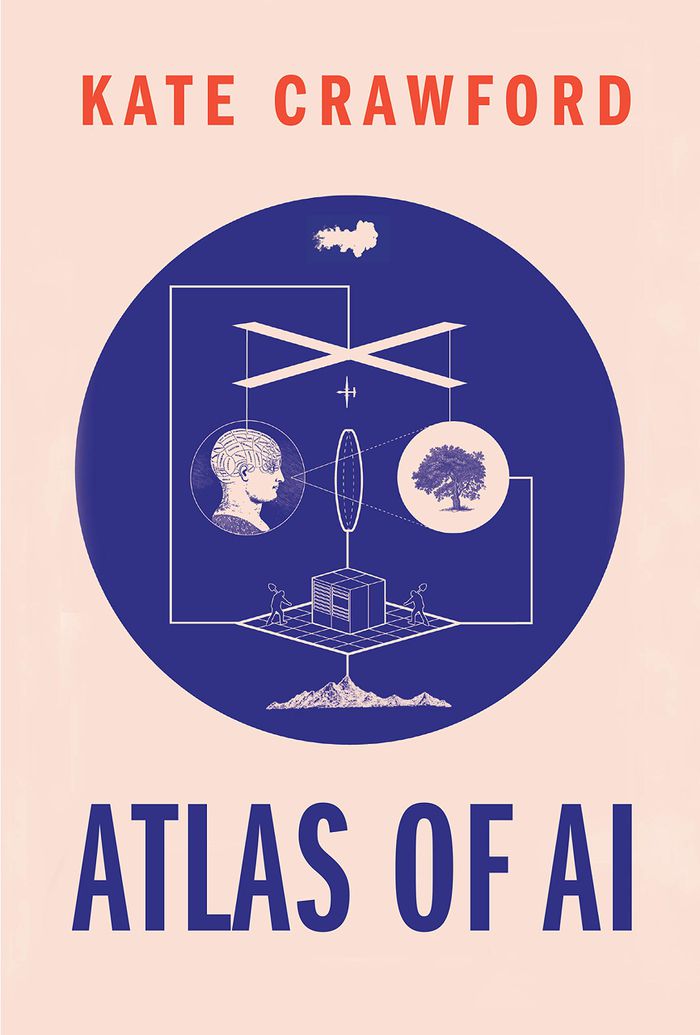
Atlas of AI
Atlas of AI
Actions:
Prix:
$39.95
(disponible sur commande)
Résumé:
What happens when artificial intelligence saturates political life and depletes the planet? How is AI shaping our understanding of ourselves and our societies? Drawing on more than a decade of research, award-winning scholar Kate Crawford reveals how AI is a technology of extraction: from the minerals drawn from the earth, to the labor pulled from low-wage information(...)
Titre:
Atlas of AI
Actions:
Prix:
$39.95
(disponible sur commande)
Résumé:
What happens when artificial intelligence saturates political life and depletes the planet? How is AI shaping our understanding of ourselves and our societies? Drawing on more than a decade of research, award-winning scholar Kate Crawford reveals how AI is a technology of extraction: from the minerals drawn from the earth, to the labor pulled from low-wage information workers, to the data taken from every action and expression. This book reveals how this planetary network is fueling a shift toward undemocratic governance and increased inequity. Rather than taking a narrow focus on code and algorithms, Crawford offers us a material and political perspective on what it takes to make AI and how it centralizes power. This is an urgent account of what is at stake as technology companies use artificial intelligence to reshape the world.
Classification:
livres
livres
Publication:
avril 2021
avril 2021
Classification:
livres
livres
Actions:
Prix:
$45.50
(disponible sur commande)
Résumé:
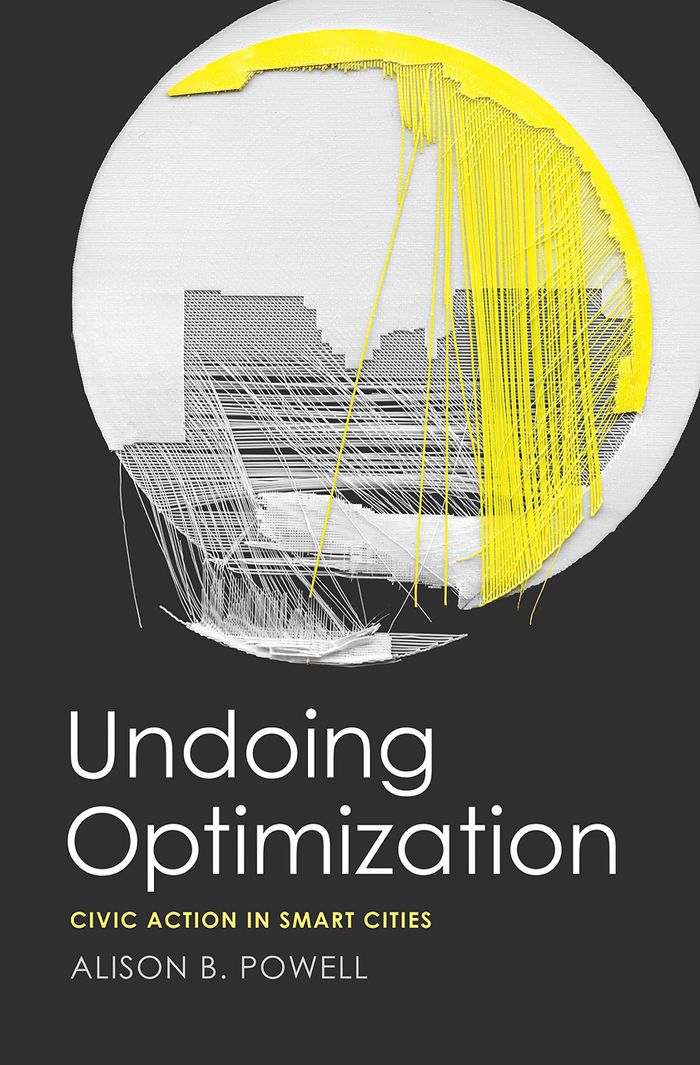
City life has been reconfigured by our use—and our expectations—of communication, data, and sensing technologies. In this book Alison Powell examines the civic use, regulation, and politics of these technologies, looking at how governments, planners, citizens, and activists expect them to enhance life in the city. She argues that the de facto forms of citizenship that(...)
Titre:
Undoing optimization: civic action in smart ciities
Actions:
Prix:
$45.50
(disponible sur commande)
Résumé:
City life has been reconfigured by our use—and our expectations—of communication, data, and sensing technologies. In this book Alison Powell examines the civic use, regulation, and politics of these technologies, looking at how governments, planners, citizens, and activists expect them to enhance life in the city. She argues that the de facto forms of citizenship that emerge in relation to these technologies represent sites of contention over how governance and civic power should operate. These sites become more significant as an increasingly urbanized and polarized world faces new struggles over local participation and engagement. The author moves past the usual discussion of top-down versus bottom-up civic action and instead explains how citizenship shifts in response to technological change and particularly in response to issues related to pervasive sensing, big data, and surveillance in “smart cities.”
Classification:
livres
livres
Publication:
mai 2021
mai 2021
Sujet:
Théorie de l’urbanisme
Théorie de l’urbanisme


