


12071 Résultats
Classification:
livres
livres
Prix:
$39.95
(disponible sur commande)
Résumé:
"Not Interesting" proposes another set of terms and structures to talk about architecture, without requiring that it be interesting. This book explores a set of alternatives to the interesting and imagines how architecture might be positioned more broadly in the world using other terms: boring, confusing, and comforting. Along with interesting, these three terms make up(...)
$39.95
(disponible sur commande)
Résumé:
"Not Interesting" proposes another set of terms and structures to talk about architecture, without requiring that it be interesting. This book explores a set of alternatives to the interesting and imagines how architecture might be positioned more broadly in the world using other terms: boring, confusing, and comforting. Along with interesting, these three terms make up(...)
Titre:
Not interesting: on the limits of criticism in architecture
Actions:
Prix:
$39.95
(disponible sur commande)
Résumé:
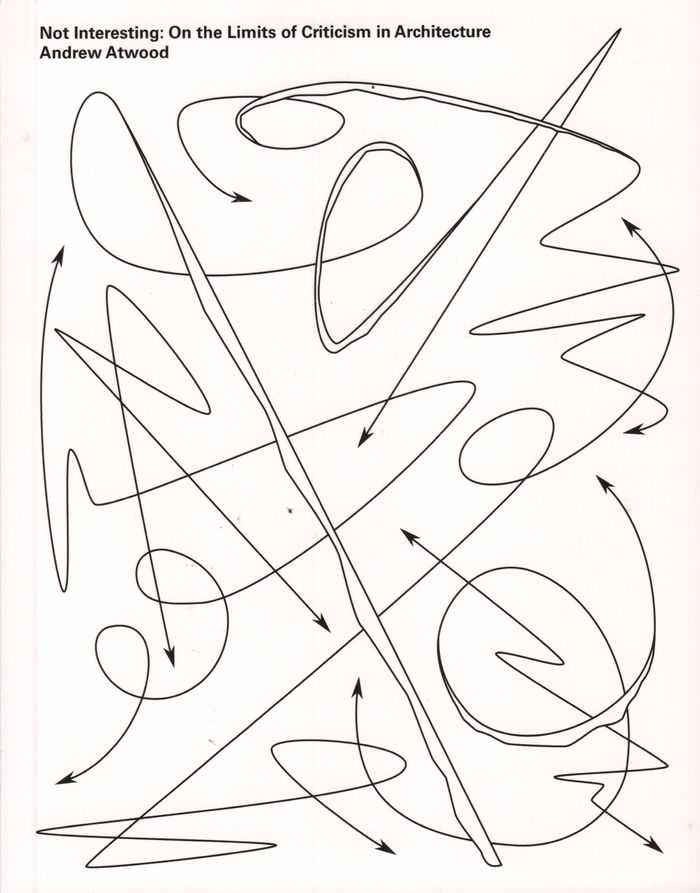
"Not Interesting" proposes another set of terms and structures to talk about architecture, without requiring that it be interesting. This book explores a set of alternatives to the interesting and imagines how architecture might be positioned more broadly in the world using other terms: boring, confusing, and comforting. Along with interesting, these three terms make up the four chapters of the book. Each chapter introduces its topic through an analysis of a different image, which serves to unpack the specific character of each term and its relationship to architecture. In addition to text, the book contains over 50 case studies using 100 drawings and images. These are presented in parallel to the text and show what architecture may look like through the lens of these other terms.
Not interesting: on the limits of criticism in architecture
Actions:
Prix:
$39.95
(disponible sur commande)
Résumé:
"Not Interesting" proposes another set of terms and structures to talk about architecture, without requiring that it be interesting. This book explores a set of alternatives to the interesting and imagines how architecture might be positioned more broadly in the world using other terms: boring, confusing, and comforting. Along with interesting, these three terms make up the four chapters of the book. Each chapter introduces its topic through an analysis of a different image, which serves to unpack the specific character of each term and its relationship to architecture. In addition to text, the book contains over 50 case studies using 100 drawings and images. These are presented in parallel to the text and show what architecture may look like through the lens of these other terms.
Classification:
livres
livres
Publication:
octobre 2018
octobre 2018
Sujet:
Théorie de l’architecture
Théorie de l’architecture
Classification:
livres
livres
Prix:
$67.00
(disponible sur commande)
Résumé:
This book features a detailed analysis of over 40 container projects, each with their own prominent features. These are presented alongside landscape plans, technical drawings and text explanations. In addition to the case studies, design guidelines are supplied alongside information regarding the relevant construction standards for container buildings.
$67.00
(disponible sur commande)
Résumé:
This book features a detailed analysis of over 40 container projects, each with their own prominent features. These are presented alongside landscape plans, technical drawings and text explanations. In addition to the case studies, design guidelines are supplied alongside information regarding the relevant construction standards for container buildings.
Titre:
Moveable architecture: a design guide to container reuse
Actions:
Prix:
$67.00
(disponible sur commande)
Résumé:
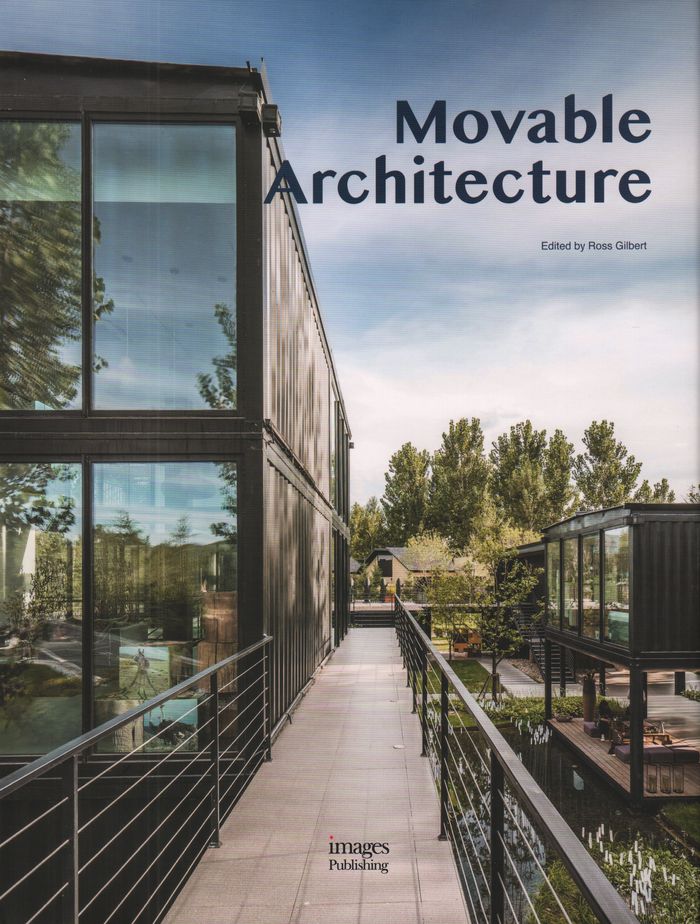
This book features a detailed analysis of over 40 container projects, each with their own prominent features. These are presented alongside landscape plans, technical drawings and text explanations. In addition to the case studies, design guidelines are supplied alongside information regarding the relevant construction standards for container buildings.
Moveable architecture: a design guide to container reuse
Actions:
Prix:
$67.00
(disponible sur commande)
Résumé:
This book features a detailed analysis of over 40 container projects, each with their own prominent features. These are presented alongside landscape plans, technical drawings and text explanations. In addition to the case studies, design guidelines are supplied alongside information regarding the relevant construction standards for container buildings.
Classification:
livres
livres
Publication:
août 2018
août 2018
Sujet:
Architecture expérimentale
Architecture expérimentale
Classification:
livres
livres
Actions:
Prix:
$39.95
(disponible sur commande)
Résumé:
L’architecture comme l'aventure de la composition est ici restituée à l'aide de l'analyse approfondie d'un certain nombre d'études pour lesquelles l'auteur étudie leur morphologie architecturale, révèle les différentes géométries qui la sous-tendent et les tracés qui ont servi à l'architecte pour les concevoir.
$39.95
(disponible sur commande)
Résumé:
L’architecture comme l'aventure de la composition est ici restituée à l'aide de l'analyse approfondie d'un certain nombre d'études pour lesquelles l'auteur étudie leur morphologie architecturale, révèle les différentes géométries qui la sous-tendent et les tracés qui ont servi à l'architecte pour les concevoir.
Titre:
Architecture, t.01 : mettre en forme et composer, trois études de cas
Actions:
Prix:
$39.95
(disponible sur commande)
Résumé:
L’architecture comme l'aventure de la composition est ici restituée à l'aide de l'analyse approfondie d'un certain nombre d'études pour lesquelles l'auteur étudie leur morphologie architecturale, révèle les différentes géométries qui la sous-tendent et les tracés qui ont servi à l'architecte pour les concevoir.
Architecture, t.01 : mettre en forme et composer, trois études de cas
Actions:
Prix:
$39.95
(disponible sur commande)
Résumé:
L’architecture comme l'aventure de la composition est ici restituée à l'aide de l'analyse approfondie d'un certain nombre d'études pour lesquelles l'auteur étudie leur morphologie architecturale, révèle les différentes géométries qui la sous-tendent et les tracés qui ont servi à l'architecte pour les concevoir.
Classification:
livres
livres
Publication:
octobre 2018
octobre 2018
Sujet:
Théorie de l’architecture
Théorie de l’architecture
Classification:
livres
livres
Actions:
Prix:
$55.95
(disponible sur commande)
Résumé:
On a souvent discouru sur leur contenu des activités, sur la manière de bâtir, sur le contexte de leur apparition mais rarement sur la mise en forme de bâtiments. Or ce qui fait la spécificité de cet art de la combinatoire c'est le travail de mise en forme, de conjuguer des éléments hétérogènes bref ce qu'on appelle couramment créer alors que le terme approprié est(...)
$55.95
(disponible sur commande)
Résumé:
On a souvent discouru sur leur contenu des activités, sur la manière de bâtir, sur le contexte de leur apparition mais rarement sur la mise en forme de bâtiments. Or ce qui fait la spécificité de cet art de la combinatoire c'est le travail de mise en forme, de conjuguer des éléments hétérogènes bref ce qu'on appelle couramment créer alors que le terme approprié est(...)
Titre:
Architecture, t.02 : mettre en forme et composer, trois études de cas
Actions:
Prix:
$55.95
(disponible sur commande)
Résumé:
On a souvent discouru sur leur contenu des activités, sur la manière de bâtir, sur le contexte de leur apparition mais rarement sur la mise en forme de bâtiments. Or ce qui fait la spécificité de cet art de la combinatoire c'est le travail de mise en forme, de conjuguer des éléments hétérogènes bref ce qu'on appelle couramment créer alors que le terme approprié est composer. Dans ce volume, les planches montrent les plans et les tracés de trois bâtiments: Maison Fisher, Louis I. Kahn; Villa Müller, Adolf Loos et Karel Lotha; Projet pour une résiedence à Avignon, François Franque.
Architecture, t.02 : mettre en forme et composer, trois études de cas
Actions:
Prix:
$55.95
(disponible sur commande)
Résumé:
On a souvent discouru sur leur contenu des activités, sur la manière de bâtir, sur le contexte de leur apparition mais rarement sur la mise en forme de bâtiments. Or ce qui fait la spécificité de cet art de la combinatoire c'est le travail de mise en forme, de conjuguer des éléments hétérogènes bref ce qu'on appelle couramment créer alors que le terme approprié est composer. Dans ce volume, les planches montrent les plans et les tracés de trois bâtiments: Maison Fisher, Louis I. Kahn; Villa Müller, Adolf Loos et Karel Lotha; Projet pour une résiedence à Avignon, François Franque.
Classification:
livres
livres
Publication:
octobre 2018
octobre 2018
Sujet:
Théorie de l’architecture
Théorie de l’architecture
Classification:
livres
livres
Prix:
$45.00
(disponible sur commande)
Résumé:
When buildings are deemed ugly, what are the consequences? In ''Ugliness and Judgment,'' Timothy Hyde considers the role of aesthetic judgment and its concern for uglines in architectural debates and their resulting social effects across three centuries of British architectural history. From eighteenth-century ideas about Stonehenge to Prince Charles' opinions about the(...)
$45.00
(disponible sur commande)
Résumé:
When buildings are deemed ugly, what are the consequences? In ''Ugliness and Judgment,'' Timothy Hyde considers the role of aesthetic judgment and its concern for uglines in architectural debates and their resulting social effects across three centuries of British architectural history. From eighteenth-century ideas about Stonehenge to Prince Charles' opinions about the(...)
Titre:
Ugliness and judgement: on architecture in the public eye
Actions:
Prix:
$45.00
(disponible sur commande)
Résumé:
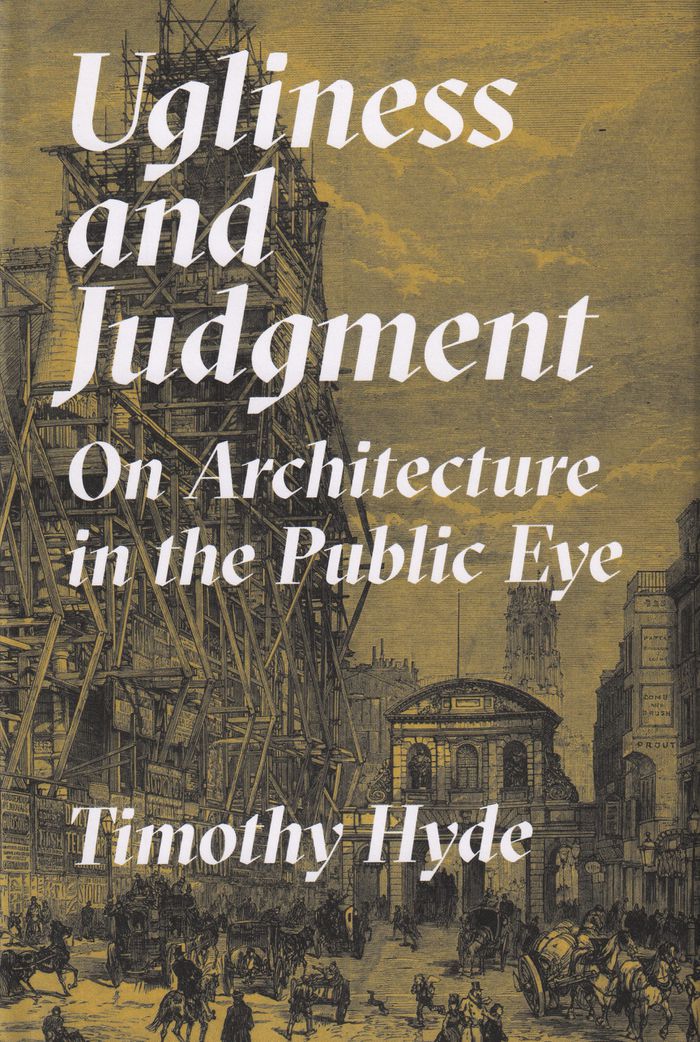
When buildings are deemed ugly, what are the consequences? In ''Ugliness and Judgment,'' Timothy Hyde considers the role of aesthetic judgment and its concern for uglines in architectural debates and their resulting social effects across three centuries of British architectural history. From eighteenth-century ideas about Stonehenge to Prince Charles' opinions about the National Gallery, Hyde uncovers a new story of aesthetic judgment, where arguments about architectural ugliness do not pertain solely to buildings or assessments of style, but intrude into other spheres of civil society.
Ugliness and judgement: on architecture in the public eye
Actions:
Prix:
$45.00
(disponible sur commande)
Résumé:
When buildings are deemed ugly, what are the consequences? In ''Ugliness and Judgment,'' Timothy Hyde considers the role of aesthetic judgment and its concern for uglines in architectural debates and their resulting social effects across three centuries of British architectural history. From eighteenth-century ideas about Stonehenge to Prince Charles' opinions about the National Gallery, Hyde uncovers a new story of aesthetic judgment, where arguments about architectural ugliness do not pertain solely to buildings or assessments of style, but intrude into other spheres of civil society.
Classification:
livres
livres
Publication:
avril 2019
avril 2019
Sujet:
Théorie de l’architecture
Théorie de l’architecture
Classification:
livres
livres
Actions:
Prix:
$49.95
(disponible sur commande)
Résumé:
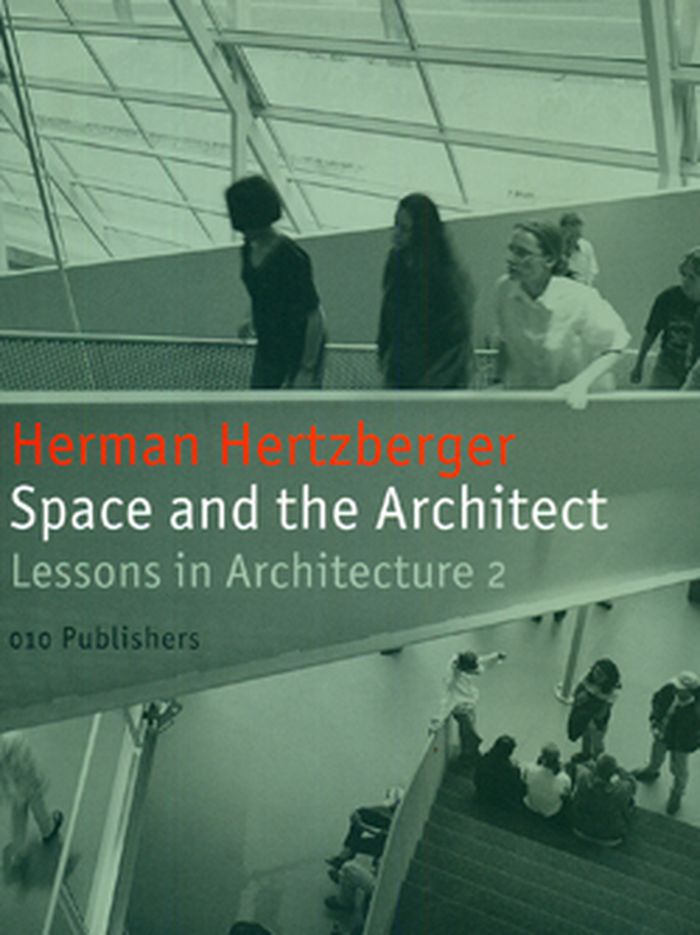
This book is a follow-up to Hertzberger's Lessons for Students in Architecture published in 1991. Similar in approach to the earlier book, it aims to trace some of the sources for, and examples of, the author's architectural projects of the last 10 years.
$49.95
(disponible sur commande)
Résumé:
This book is a follow-up to Hertzberger's Lessons for Students in Architecture published in 1991. Similar in approach to the earlier book, it aims to trace some of the sources for, and examples of, the author's architectural projects of the last 10 years.
Titre:
Space and the architect, lessons in architecture 2
Actions:
Prix:
$49.95
(disponible sur commande)
Résumé:
This book is a follow-up to Hertzberger's Lessons for Students in Architecture published in 1991. Similar in approach to the earlier book, it aims to trace some of the sources for, and examples of, the author's architectural projects of the last 10 years.
Space and the architect, lessons in architecture 2
Actions:
Prix:
$49.95
(disponible sur commande)
Résumé:
This book is a follow-up to Hertzberger's Lessons for Students in Architecture published in 1991. Similar in approach to the earlier book, it aims to trace some of the sources for, and examples of, the author's architectural projects of the last 10 years.
Classification:
livres
livres
Publication:
février 2010
février 2010
Sujet:
Théorie de l’architecture
Théorie de l’architecture
Classification:
livres
livres

Actions:
Prix:
$34.95
(disponible sur commande)
Résumé:
This publication gathers writings from the past decade along with new reflections on an era framed by the destruction of the World Trade Center and the opening of the world's tallest skyscraper. Assessing ordinary commercial structures as well as head-turning designs by some of the worldrsquo;s leading architects, Kamin paints a sweeping but finely textured portrait of a(...)
$34.95
(disponible sur commande)
Résumé:
This publication gathers writings from the past decade along with new reflections on an era framed by the destruction of the World Trade Center and the opening of the world's tallest skyscraper. Assessing ordinary commercial structures as well as head-turning designs by some of the worldrsquo;s leading architects, Kamin paints a sweeping but finely textured portrait of a(...)
Titre:
Terror and wonder: architecture in a tumultuous age
Actions:
Prix:
$34.95
(disponible sur commande)
Résumé:
This publication gathers writings from the past decade along with new reflections on an era framed by the destruction of the World Trade Center and the opening of the world's tallest skyscraper. Assessing ordinary commercial structures as well as head-turning designs by some of the worldrsquo;s leading architects, Kamin paints a sweeping but finely textured portrait of a tumultuous age torn between the conflicting mandates of architectural spectacle and sustainability.
Terror and wonder: architecture in a tumultuous age
Actions:
Prix:
$34.95
(disponible sur commande)
Résumé:
This publication gathers writings from the past decade along with new reflections on an era framed by the destruction of the World Trade Center and the opening of the world's tallest skyscraper. Assessing ordinary commercial structures as well as head-turning designs by some of the worldrsquo;s leading architects, Kamin paints a sweeping but finely textured portrait of a tumultuous age torn between the conflicting mandates of architectural spectacle and sustainability.
Classification:
livres
livres
Publication:
octobre 2010
octobre 2010
Sujet:
Théorie de l’architecture
Théorie de l’architecture
Classification:
livres
livres
Prix:
$50.00
(disponible sur commande)
Résumé:
Architecture is usually analysed and taught as a discipline that articulates space and geometry, but the mental impact of architecture arises significantly from its image quality that integrates the various aspects and dimensions of experience into a singular, internalised and remembered entity. The material reality is fused with our mental and imaginative realm. The(...)
$50.00
(disponible sur commande)
Résumé:
Architecture is usually analysed and taught as a discipline that articulates space and geometry, but the mental impact of architecture arises significantly from its image quality that integrates the various aspects and dimensions of experience into a singular, internalised and remembered entity. The material reality is fused with our mental and imaginative realm. The(...)
Titre:
The embodied image : imagination and imagery in architecture
Actions:
Prix:
$50.00
(disponible sur commande)
Résumé:
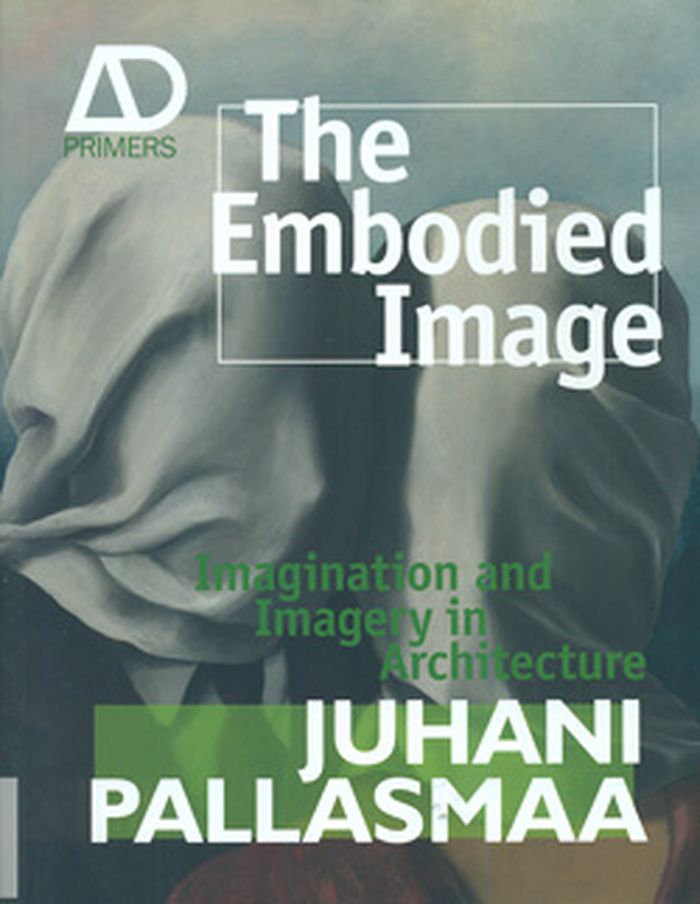
Architecture is usually analysed and taught as a discipline that articulates space and geometry, but the mental impact of architecture arises significantly from its image quality that integrates the various aspects and dimensions of experience into a singular, internalised and remembered entity. The material reality is fused with our mental and imaginative realm. The book is organised into five main parts that look at in turn: the image in contemporary culture; language, thought and the image; the many faces of the image; the poetic image; and finally the architectural image. The Embodied Image is illustrated with over sixty images in pairs, which are diverse in subject. Artworks span Michelangelo and Vermeer to Gordon Matta-Clark and architecture takes in Modern Masters such as Mies van der Rohe, Le Corbusier and Alvar Aalto, as well as significant contemporary works by Steven Holl and Daniel Libeskind.
The embodied image : imagination and imagery in architecture
Actions:
Prix:
$50.00
(disponible sur commande)
Résumé:
Architecture is usually analysed and taught as a discipline that articulates space and geometry, but the mental impact of architecture arises significantly from its image quality that integrates the various aspects and dimensions of experience into a singular, internalised and remembered entity. The material reality is fused with our mental and imaginative realm. The book is organised into five main parts that look at in turn: the image in contemporary culture; language, thought and the image; the many faces of the image; the poetic image; and finally the architectural image. The Embodied Image is illustrated with over sixty images in pairs, which are diverse in subject. Artworks span Michelangelo and Vermeer to Gordon Matta-Clark and architecture takes in Modern Masters such as Mies van der Rohe, Le Corbusier and Alvar Aalto, as well as significant contemporary works by Steven Holl and Daniel Libeskind.
Classification:
livres
livres
Publication:
octobre 2011
octobre 2011
Sujet:
Théorie de l’architecture
Théorie de l’architecture
Classification:
livres
livres
Prix:
$45.00
(disponible sur commande)
Résumé:
A landmark study of one of Canada’s most important architectural movements The West Coast Modern House chronicles the development of Vancouver residential architecture from the 1940’s through its continued influence on contemporary practice. The post-war era in Vancouver defined what has become popularly known as the “West Coast Style.” Through the work of seminal(...)
$45.00
(disponible sur commande)
Résumé:
A landmark study of one of Canada’s most important architectural movements The West Coast Modern House chronicles the development of Vancouver residential architecture from the 1940’s through its continued influence on contemporary practice. The post-war era in Vancouver defined what has become popularly known as the “West Coast Style.” Through the work of seminal(...)
Titre:
The West Coast modern house: Vancouver residential architecture
Actions:
Prix:
$45.00
(disponible sur commande)
Résumé:
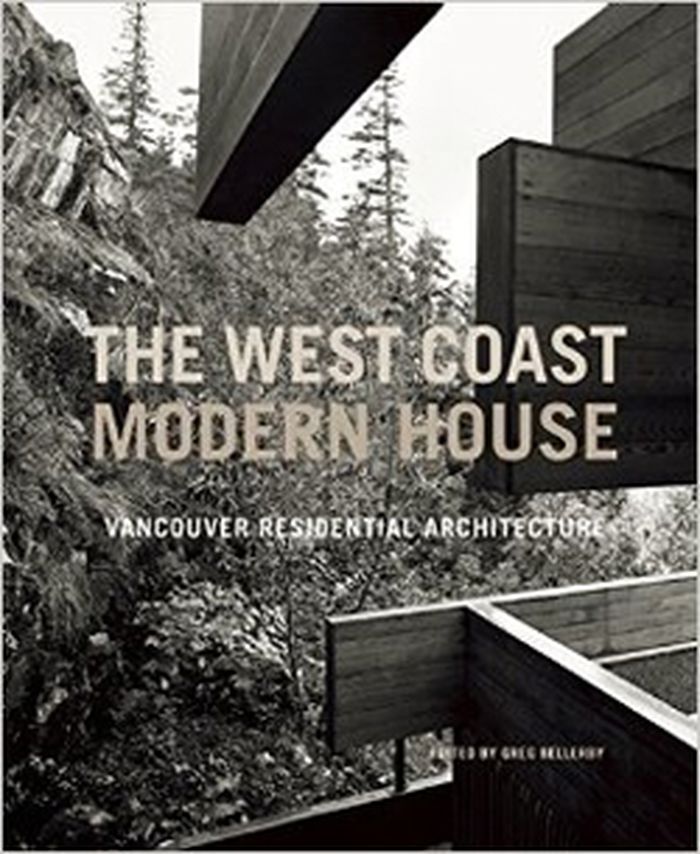
A landmark study of one of Canada’s most important architectural movements The West Coast Modern House chronicles the development of Vancouver residential architecture from the 1940’s through its continued influence on contemporary practice. The post-war era in Vancouver defined what has become popularly known as the “West Coast Style.” Through the work of seminal figures such as BC Binning, Ned Pratt, Ron Thom, Fred Hollingsworth, Douglas Simpson, Barry Downs and Arthur Erickson, Vancouver architects won national awards and international recognition for their innovative house designs. This period is now seen as one of the most important in the city’s architectural history. Focusing on the years from 1940 to the mid-1960’s, The West Coast Modern House features over fifty examples of modern houses. The book is illustrated by photographs taken at the time by noted architectural photographers Graham Warrington, Selwyn Pullan and John Fulker. Essays by Greg Bellerby, Jana Tyner and Chris Macdonald elaborate on the history and innovative design strategies of the early period, through to an examination of the ways modern architectural concerns are being used by contemporary practitioners. The West Coast Modern House enables the reader to come to a greater understanding of the significance of modern residential architecture on the west coast and the persistence and relevance of its innovative design, material and construction strategies
The West Coast modern house: Vancouver residential architecture
Actions:
Prix:
$45.00
(disponible sur commande)
Résumé:
A landmark study of one of Canada’s most important architectural movements The West Coast Modern House chronicles the development of Vancouver residential architecture from the 1940’s through its continued influence on contemporary practice. The post-war era in Vancouver defined what has become popularly known as the “West Coast Style.” Through the work of seminal figures such as BC Binning, Ned Pratt, Ron Thom, Fred Hollingsworth, Douglas Simpson, Barry Downs and Arthur Erickson, Vancouver architects won national awards and international recognition for their innovative house designs. This period is now seen as one of the most important in the city’s architectural history. Focusing on the years from 1940 to the mid-1960’s, The West Coast Modern House features over fifty examples of modern houses. The book is illustrated by photographs taken at the time by noted architectural photographers Graham Warrington, Selwyn Pullan and John Fulker. Essays by Greg Bellerby, Jana Tyner and Chris Macdonald elaborate on the history and innovative design strategies of the early period, through to an examination of the ways modern architectural concerns are being used by contemporary practitioners. The West Coast Modern House enables the reader to come to a greater understanding of the significance of modern residential architecture on the west coast and the persistence and relevance of its innovative design, material and construction strategies
Classification:
livres
livres
Publication:
octobre 2014
octobre 2014
Sujet:
Architecture du Canada
Architecture du Canada
Classification:
livres
livres
Prix:
$70.00
(disponible sur commande)
Résumé:
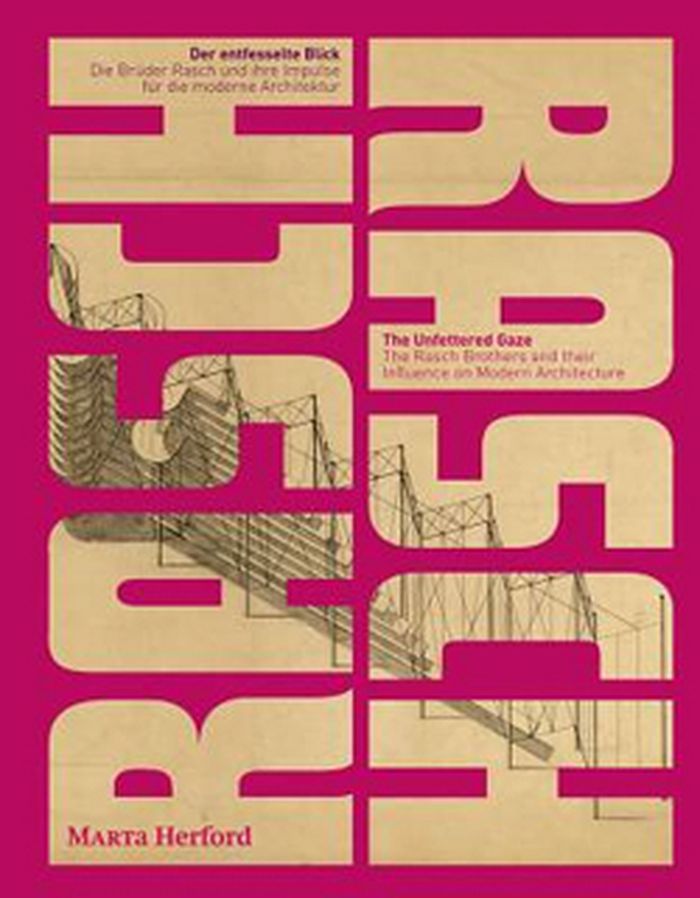
This book examines the careers of German brothers Heinz (1902-96) and Bodo Rasch (1903-95), an architectural duo of the 1920s New Architecture movement, comparing their buildings and graphics to work by artists such as Erika Hock and Ernesto Neto.
$70.00
(disponible sur commande)
Résumé:
This book examines the careers of German brothers Heinz (1902-96) and Bodo Rasch (1903-95), an architectural duo of the 1920s New Architecture movement, comparing their buildings and graphics to work by artists such as Erika Hock and Ernesto Neto.
Titre:
The Rasch brothers and their influence on modern architecture
Actions:
Prix:
$70.00
(disponible sur commande)
Résumé:
This book examines the careers of German brothers Heinz (1902-96) and Bodo Rasch (1903-95), an architectural duo of the 1920s New Architecture movement, comparing their buildings and graphics to work by artists such as Erika Hock and Ernesto Neto.
The Rasch brothers and their influence on modern architecture
Actions:
Prix:
$70.00
(disponible sur commande)
Résumé:
This book examines the careers of German brothers Heinz (1902-96) and Bodo Rasch (1903-95), an architectural duo of the 1920s New Architecture movement, comparing their buildings and graphics to work by artists such as Erika Hock and Ernesto Neto.
Classification:
livres
livres
Publication:
juillet 2015
juillet 2015
Sujet:
Architecture, monographies
Architecture, monographies


