


12071 Résultats
Classification:
livres
livres
Actions:
Prix:
$21.50
(disponible sur commande)
Résumé:
Computational Architecture showcases many form studies using digital tools and techniques like twisting, lofting, triangulating, drilling, knotting and framing. These techniques are used systematically to explore spatial, structural and geometrical conditions, leading to the emergence of abstract prototypes. As a second step each prototype is used to generate(...)
$21.50
(disponible sur commande)
Résumé:
Computational Architecture showcases many form studies using digital tools and techniques like twisting, lofting, triangulating, drilling, knotting and framing. These techniques are used systematically to explore spatial, structural and geometrical conditions, leading to the emergence of abstract prototypes. As a second step each prototype is used to generate(...)
Titre:
Computational architecture : digital designing tools and manufacturing techniques
Actions:
Prix:
$21.50
(disponible sur commande)
Résumé:
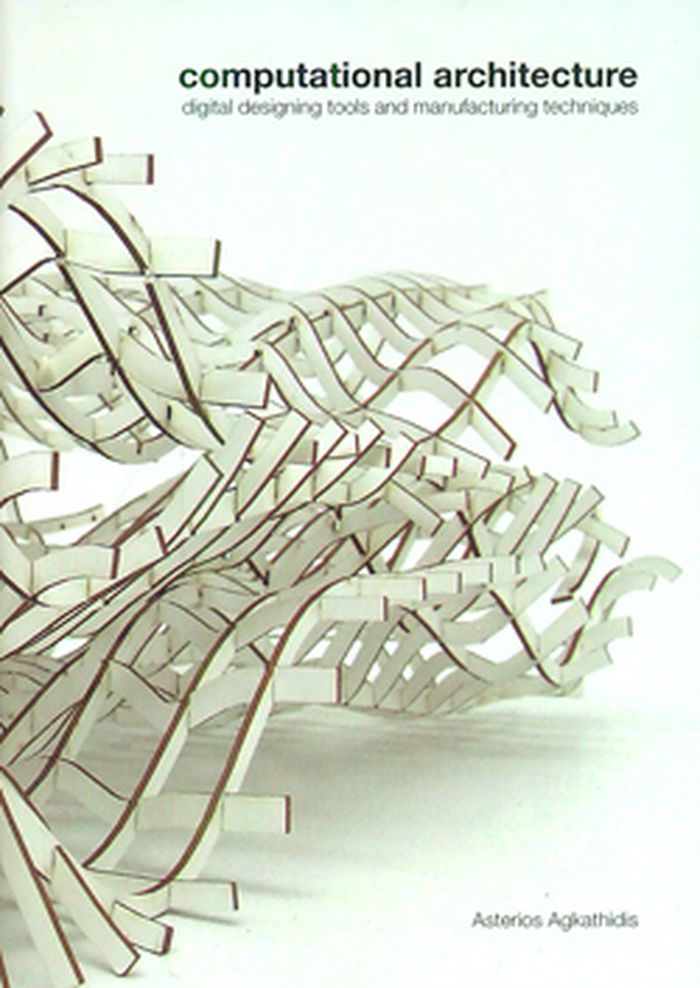
Computational Architecture showcases many form studies using digital tools and techniques like twisting, lofting, triangulating, drilling, knotting and framing. These techniques are used systematically to explore spatial, structural and geometrical conditions, leading to the emergence of abstract prototypes. As a second step each prototype is used to generate architectural solutions, enriched with data from site analysis and specific building programs.
Computational architecture : digital designing tools and manufacturing techniques
Actions:
Prix:
$21.50
(disponible sur commande)
Résumé:
Computational Architecture showcases many form studies using digital tools and techniques like twisting, lofting, triangulating, drilling, knotting and framing. These techniques are used systematically to explore spatial, structural and geometrical conditions, leading to the emergence of abstract prototypes. As a second step each prototype is used to generate architectural solutions, enriched with data from site analysis and specific building programs.
Classification:
livres
livres
Publication:
août 2013
août 2013
Sujet:
Architecture numérique
Architecture numérique
Classification:
livres
livres
Actions:
Prix:
$35.00
(disponible sur commande)
Résumé:
In an era of brash, expensive, provocative new buildings, critic Rowan Moore argues that emotions — hope, power, sex, our changing relationship to the idea of home — are the most powerful force behind architecture, yesterday and (especially) today.
$35.00
(disponible sur commande)
Résumé:
In an era of brash, expensive, provocative new buildings, critic Rowan Moore argues that emotions — hope, power, sex, our changing relationship to the idea of home — are the most powerful force behind architecture, yesterday and (especially) today.
Titre:
Why we build : power and desire in architecture
Actions:
Prix:
$35.00
(disponible sur commande)
Résumé:
In an era of brash, expensive, provocative new buildings, critic Rowan Moore argues that emotions — hope, power, sex, our changing relationship to the idea of home — are the most powerful force behind architecture, yesterday and (especially) today.
Why we build : power and desire in architecture
Actions:
Prix:
$35.00
(disponible sur commande)
Résumé:
In an era of brash, expensive, provocative new buildings, critic Rowan Moore argues that emotions — hope, power, sex, our changing relationship to the idea of home — are the most powerful force behind architecture, yesterday and (especially) today.
Classification:
livres
livres
Publication:
septembre 2013
septembre 2013
Sujet:
Théorie de l’architecture
Théorie de l’architecture
Classification:
livres
livres
Actions:
Prix:
$54.95
(disponible en magasin)
Résumé:
This book is about the role of words and images in architecture. A documentation of the conventions of architectural representation, it is also an exploration of the many ways in which those conventions can be productively challenged, subverted, or ignored to broaden the conversation about architecture and what it means.
$54.95
(disponible en magasin)
Résumé:
This book is about the role of words and images in architecture. A documentation of the conventions of architectural representation, it is also an exploration of the many ways in which those conventions can be productively challenged, subverted, or ignored to broaden the conversation about architecture and what it means.
Titre:
Semi-detached : writing, representation and criticism in architecture
Actions:
Prix:
$54.95
(disponible en magasin)
Résumé:
This book is about the role of words and images in architecture. A documentation of the conventions of architectural representation, it is also an exploration of the many ways in which those conventions can be productively challenged, subverted, or ignored to broaden the conversation about architecture and what it means.
Semi-detached : writing, representation and criticism in architecture
Actions:
Prix:
$54.95
(disponible en magasin)
Résumé:
This book is about the role of words and images in architecture. A documentation of the conventions of architectural representation, it is also an exploration of the many ways in which those conventions can be productively challenged, subverted, or ignored to broaden the conversation about architecture and what it means.
Classification:
livres
livres
Publication:
octobre 2013
octobre 2013
Sujet:
Théorie de l’architecture
Théorie de l’architecture
Classification:
livres
livres
Prix:
$23.95
(disponible sur commande)
Résumé:
While the pieces described in this book display a wonderful range and variety, they are unified by Stamp'swider quest : to explore, define and champion the quintessential Englishness of English architecture and design.
$23.95
(disponible sur commande)
Résumé:
While the pieces described in this book display a wonderful range and variety, they are unified by Stamp'swider quest : to explore, define and champion the quintessential Englishness of English architecture and design.
Titre:
Anti-ugly : excursions in English architecture and design
Actions:
Prix:
$23.95
(disponible sur commande)
Résumé:
While the pieces described in this book display a wonderful range and variety, they are unified by Stamp'swider quest : to explore, define and champion the quintessential Englishness of English architecture and design.
Anti-ugly : excursions in English architecture and design
Actions:
Prix:
$23.95
(disponible sur commande)
Résumé:
While the pieces described in this book display a wonderful range and variety, they are unified by Stamp'swider quest : to explore, define and champion the quintessential Englishness of English architecture and design.
Classification:
livres
livres
Publication:
janvier 2014
janvier 2014
Sujet:
Théorie de l’architecture
Théorie de l’architecture
Classification:
livres
livres
Actions:
Prix:
$28.95
(disponible sur commande)
Résumé:
Latest issue in store! Dernier numéro en librairie!
$28.95
(disponible sur commande)
Résumé:
Latest issue in store! Dernier numéro en librairie!
Titre:
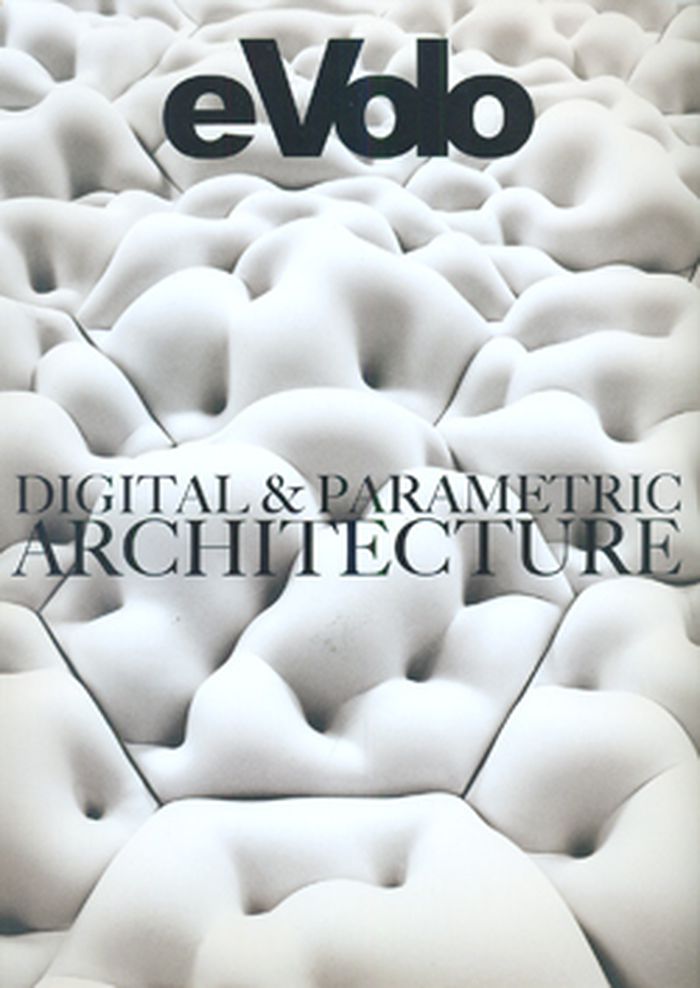
e Volo issue 06: Digital and Parametric architecture
Actions:
Prix:
$28.95
(disponible sur commande)
Résumé:
Latest issue in store! Dernier numéro en librairie!
e Volo issue 06: Digital and Parametric architecture
Actions:
Prix:
$28.95
(disponible sur commande)
Résumé:
Latest issue in store! Dernier numéro en librairie!
Classification:
livres
livres
Publication:
mars 2014
mars 2014
Sujet:
Architecture numérique
Architecture numérique
Classification:
livres
livres
Prix:
$60.00
(disponible sur commande)
Résumé:
The book profiles major public buildings, university commissions, commercial buildings, and a range of residential architecture - from the homes of the city's richest businessmen in the early twentieth century to modernist works such as the Betel, Horne, and Fraser residences sixty years later. Extensively illustrated with period photographs, many previously unpublished,(...)
$60.00
(disponible sur commande)
Résumé:
The book profiles major public buildings, university commissions, commercial buildings, and a range of residential architecture - from the homes of the city's richest businessmen in the early twentieth century to modernist works such as the Betel, Horne, and Fraser residences sixty years later. Extensively illustrated with period photographs, many previously unpublished,(...)
Titre:
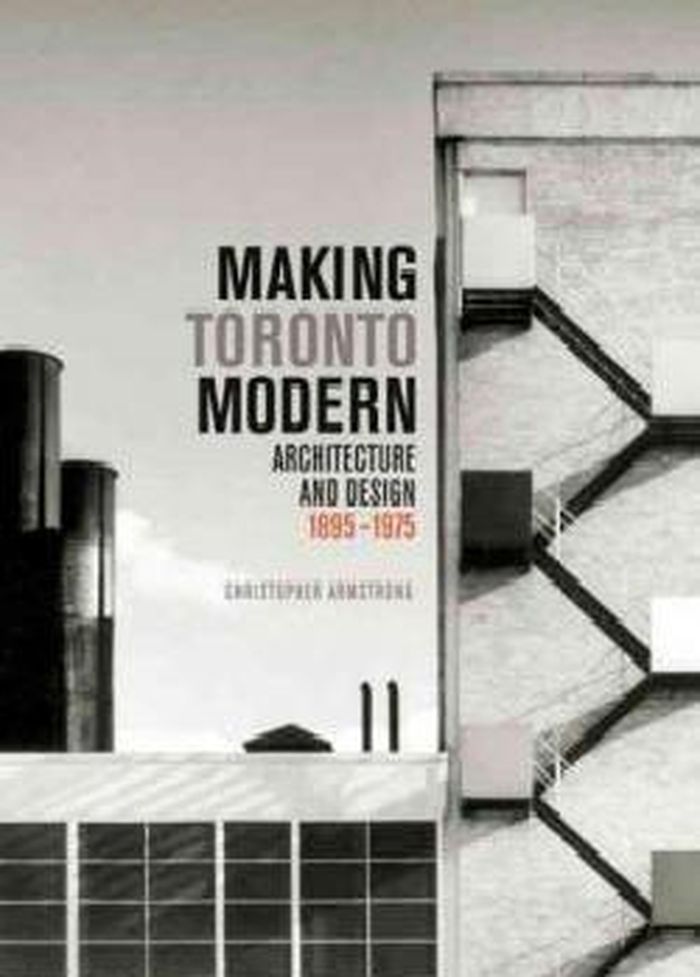
Making Toronto modern: architecture and design 1895-1975
Actions:
Prix:
$60.00
(disponible sur commande)
Résumé:
The book profiles major public buildings, university commissions, commercial buildings, and a range of residential architecture - from the homes of the city's richest businessmen in the early twentieth century to modernist works such as the Betel, Horne, and Fraser residences sixty years later. Extensively illustrated with period photographs, many previously unpublished, this broad overview fills a major gap in Toronto's architectural history.
Making Toronto modern: architecture and design 1895-1975
Actions:
Prix:
$60.00
(disponible sur commande)
Résumé:
The book profiles major public buildings, university commissions, commercial buildings, and a range of residential architecture - from the homes of the city's richest businessmen in the early twentieth century to modernist works such as the Betel, Horne, and Fraser residences sixty years later. Extensively illustrated with period photographs, many previously unpublished, this broad overview fills a major gap in Toronto's architectural history.
Classification:
livres
livres
Publication:
mai 2014
mai 2014
Sujet:
Architecture du Canada
Architecture du Canada
Classification:
livres
livres
Prix:
$128.95
(disponible sur commande)
Résumé:
The Missed Encounter of Radical Philosophy with Architecture brings together a respected team of philosophers and architecture scholars to ask what impact architecture has over today's culture and society. For three decades critical philosophy has been in discourse with architecture. Yet following the recent radical turn in contemporary philosophy, architecture's role in(...)
$128.95
(disponible sur commande)
Résumé:
The Missed Encounter of Radical Philosophy with Architecture brings together a respected team of philosophers and architecture scholars to ask what impact architecture has over today's culture and society. For three decades critical philosophy has been in discourse with architecture. Yet following the recent radical turn in contemporary philosophy, architecture's role in(...)
Titre:
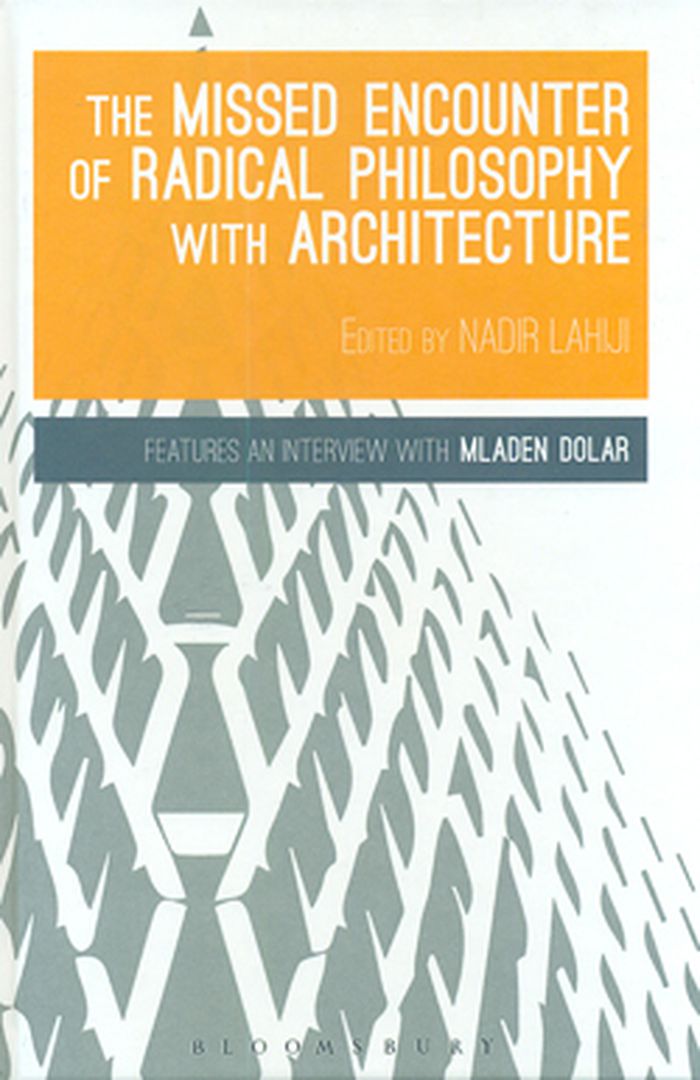
The missed encounter of radical philosophy with architecture
Actions:
Prix:
$128.95
(disponible sur commande)
Résumé:
The Missed Encounter of Radical Philosophy with Architecture brings together a respected team of philosophers and architecture scholars to ask what impact architecture has over today's culture and society. For three decades critical philosophy has been in discourse with architecture. Yet following the recent radical turn in contemporary philosophy, architecture's role in contemporary culture is rarely addressed. In turn, the architecture discourse in academia has remained ignorant of recent developments in radical philosophy. Providing the first platform for a debate between critics, architects and radical philosophers, this unique collection unties these two schools of thought. Contributors reason for or against the claim of the "missed encounter" between architecture and radical philosophy.
The missed encounter of radical philosophy with architecture
Actions:
Prix:
$128.95
(disponible sur commande)
Résumé:
The Missed Encounter of Radical Philosophy with Architecture brings together a respected team of philosophers and architecture scholars to ask what impact architecture has over today's culture and society. For three decades critical philosophy has been in discourse with architecture. Yet following the recent radical turn in contemporary philosophy, architecture's role in contemporary culture is rarely addressed. In turn, the architecture discourse in academia has remained ignorant of recent developments in radical philosophy. Providing the first platform for a debate between critics, architects and radical philosophers, this unique collection unties these two schools of thought. Contributors reason for or against the claim of the "missed encounter" between architecture and radical philosophy.
Classification:
livres
livres
Publication:
juin 2014
juin 2014
Sujet:
Théorie de l’architecture
Théorie de l’architecture
Classification:
livres
livres
Prix:
$31.25
(disponible sur commande)
Résumé:
This book illustrates how the media have continued to use the city as a space in which to inscribe and assert their power. With a unique focus on corporate headquarters as embodiments of the values of the press and as signposts for understanding media culture, Media Capital demonstrates the mutually supporting relationship between the media and urban space.
$31.25
(disponible sur commande)
Résumé:
This book illustrates how the media have continued to use the city as a space in which to inscribe and assert their power. With a unique focus on corporate headquarters as embodiments of the values of the press and as signposts for understanding media culture, Media Capital demonstrates the mutually supporting relationship between the media and urban space.
Titre:
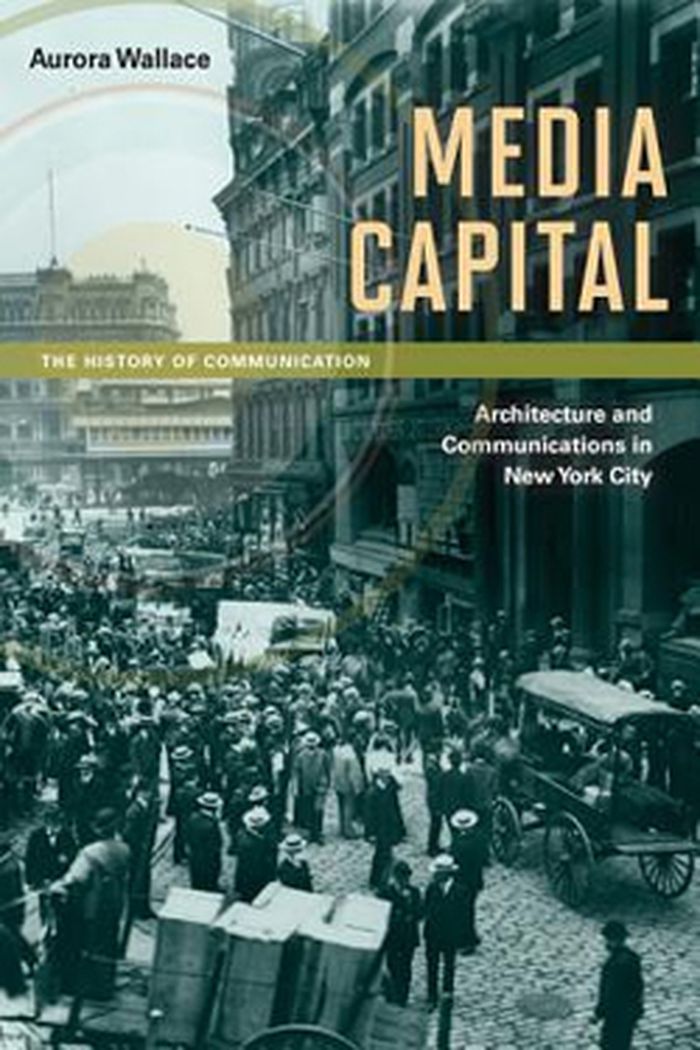
Media capital : architecture and communications in New York city
Actions:
Prix:
$31.25
(disponible sur commande)
Résumé:
This book illustrates how the media have continued to use the city as a space in which to inscribe and assert their power. With a unique focus on corporate headquarters as embodiments of the values of the press and as signposts for understanding media culture, Media Capital demonstrates the mutually supporting relationship between the media and urban space.
Media capital : architecture and communications in New York city
Actions:
Prix:
$31.25
(disponible sur commande)
Résumé:
This book illustrates how the media have continued to use the city as a space in which to inscribe and assert their power. With a unique focus on corporate headquarters as embodiments of the values of the press and as signposts for understanding media culture, Media Capital demonstrates the mutually supporting relationship between the media and urban space.
Classification:
livres
livres
Publication:
février 2012
février 2012
Sujet:
Théorie de l’architecture
Théorie de l’architecture
Classification:
livres
livres
Prix:
$39.95
(disponible sur commande)
Résumé:
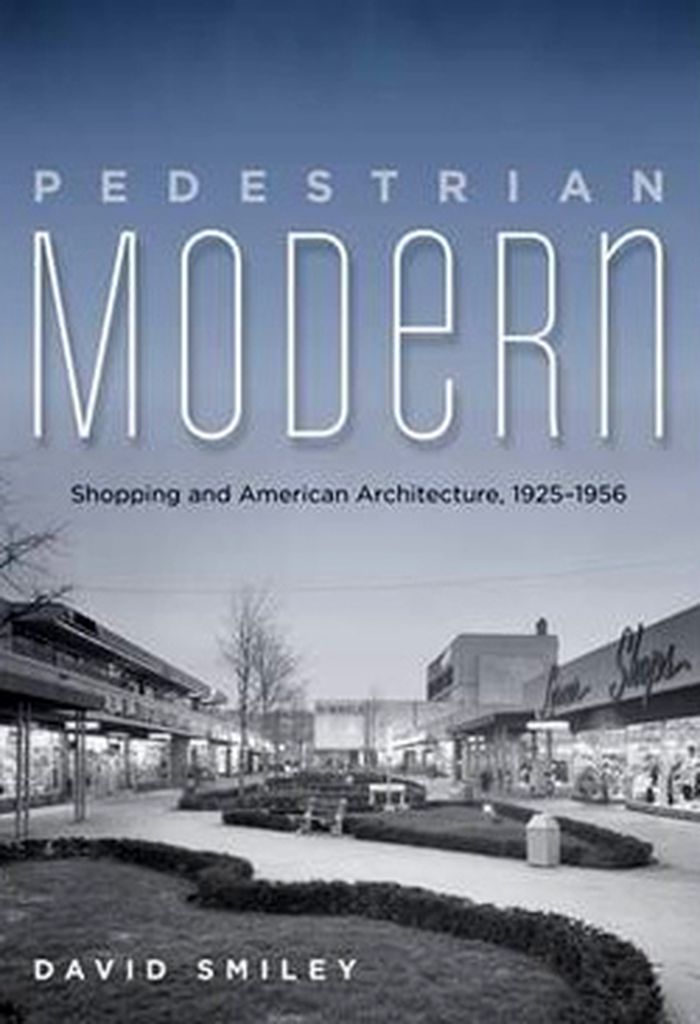
Tracing the history of architecture’s relationship with retail environments during a time of significant transformation in urban centers and in open suburban landscapes, Smiley expands and qualifies the making of American modernism.
$39.95
(disponible sur commande)
Résumé:
Tracing the history of architecture’s relationship with retail environments during a time of significant transformation in urban centers and in open suburban landscapes, Smiley expands and qualifies the making of American modernism.
Titre:
Pedestrian modern: shopping and american architecture, 1925-1956
Actions:
Prix:
$39.95
(disponible sur commande)
Résumé:
Tracing the history of architecture’s relationship with retail environments during a time of significant transformation in urban centers and in open suburban landscapes, Smiley expands and qualifies the making of American modernism.
Pedestrian modern: shopping and american architecture, 1925-1956
Actions:
Prix:
$39.95
(disponible sur commande)
Résumé:
Tracing the history of architecture’s relationship with retail environments during a time of significant transformation in urban centers and in open suburban landscapes, Smiley expands and qualifies the making of American modernism.
Classification:
livres
livres
Publication:
juillet 2013
juillet 2013
Sujet:
Théorie de l’architecture
Théorie de l’architecture
Classification:
livres
livres
Actions:
Prix:
$65.00
(disponible sur commande)
Résumé:
A comprehensive overview of Southern California’s most experimental architecture, showcasing the highly expressive work of famed architects such as Frank Gehry and Thom Mayne, as well as the best of the new guard. This is the first critical examination and history of what was first identified as the "L.A. School" in the 1990s, which has influenced much of American(...)
$65.00
(disponible sur commande)
Résumé:
A comprehensive overview of Southern California’s most experimental architecture, showcasing the highly expressive work of famed architects such as Frank Gehry and Thom Mayne, as well as the best of the new guard. This is the first critical examination and history of what was first identified as the "L.A. School" in the 1990s, which has influenced much of American(...)
Titre:
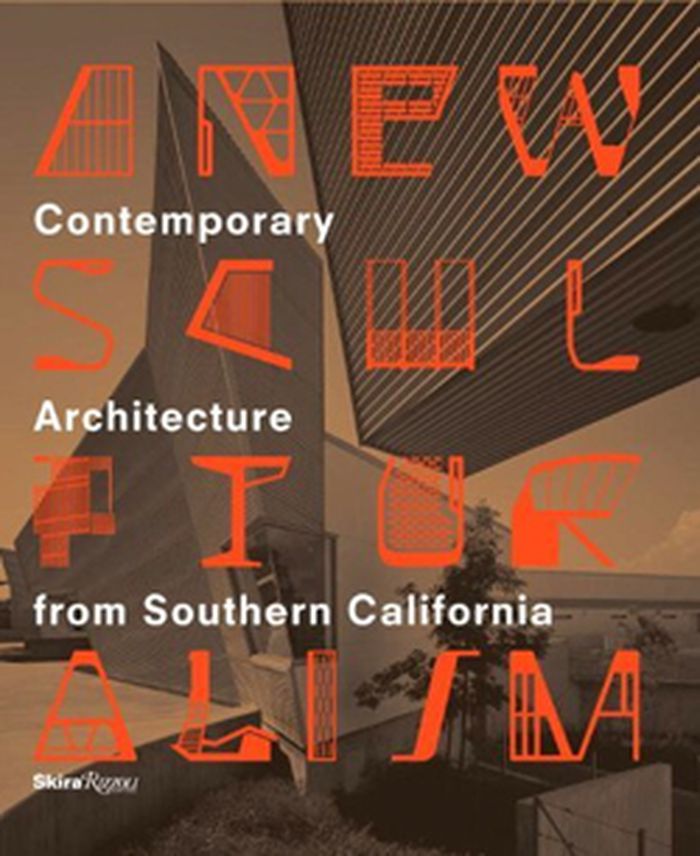
A new sculpturalism: contemporary architecture from southern California
Actions:
Prix:
$65.00
(disponible sur commande)
Résumé:
A comprehensive overview of Southern California’s most experimental architecture, showcasing the highly expressive work of famed architects such as Frank Gehry and Thom Mayne, as well as the best of the new guard. This is the first critical examination and history of what was first identified as the "L.A. School" in the 1990s, which has influenced much of American architecture in the last twenty-five years. This expansive new book examines contemporary Southern California architecture from 1987 to the present, exploring its experimental nature, sculptural tendency, and exciting evolution. This volume complements a major exhibition at the Museum of Contemporary Art, Los Angeles, and is part of the Getty Research Institute exhibition initiative "Los Angeles Architecture, 1940–1990." Contributions by leading architectural historians coupled with an impressive collection of images present recent works in terms of sculpturalism and urbanism, and consider the impact of the history and environment of Los Angeles, as well as the creative and working processes.
A new sculpturalism: contemporary architecture from southern California
Actions:
Prix:
$65.00
(disponible sur commande)
Résumé:
A comprehensive overview of Southern California’s most experimental architecture, showcasing the highly expressive work of famed architects such as Frank Gehry and Thom Mayne, as well as the best of the new guard. This is the first critical examination and history of what was first identified as the "L.A. School" in the 1990s, which has influenced much of American architecture in the last twenty-five years. This expansive new book examines contemporary Southern California architecture from 1987 to the present, exploring its experimental nature, sculptural tendency, and exciting evolution. This volume complements a major exhibition at the Museum of Contemporary Art, Los Angeles, and is part of the Getty Research Institute exhibition initiative "Los Angeles Architecture, 1940–1990." Contributions by leading architectural historians coupled with an impressive collection of images present recent works in terms of sculpturalism and urbanism, and consider the impact of the history and environment of Los Angeles, as well as the creative and working processes.
Classification:
livres
livres
Publication:
mai 2013
mai 2013
Sujet:
Architecture contemporaine
Architecture contemporaine


