


12071 Résultats
Classification:
livres
livres
Prix:
$62.00
(disponible sur commande)
Résumé:
This book presents an essential selection from the portfolio of Emilio Duhart H. (1917-2006), a pivotal figure in Chilean architecture. Interweaving episodes from his life and work with the expansion of the modern movement as a global phenomenon, this chronicle places Duhart at the center of an ongoing dialogue between the universal precepts of modernism and the(...)
$62.00
(disponible sur commande)
Résumé:
This book presents an essential selection from the portfolio of Emilio Duhart H. (1917-2006), a pivotal figure in Chilean architecture. Interweaving episodes from his life and work with the expansion of the modern movement as a global phenomenon, this chronicle places Duhart at the center of an ongoing dialogue between the universal precepts of modernism and the(...)
Titre:
Re-imagining modern architecture: Emilio Duhart, 1940-1970
Actions:
Prix:
$62.00
(disponible sur commande)
Résumé:
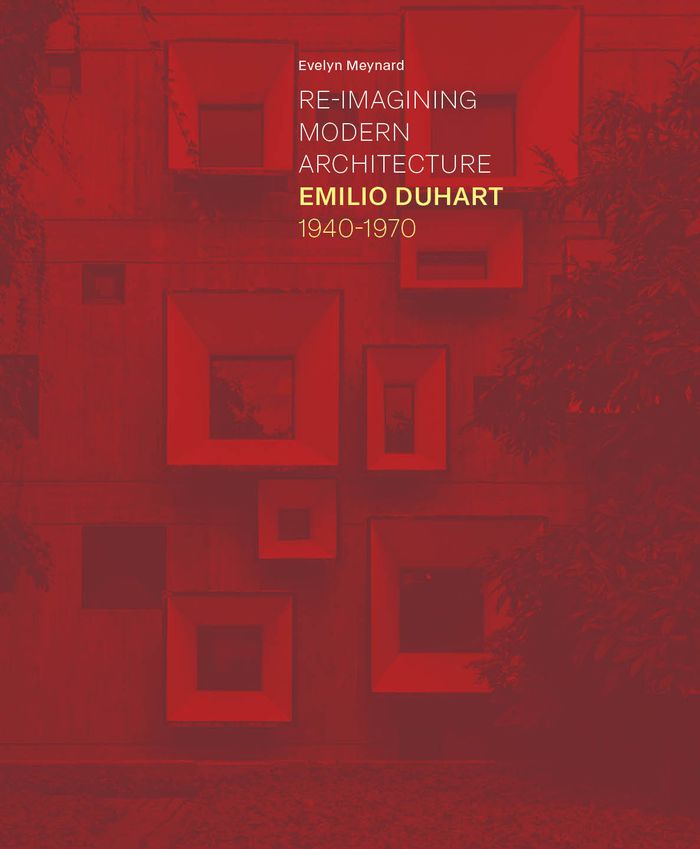
This book presents an essential selection from the portfolio of Emilio Duhart H. (1917-2006), a pivotal figure in Chilean architecture. Interweaving episodes from his life and work with the expansion of the modern movement as a global phenomenon, this chronicle places Duhart at the center of an ongoing dialogue between the universal precepts of modernism and the specificities of the Chilean cultural landscape. From his early contact with Walter Gropius in the 1940s to his collaboration with Le Corbusier in the 1950s, Duhart crafted an architectural narrative that not only adopted the ideas of modernism but transformed them, translating them into a language deeply tied to the local circumstances. Duhart’s personal and professional trajectory offers a fascinating perspective for understanding the global expansion of modern architecture, exploring themes central to its dissemination, such as migration, education, social class, housing, and urban challenges. In this light, his life and work are presented as a matrix rich in connections, capable of dialogue with other emblematic cases worldwide.
Re-imagining modern architecture: Emilio Duhart, 1940-1970
Actions:
Prix:
$62.00
(disponible sur commande)
Résumé:
This book presents an essential selection from the portfolio of Emilio Duhart H. (1917-2006), a pivotal figure in Chilean architecture. Interweaving episodes from his life and work with the expansion of the modern movement as a global phenomenon, this chronicle places Duhart at the center of an ongoing dialogue between the universal precepts of modernism and the specificities of the Chilean cultural landscape. From his early contact with Walter Gropius in the 1940s to his collaboration with Le Corbusier in the 1950s, Duhart crafted an architectural narrative that not only adopted the ideas of modernism but transformed them, translating them into a language deeply tied to the local circumstances. Duhart’s personal and professional trajectory offers a fascinating perspective for understanding the global expansion of modern architecture, exploring themes central to its dissemination, such as migration, education, social class, housing, and urban challenges. In this light, his life and work are presented as a matrix rich in connections, capable of dialogue with other emblematic cases worldwide.
Classification:
livres
livres
Publication:
septembre 2025
septembre 2025
Sujet:
Architecture, monographies
Architecture, monographies
Classification:
livres
livres
Prix:
$134.95
(disponible sur commande)
Résumé:
The Austrian architect-artist Hans Hollein was appointed in 1972 to design a new museum for the post-industrial city of Mönchengladbach in West Germany which transformed it into a centre for contemporary art. This book reveals the full story of this innovative masterpiece. Opening in 1982, Museum Abteiberg was instantly lauded by international critics and Hollein was duly(...)
$134.95
(disponible sur commande)
Résumé:
The Austrian architect-artist Hans Hollein was appointed in 1972 to design a new museum for the post-industrial city of Mönchengladbach in West Germany which transformed it into a centre for contemporary art. This book reveals the full story of this innovative masterpiece. Opening in 1982, Museum Abteiberg was instantly lauded by international critics and Hollein was duly(...)
Titre:
Hans Hollein's Masterpiece: Art, architecture and the city
Actions:
Prix:
$134.95
(disponible sur commande)
Résumé:
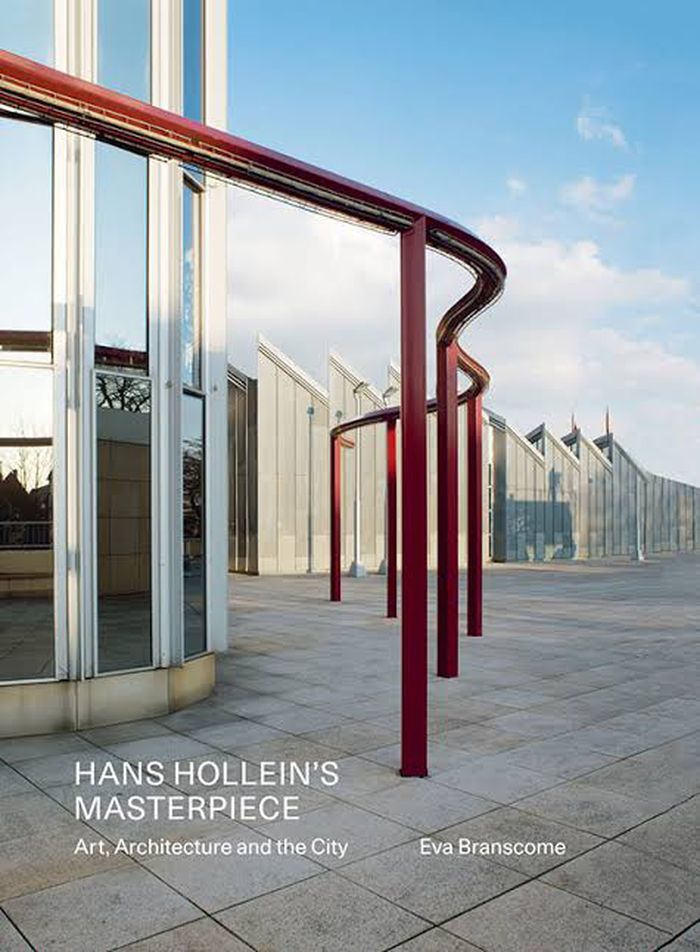
The Austrian architect-artist Hans Hollein was appointed in 1972 to design a new museum for the post-industrial city of Mönchengladbach in West Germany which transformed it into a centre for contemporary art. This book reveals the full story of this innovative masterpiece. Opening in 1982, Museum Abteiberg was instantly lauded by international critics and Hollein was duly awarded the 1985 Pritzker Prize. The book provides a timely and comprehensive reappraisal of the museum from concept, through the design process to its completion. It explains that Hollein was at his core a conceptual artist, perceiving the museum as provocative land art, with an architectural collage as exterior and a labyrinthine, ‘'democratic'’ interior, designed around the collection. It features a triptych of characters - Hollein, director Johannes Cladders and artist Joseph Beuys – whose close collaboration resulted in a museum which transformed thinking about how art, architecture and context – historical, cultural and geographical - should all relate. Radical at the time, many of the ideas that they first realised in this building have now become the norm in museum practice. Broader than a simple building study, this is a story which not only connects art with architecture and with the city, but with finance, corporate power and capital investment.
Hans Hollein's Masterpiece: Art, architecture and the city
Actions:
Prix:
$134.95
(disponible sur commande)
Résumé:
The Austrian architect-artist Hans Hollein was appointed in 1972 to design a new museum for the post-industrial city of Mönchengladbach in West Germany which transformed it into a centre for contemporary art. This book reveals the full story of this innovative masterpiece. Opening in 1982, Museum Abteiberg was instantly lauded by international critics and Hollein was duly awarded the 1985 Pritzker Prize. The book provides a timely and comprehensive reappraisal of the museum from concept, through the design process to its completion. It explains that Hollein was at his core a conceptual artist, perceiving the museum as provocative land art, with an architectural collage as exterior and a labyrinthine, ‘'democratic'’ interior, designed around the collection. It features a triptych of characters - Hollein, director Johannes Cladders and artist Joseph Beuys – whose close collaboration resulted in a museum which transformed thinking about how art, architecture and context – historical, cultural and geographical - should all relate. Radical at the time, many of the ideas that they first realised in this building have now become the norm in museum practice. Broader than a simple building study, this is a story which not only connects art with architecture and with the city, but with finance, corporate power and capital investment.
Classification:
livres
livres
Publication:
novembre 2025
novembre 2025
Sujet:
Architecture, monographies
Architecture, monographies
Classification:
livres
livres
Actions:
Prix:
$21.50
(disponible sur commande)
Résumé:
Digital Ground is an architect's response to the design challenge posed by pervasive computing. One century into the electronic age, people have become accustomed to interacting indirectly, mediated through networks. But now as digital technology becomes invisibly embedded in everyday things, even more activities become mediated, and networks extend rather than replace(...)
$21.50
(disponible sur commande)
Résumé:
Digital Ground is an architect's response to the design challenge posed by pervasive computing. One century into the electronic age, people have become accustomed to interacting indirectly, mediated through networks. But now as digital technology becomes invisibly embedded in everyday things, even more activities become mediated, and networks extend rather than replace(...)
Titre:
Digital ground : architecture, pervasive computing, and environmental knowing
Actions:
Prix:
$21.50
(disponible sur commande)
Résumé:
Digital Ground is an architect's response to the design challenge posed by pervasive computing. One century into the electronic age, people have become accustomed to interacting indirectly, mediated through networks. But now as digital technology becomes invisibly embedded in everyday things, even more activities become mediated, and networks extend rather than replace architecture. The young field of interaction design reflects not only how people deal with machine interfaces but also how people deal with each other in situations where interactivity has become ambient. It shifts previously utilitarian digital design concerns to a cultural level, adding notions of premise, appropriateness, and appreciation. Malcolm McCullough offers an account of the intersections of architecture and interaction design, arguing that the ubiquitous technology does not obviate the human need for place. His concept of "digital ground" expresses an alternative to anytime-anyplace sameness in computing; he shows that context not only shapes usability but ideally becomes the subject matter of interaction design and that "environmental knowing" is a process that technology may serve and not erode. Drawing on arguments from architecture, psychology, software engineering, and geography, writing for practicing interaction designers, pervasive computing researchers, architects, and the general reader on digital culture, McCullough gives us a theory of place for interaction design. Part I, "Expectations," explores our technological predispositions -- many of which ("situated interactions") arise from our embodiment in architectural settings. Part II, "Technologies," discusses hardware, software, and applications, including embedded technology ("bashing the desktop"), and building technology genres around life situations. Part III, "Practices," argues for design as a liberal art, seeing interactivity as a cultural -- not only technological -- challenge and a practical notion of place as essential. Part IV, "Epilogue," acknowledges the epochal changes occurring today, and argues for the role of "digital ground" in the necessary adaptation.
Digital ground : architecture, pervasive computing, and environmental knowing
Actions:
Prix:
$21.50
(disponible sur commande)
Résumé:
Digital Ground is an architect's response to the design challenge posed by pervasive computing. One century into the electronic age, people have become accustomed to interacting indirectly, mediated through networks. But now as digital technology becomes invisibly embedded in everyday things, even more activities become mediated, and networks extend rather than replace architecture. The young field of interaction design reflects not only how people deal with machine interfaces but also how people deal with each other in situations where interactivity has become ambient. It shifts previously utilitarian digital design concerns to a cultural level, adding notions of premise, appropriateness, and appreciation. Malcolm McCullough offers an account of the intersections of architecture and interaction design, arguing that the ubiquitous technology does not obviate the human need for place. His concept of "digital ground" expresses an alternative to anytime-anyplace sameness in computing; he shows that context not only shapes usability but ideally becomes the subject matter of interaction design and that "environmental knowing" is a process that technology may serve and not erode. Drawing on arguments from architecture, psychology, software engineering, and geography, writing for practicing interaction designers, pervasive computing researchers, architects, and the general reader on digital culture, McCullough gives us a theory of place for interaction design. Part I, "Expectations," explores our technological predispositions -- many of which ("situated interactions") arise from our embodiment in architectural settings. Part II, "Technologies," discusses hardware, software, and applications, including embedded technology ("bashing the desktop"), and building technology genres around life situations. Part III, "Practices," argues for design as a liberal art, seeing interactivity as a cultural -- not only technological -- challenge and a practical notion of place as essential. Part IV, "Epilogue," acknowledges the epochal changes occurring today, and argues for the role of "digital ground" in the necessary adaptation.
Classification:
livres
livres
Publication:
octobre 2005, Cambridge
octobre 2005, Cambridge
Sujet:
Théorie de l’architecture
Théorie de l’architecture
Classification:
livres
livres
Prix:
$105.00
(disponible sur commande)
Résumé:
Richard Neutra's work, his life experience, and his search for modern architecture coincided neatly with the lifespan of the modern movement. He experienced the buoyant struggles of the movement's early years, the heady triumph of its mid-century ascendancy, and the critique it faced in the 1960s and 1970s. His reputation enjoyed a resurgence that was hard to predict(...)
$105.00
(disponible sur commande)
Résumé:
Richard Neutra's work, his life experience, and his search for modern architecture coincided neatly with the lifespan of the modern movement. He experienced the buoyant struggles of the movement's early years, the heady triumph of its mid-century ascendancy, and the critique it faced in the 1960s and 1970s. His reputation enjoyed a resurgence that was hard to predict(...)
Titre:
Richard Neutra and the search for modern architecture
Actions:
Prix:
$105.00
(disponible sur commande)
Résumé:
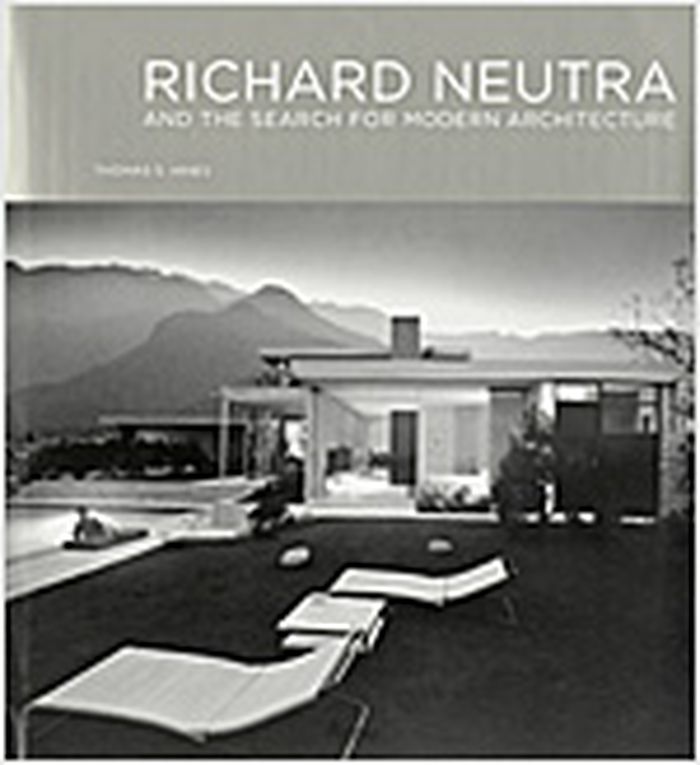
Richard Neutra's work, his life experience, and his search for modern architecture coincided neatly with the lifespan of the modern movement. He experienced the buoyant struggles of the movement's early years, the heady triumph of its mid-century ascendancy, and the critique it faced in the 1960s and 1970s. His reputation enjoyed a resurgence that was hard to predict when "Richard Neutra and the search for modern architecture" was first published over twenty years ago. In his seminal critical biography of this modernist master, Thomas S. Hines explores the efforts of Neutra and his modernist contemporaries to find the forms that would be most expressive of the twentieth century. In researching this classic of architectural scholarship, Hines enjoyed unparalleled access to the Neutra archives. Its collection of outstanding black-and-white photography includes a remarkable cache of photographs taken by Julius Shulman-the undisputed master of twentieth-century architectural photography-whose work is beautifully featured here. This revised edition of Richard Neutra includes a new introduction by the author.
Richard Neutra and the search for modern architecture
Actions:
Prix:
$105.00
(disponible sur commande)
Résumé:
Richard Neutra's work, his life experience, and his search for modern architecture coincided neatly with the lifespan of the modern movement. He experienced the buoyant struggles of the movement's early years, the heady triumph of its mid-century ascendancy, and the critique it faced in the 1960s and 1970s. His reputation enjoyed a resurgence that was hard to predict when "Richard Neutra and the search for modern architecture" was first published over twenty years ago. In his seminal critical biography of this modernist master, Thomas S. Hines explores the efforts of Neutra and his modernist contemporaries to find the forms that would be most expressive of the twentieth century. In researching this classic of architectural scholarship, Hines enjoyed unparalleled access to the Neutra archives. Its collection of outstanding black-and-white photography includes a remarkable cache of photographs taken by Julius Shulman-the undisputed master of twentieth-century architectural photography-whose work is beautifully featured here. This revised edition of Richard Neutra includes a new introduction by the author.
Classification:
livres
livres
Publication:
février 2006, New York
février 2006, New York
Sujet:
Architecture, monographies
Architecture, monographies
Classification:
livres
livres
Actions:
Prix:
$31.50
(disponible sur commande)
Résumé:
In "Enduring innocence", Keller Easterling tells the stories of outlaw "spatial products"- resorts, information technology campuses, retail chains, golf courses, ports, and other hybrid spaces that exist outside normal constituencies and jurisdictions-in difficult political situations around the world. These spaces-familiar commercial formulas of retail, business, and(...)
$31.50
(disponible sur commande)
Résumé:
In "Enduring innocence", Keller Easterling tells the stories of outlaw "spatial products"- resorts, information technology campuses, retail chains, golf courses, ports, and other hybrid spaces that exist outside normal constituencies and jurisdictions-in difficult political situations around the world. These spaces-familiar commercial formulas of retail, business, and(...)
Sujet:
Théorie de l’architecture
Théorie de l’architecture
Publication:
janvier 1900, Cambridge, London
janvier 1900, Cambridge, London
Titre:
Enduring innocence : global architecture and its political masquerades
Actions:
Prix:
$31.50
(disponible sur commande)
Résumé:
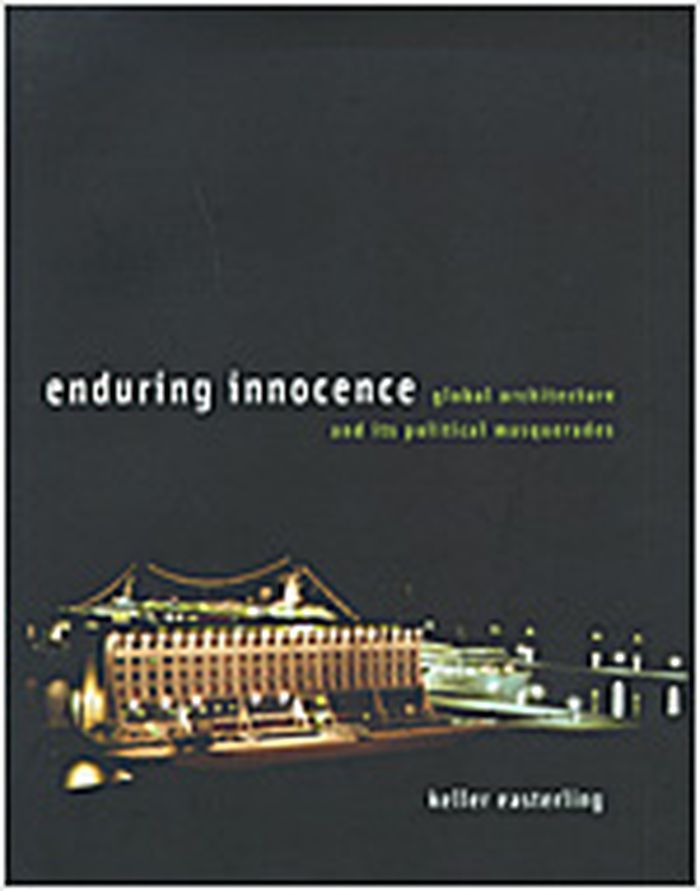
In "Enduring innocence", Keller Easterling tells the stories of outlaw "spatial products"- resorts, information technology campuses, retail chains, golf courses, ports, and other hybrid spaces that exist outside normal constituencies and jurisdictions-in difficult political situations around the world. These spaces-familiar commercial formulas of retail, business, and trade-aspire to be worlds unto themselves, self-reflexive and innocent of politics. But as Easterling shows, in reality these enclaves can become political pawns and objects of contention. Jurisdictionally ambiguous, they are imbued with myths, desires, and symbolic capital. Their hilarious and dangerous masquerades often mix quite easily with the cunning of political platforms. Easterling argues that the study of such "real estate cocktails" provides vivid evidence of the market's weakness, resilience, or violence. "Enduring innocence" collects six stories of spatial products and their political predicaments: cruise ship tourism in North Korea; high-tech agricultural formations in Spain (which have reignited labor wars and piracy in the Mediterranean); hyperbolic forms of sovereignty in commercial and spiritual organizations shared by gurus and golf celebrities; automated global ports; microwave urbanism in South Asian IT enclaves; and a global industry of building demolition that suggests urban warfare. These regimes of nonnational sovereignty, writes Easterling, "move around the world like weather fronts"; she focuses not on their blending- their global connectivity-but on their segregation and the cultural collisions that ensue. "Enduring innocence" resists the dream of one globally legible world found in many architectural discourses on globalization. Instead, Easterling's consideration of these segregated worlds provides new tools for practitioners sensitive to the political composition of urban landscapes.
Enduring innocence : global architecture and its political masquerades
Actions:
Prix:
$31.50
(disponible sur commande)
Résumé:
In "Enduring innocence", Keller Easterling tells the stories of outlaw "spatial products"- resorts, information technology campuses, retail chains, golf courses, ports, and other hybrid spaces that exist outside normal constituencies and jurisdictions-in difficult political situations around the world. These spaces-familiar commercial formulas of retail, business, and trade-aspire to be worlds unto themselves, self-reflexive and innocent of politics. But as Easterling shows, in reality these enclaves can become political pawns and objects of contention. Jurisdictionally ambiguous, they are imbued with myths, desires, and symbolic capital. Their hilarious and dangerous masquerades often mix quite easily with the cunning of political platforms. Easterling argues that the study of such "real estate cocktails" provides vivid evidence of the market's weakness, resilience, or violence. "Enduring innocence" collects six stories of spatial products and their political predicaments: cruise ship tourism in North Korea; high-tech agricultural formations in Spain (which have reignited labor wars and piracy in the Mediterranean); hyperbolic forms of sovereignty in commercial and spiritual organizations shared by gurus and golf celebrities; automated global ports; microwave urbanism in South Asian IT enclaves; and a global industry of building demolition that suggests urban warfare. These regimes of nonnational sovereignty, writes Easterling, "move around the world like weather fronts"; she focuses not on their blending- their global connectivity-but on their segregation and the cultural collisions that ensue. "Enduring innocence" resists the dream of one globally legible world found in many architectural discourses on globalization. Instead, Easterling's consideration of these segregated worlds provides new tools for practitioners sensitive to the political composition of urban landscapes.
Classification:
livres
livres
Publication:
janvier 1900, Cambridge, London
janvier 1900, Cambridge, London
Sujet:
Théorie de l’architecture
Théorie de l’architecture
Classification:
livres
livres
Prix:
$67.50
(disponible sur commande)
Résumé:
In today's society architects are subject to the dictates of the free market, the global trend towards privatization and the gradual dismantlement of state institutions and authorities. The pressure to alter their projects to conform to market and popular taste is increasing. Does successful design in today’s world have to correspond to the wishes of the masses? What(...)
$67.50
(disponible sur commande)
Résumé:
In today's society architects are subject to the dictates of the free market, the global trend towards privatization and the gradual dismantlement of state institutions and authorities. The pressure to alter their projects to conform to market and popular taste is increasing. Does successful design in today’s world have to correspond to the wishes of the masses? What(...)
Titre:
What people want : populism in architecture and design
Actions:
Prix:
$67.50
(disponible sur commande)
Résumé:
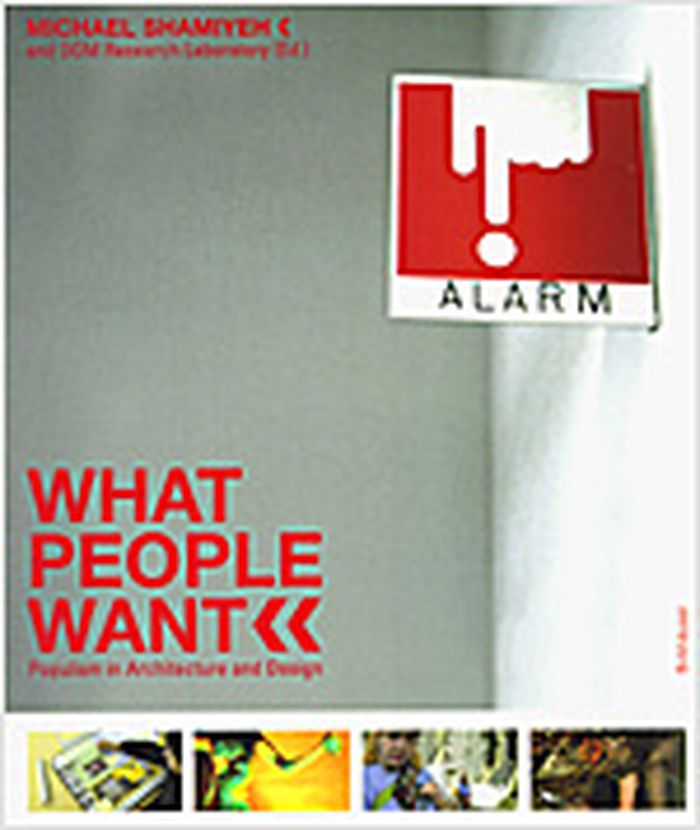
In today's society architects are subject to the dictates of the free market, the global trend towards privatization and the gradual dismantlement of state institutions and authorities. The pressure to alter their projects to conform to market and popular taste is increasing. Does successful design in today’s world have to correspond to the wishes of the masses? What exactly are trends and the expectations of the general public based on? Is design always a response contra popular trends, or can adapting to popular tendencies also generate the potential to create a better living environment? This book, which arose from the last DOM conference in Linz, examines the concept of populism in some 30 expert contributions, gathered into 5 chapters, each beginning with an introductory essay.
What people want : populism in architecture and design
Actions:
Prix:
$67.50
(disponible sur commande)
Résumé:
In today's society architects are subject to the dictates of the free market, the global trend towards privatization and the gradual dismantlement of state institutions and authorities. The pressure to alter their projects to conform to market and popular taste is increasing. Does successful design in today’s world have to correspond to the wishes of the masses? What exactly are trends and the expectations of the general public based on? Is design always a response contra popular trends, or can adapting to popular tendencies also generate the potential to create a better living environment? This book, which arose from the last DOM conference in Linz, examines the concept of populism in some 30 expert contributions, gathered into 5 chapters, each beginning with an introductory essay.
Classification:
livres
livres
Publication:
mai 2005, Basel
mai 2005, Basel
Sujet:
Théorie de l’architecture
Théorie de l’architecture
Classification:
livres
livres
Prix:
$55.00
(disponible sur commande)
Résumé:
The legacy of Canadian architecture grows out of the landscape. Up north, architecture rarely competes with the nature. In Canada, there is an intimacy between architecture and landscape. Original analysis and insights are drawn from the author's extensive experience as national architecture critic and her in-depth interviews with numerous Canadian architects including(...)
$55.00
(disponible sur commande)
Résumé:
The legacy of Canadian architecture grows out of the landscape. Up north, architecture rarely competes with the nature. In Canada, there is an intimacy between architecture and landscape. Original analysis and insights are drawn from the author's extensive experience as national architecture critic and her in-depth interviews with numerous Canadian architects including(...)
Titre:
Up north : where Canada's architecture meets the land
Actions:
Prix:
$55.00
(disponible sur commande)
Résumé:
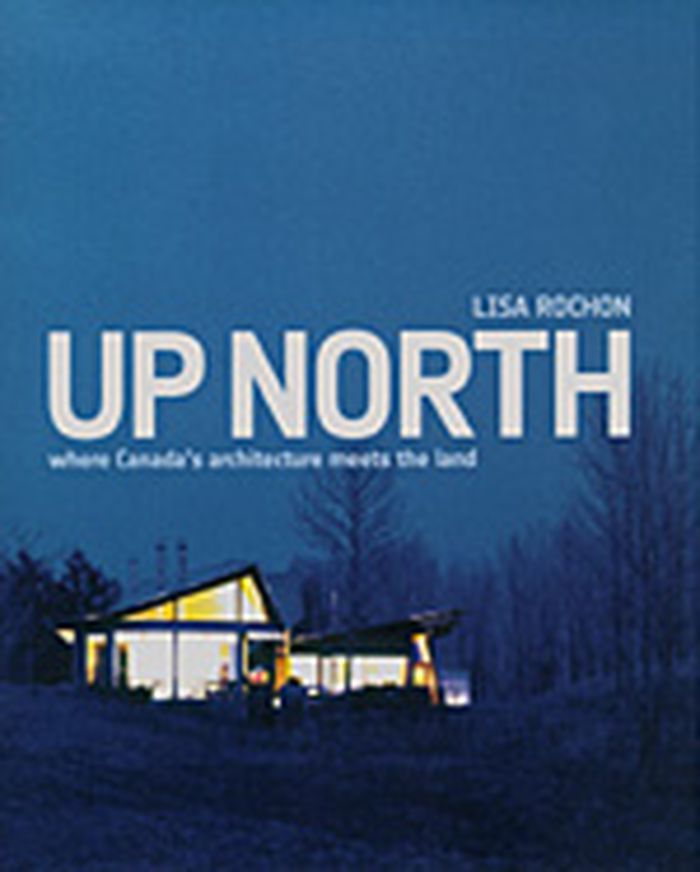
The legacy of Canadian architecture grows out of the landscape. Up north, architecture rarely competes with the nature. In Canada, there is an intimacy between architecture and landscape. Original analysis and insights are drawn from the author's extensive experience as national architecture critic and her in-depth interviews with numerous Canadian architects including Frank Gehry, Eberhard Zeidler, Raymond Moriyama, Bruce Kuwabara, the Patkaus and Shim-Sutcliffe Architects.
Up north : where Canada's architecture meets the land
Actions:
Prix:
$55.00
(disponible sur commande)
Résumé:
The legacy of Canadian architecture grows out of the landscape. Up north, architecture rarely competes with the nature. In Canada, there is an intimacy between architecture and landscape. Original analysis and insights are drawn from the author's extensive experience as national architecture critic and her in-depth interviews with numerous Canadian architects including Frank Gehry, Eberhard Zeidler, Raymond Moriyama, Bruce Kuwabara, the Patkaus and Shim-Sutcliffe Architects.
Classification:
livres
livres
Publication:
octobre 2005, Toronto
octobre 2005, Toronto
Sujet:
Architecture du Canada
Architecture du Canada
Classification:
livres
livres
Prix:
$45.00
(disponible sur commande)
Résumé:
Those familiar with Nova Scotia understand the austere beauty of this Canadian landscape, with its wide open skies and rugged terrain pushing up against the Atlantic. MacKay-Lyons's work responds to this unique topography and to the vernacular building traditions that define its communities. His houses, commercial buildings, and public projects combine regional forms with(...)
$45.00
(disponible sur commande)
Résumé:
Those familiar with Nova Scotia understand the austere beauty of this Canadian landscape, with its wide open skies and rugged terrain pushing up against the Atlantic. MacKay-Lyons's work responds to this unique topography and to the vernacular building traditions that define its communities. His houses, commercial buildings, and public projects combine regional forms with(...)
Titre:
Plain Modern : the architecture of Brian MacKay-Lyons
Actions:
Prix:
$45.00
(disponible sur commande)
Résumé:
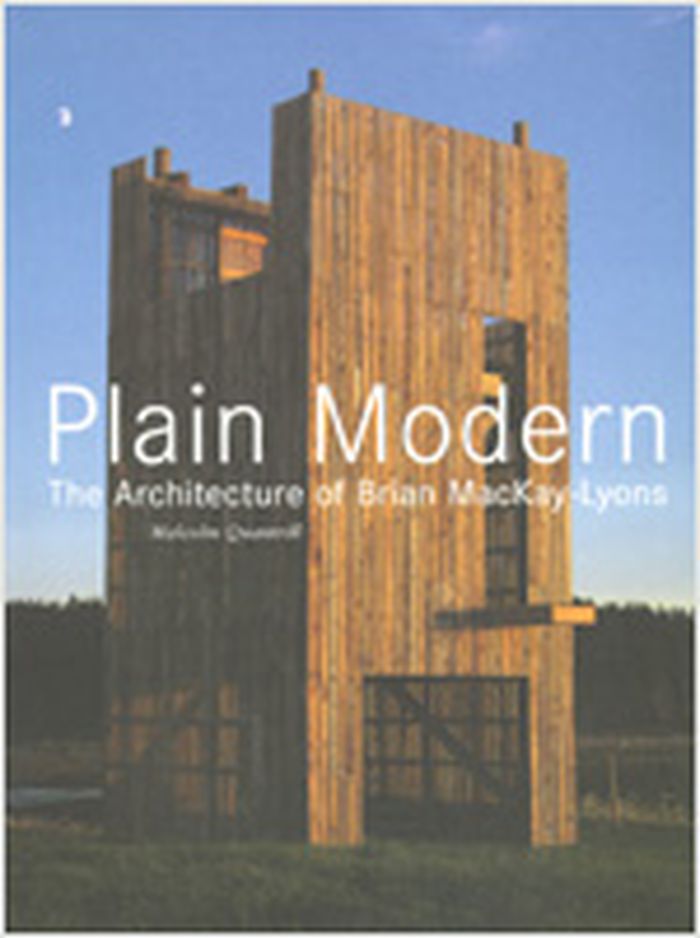
Those familiar with Nova Scotia understand the austere beauty of this Canadian landscape, with its wide open skies and rugged terrain pushing up against the Atlantic. MacKay-Lyons's work responds to this unique topography and to the vernacular building traditions that define its communities. His houses, commercial buildings, and public projects combine regional forms with local materials, technologies, and building practices to create works that are linked to their environments right down to their DNA. Peaked gables, shed roofs, and sliding doors are inspired by local barn types; corrugated metal cladding comes from the buildings used by the area's fishing industry; structural wooden frames are based on local ship-building traditions. These elements communicate a sense of place that is sophisticated, accessible, and free of sentimentality. Novelist and historian Malcolm Quantrill weaves together an intimate portrait of MacKay-Lyons and his work, elucidating the "peculiar regionality" of his subject's architecture.
Plain Modern : the architecture of Brian MacKay-Lyons
Actions:
Prix:
$45.00
(disponible sur commande)
Résumé:
Those familiar with Nova Scotia understand the austere beauty of this Canadian landscape, with its wide open skies and rugged terrain pushing up against the Atlantic. MacKay-Lyons's work responds to this unique topography and to the vernacular building traditions that define its communities. His houses, commercial buildings, and public projects combine regional forms with local materials, technologies, and building practices to create works that are linked to their environments right down to their DNA. Peaked gables, shed roofs, and sliding doors are inspired by local barn types; corrugated metal cladding comes from the buildings used by the area's fishing industry; structural wooden frames are based on local ship-building traditions. These elements communicate a sense of place that is sophisticated, accessible, and free of sentimentality. Novelist and historian Malcolm Quantrill weaves together an intimate portrait of MacKay-Lyons and his work, elucidating the "peculiar regionality" of his subject's architecture.
Classification:
livres
livres
Publication:
juillet 2005, New York
juillet 2005, New York
Sujet:
Architecture du Canada
Architecture du Canada
Classification:
livres
livres
Prix:
$60.00
(disponible sur commande)
Résumé:
In the 1950s, the figure of the arrow had a strange kind of ubiquity in architectural drawings, publications, and advertisements, symbolizing everything from the circulation of cold and warm air in a kitchen fridge to the flow of traffic in assorted New Towns. Twenty-five years earlier there were barely any arrows within architectural publications, and 15 years later they(...)
$60.00
(disponible sur commande)
Résumé:
In the 1950s, the figure of the arrow had a strange kind of ubiquity in architectural drawings, publications, and advertisements, symbolizing everything from the circulation of cold and warm air in a kitchen fridge to the flow of traffic in assorted New Towns. Twenty-five years earlier there were barely any arrows within architectural publications, and 15 years later they(...)
Titre:
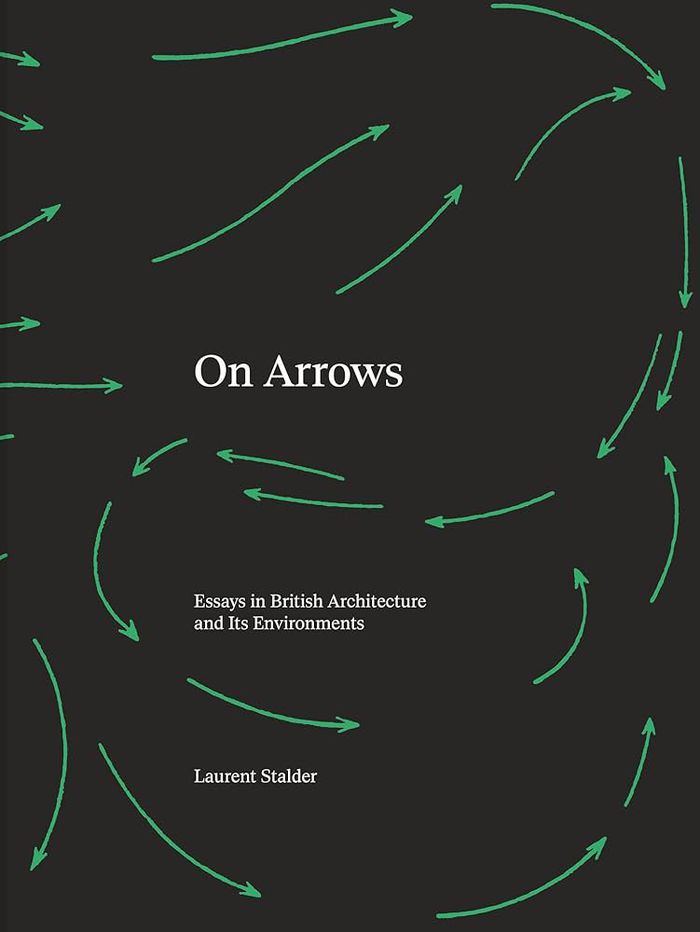
On arrows: Essays in British architecture and its environments
Actions:
Prix:
$60.00
(disponible sur commande)
Résumé:
In the 1950s, the figure of the arrow had a strange kind of ubiquity in architectural drawings, publications, and advertisements, symbolizing everything from the circulation of cold and warm air in a kitchen fridge to the flow of traffic in assorted New Towns. Twenty-five years earlier there were barely any arrows within architectural publications, and 15 years later they had all but disappeared. In ''On Arrows'', Laurent Stalder looks back at the near past to trace the idea of performance in architecture by following this pervasive yet relatively unnoticed figure within the history of British architecture. During its short, intense period of use, the arrow pointed beyond any one singular author, typology, or scale, to the operative dimension of architecture and its environments, working both as an appropriate representational technique and a concrete tool for design. Stalder uses the arrow to move through the different dimensions of performance, mapping out the changing set of constellations that made up postwar British architecture and its environments: the constructive aspects, structural properties, infrastructural innovations, spatial challenges as well as their aesthetic and practical consequences. It is the arrow, he writes, that brings together debates from within different disciplines—from building physics, to sociology, structural design, and historiography, inscribed as they are in the materials, spaces, and buildings that are all too often considered in isolation from one another.
On arrows: Essays in British architecture and its environments
Actions:
Prix:
$60.00
(disponible sur commande)
Résumé:
In the 1950s, the figure of the arrow had a strange kind of ubiquity in architectural drawings, publications, and advertisements, symbolizing everything from the circulation of cold and warm air in a kitchen fridge to the flow of traffic in assorted New Towns. Twenty-five years earlier there were barely any arrows within architectural publications, and 15 years later they had all but disappeared. In ''On Arrows'', Laurent Stalder looks back at the near past to trace the idea of performance in architecture by following this pervasive yet relatively unnoticed figure within the history of British architecture. During its short, intense period of use, the arrow pointed beyond any one singular author, typology, or scale, to the operative dimension of architecture and its environments, working both as an appropriate representational technique and a concrete tool for design. Stalder uses the arrow to move through the different dimensions of performance, mapping out the changing set of constellations that made up postwar British architecture and its environments: the constructive aspects, structural properties, infrastructural innovations, spatial challenges as well as their aesthetic and practical consequences. It is the arrow, he writes, that brings together debates from within different disciplines—from building physics, to sociology, structural design, and historiography, inscribed as they are in the materials, spaces, and buildings that are all too often considered in isolation from one another.
Classification:
livres
livres
Publication:
janvier 2025
janvier 2025
Sujet:
Théorie de l’architecture
Théorie de l’architecture
Classification:
livres
livres

Actions:
Prix:
$134.99
(disponible en magasin)
Résumé:
This book offers the first critical account of Studio Aalto’s religious modern architecture. Aalto’s ecclesiastical oeuvre is viewed as an evocative subgenre of the practice's portfolio, but its relationship to religion has eluded enquiry. Where previously discussed, the longstanding collaboration between Aalto and the Church has been put down to reciprocal expediency,(...)
$134.99
(disponible en magasin)
Résumé:
This book offers the first critical account of Studio Aalto’s religious modern architecture. Aalto’s ecclesiastical oeuvre is viewed as an evocative subgenre of the practice's portfolio, but its relationship to religion has eluded enquiry. Where previously discussed, the longstanding collaboration between Aalto and the Church has been put down to reciprocal expediency,(...)
Titre:
The religious architecture of Alvar, Aino and Elissa
Actions:
Prix:
$134.99
(disponible en magasin)
Résumé:
This book offers the first critical account of Studio Aalto’s religious modern architecture. Aalto’s ecclesiastical oeuvre is viewed as an evocative subgenre of the practice's portfolio, but its relationship to religion has eluded enquiry. Where previously discussed, the longstanding collaboration between Aalto and the Church has been put down to reciprocal expediency, and the buildings perceived as spatially and structurally stirring experiments, yet devoid of religious meanings or implications. The idiosyncratic plasticity of the Church of the Three Crosses (1955–58) in Imatra, Finland—the most famous and architecturally impressive of Aalto’s churches—is cited as ultimate evidence of Aalto’s exploitation of the religious brief for the creation of a ''sculptural irrationality''.
The religious architecture of Alvar, Aino and Elissa
Actions:
Prix:
$134.99
(disponible en magasin)
Résumé:
This book offers the first critical account of Studio Aalto’s religious modern architecture. Aalto’s ecclesiastical oeuvre is viewed as an evocative subgenre of the practice's portfolio, but its relationship to religion has eluded enquiry. Where previously discussed, the longstanding collaboration between Aalto and the Church has been put down to reciprocal expediency, and the buildings perceived as spatially and structurally stirring experiments, yet devoid of religious meanings or implications. The idiosyncratic plasticity of the Church of the Three Crosses (1955–58) in Imatra, Finland—the most famous and architecturally impressive of Aalto’s churches—is cited as ultimate evidence of Aalto’s exploitation of the religious brief for the creation of a ''sculptural irrationality''.
Classification:
livres
livres
Publication:
février 2024
février 2024
Sujet:
Architecture, monographies
Architecture, monographies


