


346 Résultats
Classification:
livres
livres
Actions:
Prix:
$54.95
(disponible sur commande)
Résumé:
The Open Call in Flanders (the Dutch-speaking, northern part of Belgium) is more than just another architecture competition: any governmental agency or public institution can choose to work with an Open Call for any given construction project. Since its invention by the first Flemish Government Architect Bob Van Reeth in 2000, more than 700 assignments have been published(...)
$54.95
(disponible sur commande)
Résumé:
The Open Call in Flanders (the Dutch-speaking, northern part of Belgium) is more than just another architecture competition: any governmental agency or public institution can choose to work with an Open Call for any given construction project. Since its invention by the first Flemish Government Architect Bob Van Reeth in 2000, more than 700 assignments have been published(...)
Publication:
février 2022
février 2022
Titre:
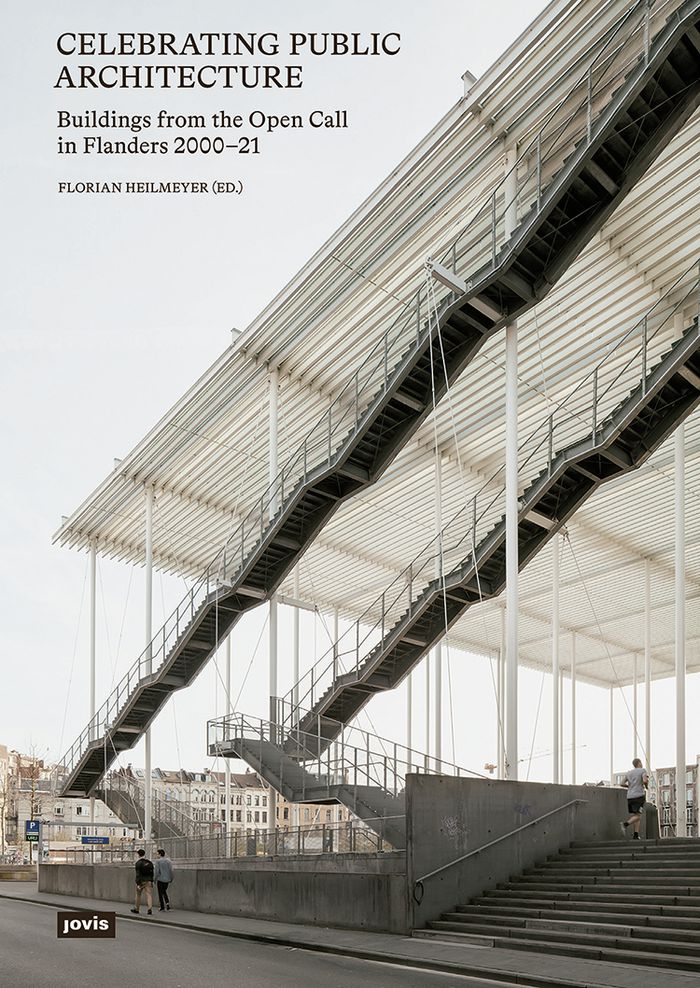
Celebrating public architecture: Buildings from the Open Call in Flanders 2000-2021
Actions:
Prix:
$54.95
(disponible sur commande)
Résumé:
The Open Call in Flanders (the Dutch-speaking, northern part of Belgium) is more than just another architecture competition: any governmental agency or public institution can choose to work with an Open Call for any given construction project. Since its invention by the first Flemish Government Architect Bob Van Reeth in 2000, more than 700 assignments have been published in this procedure, resulting in almost 350 completed public architectural and infrastructural projects so far. This volume compiles 70 of these, from all over Flanders—from its west coast to the Dutch border in the east—to illustrate the astounding quality of these projects. They prove that public architecture can be daring, thought-provoking, cooperative, and well-done at the same time. The book takes an extensive look at how this procedure works, how it is received by architects, politicians, and clients—and ultimately, at the outstanding public architecture in Flanders as an example for other countries to study closely.
Celebrating public architecture: Buildings from the Open Call in Flanders 2000-2021
Actions:
Prix:
$54.95
(disponible sur commande)
Résumé:
The Open Call in Flanders (the Dutch-speaking, northern part of Belgium) is more than just another architecture competition: any governmental agency or public institution can choose to work with an Open Call for any given construction project. Since its invention by the first Flemish Government Architect Bob Van Reeth in 2000, more than 700 assignments have been published in this procedure, resulting in almost 350 completed public architectural and infrastructural projects so far. This volume compiles 70 of these, from all over Flanders—from its west coast to the Dutch border in the east—to illustrate the astounding quality of these projects. They prove that public architecture can be daring, thought-provoking, cooperative, and well-done at the same time. The book takes an extensive look at how this procedure works, how it is received by architects, politicians, and clients—and ultimately, at the outstanding public architecture in Flanders as an example for other countries to study closely.
Classification:
livres
livres
Publication:
février 2022
février 2022
Classification:
livres
livres
Actions:
Prix:
$32.95
(disponible sur commande)
Résumé:
Following Italy's unification in 1861, architects, artists, politicians, and literati engaged in volatile debates over the pursuit of national and regional identity. Growing industrialization and urbanization across the country contrasted with the rediscovery of traditionally built forms and objects created by the agrarian peasantry. Pride in Modesty argues that these(...)
$32.95
(disponible sur commande)
Résumé:
Following Italy's unification in 1861, architects, artists, politicians, and literati engaged in volatile debates over the pursuit of national and regional identity. Growing industrialization and urbanization across the country contrasted with the rediscovery of traditionally built forms and objects created by the agrarian peasantry. Pride in Modesty argues that these(...)
Titre:
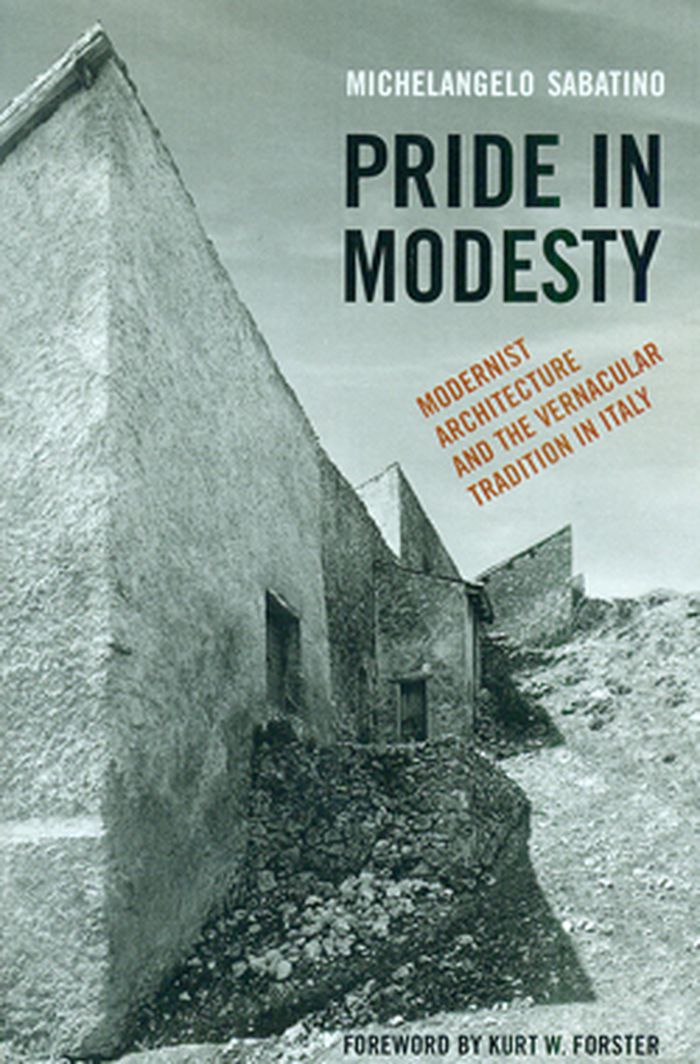
Pride in modesty : modernist architecture and the vernacular tradition in Italy
Actions:
Prix:
$32.95
(disponible sur commande)
Résumé:
Following Italy's unification in 1861, architects, artists, politicians, and literati engaged in volatile debates over the pursuit of national and regional identity. Growing industrialization and urbanization across the country contrasted with the rediscovery of traditionally built forms and objects created by the agrarian peasantry. Pride in Modesty argues that these ordinary, often anonymous, everyday things inspired and transformed Italian art and architecture from the 1920s through the 1970s. Through in-depth examinations of texts, drawings, and buildings, Michelangelo Sabatino finds that the folk traditions of the pre-industrial countryside have provided formal, practical, and poetic inspiration directly affecting both design and construction practices over a period of sixty years and a number of different political regimes. This surprising continuity allows Sabatino to reject the division of Italian history into sharply delimited periods such as Fascist Interwar and Democratic Postwar and to instead emphasize the long, continuous process that transformed pastoral and urban ideals into a new, modernist Italy.
Pride in modesty : modernist architecture and the vernacular tradition in Italy
Actions:
Prix:
$32.95
(disponible sur commande)
Résumé:
Following Italy's unification in 1861, architects, artists, politicians, and literati engaged in volatile debates over the pursuit of national and regional identity. Growing industrialization and urbanization across the country contrasted with the rediscovery of traditionally built forms and objects created by the agrarian peasantry. Pride in Modesty argues that these ordinary, often anonymous, everyday things inspired and transformed Italian art and architecture from the 1920s through the 1970s. Through in-depth examinations of texts, drawings, and buildings, Michelangelo Sabatino finds that the folk traditions of the pre-industrial countryside have provided formal, practical, and poetic inspiration directly affecting both design and construction practices over a period of sixty years and a number of different political regimes. This surprising continuity allows Sabatino to reject the division of Italian history into sharply delimited periods such as Fascist Interwar and Democratic Postwar and to instead emphasize the long, continuous process that transformed pastoral and urban ideals into a new, modernist Italy.
Classification:
livres
livres
Publication:
juin 2011
juin 2011
Sujet:
Théorie de l’architecture
Théorie de l’architecture
Classification:
livres
livres

Prix:
$24.95
(disponible sur commande)
Résumé:
When Guy Debord identified the image consumerism of “the society of the spectacle” in the 1960s, he could not have forecast that language would threaten to eclipse the image in the medium of personal technology, creating a world of ubiquitous legibility. Today, we read anytime and anywhere, on screens of all sizes; we read not only newspaper articles, but also databases,(...)
$24.95
(disponible sur commande)
Résumé:
When Guy Debord identified the image consumerism of “the society of the spectacle” in the 1960s, he could not have forecast that language would threaten to eclipse the image in the medium of personal technology, creating a world of ubiquitous legibility. Today, we read anytime and anywhere, on screens of all sizes; we read not only newspaper articles, but also databases,(...)
Titre:
I read where I am : exploring new information cultures
Actions:
Prix:
$24.95
(disponible sur commande)
Résumé:
When Guy Debord identified the image consumerism of “the society of the spectacle” in the 1960s, he could not have forecast that language would threaten to eclipse the image in the medium of personal technology, creating a world of ubiquitous legibility. Today, we read anytime and anywhere, on screens of all sizes; we read not only newspaper articles, but also databases, online archives, search engine results and navigational structures. We read while out on the street, at home or in the office, with a complete library to hand - but less and less we read a book at home on the couch. In other words, we are, or are becoming, a different kind of reader. I Read Where I Am contains texts about the future of reading and the status of the word in the digital age from designers, philosophers, journalists and politicians, looking at both sides of the argument for printed and digital reading matter.
I read where I am : exploring new information cultures
Actions:
Prix:
$24.95
(disponible sur commande)
Résumé:
When Guy Debord identified the image consumerism of “the society of the spectacle” in the 1960s, he could not have forecast that language would threaten to eclipse the image in the medium of personal technology, creating a world of ubiquitous legibility. Today, we read anytime and anywhere, on screens of all sizes; we read not only newspaper articles, but also databases, online archives, search engine results and navigational structures. We read while out on the street, at home or in the office, with a complete library to hand - but less and less we read a book at home on the couch. In other words, we are, or are becoming, a different kind of reader. I Read Where I Am contains texts about the future of reading and the status of the word in the digital age from designers, philosophers, journalists and politicians, looking at both sides of the argument for printed and digital reading matter.
Classification:
livres
livres
Publication:
septembre 2011
septembre 2011
Sujet:
Épistémologie et réseau
Épistémologie et réseau
Classification:
livres
livres
Actions:
Prix:
$39.00
(disponible sur commande)
Résumé:
Biomilano is a glossary of ideas - a mosaic of pieces put together by combining different ways of investigating and using the city, involving biologists, architects, agronomists, politicians and residents. Ideas, thoughts and urban lifestyle habits initially listed verbally and visually are then put together again differently to form six metropolitan frescoes. In each(...)
$39.00
(disponible sur commande)
Résumé:
Biomilano is a glossary of ideas - a mosaic of pieces put together by combining different ways of investigating and using the city, involving biologists, architects, agronomists, politicians and residents. Ideas, thoughts and urban lifestyle habits initially listed verbally and visually are then put together again differently to form six metropolitan frescoes. In each(...)
Titre:
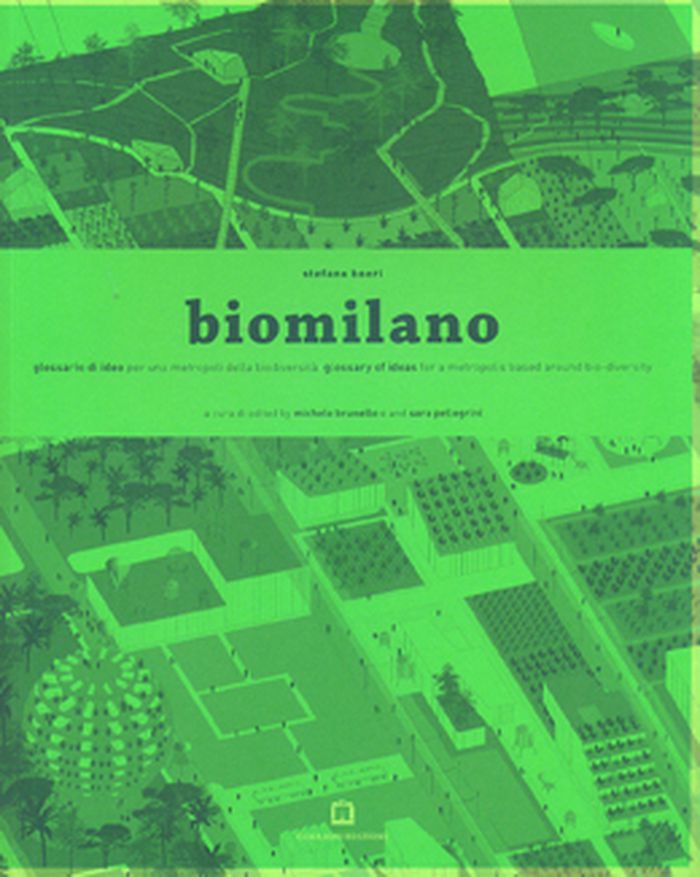
Biomilano: glossary of ideas for a metropolis based around bio-diversity
Actions:
Prix:
$39.00
(disponible sur commande)
Résumé:
Biomilano is a glossary of ideas - a mosaic of pieces put together by combining different ways of investigating and using the city, involving biologists, architects, agronomists, politicians and residents. Ideas, thoughts and urban lifestyle habits initially listed verbally and visually are then put together again differently to form six metropolitan frescoes. In each of which the fragments are regrouped to create a concrete vision of the city’s present and its future. It is only when you take a step back, raise your eyes and continue reading that the overall view becomes clearer and more recognizable: it is the plan of a city that potentially already exists. The book contains detailed illustrations of the six Biomilano projects – the Orto Botanico Planetario for Expo 2015, Metrobosco, Bosco Verticale , Casa Bosco, Cascine, Ruralità Urbane – using a glossary to describe the economic and territorial energies required to achieve a new balance between the urban sphere, rural areas (cultivated forms of nature) and the natural world.
Biomilano: glossary of ideas for a metropolis based around bio-diversity
Actions:
Prix:
$39.00
(disponible sur commande)
Résumé:
Biomilano is a glossary of ideas - a mosaic of pieces put together by combining different ways of investigating and using the city, involving biologists, architects, agronomists, politicians and residents. Ideas, thoughts and urban lifestyle habits initially listed verbally and visually are then put together again differently to form six metropolitan frescoes. In each of which the fragments are regrouped to create a concrete vision of the city’s present and its future. It is only when you take a step back, raise your eyes and continue reading that the overall view becomes clearer and more recognizable: it is the plan of a city that potentially already exists. The book contains detailed illustrations of the six Biomilano projects – the Orto Botanico Planetario for Expo 2015, Metrobosco, Bosco Verticale , Casa Bosco, Cascine, Ruralità Urbane – using a glossary to describe the economic and territorial energies required to achieve a new balance between the urban sphere, rural areas (cultivated forms of nature) and the natural world.
Classification:
livres
livres
Publication:
novembre 2011
novembre 2011
Sujet:
Théorie de l’urbanisme
Théorie de l’urbanisme
Classification:
livres
livres
Actions:
Prix:
$5.95
(disponible sur commande)
Résumé:
In this first English-language edition of Oscar Niemeyer’s memoirs, the architect reveals how his many passions – among them his large family, many friends, the sensuous landscape of Brazil, women, communism, art and literature – have influenced his life and in turn inspired his architecture. Born in Rio de Janeiro, Niemeyer graduated from the National School of Fine Arts(...)
$5.95
(disponible sur commande)
Résumé:
In this first English-language edition of Oscar Niemeyer’s memoirs, the architect reveals how his many passions – among them his large family, many friends, the sensuous landscape of Brazil, women, communism, art and literature – have influenced his life and in turn inspired his architecture. Born in Rio de Janeiro, Niemeyer graduated from the National School of Fine Arts(...)
Titre:
The curves of time : the memoirs of Oscar Niemeyer
Actions:
Prix:
$5.95
(disponible sur commande)
Résumé:
In this first English-language edition of Oscar Niemeyer’s memoirs, the architect reveals how his many passions – among them his large family, many friends, the sensuous landscape of Brazil, women, communism, art and literature – have influenced his life and in turn inspired his architecture. Born in Rio de Janeiro, Niemeyer graduated from the National School of Fine Arts in 1934. As a student he worked in the office of Lucio Costa, and on graduation he began collaborating with Le Corbusier on a new Ministry of Education and Health Building in Rio. Yet in contrast to the International Style, Niemeyer’s curvilinear forms reflected Brazil’s lush, undulating landscape and the emotive style of its music and dance. Here Niemeyer recounts his life in an informal, fluid narrative that moves from his childhood in Rio to friendships with intellectuals and politicians such as Jean-Paul Sartre and Fidel Castro, to tales of adventurous road trips. The book includes forty sketches by Niemeyer executed specially for these memoirs, a chronology of his life and career, notes and an index.
The curves of time : the memoirs of Oscar Niemeyer
Actions:
Prix:
$5.95
(disponible sur commande)
Résumé:
In this first English-language edition of Oscar Niemeyer’s memoirs, the architect reveals how his many passions – among them his large family, many friends, the sensuous landscape of Brazil, women, communism, art and literature – have influenced his life and in turn inspired his architecture. Born in Rio de Janeiro, Niemeyer graduated from the National School of Fine Arts in 1934. As a student he worked in the office of Lucio Costa, and on graduation he began collaborating with Le Corbusier on a new Ministry of Education and Health Building in Rio. Yet in contrast to the International Style, Niemeyer’s curvilinear forms reflected Brazil’s lush, undulating landscape and the emotive style of its music and dance. Here Niemeyer recounts his life in an informal, fluid narrative that moves from his childhood in Rio to friendships with intellectuals and politicians such as Jean-Paul Sartre and Fidel Castro, to tales of adventurous road trips. The book includes forty sketches by Niemeyer executed specially for these memoirs, a chronology of his life and career, notes and an index.
Classification:
livres
livres
Publication:
octobre 2000, London
octobre 2000, London
Sujet:
livres soldés
livres soldés
Classification:
livres
livres
Titre:
Against creativity
Against creativity
Actions:
Prix:
$22.95
(disponible en magasin)
Résumé:
Everything you have been told about creativity is wrong. From line managers, corporate CEOs, urban designers, teachers, politicians, mayors, advertisers and even our friends and family, the message is ‘be creative’. Creativity is heralded as the driving force of our contemporary society; celebrated as agile, progressive and liberating. It is the spring of the knowledge(...)
$22.95
(disponible en magasin)
Résumé:
Everything you have been told about creativity is wrong. From line managers, corporate CEOs, urban designers, teachers, politicians, mayors, advertisers and even our friends and family, the message is ‘be creative’. Creativity is heralded as the driving force of our contemporary society; celebrated as agile, progressive and liberating. It is the spring of the knowledge(...)
Titre:
Against creativity
Actions:
Prix:
$22.95
(disponible en magasin)
Résumé:
Everything you have been told about creativity is wrong. From line managers, corporate CEOs, urban designers, teachers, politicians, mayors, advertisers and even our friends and family, the message is ‘be creative’. Creativity is heralded as the driving force of our contemporary society; celebrated as agile, progressive and liberating. It is the spring of the knowledge economy and shapes the cities we inhabit. It even defines our politics. What could possibly be wrong with this? In this brilliant, counter intuitive blast Oli Mould demands that we rethink the story we are being sold. Behind the novelty, he shows that creativity is a barely hidden form of neoliberal appropriation. It is a regime that prioritizes individual success over collective flourishing. It refuses to recognise anything – job, place, person – that is not profitable. And it impacts on everything around us: the places where we work, the way we are managed, how we spend our leisure time. Is there an alternative? Mould offers a radical redefinition of creativity, one embedded in the idea of collective flourishing, outside the tyranny of profit.
Against creativity
Actions:
Prix:
$22.95
(disponible en magasin)
Résumé:
Everything you have been told about creativity is wrong. From line managers, corporate CEOs, urban designers, teachers, politicians, mayors, advertisers and even our friends and family, the message is ‘be creative’. Creativity is heralded as the driving force of our contemporary society; celebrated as agile, progressive and liberating. It is the spring of the knowledge economy and shapes the cities we inhabit. It even defines our politics. What could possibly be wrong with this? In this brilliant, counter intuitive blast Oli Mould demands that we rethink the story we are being sold. Behind the novelty, he shows that creativity is a barely hidden form of neoliberal appropriation. It is a regime that prioritizes individual success over collective flourishing. It refuses to recognise anything – job, place, person – that is not profitable. And it impacts on everything around us: the places where we work, the way we are managed, how we spend our leisure time. Is there an alternative? Mould offers a radical redefinition of creativity, one embedded in the idea of collective flourishing, outside the tyranny of profit.
Classification:
livres
livres
Publication:
mars 2020
mars 2020
Sujet:
Théorie/ philosophie
Théorie/ philosophie
Classification:
livres
livres

Prix:
$35.95
(disponible sur commande)
Résumé:
Postmodernism stood for everything modernism rejected: fun, exuberance, irresponsibility. But beneath its glitzy surface, postmodernism had a dirty secret: it was the fig leaf for a rapacious new kind of capitalism. It was the forcing ground of ''post truth,'' by means of which western values were turned upside down. But where do these ideas come from and how have they(...)
$35.95
(disponible sur commande)
Résumé:
Postmodernism stood for everything modernism rejected: fun, exuberance, irresponsibility. But beneath its glitzy surface, postmodernism had a dirty secret: it was the fig leaf for a rapacious new kind of capitalism. It was the forcing ground of ''post truth,'' by means of which western values were turned upside down. But where do these ideas come from and how have they(...)
Titre:
Everything all the time, everywhere: How we became Postmodern
Actions:
Prix:
$35.95
(disponible sur commande)
Résumé:
Postmodernism stood for everything modernism rejected: fun, exuberance, irresponsibility. But beneath its glitzy surface, postmodernism had a dirty secret: it was the fig leaf for a rapacious new kind of capitalism. It was the forcing ground of ''post truth,'' by means of which western values were turned upside down. But where do these ideas come from and how have they impacted on the world? In this brilliant history of a dangerous idea, Stuart Jeffries tells a narrative that starts in the early 1970s and still dominates our lives today. He tells this history through a riotous gallery that includes, among others: David Bowie, the iPod, Madonna, Jeff Koons’s the Nixon Shock, Judith Butler, Las Vegas, Margaret Thatcher, Grand Master Flash, I Love Dick, the RAND Corporation, the Sex Pistols, Princess Diana, Grand Theft Auto, Jean Baudrillard, Netflix, and 9/11. We are today scarcely capable of conceiving politics as a communal activity because we have become habituated to being consumers rather than citizens. Politicians treat us as consumers to whom they must deliver. Can we do anything other than suffer from buyer’s remorse?
Everything all the time, everywhere: How we became Postmodern
Actions:
Prix:
$35.95
(disponible sur commande)
Résumé:
Postmodernism stood for everything modernism rejected: fun, exuberance, irresponsibility. But beneath its glitzy surface, postmodernism had a dirty secret: it was the fig leaf for a rapacious new kind of capitalism. It was the forcing ground of ''post truth,'' by means of which western values were turned upside down. But where do these ideas come from and how have they impacted on the world? In this brilliant history of a dangerous idea, Stuart Jeffries tells a narrative that starts in the early 1970s and still dominates our lives today. He tells this history through a riotous gallery that includes, among others: David Bowie, the iPod, Madonna, Jeff Koons’s the Nixon Shock, Judith Butler, Las Vegas, Margaret Thatcher, Grand Master Flash, I Love Dick, the RAND Corporation, the Sex Pistols, Princess Diana, Grand Theft Auto, Jean Baudrillard, Netflix, and 9/11. We are today scarcely capable of conceiving politics as a communal activity because we have become habituated to being consumers rather than citizens. Politicians treat us as consumers to whom they must deliver. Can we do anything other than suffer from buyer’s remorse?
Classification:
livres
livres
Publication:
octobre 2021
octobre 2021
Sujet:
Social
Social
Classification:
livres
livres
Prix:
$33.95
(disponible sur commande)
Résumé:
Earthquakes. Wildfires. Floods. Drought. Tornadoes. Snakes in the sea, mountain lions, and a plague of bees. In this controversial tour de force of scholarship, unsparing vision, and inspired writing, Mike Davis, the author of ''City of quartz'', revisits Los Angeles as a Book of the Apocalypse theme park. By brilliantly juxtaposing L.A.’s fragile natural ecology with its(...)
$33.95
(disponible sur commande)
Résumé:
Earthquakes. Wildfires. Floods. Drought. Tornadoes. Snakes in the sea, mountain lions, and a plague of bees. In this controversial tour de force of scholarship, unsparing vision, and inspired writing, Mike Davis, the author of ''City of quartz'', revisits Los Angeles as a Book of the Apocalypse theme park. By brilliantly juxtaposing L.A.’s fragile natural ecology with its(...)
Titre:
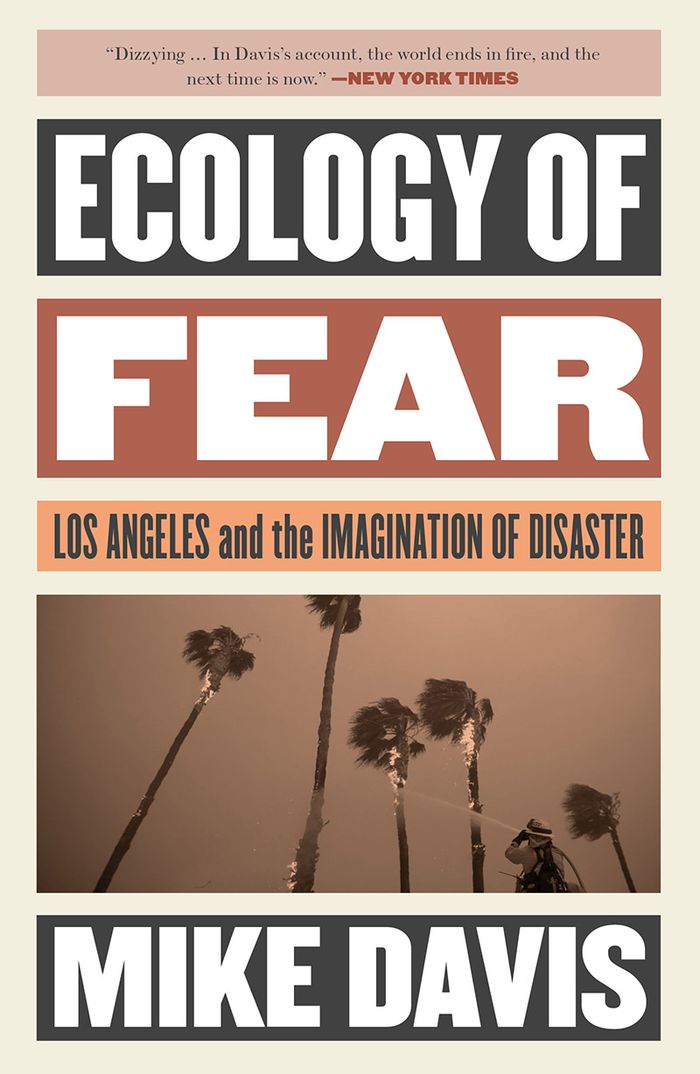
Ecology of fear: Los Angeles and the imagination of disaster
Actions:
Prix:
$33.95
(disponible sur commande)
Résumé:
Earthquakes. Wildfires. Floods. Drought. Tornadoes. Snakes in the sea, mountain lions, and a plague of bees. In this controversial tour de force of scholarship, unsparing vision, and inspired writing, Mike Davis, the author of ''City of quartz'', revisits Los Angeles as a Book of the Apocalypse theme park. By brilliantly juxtaposing L.A.’s fragile natural ecology with its disastrous environmental and social history, he compellingly shows a city deliberately put in harm’s way by land developers, builders, and politicians, even as the incalculable toll of inevitable future catastrophe continues to accumulate. Counterpointing L.A.’s central role in America’s fantasy life–the city has been destroyed no less than 138 times in novels and films since 1909–with its wanton denial of its own real history, Davis creates a revelatory kaleidoscope of American fact, imagery, and sensibility. Drawing upon a vast array of sources, ''Ecology of fear'' meticulously captures the nation’s violent malaise and desperate social unease at the millennial end of ''the American century.'' With savagely entertaining wit and compassionate rage, this book conducts a devastating reconnaissance of our all-too-likely urban future.
Ecology of fear: Los Angeles and the imagination of disaster
Actions:
Prix:
$33.95
(disponible sur commande)
Résumé:
Earthquakes. Wildfires. Floods. Drought. Tornadoes. Snakes in the sea, mountain lions, and a plague of bees. In this controversial tour de force of scholarship, unsparing vision, and inspired writing, Mike Davis, the author of ''City of quartz'', revisits Los Angeles as a Book of the Apocalypse theme park. By brilliantly juxtaposing L.A.’s fragile natural ecology with its disastrous environmental and social history, he compellingly shows a city deliberately put in harm’s way by land developers, builders, and politicians, even as the incalculable toll of inevitable future catastrophe continues to accumulate. Counterpointing L.A.’s central role in America’s fantasy life–the city has been destroyed no less than 138 times in novels and films since 1909–with its wanton denial of its own real history, Davis creates a revelatory kaleidoscope of American fact, imagery, and sensibility. Drawing upon a vast array of sources, ''Ecology of fear'' meticulously captures the nation’s violent malaise and desperate social unease at the millennial end of ''the American century.'' With savagely entertaining wit and compassionate rage, this book conducts a devastating reconnaissance of our all-too-likely urban future.
Classification:
livres
livres
Publication:
février 2022
février 2022
Sujet:
Théorie de l’urbanisme
Théorie de l’urbanisme
Classification:
livres
livres
Actions:
Prix:
$45.00
(disponible sur commande)
Résumé:
A successful urban environment is one that cultivates, fosters and attracts talent, one that generates research and is able to establish a bond with academics, and one which is open to outsiders: a tolerant society. This development presents myriad new opportunities for cities: redevelopment of former industrial zones, new business activity in the old city centres and(...)
$45.00
(disponible sur commande)
Résumé:
A successful urban environment is one that cultivates, fosters and attracts talent, one that generates research and is able to establish a bond with academics, and one which is open to outsiders: a tolerant society. This development presents myriad new opportunities for cities: redevelopment of former industrial zones, new business activity in the old city centres and(...)
Sujet:
Théorie de l’urbanisme
Théorie de l’urbanisme
Publication:
janvier 2005, Rotterdam
janvier 2005, Rotterdam
Titre:
Creativity and the city : how the creative economy is changing the city
Actions:
Prix:
$45.00
(disponible sur commande)
Résumé:
A successful urban environment is one that cultivates, fosters and attracts talent, one that generates research and is able to establish a bond with academics, and one which is open to outsiders: a tolerant society. This development presents myriad new opportunities for cities: redevelopment of former industrial zones, new business activity in the old city centres and new jobs. The book describes all these opportunities and the consequences for the spatial development of the city; at the same time it also warns about the dangers of this creating a new élite of people who isolate themselves from those who miss the boat. The new developments are considered in a series of 15 articles, describing the political, social and societal consequence and analysing the resulting spatial developments. Lastly, the book contains many tips for practical urban policy. Creativity and the City is a book for a broad group of politicians, policy-makers, urban planners, economists and sociologists. It includes contributions from Richard Florida, Charles Landry, the independent Dutch thinktank Nederland Kennisland (Knowledgeland), Jeroen Saris, Arnold Reijndorp, Robert Kloosterman, Nachtwacht Amsterdam (Amsterdam's 'Night-time Mayor'), John Tackera and others.
Creativity and the city : how the creative economy is changing the city
Actions:
Prix:
$45.00
(disponible sur commande)
Résumé:
A successful urban environment is one that cultivates, fosters and attracts talent, one that generates research and is able to establish a bond with academics, and one which is open to outsiders: a tolerant society. This development presents myriad new opportunities for cities: redevelopment of former industrial zones, new business activity in the old city centres and new jobs. The book describes all these opportunities and the consequences for the spatial development of the city; at the same time it also warns about the dangers of this creating a new élite of people who isolate themselves from those who miss the boat. The new developments are considered in a series of 15 articles, describing the political, social and societal consequence and analysing the resulting spatial developments. Lastly, the book contains many tips for practical urban policy. Creativity and the City is a book for a broad group of politicians, policy-makers, urban planners, economists and sociologists. It includes contributions from Richard Florida, Charles Landry, the independent Dutch thinktank Nederland Kennisland (Knowledgeland), Jeroen Saris, Arnold Reijndorp, Robert Kloosterman, Nachtwacht Amsterdam (Amsterdam's 'Night-time Mayor'), John Tackera and others.
Classification:
livres
livres
Publication:
janvier 2005, Rotterdam
janvier 2005, Rotterdam
Sujet:
Théorie de l’urbanisme
Théorie de l’urbanisme
Classification:
livres
livres
Titre:
Atlas of the senseable city
Atlas of the senseable city
Actions:
Prix:
$48.00
(disponible en magasin)
Résumé:
What have smart technologies taught us about cities? What lessons can we learn from today’s urbanites to make better places to live? Antoine Picon and Carlo Ratti argue that the answers are in the maps we make. For centuries, we have relied on maps to navigate the enormity of the city. Now, as the physical world combines with the digital world, we need a new generation of(...)
$48.00
(disponible en magasin)
Résumé:
What have smart technologies taught us about cities? What lessons can we learn from today’s urbanites to make better places to live? Antoine Picon and Carlo Ratti argue that the answers are in the maps we make. For centuries, we have relied on maps to navigate the enormity of the city. Now, as the physical world combines with the digital world, we need a new generation of(...)
Titre:
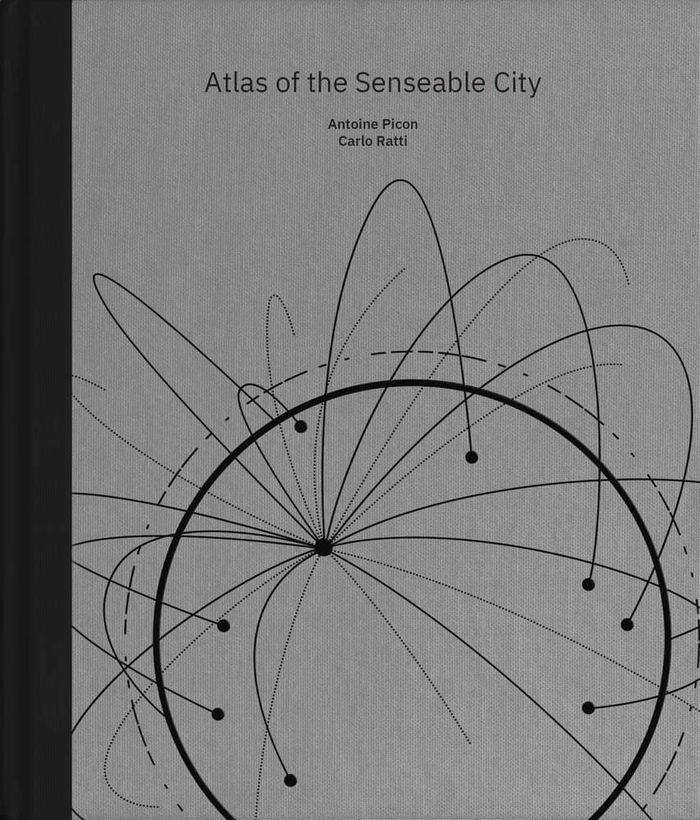
Atlas of the senseable city
Actions:
Prix:
$48.00
(disponible en magasin)
Résumé:
What have smart technologies taught us about cities? What lessons can we learn from today’s urbanites to make better places to live? Antoine Picon and Carlo Ratti argue that the answers are in the maps we make. For centuries, we have relied on maps to navigate the enormity of the city. Now, as the physical world combines with the digital world, we need a new generation of maps to navigate the city of tomorrow. Pervasive sensors allow anyone to visualize cities in entirely new ways—ebbs and flows of pollution, traffic, and internet connectivity. This book explores how the growth of digital mapping, spurred by sensing technologies, is affecting cities and daily lives. It examines how new cartographic possibilities aid urban planners, technicians, politicians, and administrators; how digitally mapped cities could reveal ways to make cities smarter and more efficient; how monitoring urbanites has political and social repercussions; and how the proliferation of open-source maps and collaborative platforms can aid activists and vulnerable populations. With its beautiful, accessible presentation of cutting-edge research, this book makes it easy for readers to understand the stakes of the new information age—and appreciate the timeless power of the city.
Atlas of the senseable city
Actions:
Prix:
$48.00
(disponible en magasin)
Résumé:
What have smart technologies taught us about cities? What lessons can we learn from today’s urbanites to make better places to live? Antoine Picon and Carlo Ratti argue that the answers are in the maps we make. For centuries, we have relied on maps to navigate the enormity of the city. Now, as the physical world combines with the digital world, we need a new generation of maps to navigate the city of tomorrow. Pervasive sensors allow anyone to visualize cities in entirely new ways—ebbs and flows of pollution, traffic, and internet connectivity. This book explores how the growth of digital mapping, spurred by sensing technologies, is affecting cities and daily lives. It examines how new cartographic possibilities aid urban planners, technicians, politicians, and administrators; how digitally mapped cities could reveal ways to make cities smarter and more efficient; how monitoring urbanites has political and social repercussions; and how the proliferation of open-source maps and collaborative platforms can aid activists and vulnerable populations. With its beautiful, accessible presentation of cutting-edge research, this book makes it easy for readers to understand the stakes of the new information age—and appreciate the timeless power of the city.
Classification:
livres
livres
Publication:
juin 2023
juin 2023
Sujet:
Théorie de l’urbanisme
Théorie de l’urbanisme


