


13362 Résultats
Classification:
expositions
expositions
![June-14 Meyer-Grohbrügge & Sam Chermayeff, Triangle bed [Lit en triangle]](/img/HxRjUMYcXgiZzgZgX8fDTy8AzZc=/250x0/15832/14773/ASON_expo_Banner.jpeg)
Titre:
Une portion du présent : les normes et rituels sociaux comme sites d’intervention architecturale
Une portion du présent : les normes et rituels sociaux comme sites d’intervention architecturale
Actions:
Date:
13 novembre 2021 au 1 mai 2022
13 novembre 2021 au 1 mai 2022
Classification:
expositions
expositions
Date:
13 novembre 2021 au
1 mai 2022
13 novembre 2021 au
1 mai 2022
Niveau de description archivistique:
Série(s)
Série(s)
Numéro de référence:
AP193.S2
Description:
Series 2, I’ve heard about and Hypnosis chamber, 2004-2006, relates to the conception of the urban structure “I’ve heard about”. The records contain algorithmically-generated images, renderings, pictures of models and exhibitions. There are also photographs of the contour crafting process, 3D models and animated renderings illustrating the construction process of the structure. The project is a conceptual, unbuilt project that is meant to be a habitable organism, an adaptive landscape in a constant state of evolution. By means of transitory scenarios in which the operational mode is entropy and uncertainty, it develops open algorithms based on growth scripts permeable not only to human expressions, but also to the most discrete data such as the chemical emissions (for example due to stress or anxiety) of those who inhabit it. The chemical information is harvested through nanoreceptors feeding the VIAB machine with information. This biostructure becomes the visible part of human contingencies and their negotiation in real time. The structure is conceptualized to be in constant construction through the VIAB machine which is also a constituent of the structure itself. It secretes fiber cement, shaping the landscape where it is located and through which it moves. It generates the reticular structure using a process modelled on contour crafting. The VIAB machine was developed with Robotics Research Lab of the University of Southern California and takes its name from the terms viability and variability. R&Sie(n) considers that due to its mode of emergence “I’ve heard about” fabrication is not subjugated to any political power. Hypnosis chamber is a component of “I’ve heard about”. It consists of an indoor chamber, which was realized as a full-scale sample constructed through automated machinery. The chamber is situated as a part of the whole urban structure presented by “I’ve heard about,” and its goal is to immerse the audience into the project, into a fictional environment only reachable by hypnosis. In this context, hypnosis is a way to help citizens escape from their social condition and experience the new condition of citizenship imagined in “I’ve heard about”, where democracy is re-evaluated as a process of self-determination. Both parts of the projects were shown in contemporary art museums. First at Musée d’art de la ville de Paris in Paris (2005), the Hypnotic chamber is permanently on view at Towada Art Center in Towanda, Japan. AP193.S4 contains a video orienting the project into François Roche theoretical stance, research as speculation, that can be summarize as the use of technological tools to take a critical and political position through esthetic in order to open new lines of thoughts. AP193.S4 contains an updated version of the VIAB machine
AP193.S2
Description:
Series 2, I’ve heard about and Hypnosis chamber, 2004-2006, relates to the conception of the urban structure “I’ve heard about”. The records contain algorithmically-generated images, renderings, pictures of models and exhibitions. There are also photographs of the contour crafting process, 3D models and animated renderings illustrating the construction process of the structure. The project is a conceptual, unbuilt project that is meant to be a habitable organism, an adaptive landscape in a constant state of evolution. By means of transitory scenarios in which the operational mode is entropy and uncertainty, it develops open algorithms based on growth scripts permeable not only to human expressions, but also to the most discrete data such as the chemical emissions (for example due to stress or anxiety) of those who inhabit it. The chemical information is harvested through nanoreceptors feeding the VIAB machine with information. This biostructure becomes the visible part of human contingencies and their negotiation in real time. The structure is conceptualized to be in constant construction through the VIAB machine which is also a constituent of the structure itself. It secretes fiber cement, shaping the landscape where it is located and through which it moves. It generates the reticular structure using a process modelled on contour crafting. The VIAB machine was developed with Robotics Research Lab of the University of Southern California and takes its name from the terms viability and variability. R&Sie(n) considers that due to its mode of emergence “I’ve heard about” fabrication is not subjugated to any political power. Hypnosis chamber is a component of “I’ve heard about”. It consists of an indoor chamber, which was realized as a full-scale sample constructed through automated machinery. The chamber is situated as a part of the whole urban structure presented by “I’ve heard about,” and its goal is to immerse the audience into the project, into a fictional environment only reachable by hypnosis. In this context, hypnosis is a way to help citizens escape from their social condition and experience the new condition of citizenship imagined in “I’ve heard about”, where democracy is re-evaluated as a process of self-determination. Both parts of the projects were shown in contemporary art museums. First at Musée d’art de la ville de Paris in Paris (2005), the Hypnotic chamber is permanently on view at Towada Art Center in Towanda, Japan. AP193.S4 contains a video orienting the project into François Roche theoretical stance, research as speculation, that can be summarize as the use of technological tools to take a critical and political position through esthetic in order to open new lines of thoughts. AP193.S4 contains an updated version of the VIAB machine
Personnes et institutions:
Date:
2004-2006
2004-2006
Titre:
I’ve heard about and Hypnosis chamber
Actions:
AP193.S2
Description:
Series 2, I’ve heard about and Hypnosis chamber, 2004-2006, relates to the conception of the urban structure “I’ve heard about”. The records contain algorithmically-generated images, renderings, pictures of models and exhibitions. There are also photographs of the contour crafting process, 3D models and animated renderings illustrating the construction process of the structure. The project is a conceptual, unbuilt project that is meant to be a habitable organism, an adaptive landscape in a constant state of evolution. By means of transitory scenarios in which the operational mode is entropy and uncertainty, it develops open algorithms based on growth scripts permeable not only to human expressions, but also to the most discrete data such as the chemical emissions (for example due to stress or anxiety) of those who inhabit it. The chemical information is harvested through nanoreceptors feeding the VIAB machine with information. This biostructure becomes the visible part of human contingencies and their negotiation in real time. The structure is conceptualized to be in constant construction through the VIAB machine which is also a constituent of the structure itself. It secretes fiber cement, shaping the landscape where it is located and through which it moves. It generates the reticular structure using a process modelled on contour crafting. The VIAB machine was developed with Robotics Research Lab of the University of Southern California and takes its name from the terms viability and variability. R&Sie(n) considers that due to its mode of emergence “I’ve heard about” fabrication is not subjugated to any political power. Hypnosis chamber is a component of “I’ve heard about”. It consists of an indoor chamber, which was realized as a full-scale sample constructed through automated machinery. The chamber is situated as a part of the whole urban structure presented by “I’ve heard about,” and its goal is to immerse the audience into the project, into a fictional environment only reachable by hypnosis. In this context, hypnosis is a way to help citizens escape from their social condition and experience the new condition of citizenship imagined in “I’ve heard about”, where democracy is re-evaluated as a process of self-determination. Both parts of the projects were shown in contemporary art museums. First at Musée d’art de la ville de Paris in Paris (2005), the Hypnotic chamber is permanently on view at Towada Art Center in Towanda, Japan. AP193.S4 contains a video orienting the project into François Roche theoretical stance, research as speculation, that can be summarize as the use of technological tools to take a critical and political position through esthetic in order to open new lines of thoughts. AP193.S4 contains an updated version of the VIAB machine
I’ve heard about and Hypnosis chamber
Actions:
AP193.S2
Description:
Series 2, I’ve heard about and Hypnosis chamber, 2004-2006, relates to the conception of the urban structure “I’ve heard about”. The records contain algorithmically-generated images, renderings, pictures of models and exhibitions. There are also photographs of the contour crafting process, 3D models and animated renderings illustrating the construction process of the structure. The project is a conceptual, unbuilt project that is meant to be a habitable organism, an adaptive landscape in a constant state of evolution. By means of transitory scenarios in which the operational mode is entropy and uncertainty, it develops open algorithms based on growth scripts permeable not only to human expressions, but also to the most discrete data such as the chemical emissions (for example due to stress or anxiety) of those who inhabit it. The chemical information is harvested through nanoreceptors feeding the VIAB machine with information. This biostructure becomes the visible part of human contingencies and their negotiation in real time. The structure is conceptualized to be in constant construction through the VIAB machine which is also a constituent of the structure itself. It secretes fiber cement, shaping the landscape where it is located and through which it moves. It generates the reticular structure using a process modelled on contour crafting. The VIAB machine was developed with Robotics Research Lab of the University of Southern California and takes its name from the terms viability and variability. R&Sie(n) considers that due to its mode of emergence “I’ve heard about” fabrication is not subjugated to any political power. Hypnosis chamber is a component of “I’ve heard about”. It consists of an indoor chamber, which was realized as a full-scale sample constructed through automated machinery. The chamber is situated as a part of the whole urban structure presented by “I’ve heard about,” and its goal is to immerse the audience into the project, into a fictional environment only reachable by hypnosis. In this context, hypnosis is a way to help citizens escape from their social condition and experience the new condition of citizenship imagined in “I’ve heard about”, where democracy is re-evaluated as a process of self-determination. Both parts of the projects were shown in contemporary art museums. First at Musée d’art de la ville de Paris in Paris (2005), the Hypnotic chamber is permanently on view at Towada Art Center in Towanda, Japan. AP193.S4 contains a video orienting the project into François Roche theoretical stance, research as speculation, that can be summarize as the use of technological tools to take a critical and political position through esthetic in order to open new lines of thoughts. AP193.S4 contains an updated version of the VIAB machine
Niveau de description archivistique:
Series
Series
Date:
2004-2006
2004-2006
Personnes et institutions:
Classification:
expositions
expositions
Actions:
Description:
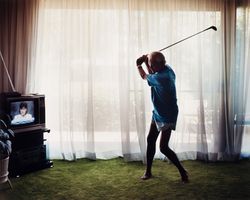
Nous tendons aujourd’hui à percevoir les banlieues comme informes, vacantes ou non durables, comparées à la densité sociale et à l’activité économique des villes. Sur les traces de… The Suburbs se penche sur la culture suburbaine des cinquante dernières années et présente des images tirées de la Collection du CCA, réalisés par des photographes à la fois attirés et rebutés(...)
Nous tendons aujourd’hui à percevoir les banlieues comme informes, vacantes ou non durables, comparées à la densité sociale et à l’activité économique des villes. Sur les traces de… The Suburbs se penche sur la culture suburbaine des cinquante dernières années et présente des images tirées de la Collection du CCA, réalisés par des photographes à la fois attirés et rebutés(...)
Localisation:
Vitrines
Vitrines
Date:
16 février 2012 au 10 juin 2012
16 février 2012 au 10 juin 2012
Titre:
Sur les traces de… The Suburbs
Actions:
Description:
Nous tendons aujourd’hui à percevoir les banlieues comme informes, vacantes ou non durables, comparées à la densité sociale et à l’activité économique des villes. Sur les traces de… The Suburbs se penche sur la culture suburbaine des cinquante dernières années et présente des images tirées de la Collection du CCA, réalisés par des photographes à la fois attirés et rebutés(...)
Sur les traces de… The Suburbs
Actions:
Description:
Nous tendons aujourd’hui à percevoir les banlieues comme informes, vacantes ou non durables, comparées à la densité sociale et à l’activité économique des villes. Sur les traces de… The Suburbs se penche sur la culture suburbaine des cinquante dernières années et présente des images tirées de la Collection du CCA, réalisés par des photographes à la fois attirés et rebutés(...)
Classification:
expositions
expositions
Date:
16 février 2012 au
10 juin 2012
16 février 2012 au
10 juin 2012
Localisation:
Vitrines
Vitrines
Classification:
expositions
expositions
Actions:
Description:
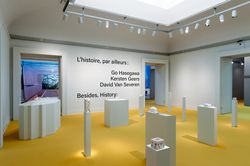
Quel rôle l’histoire a-t-elle à jouer dans la pratique architecturale contemporaine? Plutôt que d’adopter une position postmoderne ou d’évoquer des débats anciens et des formes architecturales historiques, Go Hasegawa, Kersten Geers et David Van Severen abordent dans leur travail les problématiques actuelles dans un esprit de dialogue avec l’histoire. Même si les(...)
Quel rôle l’histoire a-t-elle à jouer dans la pratique architecturale contemporaine? Plutôt que d’adopter une position postmoderne ou d’évoquer des débats anciens et des formes architecturales historiques, Go Hasegawa, Kersten Geers et David Van Severen abordent dans leur travail les problématiques actuelles dans un esprit de dialogue avec l’histoire. Même si les(...)
Localisation:
Salles principales Mot(s)-clé(s):
L’histoire, par ailleurs, Go Hasegawa, Kersten Geers, David Van Severen, Office, KGDVS, Bas Princen
Salles principales Mot(s)-clé(s):
L’histoire, par ailleurs, Go Hasegawa, Kersten Geers, David Van Severen, Office, KGDVS, Bas Princen
Date:
10 mai 2017 au 15 octobre 2017
10 mai 2017 au 15 octobre 2017
Titre:
L’histoire, par ailleurs : Go Hasegawa, Kersten Geers, David Van Severen
Actions:
Description:
Quel rôle l’histoire a-t-elle à jouer dans la pratique architecturale contemporaine? Plutôt que d’adopter une position postmoderne ou d’évoquer des débats anciens et des formes architecturales historiques, Go Hasegawa, Kersten Geers et David Van Severen abordent dans leur travail les problématiques actuelles dans un esprit de dialogue avec l’histoire. Même si les(...)
L’histoire, par ailleurs : Go Hasegawa, Kersten Geers, David Van Severen
Actions:
Description:
Quel rôle l’histoire a-t-elle à jouer dans la pratique architecturale contemporaine? Plutôt que d’adopter une position postmoderne ou d’évoquer des débats anciens et des formes architecturales historiques, Go Hasegawa, Kersten Geers et David Van Severen abordent dans leur travail les problématiques actuelles dans un esprit de dialogue avec l’histoire. Même si les(...)
Classification:
expositions
expositions
Date:
10 mai 2017 au
15 octobre 2017
10 mai 2017 au
15 octobre 2017
Localisation:
Salles principales Mot(s)-clé(s):
L’histoire, par ailleurs, Go Hasegawa, Kersten Geers, David Van Severen, Office, KGDVS, Bas Princen
Salles principales Mot(s)-clé(s):
L’histoire, par ailleurs, Go Hasegawa, Kersten Geers, David Van Severen, Office, KGDVS, Bas Princen
Niveau de description archivistique:
Projet
Projet
Numéro de référence:
AP056.S1.1987.PR02
Description:
This project series documents a competition entry for the design of Ottawa City Hall in Ottawa, Ontario from 1987-1988. The office identified the project number as 8711. This competition for Ottawa's new city hall called for a contemporary building that would integrate the old city hall, originally built in the 1950s and located on Green Island in the Rideau Canal. Set between Sussex Drive and Union Street, this project consisted of 1 building with 6 distinct parts: the old office building, the new office building, the City Room, the Council Chamber, the podium, and the daycare centre. The old office building was the original modernist-style city hall that would now serve as office spaces for civic workers. It would be renovated to create better circulation with the new extension. The new office building, serving a similar function, would sit behind the old one to create an L-shape on half of the perimeter. It had a large civic tower on one end that would serve as an observation deck. The City Room, a three-storey element in the centre of the structure, had a distinctive roof made up of more than a dozen small pyramids. Whitton Hall would be used as a ceremonial space, the building's lobby, a major central assembly hall, and meeting rooms. The council chambers were located in a self-contained rotunda, which also had press offices on the ground floor. The daycare centre consisted of a rectangular pavilion, set on a diagonal axis from the rest of City Hall. All of these elements sat on a raised podium that had landscaped terraces and gardens around the building's exterior. The terrace offered stunning views of the Ottawa cityscape across the canal. The podium contained one level of parking, with two additional levels below ground. This project was conceptualized to have two distinct fronts, one with its formal address on Sussex Drive that had a ceremonial entrance called the Plaza of Nations, and one off Union Street beneath the podium and underneath the Peace Bell. KPMB's entry proposed a building that would integrate with the existing system of green parks and walkways already present on the island. However, this was not the winning design for the competition and the project was eventually realized by architect Moshe Safdie. This project is recorded through drawings, photographs, a model and watercolour paintings dating from 1987-1988. The drawings are mostly originals and include sketches, surveys and site plans, floor plans, elevations, sections, perspectives and axonometrics of the design. There are also a number of presentation panels that show the final competition submission with short texts about the design intention and construction phasing. The watercolours present the building's exterior and photographs show different views of the project model.
AP056.S1.1987.PR02
Description:
This project series documents a competition entry for the design of Ottawa City Hall in Ottawa, Ontario from 1987-1988. The office identified the project number as 8711. This competition for Ottawa's new city hall called for a contemporary building that would integrate the old city hall, originally built in the 1950s and located on Green Island in the Rideau Canal. Set between Sussex Drive and Union Street, this project consisted of 1 building with 6 distinct parts: the old office building, the new office building, the City Room, the Council Chamber, the podium, and the daycare centre. The old office building was the original modernist-style city hall that would now serve as office spaces for civic workers. It would be renovated to create better circulation with the new extension. The new office building, serving a similar function, would sit behind the old one to create an L-shape on half of the perimeter. It had a large civic tower on one end that would serve as an observation deck. The City Room, a three-storey element in the centre of the structure, had a distinctive roof made up of more than a dozen small pyramids. Whitton Hall would be used as a ceremonial space, the building's lobby, a major central assembly hall, and meeting rooms. The council chambers were located in a self-contained rotunda, which also had press offices on the ground floor. The daycare centre consisted of a rectangular pavilion, set on a diagonal axis from the rest of City Hall. All of these elements sat on a raised podium that had landscaped terraces and gardens around the building's exterior. The terrace offered stunning views of the Ottawa cityscape across the canal. The podium contained one level of parking, with two additional levels below ground. This project was conceptualized to have two distinct fronts, one with its formal address on Sussex Drive that had a ceremonial entrance called the Plaza of Nations, and one off Union Street beneath the podium and underneath the Peace Bell. KPMB's entry proposed a building that would integrate with the existing system of green parks and walkways already present on the island. However, this was not the winning design for the competition and the project was eventually realized by architect Moshe Safdie. This project is recorded through drawings, photographs, a model and watercolour paintings dating from 1987-1988. The drawings are mostly originals and include sketches, surveys and site plans, floor plans, elevations, sections, perspectives and axonometrics of the design. There are also a number of presentation panels that show the final competition submission with short texts about the design intention and construction phasing. The watercolours present the building's exterior and photographs show different views of the project model.
Personnes et institutions:
Date:
1987-1988
1987-1988
Titre:
Ottawa City Hall Competition, Ontario (1987-1988)
Actions:
AP056.S1.1987.PR02
Description:
This project series documents a competition entry for the design of Ottawa City Hall in Ottawa, Ontario from 1987-1988. The office identified the project number as 8711. This competition for Ottawa's new city hall called for a contemporary building that would integrate the old city hall, originally built in the 1950s and located on Green Island in the Rideau Canal. Set between Sussex Drive and Union Street, this project consisted of 1 building with 6 distinct parts: the old office building, the new office building, the City Room, the Council Chamber, the podium, and the daycare centre. The old office building was the original modernist-style city hall that would now serve as office spaces for civic workers. It would be renovated to create better circulation with the new extension. The new office building, serving a similar function, would sit behind the old one to create an L-shape on half of the perimeter. It had a large civic tower on one end that would serve as an observation deck. The City Room, a three-storey element in the centre of the structure, had a distinctive roof made up of more than a dozen small pyramids. Whitton Hall would be used as a ceremonial space, the building's lobby, a major central assembly hall, and meeting rooms. The council chambers were located in a self-contained rotunda, which also had press offices on the ground floor. The daycare centre consisted of a rectangular pavilion, set on a diagonal axis from the rest of City Hall. All of these elements sat on a raised podium that had landscaped terraces and gardens around the building's exterior. The terrace offered stunning views of the Ottawa cityscape across the canal. The podium contained one level of parking, with two additional levels below ground. This project was conceptualized to have two distinct fronts, one with its formal address on Sussex Drive that had a ceremonial entrance called the Plaza of Nations, and one off Union Street beneath the podium and underneath the Peace Bell. KPMB's entry proposed a building that would integrate with the existing system of green parks and walkways already present on the island. However, this was not the winning design for the competition and the project was eventually realized by architect Moshe Safdie. This project is recorded through drawings, photographs, a model and watercolour paintings dating from 1987-1988. The drawings are mostly originals and include sketches, surveys and site plans, floor plans, elevations, sections, perspectives and axonometrics of the design. There are also a number of presentation panels that show the final competition submission with short texts about the design intention and construction phasing. The watercolours present the building's exterior and photographs show different views of the project model.
Ottawa City Hall Competition, Ontario (1987-1988)
Actions:
AP056.S1.1987.PR02
Description:
This project series documents a competition entry for the design of Ottawa City Hall in Ottawa, Ontario from 1987-1988. The office identified the project number as 8711. This competition for Ottawa's new city hall called for a contemporary building that would integrate the old city hall, originally built in the 1950s and located on Green Island in the Rideau Canal. Set between Sussex Drive and Union Street, this project consisted of 1 building with 6 distinct parts: the old office building, the new office building, the City Room, the Council Chamber, the podium, and the daycare centre. The old office building was the original modernist-style city hall that would now serve as office spaces for civic workers. It would be renovated to create better circulation with the new extension. The new office building, serving a similar function, would sit behind the old one to create an L-shape on half of the perimeter. It had a large civic tower on one end that would serve as an observation deck. The City Room, a three-storey element in the centre of the structure, had a distinctive roof made up of more than a dozen small pyramids. Whitton Hall would be used as a ceremonial space, the building's lobby, a major central assembly hall, and meeting rooms. The council chambers were located in a self-contained rotunda, which also had press offices on the ground floor. The daycare centre consisted of a rectangular pavilion, set on a diagonal axis from the rest of City Hall. All of these elements sat on a raised podium that had landscaped terraces and gardens around the building's exterior. The terrace offered stunning views of the Ottawa cityscape across the canal. The podium contained one level of parking, with two additional levels below ground. This project was conceptualized to have two distinct fronts, one with its formal address on Sussex Drive that had a ceremonial entrance called the Plaza of Nations, and one off Union Street beneath the podium and underneath the Peace Bell. KPMB's entry proposed a building that would integrate with the existing system of green parks and walkways already present on the island. However, this was not the winning design for the competition and the project was eventually realized by architect Moshe Safdie. This project is recorded through drawings, photographs, a model and watercolour paintings dating from 1987-1988. The drawings are mostly originals and include sketches, surveys and site plans, floor plans, elevations, sections, perspectives and axonometrics of the design. There are also a number of presentation panels that show the final competition submission with short texts about the design intention and construction phasing. The watercolours present the building's exterior and photographs show different views of the project model.
Niveau de description archivistique:
Project
Project
Date:
1987-1988
1987-1988
Personnes et institutions:
Classification:
documents textuels, oeuvres d'art
documents textuels, oeuvres d'art

Actions:
Numéro de référence:
DR1974:0002:005:001-018
Description:
- This album contains four folios of text in Italian concerning the history and architecture of the Museo di fiscia e storia naturale, Florence. The names of the museum's patrons and the parts of the museum have been inserted by a contemporary hand on the lithographs in pen and black ink. The text is followed by ten lithographs, including a perspectival view of the museum, four general plans, two sections, and more detailed sections, plans and elevations of the Tribuna de Galileo designed by Giuseppe Martelli and the Osservatorio Astronomico designed by Gaspero Paoletti. Also included in the album are four manuscripts, all in French: a letter presenting the album to Rohault de Fleury from Vincenzio Antinori, the director of the museum, a transcript of Rohault de Fleury's letters of thanks to Antorini and to the Grand Duke of Tuscany, a note from the Légation de Toscanne in Paris concerning the presentation of the album, and a booklet containing Rohault de Fleury's translation of the album text into French.
DR1974:0002:005:001-018
Description:
- This album contains four folios of text in Italian concerning the history and architecture of the Museo di fiscia e storia naturale, Florence. The names of the museum's patrons and the parts of the museum have been inserted by a contemporary hand on the lithographs in pen and black ink. The text is followed by ten lithographs, including a perspectival view of the museum, four general plans, two sections, and more detailed sections, plans and elevations of the Tribuna de Galileo designed by Giuseppe Martelli and the Osservatorio Astronomico designed by Gaspero Paoletti. Also included in the album are four manuscripts, all in French: a letter presenting the album to Rohault de Fleury from Vincenzio Antinori, the director of the museum, a transcript of Rohault de Fleury's letters of thanks to Antorini and to the Grand Duke of Tuscany, a note from the Légation de Toscanne in Paris concerning the presentation of the album, and a booklet containing Rohault de Fleury's translation of the album text into French.
Personnes et institutions:
Sujet:
architecture
architecture
Date:
printed between 1845 and 1846, manuscripts written 1846
printed between 1845 and 1846, manuscripts written 1846
Titre:
Presentation album of prints of the Museo di fisica e storia naturelle, Florence
Actions:
DR1974:0002:005:001-018
Description:
- This album contains four folios of text in Italian concerning the history and architecture of the Museo di fiscia e storia naturale, Florence. The names of the museum's patrons and the parts of the museum have been inserted by a contemporary hand on the lithographs in pen and black ink. The text is followed by ten lithographs, including a perspectival view of the museum, four general plans, two sections, and more detailed sections, plans and elevations of the Tribuna de Galileo designed by Giuseppe Martelli and the Osservatorio Astronomico designed by Gaspero Paoletti. Also included in the album are four manuscripts, all in French: a letter presenting the album to Rohault de Fleury from Vincenzio Antinori, the director of the museum, a transcript of Rohault de Fleury's letters of thanks to Antorini and to the Grand Duke of Tuscany, a note from the Légation de Toscanne in Paris concerning the presentation of the album, and a booklet containing Rohault de Fleury's translation of the album text into French.
Presentation album of prints of the Museo di fisica e storia naturelle, Florence
Actions:
DR1974:0002:005:001-018
Description:
- This album contains four folios of text in Italian concerning the history and architecture of the Museo di fiscia e storia naturale, Florence. The names of the museum's patrons and the parts of the museum have been inserted by a contemporary hand on the lithographs in pen and black ink. The text is followed by ten lithographs, including a perspectival view of the museum, four general plans, two sections, and more detailed sections, plans and elevations of the Tribuna de Galileo designed by Giuseppe Martelli and the Osservatorio Astronomico designed by Gaspero Paoletti. Also included in the album are four manuscripts, all in French: a letter presenting the album to Rohault de Fleury from Vincenzio Antinori, the director of the museum, a transcript of Rohault de Fleury's letters of thanks to Antorini and to the Grand Duke of Tuscany, a note from the Légation de Toscanne in Paris concerning the presentation of the album, and a booklet containing Rohault de Fleury's translation of the album text into French.
Classification:
documents textuels, oeuvres d'art
documents textuels, oeuvres d'art
Date:
printed between 1845 and 1846, manuscripts written 1846
printed between 1845 and 1846, manuscripts written 1846
Personnes et institutions:
Sujet:
architecture
architecture
Classification:
événements
événements
Actions:
Description:
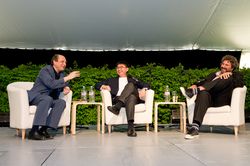
Reconnus pour leurs idées et projets novateurs, Greg Lynn et Yung Ho Chang abordent des questions d’importance vitale dans la pratique contemporaine. Les présentations individuelles de Lynn et de Chang sont suivies d’une conversation animée par le directeur du CCA, Mirko Zardini. La série Urgence témoigne de l’intérêt constant du CCA à explorer les questions cruciales(...)
Reconnus pour leurs idées et projets novateurs, Greg Lynn et Yung Ho Chang abordent des questions d’importance vitale dans la pratique contemporaine. Les présentations individuelles de Lynn et de Chang sont suivies d’une conversation animée par le directeur du CCA, Mirko Zardini. La série Urgence témoigne de l’intérêt constant du CCA à explorer les questions cruciales(...)
Date:
13 juin 2008
13 juin 2008
Titre:
Urgence 2008 : Greg Lynn et Yung Ho Chang
Actions:
Description:
Reconnus pour leurs idées et projets novateurs, Greg Lynn et Yung Ho Chang abordent des questions d’importance vitale dans la pratique contemporaine. Les présentations individuelles de Lynn et de Chang sont suivies d’une conversation animée par le directeur du CCA, Mirko Zardini. La série Urgence témoigne de l’intérêt constant du CCA à explorer les questions cruciales(...)
Urgence 2008 : Greg Lynn et Yung Ho Chang
Actions:
Description:
Reconnus pour leurs idées et projets novateurs, Greg Lynn et Yung Ho Chang abordent des questions d’importance vitale dans la pratique contemporaine. Les présentations individuelles de Lynn et de Chang sont suivies d’une conversation animée par le directeur du CCA, Mirko Zardini. La série Urgence témoigne de l’intérêt constant du CCA à explorer les questions cruciales(...)
Classification:
événements
événements
Date:
13 juin 2008
13 juin 2008
Classification:
événements
événements
Actions:
Description:
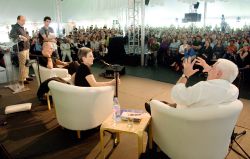
Célébrités du monde de l’architecture, Rem Hoolhaas et Peter Eisenman abordent chacun un sujet auquel ils accordent une importance vitale en architecture contemporaine et devant lequel ils éprouvent un sentiment d’urgence. À la suite de leurs présentations, les architectes engagent une conversation publique avec Phyllis Lambert, directeur fondateur et président du Conseil(...)
Célébrités du monde de l’architecture, Rem Hoolhaas et Peter Eisenman abordent chacun un sujet auquel ils accordent une importance vitale en architecture contemporaine et devant lequel ils éprouvent un sentiment d’urgence. À la suite de leurs présentations, les architectes engagent une conversation publique avec Phyllis Lambert, directeur fondateur et président du Conseil(...)
Date:
8 juin 2007
8 juin 2007
Titre:
Urgence 2007 : Rem Koolhaas et Peter Eisenman
Actions:
Description:
Célébrités du monde de l’architecture, Rem Hoolhaas et Peter Eisenman abordent chacun un sujet auquel ils accordent une importance vitale en architecture contemporaine et devant lequel ils éprouvent un sentiment d’urgence. À la suite de leurs présentations, les architectes engagent une conversation publique avec Phyllis Lambert, directeur fondateur et président du Conseil(...)
Urgence 2007 : Rem Koolhaas et Peter Eisenman
Actions:
Description:
Célébrités du monde de l’architecture, Rem Hoolhaas et Peter Eisenman abordent chacun un sujet auquel ils accordent une importance vitale en architecture contemporaine et devant lequel ils éprouvent un sentiment d’urgence. À la suite de leurs présentations, les architectes engagent une conversation publique avec Phyllis Lambert, directeur fondateur et président du Conseil(...)
Classification:
événements
événements
Date:
8 juin 2007
8 juin 2007
Classification:
événements
événements
Actions:
Description:
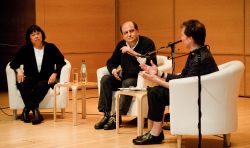
Adam Caruso de Caruso St John et Brigitte Shim de Shim-Sutcliffe Architects abordent des questions d’importance vitale dans la pratique architecturale contemporaine. Les présentations de Caruso et Shim sont suivies d’une conversation animée par le directeur du CCA, Mirko Zardini. La série Urgence témoigne de l’intérêt constant du CCA à explorer les questions cruciales(...)
Adam Caruso de Caruso St John et Brigitte Shim de Shim-Sutcliffe Architects abordent des questions d’importance vitale dans la pratique architecturale contemporaine. Les présentations de Caruso et Shim sont suivies d’une conversation animée par le directeur du CCA, Mirko Zardini. La série Urgence témoigne de l’intérêt constant du CCA à explorer les questions cruciales(...)
Date:
12 juin 2009
12 juin 2009
Titre:
Urgence 2009 : Adam Caruso et Brigitte Shim
Actions:
Description:
Adam Caruso de Caruso St John et Brigitte Shim de Shim-Sutcliffe Architects abordent des questions d’importance vitale dans la pratique architecturale contemporaine. Les présentations de Caruso et Shim sont suivies d’une conversation animée par le directeur du CCA, Mirko Zardini. La série Urgence témoigne de l’intérêt constant du CCA à explorer les questions cruciales(...)
Urgence 2009 : Adam Caruso et Brigitte Shim
Actions:
Description:
Adam Caruso de Caruso St John et Brigitte Shim de Shim-Sutcliffe Architects abordent des questions d’importance vitale dans la pratique architecturale contemporaine. Les présentations de Caruso et Shim sont suivies d’une conversation animée par le directeur du CCA, Mirko Zardini. La série Urgence témoigne de l’intérêt constant du CCA à explorer les questions cruciales(...)
Classification:
événements
événements
Date:
12 juin 2009
12 juin 2009
Classification:
événements
événements
Actions:
Description:
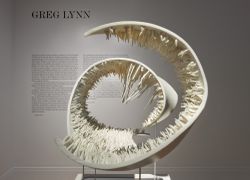
Enrico Chapel, architecte et urbaniste, effectue des recherches sur les ramifications des datascapes contemporains afin de les contextualiser dans le cadre d’une histoire de la représentation urbaine. Cliquez ici pour consulter la liste complète des séminaires de l’été.
Enrico Chapel, architecte et urbaniste, effectue des recherches sur les ramifications des datascapes contemporains afin de les contextualiser dans le cadre d’une histoire de la représentation urbaine. Cliquez ici pour consulter la liste complète des séminaires de l’été.
Date:
1 juillet 2010
1 juillet 2010
Titre:
Séminaire de chercheur en résidence : Enrico Chapel
Actions:
Description:
Enrico Chapel, architecte et urbaniste, effectue des recherches sur les ramifications des datascapes contemporains afin de les contextualiser dans le cadre d’une histoire de la représentation urbaine. Cliquez ici pour consulter la liste complète des séminaires de l’été.
Séminaire de chercheur en résidence : Enrico Chapel
Actions:
Description:
Enrico Chapel, architecte et urbaniste, effectue des recherches sur les ramifications des datascapes contemporains afin de les contextualiser dans le cadre d’une histoire de la représentation urbaine. Cliquez ici pour consulter la liste complète des séminaires de l’été.
Classification:
événements
événements
Date:
1 juillet 2010
1 juillet 2010


