


354 Résultats
Classification:
livres
livres
Titre:
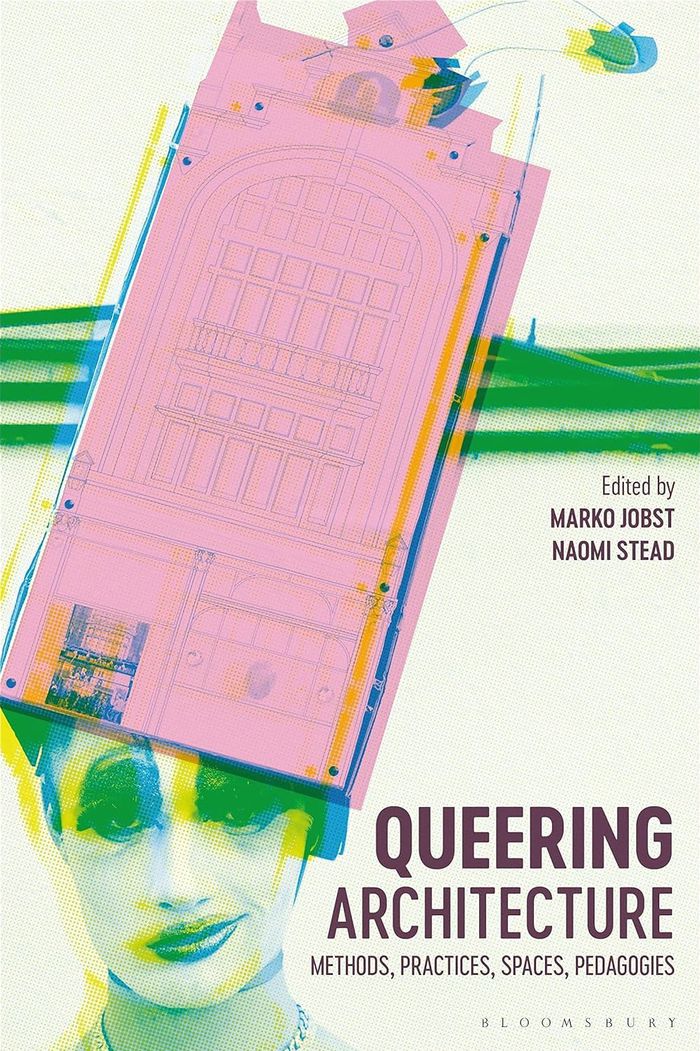
Queering architecture
Queering architecture
Actions:
Prix:
$52.50
(disponible sur commande)
Résumé:
Featuring contributions from a range of significant voices in the field, this volume renews the conversation around what it means to speak of the "queer" in the context of architecture, and offers a fresh take on the methodological and epistemological challenges this poses to the discipline of architectural theory. Architecture as a discipline, a profession and an applied(...)
Titre:
Queering architecture
Actions:
Prix:
$52.50
(disponible sur commande)
Résumé:
Featuring contributions from a range of significant voices in the field, this volume renews the conversation around what it means to speak of the "queer" in the context of architecture, and offers a fresh take on the methodological and epistemological challenges this poses to the discipline of architectural theory. Architecture as a discipline, a profession and an applied practice, is always subordinate to its own conceptual framework, which is one of orderliness. It refers to buildings, but also to infrastructures of thought and knowledge, to conventions and taxonomies, to structures of governance, hierarchies of power and systems of administration. How, then, can one look at queering architectural discourse when the very term "queer", celebrated for its elusive, slippery nature, resists and attacks such order? Divided into four subsections, the essays in this anthology each purse a distinct line of inquiry - methods, practices, spaces, and pedagogies - in order to help particularize the proposed queering of architecture. They demonstrate the paradoxical nature of the endeavour from a diverse range of perspectives – from the questions of mapping queer theory in architecture; to the issues of queer architectural archives, or lack thereof; to the non-Western linguistic challenges to the very term queer alongside decolonial approaches to architecture via indigeneity and landscape.
Classification:
livres
livres
Publication:
mai 2024
mai 2024
Classification:
livres
livres
Actions:
Prix:
$28.95
(disponible sur commande)
Résumé:
In this volume of the Critical Spatial Practice series, Dennis Pohl locates the origin of Europe's dependency on carbon and nuclear power in the postwar architectural designs and energy policies of the European Community. Since the 1950s, architects have proposed territorial, regional, and urban development plans that served the European political project. They(...)
Titre:
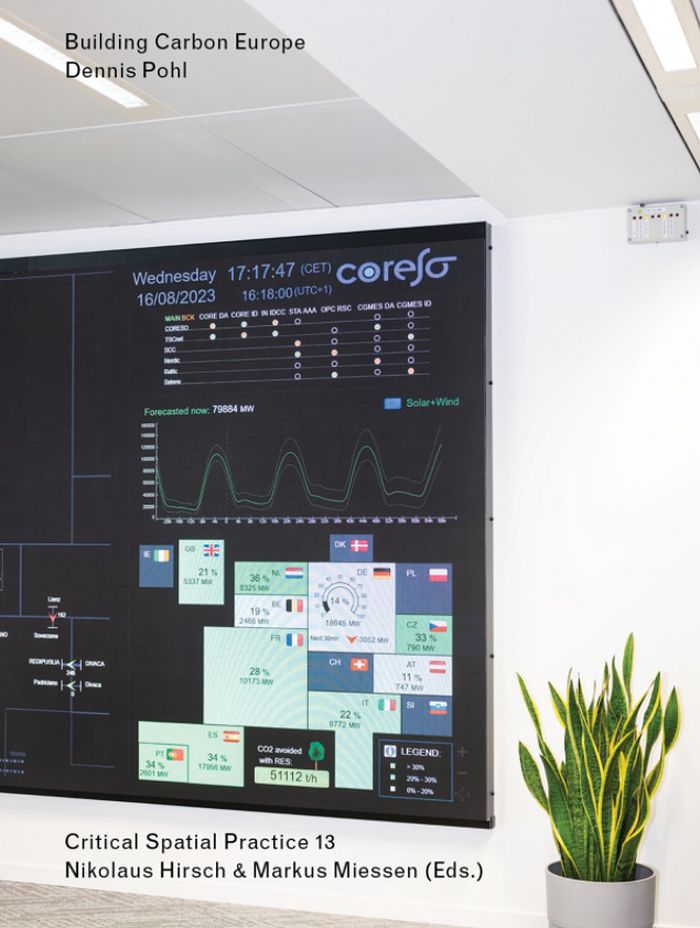
Building carbon europe: Coal, steel and nuclear power. Critical spatial practice
Actions:
Prix:
$28.95
(disponible sur commande)
Résumé:
In this volume of the Critical Spatial Practice series, Dennis Pohl locates the origin of Europe's dependency on carbon and nuclear power in the postwar architectural designs and energy policies of the European Community. Since the 1950s, architects have proposed territorial, regional, and urban development plans that served the European political project. They collaborated with the European Coal and Steel Community in an effort to render the steel building industry as efficient as the car industry; they incorporated the ideas of infinite nuclear energy, as promoted by the European Atomic Energy Community, into their designs. This book demonstrates how architecture served the political economy of postwar Europe as a means of turning coal, steel, and radioactivity into tools of European governance. Architectural design enabled EU institutions to support social policies and worker housing within the coal and steel industry as well as to promote a new pan-European lifestyle based on nuclear energy. In other words, architecture powered Europe's larger infrastructural, economic, and cultural network. Pohl's work not only sheds light on how architecture has contributed to the carbonization of Europe, it also highlights the environmental issue, which challenges both architectural criticism and historiography in the era of the Anthropocene.
Classification:
livres
livres
Publication:
avril 2024
avril 2024
Sujet:
Théorie de l’architecture
Théorie de l’architecture
Classification:
livres
livres
Actions:
Prix:
$16.95
(disponible en magasin)
Résumé:
In the summer of 2025, nine Western States formally recognized the State of Palestine. This State recognition and the resurrection of the moribund so-called “two-State solution” is combined with a criminalization of calls to liberate Palestine “from the river to the sea.” This issue asks: can liberation ever take the form of a state? Borrowing a phrase Sophia Azeb used(...)
Titre:
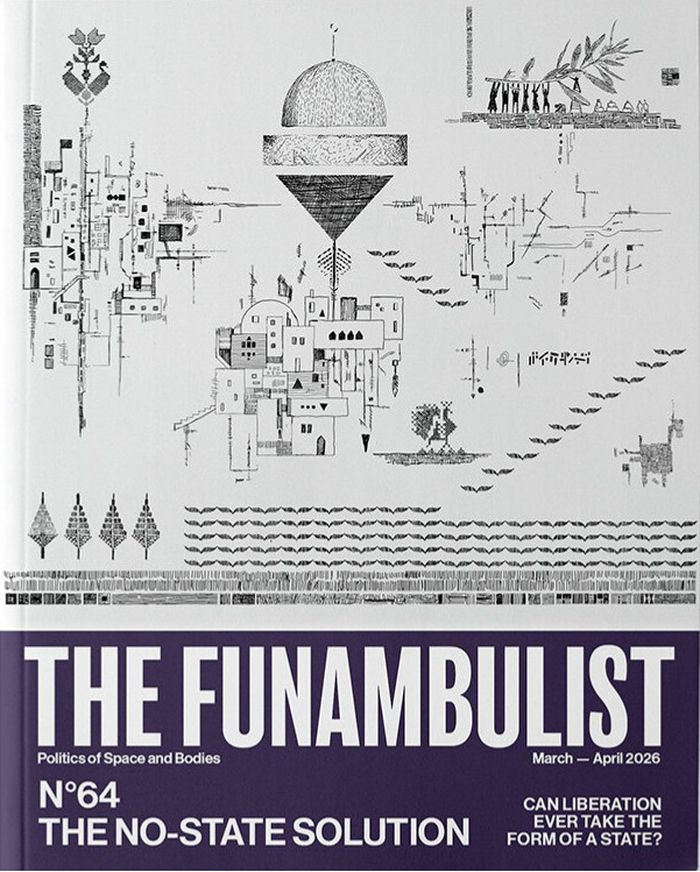
The Funambulist 64: The no-state solution
Actions:
Prix:
$16.95
(disponible en magasin)
Résumé:
In the summer of 2025, nine Western States formally recognized the State of Palestine. This State recognition and the resurrection of the moribund so-called “two-State solution” is combined with a criminalization of calls to liberate Palestine “from the river to the sea.” This issue asks: can liberation ever take the form of a state? Borrowing a phrase Sophia Azeb used multiple times in the history of The Funambulist (since our first conversation in 2014), The No-State Solution intends to revisit this concept in the context of Palestine in challenging the very idea of “solution” (Sophia Azeb & Rebecca Gross), but also in other liberation struggles such as the Kurdish (Havin Guneser) and Zapatista (Linda Quiquivix) ones. It warns us against state dreams, such as the ones implemented in Sierra Leone and Liberia (what William C. Anderson calls “Black Zionism” in his contribution), and questions the differences between State and community forms of governance, in particular when it comes to healthcare, as made evident in Cuba and Venezuela (Lisbeth Moya González). Finally, it envisions borderless, stateless futures in Aotearoa (Kai-rui Cheng) and Kanaky (Florenda Nirikani). As for the artwork on the cover, it is an original creation by Samir Harb.
Classification:
livres
livres
Publication:
mars 2026
mars 2026
Sujet:
Revues
Revues
Classification:
livres
livres
Actions:
Prix:
$27.95
(disponible sur commande)
Résumé:
In postapartheid Johannesburg, tensions of race and class manifest themselves starkly in struggles over "rights to the city." Real-estate developers and the very poor fight for control of space as the municipal administration steps aside, almost powerless to shape the direction of change. Having ceded control of development to the private sector, the Johannesburg city(...)
Publication:
juin 2008, Ithaca, London
juin 2008, Ithaca, London
Titre:
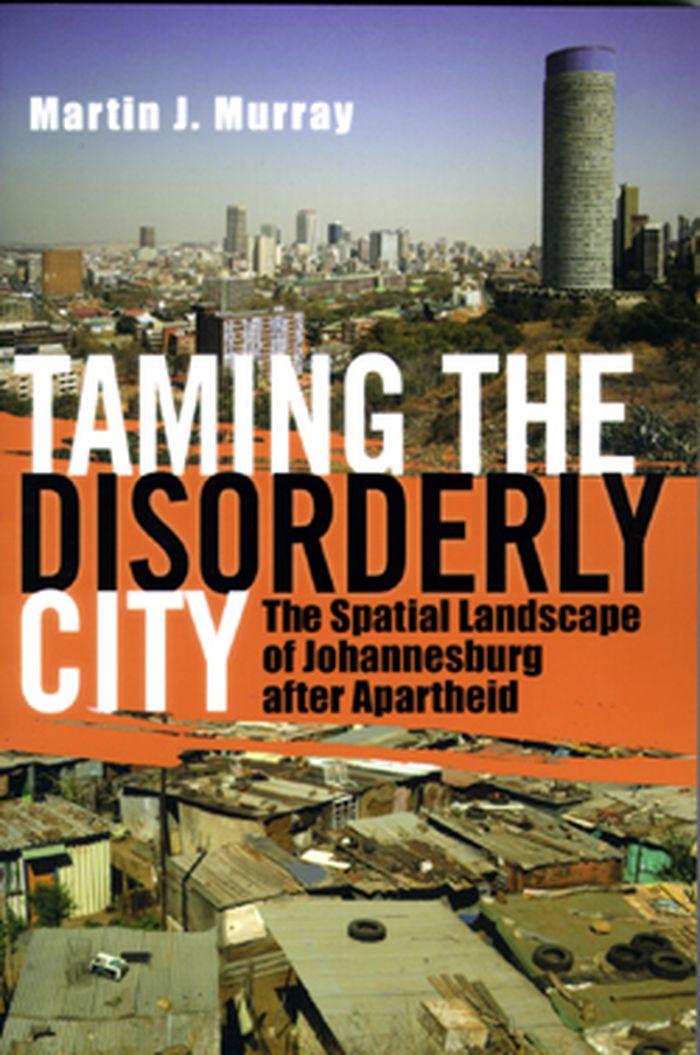
Taming the disorderly city: the spatial landscape of Johannesburg after Apartheid
Actions:
Prix:
$27.95
(disponible sur commande)
Résumé:
In postapartheid Johannesburg, tensions of race and class manifest themselves starkly in struggles over "rights to the city." Real-estate developers and the very poor fight for control of space as the municipal administration steps aside, almost powerless to shape the direction of change. Having ceded control of development to the private sector, the Johannesburg city government has all but abandoned residential planning to the unpredictability of market forces. This failure to plan for the civic good--and the resulting confusion--is a perfect example of the entrepreneurial approaches to urban governance that are sweeping much of the Global South as well as the cities of the North. Martin J. Murray brings together a wide range of urban theory and local knowledge to draw a nuanced portrait of contemporary Johannesburg. In Taming the Disorderly City, he provides a focused intellectual and political critique of the often-ambivalent urban dynamics that have emerged after the end of apartheid. Exploring the behaviors of the rich and poor, each empowered in their own way, as they rebuild a new Johannesburg, we see the entrepreneurial city: high-rises, shopping districts, and gated communities surrounded by and intermingled with poverty. In graceful prose, Murray offers a compelling portrait of the everyday lives of the urban poor as seen through the lens of real-estate capitalism and revitalization efforts.
Classification:
livres
livres
Publication:
juin 2008, Ithaca, London
juin 2008, Ithaca, London
Classification:
livres
livres
Titre:
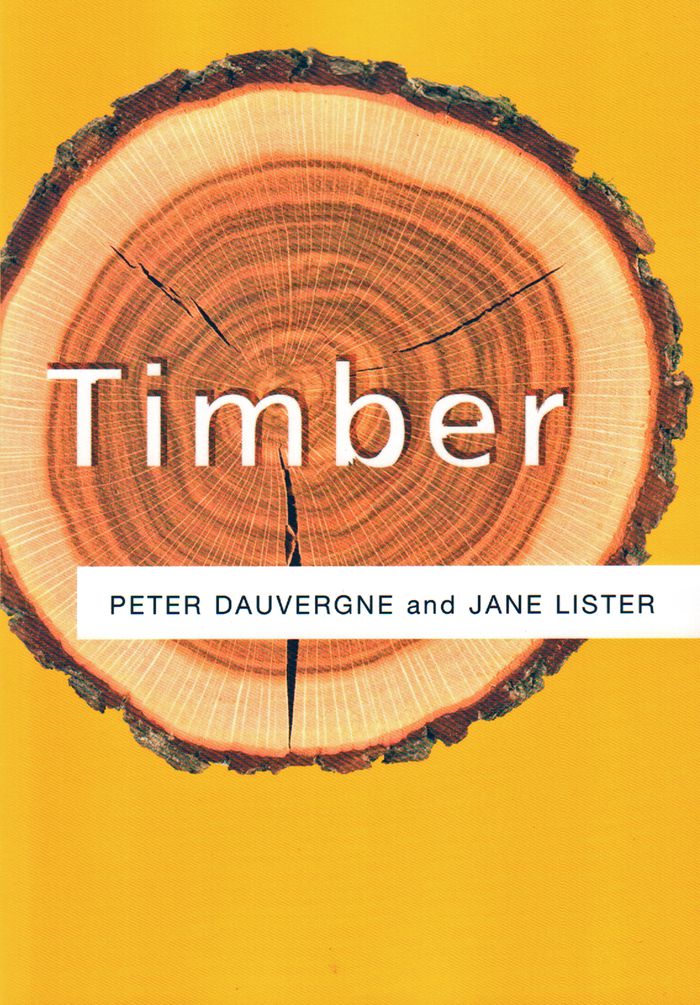
Timber
Timber
Actions:
Prix:
$26.95
(disponible sur commande)
Résumé:
Timber is a vital resource that is all around us. It is the house that shelters us, the furniture we relax in, the books we read, the paper we print, the disposable diapers for our babies, and the boxes that contain our cereal, detergent, and new appliances. The way we produce and consume timber, however, is changing. With international timber companies and big box(...)
Titre:
Timber
Actions:
Prix:
$26.95
(disponible sur commande)
Résumé:
Timber is a vital resource that is all around us. It is the house that shelters us, the furniture we relax in, the books we read, the paper we print, the disposable diapers for our babies, and the boxes that contain our cereal, detergent, and new appliances. The way we produce and consume timber, however, is changing. With international timber companies and big box discount retailers increasingly controlling through global commodity chains where and how much timber is traded, the world's remaining old-growth forests, particularly in the developing world, are under threat of disappearing - all for the price of a consumer bargain. This trailblazing book is the first to expose what's happening inside corporate commodity chains with conclusions that fundamentally challenge our understanding of how and why deforestation persists. Authors Peter Dauvergne and Jane Lister reveal how timber now moves through long and complex supply chains from the forests of the global South through the factories of emerging economies like China to the big box retail shelves of Europe and North America. Well-off consumers are getting unprecedented deals. But the social and environmental costs are extraordinarily high as corporations mine the world's poorest regions and most vulnerable ecosystems. The growing power of big retail within these commodity chains is further increasing South-North inequities and unsustainable global consumption. Yet, as this book's highly original analysis uncovers, it is also creating some intriguing opportunities to promote more responsible business practices and better global forest governance.
Classification:
livres
livres
Publication:
avril 2011
avril 2011
Sujet:
Expositions en cours
Expositions en cours
Classification:
livres
livres
Actions:
Prix:
$56.95
(disponible sur commande)
Résumé:
In Outlaw Territories, Felicity Scott traces the relation of architecture and urbanism to human unsettlement and territorial insecurity during the 1960s and 1970s. Investigating a set of responses to the growing urban unrest in the developed and developing worlds, Scott revisits an era when the discipline of architecture staked out a role in global environmental(...)
Titre:
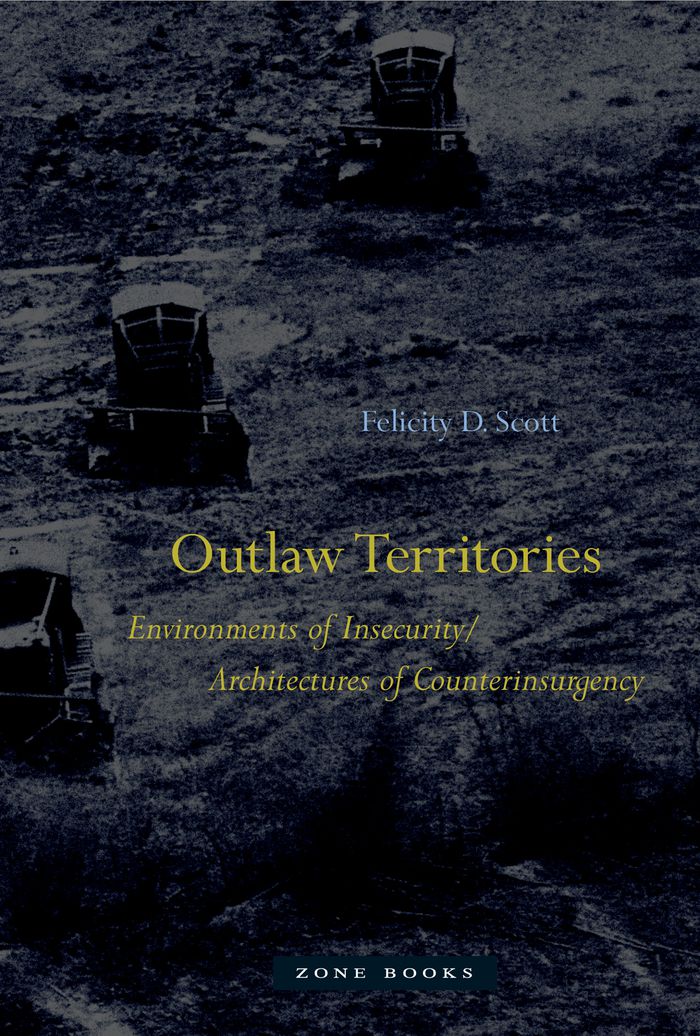
Outlaw Territories: Environments of Insecurity/ Architectures of Counterinsurgency
Actions:
Prix:
$56.95
(disponible sur commande)
Résumé:
In Outlaw Territories, Felicity Scott traces the relation of architecture and urbanism to human unsettlement and territorial insecurity during the 1960s and 1970s. Investigating a set of responses to the growing urban unrest in the developed and developing worlds, Scott revisits an era when the discipline of architecture staked out a role in global environmental governance and the biopolitical management of populations. She describes architecture’s response to the displacement of persons brought on by migration, urbanization, environmental catastrophe, and warfare, and she traces architecture’s relationship to the material, environmental, psychological, and geopolitical transformations brought on by postindustrial technologies and neoliberal capitalism after World War II. At the height of the U.S.-led war in Vietnam and Cambodia, with ongoing decolonization struggles in many parts of the world, architecture not only emerged as a target of political agitation because of its inherent normativity but also became heavily enmeshed with military, legal, and humanitarian apparatuses, participating in scientific and technological research dedicated to questions of international management and security. Once architecture became aligned with a global matrix of forces concerned with the environment, economic development, migration, genocide, and war, its role shifted at times toward providing strategic expertise for institutions born of neoliberal capitalism. Scott investigates this nexus and questions how and to what ends architecture and the environment came to be intimately connected to the expanded exercise of power within the shifting geopolitical frameworks at this time.
Classification:
livres
livres
Publication:
février 2016
février 2016
Sujet:
Théorie de l’architecture
Théorie de l’architecture
Classification:
livres
livres
Prix:
$20.95
(disponible sur commande)
Résumé:
In 1950, only 30 percent of the world's population lived in cities. By 2007, the planet's population has doubled, and today, as many people live in cities as populated the entire planet in 1950. Eighty percent of the planet's greenhouse gases are created by these energy-intensive urban centers. Thus, the key to creating climate change solutions resides with cities.(...)
Titre:
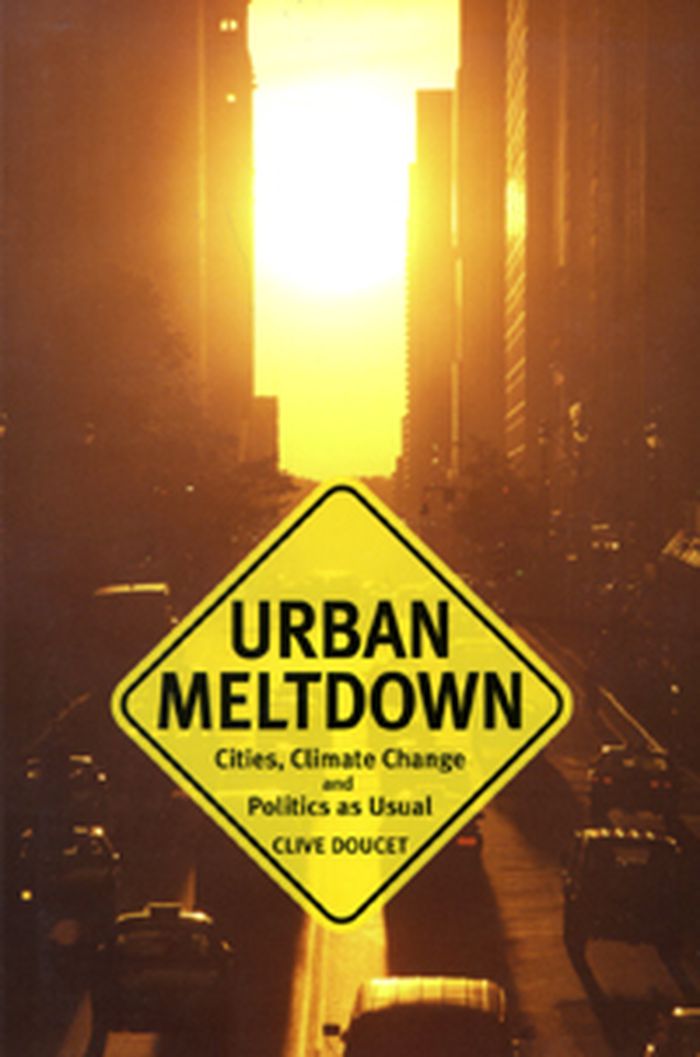
Urban meltdown: cities, climate change and politics as usual
Actions:
Prix:
$20.95
(disponible sur commande)
Résumé:
In 1950, only 30 percent of the world's population lived in cities. By 2007, the planet's population has doubled, and today, as many people live in cities as populated the entire planet in 1950. Eighty percent of the planet's greenhouse gases are created by these energy-intensive urban centers. Thus, the key to creating climate change solutions resides with cities. Author and Ottawa city councilor Clive Doucet provides a razor-sharp insider's perspective, stating his central theme: "It's not about planning. It's about politics." Climate change is proceeding so quickly not for lack of knowledge, but because politicians who deviate from the car-based sprawl model cannot get elected. Urban Meltdown describes how we got here, why we got here, and what can be done about it, as evidenced by the author's observations that: Economic growth has no built-in environmental accountability. Until the political thinking about growth and the progress model itself is changed, our environmental concerns will never be properly addressed. We need a new governance paradigm at all three levels. The cautionary tale of how the 1960s tried to take us down a different route failed, not for lack of leadership but because the system didn't permit it. Urban Meltdown reveals, castigates, and inspires. This is an important book for anyone who cares about thinking differently, acting differently, and making a difference. Clive Doucet is an urban activist, well-known journalist, best-selling author, and the first poet ever elected to Ottawa City Council.
Classification:
livres
livres
Publication:
octobre 2007, Gabriola Island
octobre 2007, Gabriola Island
Sujet:
Architecture écologique
Architecture écologique
Classification:
livres
livres
Prix:
$40.00
(disponible sur commande)
Résumé:
Cities can make us sick. They always have—diseases spread more easily when more people are close to one another. And disease is hardly the only ill that accompanies urban density. Cities have been demonized as breeding grounds for vice and crime from Sodom and Gomorrah on. But cities have flourished nonetheless because they are humanity’s greatest invention, indispensable(...)
Titre:
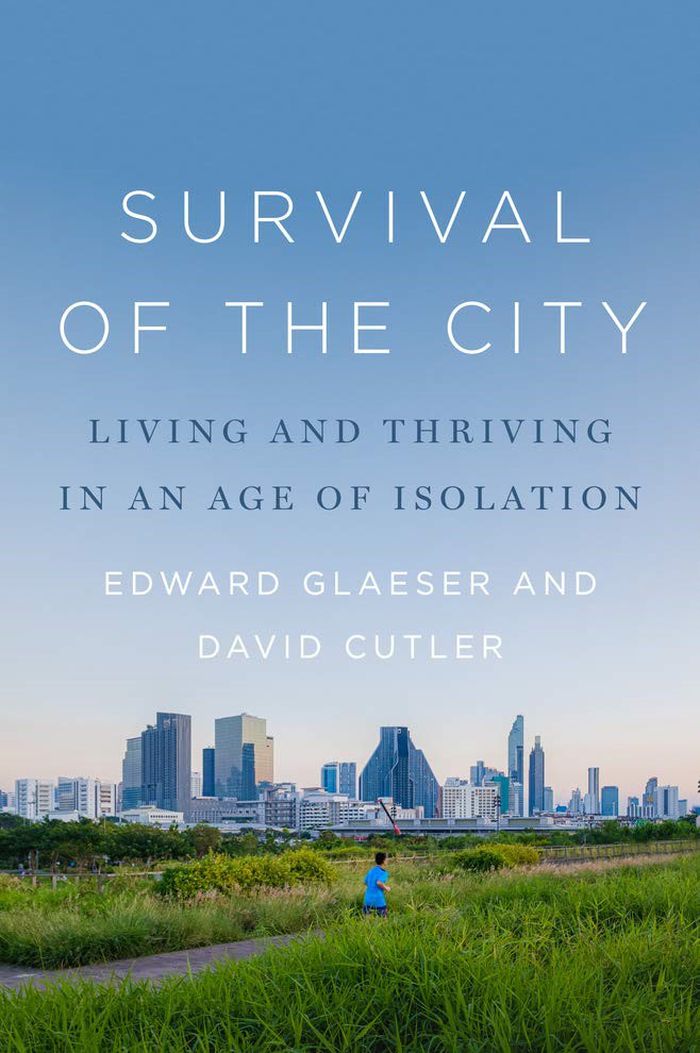
Survival of the city: Living and thriving in an age of isolation
Actions:
Prix:
$40.00
(disponible sur commande)
Résumé:
Cities can make us sick. They always have—diseases spread more easily when more people are close to one another. And disease is hardly the only ill that accompanies urban density. Cities have been demonized as breeding grounds for vice and crime from Sodom and Gomorrah on. But cities have flourished nonetheless because they are humanity’s greatest invention, indispensable engines for creativity, innovation, wealth, and connection, the loom on which the fabric of civilization is woven. But cities now stand at a crossroads. During the global COVID crisis, cities grew silent as people worked from home—if they could work at all. The normal forms of socializing ground to a halt. How permanent are these changes? Advances in digital technology mean that many people can opt out of city life as never before. Will they? Are we on the brink of a post-urban world? City life will survive but individual cities face terrible risks, argue Edward Glaeser and David Cutler, and a wave of urban failure would be absolutely disastrous. In terms of intimacy and inspiration, nothing can replace what cities offer. Great cities have always demanded great management, and our current crisis has exposed fearful gaps in our capacity for good governance. It is possible to drive a city into the ground, pandemic or not. Glaeser and Cutler examine the evolution that is already happening, and describe the possible futures that lie before us.
Classification:
livres
livres
Publication:
septembre 2021
septembre 2021
Sujet:
Théorie de l’urbanisme
Théorie de l’urbanisme
Classification:
livres
livres
Titre:
Antarctic resolution
Antarctic resolution
Actions:
Prix:
$110.00
(disponible sur commande)
Résumé:
Accounting for approximately 10% of the land mass of Planet Earth, the Antarctic is a global commons we collectively neglect. Far from being a pristine natural landscape, the continent is a contested territory which conceals resources that might prove irresistible in a world with ever-increasing population growth. The 26 quadrillion tons of ice accumulated on its bedrock,(...)
Titre:
Antarctic resolution
Actions:
Prix:
$110.00
(disponible sur commande)
Résumé:
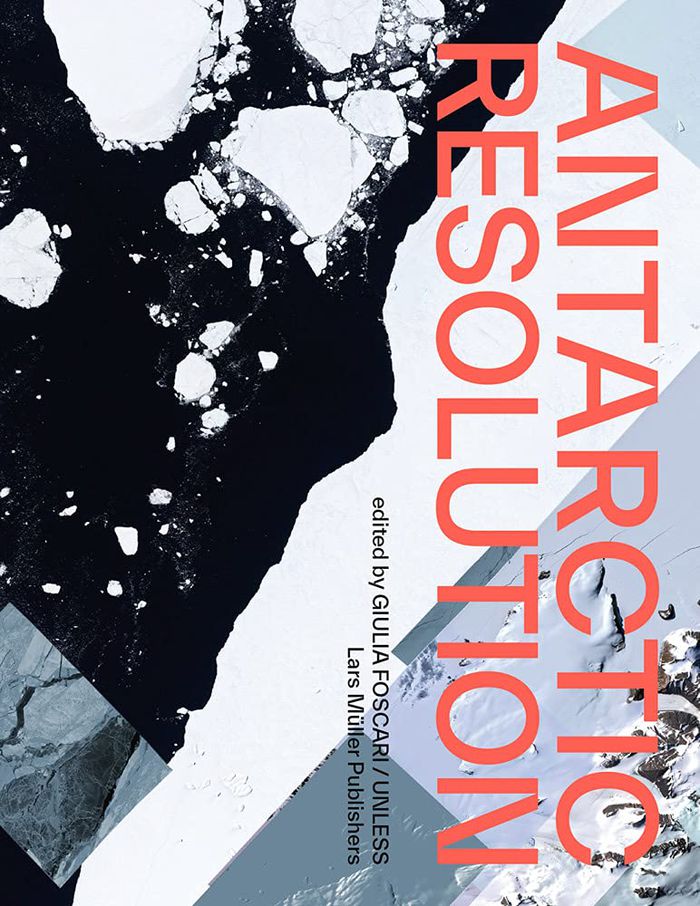
Accounting for approximately 10% of the land mass of Planet Earth, the Antarctic is a global commons we collectively neglect. Far from being a pristine natural landscape, the continent is a contested territory which conceals resources that might prove irresistible in a world with ever-increasing population growth. The 26 quadrillion tons of ice accumulated on its bedrock, equivalent to around 70% of the fresh water on our planet, represent at once the most significant repository of scientific data available, providing crucial information for future environmental policies, and the greatest menace to global coastal settlements threatened by the rise in sea levels induced by anthropogenic global warming. ''Antarctic Resolution'' advocates the rejection of the pixelated view of Antarctica offered to us by big data companies and urges the construction of a high-resolution image focusing on the continent’s unique geography, unparalleled scientific potential, contemporary geopolitical significance, experimental governance system and its extreme inhabitation model. Only the concerted determination of a transnational network of multidisciplinary polar experts—represented here in the form of authored texts, photographic essays and data-based visual portfolios—could construct such an image and reveal the intricate web of growing economic and strategic interests, tensions and international rivalries, which are enveloped in darkness, as is the continent for six months of the year. Learning from Antarctica’s spirit of cooperation, ''Antarctic Resolution'' aspires to launch a platform, an agency for change, where citizens can undertake a true Antarctic resolution and engage in a unanimous effort—independent of nation—to shape the future of the Antarctic and, in turn, of our planet.
Classification:
livres
livres
Publication:
août 2021
août 2021
Sujet:
Architecture contemporaine
Architecture contemporaine
Classification:
livres
livres
Prix:
$40.95
(disponible sur commande)
Résumé:
Vast interior spaces have become ubiquitous in the contemporary city. The soaring atriums and concourses of mega-hotels, shopping malls and transport interchanges define an increasingly normal experience of being 'inside' in a city. Yet such spaces are also subject to intense criticism and claims that they can destroy the quality of a city's authentic life 'on the(...)
Titre:
Interior urbanism: architecture, John Portman and downtown America
Actions:
Prix:
$40.95
(disponible sur commande)
Résumé:
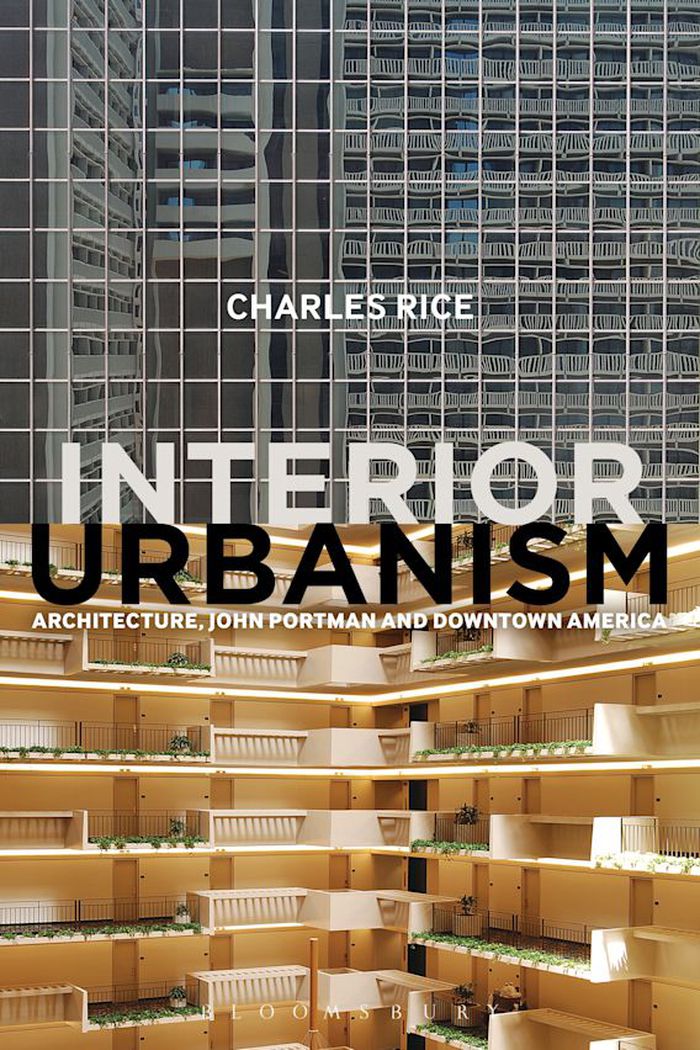
Vast interior spaces have become ubiquitous in the contemporary city. The soaring atriums and concourses of mega-hotels, shopping malls and transport interchanges define an increasingly normal experience of being 'inside' in a city. Yet such spaces are also subject to intense criticism and claims that they can destroy the quality of a city's authentic life 'on the outside'. ''Interior Urbanism'' explores the roots of this contemporary tension between inside and outside, identifying and analysing the concept of interior urbanism and tracing its history back to the works of John Portman and Associates in 1960s and 70s America. Portman – increasingly recognised as an influential yet understudied figure – was responsible for projects such as Peachtree Center in Atlanta and the Los Angeles Bonaventure Hotel, developments that employed vast internal atriums to define a world of possibilities not just for hotels and commercial spaces, but for the future of the American downtown amid the upheavals of the 1960s and 70s. The book analyses Portman's architecture in order to reconsider major contexts of debate in architecture and urbanism in this period, including the massive expansion of a commercial imperative in architecture, shifts in the governance and development of cities amid social and economic instability, the rise of postmodernism and critical urban studies, and the defence of the street and public space amid the continual upheavals of urban development. In this way the book reconsiders the American city at a crucial time in its development, identifying lessons for how we consider the forces at work, and the spaces produced, in cities in the present.
Classification:
livres
livres
Publication:
août 2016
août 2016
Sujet:
Théorie de l’architecture
Théorie de l’architecture


