


11306 Résultats
Niveau de description archivistique:
Projet
Projet
Numéro de référence:
AP178.S1.1992.PR01
Description:
This project series documents the Remodelação do Cinema Condes in Santiago de Compostela, Spain. While the records were held in the office’s archives this project was assigned the number 22/90. The office assigned the dates 1991-1992 to this project. The Cinema Condes was built between 1949 and 1951. At the beginning of the 1990s, the owners of the building wanted to add offices and stores while maintaining the cinema. The renovations to the cinema were part of an urban rehabilitation project for the Avenida da Liberdade. Siza did a preliminary study for these renovations. The project was not realized. Documenting this project are sketches, studies, and working drawings. Textual materials include project documentation. Photographic materials document the existing building, models and project site.
AP178.S1.1992.PR01
Description:
This project series documents the Remodelação do Cinema Condes in Santiago de Compostela, Spain. While the records were held in the office’s archives this project was assigned the number 22/90. The office assigned the dates 1991-1992 to this project. The Cinema Condes was built between 1949 and 1951. At the beginning of the 1990s, the owners of the building wanted to add offices and stores while maintaining the cinema. The renovations to the cinema were part of an urban rehabilitation project for the Avenida da Liberdade. Siza did a preliminary study for these renovations. The project was not realized. Documenting this project are sketches, studies, and working drawings. Textual materials include project documentation. Photographic materials document the existing building, models and project site.
Personnes et institutions:
Date:
1991-2012
1991-2012
Titre:
Remodelação do Cinema Condes [Remodelling of Cinema Condes], Lisbon, Portugal (1991-1992)
Actions:
AP178.S1.1992.PR01
Description:
This project series documents the Remodelação do Cinema Condes in Santiago de Compostela, Spain. While the records were held in the office’s archives this project was assigned the number 22/90. The office assigned the dates 1991-1992 to this project. The Cinema Condes was built between 1949 and 1951. At the beginning of the 1990s, the owners of the building wanted to add offices and stores while maintaining the cinema. The renovations to the cinema were part of an urban rehabilitation project for the Avenida da Liberdade. Siza did a preliminary study for these renovations. The project was not realized. Documenting this project are sketches, studies, and working drawings. Textual materials include project documentation. Photographic materials document the existing building, models and project site.
Remodelação do Cinema Condes [Remodelling of Cinema Condes], Lisbon, Portugal (1991-1992)
Actions:
AP178.S1.1992.PR01
Description:
This project series documents the Remodelação do Cinema Condes in Santiago de Compostela, Spain. While the records were held in the office’s archives this project was assigned the number 22/90. The office assigned the dates 1991-1992 to this project. The Cinema Condes was built between 1949 and 1951. At the beginning of the 1990s, the owners of the building wanted to add offices and stores while maintaining the cinema. The renovations to the cinema were part of an urban rehabilitation project for the Avenida da Liberdade. Siza did a preliminary study for these renovations. The project was not realized. Documenting this project are sketches, studies, and working drawings. Textual materials include project documentation. Photographic materials document the existing building, models and project site.
Niveau de description archivistique:
Project
Project
Date:
1991-2012
1991-2012
Personnes et institutions:
Classification:
expositions
expositions
Titre:
L’idée du pénitencier
L’idée du pénitencier
Actions:
Description:
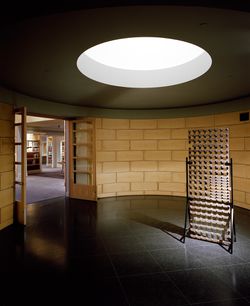
Cette exposition explore l’idée du pénitencier qui, au XIXe siècle, s’est frayée un chemin dans les consciences et les territoires d’Europe et d’Amérique du Nord. S’inspirant de la tendance rationaliste en architecture et des principes sociaux posés au XVIIIe siècle, les partisans de la prison se sont attachés à une claire géométrie de l’isolement, de la surveillance et(...)
Cette exposition explore l’idée du pénitencier qui, au XIXe siècle, s’est frayée un chemin dans les consciences et les territoires d’Europe et d’Amérique du Nord. S’inspirant de la tendance rationaliste en architecture et des principes sociaux posés au XVIIIe siècle, les partisans de la prison se sont attachés à une claire géométrie de l’isolement, de la surveillance et(...)
Localisation:
Vitrines
Vitrines
Date:
8 novembre 1995 au 31 mai 1996
8 novembre 1995 au 31 mai 1996
Titre:
L’idée du pénitencier
Actions:
Description:
Cette exposition explore l’idée du pénitencier qui, au XIXe siècle, s’est frayée un chemin dans les consciences et les territoires d’Europe et d’Amérique du Nord. S’inspirant de la tendance rationaliste en architecture et des principes sociaux posés au XVIIIe siècle, les partisans de la prison se sont attachés à une claire géométrie de l’isolement, de la surveillance et(...)
L’idée du pénitencier
Actions:
Description:
Cette exposition explore l’idée du pénitencier qui, au XIXe siècle, s’est frayée un chemin dans les consciences et les territoires d’Europe et d’Amérique du Nord. S’inspirant de la tendance rationaliste en architecture et des principes sociaux posés au XVIIIe siècle, les partisans de la prison se sont attachés à une claire géométrie de l’isolement, de la surveillance et(...)
Classification:
expositions
expositions
Date:
8 novembre 1995 au
31 mai 1996
8 novembre 1995 au
31 mai 1996
Localisation:
Vitrines
Vitrines
Niveau de description archivistique:
Projet
Projet
Titre:
Old Montréal
Old Montréal
Numéro de référence:
AP027.S1.D17
Description:
Study and plan for the rehabilitation of the Old City of Montréal. The study assesses the historical importance of the Old City and examines existing conditions of land use, circulation, parking, the present condition of buildings, property values and the architectural merit of the structures. Proposals and recommendations are summarized in the report. Reconstruction of the plans of the Old City of Montréal at significant stages of development up to 1962, from archival records.
AP027.S1.D17
Description:
Study and plan for the rehabilitation of the Old City of Montréal. The study assesses the historical importance of the Old City and examines existing conditions of land use, circulation, parking, the present condition of buildings, property values and the architectural merit of the structures. Proposals and recommendations are summarized in the report. Reconstruction of the plans of the Old City of Montréal at significant stages of development up to 1962, from archival records.
Personnes et institutions:
Sujet:
urbanisme
urbanisme
Date:
1961-1963
1961-1963
Titre:
Old Montréal
Actions:
AP027.S1.D17
Description:
Study and plan for the rehabilitation of the Old City of Montréal. The study assesses the historical importance of the Old City and examines existing conditions of land use, circulation, parking, the present condition of buildings, property values and the architectural merit of the structures. Proposals and recommendations are summarized in the report. Reconstruction of the plans of the Old City of Montréal at significant stages of development up to 1962, from archival records.
Old Montréal
Actions:
AP027.S1.D17
Description:
Study and plan for the rehabilitation of the Old City of Montréal. The study assesses the historical importance of the Old City and examines existing conditions of land use, circulation, parking, the present condition of buildings, property values and the architectural merit of the structures. Proposals and recommendations are summarized in the report. Reconstruction of the plans of the Old City of Montréal at significant stages of development up to 1962, from archival records.
Niveau de description archivistique:
File 17
File 17
Date:
1961-1963
1961-1963
Personnes et institutions:
Sujet:
urbanisme
urbanisme
Classification:
expositions
expositions
Description:
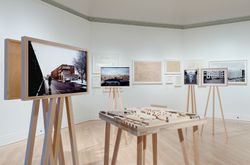
« Wohnhaus Schlesisches Tor » (aussi appelé « Bonjour Tristesse ») à Berlin et « Punt en Komma » à La Haye sont les premiers ouvrages d’Álvaro Siza construits hors du Portugal, sa terre natale. Ils ont en commun leur taille, envergure, vocation et ambition ; tous deux ont été érigés dans les années 80, tous deux découlent d’une perception particulière de la ville et tous(...)
« Wohnhaus Schlesisches Tor » (aussi appelé « Bonjour Tristesse ») à Berlin et « Punt en Komma » à La Haye sont les premiers ouvrages d’Álvaro Siza construits hors du Portugal, sa terre natale. Ils ont en commun leur taille, envergure, vocation et ambition ; tous deux ont été érigés dans les années 80, tous deux découlent d’une perception particulière de la ville et tous(...)
Localisation:
Salle octogonale Mot(s)-clé(s):
Álvaro Siza, Punt en Komma, The Hague, Bonjour Tristesse, Berlin
Salle octogonale Mot(s)-clé(s):
Álvaro Siza, Punt en Komma, The Hague, Bonjour Tristesse, Berlin
Date:
24 septembre 2015 au 22 mai 2016
24 septembre 2015 au 22 mai 2016
Titre:
Coin, îlot, quartier, villes. Álvaro Siza à Berlin et à La Haye
Actions:
Description:
« Wohnhaus Schlesisches Tor » (aussi appelé « Bonjour Tristesse ») à Berlin et « Punt en Komma » à La Haye sont les premiers ouvrages d’Álvaro Siza construits hors du Portugal, sa terre natale. Ils ont en commun leur taille, envergure, vocation et ambition ; tous deux ont été érigés dans les années 80, tous deux découlent d’une perception particulière de la ville et tous(...)
Coin, îlot, quartier, villes. Álvaro Siza à Berlin et à La Haye
Actions:
Description:
« Wohnhaus Schlesisches Tor » (aussi appelé « Bonjour Tristesse ») à Berlin et « Punt en Komma » à La Haye sont les premiers ouvrages d’Álvaro Siza construits hors du Portugal, sa terre natale. Ils ont en commun leur taille, envergure, vocation et ambition ; tous deux ont été érigés dans les années 80, tous deux découlent d’une perception particulière de la ville et tous(...)
Classification:
expositions
expositions
Date:
24 septembre 2015 au
22 mai 2016
24 septembre 2015 au
22 mai 2016
Localisation:
Salle octogonale Mot(s)-clé(s):
Álvaro Siza, Punt en Komma, The Hague, Bonjour Tristesse, Berlin
Salle octogonale Mot(s)-clé(s):
Álvaro Siza, Punt en Komma, The Hague, Bonjour Tristesse, Berlin
Classification:
archives
Niveau de description archivistique:
Fonds
archives
Niveau de description archivistique:
Fonds
Titre:
Fonds Wells Coates
Fonds Wells Coates
Numéro de référence:
AP030
Résumé:
The Wells Coates Fonds, 1909-1986, documents the professional career and personal life of architect Wells Wintemute Coates. The fonds consists of the following materials: approximately 1,937 photographic materials, 530 drawings (including reprographic copies), 3 l.m. textual records, 200 slides, 37 books, 2 reels of 16mm film (400 feet Cine- Kodak Film), 2 medals, 1 box of buttons and 1 box of keys.
AP030
Résumé:
The Wells Coates Fonds, 1909-1986, documents the professional career and personal life of architect Wells Wintemute Coates. The fonds consists of the following materials: approximately 1,937 photographic materials, 530 drawings (including reprographic copies), 3 l.m. textual records, 200 slides, 37 books, 2 reels of 16mm film (400 feet Cine- Kodak Film), 2 medals, 1 box of buttons and 1 box of keys.
Personnes et institutions:
Date:
1909-1986
1909-1986
Titre:
Fonds Wells Coates
Actions:
AP030
Résumé:
The Wells Coates Fonds, 1909-1986, documents the professional career and personal life of architect Wells Wintemute Coates. The fonds consists of the following materials: approximately 1,937 photographic materials, 530 drawings (including reprographic copies), 3 l.m. textual records, 200 slides, 37 books, 2 reels of 16mm film (400 feet Cine- Kodak Film), 2 medals, 1 box of buttons and 1 box of keys.
Fonds Wells Coates
Actions:
AP030
Résumé:
The Wells Coates Fonds, 1909-1986, documents the professional career and personal life of architect Wells Wintemute Coates. The fonds consists of the following materials: approximately 1,937 photographic materials, 530 drawings (including reprographic copies), 3 l.m. textual records, 200 slides, 37 books, 2 reels of 16mm film (400 feet Cine- Kodak Film), 2 medals, 1 box of buttons and 1 box of keys.
Classification:
archives
Niveau de description archivistique:
Fonds
archives
Niveau de description archivistique:
Fonds
Date:
1909-1986
1909-1986
Personnes et institutions:
Niveau de description archivistique:
Projet
Projet
Numéro de référence:
AP178.S1.1983.PR05
Description:
The project series documents the Boutique Nina in Porto, Portugal. While the records were held in the office’s archives this project was assigned the number 20/80. The office assigned the date 1983 for this project. This project consisted of a 50 square metre fashion boutique located on Rua Firmeza. The shop's focal point was a curved marble staircase that led to a balcony, visable through the shop's large windows from the street. The project is recorded through drawings, photographic materials and some textual records dating from 1983. The drawings are mostly originals and consist of sketches, plans, sections, perspectives, details and axonometric drawings. The textual records consist of invoices, correspondence, material schedules and notes, while photographs and slides show plans and the built project.
AP178.S1.1983.PR05
Description:
The project series documents the Boutique Nina in Porto, Portugal. While the records were held in the office’s archives this project was assigned the number 20/80. The office assigned the date 1983 for this project. This project consisted of a 50 square metre fashion boutique located on Rua Firmeza. The shop's focal point was a curved marble staircase that led to a balcony, visable through the shop's large windows from the street. The project is recorded through drawings, photographic materials and some textual records dating from 1983. The drawings are mostly originals and consist of sketches, plans, sections, perspectives, details and axonometric drawings. The textual records consist of invoices, correspondence, material schedules and notes, while photographs and slides show plans and the built project.
Personnes et institutions:
Date:
1983
1983
Titre:
Boutique Nina, Porto, Portugal (1983)
Actions:
AP178.S1.1983.PR05
Description:
The project series documents the Boutique Nina in Porto, Portugal. While the records were held in the office’s archives this project was assigned the number 20/80. The office assigned the date 1983 for this project. This project consisted of a 50 square metre fashion boutique located on Rua Firmeza. The shop's focal point was a curved marble staircase that led to a balcony, visable through the shop's large windows from the street. The project is recorded through drawings, photographic materials and some textual records dating from 1983. The drawings are mostly originals and consist of sketches, plans, sections, perspectives, details and axonometric drawings. The textual records consist of invoices, correspondence, material schedules and notes, while photographs and slides show plans and the built project.
Boutique Nina, Porto, Portugal (1983)
Actions:
AP178.S1.1983.PR05
Description:
The project series documents the Boutique Nina in Porto, Portugal. While the records were held in the office’s archives this project was assigned the number 20/80. The office assigned the date 1983 for this project. This project consisted of a 50 square metre fashion boutique located on Rua Firmeza. The shop's focal point was a curved marble staircase that led to a balcony, visable through the shop's large windows from the street. The project is recorded through drawings, photographic materials and some textual records dating from 1983. The drawings are mostly originals and consist of sketches, plans, sections, perspectives, details and axonometric drawings. The textual records consist of invoices, correspondence, material schedules and notes, while photographs and slides show plans and the built project.
Niveau de description archivistique:
Project
Project
Date:
1983
1983
Personnes et institutions:
Niveau de description archivistique:
Sous-série
Sous-série
Numéro de référence:
AP178.S1.1985.PR02.SS2
Description:
This project subseries documents the Projecto para um Edifício de Habitação em Campo di Marte in Giudecca, Italy. While the records were held in the office’s archives this project was assigned the number 34/80 A. The office assigned the date 1985 to this project. The building was part of Siza's intervention in Giudecca. The L-shaped housing building included three floors and 32 apartments. The building respected the Venetian architectural style. Due to financial problems, construction of the building stopped in 2010. Construction eventually continued later on and the project was finished in 2016. Documenting this project are sketches, studies and plans. Photographic materials include photographs and negatives of the project site and model. Textual materials include competition documentation, project documentation, notes and technical specifications.
AP178.S1.1985.PR02.SS2
Description:
This project subseries documents the Projecto para um Edifício de Habitação em Campo di Marte in Giudecca, Italy. While the records were held in the office’s archives this project was assigned the number 34/80 A. The office assigned the date 1985 to this project. The building was part of Siza's intervention in Giudecca. The L-shaped housing building included three floors and 32 apartments. The building respected the Venetian architectural style. Due to financial problems, construction of the building stopped in 2010. Construction eventually continued later on and the project was finished in 2016. Documenting this project are sketches, studies and plans. Photographic materials include photographs and negatives of the project site and model. Textual materials include competition documentation, project documentation, notes and technical specifications.
Personnes et institutions:
Date:
1984-2005
1984-2005
Titre:
Projecto para um Edifício de Habitação em Campo di Marte [Housing complex, Campo di Marte], Giudecca, Venice, Italy, (1985)
Actions:
AP178.S1.1985.PR02.SS2
Description:
This project subseries documents the Projecto para um Edifício de Habitação em Campo di Marte in Giudecca, Italy. While the records were held in the office’s archives this project was assigned the number 34/80 A. The office assigned the date 1985 to this project. The building was part of Siza's intervention in Giudecca. The L-shaped housing building included three floors and 32 apartments. The building respected the Venetian architectural style. Due to financial problems, construction of the building stopped in 2010. Construction eventually continued later on and the project was finished in 2016. Documenting this project are sketches, studies and plans. Photographic materials include photographs and negatives of the project site and model. Textual materials include competition documentation, project documentation, notes and technical specifications.
Projecto para um Edifício de Habitação em Campo di Marte [Housing complex, Campo di Marte], Giudecca, Venice, Italy, (1985)
Actions:
AP178.S1.1985.PR02.SS2
Description:
This project subseries documents the Projecto para um Edifício de Habitação em Campo di Marte in Giudecca, Italy. While the records were held in the office’s archives this project was assigned the number 34/80 A. The office assigned the date 1985 to this project. The building was part of Siza's intervention in Giudecca. The L-shaped housing building included three floors and 32 apartments. The building respected the Venetian architectural style. Due to financial problems, construction of the building stopped in 2010. Construction eventually continued later on and the project was finished in 2016. Documenting this project are sketches, studies and plans. Photographic materials include photographs and negatives of the project site and model. Textual materials include competition documentation, project documentation, notes and technical specifications.
Niveau de description archivistique:
Project
Project
Date:
1984-2005
1984-2005
Personnes et institutions:
Niveau de description archivistique:
Projet
Projet
Numéro de référence:
AP178.S1.1984.PR05
Description:
This project series documents the Casa Erhard Josef Pascher in Sintra, Portugal. While the records were held in the office’s archives this project was assigned the number 24/80. The office assigned the dates 1984-1985 to this project The project files document a house comissioned by Erhard Josef Pascher. The house included a library, garage, workshop, small garden, swimming pool, sauna and terrace. The client asked for a solar power system and for the interior to have whitewashed walls, tiled floors and built-in cupboards. Miguel Guedes de Carvalho collaborated with Siza on this project. The house was not built. Documenting this project are sketches, studies and working drawings. Textual materials include project documentation and correspondence. Photographic materials document the project site.
AP178.S1.1984.PR05
Description:
This project series documents the Casa Erhard Josef Pascher in Sintra, Portugal. While the records were held in the office’s archives this project was assigned the number 24/80. The office assigned the dates 1984-1985 to this project The project files document a house comissioned by Erhard Josef Pascher. The house included a library, garage, workshop, small garden, swimming pool, sauna and terrace. The client asked for a solar power system and for the interior to have whitewashed walls, tiled floors and built-in cupboards. Miguel Guedes de Carvalho collaborated with Siza on this project. The house was not built. Documenting this project are sketches, studies and working drawings. Textual materials include project documentation and correspondence. Photographic materials document the project site.
Personnes et institutions:
Date:
1983-1987
1983-1987
Titre:
Casa Erhard Josef Pascher [Erhard Josef Pascher house], Sintra, Portugal (1984)
Actions:
AP178.S1.1984.PR05
Description:
This project series documents the Casa Erhard Josef Pascher in Sintra, Portugal. While the records were held in the office’s archives this project was assigned the number 24/80. The office assigned the dates 1984-1985 to this project The project files document a house comissioned by Erhard Josef Pascher. The house included a library, garage, workshop, small garden, swimming pool, sauna and terrace. The client asked for a solar power system and for the interior to have whitewashed walls, tiled floors and built-in cupboards. Miguel Guedes de Carvalho collaborated with Siza on this project. The house was not built. Documenting this project are sketches, studies and working drawings. Textual materials include project documentation and correspondence. Photographic materials document the project site.
Casa Erhard Josef Pascher [Erhard Josef Pascher house], Sintra, Portugal (1984)
Actions:
AP178.S1.1984.PR05
Description:
This project series documents the Casa Erhard Josef Pascher in Sintra, Portugal. While the records were held in the office’s archives this project was assigned the number 24/80. The office assigned the dates 1984-1985 to this project The project files document a house comissioned by Erhard Josef Pascher. The house included a library, garage, workshop, small garden, swimming pool, sauna and terrace. The client asked for a solar power system and for the interior to have whitewashed walls, tiled floors and built-in cupboards. Miguel Guedes de Carvalho collaborated with Siza on this project. The house was not built. Documenting this project are sketches, studies and working drawings. Textual materials include project documentation and correspondence. Photographic materials document the project site.
Niveau de description archivistique:
Project
Project
Date:
1983-1987
1983-1987
Personnes et institutions:
Niveau de description archivistique:
Projet
Projet
Numéro de référence:
AP178.S1.1997.PR07
Description:
This project series documents the Centro Municipal no Distrito Sud in Rosario, Argentina. While the records were held in the office’s archives this project was assigned the number 89/90. The office assigned the date 1997 to this project. This was Siza's first building in South America. The Municipal center is one of six buildings for the decentralization of the city of Rosario. The buildings surround a public place. The building includes a 200 capacity auditorium, a workshop space, and offices. Documenting this project are studies, design development drawings, annotated plans, and details. Textual material includes documentation for the decentralization program, project documentation, and correspondence. Photographic material documents the project site, construction work, Siza's visit, and the built project. The project is also documented through study models.
AP178.S1.1997.PR07
Description:
This project series documents the Centro Municipal no Distrito Sud in Rosario, Argentina. While the records were held in the office’s archives this project was assigned the number 89/90. The office assigned the date 1997 to this project. This was Siza's first building in South America. The Municipal center is one of six buildings for the decentralization of the city of Rosario. The buildings surround a public place. The building includes a 200 capacity auditorium, a workshop space, and offices. Documenting this project are studies, design development drawings, annotated plans, and details. Textual material includes documentation for the decentralization program, project documentation, and correspondence. Photographic material documents the project site, construction work, Siza's visit, and the built project. The project is also documented through study models.
Personnes et institutions:
Date:
1996-2003
1996-2003
Titre:
Centro Municipal no Distrito Sud [South district Municipal center], Rosario, Argentina (1997)
Actions:
AP178.S1.1997.PR07
Description:
This project series documents the Centro Municipal no Distrito Sud in Rosario, Argentina. While the records were held in the office’s archives this project was assigned the number 89/90. The office assigned the date 1997 to this project. This was Siza's first building in South America. The Municipal center is one of six buildings for the decentralization of the city of Rosario. The buildings surround a public place. The building includes a 200 capacity auditorium, a workshop space, and offices. Documenting this project are studies, design development drawings, annotated plans, and details. Textual material includes documentation for the decentralization program, project documentation, and correspondence. Photographic material documents the project site, construction work, Siza's visit, and the built project. The project is also documented through study models.
Centro Municipal no Distrito Sud [South district Municipal center], Rosario, Argentina (1997)
Actions:
AP178.S1.1997.PR07
Description:
This project series documents the Centro Municipal no Distrito Sud in Rosario, Argentina. While the records were held in the office’s archives this project was assigned the number 89/90. The office assigned the date 1997 to this project. This was Siza's first building in South America. The Municipal center is one of six buildings for the decentralization of the city of Rosario. The buildings surround a public place. The building includes a 200 capacity auditorium, a workshop space, and offices. Documenting this project are studies, design development drawings, annotated plans, and details. Textual material includes documentation for the decentralization program, project documentation, and correspondence. Photographic material documents the project site, construction work, Siza's visit, and the built project. The project is also documented through study models.
Niveau de description archivistique:
Project
Project
Date:
1996-2003
1996-2003
Personnes et institutions:
Niveau de description archivistique:
Projet
Projet
Numéro de référence:
AP178.S1.1998.PR07
Description:
This project series documents the C. Cultural e Audit. para a Fundação Ibere Camargo in Porto Alegre, Brazil. While the records were held in the office’s archives this project was assigned the number 102/90. The office assigned the date 1998 to this project. At the end of the nineties, an architectural competition was held for the construction of a new building for the Iberê Camargo Foundation. The foundation holds the archives and work of the Brazilian painter Ibere Carmargo, as well as hosts temporary exhibitions and seminars. The project site is located near the Guaíba River, between a cliff and the Avenida Padre Cacique. Collaborators on the project were Barbara Rangel, Pedro Polonia, Michele Gigante, Francesca Montalto, Atsushi Ueno, Rita Amaral, José Luiz Cana, and Camargo Correa. The three-stories building is 88,000 square feet and includes nine galleries, storage spaces, offices, a bookstore, an auditorium, and a video library. Each of the galleries is independent but linked via a system of ramps. One of the unique qualities of the building are the ramps that come out of its concrete façade. Due to the limited space, the parking was built below the Avenida Padre Cacique. The building respects the concept of sustainable development, with a sewage treatment station that redistributes the water to the surrounding vegetation. The museum was Siza's first built project in Brazil and it was inaugurated in 2008. Siza received the Golden Lion award at the Venice Architecture Biennale in 2003 for this project. Documenting this project are sketches, studies, preliminary drawings, working drawings, technical drawings, and electrical drawings. Textual material includes project documentation, correspondence, and documentation regarding exhibitions about the building. Photographic material documents the models, project site, and built project.
AP178.S1.1998.PR07
Description:
This project series documents the C. Cultural e Audit. para a Fundação Ibere Camargo in Porto Alegre, Brazil. While the records were held in the office’s archives this project was assigned the number 102/90. The office assigned the date 1998 to this project. At the end of the nineties, an architectural competition was held for the construction of a new building for the Iberê Camargo Foundation. The foundation holds the archives and work of the Brazilian painter Ibere Carmargo, as well as hosts temporary exhibitions and seminars. The project site is located near the Guaíba River, between a cliff and the Avenida Padre Cacique. Collaborators on the project were Barbara Rangel, Pedro Polonia, Michele Gigante, Francesca Montalto, Atsushi Ueno, Rita Amaral, José Luiz Cana, and Camargo Correa. The three-stories building is 88,000 square feet and includes nine galleries, storage spaces, offices, a bookstore, an auditorium, and a video library. Each of the galleries is independent but linked via a system of ramps. One of the unique qualities of the building are the ramps that come out of its concrete façade. Due to the limited space, the parking was built below the Avenida Padre Cacique. The building respects the concept of sustainable development, with a sewage treatment station that redistributes the water to the surrounding vegetation. The museum was Siza's first built project in Brazil and it was inaugurated in 2008. Siza received the Golden Lion award at the Venice Architecture Biennale in 2003 for this project. Documenting this project are sketches, studies, preliminary drawings, working drawings, technical drawings, and electrical drawings. Textual material includes project documentation, correspondence, and documentation regarding exhibitions about the building. Photographic material documents the models, project site, and built project.
Personnes et institutions:
Date:
1998-2006
1998-2006
Titre:
C. Cultural e Audit. para a Fundação Iberê Camargo [Iberê Camargo Foundation Museum], Porto Alegre, Brazil (1998)
Actions:
AP178.S1.1998.PR07
Description:
This project series documents the C. Cultural e Audit. para a Fundação Ibere Camargo in Porto Alegre, Brazil. While the records were held in the office’s archives this project was assigned the number 102/90. The office assigned the date 1998 to this project. At the end of the nineties, an architectural competition was held for the construction of a new building for the Iberê Camargo Foundation. The foundation holds the archives and work of the Brazilian painter Ibere Carmargo, as well as hosts temporary exhibitions and seminars. The project site is located near the Guaíba River, between a cliff and the Avenida Padre Cacique. Collaborators on the project were Barbara Rangel, Pedro Polonia, Michele Gigante, Francesca Montalto, Atsushi Ueno, Rita Amaral, José Luiz Cana, and Camargo Correa. The three-stories building is 88,000 square feet and includes nine galleries, storage spaces, offices, a bookstore, an auditorium, and a video library. Each of the galleries is independent but linked via a system of ramps. One of the unique qualities of the building are the ramps that come out of its concrete façade. Due to the limited space, the parking was built below the Avenida Padre Cacique. The building respects the concept of sustainable development, with a sewage treatment station that redistributes the water to the surrounding vegetation. The museum was Siza's first built project in Brazil and it was inaugurated in 2008. Siza received the Golden Lion award at the Venice Architecture Biennale in 2003 for this project. Documenting this project are sketches, studies, preliminary drawings, working drawings, technical drawings, and electrical drawings. Textual material includes project documentation, correspondence, and documentation regarding exhibitions about the building. Photographic material documents the models, project site, and built project.
C. Cultural e Audit. para a Fundação Iberê Camargo [Iberê Camargo Foundation Museum], Porto Alegre, Brazil (1998)
Actions:
AP178.S1.1998.PR07
Description:
This project series documents the C. Cultural e Audit. para a Fundação Ibere Camargo in Porto Alegre, Brazil. While the records were held in the office’s archives this project was assigned the number 102/90. The office assigned the date 1998 to this project. At the end of the nineties, an architectural competition was held for the construction of a new building for the Iberê Camargo Foundation. The foundation holds the archives and work of the Brazilian painter Ibere Carmargo, as well as hosts temporary exhibitions and seminars. The project site is located near the Guaíba River, between a cliff and the Avenida Padre Cacique. Collaborators on the project were Barbara Rangel, Pedro Polonia, Michele Gigante, Francesca Montalto, Atsushi Ueno, Rita Amaral, José Luiz Cana, and Camargo Correa. The three-stories building is 88,000 square feet and includes nine galleries, storage spaces, offices, a bookstore, an auditorium, and a video library. Each of the galleries is independent but linked via a system of ramps. One of the unique qualities of the building are the ramps that come out of its concrete façade. Due to the limited space, the parking was built below the Avenida Padre Cacique. The building respects the concept of sustainable development, with a sewage treatment station that redistributes the water to the surrounding vegetation. The museum was Siza's first built project in Brazil and it was inaugurated in 2008. Siza received the Golden Lion award at the Venice Architecture Biennale in 2003 for this project. Documenting this project are sketches, studies, preliminary drawings, working drawings, technical drawings, and electrical drawings. Textual material includes project documentation, correspondence, and documentation regarding exhibitions about the building. Photographic material documents the models, project site, and built project.
Niveau de description archivistique:
Project
Project
Date:
1998-2006
1998-2006
Personnes et institutions:


