


424 Résultats
Classification:
livres
livres
Titre:
Le Corbusier : le parcours
Le Corbusier : le parcours
Actions:
Prix:
$84.95
(disponible sur commande)
Résumé:
Parcourir l'œuvre de Le Corbusier, depuis ses premières villas à la Chaux-de-Fonds jusqu'aux bâtiments majeurs de l'après-guerre (l'Unité d'habitation de Marseille, le couvent de La Tourette), parcourir les différents types de programmes auxquels l'architecte a été confronté (habitation individuelle, logement social, bâtiment public civil ou religieux), et surtout,(...)
$84.95
(disponible sur commande)
Résumé:
Parcourir l'œuvre de Le Corbusier, depuis ses premières villas à la Chaux-de-Fonds jusqu'aux bâtiments majeurs de l'après-guerre (l'Unité d'habitation de Marseille, le couvent de La Tourette), parcourir les différents types de programmes auxquels l'architecte a été confronté (habitation individuelle, logement social, bâtiment public civil ou religieux), et surtout,(...)
Titre:
Le Corbusier : le parcours
Actions:
Prix:
$84.95
(disponible sur commande)
Résumé:
Parcourir l'œuvre de Le Corbusier, depuis ses premières villas à la Chaux-de-Fonds jusqu'aux bâtiments majeurs de l'après-guerre (l'Unité d'habitation de Marseille, le couvent de La Tourette), parcourir les différents types de programmes auxquels l'architecte a été confronté (habitation individuelle, logement social, bâtiment public civil ou religieux), et surtout, parcourir chacun de ces bâtiments, par une approche progressive à l'aide de plans-séquences photographiques, pour percevoir toute la richesse des espaces intérieurs et visualiser, tel l'usager, la qualité architecturale du lieu, mélange de géométrie et d'émotion, de matière et de lumière.
Le Corbusier : le parcours
Actions:
Prix:
$84.95
(disponible sur commande)
Résumé:
Parcourir l'œuvre de Le Corbusier, depuis ses premières villas à la Chaux-de-Fonds jusqu'aux bâtiments majeurs de l'après-guerre (l'Unité d'habitation de Marseille, le couvent de La Tourette), parcourir les différents types de programmes auxquels l'architecte a été confronté (habitation individuelle, logement social, bâtiment public civil ou religieux), et surtout, parcourir chacun de ces bâtiments, par une approche progressive à l'aide de plans-séquences photographiques, pour percevoir toute la richesse des espaces intérieurs et visualiser, tel l'usager, la qualité architecturale du lieu, mélange de géométrie et d'émotion, de matière et de lumière.
Classification:
livres
livres
Publication:
octobre 2005, Marseille
octobre 2005, Marseille
Sujet:
Architecture, monographies
Architecture, monographies
Classification:
livres
livres
Actions:
Prix:
$60.00
(disponible sur commande)
Résumé:
This monograph presents 39 complex structures by the Princeton University professor and structural engineer Guy Nordenson. The body of work, developed with architects and artists including Raimund Abraham, Henry N. Cobb, Steven Holl, Michael Maltzan, Richard Meier, SANAA, and many others, presents Nordenson’s contributions to a progressive collaborative design process as(...)
$60.00
(disponible sur commande)
Résumé:
This monograph presents 39 complex structures by the Princeton University professor and structural engineer Guy Nordenson. The body of work, developed with architects and artists including Raimund Abraham, Henry N. Cobb, Steven Holl, Michael Maltzan, Richard Meier, SANAA, and many others, presents Nordenson’s contributions to a progressive collaborative design process as(...)
Titre:
Reading structures: 39 projects and built works
Actions:
Prix:
$60.00
(disponible sur commande)
Résumé:
This monograph presents 39 complex structures by the Princeton University professor and structural engineer Guy Nordenson. The body of work, developed with architects and artists including Raimund Abraham, Henry N. Cobb, Steven Holl, Michael Maltzan, Richard Meier, SANAA, and many others, presents Nordenson’s contributions to a progressive collaborative design process as both engineer and designer. The structures in this volume span twenty-eight years, from his early work with Paul Weidlinger, to his formation of the New York office of Ove Arup & Partners, through the first 13 years since the 1998 establishment of his current independent practice, Guy Nordenson and Associates.
Reading structures: 39 projects and built works
Actions:
Prix:
$60.00
(disponible sur commande)
Résumé:
This monograph presents 39 complex structures by the Princeton University professor and structural engineer Guy Nordenson. The body of work, developed with architects and artists including Raimund Abraham, Henry N. Cobb, Steven Holl, Michael Maltzan, Richard Meier, SANAA, and many others, presents Nordenson’s contributions to a progressive collaborative design process as both engineer and designer. The structures in this volume span twenty-eight years, from his early work with Paul Weidlinger, to his formation of the New York office of Ove Arup & Partners, through the first 13 years since the 1998 establishment of his current independent practice, Guy Nordenson and Associates.
Classification:
livres
livres
Publication:
novembre 2015
novembre 2015
Sujet:
Architecture, monographies
Architecture, monographies
Classification:
livres
livres
Actions:
Prix:
$45.00
(disponible sur commande)
Résumé:
From the summer of 1933 to the fall of 1934, more than 38 million fairgoers visited a 3-mile stretch along Lake Michigan, home to Chicago’s second World’s Fair. Millions more experienced the Century of Progress International Exposition through newspaper and magazine articles, newsreels, and souvenirs. Together, all marveled at the industrial, scientific, consumer, and(...)
$45.00
(disponible sur commande)
Résumé:
From the summer of 1933 to the fall of 1934, more than 38 million fairgoers visited a 3-mile stretch along Lake Michigan, home to Chicago’s second World’s Fair. Millions more experienced the Century of Progress International Exposition through newspaper and magazine articles, newsreels, and souvenirs. Together, all marveled at the industrial, scientific, consumer, and(...)
Publication:
août 2007, Minneapolis, London
août 2007, Minneapolis, London
Titre:
Building a century of progress : the architecture of Chicago's 1933-34 World's Fair
Actions:
Prix:
$45.00
(disponible sur commande)
Résumé:
From the summer of 1933 to the fall of 1934, more than 38 million fairgoers visited a 3-mile stretch along Lake Michigan, home to Chicago’s second World’s Fair. Millions more experienced the Century of Progress International Exposition through newspaper and magazine articles, newsreels, and souvenirs. Together, all marveled at the industrial, scientific, consumer, and cultural displays, many of which were housed in fifty massive and colorful exhibition halls, the largest architectural project realized in the United States during the Great Depression. In the richly illustrated "Building a century of progress", Lisa D. Schrenk explores the pivotal role of the 1933 Chicago World’s Fair in modern American architecture. She recounts how the exposition’s architectural commission promoted a broad definition of modern architecture, not relying on purely aesthetic characteristics but instead focusing on new design solutions. The fair’s pavilions incorporated recently introduced building materials such as masonite and gypsum board; structural innovations (for example, the first thin-shell concrete roof and the first suspended roof structures built in the United States); and new construction processes, most notably the use of prefabrication. They also featured curiosities like the giant, constantly operating mayonnaise maker and the glass-walled House of Tomorrow, which had no operable windows. Schrenk shows how the halls’ designs reflected cultural and political developments of the period, including the expanding relationships between science, industry, and government; the rise of a corporate consumer culture; and the impact of the Great Depression. Many of the designs provoked intense responses from critics and other prominent architects, including Frank Lloyd Wright and Ralph Adams Cram, fueling heated debates over the appropriate direction for architecture in the United States. Demonstrating the rich diversity of progressive American building design seen at the fair, this book captures a crucial moment in American modernism.
Building a century of progress : the architecture of Chicago's 1933-34 World's Fair
Actions:
Prix:
$45.00
(disponible sur commande)
Résumé:
From the summer of 1933 to the fall of 1934, more than 38 million fairgoers visited a 3-mile stretch along Lake Michigan, home to Chicago’s second World’s Fair. Millions more experienced the Century of Progress International Exposition through newspaper and magazine articles, newsreels, and souvenirs. Together, all marveled at the industrial, scientific, consumer, and cultural displays, many of which were housed in fifty massive and colorful exhibition halls, the largest architectural project realized in the United States during the Great Depression. In the richly illustrated "Building a century of progress", Lisa D. Schrenk explores the pivotal role of the 1933 Chicago World’s Fair in modern American architecture. She recounts how the exposition’s architectural commission promoted a broad definition of modern architecture, not relying on purely aesthetic characteristics but instead focusing on new design solutions. The fair’s pavilions incorporated recently introduced building materials such as masonite and gypsum board; structural innovations (for example, the first thin-shell concrete roof and the first suspended roof structures built in the United States); and new construction processes, most notably the use of prefabrication. They also featured curiosities like the giant, constantly operating mayonnaise maker and the glass-walled House of Tomorrow, which had no operable windows. Schrenk shows how the halls’ designs reflected cultural and political developments of the period, including the expanding relationships between science, industry, and government; the rise of a corporate consumer culture; and the impact of the Great Depression. Many of the designs provoked intense responses from critics and other prominent architects, including Frank Lloyd Wright and Ralph Adams Cram, fueling heated debates over the appropriate direction for architecture in the United States. Demonstrating the rich diversity of progressive American building design seen at the fair, this book captures a crucial moment in American modernism.
Classification:
livres
livres
Publication:
août 2007, Minneapolis, London
août 2007, Minneapolis, London
Classification:
livres
livres
Actions:
Prix:
$50.00
(disponible sur commande)
Résumé:
Investigating the current groundswell of experiments and creative work that utilises design as a method to explore and manipulate actual biological material, Neoplasmatic Design presents the impact of emerging and progressive biological advances upon architectural and design practice. The rapid development of innovative design approaches in the realms of biology,(...)
$50.00
(disponible sur commande)
Résumé:
Investigating the current groundswell of experiments and creative work that utilises design as a method to explore and manipulate actual biological material, Neoplasmatic Design presents the impact of emerging and progressive biological advances upon architectural and design practice. The rapid development of innovative design approaches in the realms of biology,(...)
Publication:
décembre 2008, London
décembre 2008, London
Titre:
AD 78:6 : Neoplasmatic design
Actions:
Prix:
$50.00
(disponible sur commande)
Résumé:
Investigating the current groundswell of experiments and creative work that utilises design as a method to explore and manipulate actual biological material, Neoplasmatic Design presents the impact of emerging and progressive biological advances upon architectural and design practice. The rapid development of innovative design approaches in the realms of biology, microbiology, biotechnology, medicine and surgery has immense significance for architecture, being as important for their cultural and aesthetic impact as for their technical implications. Featured architects include Peter Cook, Tobias Klein, Kol/Mac, Make, R(n), Neil Spiller and VenhoevenCS. Longer contributions from medical practitioners, architects and artists: Rachel Armstrong, Marcos Cruz, Anthony Dunne, Nicola Haines, Steve Pike, Yukihiko Sugawara, and Oron Catts and Ionat Zurr/SymbioticA. Features international research projects undertaken at the Bartlett School of Architecture, UCL, the Royal College of Art in London, the University of Western Australia and the Nagaoka Institute of Design in Japan.
AD 78:6 : Neoplasmatic design
Actions:
Prix:
$50.00
(disponible sur commande)
Résumé:
Investigating the current groundswell of experiments and creative work that utilises design as a method to explore and manipulate actual biological material, Neoplasmatic Design presents the impact of emerging and progressive biological advances upon architectural and design practice. The rapid development of innovative design approaches in the realms of biology, microbiology, biotechnology, medicine and surgery has immense significance for architecture, being as important for their cultural and aesthetic impact as for their technical implications. Featured architects include Peter Cook, Tobias Klein, Kol/Mac, Make, R(n), Neil Spiller and VenhoevenCS. Longer contributions from medical practitioners, architects and artists: Rachel Armstrong, Marcos Cruz, Anthony Dunne, Nicola Haines, Steve Pike, Yukihiko Sugawara, and Oron Catts and Ionat Zurr/SymbioticA. Features international research projects undertaken at the Bartlett School of Architecture, UCL, the Royal College of Art in London, the University of Western Australia and the Nagaoka Institute of Design in Japan.
Classification:
livres
livres
Publication:
décembre 2008, London
décembre 2008, London
Classification:
vidéo
vidéo
Actions:
Exemplaires:
Description:
2 videodiscs (4h20 + 1h05) : sound, color ; 4 3/4 in.
Description:
2 videodiscs (4h20 + 1h05) : sound, color ; 4 3/4 in.
Auteur:
Sujet:
Publication:
[Paris] : Editions Après, 2005.
[Paris] : Editions Après, 2005.
Titre:
Works & process : Kawamata / avec la participation du Ministère de la Culture et de la Communication/Centre National de Arts Plastiques et le soutien du Centre National de la Cinématographie ; [directeurs de production: Gilles Oudert, David Clougher].
Actions:
Exemplaires:
Description:
2 videodiscs (4h20 + 1h05) : sound, color ; 4 3/4 in.
Works & process : Kawamata / avec la participation du Ministère de la Culture et de la Communication/Centre National de Arts Plastiques et le soutien du Centre National de la Cinématographie ; [directeurs de production: Gilles Oudert, David Clougher].
Actions:
Exemplaires:
Description:
2 videodiscs (4h20 + 1h05) : sound, color ; 4 3/4 in.
Classification:
vidéo
vidéo
Publication:
[Paris] : Editions Après, 2005.
[Paris] : Editions Après, 2005.
Auteur:
Sujet:
Classification:
livres
livres
Actions:
Prix:
$75.95
(disponible sur commande)
Résumé:
Graeme Mann et Patricia Capua Mann font partie des architectes qui partagent un même intérêt pour l'enseignement et la pratique, deux activités qui se nourrissent mutuellement. Ils ont ainsi enseigné, dans le cadre de l'EPFL, dans les ateliers de Mangeat, Chipperfield, Fretton, Campo Baeza, Zanghelis et ont été nommés professeurs invités en 2006-2007. Dans l'architecture(...)
$75.95
(disponible sur commande)
Résumé:
Graeme Mann et Patricia Capua Mann font partie des architectes qui partagent un même intérêt pour l'enseignement et la pratique, deux activités qui se nourrissent mutuellement. Ils ont ainsi enseigné, dans le cadre de l'EPFL, dans les ateliers de Mangeat, Chipperfield, Fretton, Campo Baeza, Zanghelis et ont été nommés professeurs invités en 2006-2007. Dans l'architecture(...)
Titre:
Graeme Mann & Patricia Capua Mann
Actions:
Prix:
$75.95
(disponible sur commande)
Résumé:
Graeme Mann et Patricia Capua Mann font partie des architectes qui partagent un même intérêt pour l'enseignement et la pratique, deux activités qui se nourrissent mutuellement. Ils ont ainsi enseigné, dans le cadre de l'EPFL, dans les ateliers de Mangeat, Chipperfield, Fretton, Campo Baeza, Zanghelis et ont été nommés professeurs invités en 2006-2007. Dans l'architecture de Mann Et Capua Mann, malgré le fait que chaque projet a sa propre spécificité et répond à un contexte précis, on peut relever une sorte de recherche continue et progressive autour des mêmes thèmes : l'emploi de la géométrie orthogonale, la simplicité des formes, une mise en œuvre sensible des matériaux et enfin une grande attention apportée au contexte.
Graeme Mann & Patricia Capua Mann
Actions:
Prix:
$75.95
(disponible sur commande)
Résumé:
Graeme Mann et Patricia Capua Mann font partie des architectes qui partagent un même intérêt pour l'enseignement et la pratique, deux activités qui se nourrissent mutuellement. Ils ont ainsi enseigné, dans le cadre de l'EPFL, dans les ateliers de Mangeat, Chipperfield, Fretton, Campo Baeza, Zanghelis et ont été nommés professeurs invités en 2006-2007. Dans l'architecture de Mann Et Capua Mann, malgré le fait que chaque projet a sa propre spécificité et répond à un contexte précis, on peut relever une sorte de recherche continue et progressive autour des mêmes thèmes : l'emploi de la géométrie orthogonale, la simplicité des formes, une mise en œuvre sensible des matériaux et enfin une grande attention apportée au contexte.
Classification:
livres
livres
Publication:
février 2009, Gollion
février 2009, Gollion
Sujet:
Architecture, monographies
Architecture, monographies
Classification:
livres
livres
Titre:
Parcours : Le Corbusier
Parcours : Le Corbusier
Actions:
Prix:
$54.95
(disponible sur commande)
Résumé:
Parcourir l'oeuvre de Le Corbusier, depuis ses premières villas à la Chaux-de-Fonds jusqu'aux bâtiments majeurs de l'après-guerre (l'Unité d'habitation de Marseille, le couvent de La Tourette), parcourir les différents types de programmes auxquels l'architecte a été confronté (habitation individuelle, logement social, bâtiment public civil ou religieux), et surtout(...)
$54.95
(disponible sur commande)
Résumé:
Parcourir l'oeuvre de Le Corbusier, depuis ses premières villas à la Chaux-de-Fonds jusqu'aux bâtiments majeurs de l'après-guerre (l'Unité d'habitation de Marseille, le couvent de La Tourette), parcourir les différents types de programmes auxquels l'architecte a été confronté (habitation individuelle, logement social, bâtiment public civil ou religieux), et surtout(...)
Titre:
Parcours : Le Corbusier
Actions:
Prix:
$54.95
(disponible sur commande)
Résumé:
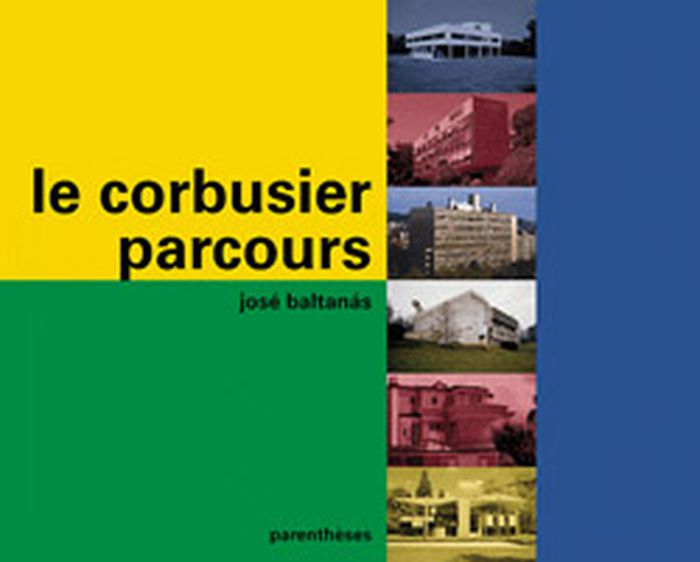
Parcourir l'oeuvre de Le Corbusier, depuis ses premières villas à la Chaux-de-Fonds jusqu'aux bâtiments majeurs de l'après-guerre (l'Unité d'habitation de Marseille, le couvent de La Tourette), parcourir les différents types de programmes auxquels l'architecte a été confronté (habitation individuelle, logement social, bâtiment public civil ou religieux), et surtout parcourir chacun de ces bâtiments par une approche progressive à l'aide de plans-séquences photographiques, pour percevoir toute la richesse des espaces intérieurs et visualiser, tel l'usager, la qualité architecturale du lieu, mélange de géométrie et d'émotion, de matière et de lumière. Chaque projet est lui-même l'occasion de revisiter la pensée de Le Corbusier, à travers ses écrits, ses croquis et dessins préparatoires et de mettre ainsi en perspective l'édifice avec l'ensemble de la production passée ou à venir de l'architecte.
Parcours : Le Corbusier
Actions:
Prix:
$54.95
(disponible sur commande)
Résumé:
Parcourir l'oeuvre de Le Corbusier, depuis ses premières villas à la Chaux-de-Fonds jusqu'aux bâtiments majeurs de l'après-guerre (l'Unité d'habitation de Marseille, le couvent de La Tourette), parcourir les différents types de programmes auxquels l'architecte a été confronté (habitation individuelle, logement social, bâtiment public civil ou religieux), et surtout parcourir chacun de ces bâtiments par une approche progressive à l'aide de plans-séquences photographiques, pour percevoir toute la richesse des espaces intérieurs et visualiser, tel l'usager, la qualité architecturale du lieu, mélange de géométrie et d'émotion, de matière et de lumière. Chaque projet est lui-même l'occasion de revisiter la pensée de Le Corbusier, à travers ses écrits, ses croquis et dessins préparatoires et de mettre ainsi en perspective l'édifice avec l'ensemble de la production passée ou à venir de l'architecte.
Classification:
livres
livres
Publication:
octobre 2012
octobre 2012
Sujet:
Architecture, monographies
Architecture, monographies
Classification:
livres
livres
Titre:
Le Corbusier parcours
Le Corbusier parcours
Actions:
Prix:
$61.95
(disponible sur commande)
Résumé:
Parcourir l'oeuvre de Le Corbusier, depuis ses premières villas à La Chaux-de-Fonds jusqu'aux bâtiments majeurs de l'après-guerre (l'Unité d'habitation de Marseille, le couvent de La Tourette), parcourir les différents types de programmes auxquels l'architecte a été confronté (habitation individuelle, logement social, bâtiment public civil ou religieux), et surtout(...)
$61.95
(disponible sur commande)
Résumé:
Parcourir l'oeuvre de Le Corbusier, depuis ses premières villas à La Chaux-de-Fonds jusqu'aux bâtiments majeurs de l'après-guerre (l'Unité d'habitation de Marseille, le couvent de La Tourette), parcourir les différents types de programmes auxquels l'architecte a été confronté (habitation individuelle, logement social, bâtiment public civil ou religieux), et surtout(...)
Titre:
Le Corbusier parcours
Actions:
Prix:
$61.95
(disponible sur commande)
Résumé:
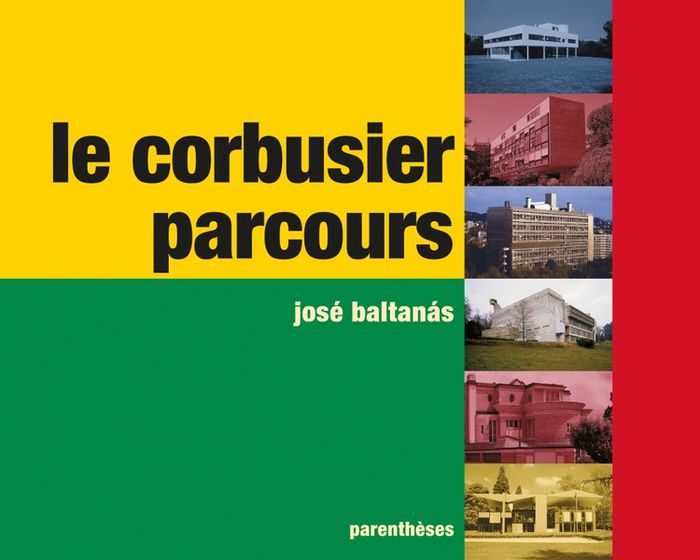
Parcourir l'oeuvre de Le Corbusier, depuis ses premières villas à La Chaux-de-Fonds jusqu'aux bâtiments majeurs de l'après-guerre (l'Unité d'habitation de Marseille, le couvent de La Tourette), parcourir les différents types de programmes auxquels l'architecte a été confronté (habitation individuelle, logement social, bâtiment public civil ou religieux), et surtout parcourir chacun de ces bâtiments par une approche progressive à l'aide de plans-séquences photographiques, pour percevoir toute la richesse des espaces intérieurs et visualiser, tel l'usager, la qualité architecturale du lieu, mélange de géométrie et d'émotion, de matière et de lumière. Chaque projet est lui-même l'occasion de revisiter la pensée de Le Corbusier, à travers ses écrits, ses croquis et dessins préparatoires et de mettre ainsi en perspective l'édifice avec l'ensemble de la production passée ou à venir de l'architecte.
Le Corbusier parcours
Actions:
Prix:
$61.95
(disponible sur commande)
Résumé:
Parcourir l'oeuvre de Le Corbusier, depuis ses premières villas à La Chaux-de-Fonds jusqu'aux bâtiments majeurs de l'après-guerre (l'Unité d'habitation de Marseille, le couvent de La Tourette), parcourir les différents types de programmes auxquels l'architecte a été confronté (habitation individuelle, logement social, bâtiment public civil ou religieux), et surtout parcourir chacun de ces bâtiments par une approche progressive à l'aide de plans-séquences photographiques, pour percevoir toute la richesse des espaces intérieurs et visualiser, tel l'usager, la qualité architecturale du lieu, mélange de géométrie et d'émotion, de matière et de lumière. Chaque projet est lui-même l'occasion de revisiter la pensée de Le Corbusier, à travers ses écrits, ses croquis et dessins préparatoires et de mettre ainsi en perspective l'édifice avec l'ensemble de la production passée ou à venir de l'architecte.
Classification:
livres
livres
Publication:
septembre 2024
septembre 2024
Sujet:
Architecture, monographies
Architecture, monographies
Classification:
livres
livres
Actions:
Prix:
$143.95
(disponible sur commande)
Résumé:
Friedrich Weinwurm, a contemporary of Le Corbusier, Mies van der Rohe or Walter Gropius and one of the most noteworthy architects of Slovakia, can be ranked among the leading representatives of the interwar Central European architectural avant-garde. His legacy of several dozen designed and completed office buildings, single-family houses, villas and housing complexes(...)
$143.95
(disponible sur commande)
Résumé:
Friedrich Weinwurm, a contemporary of Le Corbusier, Mies van der Rohe or Walter Gropius and one of the most noteworthy architects of Slovakia, can be ranked among the leading representatives of the interwar Central European architectural avant-garde. His legacy of several dozen designed and completed office buildings, single-family houses, villas and housing complexes(...)
Titre:
Friedrich Weinwurm, architect
Actions:
Prix:
$143.95
(disponible sur commande)
Résumé:
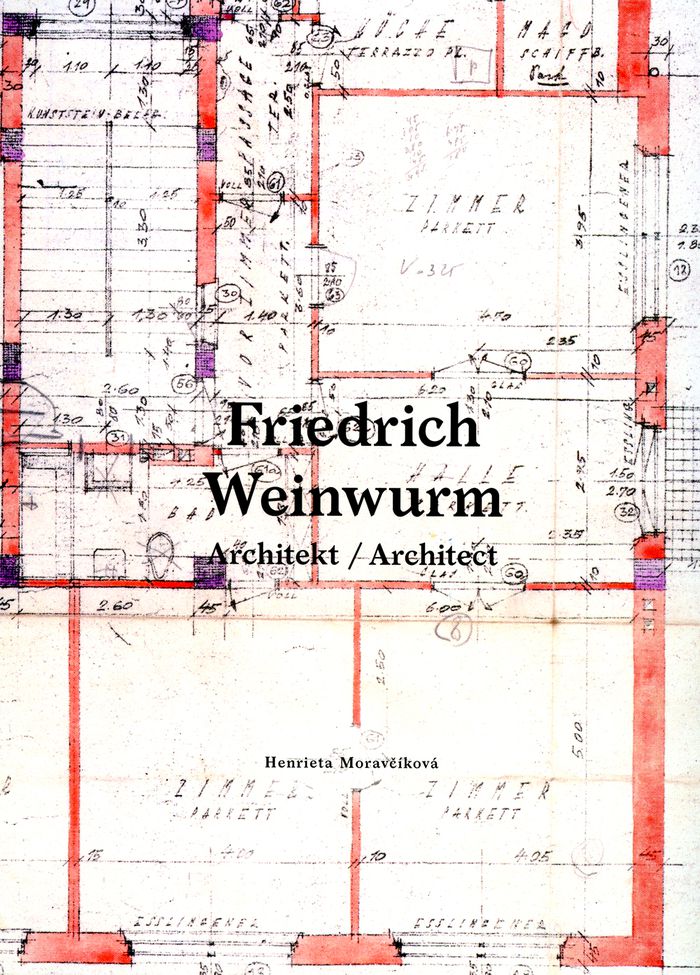
Friedrich Weinwurm, a contemporary of Le Corbusier, Mies van der Rohe or Walter Gropius and one of the most noteworthy architects of Slovakia, can be ranked among the leading representatives of the interwar Central European architectural avant-garde. His legacy of several dozen designed and completed office buildings, single-family houses, villas and housing complexes (Nová Doba, Unitas) forms an oeuvre attracting admiration today. His progressive social program and clear principles for architectural design influenced the Slovak architectural scene of the 1920s and 1930s more than the work of any other architect. The publication contains a comparison between Weinwurm´s work and its contemporary efforts on both the local and international levels, as well as its integration into the context of the domestic and broader European architectural situation.
Friedrich Weinwurm, architect
Actions:
Prix:
$143.95
(disponible sur commande)
Résumé:
Friedrich Weinwurm, a contemporary of Le Corbusier, Mies van der Rohe or Walter Gropius and one of the most noteworthy architects of Slovakia, can be ranked among the leading representatives of the interwar Central European architectural avant-garde. His legacy of several dozen designed and completed office buildings, single-family houses, villas and housing complexes (Nová Doba, Unitas) forms an oeuvre attracting admiration today. His progressive social program and clear principles for architectural design influenced the Slovak architectural scene of the 1920s and 1930s more than the work of any other architect. The publication contains a comparison between Weinwurm´s work and its contemporary efforts on both the local and international levels, as well as its integration into the context of the domestic and broader European architectural situation.
Classification:
livres
livres
Publication:
mai 2016
mai 2016
Sujet:
Architecture, monographies
Architecture, monographies
Classification:
livres
livres
Actions:
Prix:
$64.95
(disponible sur commande)
Résumé:
The stepped terraced house is a type of building that meets modern housing requirements: it is economical and offers ample living space with the comfort of terrace and garden. Rising to popularity with the advent of new social movements it was forgotten with the progressive erosion of the new ideas of society and relegated them to obscurity or even to their(...)
$64.95
(disponible sur commande)
Résumé:
The stepped terraced house is a type of building that meets modern housing requirements: it is economical and offers ample living space with the comfort of terrace and garden. Rising to popularity with the advent of new social movements it was forgotten with the progressive erosion of the new ideas of society and relegated them to obscurity or even to their(...)
Titre:
Luxury for everyone: milestones in European stepped terrace housing
Actions:
Prix:
$64.95
(disponible sur commande)
Résumé:
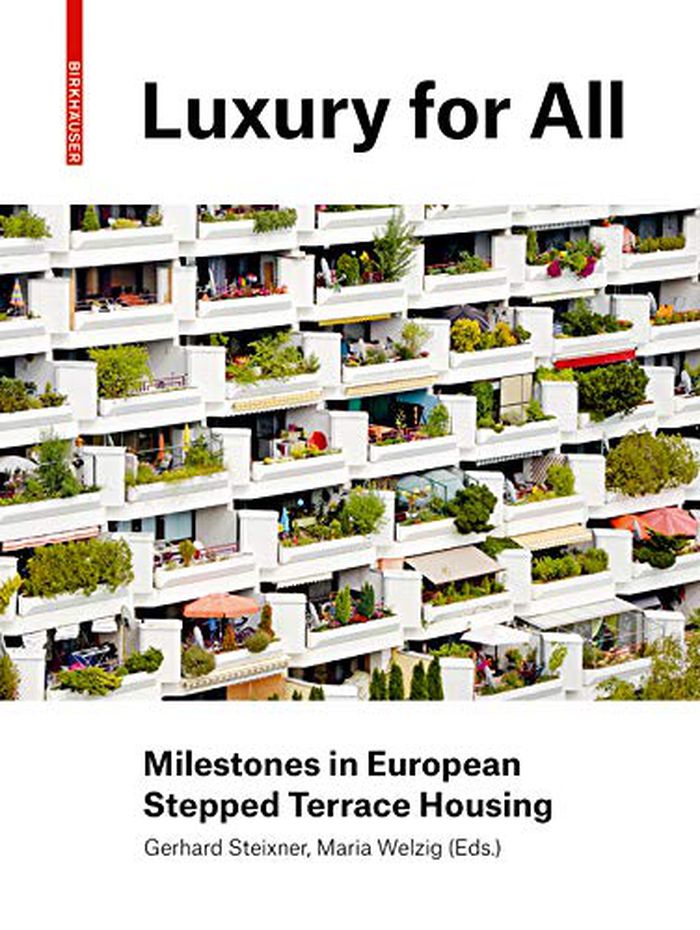
The stepped terraced house is a type of building that meets modern housing requirements: it is economical and offers ample living space with the comfort of terrace and garden. Rising to popularity with the advent of new social movements it was forgotten with the progressive erosion of the new ideas of society and relegated them to obscurity or even to their disqualification as eyesores. Yet the enduring satisfaction of residents and ecological advantages of green houses make terraced housing as attractive as ever. The buildings studied in the book are not only architectural icons today; even today, one can still learn from them about what residential buildings need. One proponent of this building style was Harry Gluck; part of his text pleading the case for a green city is printed here.
Luxury for everyone: milestones in European stepped terrace housing
Actions:
Prix:
$64.95
(disponible sur commande)
Résumé:
The stepped terraced house is a type of building that meets modern housing requirements: it is economical and offers ample living space with the comfort of terrace and garden. Rising to popularity with the advent of new social movements it was forgotten with the progressive erosion of the new ideas of society and relegated them to obscurity or even to their disqualification as eyesores. Yet the enduring satisfaction of residents and ecological advantages of green houses make terraced housing as attractive as ever. The buildings studied in the book are not only architectural icons today; even today, one can still learn from them about what residential buildings need. One proponent of this building style was Harry Gluck; part of his text pleading the case for a green city is printed here.
Classification:
livres
livres
Publication:
décembre 2020
décembre 2020
Sujet:
Architecture résidentielle
Architecture résidentielle


