


12071 Résultats
Classification:
livres
livres
Prix:
$56.50
(disponible sur commande)
Résumé:
Canadian architect Fred Hollingsworth designed his first house in 1946. Since then he has created some of the most innovative homes of the twentieth century. Hollingsworth's home designs incorporate an open floor plan and a keen observance of the flow between the inside and outside environment. Using natural materials with an emphasis on texture and natural lighting,(...)
$56.50
(disponible sur commande)
Résumé:
Canadian architect Fred Hollingsworth designed his first house in 1946. Since then he has created some of the most innovative homes of the twentieth century. Hollingsworth's home designs incorporate an open floor plan and a keen observance of the flow between the inside and outside environment. Using natural materials with an emphasis on texture and natural lighting,(...)
Sujet:
Architecture du Canada
Architecture du Canada
Publication:
octobre 2005,
octobre 2005,
Titre:
Living spaces : the architecture of Fred Thornton Hollingsworth
Actions:
Prix:
$56.50
(disponible sur commande)
Résumé:
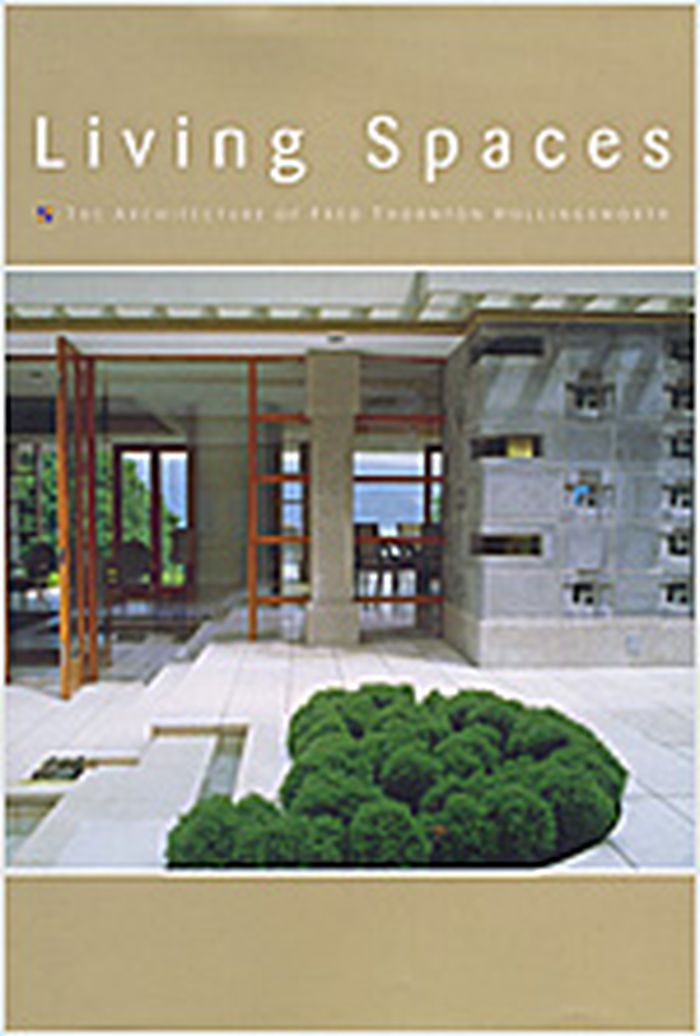
Canadian architect Fred Hollingsworth designed his first house in 1946. Since then he has created some of the most innovative homes of the twentieth century. Hollingsworth's home designs incorporate an open floor plan and a keen observance of the flow between the inside and outside environment. Using natural materials with an emphasis on texture and natural lighting, Hollingsworth is one of the few modernist architects who look wholly to organic form as the basis of their design aesthetic. "Living spaces" is a detailed monograph on Hollingsworth's career, revealing how he and a handful of visionary architects pioneered the acclaimed "West Coast Style" and helped establish modern ideals of structure and utility. Through full-page images, architectural plans, and text from the artist himself, this book follows an acclaimed architect from his early days to his most recent achievements that show his continued commitment to innovation.
Living spaces : the architecture of Fred Thornton Hollingsworth
Actions:
Prix:
$56.50
(disponible sur commande)
Résumé:
Canadian architect Fred Hollingsworth designed his first house in 1946. Since then he has created some of the most innovative homes of the twentieth century. Hollingsworth's home designs incorporate an open floor plan and a keen observance of the flow between the inside and outside environment. Using natural materials with an emphasis on texture and natural lighting, Hollingsworth is one of the few modernist architects who look wholly to organic form as the basis of their design aesthetic. "Living spaces" is a detailed monograph on Hollingsworth's career, revealing how he and a handful of visionary architects pioneered the acclaimed "West Coast Style" and helped establish modern ideals of structure and utility. Through full-page images, architectural plans, and text from the artist himself, this book follows an acclaimed architect from his early days to his most recent achievements that show his continued commitment to innovation.
Classification:
livres
livres
Publication:
octobre 2005,
octobre 2005,
Sujet:
Architecture du Canada
Architecture du Canada
Classification:
livres
livres
Prix:
$53.00
(disponible sur commande)
Résumé:
''Margin and Text'' is a collection of essays, interviews, and personal stories, as well as historical and current writings and lectures, contributed by BIPOC and female practitioners and educators in architecture. Each piece offers reflections on architecture's troubled past, commentary on its fluid present, and visions of possible futures, all set amid today's context(...)
$53.00
(disponible sur commande)
Résumé:
''Margin and Text'' is a collection of essays, interviews, and personal stories, as well as historical and current writings and lectures, contributed by BIPOC and female practitioners and educators in architecture. Each piece offers reflections on architecture's troubled past, commentary on its fluid present, and visions of possible futures, all set amid today's context(...)
Sujet:
Théorie de l’architecture
Théorie de l’architecture
Publication:
novembre 2024
novembre 2024
Titre:
Margin and text: Amplifying diverse voices in architecture
Actions:
Prix:
$53.00
(disponible sur commande)
Résumé:
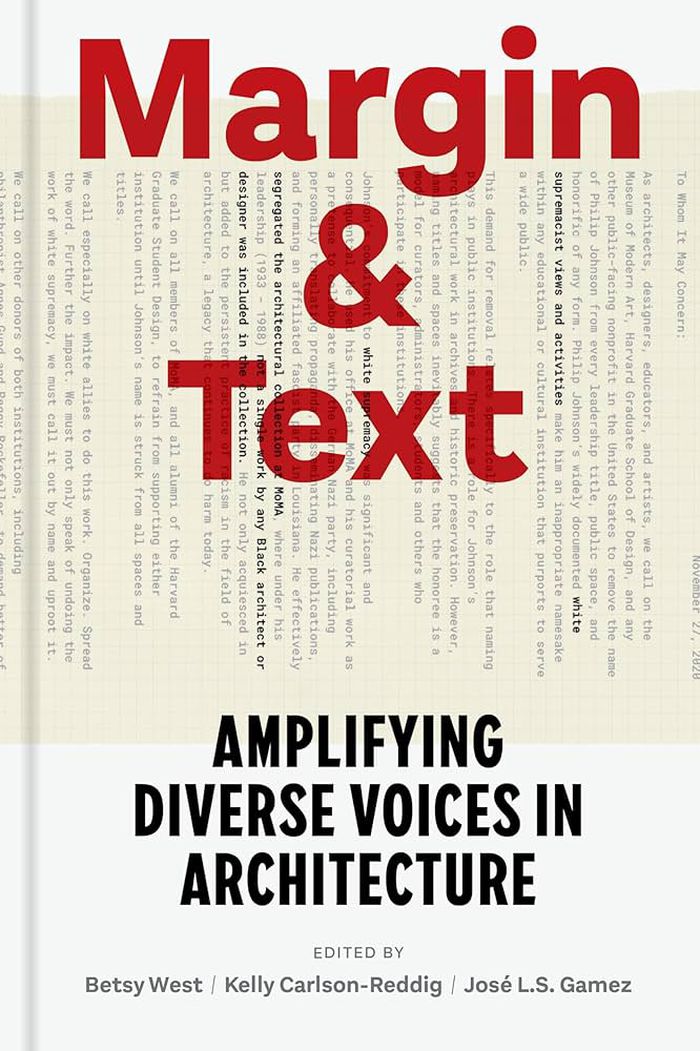
''Margin and Text'' is a collection of essays, interviews, and personal stories, as well as historical and current writings and lectures, contributed by BIPOC and female practitioners and educators in architecture. Each piece offers reflections on architecture's troubled past, commentary on its fluid present, and visions of possible futures, all set amid today's context of broad social activism, divisive politics, and the devastating toll of the COVID-19 pandemic.
Margin and text: Amplifying diverse voices in architecture
Actions:
Prix:
$53.00
(disponible sur commande)
Résumé:
''Margin and Text'' is a collection of essays, interviews, and personal stories, as well as historical and current writings and lectures, contributed by BIPOC and female practitioners and educators in architecture. Each piece offers reflections on architecture's troubled past, commentary on its fluid present, and visions of possible futures, all set amid today's context of broad social activism, divisive politics, and the devastating toll of the COVID-19 pandemic.
Classification:
livres
livres
Publication:
novembre 2024
novembre 2024
Sujet:
Théorie de l’architecture
Théorie de l’architecture
Classification:
livres
livres
Prix:
$35.95
(disponible sur commande)
Résumé:
"Worldmaking as Techné: Participatory Art, Music, and Architecture" outlines a practice that challenges the World and how it could be through a kind of future-making, and/or other world making, by creating alternate realties as artworks that are simultaneously ontological propositions. In simplified terms the concept of techné is concerned with the art and craft of(...)
$35.95
(disponible sur commande)
Résumé:
"Worldmaking as Techné: Participatory Art, Music, and Architecture" outlines a practice that challenges the World and how it could be through a kind of future-making, and/or other world making, by creating alternate realties as artworks that are simultaneously ontological propositions. In simplified terms the concept of techné is concerned with the art and craft of(...)
Sujet:
Théorie de l’architecture
Théorie de l’architecture
Publication:
juin 2018
juin 2018
Titre:
Worldmaking as techné: participatory art, music and architecture
Actions:
Prix:
$35.95
(disponible sur commande)
Résumé:
"Worldmaking as Techné: Participatory Art, Music, and Architecture" outlines a practice that challenges the World and how it could be through a kind of future-making, and/or other world making, by creating alternate realties as artworks that are simultaneously ontological propositions. In simplified terms the concept of techné is concerned with the art and craft of making. In particular a kind of practice that embodies the enactment of theoretical approach that helps determine the significance of the work, how it was made, and why. By positioning worldmaking as a kind of techné, we seek to create a discourse of art making as an enframing of the world that results in the expression of ontological propositions through the creation of art-worlds.
Worldmaking as techné: participatory art, music and architecture
Actions:
Prix:
$35.95
(disponible sur commande)
Résumé:
"Worldmaking as Techné: Participatory Art, Music, and Architecture" outlines a practice that challenges the World and how it could be through a kind of future-making, and/or other world making, by creating alternate realties as artworks that are simultaneously ontological propositions. In simplified terms the concept of techné is concerned with the art and craft of making. In particular a kind of practice that embodies the enactment of theoretical approach that helps determine the significance of the work, how it was made, and why. By positioning worldmaking as a kind of techné, we seek to create a discourse of art making as an enframing of the world that results in the expression of ontological propositions through the creation of art-worlds.
Classification:
livres
livres
Publication:
juin 2018
juin 2018
Sujet:
Théorie de l’architecture
Théorie de l’architecture
Classification:
livres
livres
Actions:
Prix:
$102.95
(disponible en magasin)
Résumé:
When it comes to matters related to architecture and urban planning, few other countries grant their population such a far-reaching democratic right of co-determination as Switzerland. The strategy facilitates both a societal acceptance of architecture and the constant prevention of projects, among which are some rather notable examples. Such projects, often painstakingly(...)
$102.95
(disponible en magasin)
Résumé:
When it comes to matters related to architecture and urban planning, few other countries grant their population such a far-reaching democratic right of co-determination as Switzerland. The strategy facilitates both a societal acceptance of architecture and the constant prevention of projects, among which are some rather notable examples. Such projects, often painstakingly(...)
Publication:
novembre 2023
novembre 2023
Titre:
What if: Unbuilt architecture in Switzerland
Actions:
Prix:
$102.95
(disponible en magasin)
Résumé:
When it comes to matters related to architecture and urban planning, few other countries grant their population such a far-reaching democratic right of co-determination as Switzerland. The strategy facilitates both a societal acceptance of architecture and the constant prevention of projects, among which are some rather notable examples. Such projects, often painstakingly developed but ultimately not implemented, are part and parcel of the everyday life of Swiss architectural firms. Whether lost, rejected, stalled, or altered, a host of architectural designs exist that are still spoken about today, despite the fact that nothing ever came of them. This is a representative selection.
What if: Unbuilt architecture in Switzerland
Actions:
Prix:
$102.95
(disponible en magasin)
Résumé:
When it comes to matters related to architecture and urban planning, few other countries grant their population such a far-reaching democratic right of co-determination as Switzerland. The strategy facilitates both a societal acceptance of architecture and the constant prevention of projects, among which are some rather notable examples. Such projects, often painstakingly developed but ultimately not implemented, are part and parcel of the everyday life of Swiss architectural firms. Whether lost, rejected, stalled, or altered, a host of architectural designs exist that are still spoken about today, despite the fact that nothing ever came of them. This is a representative selection.
Classification:
livres
livres
Publication:
novembre 2023
novembre 2023
Classification:
livres
livres
Prix:
$45.00
(disponible sur commande)
Résumé:
Thomas Fisher explores both the beauty and the practicality of Salmela’s award-winning designs—and offers insight into how an architectural firm as small and remote as Salmela’s has been able to produce consistently remarkable and internationally recognized results. Profiling such building projects as Jackson Meadow, a conservation community that has become a nationwide(...)
$45.00
(disponible sur commande)
Résumé:
Thomas Fisher explores both the beauty and the practicality of Salmela’s award-winning designs—and offers insight into how an architectural firm as small and remote as Salmela’s has been able to produce consistently remarkable and internationally recognized results. Profiling such building projects as Jackson Meadow, a conservation community that has become a nationwide(...)
Titre:
The invisible element of place: the architecture of David Salmela
Actions:
Prix:
$45.00
(disponible sur commande)
Résumé:
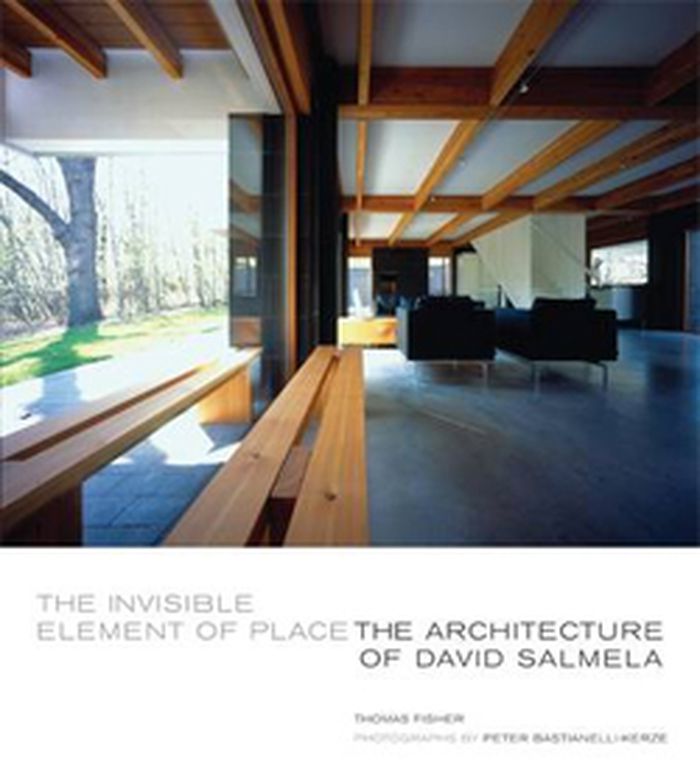
Thomas Fisher explores both the beauty and the practicality of Salmela’s award-winning designs—and offers insight into how an architectural firm as small and remote as Salmela’s has been able to produce consistently remarkable and internationally recognized results. Profiling such building projects as Jackson Meadow, a conservation community that has become a nationwide model; the Hawks Boot Factory, Zamzow house, and Bagley Nature Pavilion, which emphasize green building, solar power, and the use of natural light; and the Chrismer, Koch, Fiore, Roland, Ramberg, and Grams cabins, meshing clients’ particular needs and the land’s peculiar constraints, this book provides a rare vision of architectural design.
The invisible element of place: the architecture of David Salmela
Actions:
Prix:
$45.00
(disponible sur commande)
Résumé:
Thomas Fisher explores both the beauty and the practicality of Salmela’s award-winning designs—and offers insight into how an architectural firm as small and remote as Salmela’s has been able to produce consistently remarkable and internationally recognized results. Profiling such building projects as Jackson Meadow, a conservation community that has become a nationwide model; the Hawks Boot Factory, Zamzow house, and Bagley Nature Pavilion, which emphasize green building, solar power, and the use of natural light; and the Chrismer, Koch, Fiore, Roland, Ramberg, and Grams cabins, meshing clients’ particular needs and the land’s peculiar constraints, this book provides a rare vision of architectural design.
Classification:
livres
livres
Publication:
mai 2011
mai 2011
Sujet:
Architecture, monographies
Architecture, monographies
Classification:
livres
livres
Prix:
$41.95
(disponible en magasin)
Résumé:
Yona Friedman's work spans urban models, theoretical texts and animated films and he has participated in several biennial art exhibitions, including Shanghai, Venice and Documenta. His visionary, ground-breaking ideas have been at the forefront for several generations of architects and urban planners, and have clearly influenced the likes of Arata Isozaki or Bernard(...)
$41.95
(disponible en magasin)
Résumé:
Yona Friedman's work spans urban models, theoretical texts and animated films and he has participated in several biennial art exhibitions, including Shanghai, Venice and Documenta. His visionary, ground-breaking ideas have been at the forefront for several generations of architects and urban planners, and have clearly influenced the likes of Arata Isozaki or Bernard(...)
Titre:
Architecture with the people, by the people, for the people
Actions:
Prix:
$41.95
(disponible en magasin)
Résumé:
Yona Friedman's work spans urban models, theoretical texts and animated films and he has participated in several biennial art exhibitions, including Shanghai, Venice and Documenta. His visionary, ground-breaking ideas have been at the forefront for several generations of architects and urban planners, and have clearly influenced the likes of Arata Isozaki or Bernard Tschumi. He has developed urban concepts such as La ville spatiale-the Spatial City where dwellings are freely distributed by the citizens thanks to low-cost, reusable mobile models.
Architecture with the people, by the people, for the people
Actions:
Prix:
$41.95
(disponible en magasin)
Résumé:
Yona Friedman's work spans urban models, theoretical texts and animated films and he has participated in several biennial art exhibitions, including Shanghai, Venice and Documenta. His visionary, ground-breaking ideas have been at the forefront for several generations of architects and urban planners, and have clearly influenced the likes of Arata Isozaki or Bernard Tschumi. He has developed urban concepts such as La ville spatiale-the Spatial City where dwellings are freely distributed by the citizens thanks to low-cost, reusable mobile models.
Classification:
livres
livres
Publication:
septembre 2011
septembre 2011
Sujet:
Architecture, monographies
Architecture, monographies
Classification:
livres
livres
Actions:
Prix:
$74.00
(disponible sur commande)
Résumé:
In a suburb just north of Philadelphia stands Beth Sholom Synagogue, Frank Lloyd Wright's only synagogue and among his finest religious buildings. Designated a National Historic Landmark in 2007, Beth Sholom was one of Wright's last completed projects, and for years it has been considered one of his greatest masterpieces.But its full story has never been told. Beth Sholom(...)
$74.00
(disponible sur commande)
Résumé:
In a suburb just north of Philadelphia stands Beth Sholom Synagogue, Frank Lloyd Wright's only synagogue and among his finest religious buildings. Designated a National Historic Landmark in 2007, Beth Sholom was one of Wright's last completed projects, and for years it has been considered one of his greatest masterpieces.But its full story has never been told. Beth Sholom(...)
Titre:
Beth Sholom synagogue : Frank Lloyd Wright and modern religious architecture
Actions:
Prix:
$74.00
(disponible sur commande)
Résumé:
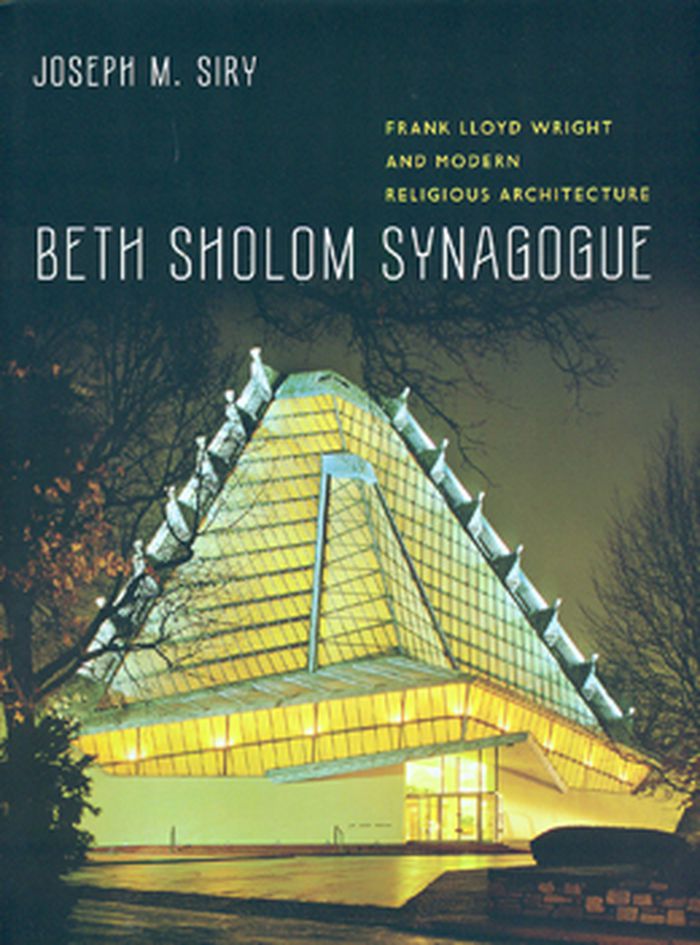
In a suburb just north of Philadelphia stands Beth Sholom Synagogue, Frank Lloyd Wright's only synagogue and among his finest religious buildings. Designated a National Historic Landmark in 2007, Beth Sholom was one of Wright's last completed projects, and for years it has been considered one of his greatest masterpieces.But its full story has never been told. Beth Sholom Synagogue provides the first in-depth look at the synagogue's conception and realization in relation to Wright's other religious architecture. Filled with over three hundred illustrations, this book takes us deep inside the synagogue's design, construction, and reception to bring us an illuminating portrait of the crowning achievement of this important aspect of Wright's career.
Beth Sholom synagogue : Frank Lloyd Wright and modern religious architecture
Actions:
Prix:
$74.00
(disponible sur commande)
Résumé:
In a suburb just north of Philadelphia stands Beth Sholom Synagogue, Frank Lloyd Wright's only synagogue and among his finest religious buildings. Designated a National Historic Landmark in 2007, Beth Sholom was one of Wright's last completed projects, and for years it has been considered one of his greatest masterpieces.But its full story has never been told. Beth Sholom Synagogue provides the first in-depth look at the synagogue's conception and realization in relation to Wright's other religious architecture. Filled with over three hundred illustrations, this book takes us deep inside the synagogue's design, construction, and reception to bring us an illuminating portrait of the crowning achievement of this important aspect of Wright's career.
Classification:
livres
livres
Publication:
décembre 2011
décembre 2011
Sujet:
Architecture, monographies
Architecture, monographies
Classification:
livres
livres
Actions:
Prix:
$69.95
(disponible sur commande)
Résumé:
This detailed manual offers a systematic overview of bamboo constructions, ranging from the various techniques of preparing bamboo canes for building purposes to their use in columns and walls, floor slab and roofs, arches and vaults. Thirty-four exemplary international projects, amongst them the spectacular bamboo pavilions of the 2010 Shanghai World Exposition,(...)
$69.95
(disponible sur commande)
Résumé:
This detailed manual offers a systematic overview of bamboo constructions, ranging from the various techniques of preparing bamboo canes for building purposes to their use in columns and walls, floor slab and roofs, arches and vaults. Thirty-four exemplary international projects, amongst them the spectacular bamboo pavilions of the 2010 Shanghai World Exposition,(...)
Titre:
Building with bamboo : design and technology of a sustainable architecture
Actions:
Prix:
$69.95
(disponible sur commande)
Résumé:
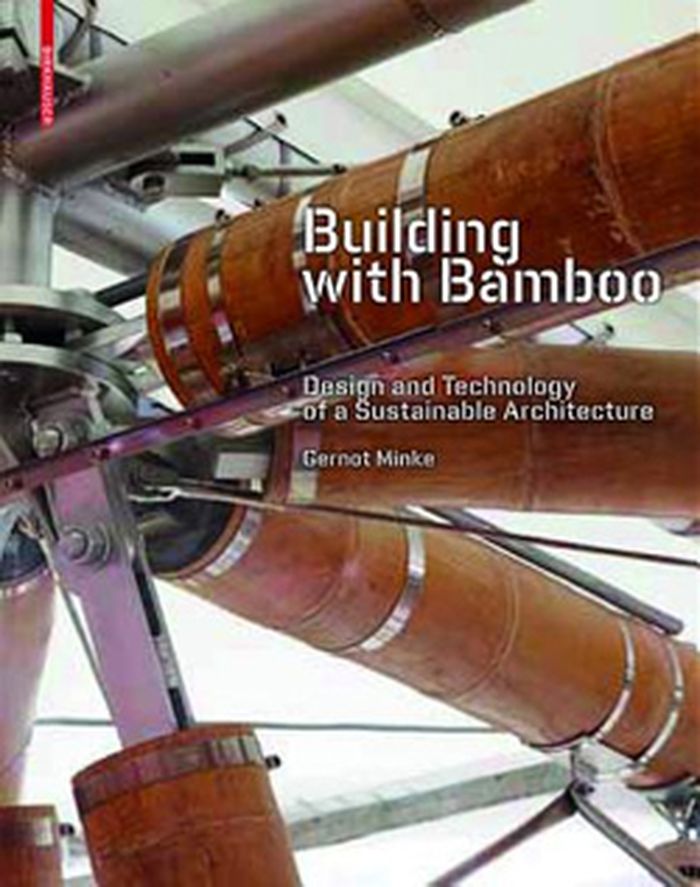
This detailed manual offers a systematic overview of bamboo constructions, ranging from the various techniques of preparing bamboo canes for building purposes to their use in columns and walls, floor slab and roofs, arches and vaults. Thirty-four exemplary international projects, amongst them the spectacular bamboo pavilions of the 2010 Shanghai World Exposition, illustrate the wide spectrum of design possibilities with bamboo.
Building with bamboo : design and technology of a sustainable architecture
Actions:
Prix:
$69.95
(disponible sur commande)
Résumé:
This detailed manual offers a systematic overview of bamboo constructions, ranging from the various techniques of preparing bamboo canes for building purposes to their use in columns and walls, floor slab and roofs, arches and vaults. Thirty-four exemplary international projects, amongst them the spectacular bamboo pavilions of the 2010 Shanghai World Exposition, illustrate the wide spectrum of design possibilities with bamboo.
Classification:
livres
livres
Publication:
novembre 2011
novembre 2011
Sujet:
Architecture écologique
Architecture écologique
Classification:
livres
livres
Actions:
Prix:
$31.95
(disponible sur commande)
Résumé:
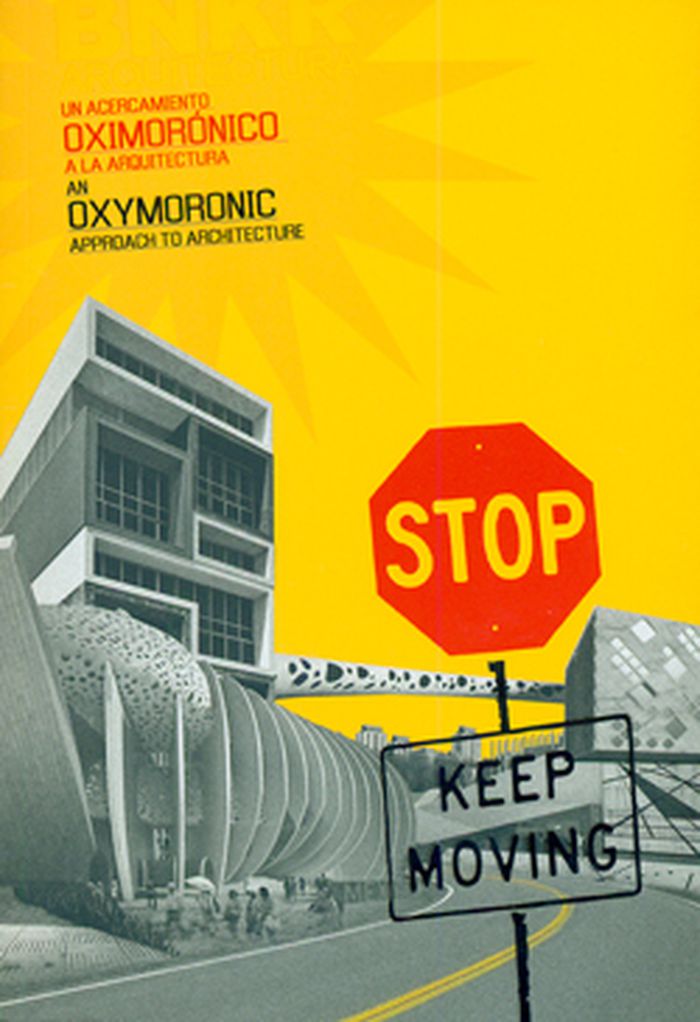
The urbanist of Mexico BNKR Arquitectura take an unconventional approach to architecture, urban planning and design, using oxymorons inherently contradictory concepts to create new meaning and find solutions to eccentric demands. The book itself is a collection of drawings, cartoons, maps, aerial photos, collages, even completed projects, showing the firm's diverse(...)
$31.95
(disponible sur commande)
Résumé:
The urbanist of Mexico BNKR Arquitectura take an unconventional approach to architecture, urban planning and design, using oxymorons inherently contradictory concepts to create new meaning and find solutions to eccentric demands. The book itself is a collection of drawings, cartoons, maps, aerial photos, collages, even completed projects, showing the firm's diverse(...)
Titre:
BNKR Arquitectura, Stop: keep moving, an oxymoronic approach to architecture
Actions:
Prix:
$31.95
(disponible sur commande)
Résumé:
The urbanist of Mexico BNKR Arquitectura take an unconventional approach to architecture, urban planning and design, using oxymorons inherently contradictory concepts to create new meaning and find solutions to eccentric demands. The book itself is a collection of drawings, cartoons, maps, aerial photos, collages, even completed projects, showing the firm's diverse approach to problem-solving. Whether they're designing urban plazas, apartment buildings, car showrooms or religious sites, this firm takes nothing for granted.
BNKR Arquitectura, Stop: keep moving, an oxymoronic approach to architecture
Actions:
Prix:
$31.95
(disponible sur commande)
Résumé:
The urbanist of Mexico BNKR Arquitectura take an unconventional approach to architecture, urban planning and design, using oxymorons inherently contradictory concepts to create new meaning and find solutions to eccentric demands. The book itself is a collection of drawings, cartoons, maps, aerial photos, collages, even completed projects, showing the firm's diverse approach to problem-solving. Whether they're designing urban plazas, apartment buildings, car showrooms or religious sites, this firm takes nothing for granted.
Classification:
livres
livres
Publication:
septembre 2011
septembre 2011
Sujet:
Architecture, monographies
Architecture, monographies
Classification:
livres
livres
Prix:
$94.50
(disponible sur commande)
Résumé:
Ludwig Mies van der Rohe (1886-1969) is one of the most important architects of the 20th century. Until 1938 he worked in Europe, ten years of which he cooperated with a small group surrounding the Krefeld collector and silk manufacturer Hermann Lange. During this extraordinary long term collaboration between Mies van der Rohe and his partner Lilly Reich with the Krefeld(...)
$94.50
(disponible sur commande)
Résumé:
Ludwig Mies van der Rohe (1886-1969) is one of the most important architects of the 20th century. Until 1938 he worked in Europe, ten years of which he cooperated with a small group surrounding the Krefeld collector and silk manufacturer Hermann Lange. During this extraordinary long term collaboration between Mies van der Rohe and his partner Lilly Reich with the Krefeld(...)
Titre:
Ludwig Mies van der Rohe: architecture for the silk industry
Actions:
Prix:
$94.50
(disponible sur commande)
Résumé:
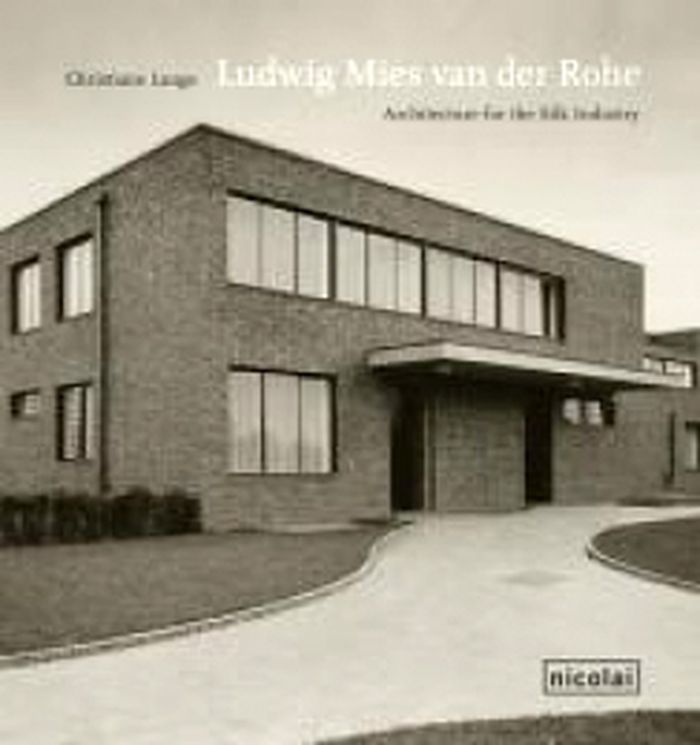
Ludwig Mies van der Rohe (1886-1969) is one of the most important architects of the 20th century. Until 1938 he worked in Europe, ten years of which he cooperated with a small group surrounding the Krefeld collector and silk manufacturer Hermann Lange. During this extraordinary long term collaboration between Mies van der Rohe and his partner Lilly Reich with the Krefeld friends numerous important buildings were designed that are extensively presented in this book. Mies van der Rohe's planned but not realized projects are introduced with large-size computerized visualisations that have never been published before. This publication illuminates the close relationship of the architect and the Velvet and Silk City and gives fascinating insight into Mies van der Rohe's work.
Ludwig Mies van der Rohe: architecture for the silk industry
Actions:
Prix:
$94.50
(disponible sur commande)
Résumé:
Ludwig Mies van der Rohe (1886-1969) is one of the most important architects of the 20th century. Until 1938 he worked in Europe, ten years of which he cooperated with a small group surrounding the Krefeld collector and silk manufacturer Hermann Lange. During this extraordinary long term collaboration between Mies van der Rohe and his partner Lilly Reich with the Krefeld friends numerous important buildings were designed that are extensively presented in this book. Mies van der Rohe's planned but not realized projects are introduced with large-size computerized visualisations that have never been published before. This publication illuminates the close relationship of the architect and the Velvet and Silk City and gives fascinating insight into Mies van der Rohe's work.
Classification:
livres
livres
Publication:
octobre 2011
octobre 2011
Sujet:
Architecture, monographies
Architecture, monographies


