


6245 Résultats
Niveau de description archivistique:
Projet
Projet
Numéro de référence:
AP178.S1.1983.PR06
Description:
This project series documents a competition for the Proposta para Caserta in Caserta, Italy. While the records were held in the office’s archives this project was assigned the number 23/80. The office assigned the dates 1983-1984 to this project. The project files document a competition for an urban study for the city of Caserta. The proposal submitted by Siza for the ''Archi Della Valle'' area included a new design for the road. Siza was not seleted to build the project. Documenting this project are sketches, studies, plans, project documentation and correspondence. Photographic materials include photographs, negatives and slides of the area and of Siza's drawings.
AP178.S1.1983.PR06
Description:
This project series documents a competition for the Proposta para Caserta in Caserta, Italy. While the records were held in the office’s archives this project was assigned the number 23/80. The office assigned the dates 1983-1984 to this project. The project files document a competition for an urban study for the city of Caserta. The proposal submitted by Siza for the ''Archi Della Valle'' area included a new design for the road. Siza was not seleted to build the project. Documenting this project are sketches, studies, plans, project documentation and correspondence. Photographic materials include photographs, negatives and slides of the area and of Siza's drawings.
Personnes et institutions:
Date:
1980-1990
1980-1990
Titre:
Proposta para Caserta [Proposal for Caserta], Caserta, Italy (1983-1984)
Actions:
AP178.S1.1983.PR06
Description:
This project series documents a competition for the Proposta para Caserta in Caserta, Italy. While the records were held in the office’s archives this project was assigned the number 23/80. The office assigned the dates 1983-1984 to this project. The project files document a competition for an urban study for the city of Caserta. The proposal submitted by Siza for the ''Archi Della Valle'' area included a new design for the road. Siza was not seleted to build the project. Documenting this project are sketches, studies, plans, project documentation and correspondence. Photographic materials include photographs, negatives and slides of the area and of Siza's drawings.
Proposta para Caserta [Proposal for Caserta], Caserta, Italy (1983-1984)
Actions:
AP178.S1.1983.PR06
Description:
This project series documents a competition for the Proposta para Caserta in Caserta, Italy. While the records were held in the office’s archives this project was assigned the number 23/80. The office assigned the dates 1983-1984 to this project. The project files document a competition for an urban study for the city of Caserta. The proposal submitted by Siza for the ''Archi Della Valle'' area included a new design for the road. Siza was not seleted to build the project. Documenting this project are sketches, studies, plans, project documentation and correspondence. Photographic materials include photographs, negatives and slides of the area and of Siza's drawings.
Niveau de description archivistique:
Project
Project
Date:
1980-1990
1980-1990
Personnes et institutions:
Classification:
archives
Niveau de description archivistique:
Fonds
archives
Niveau de description archivistique:
Fonds
Numéro de référence:
AP192
Résumé:
The Morphosis Hypo Alpe-Adria Center project records, 1996 – 2016, consist of over 14,000 born-digital files that document the design and construction of the Austrian Hypo Alpe-Adria Bank group’s headquarters in Klagenfurt, Austria. Series 1, Competition and design, includes files showing early conceptualization of the project through the final design documentation. Series 2, Construction documentation, largely contains drawings and photographs which demonstrate the progress of the project in the built environment over time. Formats chiefly include CAD files (PowerCAD, PowerDraw, Microstation, DXF, AutoCAD, PLT), 3D models (Form*Z, STL), images, and text.
AP192
Résumé:
The Morphosis Hypo Alpe-Adria Center project records, 1996 – 2016, consist of over 14,000 born-digital files that document the design and construction of the Austrian Hypo Alpe-Adria Bank group’s headquarters in Klagenfurt, Austria. Series 1, Competition and design, includes files showing early conceptualization of the project through the final design documentation. Series 2, Construction documentation, largely contains drawings and photographs which demonstrate the progress of the project in the built environment over time. Formats chiefly include CAD files (PowerCAD, PowerDraw, Microstation, DXF, AutoCAD, PLT), 3D models (Form*Z, STL), images, and text.
Personnes et institutions:
Date:
1996 - 2016
1996 - 2016
Titre:
Documents d’archives de Morphosis pour le projet Centre Hypo Alpe-Adria
Actions:
AP192
Résumé:
The Morphosis Hypo Alpe-Adria Center project records, 1996 – 2016, consist of over 14,000 born-digital files that document the design and construction of the Austrian Hypo Alpe-Adria Bank group’s headquarters in Klagenfurt, Austria. Series 1, Competition and design, includes files showing early conceptualization of the project through the final design documentation. Series 2, Construction documentation, largely contains drawings and photographs which demonstrate the progress of the project in the built environment over time. Formats chiefly include CAD files (PowerCAD, PowerDraw, Microstation, DXF, AutoCAD, PLT), 3D models (Form*Z, STL), images, and text.
Documents d’archives de Morphosis pour le projet Centre Hypo Alpe-Adria
Actions:
AP192
Résumé:
The Morphosis Hypo Alpe-Adria Center project records, 1996 – 2016, consist of over 14,000 born-digital files that document the design and construction of the Austrian Hypo Alpe-Adria Bank group’s headquarters in Klagenfurt, Austria. Series 1, Competition and design, includes files showing early conceptualization of the project through the final design documentation. Series 2, Construction documentation, largely contains drawings and photographs which demonstrate the progress of the project in the built environment over time. Formats chiefly include CAD files (PowerCAD, PowerDraw, Microstation, DXF, AutoCAD, PLT), 3D models (Form*Z, STL), images, and text.
Classification:
archives
Niveau de description archivistique:
Fonds
archives
Niveau de description archivistique:
Fonds
Date:
1996 - 2016
1996 - 2016
Personnes et institutions:
Classification:
archives
Niveau de description archivistique:
Fonds
archives
Niveau de description archivistique:
Fonds
Numéro de référence:
AP185
Résumé:
The KOL/MAC project records, 1994-2001, document the conceptualization, design, and installation of two projects: the Ost/Kuttner Apartment and Housings. The records consist of physical drawings, textual records, Hi-8 cassette tapes, and material samples, as well as a substantial body of digital materials. These primarily document the design, construction and installation of the O/K Apartment and Housings through drawings, 3D models, photographs, still images, construction documentation, and material samples.
AP185
Résumé:
The KOL/MAC project records, 1994-2001, document the conceptualization, design, and installation of two projects: the Ost/Kuttner Apartment and Housings. The records consist of physical drawings, textual records, Hi-8 cassette tapes, and material samples, as well as a substantial body of digital materials. These primarily document the design, construction and installation of the O/K Apartment and Housings through drawings, 3D models, photographs, still images, construction documentation, and material samples.
Personnes et institutions:
Date:
1994-2001
1994-2001
Titre:
Document d’archives des projets de KOL/MAC
Actions:
AP185
Résumé:
The KOL/MAC project records, 1994-2001, document the conceptualization, design, and installation of two projects: the Ost/Kuttner Apartment and Housings. The records consist of physical drawings, textual records, Hi-8 cassette tapes, and material samples, as well as a substantial body of digital materials. These primarily document the design, construction and installation of the O/K Apartment and Housings through drawings, 3D models, photographs, still images, construction documentation, and material samples.
Document d’archives des projets de KOL/MAC
Actions:
AP185
Résumé:
The KOL/MAC project records, 1994-2001, document the conceptualization, design, and installation of two projects: the Ost/Kuttner Apartment and Housings. The records consist of physical drawings, textual records, Hi-8 cassette tapes, and material samples, as well as a substantial body of digital materials. These primarily document the design, construction and installation of the O/K Apartment and Housings through drawings, 3D models, photographs, still images, construction documentation, and material samples.
Classification:
archives
Niveau de description archivistique:
Fonds
archives
Niveau de description archivistique:
Fonds
Date:
1994-2001
1994-2001
Personnes et institutions:
Classification:
archives
Niveau de description archivistique:
Fonds
archives
Niveau de description archivistique:
Fonds
Titre:
Joseph Rykwert fonds
Joseph Rykwert fonds
Numéro de référence:
AP209
Résumé:
The Joseph Rykwert fonds, 1928-2022, documents Joseph Rykwert’s career as an architectural historian, author and professor. The fonds includes the records for over a dozen monographs written between the mid-1960s and the mid-2010s as well as edited works and articles, and details his teaching and lecturing activities from the 1960s onwards in universities in Europe and the United States. The records highlight Joseph Rykwert’s multidisciplinary approach, which involved archaeology, anthropology and psychoanalysis in his study of the history and theory of architecture and of the urban form. The fonds is composed of textual records, publications and ephemera, and of photographs including multiple albums and a large number of slides; the fonds also documents Joseph Rykwert’s career as an independent designer through drawings realized between the late 1940s and the late 1970s.
AP209
Résumé:
The Joseph Rykwert fonds, 1928-2022, documents Joseph Rykwert’s career as an architectural historian, author and professor. The fonds includes the records for over a dozen monographs written between the mid-1960s and the mid-2010s as well as edited works and articles, and details his teaching and lecturing activities from the 1960s onwards in universities in Europe and the United States. The records highlight Joseph Rykwert’s multidisciplinary approach, which involved archaeology, anthropology and psychoanalysis in his study of the history and theory of architecture and of the urban form. The fonds is composed of textual records, publications and ephemera, and of photographs including multiple albums and a large number of slides; the fonds also documents Joseph Rykwert’s career as an independent designer through drawings realized between the late 1940s and the late 1970s.
Personnes et institutions:
Date:
1928-2022
1928-2022
Titre:
Joseph Rykwert fonds
Actions:
AP209
Résumé:
The Joseph Rykwert fonds, 1928-2022, documents Joseph Rykwert’s career as an architectural historian, author and professor. The fonds includes the records for over a dozen monographs written between the mid-1960s and the mid-2010s as well as edited works and articles, and details his teaching and lecturing activities from the 1960s onwards in universities in Europe and the United States. The records highlight Joseph Rykwert’s multidisciplinary approach, which involved archaeology, anthropology and psychoanalysis in his study of the history and theory of architecture and of the urban form. The fonds is composed of textual records, publications and ephemera, and of photographs including multiple albums and a large number of slides; the fonds also documents Joseph Rykwert’s career as an independent designer through drawings realized between the late 1940s and the late 1970s.
Joseph Rykwert fonds
Actions:
AP209
Résumé:
The Joseph Rykwert fonds, 1928-2022, documents Joseph Rykwert’s career as an architectural historian, author and professor. The fonds includes the records for over a dozen monographs written between the mid-1960s and the mid-2010s as well as edited works and articles, and details his teaching and lecturing activities from the 1960s onwards in universities in Europe and the United States. The records highlight Joseph Rykwert’s multidisciplinary approach, which involved archaeology, anthropology and psychoanalysis in his study of the history and theory of architecture and of the urban form. The fonds is composed of textual records, publications and ephemera, and of photographs including multiple albums and a large number of slides; the fonds also documents Joseph Rykwert’s career as an independent designer through drawings realized between the late 1940s and the late 1970s.
Classification:
archives
Niveau de description archivistique:
Fonds
archives
Niveau de description archivistique:
Fonds
Date:
1928-2022
1928-2022
Personnes et institutions:
Niveau de description archivistique:
Projet
Projet
Numéro de référence:
AP180.S1.1986.PR01
Description:
This project series documents the Casa sul Lungomare, an unrealized project for the restauration of a historic three-storey house on Lungamore in Otranto, Italy. This project was undertaken in the context of the Piano di recupero di Otranto, an urban renewal scheme for the north-east sector of the historic centre of Otranto. Riva worked on this project from 1986-1987. The project series contains studies for the historic building and design development drawings, including exterior elevations, floor plans, and sections. It also contains presentation drawings showing the proposed scheme, including site plans, elevations, and plans of the existing buildings in the Piano di recupero di Otranto.
AP180.S1.1986.PR01
Description:
This project series documents the Casa sul Lungomare, an unrealized project for the restauration of a historic three-storey house on Lungamore in Otranto, Italy. This project was undertaken in the context of the Piano di recupero di Otranto, an urban renewal scheme for the north-east sector of the historic centre of Otranto. Riva worked on this project from 1986-1987. The project series contains studies for the historic building and design development drawings, including exterior elevations, floor plans, and sections. It also contains presentation drawings showing the proposed scheme, including site plans, elevations, and plans of the existing buildings in the Piano di recupero di Otranto.
Personnes et institutions:
Date:
1986
1986
Titre:
Casa sul Lungomare [House on Lungamore], Otranto, Italy (1986-1987)
Actions:
AP180.S1.1986.PR01
Description:
This project series documents the Casa sul Lungomare, an unrealized project for the restauration of a historic three-storey house on Lungamore in Otranto, Italy. This project was undertaken in the context of the Piano di recupero di Otranto, an urban renewal scheme for the north-east sector of the historic centre of Otranto. Riva worked on this project from 1986-1987. The project series contains studies for the historic building and design development drawings, including exterior elevations, floor plans, and sections. It also contains presentation drawings showing the proposed scheme, including site plans, elevations, and plans of the existing buildings in the Piano di recupero di Otranto.
Casa sul Lungomare [House on Lungamore], Otranto, Italy (1986-1987)
Actions:
AP180.S1.1986.PR01
Description:
This project series documents the Casa sul Lungomare, an unrealized project for the restauration of a historic three-storey house on Lungamore in Otranto, Italy. This project was undertaken in the context of the Piano di recupero di Otranto, an urban renewal scheme for the north-east sector of the historic centre of Otranto. Riva worked on this project from 1986-1987. The project series contains studies for the historic building and design development drawings, including exterior elevations, floor plans, and sections. It also contains presentation drawings showing the proposed scheme, including site plans, elevations, and plans of the existing buildings in the Piano di recupero di Otranto.
Niveau de description archivistique:
Project
Project
Date:
1986
1986
Personnes et institutions:
Niveau de description archivistique:
Projet
Projet
Numéro de référence:
AP207.S1.1971.PR05
Description:
The project series documents the performance "Falsa Curva D'Autostrada", also know in English as Fake Expressway Bend. The performance was undertaken with a group of Pettena's students from the Minneapolis College of Art and Design in Minneapolis, in 1971. It consisted of hanging a large tarp from the overpass of an expressway under construction. The tarp extended to the road underneath and was used to create a fake bend in the overpass. The performance was targeting "the excess of uniformity in urban design" by reimagining the linearity of the overpass into a fake curve. The project series contains two photographs of the fake expressway bend, two sketches for the installation, and project descriptions in English and in Italian. Source: [1] Gianni Pettena website, https://www.giannipettena.it/italiano/opere-1/ff-intens-1971-1/ (last accessed 4 November 2019)
AP207.S1.1971.PR05
Description:
The project series documents the performance "Falsa Curva D'Autostrada", also know in English as Fake Expressway Bend. The performance was undertaken with a group of Pettena's students from the Minneapolis College of Art and Design in Minneapolis, in 1971. It consisted of hanging a large tarp from the overpass of an expressway under construction. The tarp extended to the road underneath and was used to create a fake bend in the overpass. The performance was targeting "the excess of uniformity in urban design" by reimagining the linearity of the overpass into a fake curve. The project series contains two photographs of the fake expressway bend, two sketches for the installation, and project descriptions in English and in Italian. Source: [1] Gianni Pettena website, https://www.giannipettena.it/italiano/opere-1/ff-intens-1971-1/ (last accessed 4 November 2019)
Personnes et institutions:
Date:
circa 1971-2015
circa 1971-2015
Titre:
Falsa Curva D'Autostrada [Fake Expressway Bend] (1971)
Actions:
AP207.S1.1971.PR05
Description:
The project series documents the performance "Falsa Curva D'Autostrada", also know in English as Fake Expressway Bend. The performance was undertaken with a group of Pettena's students from the Minneapolis College of Art and Design in Minneapolis, in 1971. It consisted of hanging a large tarp from the overpass of an expressway under construction. The tarp extended to the road underneath and was used to create a fake bend in the overpass. The performance was targeting "the excess of uniformity in urban design" by reimagining the linearity of the overpass into a fake curve. The project series contains two photographs of the fake expressway bend, two sketches for the installation, and project descriptions in English and in Italian. Source: [1] Gianni Pettena website, https://www.giannipettena.it/italiano/opere-1/ff-intens-1971-1/ (last accessed 4 November 2019)
Falsa Curva D'Autostrada [Fake Expressway Bend] (1971)
Actions:
AP207.S1.1971.PR05
Description:
The project series documents the performance "Falsa Curva D'Autostrada", also know in English as Fake Expressway Bend. The performance was undertaken with a group of Pettena's students from the Minneapolis College of Art and Design in Minneapolis, in 1971. It consisted of hanging a large tarp from the overpass of an expressway under construction. The tarp extended to the road underneath and was used to create a fake bend in the overpass. The performance was targeting "the excess of uniformity in urban design" by reimagining the linearity of the overpass into a fake curve. The project series contains two photographs of the fake expressway bend, two sketches for the installation, and project descriptions in English and in Italian. Source: [1] Gianni Pettena website, https://www.giannipettena.it/italiano/opere-1/ff-intens-1971-1/ (last accessed 4 November 2019)
Niveau de description archivistique:
Project
Project
Date:
circa 1971-2015
circa 1971-2015
Personnes et institutions:
Classification:
événements
événements
Titre:
I pour Interface
(Partie II)
I pour Interface
(Partie II)
Actions:
Description:
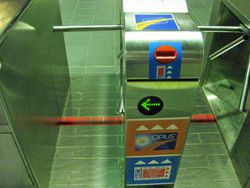
Cet atelier de design participatif, le second dune série de deux ateliers, réunira les résidents de Montréal et tous ceux qui sintéressent à la manière dont les technologies de linformation peuvent améliorer lexpérience de la ville.
Cet atelier de design participatif, le second dune série de deux ateliers, réunira les résidents de Montréal et tous ceux qui sintéressent à la manière dont les technologies de linformation peuvent améliorer lexpérience de la ville.
Date:
8 décembre 2012, 14h - 17h
8 décembre 2012, 14h - 17h
Titre:
I pour Interface
(Partie II)
Actions:
Description:
Cet atelier de design participatif, le second dune série de deux ateliers, réunira les résidents de Montréal et tous ceux qui sintéressent à la manière dont les technologies de linformation peuvent améliorer lexpérience de la ville.
I pour Interface
(Partie II)
Actions:
Description:
Cet atelier de design participatif, le second dune série de deux ateliers, réunira les résidents de Montréal et tous ceux qui sintéressent à la manière dont les technologies de linformation peuvent améliorer lexpérience de la ville.
Classification:
événements
événements
Date:
8 décembre 2012
14h - 17h
8 décembre 2012
14h - 17h
Classification:
expositions
expositions
Description:
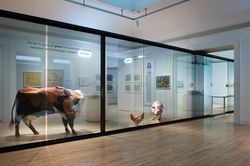
Alors que le débat politique contemporain se préoccupe particulièrement de notre santé, les architectes, urbanistes et architectes du paysage développent-ils un nouveau programme politique et moral pour répondre à ces préoccupations sociétales? En imparfaite santé étudie la complexité, la corrélation et l’émergence de ces problèmes sanitaires contemporains au travers des(...)
Alors que le débat politique contemporain se préoccupe particulièrement de notre santé, les architectes, urbanistes et architectes du paysage développent-ils un nouveau programme politique et moral pour répondre à ces préoccupations sociétales? En imparfaite santé étudie la complexité, la corrélation et l’émergence de ces problèmes sanitaires contemporains au travers des(...)
Localisation:
Salles principales Mot(s)-clé(s):
en imparfaite santé, giovanna borasi, mirko zardini, kersten geers, david van severen, office, kgdvs
Salles principales Mot(s)-clé(s):
en imparfaite santé, giovanna borasi, mirko zardini, kersten geers, david van severen, office, kgdvs
Date:
25 octobre 2011 au 15 avril 2012
25 octobre 2011 au 15 avril 2012
Titre:
En imparfaite santé : La médicalisation de l’architecture
Actions:
Description:
Alors que le débat politique contemporain se préoccupe particulièrement de notre santé, les architectes, urbanistes et architectes du paysage développent-ils un nouveau programme politique et moral pour répondre à ces préoccupations sociétales? En imparfaite santé étudie la complexité, la corrélation et l’émergence de ces problèmes sanitaires contemporains au travers des(...)
En imparfaite santé : La médicalisation de l’architecture
Actions:
Description:
Alors que le débat politique contemporain se préoccupe particulièrement de notre santé, les architectes, urbanistes et architectes du paysage développent-ils un nouveau programme politique et moral pour répondre à ces préoccupations sociétales? En imparfaite santé étudie la complexité, la corrélation et l’émergence de ces problèmes sanitaires contemporains au travers des(...)
Classification:
expositions
expositions
Date:
25 octobre 2011 au
15 avril 2012
25 octobre 2011 au
15 avril 2012
Localisation:
Salles principales Mot(s)-clé(s):
en imparfaite santé, giovanna borasi, mirko zardini, kersten geers, david van severen, office, kgdvs
Salles principales Mot(s)-clé(s):
en imparfaite santé, giovanna borasi, mirko zardini, kersten geers, david van severen, office, kgdvs
Niveau de description archivistique:
Projet
Projet
Actions:
Numéro de référence:
CI005.S1.1919.PR3
Description:
The post-First World War shortage of affordable housing led the city of Rotterdam to initiate low income dwelling developments to alleviate the crisis in housing for working class residents. Oud's involvement with the Rotterdam Housing Authority -- the Rotterdam Woningdienst -- allowed him to use public housing projects as a platform for his ideas about urban development, including this design for a semi-detached dwelling in reinforced concrete. Oud's plans were never realized as Rotterdam only experimented with concrete building projects later, in 1921 (Taverne et al. 2001,191, 210-212). The project series includes Oud's drawings of plans for the Double Worker's Dwelling in Reinforced Concrete.
CI005.S1.1919.PR3
Description:
The post-First World War shortage of affordable housing led the city of Rotterdam to initiate low income dwelling developments to alleviate the crisis in housing for working class residents. Oud's involvement with the Rotterdam Housing Authority -- the Rotterdam Woningdienst -- allowed him to use public housing projects as a platform for his ideas about urban development, including this design for a semi-detached dwelling in reinforced concrete. Oud's plans were never realized as Rotterdam only experimented with concrete building projects later, in 1921 (Taverne et al. 2001,191, 210-212). The project series includes Oud's drawings of plans for the Double Worker's Dwelling in Reinforced Concrete.
Personnes et institutions:
Date:
1918
1918
Titre:
Double Worker's Dwelling in Reinforced Concrete, Rotterdam, Netherlands (1919)
Actions:
CI005.S1.1919.PR3
Description:
The post-First World War shortage of affordable housing led the city of Rotterdam to initiate low income dwelling developments to alleviate the crisis in housing for working class residents. Oud's involvement with the Rotterdam Housing Authority -- the Rotterdam Woningdienst -- allowed him to use public housing projects as a platform for his ideas about urban development, including this design for a semi-detached dwelling in reinforced concrete. Oud's plans were never realized as Rotterdam only experimented with concrete building projects later, in 1921 (Taverne et al. 2001,191, 210-212). The project series includes Oud's drawings of plans for the Double Worker's Dwelling in Reinforced Concrete.
Double Worker's Dwelling in Reinforced Concrete, Rotterdam, Netherlands (1919)
Actions:
CI005.S1.1919.PR3
Description:
The post-First World War shortage of affordable housing led the city of Rotterdam to initiate low income dwelling developments to alleviate the crisis in housing for working class residents. Oud's involvement with the Rotterdam Housing Authority -- the Rotterdam Woningdienst -- allowed him to use public housing projects as a platform for his ideas about urban development, including this design for a semi-detached dwelling in reinforced concrete. Oud's plans were never realized as Rotterdam only experimented with concrete building projects later, in 1921 (Taverne et al. 2001,191, 210-212). The project series includes Oud's drawings of plans for the Double Worker's Dwelling in Reinforced Concrete.
Niveau de description archivistique:
project
project
Date:
1918
1918
Personnes et institutions:
Classification:
cartes, documents textuels, graphique, photographies
cartes, documents textuels, graphique, photographies
Numéro de référence:
DR2006:0110
Description:
correspondence, notes, a map, clippings, a brochure, postcards, coupons, invitations, newsletters, teaching materials, syllabi, posters, a photocopy of poster designs, handbills, press releases, a resume for Cedric Price, copies of two articles by Elizabeth Lebus on the borough of Bermondsey, a copy of an article by Ian Brown on the future of the AA, a report on an election at AA, AA prospectuses, a proposal for a Housing Policy and Design Programme at the London School of Economics, bibliographies, and proposals, including proposals for urban planning in South London
DR2006:0110
Description:
correspondence, notes, a map, clippings, a brochure, postcards, coupons, invitations, newsletters, teaching materials, syllabi, posters, a photocopy of poster designs, handbills, press releases, a resume for Cedric Price, copies of two articles by Elizabeth Lebus on the borough of Bermondsey, a copy of an article by Ian Brown on the future of the AA, a report on an election at AA, AA prospectuses, a proposal for a Housing Policy and Design Programme at the London School of Economics, bibliographies, and proposals, including proposals for urban planning in South London
Personnes et institutions:
Date:
1980-1999
1980-1999
Titre:
Correspondence, notes, a map, clippings, a brochure
Actions:
DR2006:0110
Description:
correspondence, notes, a map, clippings, a brochure, postcards, coupons, invitations, newsletters, teaching materials, syllabi, posters, a photocopy of poster designs, handbills, press releases, a resume for Cedric Price, copies of two articles by Elizabeth Lebus on the borough of Bermondsey, a copy of an article by Ian Brown on the future of the AA, a report on an election at AA, AA prospectuses, a proposal for a Housing Policy and Design Programme at the London School of Economics, bibliographies, and proposals, including proposals for urban planning in South London
Correspondence, notes, a map, clippings, a brochure
Actions:
DR2006:0110
Description:
correspondence, notes, a map, clippings, a brochure, postcards, coupons, invitations, newsletters, teaching materials, syllabi, posters, a photocopy of poster designs, handbills, press releases, a resume for Cedric Price, copies of two articles by Elizabeth Lebus on the borough of Bermondsey, a copy of an article by Ian Brown on the future of the AA, a report on an election at AA, AA prospectuses, a proposal for a Housing Policy and Design Programme at the London School of Economics, bibliographies, and proposals, including proposals for urban planning in South London
Classification:
cartes, documents textuels, graphique, photographies
cartes, documents textuels, graphique, photographies
Date:
1980-1999
1980-1999
Personnes et institutions:


