


6146 Résultats
Niveau de description archivistique:
Projet
Projet
Titre:
Duck Land
Duck Land
Numéro de référence:
AP144.S2.D153
Description:
File documents Price's participation in an international ideas workshop for a redundant docks area on the river Elbe in Hamburg, Germany. The workshop, entitled "IV. Hamburger Bauforum 1989", was designed as a simulated competition with different teams working separately. Price and his team proposed to turn the area into a large nature reserve for migratory waterfowl, and included a design for a self-powered floating walkway called the "mud-mobile". Although the project arose from the Hamburger Bauforum workshop, Price apparently pursued it further after the workshop was over. Included in this file are drawings of a room, possibly for an exhibition of the project (DR2004:0877). Material in this file was produced between 1989 and 1991. File contains conceptual drawings, presentation panels, a model, photographs, and textual records.
AP144.S2.D153
Description:
File documents Price's participation in an international ideas workshop for a redundant docks area on the river Elbe in Hamburg, Germany. The workshop, entitled "IV. Hamburger Bauforum 1989", was designed as a simulated competition with different teams working separately. Price and his team proposed to turn the area into a large nature reserve for migratory waterfowl, and included a design for a self-powered floating walkway called the "mud-mobile". Although the project arose from the Hamburger Bauforum workshop, Price apparently pursued it further after the workshop was over. Included in this file are drawings of a room, possibly for an exhibition of the project (DR2004:0877). Material in this file was produced between 1989 and 1991. File contains conceptual drawings, presentation panels, a model, photographs, and textual records.
Personnes et institutions:
Date:
1989-1991
1989-1991
Titre:
Duck Land
Actions:
AP144.S2.D153
Description:
File documents Price's participation in an international ideas workshop for a redundant docks area on the river Elbe in Hamburg, Germany. The workshop, entitled "IV. Hamburger Bauforum 1989", was designed as a simulated competition with different teams working separately. Price and his team proposed to turn the area into a large nature reserve for migratory waterfowl, and included a design for a self-powered floating walkway called the "mud-mobile". Although the project arose from the Hamburger Bauforum workshop, Price apparently pursued it further after the workshop was over. Included in this file are drawings of a room, possibly for an exhibition of the project (DR2004:0877). Material in this file was produced between 1989 and 1991. File contains conceptual drawings, presentation panels, a model, photographs, and textual records.
Duck Land
Actions:
AP144.S2.D153
Description:
File documents Price's participation in an international ideas workshop for a redundant docks area on the river Elbe in Hamburg, Germany. The workshop, entitled "IV. Hamburger Bauforum 1989", was designed as a simulated competition with different teams working separately. Price and his team proposed to turn the area into a large nature reserve for migratory waterfowl, and included a design for a self-powered floating walkway called the "mud-mobile". Although the project arose from the Hamburger Bauforum workshop, Price apparently pursued it further after the workshop was over. Included in this file are drawings of a room, possibly for an exhibition of the project (DR2004:0877). Material in this file was produced between 1989 and 1991. File contains conceptual drawings, presentation panels, a model, photographs, and textual records.
Niveau de description archivistique:
File 153
File 153
Date:
1989-1991
1989-1991
Personnes et institutions:
Classification:
événements
événements
Actions:
Description:
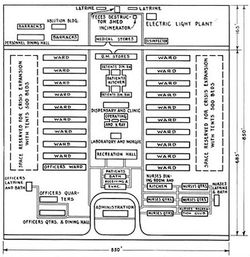
Geoff Manaugh se penche sur le design urbain dans le contexte d’études épidémiologiques, de pandémies et de quarantaines, à la lumière des mesures prises par les centres de contrôle et de prévention des maladies (CDC) mis en place par le gouvernement des États-Unis. Geoff Manaugh est l’auteur de BLDGBLOG et de The BLDGBLOG Book et il collabore régulièrement à titre(...)
Geoff Manaugh se penche sur le design urbain dans le contexte d’études épidémiologiques, de pandémies et de quarantaines, à la lumière des mesures prises par les centres de contrôle et de prévention des maladies (CDC) mis en place par le gouvernement des États-Unis. Geoff Manaugh est l’auteur de BLDGBLOG et de The BLDGBLOG Book et il collabore régulièrement à titre(...)
Localisation:
Théâtre Paul-Desmarais
Théâtre Paul-Desmarais
Date:
22 octobre 2009 , 19h
22 octobre 2009 , 19h
Titre:
Geoff Manaugh : Cities of the CDC
Actions:
Description:
Geoff Manaugh se penche sur le design urbain dans le contexte d’études épidémiologiques, de pandémies et de quarantaines, à la lumière des mesures prises par les centres de contrôle et de prévention des maladies (CDC) mis en place par le gouvernement des États-Unis. Geoff Manaugh est l’auteur de BLDGBLOG et de The BLDGBLOG Book et il collabore régulièrement à titre(...)
Geoff Manaugh : Cities of the CDC
Actions:
Description:
Geoff Manaugh se penche sur le design urbain dans le contexte d’études épidémiologiques, de pandémies et de quarantaines, à la lumière des mesures prises par les centres de contrôle et de prévention des maladies (CDC) mis en place par le gouvernement des États-Unis. Geoff Manaugh est l’auteur de BLDGBLOG et de The BLDGBLOG Book et il collabore régulièrement à titre(...)
Classification:
événements
événements
Date:
22 octobre 2009
19h
22 octobre 2009
19h
Localisation:
Théâtre Paul-Desmarais
Théâtre Paul-Desmarais
Niveau de description archivistique:
Projet
Projet
Titre:
Shantasea Development
Shantasea Development
Numéro de référence:
AP144.S2.D72
Description:
File documents an unexecuted project for a multiple use building in Birmingham, England, for Shantasea Limited. Cedric Price resigned as the architect for the project and took on the role of architect for Birmingham and Midland Institute (BMI), one of the proposed tenants for the Shantasea project. The multi-functional centre was to include a theatre, TV studios, an audio-visual exhibition area, retail stores, offices, a meeting hall, a gallery, a seminar area, a library, and parking within an approx. 3,500,000 square-foot area. Drawings include sections showing preliminary circulation patterns, and design development drawings for seven alternate schemes, each with different total square footage. Volumetric studies compare functions and areas for each design. Diagrammatic plans and sections explore vertical and horizontal circulation patterns, alternate layouts for parking, and the relationship between areas of the building for BMI and those shared by BMI and other tenants. Material in this file was produced between 1967 and 1970. File contains conceptual drawings, design development drawings, and textual records.
AP144.S2.D72
Description:
File documents an unexecuted project for a multiple use building in Birmingham, England, for Shantasea Limited. Cedric Price resigned as the architect for the project and took on the role of architect for Birmingham and Midland Institute (BMI), one of the proposed tenants for the Shantasea project. The multi-functional centre was to include a theatre, TV studios, an audio-visual exhibition area, retail stores, offices, a meeting hall, a gallery, a seminar area, a library, and parking within an approx. 3,500,000 square-foot area. Drawings include sections showing preliminary circulation patterns, and design development drawings for seven alternate schemes, each with different total square footage. Volumetric studies compare functions and areas for each design. Diagrammatic plans and sections explore vertical and horizontal circulation patterns, alternate layouts for parking, and the relationship between areas of the building for BMI and those shared by BMI and other tenants. Material in this file was produced between 1967 and 1970. File contains conceptual drawings, design development drawings, and textual records.
Personnes et institutions:
Date:
1967-1970
1967-1970
Titre:
Shantasea Development
Actions:
AP144.S2.D72
Description:
File documents an unexecuted project for a multiple use building in Birmingham, England, for Shantasea Limited. Cedric Price resigned as the architect for the project and took on the role of architect for Birmingham and Midland Institute (BMI), one of the proposed tenants for the Shantasea project. The multi-functional centre was to include a theatre, TV studios, an audio-visual exhibition area, retail stores, offices, a meeting hall, a gallery, a seminar area, a library, and parking within an approx. 3,500,000 square-foot area. Drawings include sections showing preliminary circulation patterns, and design development drawings for seven alternate schemes, each with different total square footage. Volumetric studies compare functions and areas for each design. Diagrammatic plans and sections explore vertical and horizontal circulation patterns, alternate layouts for parking, and the relationship between areas of the building for BMI and those shared by BMI and other tenants. Material in this file was produced between 1967 and 1970. File contains conceptual drawings, design development drawings, and textual records.
Shantasea Development
Actions:
AP144.S2.D72
Description:
File documents an unexecuted project for a multiple use building in Birmingham, England, for Shantasea Limited. Cedric Price resigned as the architect for the project and took on the role of architect for Birmingham and Midland Institute (BMI), one of the proposed tenants for the Shantasea project. The multi-functional centre was to include a theatre, TV studios, an audio-visual exhibition area, retail stores, offices, a meeting hall, a gallery, a seminar area, a library, and parking within an approx. 3,500,000 square-foot area. Drawings include sections showing preliminary circulation patterns, and design development drawings for seven alternate schemes, each with different total square footage. Volumetric studies compare functions and areas for each design. Diagrammatic plans and sections explore vertical and horizontal circulation patterns, alternate layouts for parking, and the relationship between areas of the building for BMI and those shared by BMI and other tenants. Material in this file was produced between 1967 and 1970. File contains conceptual drawings, design development drawings, and textual records.
Niveau de description archivistique:
File 72
File 72
Date:
1967-1970
1967-1970
Personnes et institutions:
Niveau de description archivistique:
Projet
Projet
Actions:
Numéro de référence:
CI005.S1.1933.PR1
Description:
The director of the Metz & Co interior design firm, Joseph de Leeuw, commissioned furniture designs from several prominent Dutch artists and architects, including Oud, Van der Leck and Rietveld. Oud's four chair designs were featured in the company's exhibition, "Steel Furniture in 1934." The chairs were made of steel frames; the third chair featured angular rear supports with sharp front angles adjoining the front, while in the fourth, the chair front and rear leg supports were crossed. Oud also designed four more chair types in 1934, including the 07 series, which received critical acclaim (Taverne et al. 2001, 375-377). Project series includes drawings of sketch perspectives of chairs, a sketch plan for a house and unidentified details, possibly for Metz & Co, as well as photographs of the chairs.
CI005.S1.1933.PR1
Description:
The director of the Metz & Co interior design firm, Joseph de Leeuw, commissioned furniture designs from several prominent Dutch artists and architects, including Oud, Van der Leck and Rietveld. Oud's four chair designs were featured in the company's exhibition, "Steel Furniture in 1934." The chairs were made of steel frames; the third chair featured angular rear supports with sharp front angles adjoining the front, while in the fourth, the chair front and rear leg supports were crossed. Oud also designed four more chair types in 1934, including the 07 series, which received critical acclaim (Taverne et al. 2001, 375-377). Project series includes drawings of sketch perspectives of chairs, a sketch plan for a house and unidentified details, possibly for Metz & Co, as well as photographs of the chairs.
Personnes et institutions:
Date:
1933-1934
1933-1934
Titre:
Furniture Designs for Metz & Co, Amsterdam, Netherlands (1933-1934)
Actions:
CI005.S1.1933.PR1
Description:
The director of the Metz & Co interior design firm, Joseph de Leeuw, commissioned furniture designs from several prominent Dutch artists and architects, including Oud, Van der Leck and Rietveld. Oud's four chair designs were featured in the company's exhibition, "Steel Furniture in 1934." The chairs were made of steel frames; the third chair featured angular rear supports with sharp front angles adjoining the front, while in the fourth, the chair front and rear leg supports were crossed. Oud also designed four more chair types in 1934, including the 07 series, which received critical acclaim (Taverne et al. 2001, 375-377). Project series includes drawings of sketch perspectives of chairs, a sketch plan for a house and unidentified details, possibly for Metz & Co, as well as photographs of the chairs.
Furniture Designs for Metz & Co, Amsterdam, Netherlands (1933-1934)
Actions:
CI005.S1.1933.PR1
Description:
The director of the Metz & Co interior design firm, Joseph de Leeuw, commissioned furniture designs from several prominent Dutch artists and architects, including Oud, Van der Leck and Rietveld. Oud's four chair designs were featured in the company's exhibition, "Steel Furniture in 1934." The chairs were made of steel frames; the third chair featured angular rear supports with sharp front angles adjoining the front, while in the fourth, the chair front and rear leg supports were crossed. Oud also designed four more chair types in 1934, including the 07 series, which received critical acclaim (Taverne et al. 2001, 375-377). Project series includes drawings of sketch perspectives of chairs, a sketch plan for a house and unidentified details, possibly for Metz & Co, as well as photographs of the chairs.
Niveau de description archivistique:
project
project
Date:
1933-1934
1933-1934
Personnes et institutions:
Niveau de description archivistique:
Série(s)
Série(s)
Numéro de référence:
AP168.S1
Description:
The Project records from Neil Denari series, 1994 – 2004, consists of records produced by Denari for his show “Interrupted Projections” at Gallery MA in Tokyo, Japan. It documents the development and final design for the principal architectural installation built on the third level of the gallery, as well as related materials displayed on the gallery’s fourth floor. The series also contains photographic and video documentation of the exhibit, the show catalogue, and promotional materials. The series includes 4003 digital files (1 GB), 53 slides, 21 transparencies, seven drawings and/or reprographic copies, two VHS video cassettes, one exhibition catalogue, and a small amount of promotional material comprising one large and two small posters, one postcard, and one t-shirt. The majority of records date from 1994-1996. Denari used a combination of physical drawings and digital modelling to draft the design for Interrupted Projections. The series contains one ink drawing and one transfer print with plans and sections of the third floor gallery space, two reprographic copies of drawings with elevations and plans of existing conditions of the third and fourth floors at Gallery MA, and three graphite hand drawings of the installation. Digital files in the series include two original Softimage databases containing full and partial 3D models of the installation, as well as one forward-migrated database containing models compiled from the two original databases. The original models were created in Softimage ’95 on Windows NT and will not open in contemporary versions of Autodesk Softimage. The forward-migrated model database was created by members of Autodesk’s Montreal office for the Archaeology of the Digital exhibition Complexity and Convention and will open in Softimage 2014. Each Softimage model database is made up of several directories that contain information necessary to render all models and their animation into a “scene” (such as textures, lighting, camera movements, etc.). When the Interrupted Projections models were migrated, the information from all directories in both original databases was compiled into the Scenes directory of a single database. These updated scene files (SCN) contain all the elements needed to render the models without the need for additional directories. Each scene file has a corresponding scene TOC file (scene table of content), which can be used to further modify the information in the scene. Scene files in the migrated database contain full and partial models for Interrupted Projections, including one animated scene that follows a camera path through the interior and exterior of the final model. These files document the various stages of design work for the project, as well as Denari’s use of animation features in Softimage to visualize and study the spatial character of his drawings. Project collaborator Duks Koschitz created additional animations of the model that were edited and shown on the fourth floor of the exhibition. A compilation of his work is included on a VHS tape in the archive. The video, which spans one minute 16 seconds, contains four animations that move around the 3D gallery space. Koschitz attempted to reflect the concerns of the project in the movements of the camera, focusing on details such as the fictional company logos or curvatures in the surface of the model. The majority of photographic materials in the series are digital renderings of the model, comprising 38 slides, 14 diapositives, and seven digital images. Photographic materials also include images of the completed show, including seven diapositives that document the built work from various views on the third floor of Gallery MA, as well as the exhibition of materials on the fourth floor. A small number of slides document the exhibit open to the public, and include images of visitors interacting with the Sony Navicam. Most of the diapositive photographs and a small number of slides were taken by Fujitsuka Mitsumasa, a photographer of architecture based in Tokyo. A second VHS tape in the archive provides in-depth documentation of the Interrupted Projections exhibition, containing 45 minutes of raw video footage that explores Gallery MA and surrounding areas of Tokyo. The Interrupted Projections book contains in print the text and images from the installation and website. It was written by Denari and designed by Michiharu Shimoda, a graphic designer and underground trip-hop artist who was also responsible for the design of the fictional logos used in the exhibit. The book acts as an extension of the content of the show, as well as exhibition catalogue, and covers Denari’s other projects represented in the show. The series also contains a small amount of promotional media for Interrupted Projections, including one large and two small posters, a postcard, and a t-shirt.
AP168.S1
Description:
The Project records from Neil Denari series, 1994 – 2004, consists of records produced by Denari for his show “Interrupted Projections” at Gallery MA in Tokyo, Japan. It documents the development and final design for the principal architectural installation built on the third level of the gallery, as well as related materials displayed on the gallery’s fourth floor. The series also contains photographic and video documentation of the exhibit, the show catalogue, and promotional materials. The series includes 4003 digital files (1 GB), 53 slides, 21 transparencies, seven drawings and/or reprographic copies, two VHS video cassettes, one exhibition catalogue, and a small amount of promotional material comprising one large and two small posters, one postcard, and one t-shirt. The majority of records date from 1994-1996. Denari used a combination of physical drawings and digital modelling to draft the design for Interrupted Projections. The series contains one ink drawing and one transfer print with plans and sections of the third floor gallery space, two reprographic copies of drawings with elevations and plans of existing conditions of the third and fourth floors at Gallery MA, and three graphite hand drawings of the installation. Digital files in the series include two original Softimage databases containing full and partial 3D models of the installation, as well as one forward-migrated database containing models compiled from the two original databases. The original models were created in Softimage ’95 on Windows NT and will not open in contemporary versions of Autodesk Softimage. The forward-migrated model database was created by members of Autodesk’s Montreal office for the Archaeology of the Digital exhibition Complexity and Convention and will open in Softimage 2014. Each Softimage model database is made up of several directories that contain information necessary to render all models and their animation into a “scene” (such as textures, lighting, camera movements, etc.). When the Interrupted Projections models were migrated, the information from all directories in both original databases was compiled into the Scenes directory of a single database. These updated scene files (SCN) contain all the elements needed to render the models without the need for additional directories. Each scene file has a corresponding scene TOC file (scene table of content), which can be used to further modify the information in the scene. Scene files in the migrated database contain full and partial models for Interrupted Projections, including one animated scene that follows a camera path through the interior and exterior of the final model. These files document the various stages of design work for the project, as well as Denari’s use of animation features in Softimage to visualize and study the spatial character of his drawings. Project collaborator Duks Koschitz created additional animations of the model that were edited and shown on the fourth floor of the exhibition. A compilation of his work is included on a VHS tape in the archive. The video, which spans one minute 16 seconds, contains four animations that move around the 3D gallery space. Koschitz attempted to reflect the concerns of the project in the movements of the camera, focusing on details such as the fictional company logos or curvatures in the surface of the model. The majority of photographic materials in the series are digital renderings of the model, comprising 38 slides, 14 diapositives, and seven digital images. Photographic materials also include images of the completed show, including seven diapositives that document the built work from various views on the third floor of Gallery MA, as well as the exhibition of materials on the fourth floor. A small number of slides document the exhibit open to the public, and include images of visitors interacting with the Sony Navicam. Most of the diapositive photographs and a small number of slides were taken by Fujitsuka Mitsumasa, a photographer of architecture based in Tokyo. A second VHS tape in the archive provides in-depth documentation of the Interrupted Projections exhibition, containing 45 minutes of raw video footage that explores Gallery MA and surrounding areas of Tokyo. The Interrupted Projections book contains in print the text and images from the installation and website. It was written by Denari and designed by Michiharu Shimoda, a graphic designer and underground trip-hop artist who was also responsible for the design of the fictional logos used in the exhibit. The book acts as an extension of the content of the show, as well as exhibition catalogue, and covers Denari’s other projects represented in the show. The series also contains a small amount of promotional media for Interrupted Projections, including one large and two small posters, a postcard, and a t-shirt.
Personnes et institutions:
Date:
1994 - 2004
1994 - 2004
Titre:
Project records from Neil Denari
Actions:
AP168.S1
Description:
The Project records from Neil Denari series, 1994 – 2004, consists of records produced by Denari for his show “Interrupted Projections” at Gallery MA in Tokyo, Japan. It documents the development and final design for the principal architectural installation built on the third level of the gallery, as well as related materials displayed on the gallery’s fourth floor. The series also contains photographic and video documentation of the exhibit, the show catalogue, and promotional materials. The series includes 4003 digital files (1 GB), 53 slides, 21 transparencies, seven drawings and/or reprographic copies, two VHS video cassettes, one exhibition catalogue, and a small amount of promotional material comprising one large and two small posters, one postcard, and one t-shirt. The majority of records date from 1994-1996. Denari used a combination of physical drawings and digital modelling to draft the design for Interrupted Projections. The series contains one ink drawing and one transfer print with plans and sections of the third floor gallery space, two reprographic copies of drawings with elevations and plans of existing conditions of the third and fourth floors at Gallery MA, and three graphite hand drawings of the installation. Digital files in the series include two original Softimage databases containing full and partial 3D models of the installation, as well as one forward-migrated database containing models compiled from the two original databases. The original models were created in Softimage ’95 on Windows NT and will not open in contemporary versions of Autodesk Softimage. The forward-migrated model database was created by members of Autodesk’s Montreal office for the Archaeology of the Digital exhibition Complexity and Convention and will open in Softimage 2014. Each Softimage model database is made up of several directories that contain information necessary to render all models and their animation into a “scene” (such as textures, lighting, camera movements, etc.). When the Interrupted Projections models were migrated, the information from all directories in both original databases was compiled into the Scenes directory of a single database. These updated scene files (SCN) contain all the elements needed to render the models without the need for additional directories. Each scene file has a corresponding scene TOC file (scene table of content), which can be used to further modify the information in the scene. Scene files in the migrated database contain full and partial models for Interrupted Projections, including one animated scene that follows a camera path through the interior and exterior of the final model. These files document the various stages of design work for the project, as well as Denari’s use of animation features in Softimage to visualize and study the spatial character of his drawings. Project collaborator Duks Koschitz created additional animations of the model that were edited and shown on the fourth floor of the exhibition. A compilation of his work is included on a VHS tape in the archive. The video, which spans one minute 16 seconds, contains four animations that move around the 3D gallery space. Koschitz attempted to reflect the concerns of the project in the movements of the camera, focusing on details such as the fictional company logos or curvatures in the surface of the model. The majority of photographic materials in the series are digital renderings of the model, comprising 38 slides, 14 diapositives, and seven digital images. Photographic materials also include images of the completed show, including seven diapositives that document the built work from various views on the third floor of Gallery MA, as well as the exhibition of materials on the fourth floor. A small number of slides document the exhibit open to the public, and include images of visitors interacting with the Sony Navicam. Most of the diapositive photographs and a small number of slides were taken by Fujitsuka Mitsumasa, a photographer of architecture based in Tokyo. A second VHS tape in the archive provides in-depth documentation of the Interrupted Projections exhibition, containing 45 minutes of raw video footage that explores Gallery MA and surrounding areas of Tokyo. The Interrupted Projections book contains in print the text and images from the installation and website. It was written by Denari and designed by Michiharu Shimoda, a graphic designer and underground trip-hop artist who was also responsible for the design of the fictional logos used in the exhibit. The book acts as an extension of the content of the show, as well as exhibition catalogue, and covers Denari’s other projects represented in the show. The series also contains a small amount of promotional media for Interrupted Projections, including one large and two small posters, a postcard, and a t-shirt.
Project records from Neil Denari
Actions:
AP168.S1
Description:
The Project records from Neil Denari series, 1994 – 2004, consists of records produced by Denari for his show “Interrupted Projections” at Gallery MA in Tokyo, Japan. It documents the development and final design for the principal architectural installation built on the third level of the gallery, as well as related materials displayed on the gallery’s fourth floor. The series also contains photographic and video documentation of the exhibit, the show catalogue, and promotional materials. The series includes 4003 digital files (1 GB), 53 slides, 21 transparencies, seven drawings and/or reprographic copies, two VHS video cassettes, one exhibition catalogue, and a small amount of promotional material comprising one large and two small posters, one postcard, and one t-shirt. The majority of records date from 1994-1996. Denari used a combination of physical drawings and digital modelling to draft the design for Interrupted Projections. The series contains one ink drawing and one transfer print with plans and sections of the third floor gallery space, two reprographic copies of drawings with elevations and plans of existing conditions of the third and fourth floors at Gallery MA, and three graphite hand drawings of the installation. Digital files in the series include two original Softimage databases containing full and partial 3D models of the installation, as well as one forward-migrated database containing models compiled from the two original databases. The original models were created in Softimage ’95 on Windows NT and will not open in contemporary versions of Autodesk Softimage. The forward-migrated model database was created by members of Autodesk’s Montreal office for the Archaeology of the Digital exhibition Complexity and Convention and will open in Softimage 2014. Each Softimage model database is made up of several directories that contain information necessary to render all models and their animation into a “scene” (such as textures, lighting, camera movements, etc.). When the Interrupted Projections models were migrated, the information from all directories in both original databases was compiled into the Scenes directory of a single database. These updated scene files (SCN) contain all the elements needed to render the models without the need for additional directories. Each scene file has a corresponding scene TOC file (scene table of content), which can be used to further modify the information in the scene. Scene files in the migrated database contain full and partial models for Interrupted Projections, including one animated scene that follows a camera path through the interior and exterior of the final model. These files document the various stages of design work for the project, as well as Denari’s use of animation features in Softimage to visualize and study the spatial character of his drawings. Project collaborator Duks Koschitz created additional animations of the model that were edited and shown on the fourth floor of the exhibition. A compilation of his work is included on a VHS tape in the archive. The video, which spans one minute 16 seconds, contains four animations that move around the 3D gallery space. Koschitz attempted to reflect the concerns of the project in the movements of the camera, focusing on details such as the fictional company logos or curvatures in the surface of the model. The majority of photographic materials in the series are digital renderings of the model, comprising 38 slides, 14 diapositives, and seven digital images. Photographic materials also include images of the completed show, including seven diapositives that document the built work from various views on the third floor of Gallery MA, as well as the exhibition of materials on the fourth floor. A small number of slides document the exhibit open to the public, and include images of visitors interacting with the Sony Navicam. Most of the diapositive photographs and a small number of slides were taken by Fujitsuka Mitsumasa, a photographer of architecture based in Tokyo. A second VHS tape in the archive provides in-depth documentation of the Interrupted Projections exhibition, containing 45 minutes of raw video footage that explores Gallery MA and surrounding areas of Tokyo. The Interrupted Projections book contains in print the text and images from the installation and website. It was written by Denari and designed by Michiharu Shimoda, a graphic designer and underground trip-hop artist who was also responsible for the design of the fictional logos used in the exhibit. The book acts as an extension of the content of the show, as well as exhibition catalogue, and covers Denari’s other projects represented in the show. The series also contains a small amount of promotional media for Interrupted Projections, including one large and two small posters, a postcard, and a t-shirt.
Niveau de description archivistique:
Series
Series
Date:
1994 - 2004
1994 - 2004
Personnes et institutions:
Niveau de description archivistique:
Projet
Projet
Titre:
Serre (2)
Serre (2)
Numéro de référence:
AP144.S2.D146
Description:
File documents an unexecuted proposal for revised, expanded version of the Serre project (AP144.S2.D139). This new proposal was for a commercial structure divided into two zones, one with a greenhouse where plants were grown and where exhibitions and social events could be hosted, and another zone designed for meetings, research, administration and servicing. Material in this file was produced between 1986 and 1992, but predominantly between 1988 and 1990. File contains conceptual drawings, design development drawings, presentation drawings, reference drawings, presentation panels, models, photographic materials and textual records.
AP144.S2.D146
Description:
File documents an unexecuted proposal for revised, expanded version of the Serre project (AP144.S2.D139). This new proposal was for a commercial structure divided into two zones, one with a greenhouse where plants were grown and where exhibitions and social events could be hosted, and another zone designed for meetings, research, administration and servicing. Material in this file was produced between 1986 and 1992, but predominantly between 1988 and 1990. File contains conceptual drawings, design development drawings, presentation drawings, reference drawings, presentation panels, models, photographic materials and textual records.
Personnes et institutions:
Date:
1986-1992, predominant 1988-1990
1986-1992, predominant 1988-1990
Titre:
Serre (2)
Actions:
AP144.S2.D146
Description:
File documents an unexecuted proposal for revised, expanded version of the Serre project (AP144.S2.D139). This new proposal was for a commercial structure divided into two zones, one with a greenhouse where plants were grown and where exhibitions and social events could be hosted, and another zone designed for meetings, research, administration and servicing. Material in this file was produced between 1986 and 1992, but predominantly between 1988 and 1990. File contains conceptual drawings, design development drawings, presentation drawings, reference drawings, presentation panels, models, photographic materials and textual records.
Serre (2)
Actions:
AP144.S2.D146
Description:
File documents an unexecuted proposal for revised, expanded version of the Serre project (AP144.S2.D139). This new proposal was for a commercial structure divided into two zones, one with a greenhouse where plants were grown and where exhibitions and social events could be hosted, and another zone designed for meetings, research, administration and servicing. Material in this file was produced between 1986 and 1992, but predominantly between 1988 and 1990. File contains conceptual drawings, design development drawings, presentation drawings, reference drawings, presentation panels, models, photographic materials and textual records.
Niveau de description archivistique:
File 146
File 146
Date:
1986-1992, predominant 1988-1990
1986-1992, predominant 1988-1990
Personnes et institutions:
Classification:
événements
événements
Titre:
T pour Typographie
T pour Typographie
Actions:
Description:
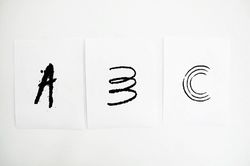
Feed est un studio de design graphique indépendant fondé en 1999 par Anouk Pennel et Raphaël Daudelin. Feed se spécialise dans le développement d’image de marque, la mise en livre et le dessin de polices de caractères. En lien avec les propositions graphiques faites pour l’exposition ABC : MTL, Feed propose un atelier de dessin typographique pour les étudiants(...)
Feed est un studio de design graphique indépendant fondé en 1999 par Anouk Pennel et Raphaël Daudelin. Feed se spécialise dans le développement d’image de marque, la mise en livre et le dessin de polices de caractères. En lien avec les propositions graphiques faites pour l’exposition ABC : MTL, Feed propose un atelier de dessin typographique pour les étudiants(...)
Localisation:
Maison Shaughnessy
Maison Shaughnessy
Date:
21 février 2013, 15h - 17h
21 février 2013, 15h - 17h
Titre:
T pour Typographie
Actions:
Description:
Feed est un studio de design graphique indépendant fondé en 1999 par Anouk Pennel et Raphaël Daudelin. Feed se spécialise dans le développement d’image de marque, la mise en livre et le dessin de polices de caractères. En lien avec les propositions graphiques faites pour l’exposition ABC : MTL, Feed propose un atelier de dessin typographique pour les étudiants(...)
T pour Typographie
Actions:
Description:
Feed est un studio de design graphique indépendant fondé en 1999 par Anouk Pennel et Raphaël Daudelin. Feed se spécialise dans le développement d’image de marque, la mise en livre et le dessin de polices de caractères. En lien avec les propositions graphiques faites pour l’exposition ABC : MTL, Feed propose un atelier de dessin typographique pour les étudiants(...)
Classification:
événements
événements
Date:
21 février 2013
15h - 17h
21 février 2013
15h - 17h
Localisation:
Maison Shaughnessy
Maison Shaughnessy
Classification:
événements
événements
Titre:
Dénouer le paysage numérique
Dénouer le paysage numérique
Actions:
Description:
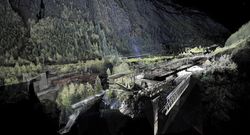
Dans cette conférence, Christophe Girot aborde les modèles de paysage numérique : Le design et l’analyse du paysage numérique ont traversé une révolution tranquille au cours des dix dernières années, suscitée par l’introduction de modèles numériques de nuages de points. La portée et la précision de ces modèles de paysages numériques créés à l’aide de lecteurs laser(...)
Dans cette conférence, Christophe Girot aborde les modèles de paysage numérique : Le design et l’analyse du paysage numérique ont traversé une révolution tranquille au cours des dix dernières années, suscitée par l’introduction de modèles numériques de nuages de points. La portée et la précision de ces modèles de paysages numériques créés à l’aide de lecteurs laser(...)
Localisation:
Théâtre Paul-Desmarais
Théâtre Paul-Desmarais
Date:
6 octobre 2016, 18h
6 octobre 2016, 18h
Titre:
Dénouer le paysage numérique
Actions:
Description:
Dans cette conférence, Christophe Girot aborde les modèles de paysage numérique : Le design et l’analyse du paysage numérique ont traversé une révolution tranquille au cours des dix dernières années, suscitée par l’introduction de modèles numériques de nuages de points. La portée et la précision de ces modèles de paysages numériques créés à l’aide de lecteurs laser(...)
Dénouer le paysage numérique
Actions:
Description:
Dans cette conférence, Christophe Girot aborde les modèles de paysage numérique : Le design et l’analyse du paysage numérique ont traversé une révolution tranquille au cours des dix dernières années, suscitée par l’introduction de modèles numériques de nuages de points. La portée et la précision de ces modèles de paysages numériques créés à l’aide de lecteurs laser(...)
Classification:
événements
événements
Date:
6 octobre 2016
18h
6 octobre 2016
18h
Localisation:
Théâtre Paul-Desmarais
Théâtre Paul-Desmarais
Niveau de description archivistique:
Projet
Projet
Numéro de référence:
AP174.S1.2006.D2
Description:
This project file documents unbuilt designs by Testa & Weiser for Strand Tower (2006), a continuation of the Carbon Tower research project. Various iterations of Strand Tower are woven out of carbon fibre according to a pattern algorithmically generated by the Weaver software. “The complexity of the final design is produced by arraying a basic fiber bundle of 114 strands; stacked 70 times for a total of approximately 8,000 strands.”[1] The file contains a large number of digital files which document the conceptual and design development of the project, fabrication of 3D printed physical models, and exhibition of the project at several museums and galleries, including the Museum of Contemporary Art, Los Angeles. The file also includes six physical models produced by the 3D printing firm 3D Systems. Sources: [1] "Strand Tower project and credit text" (AP174.S1.2006.D2.007). Testa & Weiser records, Centre Canadien d’Architecture/Canadian Centre for Architecture.
AP174.S1.2006.D2
Description:
This project file documents unbuilt designs by Testa & Weiser for Strand Tower (2006), a continuation of the Carbon Tower research project. Various iterations of Strand Tower are woven out of carbon fibre according to a pattern algorithmically generated by the Weaver software. “The complexity of the final design is produced by arraying a basic fiber bundle of 114 strands; stacked 70 times for a total of approximately 8,000 strands.”[1] The file contains a large number of digital files which document the conceptual and design development of the project, fabrication of 3D printed physical models, and exhibition of the project at several museums and galleries, including the Museum of Contemporary Art, Los Angeles. The file also includes six physical models produced by the 3D printing firm 3D Systems. Sources: [1] "Strand Tower project and credit text" (AP174.S1.2006.D2.007). Testa & Weiser records, Centre Canadien d’Architecture/Canadian Centre for Architecture.
Personnes et institutions:
Date:
2006-2014
2006-2014
Titre:
Strand Tower (2006)
Actions:
AP174.S1.2006.D2
Description:
This project file documents unbuilt designs by Testa & Weiser for Strand Tower (2006), a continuation of the Carbon Tower research project. Various iterations of Strand Tower are woven out of carbon fibre according to a pattern algorithmically generated by the Weaver software. “The complexity of the final design is produced by arraying a basic fiber bundle of 114 strands; stacked 70 times for a total of approximately 8,000 strands.”[1] The file contains a large number of digital files which document the conceptual and design development of the project, fabrication of 3D printed physical models, and exhibition of the project at several museums and galleries, including the Museum of Contemporary Art, Los Angeles. The file also includes six physical models produced by the 3D printing firm 3D Systems. Sources: [1] "Strand Tower project and credit text" (AP174.S1.2006.D2.007). Testa & Weiser records, Centre Canadien d’Architecture/Canadian Centre for Architecture.
Strand Tower (2006)
Actions:
AP174.S1.2006.D2
Description:
This project file documents unbuilt designs by Testa & Weiser for Strand Tower (2006), a continuation of the Carbon Tower research project. Various iterations of Strand Tower are woven out of carbon fibre according to a pattern algorithmically generated by the Weaver software. “The complexity of the final design is produced by arraying a basic fiber bundle of 114 strands; stacked 70 times for a total of approximately 8,000 strands.”[1] The file contains a large number of digital files which document the conceptual and design development of the project, fabrication of 3D printed physical models, and exhibition of the project at several museums and galleries, including the Museum of Contemporary Art, Los Angeles. The file also includes six physical models produced by the 3D printing firm 3D Systems. Sources: [1] "Strand Tower project and credit text" (AP174.S1.2006.D2.007). Testa & Weiser records, Centre Canadien d’Architecture/Canadian Centre for Architecture.
Niveau de description archivistique:
Project
Project
Date:
2006-2014
2006-2014
Personnes et institutions:
Classification:
événements
événements
Titre:
En réaction à
En réaction à
Actions:
Description:
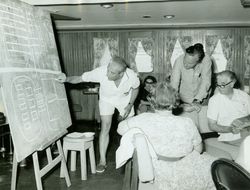
En réaction à est une série de séminaires publics qui marqueront les dernières semaines de l’exposition L’architecte, autrement. Si l’exposition présente des modèles et approches alternatives qui ont remis en question les pratiques de design traditionnelles, ces séminaires offriront des points de vue de commissariat alternatifs sur l’exposition et sur la publication. Les(...)
En réaction à est une série de séminaires publics qui marqueront les dernières semaines de l’exposition L’architecte, autrement. Si l’exposition présente des modèles et approches alternatives qui ont remis en question les pratiques de design traditionnelles, ces séminaires offriront des points de vue de commissariat alternatifs sur l’exposition et sur la publication. Les(...)
Localisation:
Salles principales
Salles principales
Date:
10 mars 2016 au 1 avril 2016
10 mars 2016 au 1 avril 2016
Titre:
En réaction à
Actions:
Description:
En réaction à est une série de séminaires publics qui marqueront les dernières semaines de l’exposition L’architecte, autrement. Si l’exposition présente des modèles et approches alternatives qui ont remis en question les pratiques de design traditionnelles, ces séminaires offriront des points de vue de commissariat alternatifs sur l’exposition et sur la publication. Les(...)
En réaction à
Actions:
Description:
En réaction à est une série de séminaires publics qui marqueront les dernières semaines de l’exposition L’architecte, autrement. Si l’exposition présente des modèles et approches alternatives qui ont remis en question les pratiques de design traditionnelles, ces séminaires offriront des points de vue de commissariat alternatifs sur l’exposition et sur la publication. Les(...)
Classification:
événements
événements
Date:
10 mars 2016 au
1 avril 2016
10 mars 2016 au
1 avril 2016
Localisation:
Salles principales
Salles principales


