


12071 Résultats
Classification:
livres
livres
Actions:
Prix:
$79.95
(disponible sur commande)
Résumé:
"The Portfolio and the Diagram" is about the changing ways architects see, read, and use the words and images of architectural publications. It begins with an outline of the academic discipline and the mimetic practice of the portfolio, established in America during the late nineteenth century. World War I triggered a historical process that resulted in the demise of the(...)
$79.95
(disponible sur commande)
Résumé:
"The Portfolio and the Diagram" is about the changing ways architects see, read, and use the words and images of architectural publications. It begins with an outline of the academic discipline and the mimetic practice of the portfolio, established in America during the late nineteenth century. World War I triggered a historical process that resulted in the demise of the(...)
Sujet:
Théorie de l’architecture
Théorie de l’architecture
Publication:
avril 2002, Cambridge, Massachusetts
avril 2002, Cambridge, Massachusetts
Titre:
The portfolio and the diagram : architecture, discourse, and modernity in America
Actions:
Prix:
$79.95
(disponible sur commande)
Résumé:
"The Portfolio and the Diagram" is about the changing ways architects see, read, and use the words and images of architectural publications. It begins with an outline of the academic discipline and the mimetic practice of the portfolio, established in America during the late nineteenth century. World War I triggered a historical process that resulted in the demise of the portfolio and the emergence of the discourse of the diagram. The Beaux Arts-trained architects had fashioned their discipline through the meticulous object-centered images of the portfolio. The discourse of the diagram provided a new range of possibility in the architect’s relation to words, images, and buildings. More than the diagram itself, more than the province of narrow-minded functionalists, the discourse of the diagram is a complex formation of texts, concepts, and modes of representation. Concerned less with constructing a new kind of modernism than with understanding the boundaries and structures of modernity, the book is a history of modern architecture as a discursive practice and its striving to become a viable discipline.
The portfolio and the diagram : architecture, discourse, and modernity in America
Actions:
Prix:
$79.95
(disponible sur commande)
Résumé:
"The Portfolio and the Diagram" is about the changing ways architects see, read, and use the words and images of architectural publications. It begins with an outline of the academic discipline and the mimetic practice of the portfolio, established in America during the late nineteenth century. World War I triggered a historical process that resulted in the demise of the portfolio and the emergence of the discourse of the diagram. The Beaux Arts-trained architects had fashioned their discipline through the meticulous object-centered images of the portfolio. The discourse of the diagram provided a new range of possibility in the architect’s relation to words, images, and buildings. More than the diagram itself, more than the province of narrow-minded functionalists, the discourse of the diagram is a complex formation of texts, concepts, and modes of representation. Concerned less with constructing a new kind of modernism than with understanding the boundaries and structures of modernity, the book is a history of modern architecture as a discursive practice and its striving to become a viable discipline.
Classification:
livres
livres
Publication:
avril 2002, Cambridge, Massachusetts
avril 2002, Cambridge, Massachusetts
Sujet:
Théorie de l’architecture
Théorie de l’architecture
Classification:
livres
livres
Actions:
Prix:
$49.95
(disponible sur commande)
Résumé:
"Window shopping with Helen Keller" recovers a series of influential moments when architects and designers engaged the embodied experiences of people with disabilities. David Serlin reveals how people with sensory and physical impairments navigated urban spaces and helped to shape modern culture. Through four case studies—the lives of Joseph Merrick (aka "The Elephant(...)
$49.95
(disponible sur commande)
Résumé:
"Window shopping with Helen Keller" recovers a series of influential moments when architects and designers engaged the embodied experiences of people with disabilities. David Serlin reveals how people with sensory and physical impairments navigated urban spaces and helped to shape modern culture. Through four case studies—the lives of Joseph Merrick (aka "The Elephant(...)
Titre:
Window shopping with Helen Keller: Architecture and disability in modern culture
Actions:
Prix:
$49.95
(disponible sur commande)
Résumé:
"Window shopping with Helen Keller" recovers a series of influential moments when architects and designers engaged the embodied experiences of people with disabilities. David Serlin reveals how people with sensory and physical impairments navigated urban spaces and helped to shape modern culture. Through four case studies—the lives of Joseph Merrick (aka "The Elephant Man") and Helen Keller, the projects of the Works Progress Administration, and the design of the Illinois Regional Library for the Blind and Physically Handicapped—Serlin offers a new history of modernity’s entanglements with disability.
Window shopping with Helen Keller: Architecture and disability in modern culture
Actions:
Prix:
$49.95
(disponible sur commande)
Résumé:
"Window shopping with Helen Keller" recovers a series of influential moments when architects and designers engaged the embodied experiences of people with disabilities. David Serlin reveals how people with sensory and physical impairments navigated urban spaces and helped to shape modern culture. Through four case studies—the lives of Joseph Merrick (aka "The Elephant Man") and Helen Keller, the projects of the Works Progress Administration, and the design of the Illinois Regional Library for the Blind and Physically Handicapped—Serlin offers a new history of modernity’s entanglements with disability.
Classification:
livres
livres
Publication:
janvier 2025
janvier 2025
Sujet:
Théorie de l’architecture
Théorie de l’architecture
Classification:
livres
livres
Actions:
Prix:
$39.00
(disponible sur commande)
Résumé:
Sylvia Lavin's “Form Follows Libido” argues that by the 1950s, some architects felt an urge to steer the cool abstraction of high modernism away from a neutral formalism toward the production of more erotic, affective environments. Lavin turns to the architecture of Richard Neutra (1892-1970) to explore the genesis of these new mood-inducing environments. In a series of(...)
$39.00
(disponible sur commande)
Résumé:
Sylvia Lavin's “Form Follows Libido” argues that by the 1950s, some architects felt an urge to steer the cool abstraction of high modernism away from a neutral formalism toward the production of more erotic, affective environments. Lavin turns to the architecture of Richard Neutra (1892-1970) to explore the genesis of these new mood-inducing environments. In a series of(...)
Titre:
Form follows libido : architecture and Richard Neutra in a psychoanalytic culture
Actions:
Prix:
$39.00
(disponible sur commande)
Résumé:
Sylvia Lavin's “Form Follows Libido” argues that by the 1950s, some architects felt an urge to steer the cool abstraction of high modernism away from a neutral formalism toward the production of more erotic, affective environments. Lavin turns to the architecture of Richard Neutra (1892-1970) to explore the genesis of these new mood-inducing environments. In a series of engaging essays weaving through the designs and writings of this Vienna-born, California-based architect, Lavin discovers in Neutra a sustained and poignant psychoanalytic reflection set in the context of a burgeoning psychoanalytic culture in America. Lavin shows that Neutra's redirection of modernism constituted not a lyrical regression to sentimentality but a deliberate advance of architectural theory and technique to engage the unconscious mind, fuelled by the ideas of psychoanalysis that were being rapidly disseminated at the time. In Neutra's responses to a vivid range of issues, from psychoanalysis proper to the popular psychology of tele-evangelical prayer, Lavin uncovers a radical reconstitution of the architectural discipline. Arguing persuasively that the received historical views of both psychoanalysis and architecture have led to a suppression of their compelling coincidences and unorthodoxies, Lavin sets out to unleash mid-century architecture's hidden libido. Neither Neutra nor psychoanalysis emerges unscathed from her investigation of how architecture came to be saturated by the intrigues of affect, often against its will. If Reyner Banham sought to put architecture "on the couch," then Lavin, through Neutra, leaps beyond Banham's ameliorative aim to lure contemporary architecture into the lush and dangerous liaisons of environmental design.
Form follows libido : architecture and Richard Neutra in a psychoanalytic culture
Actions:
Prix:
$39.00
(disponible sur commande)
Résumé:
Sylvia Lavin's “Form Follows Libido” argues that by the 1950s, some architects felt an urge to steer the cool abstraction of high modernism away from a neutral formalism toward the production of more erotic, affective environments. Lavin turns to the architecture of Richard Neutra (1892-1970) to explore the genesis of these new mood-inducing environments. In a series of engaging essays weaving through the designs and writings of this Vienna-born, California-based architect, Lavin discovers in Neutra a sustained and poignant psychoanalytic reflection set in the context of a burgeoning psychoanalytic culture in America. Lavin shows that Neutra's redirection of modernism constituted not a lyrical regression to sentimentality but a deliberate advance of architectural theory and technique to engage the unconscious mind, fuelled by the ideas of psychoanalysis that were being rapidly disseminated at the time. In Neutra's responses to a vivid range of issues, from psychoanalysis proper to the popular psychology of tele-evangelical prayer, Lavin uncovers a radical reconstitution of the architectural discipline. Arguing persuasively that the received historical views of both psychoanalysis and architecture have led to a suppression of their compelling coincidences and unorthodoxies, Lavin sets out to unleash mid-century architecture's hidden libido. Neither Neutra nor psychoanalysis emerges unscathed from her investigation of how architecture came to be saturated by the intrigues of affect, often against its will. If Reyner Banham sought to put architecture "on the couch," then Lavin, through Neutra, leaps beyond Banham's ameliorative aim to lure contemporary architecture into the lush and dangerous liaisons of environmental design.
Classification:
livres
livres
Publication:
janvier 2005, Cambridge, Mass.
janvier 2005, Cambridge, Mass.
Sujet:
Architecture, monographies
Architecture, monographies
Classification:
livres
livres
Actions:
Prix:
$51.50
(disponible sur commande)
Résumé:
This book takes a fresh approach to positioning the role of the computer in contemporary architectural theory and discourse, but of greater significance, Susannah Hagan also positions the computer in terms of making a significant contribution to revolving major environmental and social problems.
$51.50
(disponible sur commande)
Résumé:
This book takes a fresh approach to positioning the role of the computer in contemporary architectural theory and discourse, but of greater significance, Susannah Hagan also positions the computer in terms of making a significant contribution to revolving major environmental and social problems.
Titre:
Digitalia: architecture and the digital, the environmental and the avant-garde
Actions:
Prix:
$51.50
(disponible sur commande)
Résumé:
This book takes a fresh approach to positioning the role of the computer in contemporary architectural theory and discourse, but of greater significance, Susannah Hagan also positions the computer in terms of making a significant contribution to revolving major environmental and social problems.
Digitalia: architecture and the digital, the environmental and the avant-garde
Actions:
Prix:
$51.50
(disponible sur commande)
Résumé:
This book takes a fresh approach to positioning the role of the computer in contemporary architectural theory and discourse, but of greater significance, Susannah Hagan also positions the computer in terms of making a significant contribution to revolving major environmental and social problems.
Classification:
livres
livres
Publication:
mars 2008, London, New York
mars 2008, London, New York
Sujet:
Théorie de l’architecture
Théorie de l’architecture
Classification:
livres
livres
Actions:
Prix:
$55.95
(disponible en magasin)
Résumé:
Walter Benjamin's "Arcades project" suggests that space can become a storyteller: if so, plenty of fleeting stories can be read in the space of modernity, where repetition and the unexpected cross-pollinate. In "Space as storyteller", Laura Chiesa explores several stories across a wide range of time that narrate spatial jumps, from Benjamin's tangential take on the(...)
$55.95
(disponible en magasin)
Résumé:
Walter Benjamin's "Arcades project" suggests that space can become a storyteller: if so, plenty of fleeting stories can be read in the space of modernity, where repetition and the unexpected cross-pollinate. In "Space as storyteller", Laura Chiesa explores several stories across a wide range of time that narrate spatial jumps, from Benjamin's tangential take on the(...)
Titre:
Space as storyteller: spatial jumps in architecture, critical theory, and literature
Actions:
Prix:
$55.95
(disponible en magasin)
Résumé:
Walter Benjamin's "Arcades project" suggests that space can become a storyteller: if so, plenty of fleeting stories can be read in the space of modernity, where repetition and the unexpected cross-pollinate. In "Space as storyteller", Laura Chiesa explores several stories across a wide range of time that narrate spatial jumps, from Benjamin's tangential take on the cityscape, the experimentalism of Futurist theatricality, the multiple and potential atlases narrated by Italo Calvino and Georges Perec, and the posturban thought and practice of Bernard Tschumi and Rem Koolhaas/OMA. Space as Storyteller diverts attention from isolated disciplines and historical or geographical contexts toward transdisciplinary encounters that mobilize the potential to invent new spaces of comparison, a potential the author describes as "architecturability."
Space as storyteller: spatial jumps in architecture, critical theory, and literature
Actions:
Prix:
$55.95
(disponible en magasin)
Résumé:
Walter Benjamin's "Arcades project" suggests that space can become a storyteller: if so, plenty of fleeting stories can be read in the space of modernity, where repetition and the unexpected cross-pollinate. In "Space as storyteller", Laura Chiesa explores several stories across a wide range of time that narrate spatial jumps, from Benjamin's tangential take on the cityscape, the experimentalism of Futurist theatricality, the multiple and potential atlases narrated by Italo Calvino and Georges Perec, and the posturban thought and practice of Bernard Tschumi and Rem Koolhaas/OMA. Space as Storyteller diverts attention from isolated disciplines and historical or geographical contexts toward transdisciplinary encounters that mobilize the potential to invent new spaces of comparison, a potential the author describes as "architecturability."
Classification:
livres
livres
Publication:
juillet 2016
juillet 2016
Sujet:
Théorie de l’architecture
Théorie de l’architecture
Classification:
livres
livres
Actions:
Prix:
$67.95
(disponible sur commande)
Résumé:
Le Corbusier (1887–1965) is one the most influential architects of the twentieth century. In the Scandinavian countries, his influence is arguably most pronounced in the writings and art of the Danish experimentalist Asger Jorn (1914–1973). Their collaboration on Le Corbusier’s pavilion for the 1937 Paris World Exhibition sparked Jorn’s lifelong fascination with the great(...)
$67.95
(disponible sur commande)
Résumé:
Le Corbusier (1887–1965) is one the most influential architects of the twentieth century. In the Scandinavian countries, his influence is arguably most pronounced in the writings and art of the Danish experimentalist Asger Jorn (1914–1973). Their collaboration on Le Corbusier’s pavilion for the 1937 Paris World Exhibition sparked Jorn’s lifelong fascination with the great(...)
Titre:
What Moves Us? : Le Corbusier and Asger Jorn in art and architecture
Actions:
Prix:
$67.95
(disponible sur commande)
Résumé:
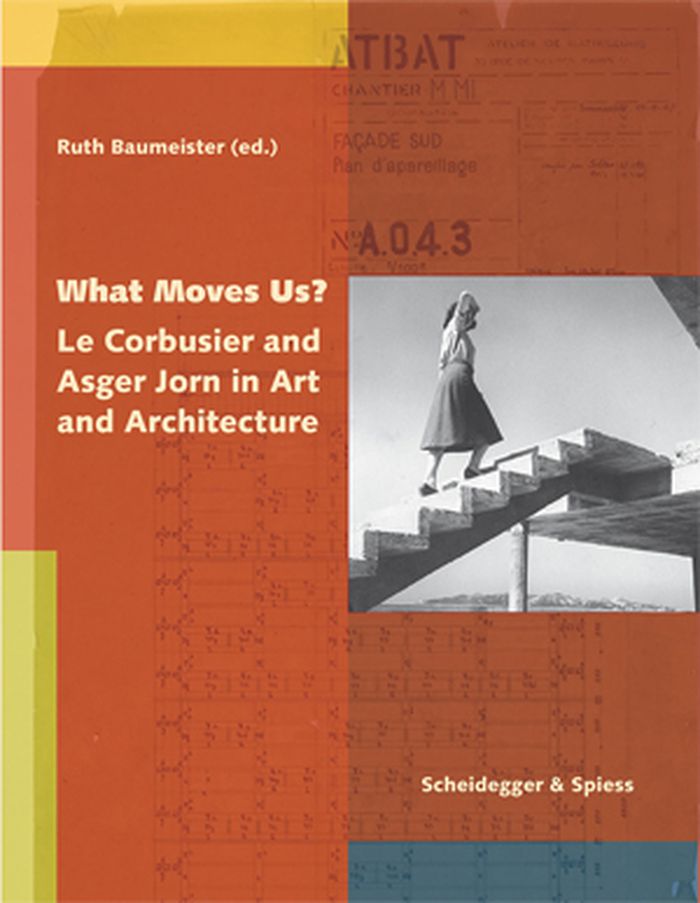
Le Corbusier (1887–1965) is one the most influential architects of the twentieth century. In the Scandinavian countries, his influence is arguably most pronounced in the writings and art of the Danish experimentalist Asger Jorn (1914–1973). Their collaboration on Le Corbusier’s pavilion for the 1937 Paris World Exhibition sparked Jorn’s lifelong fascination with the great architect and with architecture more broadly as an inherently public form of art. At the same time, Le Corbusier started working in the visual arts and began to move from a rational, technological approach to architecture towards a more poetic, materialist approach. Published in collaboration with the Museum Jorn, Silkeborg, What Moves Us? focuses specifically on the reception of Le Corbusier in Scandinavia, with the relationship between Jorn and Le Corbusier as a thematic thread. The book first highlights the architect’s change of direction and subsequently takes readers through his influence on the young artist. The book’s distinguished contributors explore the relationships that emerged among their artistic theories and practices, including Jorn’s later critique of Le Corbusier. Essays also explore the wider influence of Le Corbusier on Scandinavian architecture and urbanization and consider Le Corbusier alongside the Danish architect Jørn Oberg Utzon and the Aarhus Brutalism movement.
What Moves Us? : Le Corbusier and Asger Jorn in art and architecture
Actions:
Prix:
$67.95
(disponible sur commande)
Résumé:
Le Corbusier (1887–1965) is one the most influential architects of the twentieth century. In the Scandinavian countries, his influence is arguably most pronounced in the writings and art of the Danish experimentalist Asger Jorn (1914–1973). Their collaboration on Le Corbusier’s pavilion for the 1937 Paris World Exhibition sparked Jorn’s lifelong fascination with the great architect and with architecture more broadly as an inherently public form of art. At the same time, Le Corbusier started working in the visual arts and began to move from a rational, technological approach to architecture towards a more poetic, materialist approach. Published in collaboration with the Museum Jorn, Silkeborg, What Moves Us? focuses specifically on the reception of Le Corbusier in Scandinavia, with the relationship between Jorn and Le Corbusier as a thematic thread. The book first highlights the architect’s change of direction and subsequently takes readers through his influence on the young artist. The book’s distinguished contributors explore the relationships that emerged among their artistic theories and practices, including Jorn’s later critique of Le Corbusier. Essays also explore the wider influence of Le Corbusier on Scandinavian architecture and urbanization and consider Le Corbusier alongside the Danish architect Jørn Oberg Utzon and the Aarhus Brutalism movement.
Classification:
livres
livres
Publication:
mars 2016
mars 2016
Sujet:
Théorie de l’architecture
Théorie de l’architecture
Classification:
livres
livres
Actions:
Prix:
$76.00
(disponible sur commande)
Résumé:
'The Portfolio and the Diagram' is about the changing ways architects see, read, and use the words and images of architectural publications. Architects today do not use the glossy photographs of magazines in the same way that nineteenth-century architects mobilized the drawings in the grand folios. The images have changed, and so have the ways in which they are used. The(...)
$76.00
(disponible sur commande)
Résumé:
'The Portfolio and the Diagram' is about the changing ways architects see, read, and use the words and images of architectural publications. Architects today do not use the glossy photographs of magazines in the same way that nineteenth-century architects mobilized the drawings in the grand folios. The images have changed, and so have the ways in which they are used. The(...)
Titre:
The portfolio and the diagram: architecture, discourse, and modernity in America
Actions:
Prix:
$76.00
(disponible sur commande)
Résumé:
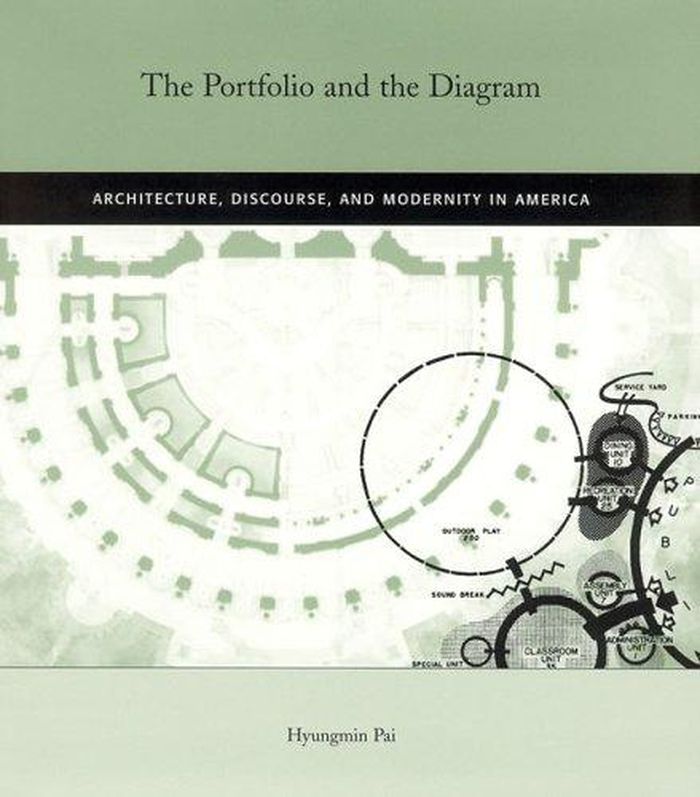
'The Portfolio and the Diagram' is about the changing ways architects see, read, and use the words and images of architectural publications. Architects today do not use the glossy photographs of magazines in the same way that nineteenth-century architects mobilized the drawings in the grand folios. The images have changed, and so have the ways in which they are used. The discourse of the diagram provided a new range of possibility in the architect's relation to words, images, and buildings.
The portfolio and the diagram: architecture, discourse, and modernity in America
Actions:
Prix:
$76.00
(disponible sur commande)
Résumé:
'The Portfolio and the Diagram' is about the changing ways architects see, read, and use the words and images of architectural publications. Architects today do not use the glossy photographs of magazines in the same way that nineteenth-century architects mobilized the drawings in the grand folios. The images have changed, and so have the ways in which they are used. The discourse of the diagram provided a new range of possibility in the architect's relation to words, images, and buildings.
Classification:
livres
livres
Publication:
mai 2006
mai 2006
Sujet:
Théorie de l’architecture
Théorie de l’architecture
Classification:
livres
livres
Actions:
Prix:
$39.00
(disponible sur commande)
Résumé:
This thesis investigates the role of the term plot in mediating relations between architecture and narrativity. Examining organisational strategies in the creation of real and virtual spaces, it identifies literary works by novelists who have resisted, or subverted, plot conventions in fiction (Joris-Karl Huysmans, Edmond de Goncourt, Xavier de Maistre and Neal(...)
$39.00
(disponible sur commande)
Résumé:
This thesis investigates the role of the term plot in mediating relations between architecture and narrativity. Examining organisational strategies in the creation of real and virtual spaces, it identifies literary works by novelists who have resisted, or subverted, plot conventions in fiction (Joris-Karl Huysmans, Edmond de Goncourt, Xavier de Maistre and Neal(...)
Titre:
Losing the plot: architecture and narrativity in fin-de-siècle media cultures
Actions:
Prix:
$39.00
(disponible sur commande)
Résumé:
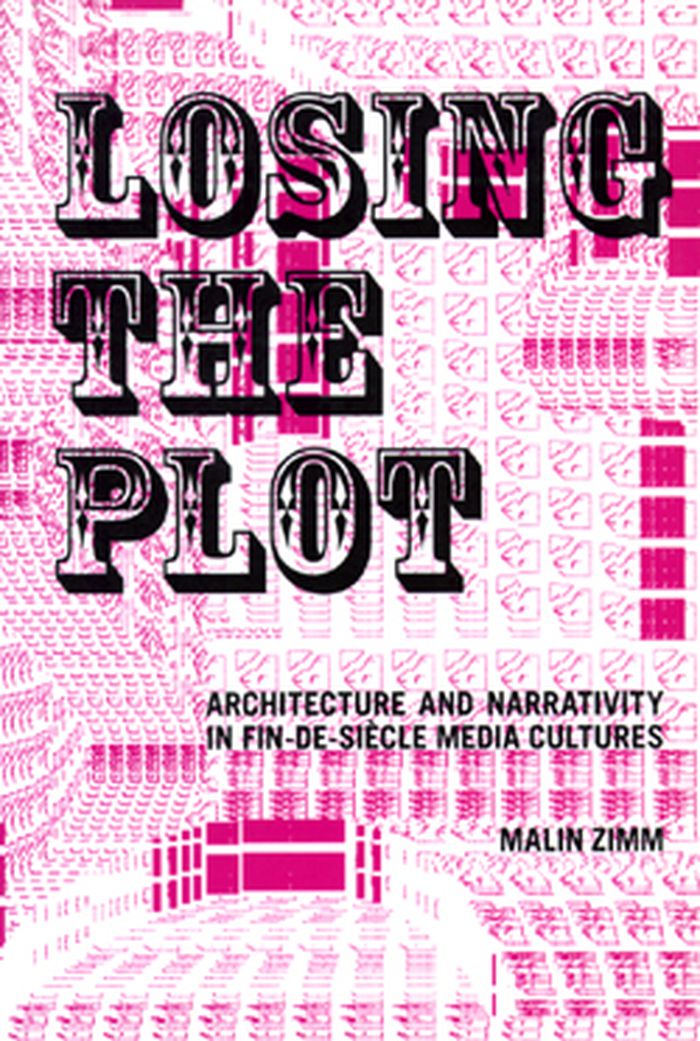
This thesis investigates the role of the term plot in mediating relations between architecture and narrativity. Examining organisational strategies in the creation of real and virtual spaces, it identifies literary works by novelists who have resisted, or subverted, plot conventions in fiction (Joris-Karl Huysmans, Edmond de Goncourt, Xavier de Maistre and Neal Stephenson), and introduces architectural spaces such as Thomas Edison s film-studio Black Maria, and the plotless productions of early cinematography, to juxtapose concepts of plot and spatiality in a study of the production and consumption of pre-digital virtual spaces.
Losing the plot: architecture and narrativity in fin-de-siècle media cultures
Actions:
Prix:
$39.00
(disponible sur commande)
Résumé:
This thesis investigates the role of the term plot in mediating relations between architecture and narrativity. Examining organisational strategies in the creation of real and virtual spaces, it identifies literary works by novelists who have resisted, or subverted, plot conventions in fiction (Joris-Karl Huysmans, Edmond de Goncourt, Xavier de Maistre and Neal Stephenson), and introduces architectural spaces such as Thomas Edison s film-studio Black Maria, and the plotless productions of early cinematography, to juxtapose concepts of plot and spatiality in a study of the production and consumption of pre-digital virtual spaces.
Classification:
livres
livres
Publication:
janvier 1900, Stockholm
janvier 1900, Stockholm
Sujet:
Théorie de l’architecture
Théorie de l’architecture
Classification:
livres
livres
Prix:
$26.00
(disponible sur commande)
Résumé:
This book is a blend of autobiography, historical research, and cultural criticism examining the notion of the primitive hut.
$26.00
(disponible sur commande)
Résumé:
This book is a blend of autobiography, historical research, and cultural criticism examining the notion of the primitive hut.
Titre:
A hut of one's own : life outside the circle of architecture
Actions:
Prix:
$26.00
(disponible sur commande)
Résumé:
This book is a blend of autobiography, historical research, and cultural criticism examining the notion of the primitive hut.
A hut of one's own : life outside the circle of architecture
Actions:
Prix:
$26.00
(disponible sur commande)
Résumé:
This book is a blend of autobiography, historical research, and cultural criticism examining the notion of the primitive hut.
Classification:
livres
livres
Publication:
juin 1998, Cambridge, Mass.
juin 1998, Cambridge, Mass.
Sujet:
Théorie de l’architecture
Théorie de l’architecture
Classification:
livres
livres
Actions:
Prix:
$63.95
(disponible sur commande)
Résumé:
Craig Wright explores the complex symbolism of the labyrinth in architecture, religious thought, music and dance from the Middle Ages to the present.
$63.95
(disponible sur commande)
Résumé:
Craig Wright explores the complex symbolism of the labyrinth in architecture, religious thought, music and dance from the Middle Ages to the present.
Sujet:
Théorie de l’architecture
Théorie de l’architecture
Publication:
juin 2001, Cambridge, MA and London
juin 2001, Cambridge, MA and London
Titre:
The maze and the warrior : symbols in architecture, theology and music
Actions:
Prix:
$63.95
(disponible sur commande)
Résumé:
Craig Wright explores the complex symbolism of the labyrinth in architecture, religious thought, music and dance from the Middle Ages to the present.
The maze and the warrior : symbols in architecture, theology and music
Actions:
Prix:
$63.95
(disponible sur commande)
Résumé:
Craig Wright explores the complex symbolism of the labyrinth in architecture, religious thought, music and dance from the Middle Ages to the present.
Classification:
livres
livres
Publication:
juin 2001, Cambridge, MA and London
juin 2001, Cambridge, MA and London
Sujet:
Théorie de l’architecture
Théorie de l’architecture


