


45 Résultats
Classification:
livres
livres
Actions:
Prix:
$39.95
(disponible sur commande)
Résumé:
Have you ever thought about how much rubbish you throw away? How every vegetable you buy at the supermarket seems to be wrapped in twice its weight in packaging? Have you ever thought about how that packaging is produced, or what happens to it once you throw it in the bin? "Recycle" is a comprehensive resource that asks all these questions and provides accessible,(...)
$39.95
(disponible sur commande)
Résumé:
Have you ever thought about how much rubbish you throw away? How every vegetable you buy at the supermarket seems to be wrapped in twice its weight in packaging? Have you ever thought about how that packaging is produced, or what happens to it once you throw it in the bin? "Recycle" is a comprehensive resource that asks all these questions and provides accessible,(...)
Sujet:
Architecture écologique
Architecture écologique
Publication:
novembre 2005, London
novembre 2005, London
Titre:
Recycle : the essential guide
Actions:
Prix:
$39.95
(disponible sur commande)
Résumé:
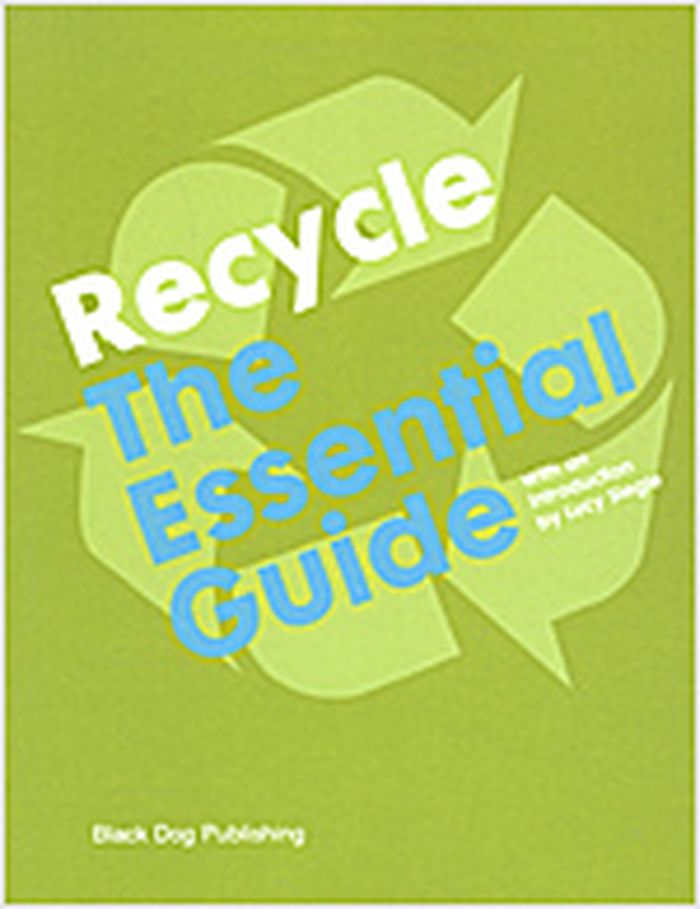
Have you ever thought about how much rubbish you throw away? How every vegetable you buy at the supermarket seems to be wrapped in twice its weight in packaging? Have you ever thought about how that packaging is produced, or what happens to it once you throw it in the bin? "Recycle" is a comprehensive resource that asks all these questions and provides accessible, practical answers on what each individual can do to close the loop. With detailed coverage on the hows, whats and wheres of recycling, it supplies clear explanations of the recycling process and looks at interesting approaches to recycling in countries all over the world. An extensive international directory points readers on to organisations and institutions that can help take further steps towards waste reduction. With an introduction by Lucy Siegle.
Recycle : the essential guide
Actions:
Prix:
$39.95
(disponible sur commande)
Résumé:
Have you ever thought about how much rubbish you throw away? How every vegetable you buy at the supermarket seems to be wrapped in twice its weight in packaging? Have you ever thought about how that packaging is produced, or what happens to it once you throw it in the bin? "Recycle" is a comprehensive resource that asks all these questions and provides accessible, practical answers on what each individual can do to close the loop. With detailed coverage on the hows, whats and wheres of recycling, it supplies clear explanations of the recycling process and looks at interesting approaches to recycling in countries all over the world. An extensive international directory points readers on to organisations and institutions that can help take further steps towards waste reduction. With an introduction by Lucy Siegle.
Classification:
livres
livres
Publication:
novembre 2005, London
novembre 2005, London
Sujet:
Architecture écologique
Architecture écologique
Classification:
livres
livres
Actions:
Prix:
$36.00
(disponible sur commande)
Résumé:
Dump or rich source – the "free materials" discovered on the street, on wasteland and on building site rubbish dumps and recycled by Martin Kaltwasser and Folke Köbberling experience incredible metamorphoses. Pavilions, villages of huts and even whole houses are appearing over night. Since 2002 the artists have been using public space as their field of experiment in(...)
$36.00
(disponible sur commande)
Résumé:
Dump or rich source – the "free materials" discovered on the street, on wasteland and on building site rubbish dumps and recycled by Martin Kaltwasser and Folke Köbberling experience incredible metamorphoses. Pavilions, villages of huts and even whole houses are appearing over night. Since 2002 the artists have been using public space as their field of experiment in(...)
Sujet:
Architecture écologique
Architecture écologique
Publication:
mars 2007, Berlin
mars 2007, Berlin
Titre:
Ressource stadt/City as a resource : one man's trash is another man's treasure
Actions:
Prix:
$36.00
(disponible sur commande)
Résumé:
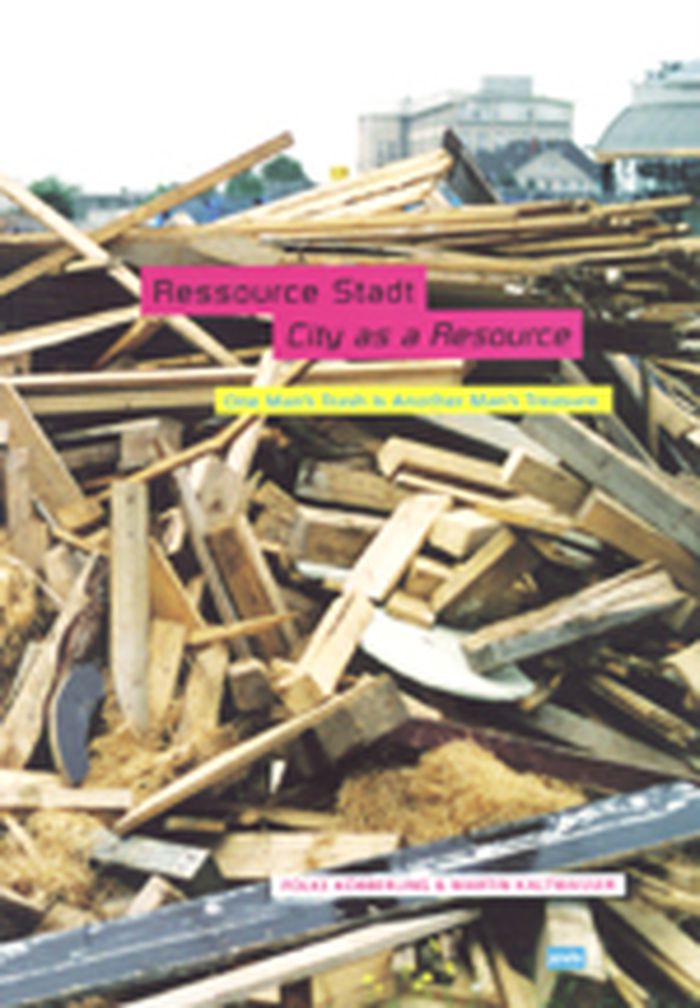
Dump or rich source – the "free materials" discovered on the street, on wasteland and on building site rubbish dumps and recycled by Martin Kaltwasser and Folke Köbberling experience incredible metamorphoses. Pavilions, villages of huts and even whole houses are appearing over night. Since 2002 the artists have been using public space as their field of experiment in projects on the use of (free) resources. In installations, exhibitions and most frequently, in actual interventions they question the conditions of urban life determined by privatisation and economisation. Through realised projects the book reveals simple ways of livening up and re-appropriating the " City as a Resource" and thus offers new components in an alternative to conventional urban planning. Köbberling and Kaltwasser propose informal and self-organised structures rather than the usual methods emphasising control, security and as much marketing as possible. Their approach demonstrates that often – with the help of their own clever building logistics – a huge impact may be made with a minimum of financing.
Ressource stadt/City as a resource : one man's trash is another man's treasure
Actions:
Prix:
$36.00
(disponible sur commande)
Résumé:
Dump or rich source – the "free materials" discovered on the street, on wasteland and on building site rubbish dumps and recycled by Martin Kaltwasser and Folke Köbberling experience incredible metamorphoses. Pavilions, villages of huts and even whole houses are appearing over night. Since 2002 the artists have been using public space as their field of experiment in projects on the use of (free) resources. In installations, exhibitions and most frequently, in actual interventions they question the conditions of urban life determined by privatisation and economisation. Through realised projects the book reveals simple ways of livening up and re-appropriating the " City as a Resource" and thus offers new components in an alternative to conventional urban planning. Köbberling and Kaltwasser propose informal and self-organised structures rather than the usual methods emphasising control, security and as much marketing as possible. Their approach demonstrates that often – with the help of their own clever building logistics – a huge impact may be made with a minimum of financing.
Classification:
livres
livres
Publication:
mars 2007, Berlin
mars 2007, Berlin
Sujet:
Architecture écologique
Architecture écologique
Classification:
livres
livres
Actions:
Prix:
$30.00
(disponible sur commande)
Résumé:
Trash, garbage, rubbish, dross, detritus - in this enjoyably radical exploration of junk, Gillian Whiteley re-thinks art's historical and present appropriation of junk within our eco-conscious and globalized culture. She does this through an illustrated exploration of particular materials, key moments and locations and the telling of a panoply of trash narratives. Found(...)
$30.00
(disponible sur commande)
Résumé:
Trash, garbage, rubbish, dross, detritus - in this enjoyably radical exploration of junk, Gillian Whiteley re-thinks art's historical and present appropriation of junk within our eco-conscious and globalized culture. She does this through an illustrated exploration of particular materials, key moments and locations and the telling of a panoply of trash narratives. Found(...)
Titre:
Junk : art and the politics of trash
Actions:
Prix:
$30.00
(disponible sur commande)
Résumé:
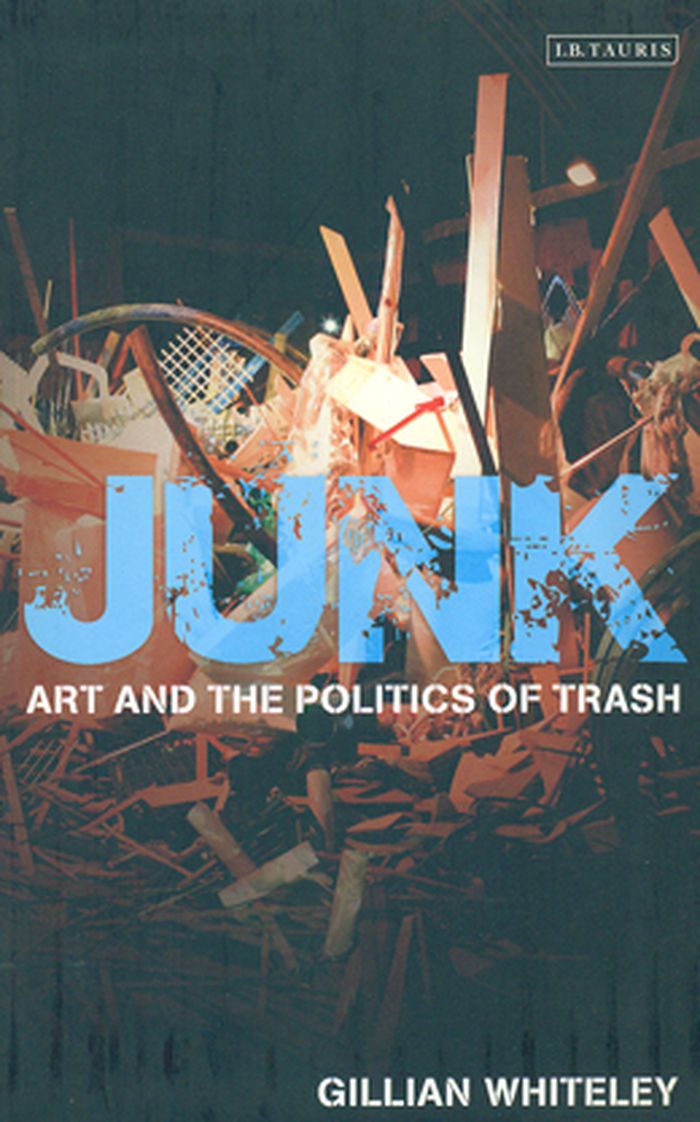
Trash, garbage, rubbish, dross, detritus - in this enjoyably radical exploration of junk, Gillian Whiteley re-thinks art's historical and present appropriation of junk within our eco-conscious and globalized culture. She does this through an illustrated exploration of particular materials, key moments and locations and the telling of a panoply of trash narratives. Found and ephemeral materials are primarily associated with assemblage - object-based practices which emerged in the mid-1950s and culminated in the seminal exhibition "The Art of Assemblage" in New York in 1961. With its deployment of the discarded and the filthy, Whiteley argues, assemblage has been viewed as a disruptive, transgressive artform that engaged with narratives of social and political dissent, often in the face of modernist condemnation as worthless kitsch. In the Sixties, parallel techniques flourished in Western Europe, the US and Australia but the idiom of assemblage and the re-use of found materials and objects - with artist as bricoleur - is just as prevalent now. This is a timely book that uncovers the etymology of waste and the cultures of disposability within these economies of wealth.
Junk : art and the politics of trash
Actions:
Prix:
$30.00
(disponible sur commande)
Résumé:
Trash, garbage, rubbish, dross, detritus - in this enjoyably radical exploration of junk, Gillian Whiteley re-thinks art's historical and present appropriation of junk within our eco-conscious and globalized culture. She does this through an illustrated exploration of particular materials, key moments and locations and the telling of a panoply of trash narratives. Found and ephemeral materials are primarily associated with assemblage - object-based practices which emerged in the mid-1950s and culminated in the seminal exhibition "The Art of Assemblage" in New York in 1961. With its deployment of the discarded and the filthy, Whiteley argues, assemblage has been viewed as a disruptive, transgressive artform that engaged with narratives of social and political dissent, often in the face of modernist condemnation as worthless kitsch. In the Sixties, parallel techniques flourished in Western Europe, the US and Australia but the idiom of assemblage and the re-use of found materials and objects - with artist as bricoleur - is just as prevalent now. This is a timely book that uncovers the etymology of waste and the cultures of disposability within these economies of wealth.
Classification:
livres
livres
Publication:
janvier 2011
janvier 2011
Classification:
livres
livres
Actions:
Prix:
$13.95
(disponible en magasin)
Résumé:
Sellafield, Europe's largest nuclear site, began being decommissioned in 2022. Its primary purpose was to produce weapons-grade plutonium for the UK's nuclear weapons programme, but they also generated electrical power for the National Grid from 1956-2003 and reprocessed nuclear fuel from 1952 to 2022. In 1985, Barry Lewis photographed part of the plant for The Sunday(...)
$13.95
(disponible en magasin)
Résumé:
Sellafield, Europe's largest nuclear site, began being decommissioned in 2022. Its primary purpose was to produce weapons-grade plutonium for the UK's nuclear weapons programme, but they also generated electrical power for the National Grid from 1956-2003 and reprocessed nuclear fuel from 1952 to 2022. In 1985, Barry Lewis photographed part of the plant for The Sunday(...)
Titre:
Barry Lewis: Sellafield Nuclear Site 1985
Actions:
Prix:
$13.95
(disponible en magasin)
Résumé:
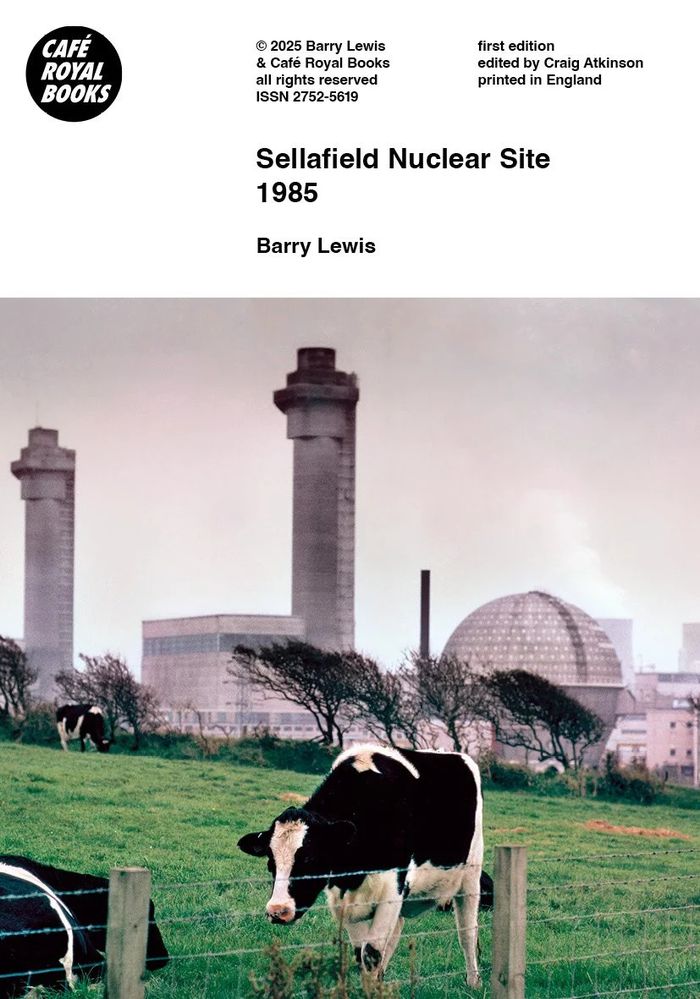
Sellafield, Europe's largest nuclear site, began being decommissioned in 2022. Its primary purpose was to produce weapons-grade plutonium for the UK's nuclear weapons programme, but they also generated electrical power for the National Grid from 1956-2003 and reprocessed nuclear fuel from 1952 to 2022. In 1985, Barry Lewis photographed part of the plant for The Sunday Times Magazine after reports found an increased incidence of leukaemia and non-Hodgkin lymphoma in children and young adults under 25 years of age living in Seascale, a village near Sellafield on the west coast of Cumbria. A government report suggested that these spikes were unlikely to have been caused by radiation exposure though the causes of these clusters of leukaemia around Sellafield was still not clear. 100Kg of plutonium had been pumped out of Sellafield into the Irish sea during the previous 40 years and 60Kg was unaccounted for. Any plutonium dust that is washed inshore, and when the tide goes out, could dry and blow inland. A single speck of plutonium inhaled is enough to trigger cancer. Sellafield is now a sprawling rubbish dump on the Cumbrian coast, with the world's largest store of plutonium that stores and treats decades of nuclear waste from atomic power generation and weapons programmes.The buildings are expected to be finally torn down by 2125 at a cost of approaching £100 billion and have its nuclear waste buried deep underground at a location still undecided.
Barry Lewis: Sellafield Nuclear Site 1985
Actions:
Prix:
$13.95
(disponible en magasin)
Résumé:
Sellafield, Europe's largest nuclear site, began being decommissioned in 2022. Its primary purpose was to produce weapons-grade plutonium for the UK's nuclear weapons programme, but they also generated electrical power for the National Grid from 1956-2003 and reprocessed nuclear fuel from 1952 to 2022. In 1985, Barry Lewis photographed part of the plant for The Sunday Times Magazine after reports found an increased incidence of leukaemia and non-Hodgkin lymphoma in children and young adults under 25 years of age living in Seascale, a village near Sellafield on the west coast of Cumbria. A government report suggested that these spikes were unlikely to have been caused by radiation exposure though the causes of these clusters of leukaemia around Sellafield was still not clear. 100Kg of plutonium had been pumped out of Sellafield into the Irish sea during the previous 40 years and 60Kg was unaccounted for. Any plutonium dust that is washed inshore, and when the tide goes out, could dry and blow inland. A single speck of plutonium inhaled is enough to trigger cancer. Sellafield is now a sprawling rubbish dump on the Cumbrian coast, with the world's largest store of plutonium that stores and treats decades of nuclear waste from atomic power generation and weapons programmes.The buildings are expected to be finally torn down by 2125 at a cost of approaching £100 billion and have its nuclear waste buried deep underground at a location still undecided.
Classification:
livres
livres
Publication:
avril 2026
avril 2026
Sujet:
Monographies photo
Monographies photo
Classification:
audio
audio
Description:
1 online resource.
Auteur:
Sujet:
Publication:
[Place of publication not identified] : Lateral Addition, 2016.
[Place of publication not identified] : Lateral Addition, 2016.
Titre:
A Partial Exegesis of Cricket, its Laws and Rituals.
Actions:
Description:
1 online resource.
A Partial Exegesis of Cricket, its Laws and Rituals.
Actions:
Description:
1 online resource.
Classification:
audio
audio
Publication:
[Place of publication not identified] : Lateral Addition, 2016.
[Place of publication not identified] : Lateral Addition, 2016.
Auteur:
Sujet:


