


13362 Résultats
Classification:
événements
événements

Titre:
Do Not Come Any Closer
Do Not Come Any Closer
Actions:
Description:
Depuis 1977, l’artiste tchèque Barbora Šlapetová, accompagnée de son collègue Lukáš Rittstein, a effectué plusieurs expéditions dans la jungle de la Papouasie-Nouvelle-Guinée afin d’y rencontrer les populations locales. La documentation produite lors de ces visites et les conversations que celles-ci ont suscitées, dont un entretien avec le premier ministre tchèque(...)
Depuis 1977, l’artiste tchèque Barbora Šlapetová, accompagnée de son collègue Lukáš Rittstein, a effectué plusieurs expéditions dans la jungle de la Papouasie-Nouvelle-Guinée afin d’y rencontrer les populations locales. La documentation produite lors de ces visites et les conversations que celles-ci ont suscitées, dont un entretien avec le premier ministre tchèque(...)
Localisation:
Théâtre Paul-Desmarais
Théâtre Paul-Desmarais
Date:
29 novembre 2012 , 19h
29 novembre 2012 , 19h
Titre:
Do Not Come Any Closer
Actions:
Description:
Depuis 1977, l’artiste tchèque Barbora Šlapetová, accompagnée de son collègue Lukáš Rittstein, a effectué plusieurs expéditions dans la jungle de la Papouasie-Nouvelle-Guinée afin d’y rencontrer les populations locales. La documentation produite lors de ces visites et les conversations que celles-ci ont suscitées, dont un entretien avec le premier ministre tchèque(...)
Do Not Come Any Closer
Actions:
Description:
Depuis 1977, l’artiste tchèque Barbora Šlapetová, accompagnée de son collègue Lukáš Rittstein, a effectué plusieurs expéditions dans la jungle de la Papouasie-Nouvelle-Guinée afin d’y rencontrer les populations locales. La documentation produite lors de ces visites et les conversations que celles-ci ont suscitées, dont un entretien avec le premier ministre tchèque(...)
Classification:
événements
événements
Date:
29 novembre 2012
19h
29 novembre 2012
19h
Localisation:
Théâtre Paul-Desmarais
Théâtre Paul-Desmarais
Classification:
expositions
expositions
Description:
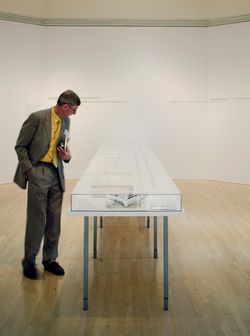
Les enseignements de… Ruscha et Venturi Scott Brown, 1962-1977 fait état de la relation entre les livres illustrés de l’artiste Edward Ruscha et des architectes Robert Venturi et Denise Scott Brown qui portent sur l’architecture et l’urbanisme du quotidien à Los Angeles et Las Vegas durant les années 1960 et 1970. Every Building on the Sunset Strip, de Ruscha, et(...)
Les enseignements de… Ruscha et Venturi Scott Brown, 1962-1977 fait état de la relation entre les livres illustrés de l’artiste Edward Ruscha et des architectes Robert Venturi et Denise Scott Brown qui portent sur l’architecture et l’urbanisme du quotidien à Los Angeles et Las Vegas durant les années 1960 et 1970. Every Building on the Sunset Strip, de Ruscha, et(...)
Localisation:
Salle octogonale
Salle octogonale
Date:
31 mars 2004 au 30 mai 2004
31 mars 2004 au 30 mai 2004
Titre:
Les enseignements de… Ruscha et Venturi Scott Brown, 1962-1977
Actions:
Description:
Les enseignements de… Ruscha et Venturi Scott Brown, 1962-1977 fait état de la relation entre les livres illustrés de l’artiste Edward Ruscha et des architectes Robert Venturi et Denise Scott Brown qui portent sur l’architecture et l’urbanisme du quotidien à Los Angeles et Las Vegas durant les années 1960 et 1970. Every Building on the Sunset Strip, de Ruscha, et(...)
Les enseignements de… Ruscha et Venturi Scott Brown, 1962-1977
Actions:
Description:
Les enseignements de… Ruscha et Venturi Scott Brown, 1962-1977 fait état de la relation entre les livres illustrés de l’artiste Edward Ruscha et des architectes Robert Venturi et Denise Scott Brown qui portent sur l’architecture et l’urbanisme du quotidien à Los Angeles et Las Vegas durant les années 1960 et 1970. Every Building on the Sunset Strip, de Ruscha, et(...)
Classification:
expositions
expositions
Date:
31 mars 2004 au
30 mai 2004
31 mars 2004 au
30 mai 2004
Localisation:
Salle octogonale
Salle octogonale
Classification:
expositions
expositions
Description:
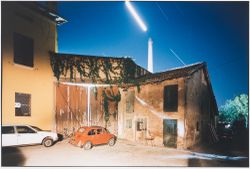
Trente-deux photographes italiens rendent hommage à Phyllis Lambert, directeur fondateur et président du CCA, à l’occasion de son soixante-dixième anniversaire. Les œuvres témoignent des préoccupations des photographes italiens depuis les années 1970, et elles nous donnent un aperçu de la culture photographique italienne contemporaine. L’exposition réunit des œuvres(...)
Trente-deux photographes italiens rendent hommage à Phyllis Lambert, directeur fondateur et président du CCA, à l’occasion de son soixante-dixième anniversaire. Les œuvres témoignent des préoccupations des photographes italiens depuis les années 1970, et elles nous donnent un aperçu de la culture photographique italienne contemporaine. L’exposition réunit des œuvres(...)
Localisation:
Salle octogonale
Salle octogonale
Date:
21 avril 1999 au 26 septembre 1999
21 avril 1999 au 26 septembre 1999
Titre:
32 photographes italiens : un hommage à Phyllis Lambert
Actions:
Description:
Trente-deux photographes italiens rendent hommage à Phyllis Lambert, directeur fondateur et président du CCA, à l’occasion de son soixante-dixième anniversaire. Les œuvres témoignent des préoccupations des photographes italiens depuis les années 1970, et elles nous donnent un aperçu de la culture photographique italienne contemporaine. L’exposition réunit des œuvres(...)
32 photographes italiens : un hommage à Phyllis Lambert
Actions:
Description:
Trente-deux photographes italiens rendent hommage à Phyllis Lambert, directeur fondateur et président du CCA, à l’occasion de son soixante-dixième anniversaire. Les œuvres témoignent des préoccupations des photographes italiens depuis les années 1970, et elles nous donnent un aperçu de la culture photographique italienne contemporaine. L’exposition réunit des œuvres(...)
Classification:
expositions
expositions
Date:
21 avril 1999 au
26 septembre 1999
21 avril 1999 au
26 septembre 1999
Localisation:
Salle octogonale
Salle octogonale
Classification:
événements
événements

Actions:
Description:
Lance Blomgren se sert de son court roman intitulé Walkups – paru en 2009, le récit se passe entièrement à Montréal, dans des habitations en rangée – comme tremplin pour analyser le plan discursif de l’architecture de fiction. Examinant divers travaux dont ceux de John Hejduk, d’Ilya Kabakov et d’Alice Aycock, Blomgren affirme que les modes contemporains d’architecture(...)
Lance Blomgren se sert de son court roman intitulé Walkups – paru en 2009, le récit se passe entièrement à Montréal, dans des habitations en rangée – comme tremplin pour analyser le plan discursif de l’architecture de fiction. Examinant divers travaux dont ceux de John Hejduk, d’Ilya Kabakov et d’Alice Aycock, Blomgren affirme que les modes contemporains d’architecture(...)
Localisation:
Théâtre Paul-Desmarais
Théâtre Paul-Desmarais
Date:
2 mai 2013 , 19h
2 mai 2013 , 19h
Titre:
L'enseignement de... Montréal
Actions:
Description:
Lance Blomgren se sert de son court roman intitulé Walkups – paru en 2009, le récit se passe entièrement à Montréal, dans des habitations en rangée – comme tremplin pour analyser le plan discursif de l’architecture de fiction. Examinant divers travaux dont ceux de John Hejduk, d’Ilya Kabakov et d’Alice Aycock, Blomgren affirme que les modes contemporains d’architecture(...)
L'enseignement de... Montréal
Actions:
Description:
Lance Blomgren se sert de son court roman intitulé Walkups – paru en 2009, le récit se passe entièrement à Montréal, dans des habitations en rangée – comme tremplin pour analyser le plan discursif de l’architecture de fiction. Examinant divers travaux dont ceux de John Hejduk, d’Ilya Kabakov et d’Alice Aycock, Blomgren affirme que les modes contemporains d’architecture(...)
Classification:
événements
événements
Date:
2 mai 2013
19h
2 mai 2013
19h
Localisation:
Théâtre Paul-Desmarais
Théâtre Paul-Desmarais
Classification:
événements
événements
Titre:
Dénouer le paysage numérique
Dénouer le paysage numérique
Actions:
Description:
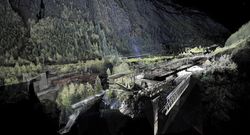
Dans cette conférence, Christophe Girot aborde les modèles de paysage numérique : Le design et l’analyse du paysage numérique ont traversé une révolution tranquille au cours des dix dernières années, suscitée par l’introduction de modèles numériques de nuages de points. La portée et la précision de ces modèles de paysages numériques créés à l’aide de lecteurs laser(...)
Dans cette conférence, Christophe Girot aborde les modèles de paysage numérique : Le design et l’analyse du paysage numérique ont traversé une révolution tranquille au cours des dix dernières années, suscitée par l’introduction de modèles numériques de nuages de points. La portée et la précision de ces modèles de paysages numériques créés à l’aide de lecteurs laser(...)
Localisation:
Théâtre Paul-Desmarais
Théâtre Paul-Desmarais
Date:
6 octobre 2016, 18h
6 octobre 2016, 18h
Titre:
Dénouer le paysage numérique
Actions:
Description:
Dans cette conférence, Christophe Girot aborde les modèles de paysage numérique : Le design et l’analyse du paysage numérique ont traversé une révolution tranquille au cours des dix dernières années, suscitée par l’introduction de modèles numériques de nuages de points. La portée et la précision de ces modèles de paysages numériques créés à l’aide de lecteurs laser(...)
Dénouer le paysage numérique
Actions:
Description:
Dans cette conférence, Christophe Girot aborde les modèles de paysage numérique : Le design et l’analyse du paysage numérique ont traversé une révolution tranquille au cours des dix dernières années, suscitée par l’introduction de modèles numériques de nuages de points. La portée et la précision de ces modèles de paysages numériques créés à l’aide de lecteurs laser(...)
Classification:
événements
événements
Date:
6 octobre 2016
18h
6 octobre 2016
18h
Localisation:
Théâtre Paul-Desmarais
Théâtre Paul-Desmarais
Classification:
événements
événements
Titre:
L’enseignement de… Shanghai
L’enseignement de… Shanghai
Actions:
Description:
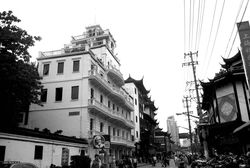
En 2001, Shanghai a fait l’annonce du plan de développement « One City Nine Towns », afin de créer une série de quartiers inspirés chacun par une tradition occidentale déterminant la manière dont ils allaient être construits. Le spécialiste en urbanisme Xiangning Li analyse ces espaces thématiques dans le contexte postcolonial de la ville, en les mettant en relation avec(...)
En 2001, Shanghai a fait l’annonce du plan de développement « One City Nine Towns », afin de créer une série de quartiers inspirés chacun par une tradition occidentale déterminant la manière dont ils allaient être construits. Le spécialiste en urbanisme Xiangning Li analyse ces espaces thématiques dans le contexte postcolonial de la ville, en les mettant en relation avec(...)
Localisation:
Théâtre Paul-Desmarais
Théâtre Paul-Desmarais
Date:
7 mai 2009
7 mai 2009
Titre:
L’enseignement de… Shanghai
Actions:
Description:
En 2001, Shanghai a fait l’annonce du plan de développement « One City Nine Towns », afin de créer une série de quartiers inspirés chacun par une tradition occidentale déterminant la manière dont ils allaient être construits. Le spécialiste en urbanisme Xiangning Li analyse ces espaces thématiques dans le contexte postcolonial de la ville, en les mettant en relation avec(...)
L’enseignement de… Shanghai
Actions:
Description:
En 2001, Shanghai a fait l’annonce du plan de développement « One City Nine Towns », afin de créer une série de quartiers inspirés chacun par une tradition occidentale déterminant la manière dont ils allaient être construits. Le spécialiste en urbanisme Xiangning Li analyse ces espaces thématiques dans le contexte postcolonial de la ville, en les mettant en relation avec(...)
Classification:
événements
événements
Date:
7 mai 2009
7 mai 2009
Localisation:
Théâtre Paul-Desmarais
Théâtre Paul-Desmarais
Classification:
expositions
expositions
Actions:
Description:
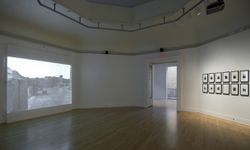
L’artiste conceptuel britannique Victor Burgin exerce une grande influence à la fois comme artiste et comme théoricien de l’image statique et mobile. Commandé par le CCA, Voyage en Italie comprend deux séries de photographies en noir et blanc, de même qu’une vidéo évocatrice, qui illustrent la beauté intemporelle et la résonance d’une photographie du XIXe siècle de Carlo(...)
L’artiste conceptuel britannique Victor Burgin exerce une grande influence à la fois comme artiste et comme théoricien de l’image statique et mobile. Commandé par le CCA, Voyage en Italie comprend deux séries de photographies en noir et blanc, de même qu’une vidéo évocatrice, qui illustrent la beauté intemporelle et la résonance d’une photographie du XIXe siècle de Carlo(...)
Localisation:
Salle octogonale
Salle octogonale
Date:
7 décembre 2006 au 25 mars 2007
7 décembre 2006 au 25 mars 2007
Titre:
Victor Burgin : voyage en Italie
Actions:
Description:
L’artiste conceptuel britannique Victor Burgin exerce une grande influence à la fois comme artiste et comme théoricien de l’image statique et mobile. Commandé par le CCA, Voyage en Italie comprend deux séries de photographies en noir et blanc, de même qu’une vidéo évocatrice, qui illustrent la beauté intemporelle et la résonance d’une photographie du XIXe siècle de Carlo(...)
Victor Burgin : voyage en Italie
Actions:
Description:
L’artiste conceptuel britannique Victor Burgin exerce une grande influence à la fois comme artiste et comme théoricien de l’image statique et mobile. Commandé par le CCA, Voyage en Italie comprend deux séries de photographies en noir et blanc, de même qu’une vidéo évocatrice, qui illustrent la beauté intemporelle et la résonance d’une photographie du XIXe siècle de Carlo(...)
Classification:
expositions
expositions
Date:
7 décembre 2006 au
25 mars 2007
7 décembre 2006 au
25 mars 2007
Localisation:
Salle octogonale
Salle octogonale
Classification:
dessins
Quantité:
3 portfolio(s)
dessins
Quantité:
3 portfolio(s)
Actions:
Numéro de référence:
DR1974:0002:031:001-055
Description:
- The three portfolios of this group are entitled: Figures et Statues (DR1974:0002:031:001 - DR1974:0002:031:024), Architecture Antique Mélanges (DR1974:0002:031:025 - DR1974:0002:031:043), and Architecture Moderne Mélanges (DR1974:0002:031:044 - DR1974:0002:031:055). -- Portfolio Figures et Statues comprises primarily drawings of classical figures and architectural sculpture from both antique and 19th century sources. Few of the sources of these drawings are clearly identified, with the exception of Genie de la Liberté from the Colonne de Juillet (DR1974:0002:031:016:003). There are a number of drawings of sculpture from the 16th century tomb monument of Maximillian I in Innsbruck (DR1974:0002:031:017 - DR1974:0002:031:023:001-003). -- Portfolio Architecture Antique Mélanges comprises mostly architectural drawings from buildings or monuments in Pisa, Rome, Tivoli, Naples, Florence, Viterbo, and Nice. Also included are a reconstruction of Pliny the Younger's Villa Laurentine (DR1974:0002:031:043), an orthographic drawing of the L'arc des orfèvres (DR1974:0002:031:032:001-002), and an interior perspective of an imaginary church, perhaps inspired by Pugin (DR1974:0002:031:027). -- Portfolio Architecture Moderne Mélanges comprises drawings which represent the classical tradition of 19th century French and English architecture (Bergdoll, p. 2). The French subjects include the Palais de justice, Amiens (DR1974:0002:031:044:002), the Louvois fountain by Visconti, (DR1974:0002:031:049:002), the Arc du Carrousel (DR1974:0002:031:053:001), and the Vendome column (DR1974:0002:031:053:002). English architecture is represented by Charles Robert Cockerell's Hanover Chapel, Regent Street, London (DR1974:0002:031:054:001), and late Georgian\early Regency houses (DR1974:0002:031:045:001-002 and DR1974:0002:031:046:001-002). The drawings related to Amiens Cathedral (DR1974:0002:031:044:001-002) and the Cloaca Maxima (DR1974:0002:031:052:002) are notable exceptions to the contemporary contents of the folder.
DR1974:0002:031:001-055
Description:
- The three portfolios of this group are entitled: Figures et Statues (DR1974:0002:031:001 - DR1974:0002:031:024), Architecture Antique Mélanges (DR1974:0002:031:025 - DR1974:0002:031:043), and Architecture Moderne Mélanges (DR1974:0002:031:044 - DR1974:0002:031:055). -- Portfolio Figures et Statues comprises primarily drawings of classical figures and architectural sculpture from both antique and 19th century sources. Few of the sources of these drawings are clearly identified, with the exception of Genie de la Liberté from the Colonne de Juillet (DR1974:0002:031:016:003). There are a number of drawings of sculpture from the 16th century tomb monument of Maximillian I in Innsbruck (DR1974:0002:031:017 - DR1974:0002:031:023:001-003). -- Portfolio Architecture Antique Mélanges comprises mostly architectural drawings from buildings or monuments in Pisa, Rome, Tivoli, Naples, Florence, Viterbo, and Nice. Also included are a reconstruction of Pliny the Younger's Villa Laurentine (DR1974:0002:031:043), an orthographic drawing of the L'arc des orfèvres (DR1974:0002:031:032:001-002), and an interior perspective of an imaginary church, perhaps inspired by Pugin (DR1974:0002:031:027). -- Portfolio Architecture Moderne Mélanges comprises drawings which represent the classical tradition of 19th century French and English architecture (Bergdoll, p. 2). The French subjects include the Palais de justice, Amiens (DR1974:0002:031:044:002), the Louvois fountain by Visconti, (DR1974:0002:031:049:002), the Arc du Carrousel (DR1974:0002:031:053:001), and the Vendome column (DR1974:0002:031:053:002). English architecture is represented by Charles Robert Cockerell's Hanover Chapel, Regent Street, London (DR1974:0002:031:054:001), and late Georgian\early Regency houses (DR1974:0002:031:045:001-002 and DR1974:0002:031:046:001-002). The drawings related to Amiens Cathedral (DR1974:0002:031:044:001-002) and the Cloaca Maxima (DR1974:0002:031:052:002) are notable exceptions to the contemporary contents of the folder.
Personnes et institutions:
Sujet:
architecture, design d'intérieur, peinture, sculpture
architecture, design d'intérieur, peinture, sculpture
Date:
between 1800 and 1868
between 1800 and 1868
Titre:
Three portfolios of drawings of classical figures, statues from the sepulchral monument of Maximilian I, Innsbruck, and ancient and modern buildings
Actions:
DR1974:0002:031:001-055
Description:
- The three portfolios of this group are entitled: Figures et Statues (DR1974:0002:031:001 - DR1974:0002:031:024), Architecture Antique Mélanges (DR1974:0002:031:025 - DR1974:0002:031:043), and Architecture Moderne Mélanges (DR1974:0002:031:044 - DR1974:0002:031:055). -- Portfolio Figures et Statues comprises primarily drawings of classical figures and architectural sculpture from both antique and 19th century sources. Few of the sources of these drawings are clearly identified, with the exception of Genie de la Liberté from the Colonne de Juillet (DR1974:0002:031:016:003). There are a number of drawings of sculpture from the 16th century tomb monument of Maximillian I in Innsbruck (DR1974:0002:031:017 - DR1974:0002:031:023:001-003). -- Portfolio Architecture Antique Mélanges comprises mostly architectural drawings from buildings or monuments in Pisa, Rome, Tivoli, Naples, Florence, Viterbo, and Nice. Also included are a reconstruction of Pliny the Younger's Villa Laurentine (DR1974:0002:031:043), an orthographic drawing of the L'arc des orfèvres (DR1974:0002:031:032:001-002), and an interior perspective of an imaginary church, perhaps inspired by Pugin (DR1974:0002:031:027). -- Portfolio Architecture Moderne Mélanges comprises drawings which represent the classical tradition of 19th century French and English architecture (Bergdoll, p. 2). The French subjects include the Palais de justice, Amiens (DR1974:0002:031:044:002), the Louvois fountain by Visconti, (DR1974:0002:031:049:002), the Arc du Carrousel (DR1974:0002:031:053:001), and the Vendome column (DR1974:0002:031:053:002). English architecture is represented by Charles Robert Cockerell's Hanover Chapel, Regent Street, London (DR1974:0002:031:054:001), and late Georgian\early Regency houses (DR1974:0002:031:045:001-002 and DR1974:0002:031:046:001-002). The drawings related to Amiens Cathedral (DR1974:0002:031:044:001-002) and the Cloaca Maxima (DR1974:0002:031:052:002) are notable exceptions to the contemporary contents of the folder.
Three portfolios of drawings of classical figures, statues from the sepulchral monument of Maximilian I, Innsbruck, and ancient and modern buildings
Actions:
DR1974:0002:031:001-055
Description:
- The three portfolios of this group are entitled: Figures et Statues (DR1974:0002:031:001 - DR1974:0002:031:024), Architecture Antique Mélanges (DR1974:0002:031:025 - DR1974:0002:031:043), and Architecture Moderne Mélanges (DR1974:0002:031:044 - DR1974:0002:031:055). -- Portfolio Figures et Statues comprises primarily drawings of classical figures and architectural sculpture from both antique and 19th century sources. Few of the sources of these drawings are clearly identified, with the exception of Genie de la Liberté from the Colonne de Juillet (DR1974:0002:031:016:003). There are a number of drawings of sculpture from the 16th century tomb monument of Maximillian I in Innsbruck (DR1974:0002:031:017 - DR1974:0002:031:023:001-003). -- Portfolio Architecture Antique Mélanges comprises mostly architectural drawings from buildings or monuments in Pisa, Rome, Tivoli, Naples, Florence, Viterbo, and Nice. Also included are a reconstruction of Pliny the Younger's Villa Laurentine (DR1974:0002:031:043), an orthographic drawing of the L'arc des orfèvres (DR1974:0002:031:032:001-002), and an interior perspective of an imaginary church, perhaps inspired by Pugin (DR1974:0002:031:027). -- Portfolio Architecture Moderne Mélanges comprises drawings which represent the classical tradition of 19th century French and English architecture (Bergdoll, p. 2). The French subjects include the Palais de justice, Amiens (DR1974:0002:031:044:002), the Louvois fountain by Visconti, (DR1974:0002:031:049:002), the Arc du Carrousel (DR1974:0002:031:053:001), and the Vendome column (DR1974:0002:031:053:002). English architecture is represented by Charles Robert Cockerell's Hanover Chapel, Regent Street, London (DR1974:0002:031:054:001), and late Georgian\early Regency houses (DR1974:0002:031:045:001-002 and DR1974:0002:031:046:001-002). The drawings related to Amiens Cathedral (DR1974:0002:031:044:001-002) and the Cloaca Maxima (DR1974:0002:031:052:002) are notable exceptions to the contemporary contents of the folder.
Classification:
dessins
Quantité:
3 portfolio(s)
dessins
Quantité:
3 portfolio(s)
Date:
between 1800 and 1868
between 1800 and 1868
Personnes et institutions:
Sujet:
architecture, design d'intérieur, peinture, sculpture
architecture, design d'intérieur, peinture, sculpture
Numéro de référence:
PHCON2002:0016:010
Description:
Binder documents exhibitions from 2001 to 2002 that included the work of Gordon Matta-Clark, along with exhibition reviews, photographs, slides, and articles. Also included is documentation about his contemporaries including an obituary of his art dealer, Holly Solomon. Binder contains slides and textual records.
PHCON2002:0016:010
Description:
Binder documents exhibitions from 2001 to 2002 that included the work of Gordon Matta-Clark, along with exhibition reviews, photographs, slides, and articles. Also included is documentation about his contemporaries including an obituary of his art dealer, Holly Solomon. Binder contains slides and textual records.
Personnes et institutions:
Date:
2001-2002
2001-2002
Titre:
Reviews, Announcements, Catalogues 2001-2002
Actions:
PHCON2002:0016:010
Description:
Binder documents exhibitions from 2001 to 2002 that included the work of Gordon Matta-Clark, along with exhibition reviews, photographs, slides, and articles. Also included is documentation about his contemporaries including an obituary of his art dealer, Holly Solomon. Binder contains slides and textual records.
Reviews, Announcements, Catalogues 2001-2002
Actions:
PHCON2002:0016:010
Description:
Binder documents exhibitions from 2001 to 2002 that included the work of Gordon Matta-Clark, along with exhibition reviews, photographs, slides, and articles. Also included is documentation about his contemporaries including an obituary of his art dealer, Holly Solomon. Binder contains slides and textual records.
Date:
2001-2002
2001-2002
Personnes et institutions:
Classification:
événements
événements
Titre:
L'enseignement du... Caire
L'enseignement du... Caire
Actions:
Description:
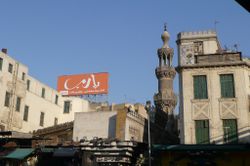
Nasser Rabbat questionne la définition binaire opposant l’Orient et l’Occident ou encore le traditionnel et le moderne, et aborde la relation dialectique entre modernité et histoire dans la composition de la ville contemporaine du Caire. Façonnée par différentes périodes de modernité, depuis l’invasion coloniale napoléonienne de 1789 jusqu’à la révolution et(...)
Nasser Rabbat questionne la définition binaire opposant l’Orient et l’Occident ou encore le traditionnel et le moderne, et aborde la relation dialectique entre modernité et histoire dans la composition de la ville contemporaine du Caire. Façonnée par différentes périodes de modernité, depuis l’invasion coloniale napoléonienne de 1789 jusqu’à la révolution et(...)
Localisation:
Théâtre Paul-Desmarais
Théâtre Paul-Desmarais
Date:
15 septembre 2011 , 19h
15 septembre 2011 , 19h
Titre:
L'enseignement du... Caire
Actions:
Description:
Nasser Rabbat questionne la définition binaire opposant l’Orient et l’Occident ou encore le traditionnel et le moderne, et aborde la relation dialectique entre modernité et histoire dans la composition de la ville contemporaine du Caire. Façonnée par différentes périodes de modernité, depuis l’invasion coloniale napoléonienne de 1789 jusqu’à la révolution et(...)
L'enseignement du... Caire
Actions:
Description:
Nasser Rabbat questionne la définition binaire opposant l’Orient et l’Occident ou encore le traditionnel et le moderne, et aborde la relation dialectique entre modernité et histoire dans la composition de la ville contemporaine du Caire. Façonnée par différentes périodes de modernité, depuis l’invasion coloniale napoléonienne de 1789 jusqu’à la révolution et(...)
Classification:
événements
événements
Date:
15 septembre 2011
19h
15 septembre 2011
19h
Localisation:
Théâtre Paul-Desmarais
Théâtre Paul-Desmarais


