


5088 Résultats
Classification:
livres
livres
Prix:
$32.00
(disponible sur commande)
Résumé:
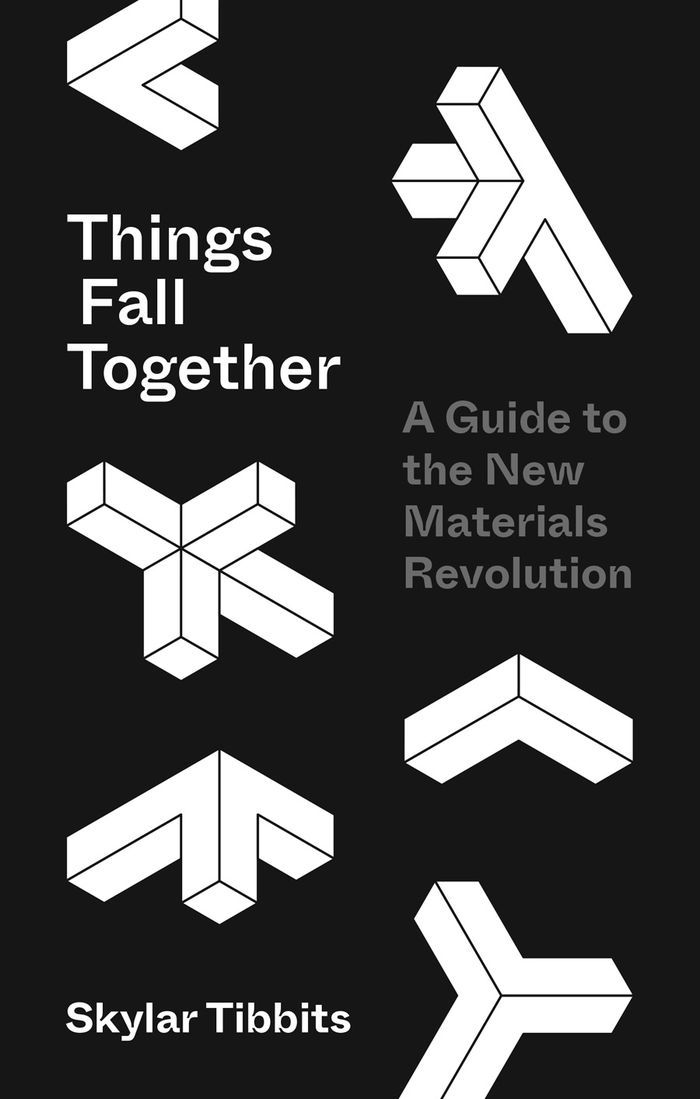
Things in life tend to fall apart. Cars break down. Buildings fall into disrepair. Personal items deteriorate. Yet today’s researchers are exploiting newly understood properties of matter to program materials that physically sense, adapt, and fall together instead of apart. These materials open new directions for industrial innovation and challenge us to rethink the way(...)
Titre:
Things fall together: a guide to the new materials revolution
Actions:
Prix:
$32.00
(disponible sur commande)
Résumé:
Things in life tend to fall apart. Cars break down. Buildings fall into disrepair. Personal items deteriorate. Yet today’s researchers are exploiting newly understood properties of matter to program materials that physically sense, adapt, and fall together instead of apart. These materials open new directions for industrial innovation and challenge us to rethink the way we build and collaborate with our environment. "Things fall together" is a provocative guide to this emerging, often mind-bending reality, presenting a bold vision for harnessing the intelligence embedded in the material world. Drawing on his pioneering work on self-assembly and programmable material technologies, Skylar Tibbits lays out the core, frequently counterintuitive ideas and strategies that animate this new approach to design and innovation. From furniture that builds itself to shoes printed flat that jump into shape to islands that grow themselves, he describes how matter can compute and exhibit behaviors that we typically associate with biological organisms, and challenges our fundamental assumptions about what physical materials can do and how we can interact with them. Intelligent products today often rely on electronics, batteries, and complicated mechanisms. Tibbits offers a different approach, showing how we can design simple and elegant material intelligence that may one day animate and improve itself—and along the way help us build a more sustainable future.
Classification:
livres
livres
Publication:
juin 2021
juin 2021
Sujet:
Théorie du design
Théorie du design
Classification:
livres
livres
Actions:
Prix:
$37.95
(disponible sur commande)
Résumé:
People are key elements of wild places. At the same time, human entanglements with wild ecologies involve extractivism, the growth of resource-based economies, and imperial-colonial expansion, activities that are wreaking havoc on our planet. Through an ethnographic exploration of Canada’s ten UNESCO Natural World Heritage sites, ''Inhabited'' reflects on the meanings(...)
Publication:
novembre 2021
novembre 2021
Titre:
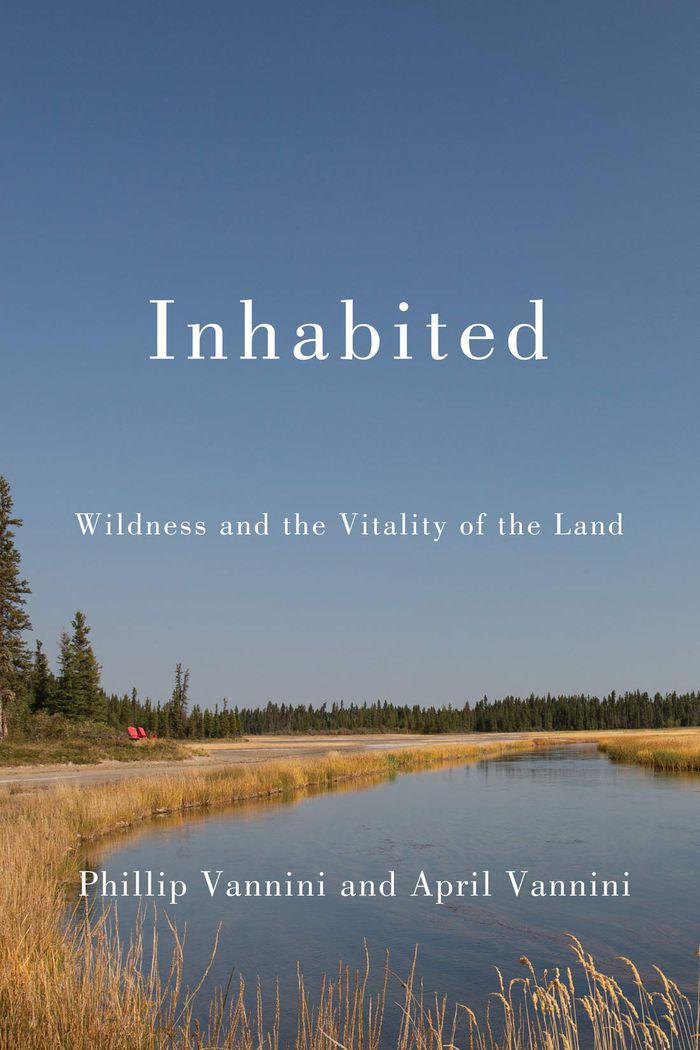
Inhabited: Wildness and the vitality of the land
Actions:
Prix:
$37.95
(disponible sur commande)
Résumé:
People are key elements of wild places. At the same time, human entanglements with wild ecologies involve extractivism, the growth of resource-based economies, and imperial-colonial expansion, activities that are wreaking havoc on our planet. Through an ethnographic exploration of Canada’s ten UNESCO Natural World Heritage sites, ''Inhabited'' reflects on the meanings of wildness, wilderness, and natural heritage. As we are introduced to local inhabitants and their perspectives, Phillip Vannini and April Vannini ask us to reflect on the colonial and dualist assumptions behind the received meaning of wild, challenging us to reimagine wildness as relational and rooted in vitality. Over the three years they spent in and around these sites, they learned from Indigenous and non-Indigenous peoples about their entanglements with each other and with non-human animals, rocks, plants, trees, sky, water, and spirits. The stories, actions, and experiences they encountered challenge conventional narratives of wild places as uninhabited by people and disconnected from culture and society. While it might be tempting to dismiss the idea of wildness as outdated in the Anthropocene era, ''Inhabited'' suggests that rethinking wildness offers a better – if messier – way forward. Part geography and anthropology, part environmental and cultural studies, and part politics and ecology, ''Inhabited'' balances a genuine love of nature’s vitality with a culturally responsible understanding of its interconnectedness with more-than-human ways of life.
Classification:
livres
livres
Publication:
novembre 2021
novembre 2021
Classification:
livres
livres
Prix:
$55.50
(disponible sur commande)
Résumé:
Human obsolescence is imminent. The factories of the future will be dark, staffed by armies of tireless robots. The hospitals of the future will have fewer doctors, depending instead on cloud-based AI to diagnose patients and recommend treatments. The homes of the future will anticipate our wants and needs and provide all the entertainment, food, and distraction we could(...)
Titre:
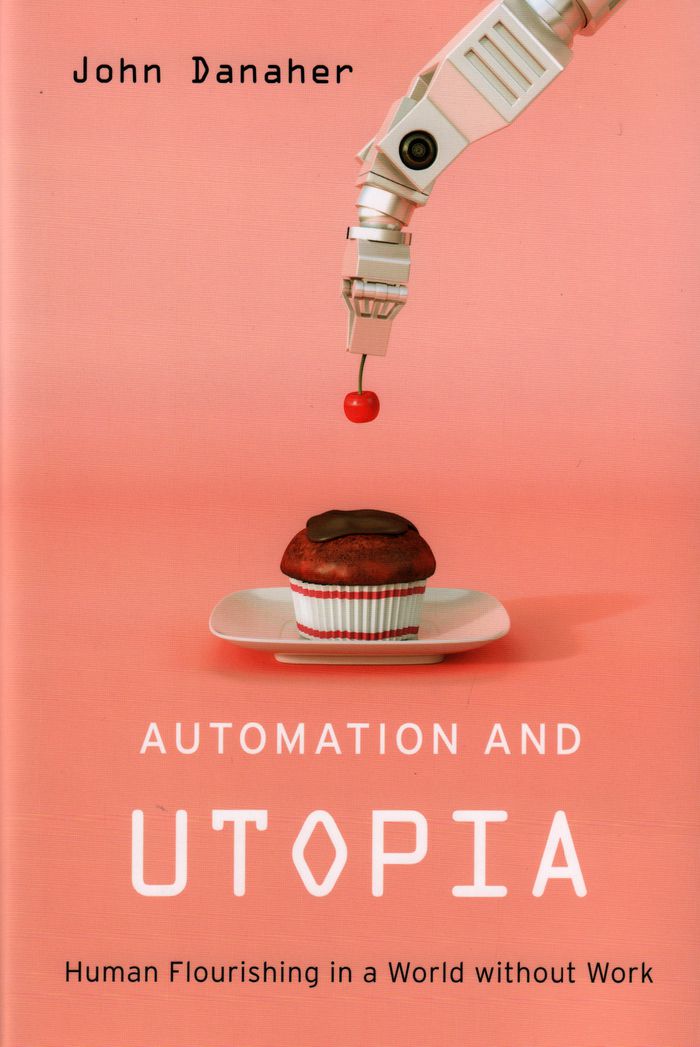
Automation and utopia: human flourishing in a world without work
Actions:
Prix:
$55.50
(disponible sur commande)
Résumé:
Human obsolescence is imminent. The factories of the future will be dark, staffed by armies of tireless robots. The hospitals of the future will have fewer doctors, depending instead on cloud-based AI to diagnose patients and recommend treatments. The homes of the future will anticipate our wants and needs and provide all the entertainment, food, and distraction we could ever desire. To many, this is a depressing prognosis, an image of civilization replaced by its machines. But what if an automated future is something to be welcomed rather than feared? Work is a source of misery and oppression for most people, so shouldn’t we do what we can to hasten its demise? Automation and Utopia makes the case for a world in which, free from need or want, we can spend our time inventing and playing games and exploring virtual realities that are more deeply engaging and absorbing than any we have experienced before, allowing us to achieve idealized forms of human flourishing. The idea that we should “give up” and retreat to the virtual may seem shocking, even distasteful. But John Danaher urges us to embrace the possibilities of this new existence. The rise of automating technologies presents a utopian moment for humankind, providing both the motive and the means to build a better future.
Classification:
livres
livres
Publication:
septembre 2019
septembre 2019
Sujet:
Théorie de l’architecture
Théorie de l’architecture
Classification:
livres
livres
Titre:
Persons and things
Persons and things
Actions:
Prix:
$35.00
(disponible sur commande)
Résumé:
Moving effortlessly between symbolist poetry and Barbie dolls, artificial intelligence and Kleist, Kant, and Winnicott, Barbara Johnson not only clarifies psychological and social dynamics; she also re-dramatizes the work of important tropes—without ever losing sight of the ethical imperative with which she begins: the need to treat persons as persons. In "Persons and(...)
Titre:
Persons and things
Actions:
Prix:
$35.00
(disponible sur commande)
Résumé:
Moving effortlessly between symbolist poetry and Barbie dolls, artificial intelligence and Kleist, Kant, and Winnicott, Barbara Johnson not only clarifies psychological and social dynamics; she also re-dramatizes the work of important tropes—without ever losing sight of the ethical imperative with which she begins: the need to treat persons as persons. In "Persons and Things", Johnson turns deconstruction around to make a fundamental contribution to the new aesthetics. She begins with the most elementary thing we know : deconstruction calls attention to gaps and reveals that their claims upon us are fraudulent. Johnson revolutionizes the method by showing that the inanimate thing exposed as a delusion is central to fantasy life, that fantasy life, however deluded, should be taken seriously, and that although a work of art “is formed around something missing,” this “void is its vanishing point, not its essence.” She shows deftly and delicately that the void inside Keats’s urn, Heidegger’s jug, or Wallace Stevens’s jar forms the center around which we tend to organize our worlds. The new aesthetics should restore fluidities between persons and things. In pursuing it, Johnson calls upon Ovid, Keats, Poe, Plath, and others who have inhabited this in-between space. The entire process operates via a subtlety that only a critic of Johnson’s caliber could reveal to us.
Classification:
livres
livres
Publication:
avril 2008, Cambridge, London
avril 2008, Cambridge, London
Sujet:
Théorie de l’architecture
Théorie de l’architecture
Classification:
livres
livres

Titre:
Tadao Ando museums
Tadao Ando museums
Actions:
Prix:
$92.00
(disponible sur commande)
Résumé:
This book has been put together with the architect, who, through an important and exclusive series of study sketches, images, and models, tells us of his works and his way of seeing and conceiving architecture including the construction of the museum. From the early buildings accomplished in Naoshima, Osaka and Oyamazaki, through the Pulitzer Center in Chicago, the Museum(...)
Titre:
Tadao Ando museums
Actions:
Prix:
$92.00
(disponible sur commande)
Résumé:
This book has been put together with the architect, who, through an important and exclusive series of study sketches, images, and models, tells us of his works and his way of seeing and conceiving architecture including the construction of the museum. From the early buildings accomplished in Naoshima, Osaka and Oyamazaki, through the Pulitzer Center in Chicago, the Museum of Modern Art in Fort Worth, and the restructuring of Palazzo Grassi in Venice, readers will be guided into the reserved and rigorous world of Tadao Ando, gaining a sense of the "secret" of his project work.
Classification:
livres
livres
Publication:
octobre 2009
octobre 2009
Sujet:
Architecture, monographies
Architecture, monographies
Classification:
périodiques
périodiques

Actions:
Prix:
$47.00
(disponible en magasin)
Résumé:
Issue 4 of Deem journal opens with a conversation between visionary artist Theaster Gates—who shares his perspectives around place as the connecting thread in his practice—and Deem co-founders Nu Goteh and Alice Grandoit-Šutka. Gates’s approach to redeeming and sacralizing space as place lays the groundwork for a multitude of other interviews, essays, and interventions(...)
Titre:
Deem, Issue 4: A sense of place
Actions:
Prix:
$47.00
(disponible en magasin)
Résumé:
Issue 4 of Deem journal opens with a conversation between visionary artist Theaster Gates—who shares his perspectives around place as the connecting thread in his practice—and Deem co-founders Nu Goteh and Alice Grandoit-Šutka. Gates’s approach to redeeming and sacralizing space as place lays the groundwork for a multitude of other interviews, essays, and interventions that address how we make place from spatial experiences. As always, we welcomed perspectives from contributors of varying backgrounds, interests, and disciplines, and it is our hope that this investigation will help us all think about place in ways both new and old.
Classification:
périodiques
périodiques
Publication:
avril 2023
avril 2023
Sujet:
Revues
Revues
Classification:
livres
livres
Titre:
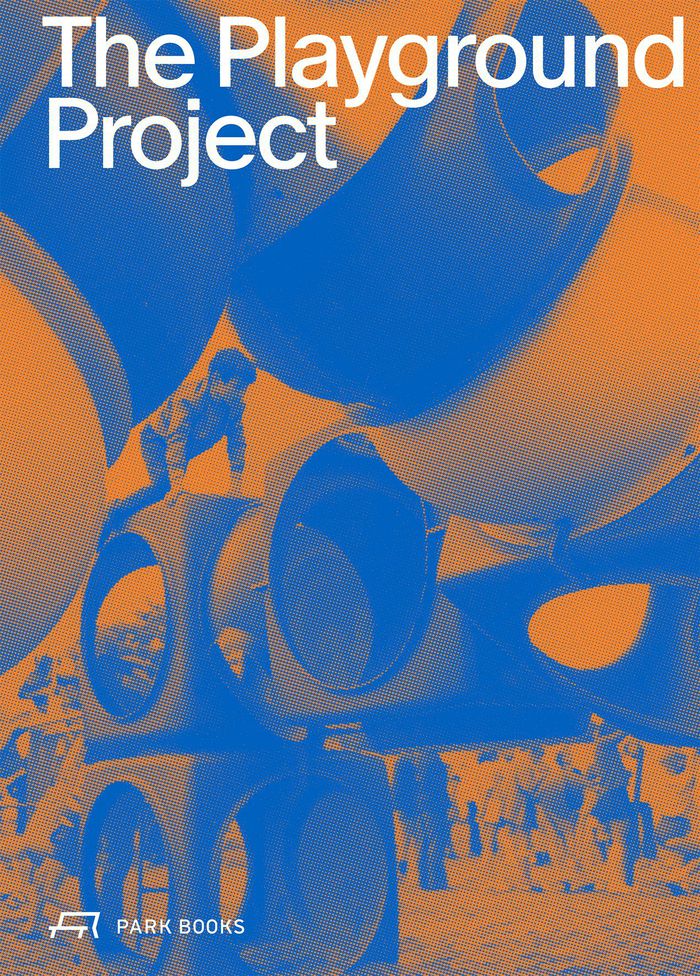
The playground project
The playground project
Actions:
Prix:
$95.00
(disponible sur commande)
Résumé:
From the 1950s to the 1980s, the open-air playground was a social laboratory. Innovative, wacky, and educational playground designs emerged in European and American cities, as well as elsewhere around the world. Artists, landscape designers, architects, and activists sought to provide children with the best possible place to play, while also reimagining cities and(...)
Publication:
février 2024
février 2024
Titre:
The playground project
Actions:
Prix:
$95.00
(disponible sur commande)
Résumé:
From the 1950s to the 1980s, the open-air playground was a social laboratory. Innovative, wacky, and educational playground designs emerged in European and American cities, as well as elsewhere around the world. Artists, landscape designers, architects, and activists sought to provide children with the best possible place to play, while also reimagining cities and communities as a whole. This expanded new edition revives the wealth of ideas of that period to inspire us today. It offers many previously unpublished images, numerous new portraits—especially of female protagonists of the time—as well as findings from the latest research on playground design.
Classification:
livres
livres
Publication:
février 2024
février 2024
Classification:
livres
livres
Actions:
Prix:
$70.00
(disponible sur commande)
Résumé:
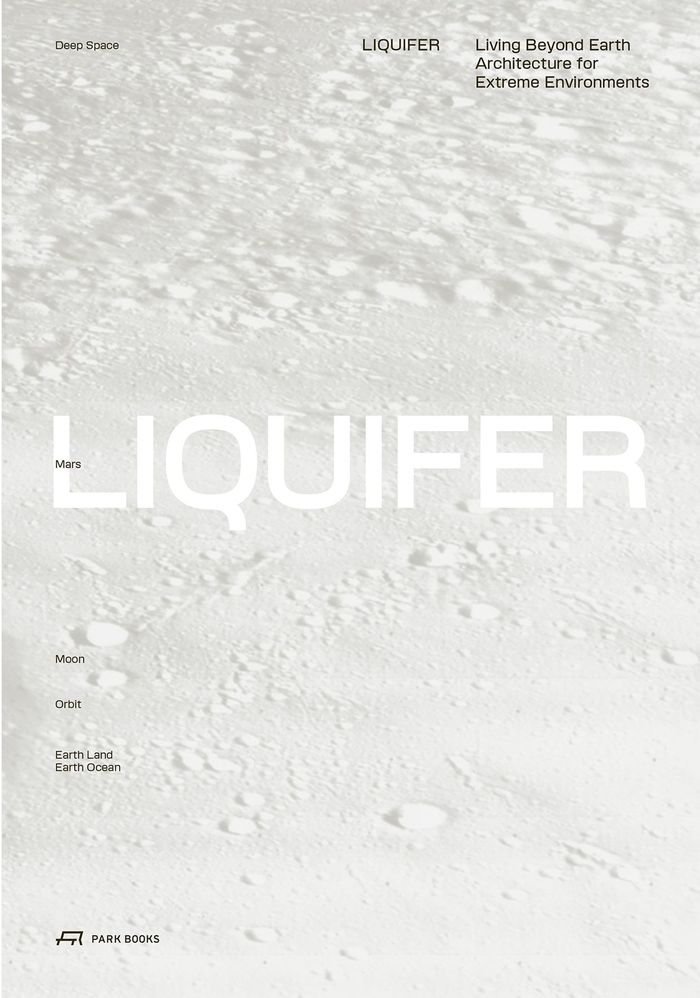
Conquering the extremes: LIQUIFER Systems Group, a design and research firm based in Vienna and Bremen, has been addressing the issue of human life on Earth and elsewhere in the universe for two decades. Their work demonstrates how consideration of technology-based design solutions and careful use of available resources can enable us to live in space. Their concepts,(...)
Sujet:
Architecture expérimentale
Architecture expérimentale
Publication:
février 2024
février 2024
Titre:
LIQUIFER: Living beyond Earth. Architecture for extreme environments
Actions:
Prix:
$70.00
(disponible sur commande)
Résumé:
Conquering the extremes: LIQUIFER Systems Group, a design and research firm based in Vienna and Bremen, has been addressing the issue of human life on Earth and elsewhere in the universe for two decades. Their work demonstrates how consideration of technology-based design solutions and careful use of available resources can enable us to live in space. Their concepts, feasibility studies, and technological developments all deal with the key issue of scarcity that defines life everywhere: on Mars, on the Moon, in orbit, as well as on Earth. LIQUIFER. Living Beyond Earth is the first book to present the practice’s groundbreaking work.
Classification:
livres
livres
Publication:
février 2024
février 2024
Sujet:
Architecture expérimentale
Architecture expérimentale
Classification:
livres
livres

Actions:
Prix:
$42.00
(disponible en magasin)
Résumé:
Science tells us that a new and dangerous stage in planetary evolution has begun--the Anthropocene, a time of rising temperatures, extreme weather, rising oceans, and mass species extinctions. Humanity faces not just more pollution or warmer weather, but a crisis of the Earth System. If business as usual continues, this century will be marked by rapid deterioration of our(...)
Titre:
Facing the Anthropocene: Fossil capitalism and the crisis of the earth system
Actions:
Prix:
$42.00
(disponible en magasin)
Résumé:
Science tells us that a new and dangerous stage in planetary evolution has begun--the Anthropocene, a time of rising temperatures, extreme weather, rising oceans, and mass species extinctions. Humanity faces not just more pollution or warmer weather, but a crisis of the Earth System. If business as usual continues, this century will be marked by rapid deterioration of our physical, social, and economic environment. Large parts of Earth will become uninhabitable, and civilization itself will be threatened. Facing the Anthropocene shows what has caused this planetary emergency, and what we must do to meet the challenge.
Classification:
livres
livres
Publication:
juillet 2016
juillet 2016
Classification:
livres
livres

Actions:
Prix:
$54.50
(disponible sur commande)
Résumé:
How do we challenge the prevailing visual discourse of contemporary architecture? Is there a more harmonious architectural production path? Can we inhabit Earth without annihilating the very conditions sustaining us and others? "Dominio" confronts architecture’s grand narrative by illuminating its production processes. These images strive to trigger a critical(...)
Titre:
Dominio: This is a book on architecture
Actions:
Prix:
$54.50
(disponible sur commande)
Résumé:
How do we challenge the prevailing visual discourse of contemporary architecture? Is there a more harmonious architectural production path? Can we inhabit Earth without annihilating the very conditions sustaining us and others? "Dominio" confronts architecture’s grand narrative by illuminating its production processes. These images strive to trigger a critical introspection about architectural production and its socio-ecological footprint, while contesting the dominant visual narrative that perpetuates its existence. This publication, then, is a mosaic of queries, contradictions, and internal conflict. It serves as my introspective critique of how my role as an architectural photographer might have inadvertently contributed to architecture’s fetishization.
Classification:
livres
livres
Publication:
mai 2022
mai 2022
Sujet:
Monographies photo
Monographies photo


