


420 Résultats
Classification:
livres
livres
Actions:
Prix:
$36.95
(disponible sur commande)
Résumé:
In this volume, Ayala Levin charts the settler colonial imagination and practices that undergirded Israeli architectural development aid in Africa. Focusing on the ''golden age'' of Israel’s diplomatic relations in and throughout the continent from 1958 to 1973, Levin finds that Israel positioned itself as a developing-nation alternative in the competition over aid and(...)
Titre:
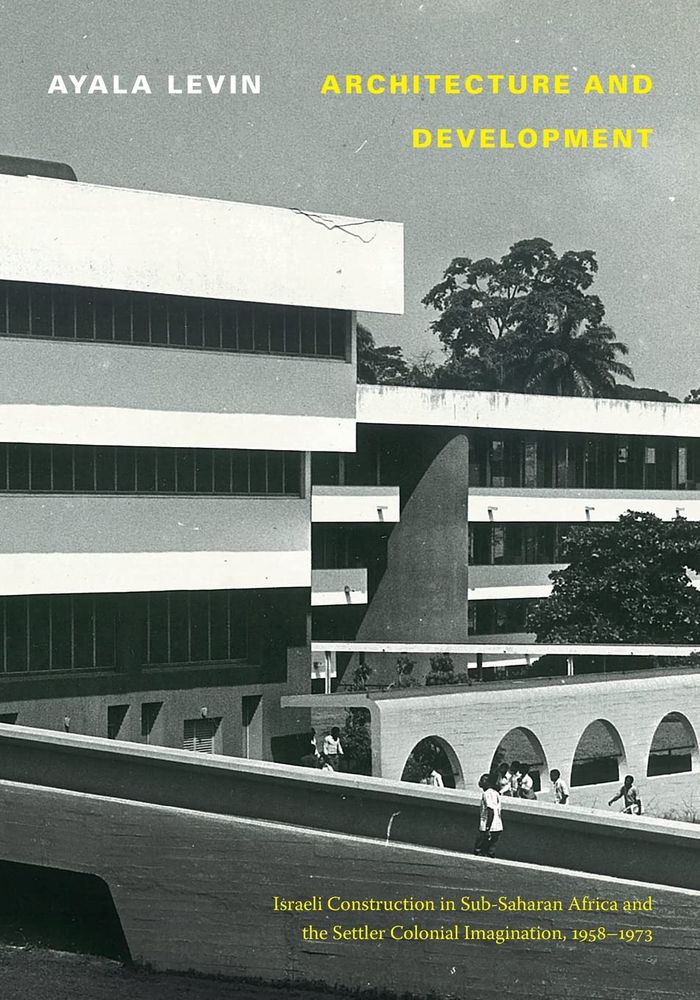
Architecture and development: Israeli construction in sub-saharan Africa 1958-1973
Actions:
Prix:
$36.95
(disponible sur commande)
Résumé:
In this volume, Ayala Levin charts the settler colonial imagination and practices that undergirded Israeli architectural development aid in Africa. Focusing on the ''golden age'' of Israel’s diplomatic relations in and throughout the continent from 1958 to 1973, Levin finds that Israel positioned itself as a developing-nation alternative in the competition over aid and influence between global North and global South. In analyses of the design and construction of prestigious governmental projects in Nigeria, Sierra Leone, and Ethiopia, Levin details how architects, planners, and a trade union--owned construction company staged Israel as a new center of nonaligned expertise. These actors and professionals paradoxically capitalized on their settler colonial experience in Palestine, refashioning it as an alternative to Western colonial expertise. Levin traces how Israel became involved in the modernization of governance, education, and agriculture in Africa, as well as how African leaders chose to work with Israel to forge new South-South connections. In so doing, she offers new ways of understanding the role of architecture as a vehicle of postcolonial development and in the mobilization of development resources.
Classification:
livres
livres
Publication:
mars 2022
mars 2022
Classification:
livres
livres
Actions:
Prix:
$35.00
(disponible en magasin)
Résumé:
A collection of primary sources chosen by the research fellows ''Centring Africa: Postcolonial Perspectives on Architecture'', Doreen Adengo, Dele Adeyemo, Warebi Gabriel Brisibe and Ramota Obagah-Stephen, Rachel Lee and Monika Motylinska, Ikem Stanley Okoye, Cole Roskam, Lukasz Stanek, and Huda Tayob. ''Fugitive Archives'' is not a book about African architecture or(...)
Titre:
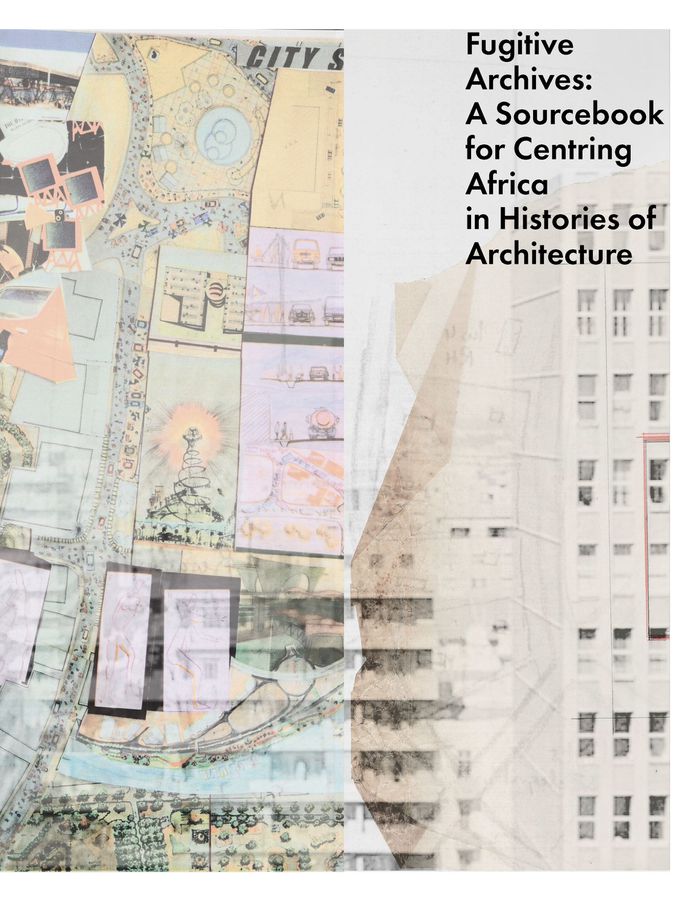
Fugitive Archives: A Sourcebook for Centring Africa in Histories of Architecture
Actions:
Prix:
$35.00
(disponible en magasin)
Résumé:
A collection of primary sources chosen by the research fellows ''Centring Africa: Postcolonial Perspectives on Architecture'', Doreen Adengo, Dele Adeyemo, Warebi Gabriel Brisibe and Ramota Obagah-Stephen, Rachel Lee and Monika Motylinska, Ikem Stanley Okoye, Cole Roskam, Lukasz Stanek, and Huda Tayob. ''Fugitive Archives'' is not a book about African architecture or its history. It is a book about the role of primary research in the work of the fellows and about how, to centre Africa in histories of modern architecture, they had to develop new ways of finding, seeing, and listening. The sources presented here are starting points for dismantling and expanding existing architectural archives, in which what is considered valuable enough to archive remains dominated by colonial or Western knowledge frameworks. Through varied media and formats, the sources multiply narratives by highlighting diverse actors, practices, and geographies—on and off the continent—implicated in the history of modern African architecture. Rather than suggesting key, but inevitably reductive, themes, this book brings the fellows and their sources into dialogue in three sections that foreground similar methods and challenges to locating, accessing, reading, and constructing otherwise fugitive archives.
Classification:
livres
livres
Publication:
août 2023
août 2023
Sujet:
Publications du CCA
Publications du CCA
Classification:
livres
livres

Actions:
Prix:
$64.95
(disponible sur commande)
Résumé:
Following two publications in 2016 and 2017 on Modern Architecture of Kuwait, this new publication expands on the growing interest for the building and urban practice exchange between territories throughout the Middle Eastern region which remains at the threshold of architectural theory, postcolonial critique, and visual cultures studies. This book format exposes relevant(...)
Publication:
janvier 2021
janvier 2021
Titre:
Pan-Arab modernism 1968-2018: the history of architectural practice in the middle east
Actions:
Prix:
$64.95
(disponible sur commande)
Résumé:
Following two publications in 2016 and 2017 on Modern Architecture of Kuwait, this new publication expands on the growing interest for the building and urban practice exchange between territories throughout the Middle Eastern region which remains at the threshold of architectural theory, postcolonial critique, and visual cultures studies. This book format exposes relevant and critical material on the individual’s education and experiences as well as the architecture practice and influence in the Middle East. Using Kuwait as a case study and Pan Arab Modernism as a lens, this book comes to fill two voids in the literature on Middle Eastern architecture: one is in practice and the other is in history. The current practice of architecture in Kuwait, the Gulf and the larger Middle East, is typically a-contextual and lacking any understanding of the local context. The architectural history, on the other hand, ignores the larger context of the Middle East and the influence of Pan Arabism is not configured into many analyses. Thus, this project seeks to tackle both. By providing a [re]contextualizing of the architectural history of Kuwait and bringing forgotten protagonists back into the dialogue, a nuanced reading of Pan Arab Modern architecture emerges.
Classification:
livres
livres
Publication:
janvier 2021
janvier 2021
Classification:
livres
livres
Actions:
Prix:
$39.95
(disponible sur commande)
Résumé:
Architecture has a powerful role in nation building and identity formation. Buildings and monuments not only constitute the built fabric of society, they reflect the intersection of culture, politics, economics, and aesthetics as these forces are played out in distinct social settings and distinct times. This extraordinary anthology traces the interaction between(...)
Titre:
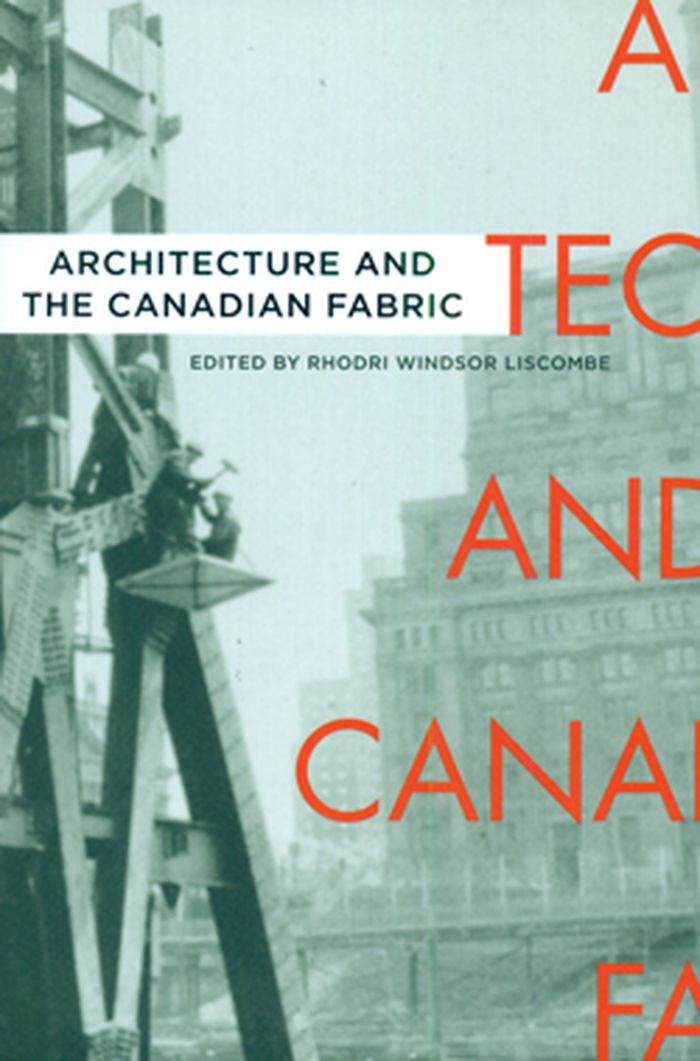
Architecture and the Canadian fabric
Actions:
Prix:
$39.95
(disponible sur commande)
Résumé:
Architecture has a powerful role in nation building and identity formation. Buildings and monuments not only constitute the built fabric of society, they reflect the intersection of culture, politics, economics, and aesthetics as these forces are played out in distinct social settings and distinct times. This extraordinary anthology traces the interaction between culture and politics as reflected in Canadian architecture and the infrastructure of ordinary life, from the first contacts between indigenous peoples and European missionaries to the construction of big-box shopping centres in postmodern cities. Whether focusing on Jesuit perceptions of New France, the construction of Toronto’s St. James Cathedral or Canada’s first Parliament, Brutalism in Canadian architecture, or the ideas of Marshall McLuhan and Arthur Erickson, these essays showcase ways of thinking about the built environment that extend beyond considerations of authorship and style to address the influence of cultural politics and insights from race and gender studies and from postcolonial and spatial theory. By coupling a national focus with a wide historical scope, Architecture and the Canadian Fabric transforms how we see the role of architecture and in doing so radically questions how we continue to live in, interact with, and interpret the fabricated world.
Classification:
livres
livres
Publication:
novembre 2012
novembre 2012
Sujet:
Architecture du Canada
Architecture du Canada
Classification:
livres
livres
Actions:
Prix:
$31.50
(disponible sur commande)
Résumé:
An investigation into Shanghai’s rise from peripheral port to urban center. Even before the romanticized golden era of Shanghai in the 1930s, the famed Asian city was remarkable for its uniqueness and East-meets-West cosmopolitanism. Meng Yue analyzes a century-long shift of urbanity from China’s heartland to its shore. During the period between the decline of Jiangnan(...)
Titre:
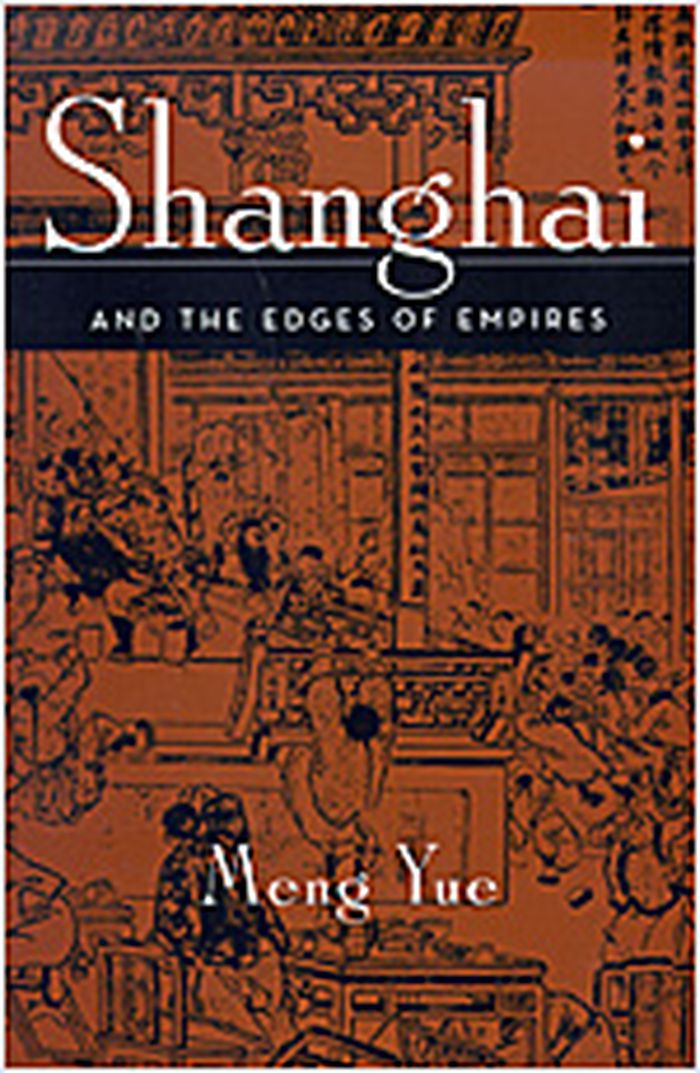
Shanghai and the edges of empires
Actions:
Prix:
$31.50
(disponible sur commande)
Résumé:
An investigation into Shanghai’s rise from peripheral port to urban center. Even before the romanticized golden era of Shanghai in the 1930s, the famed Asian city was remarkable for its uniqueness and East-meets-West cosmopolitanism. Meng Yue analyzes a century-long shift of urbanity from China’s heartland to its shore. During the period between the decline of Jiangnan cities such as Suzhou and Yangzhou and Shanghai’s early twentieth-century rise, the overlapping cultural edges of a failing Chinese royal order and the encroachment of Western imperialists converged. Simultaneously appropriating and resisting imposing forces, Shanghai opened itself to unruly, subversive practices, becoming a crucible of creativity and modernism. Calling into question conventional ways of conceptualizing modernity, colonialism, and intercultural relations, Meng Yue examines such cultural practices as the work of the commercial press, street theater, and literary arts, and shows that what appear to be minor cultural changes often signal the presence of larger political and economic developments. Engaging theories of modernity and postcolonial and global cultural studies, Meng Yue reveals the paradoxical interdependence between imperial and imperialist histories and the retranslation of culture that characterized the most notable result of China’s urban relocation—the emergence of the international city of Shanghai.
Classification:
livres
livres
Publication:
janvier 2006, Minneapolis
janvier 2006, Minneapolis
Classification:
livres
livres
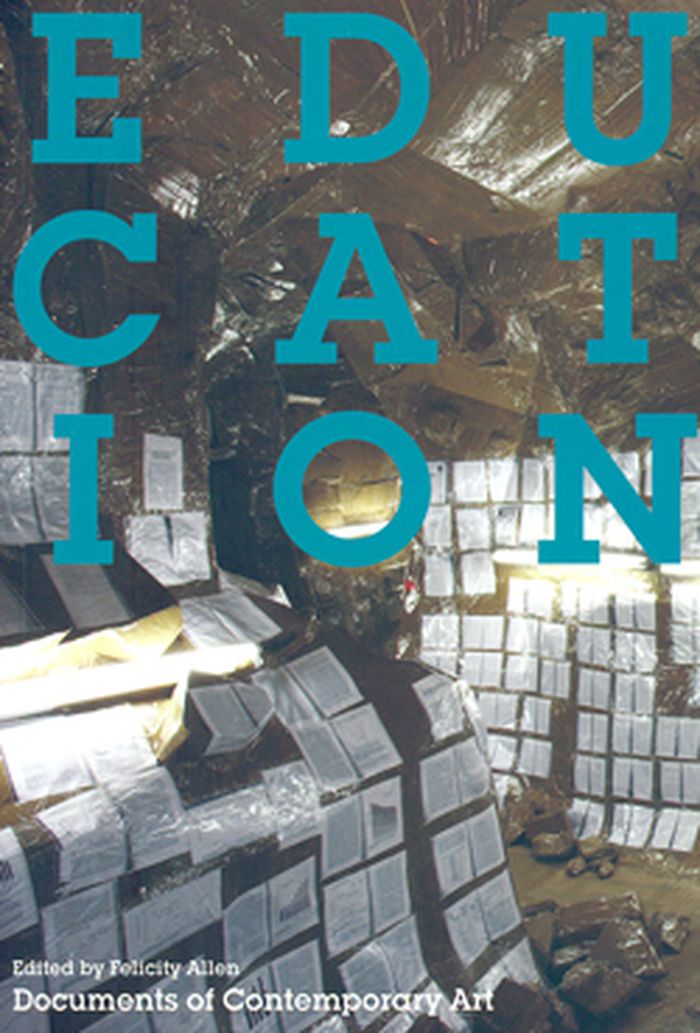
Titre:
Education
Education
Actions:
Prix:
$27.95
(disponible sur commande)
Résumé:
This book will be a resource for all who believe in the importance of art in the wider educational realm. Framing the recent "educational turn" in the arts within a broad historical and social context, this anthology raises fundamental questions about how and what should be taught in an era of distributive rather than media-based practices. Among the many sources and(...)
Titre:
Education
Actions:
Prix:
$27.95
(disponible sur commande)
Résumé:
This book will be a resource for all who believe in the importance of art in the wider educational realm. Framing the recent "educational turn" in the arts within a broad historical and social context, this anthology raises fundamental questions about how and what should be taught in an era of distributive rather than media-based practices. Among the many sources and arguments traced here is second-wave feminism, which questioned dominant notions of personal and institutional freedom as enacted through art teaching and practice. Similarly, education-based responses by the art community to the catastrophes of World War II and postcolonial conflict critically inform contemporary art confronting the interrelationships of education, power, market capitalism, and--as Michael Hardt and Antonio Negri describe it--the global condition of war. These writings by artists, philosophers, educators, poets, and activists center on three recurring and interrelated themes: the notion of "indiscipline" in theories and practices that challenge boundaries of all kinds; the present and future role of the art school; and the turn to pedagogy as medium in a diverse range of recent projects. Other writings address such issues as instrumentalism and control, liberation and equality, the production and the politics of culture, and the roots of research-based practice and experimental participatory works.
Classification:
livres
livres
Publication:
septembre 2011
septembre 2011
Sujet:
Théorie de l’art
Théorie de l’art
Classification:
livres
livres
Prix:
$50.00
(disponible sur commande)
Résumé:
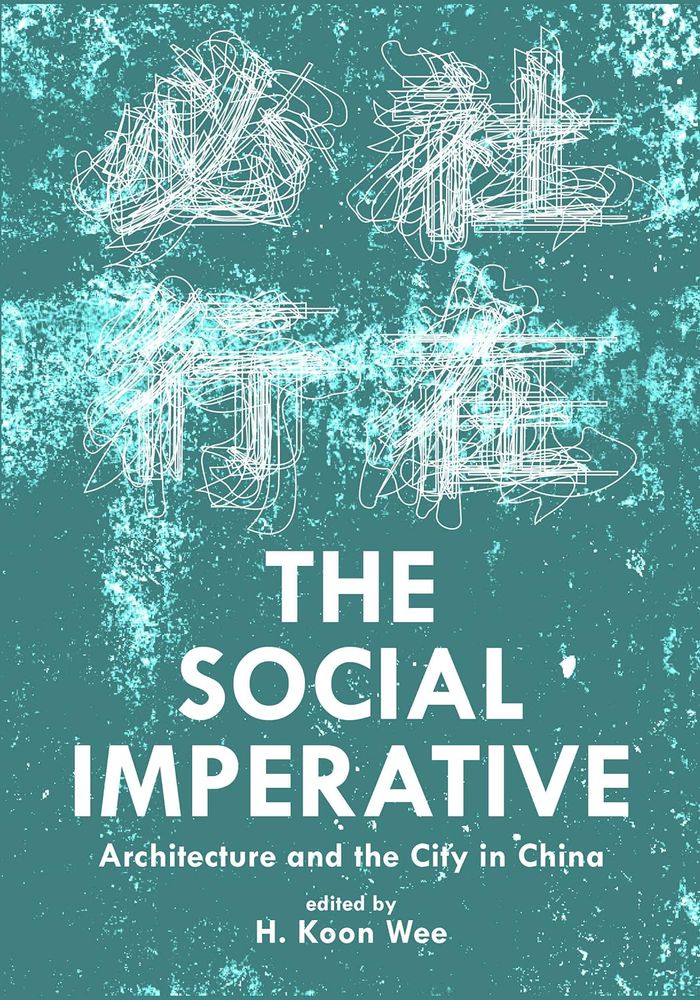
Beneath the veneer of a very successful China that the world readily acknowledges, a quiet revolution is taking place within the realms of architecture and the city. The social, architectural and urban theories documented in this book are organized around the established canons of social actions – from mobilizing, laboring, resisting and mediating, to networking,(...)
Titre:
The social imperative: Architecture and the city in China
Actions:
Prix:
$50.00
(disponible sur commande)
Résumé:
Beneath the veneer of a very successful China that the world readily acknowledges, a quiet revolution is taking place within the realms of architecture and the city. The social, architectural and urban theories documented in this book are organized around the established canons of social actions – from mobilizing, laboring, resisting and mediating, to networking, controlling, rationalizing and aestheticizing. This book aims to put the social agenda squarely back in the rapid development of the built environment in China. This publication is the culmination of a three-year study of social issues in the architecture and cities of China. It involved visits to sites undergoing massive change, discussions and debates among architects and critics, reflections by practitioners about their own work, and activists lobbying for social change. Supported by the non-profit AA Asia, the edition of the contents relied heavily on original input and exchanges between architects and theorists committed to China, from Asia and beyond. Since the 1990s, AA Asia remains one of a few unique think tanks committed to the study of architecture and cities in Asia. As an advocacy with strong academic roots, it seeks to establish the differences across various postcolonial and Asian contexts, and recalibrate the role of architecture in a technocratic era dominated by the global economy.
Classification:
livres
livres
Publication:
septembre 2017
septembre 2017
Sujet:
Expositions en cours
Expositions en cours
Classification:
livres
livres
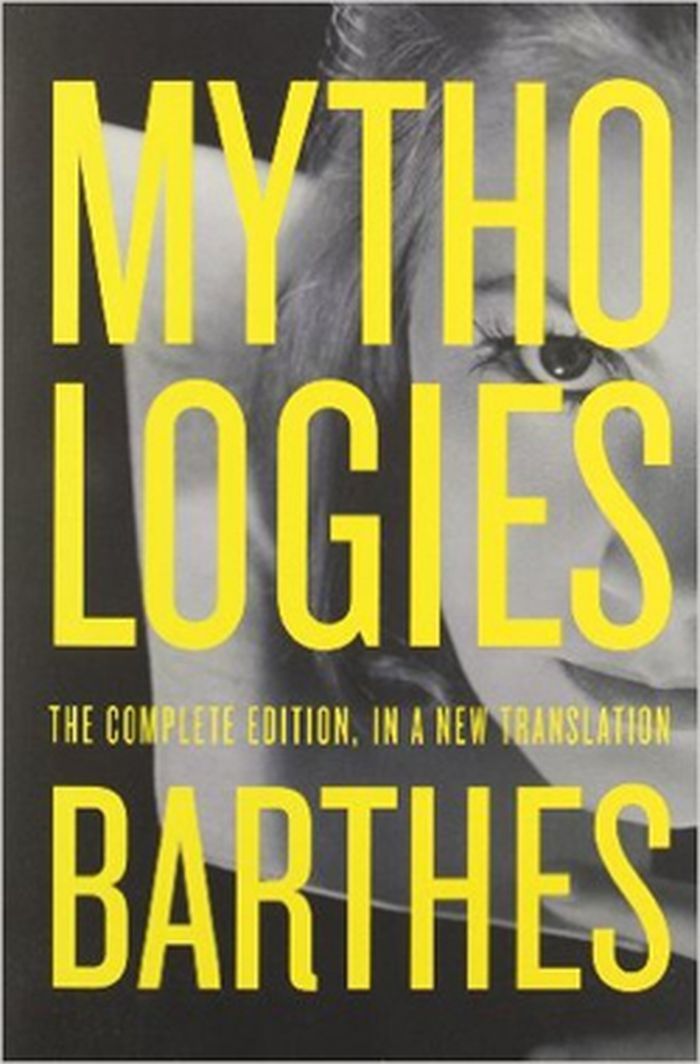
Titre:
Mythologies
Mythologies
Actions:
Prix:
$17.00
(disponible sur commande)
Résumé:
"No denunciation without its proper instrument of close analysis," Roland Barthes wrote in his preface to Mythologies. There is no more proper instrument of analysis of our contemporary myths than this book—one of the most significant works in French theory, and one that has transformed the way readers and philosophers view the world around them. Our age is a triumph(...)
Sujet:
Théorie/ philosophie
Théorie/ philosophie
Publication:
novembre 2013
novembre 2013
Titre:
Mythologies
Actions:
Prix:
$17.00
(disponible sur commande)
Résumé:
"No denunciation without its proper instrument of close analysis," Roland Barthes wrote in his preface to Mythologies. There is no more proper instrument of analysis of our contemporary myths than this book—one of the most significant works in French theory, and one that has transformed the way readers and philosophers view the world around them. Our age is a triumph of codification. We own devices that bring the world to the command of our fingertips. We have access to boundless information and prodigious quantities of stuff. We decide to like or not, to believe or not, to buy or not. We pick and choose. We think we are free. Yet all around us, in pop culture, politics, mainstream media, and advertising, there are codes and symbols that govern our choices. They are the fabrications of consumer society. They express myths of success, well-being, or happiness. As Barthes sees it, these myths must be carefully deciphered, and debunked. What Barthes discerned in mass media, the fashion of plastic, and the politics of postcolonial France applies with equal force to today's social networks, the iPhone, and the images of 9/11. This new edition of Mythologies, complete and beautifully rendered by the Pulitzer Prize–winning poet, critic, and translator Richard Howard, is a consecration of Barthes's classic—a lesson in clairvoyance that is more relevant now than ever.
Classification:
livres
livres
Publication:
novembre 2013
novembre 2013
Sujet:
Théorie/ philosophie
Théorie/ philosophie
Classification:
livres
livres

Actions:
Prix:
$29.95
(disponible sur commande)
Résumé:
Moving the critical debate about photography away from its current Euro-American centre of gravity, "Photography’s Other Histories" breaks with the notion that photographic history is best seen as the explosion of a Western technology advanced by the work of singular individuals. This collection presents a different account, describing photography as a globally(...)
Sujet:
Théorie de la photographie
Théorie de la photographie
Publication:
mars 2003, Durham, N.C.
mars 2003, Durham, N.C.
Titre:
Photography's other histories
Actions:
Prix:
$29.95
(disponible sur commande)
Résumé:
Moving the critical debate about photography away from its current Euro-American centre of gravity, "Photography’s Other Histories" breaks with the notion that photographic history is best seen as the explosion of a Western technology advanced by the work of singular individuals. This collection presents a different account, describing photography as a globally disseminated and locally appropriated medium. Essays firmly grounded in photographic practice — in the actual making of pictures — suggest the extraordinary diversity of nonwestern photography "Photography’s Other Histories" explores from a variety of geographic, cultural, and historic perspectives the role of photography in raising historical consciousness. It includes two first-person pieces by indigenous Australians and one by a Seminole/Muskogee/Diné artist. Some of the essays analyze representations of colonial subjects—from the limited ways Westerners have depicted Navajos to Japanese photos recording the occupation of Manchuria and from the changing nature of the "contract" between Aboriginal subjects and photographers to the surprising range of cultural influences evident in the photographs colonialist F. R. Barton took in New Guinea in the late 1800s and early 1900s. Focusing on photographic self-fashioning and the development of vernacular modernisms, other essays highlight the visionary quality of much popular photography. Case studies centered in early-twentieth-century Peru and contemporary India, Kenya, and Nigeria chronicle the diverse practices that have flourished in postcolonial societies. "Photography’s Other Histories" recasts popular photography around the world, as not simply reproducing culture but creating it.
Classification:
livres
livres
Publication:
mars 2003, Durham, N.C.
mars 2003, Durham, N.C.
Sujet:
Théorie de la photographie
Théorie de la photographie
Classification:
livres
livres
Actions:
Prix:
$29.95
(disponible sur commande)
Résumé:
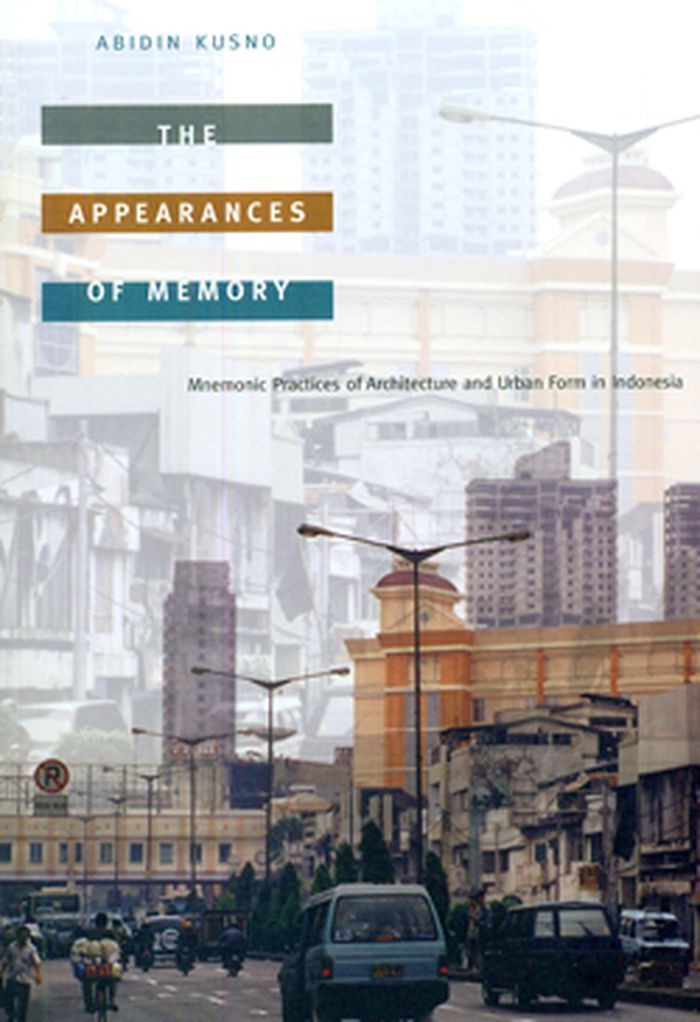
In this publication, the Indonesian architectural and urban historian Abidin Kusno explores the connections between the built environment and political consciousness in Indonesia during the colonial and postcolonial eras. Focusing primarily on Jakarta, he describes how perceptions of the past, anxieties about the rapid pace of change in the present, and hopes for the(...)
Titre:
The appearances of memory : mnemonic practices of architecture and urban form in Indonesia
Actions:
Prix:
$29.95
(disponible sur commande)
Résumé:
In this publication, the Indonesian architectural and urban historian Abidin Kusno explores the connections between the built environment and political consciousness in Indonesia during the colonial and postcolonial eras. Focusing primarily on Jakarta, he describes how perceptions of the past, anxieties about the rapid pace of change in the present, and hopes for the future have been embodied in architecture and urban space at different historical moments. He argues that the built environment serves as a reminder of the practices of the past and an instantiation of the desire to remake oneself within, as well as beyond, one’s particular time and place. Addressing developments in Indonesia since the fall of President Suharto’s regime in 1998, Kusno delves into such topics as the domestication of traumatic violence and the restoration of order in the urban space, the intense interest in urban history in contemporary Indonesia, and the implications of "superblocks", large urban complexes consisting of residences, offices, shops, and entertainment venues. Moving farther back in time, he examines how Indonesian architects reinvented colonial architectural styles to challenge the political culture of the state, how colonial structures such as railway and commercial buildings created a new, politically charged cognitive map of cities in Java in the early twentieth century, and how the Dutch, in attempting to quell dissent, imposed a distinctive urban visual order in the 1930s. Finally, the present and the past meet in his long-term considerations of how Java has responded to the global flow of Islamic architecture, and how the meanings of Indonesian gatehouses have changed and persisted over time.
Classification:
livres
livres
Publication:
avril 2010
avril 2010
Sujet:
Histoire jusqu'à 1900, Asie
Histoire jusqu'à 1900, Asie


