


5088 Résultats
Classification:
livres
livres
Actions:
Prix:
$39.95
(disponible sur commande)
Résumé:
Environmentalism, in theory and practice, is concerned with protecting nature. But if we have now reached "the end of nature," as Bill McKibben and other environmental thinkers have declared, what is there left to protect? In Thinking like a Mall, Steven Vogel argues that environmental thinking would be better off if it dropped the concept of "nature" altogether and spoke(...)
Titre:
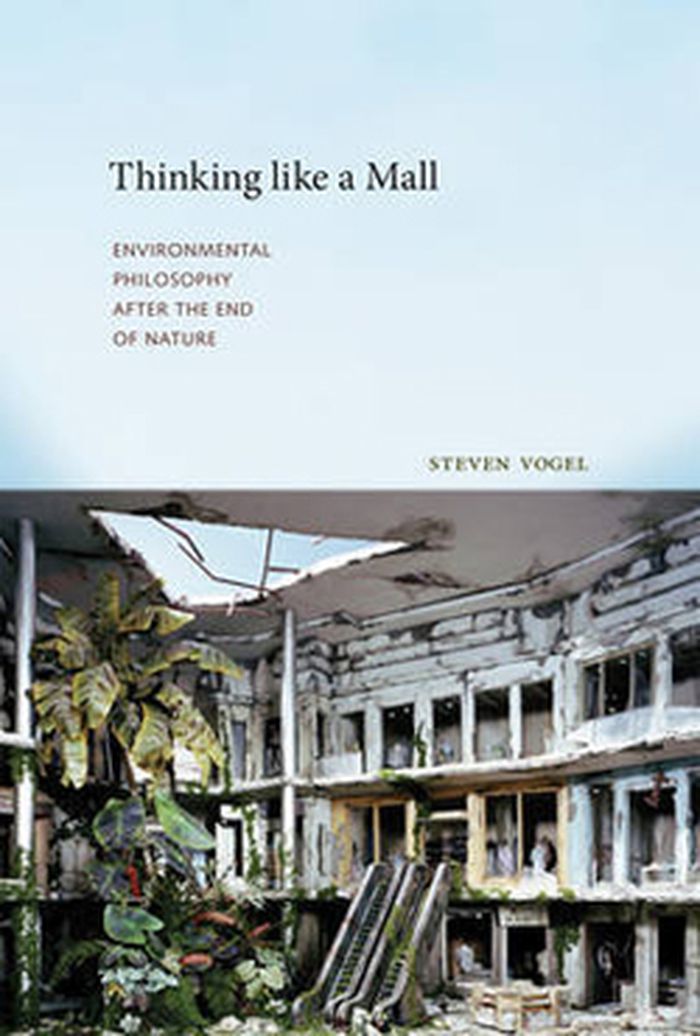
Thinking like a mall: environmental philosophy after the end of nature
Actions:
Prix:
$39.95
(disponible sur commande)
Résumé:
Environmentalism, in theory and practice, is concerned with protecting nature. But if we have now reached "the end of nature," as Bill McKibben and other environmental thinkers have declared, what is there left to protect? In Thinking like a Mall, Steven Vogel argues that environmental thinking would be better off if it dropped the concept of "nature" altogether and spoke instead of the "environment" - that is, the world that actually surrounds us, which is always a built world, the only one that we inhabit. We need to think not so much like a mountain (as Aldo Leopold urged) as like a mall.
Classification:
livres
livres
Publication:
février 2015
février 2015
Sujet:
Théorie de l’architecture
Théorie de l’architecture
Classification:
livres
livres

Titre:
A book of things
A book of things
Actions:
Prix:
$79.00
(disponible sur commande)
Résumé:
Jasper Morrison has the ability to bestow things with a distinctive style. His signature style is evident in many of the everyday objects that surround us. His repertoire of essential designs is characterized by simplicity yet complexity, as well as a sense of poetry and humor. Morrison works on a global scale and is one of the most influential product designers in(...)
Titre:
A book of things
Actions:
Prix:
$79.00
(disponible sur commande)
Résumé:
Jasper Morrison has the ability to bestow things with a distinctive style. His signature style is evident in many of the everyday objects that surround us. His repertoire of essential designs is characterized by simplicity yet complexity, as well as a sense of poetry and humor. Morrison works on a global scale and is one of the most influential product designers in the world today. A Book of Things is a collection of products and projects across the broad spectrum of his activities and demonstrates the continuity of his interests and methods, which he describes in succinct texts.
Classification:
livres
livres
Publication:
juillet 2015
juillet 2015
Sujet:
Design, monographies
Design, monographies
Classification:
livres
livres
Titre:
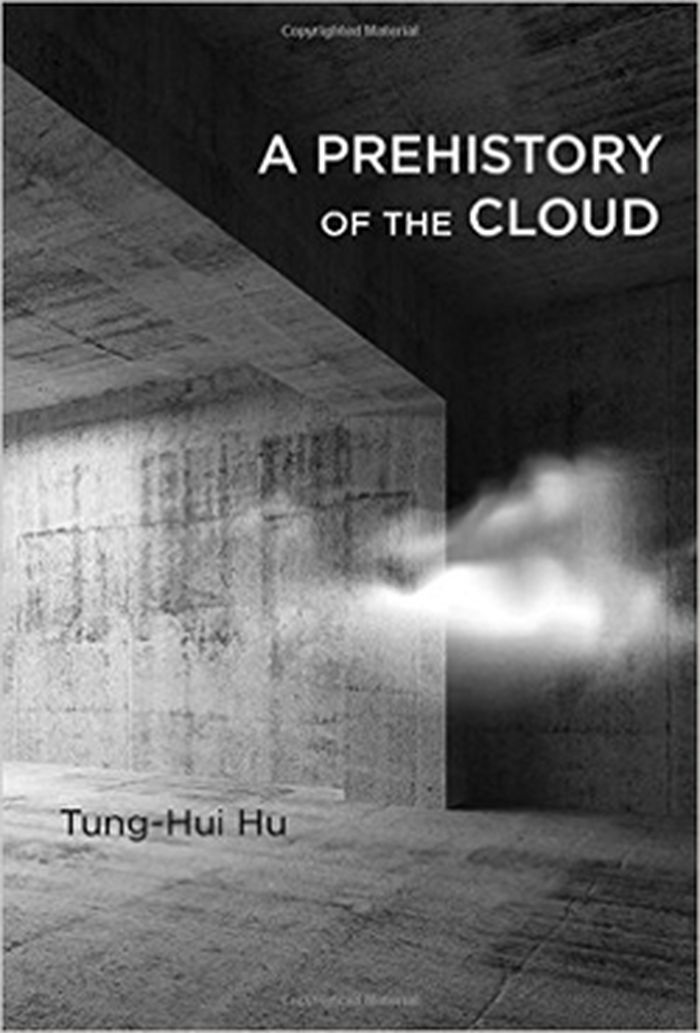
A prehistory of the cloud
A prehistory of the cloud
Actions:
Prix:
$34.95
(disponible sur commande)
Résumé:
We may imagine the digital cloud as placeless, mute, ethereal, and unmediated. Yet the reality of the cloud is embodied in thousands of massive data centers, any one of which can use as much electricity as a midsized town. Even all these data centers are only one small part of the cloud. Behind that cloud-shaped icon on our screens is a whole universe of technologies and(...)
Titre:
A prehistory of the cloud
Actions:
Prix:
$34.95
(disponible sur commande)
Résumé:
We may imagine the digital cloud as placeless, mute, ethereal, and unmediated. Yet the reality of the cloud is embodied in thousands of massive data centers, any one of which can use as much electricity as a midsized town. Even all these data centers are only one small part of the cloud. Behind that cloud-shaped icon on our screens is a whole universe of technologies and cultural norms, all working to keep us from noticing their existence. In this book, Tung-Hui Hu examines the gap between the real and the virtual in our understanding of the cloud.
Classification:
livres
livres
Publication:
août 2015
août 2015
Classification:
livres
livres

Actions:
Prix:
$45.95
(disponible sur commande)
Résumé:
This publication features the work of over 200 artists, from Ai Weiwei and Shepard Fairey, to the anonymous influencers working through social media. Richly illustrated with over 400 images, this is a visual guide to the most influential and highly politicised imagery of the digital age. The book explores themes and issues such as popular uprisings (the Arab Spring, the(...)
Titre:
Visual impact : creative dissent in the 21st century
Actions:
Prix:
$45.95
(disponible sur commande)
Résumé:
This publication features the work of over 200 artists, from Ai Weiwei and Shepard Fairey, to the anonymous influencers working through social media. Richly illustrated with over 400 images, this is a visual guide to the most influential and highly politicised imagery of the digital age. The book explores themes and issues such as popular uprisings (the Arab Spring, the London Riots) social activism (marriage equality), and environmental crises (Hurricane Katrina), as well as the recent Je Suis Charlie protests, it features exciting work from emerging economies such as Brazil, Russia, China and the Middle East, as well as the US and Europe.
Classification:
livres
livres
Publication:
novembre 2015
novembre 2015
Sujet:
Théorie de l’art
Théorie de l’art
Classification:
livres
livres
Prix:
$38.95
(disponible sur commande)
Résumé:
In the middle of the night they quickly build houses and seize land before the police destroy their fragile homes. They're squatters, families that risk the wrath of governments and property owners by building dwellings on land they don't own, and they represent one out of every ten people on the planet. Investigative journalist Robert Neuwirth lived among squatter(...)
Titre:
Shadow cities: a billion squatters, a new urban world
Actions:
Prix:
$38.95
(disponible sur commande)
Résumé:
In the middle of the night they quickly build houses and seize land before the police destroy their fragile homes. They're squatters, families that risk the wrath of governments and property owners by building dwellings on land they don't own, and they represent one out of every ten people on the planet. Investigative journalist Robert Neuwirth lived among squatter communities from Rio to Bombay to Nairobi to Istanbul to give us an impassioned, inside view of squatter life and a glimpse into the urban future. He met people in Nairobi who built homes with their bare hands, Turkish families who plot land invasions, and children in Rio whose parents justify outfoxing the authorities as the only path to a better life. And he shows us that in cities like Rio, squatter settlements have become decent places to live for formerly landless people. Tracing the notion of private property from the enclosure movement in Europe to the settlement of the U.S., Neuwirth shows how squatting rights may actually be seen as more "natural" than the current laws practiced in the U.S. In almost every country of the developing world, the most active builders are squatters, creating complex local economies with high rises, shopping strips, banks, and self-government. As they invent new social structures, Neuwirth argues, squatters are at the forefront of the worldwide movement to develop new visions of what constitutes property and community.
Classification:
livres
livres
Publication:
décembre 2004, New York
décembre 2004, New York
Sujet:
Théorie de l’urbanisme
Théorie de l’urbanisme
Classification:
livres
livres

Titre:
Timber
Timber
Actions:
Prix:
$26.95
(disponible sur commande)
Résumé:
Timber is a vital resource that is all around us. It is the house that shelters us, the furniture we relax in, the books we read, the paper we print, the disposable diapers for our babies, and the boxes that contain our cereal, detergent, and new appliances. The way we produce and consume timber, however, is changing. With international timber companies and big box(...)
Titre:
Timber
Actions:
Prix:
$26.95
(disponible sur commande)
Résumé:
Timber is a vital resource that is all around us. It is the house that shelters us, the furniture we relax in, the books we read, the paper we print, the disposable diapers for our babies, and the boxes that contain our cereal, detergent, and new appliances. The way we produce and consume timber, however, is changing. With international timber companies and big box discount retailers increasingly controlling through global commodity chains where and how much timber is traded, the world's remaining old-growth forests, particularly in the developing world, are under threat of disappearing - all for the price of a consumer bargain. This trailblazing book is the first to expose what's happening inside corporate commodity chains with conclusions that fundamentally challenge our understanding of how and why deforestation persists. Authors Peter Dauvergne and Jane Lister reveal how timber now moves through long and complex supply chains from the forests of the global South through the factories of emerging economies like China to the big box retail shelves of Europe and North America. Well-off consumers are getting unprecedented deals. But the social and environmental costs are extraordinarily high as corporations mine the world's poorest regions and most vulnerable ecosystems. The growing power of big retail within these commodity chains is further increasing South-North inequities and unsustainable global consumption. Yet, as this book's highly original analysis uncovers, it is also creating some intriguing opportunities to promote more responsible business practices and better global forest governance.
Classification:
livres
livres
Publication:
avril 2011
avril 2011
Sujet:
Expositions en cours
Expositions en cours
Classification:
livres
livres

Titre:
Zero yen houses
Zero yen houses
Actions:
Prix:
$75.00
(disponible sur commande)
Résumé:
A lean-to in an urban park, featuring a blue tarpaulin roof, a hinged door, and a bamboo blind. A car-shaped cardboard hut, lashed together with rope and sitting on a dolly. Temporary lodging under a bridge, incorporating a piece of playground equipment into its design. Each of these structures is an example of what Japanese artist and architect Kyohei Sakaguchi calls a(...)
Titre:
Zero yen houses
Actions:
Prix:
$75.00
(disponible sur commande)
Résumé:
A lean-to in an urban park, featuring a blue tarpaulin roof, a hinged door, and a bamboo blind. A car-shaped cardboard hut, lashed together with rope and sitting on a dolly. Temporary lodging under a bridge, incorporating a piece of playground equipment into its design. Each of these structures is an example of what Japanese artist and architect Kyohei Sakaguchi calls a "zero-yen house".Built by the homeless of Tokyo, Osaka, and Nagoya, zero-yen houses employ discarded and found materials, including pieces of wood and corrugated roofing, temple ornaments, blankets, shipping pallets, an umbrella, and those ubiquitous blue tarps. They also incorporate into their assembly the imminence of their disassembly: at any moment, they may have to be taken apart and moved.Since his days as a university student at the turn of the millennium, Sakaguchi has been studying the kinds of shelters that street people have created for themselves in Japan's three largest cities. Based in Tokyo, he appears to be obsessed with this peculiar and transient form of "vernacular architecture". Sakaguchi uses images, descriptions, and even facsimiles of the improvised homes of the homeless as a way of celebrating human resourcefulness and ingenuity. These dwellings, he tells us, are worthy of our interest and admiration rather than our indifference, our scorn, or even our pity. They can instruct us on an approach to architecture that is the reverse of overconsumption and resource depletion.
Classification:
livres
livres
Publication:
janvier 2004, Tokyo
janvier 2004, Tokyo
Sujet:
Architecture résidentielle
Architecture résidentielle
Classification:
livres
livres

Prix:
$40.00
(disponible sur commande)
Résumé:
Cities can make us sick. They always have—diseases spread more easily when more people are close to one another. And disease is hardly the only ill that accompanies urban density. Cities have been demonized as breeding grounds for vice and crime from Sodom and Gomorrah on. But cities have flourished nonetheless because they are humanity’s greatest invention, indispensable(...)
Titre:
Survival of the city: Living and thriving in an age of isolation
Actions:
Prix:
$40.00
(disponible sur commande)
Résumé:
Cities can make us sick. They always have—diseases spread more easily when more people are close to one another. And disease is hardly the only ill that accompanies urban density. Cities have been demonized as breeding grounds for vice and crime from Sodom and Gomorrah on. But cities have flourished nonetheless because they are humanity’s greatest invention, indispensable engines for creativity, innovation, wealth, and connection, the loom on which the fabric of civilization is woven. But cities now stand at a crossroads. During the global COVID crisis, cities grew silent as people worked from home—if they could work at all. The normal forms of socializing ground to a halt. How permanent are these changes? Advances in digital technology mean that many people can opt out of city life as never before. Will they? Are we on the brink of a post-urban world? City life will survive but individual cities face terrible risks, argue Edward Glaeser and David Cutler, and a wave of urban failure would be absolutely disastrous. In terms of intimacy and inspiration, nothing can replace what cities offer. Great cities have always demanded great management, and our current crisis has exposed fearful gaps in our capacity for good governance. It is possible to drive a city into the ground, pandemic or not. Glaeser and Cutler examine the evolution that is already happening, and describe the possible futures that lie before us.
Classification:
livres
livres
Publication:
septembre 2021
septembre 2021
Sujet:
Théorie de l’urbanisme
Théorie de l’urbanisme
Classification:
livres
livres

Titre:
Yayoi Kusama
Yayoi Kusama
Actions:
Prix:
$25.50
(disponible sur commande)
Résumé:
From Japan to America and back: in his new book, Fausto Gilberti hands the floor to Yayoi Kusama, who tells us her story in the first person. Born in Matsumoto, Yayoi has always loved to draw (even the things others don't see) and she flies to New York to become an artist. Her art astonishes the public with fresh ideas: Yayoi fills large canvases with dots, uses her(...)
Titre:
Yayoi Kusama
Actions:
Prix:
$25.50
(disponible sur commande)
Résumé:
From Japan to America and back: in his new book, Fausto Gilberti hands the floor to Yayoi Kusama, who tells us her story in the first person. Born in Matsumoto, Yayoi has always loved to draw (even the things others don't see) and she flies to New York to become an artist. Her art astonishes the public with fresh ideas: Yayoi fills large canvases with dots, uses her meetings to send important messages, designs clothes to wear in two... Creating her works makes her feel good, whatever their shape: from her famous pumpkins to rooms filled with lights and mirrors that reflect everything infinitely.
Classification:
livres
livres
Publication:
juin 2019
juin 2019
Sujet:
Littérature jeunesse
Littérature jeunesse
Classification:
livres
livres
Actions:
Prix:
$33.95
(disponible en magasin)
Résumé:
With a deep anticolonial and antiracist critique of what “conservation” currently is, this volume presents an alternative vision—one already working—of the most effective and just way to fight against biodiversity loss and climate change. This powerful collection of voices takes us to the heart of the climate justice movement and the struggle for life and land across the(...)
Titre:
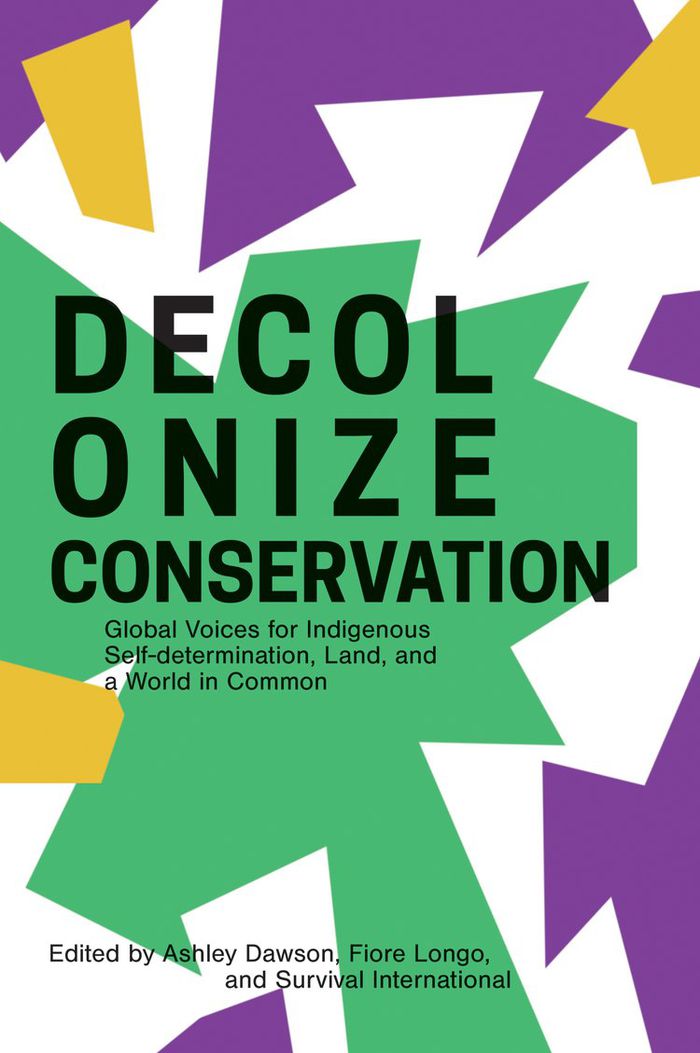
Decolonize conservation: Global voices for indigenous self-determination, land, and a world in common
Actions:
Prix:
$33.95
(disponible en magasin)
Résumé:
With a deep anticolonial and antiracist critique of what “conservation” currently is, this volume presents an alternative vision—one already working—of the most effective and just way to fight against biodiversity loss and climate change. This powerful collection of voices takes us to the heart of the climate justice movement and the struggle for life and land across the globe. With Indigenous Peoples and their rights at its center, the book exposes the brutal and deadly realities of colonial and racist conservation for people around the world, while revealing the problems of current climate policy approaches that do nothing to tackle the real causes of environmental destruction.
Classification:
livres
livres
Publication:
mai 2023
mai 2023


