


450 Résultats
Classification:
livres
livres
Actions:
Prix:
$52.00
(disponible en magasin)
Résumé:
Building in existing fabric conserves resources, saves energy, and reduces carbon emissions – good reasons to choose conversion over new build. Yet there is another, less tangible dimension: time. With additions and adaptations, patina and cracks, it leaves its mark and stores memories in the buildings. To carry these stories forward requires sensitivity to materials,(...)
$52.00
(disponible en magasin)
Résumé:
Building in existing fabric conserves resources, saves energy, and reduces carbon emissions – good reasons to choose conversion over new build. Yet there is another, less tangible dimension: time. With additions and adaptations, patina and cracks, it leaves its mark and stores memories in the buildings. To carry these stories forward requires sensitivity to materials,(...)
Titre:
Detail 11 2025 : Building in existing contexts
Actions:
Prix:
$52.00
(disponible en magasin)
Résumé:
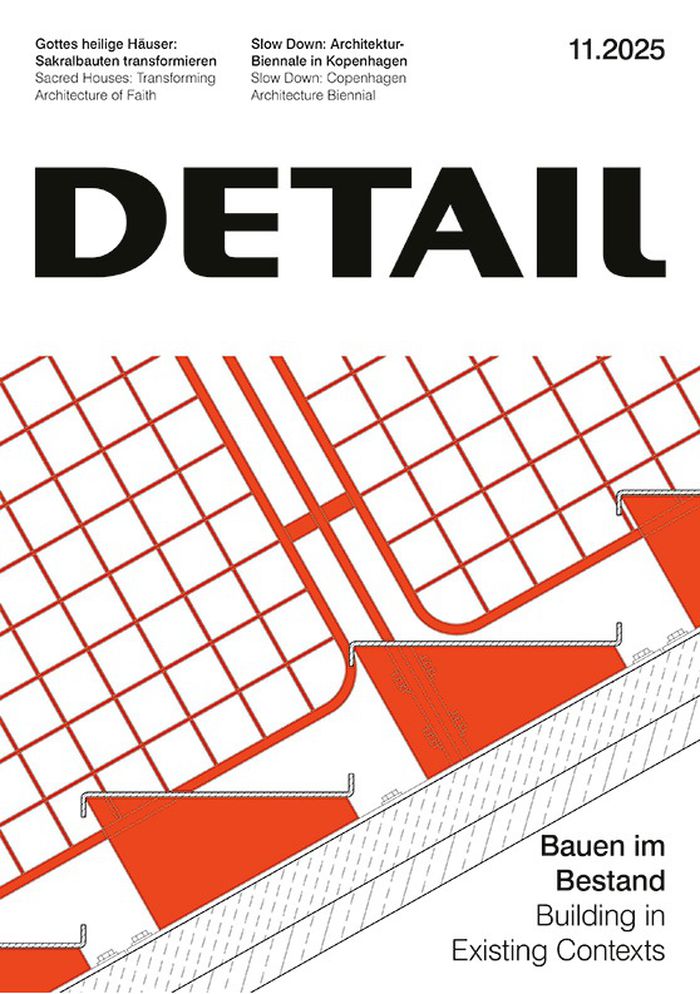
Building in existing fabric conserves resources, saves energy, and reduces carbon emissions – good reasons to choose conversion over new build. Yet there is another, less tangible dimension: time. With additions and adaptations, patina and cracks, it leaves its mark and stores memories in the buildings. To carry these stories forward requires sensitivity to materials, spaces, and histories. Deciding what remains and what is replaced demands careful judgment. Some interventions are so discreet that only trained eyes notice them, often compared by architects to the restoration of a classic car. Others are more radical: ceiling panels titled and set diagonally into a room, or large atriums cut into the existing architecture. At times, we may need to rethink our ingrained aesthetics and ask whether materials with a problematic reputation – such as fibre cement panels (Eternit) – can still be used, or whether cut edges might be left uncovered.
Detail 11 2025 : Building in existing contexts
Actions:
Prix:
$52.00
(disponible en magasin)
Résumé:
Building in existing fabric conserves resources, saves energy, and reduces carbon emissions – good reasons to choose conversion over new build. Yet there is another, less tangible dimension: time. With additions and adaptations, patina and cracks, it leaves its mark and stores memories in the buildings. To carry these stories forward requires sensitivity to materials, spaces, and histories. Deciding what remains and what is replaced demands careful judgment. Some interventions are so discreet that only trained eyes notice them, often compared by architects to the restoration of a classic car. Others are more radical: ceiling panels titled and set diagonally into a room, or large atriums cut into the existing architecture. At times, we may need to rethink our ingrained aesthetics and ask whether materials with a problematic reputation – such as fibre cement panels (Eternit) – can still be used, or whether cut edges might be left uncovered.
Classification:
livres
livres
Publication:
novembre 2025
novembre 2025
Sujet:
Revues
Revues
Classification:
livres
livres
Actions:
Prix:
$21.95
(disponible sur commande)
Résumé:
Air conditioning aspires to be unnoticed. Yet, by manipulating the air around us, it quietly conditions the baseline conditions of our physical, mental, and emotional experience. From offices and libraries to contemporary art museums and shopping malls, climate control systems shore up the fantasy of a comfortable, self-contained body that does not have to reckon with(...)
$21.95
(disponible sur commande)
Résumé:
Air conditioning aspires to be unnoticed. Yet, by manipulating the air around us, it quietly conditions the baseline conditions of our physical, mental, and emotional experience. From offices and libraries to contemporary art museums and shopping malls, climate control systems shore up the fantasy of a comfortable, self-contained body that does not have to reckon with(...)
Titre:
Air-conditioning: Object lessons
Actions:
Prix:
$21.95
(disponible sur commande)
Résumé:
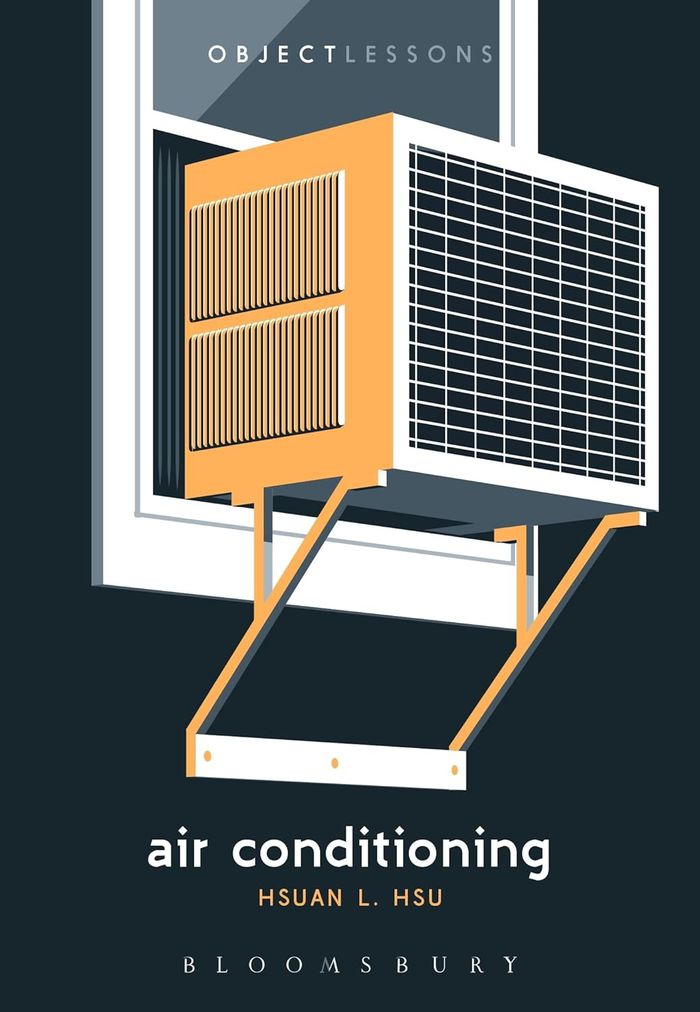
Air conditioning aspires to be unnoticed. Yet, by manipulating the air around us, it quietly conditions the baseline conditions of our physical, mental, and emotional experience. From offices and libraries to contemporary art museums and shopping malls, climate control systems shore up the fantasy of a comfortable, self-contained body that does not have to reckon with temperature. At the same time that air conditioning makes temperature a non-issue in (some) people's daily lives, thermoception-or the sensory perception of temperature-is being carefully studied and exploited as a tool of marketing, social control, and labor management. Yet air conditioning isn't for everybody: its reliance on carbon fuels divides the world into habitable, climate-controlled bubbles and increasingly uninhabitable environments where AC is unavailable. Hsuan Hsu's "Air conditioning" explores questions about culture, ethics, ecology, and social justice raised by the history and uneven distribution of climate controlling technologies.
Air-conditioning: Object lessons
Actions:
Prix:
$21.95
(disponible sur commande)
Résumé:
Air conditioning aspires to be unnoticed. Yet, by manipulating the air around us, it quietly conditions the baseline conditions of our physical, mental, and emotional experience. From offices and libraries to contemporary art museums and shopping malls, climate control systems shore up the fantasy of a comfortable, self-contained body that does not have to reckon with temperature. At the same time that air conditioning makes temperature a non-issue in (some) people's daily lives, thermoception-or the sensory perception of temperature-is being carefully studied and exploited as a tool of marketing, social control, and labor management. Yet air conditioning isn't for everybody: its reliance on carbon fuels divides the world into habitable, climate-controlled bubbles and increasingly uninhabitable environments where AC is unavailable. Hsuan Hsu's "Air conditioning" explores questions about culture, ethics, ecology, and social justice raised by the history and uneven distribution of climate controlling technologies.
Classification:
livres
livres
Publication:
février 2024
février 2024
Classification:
livres
livres
Prix:
$31.50
(disponible sur commande)
Résumé:
Are we deranged? The acclaimed Indian novelist Amitav Ghosh argues that future generations may well think so. How else to explain our imaginative failure in the face of global warming? In his first major book of nonfiction since In an Antique Land, Ghosh examines our inability—at the level of literature, history, and politics—to grasp the scale and violence of climate(...)
$31.50
(disponible sur commande)
Résumé:
Are we deranged? The acclaimed Indian novelist Amitav Ghosh argues that future generations may well think so. How else to explain our imaginative failure in the face of global warming? In his first major book of nonfiction since In an Antique Land, Ghosh examines our inability—at the level of literature, history, and politics—to grasp the scale and violence of climate(...)
Titre:
The great derangement: climate change and the unthinkable
Actions:
Prix:
$31.50
(disponible sur commande)
Résumé:
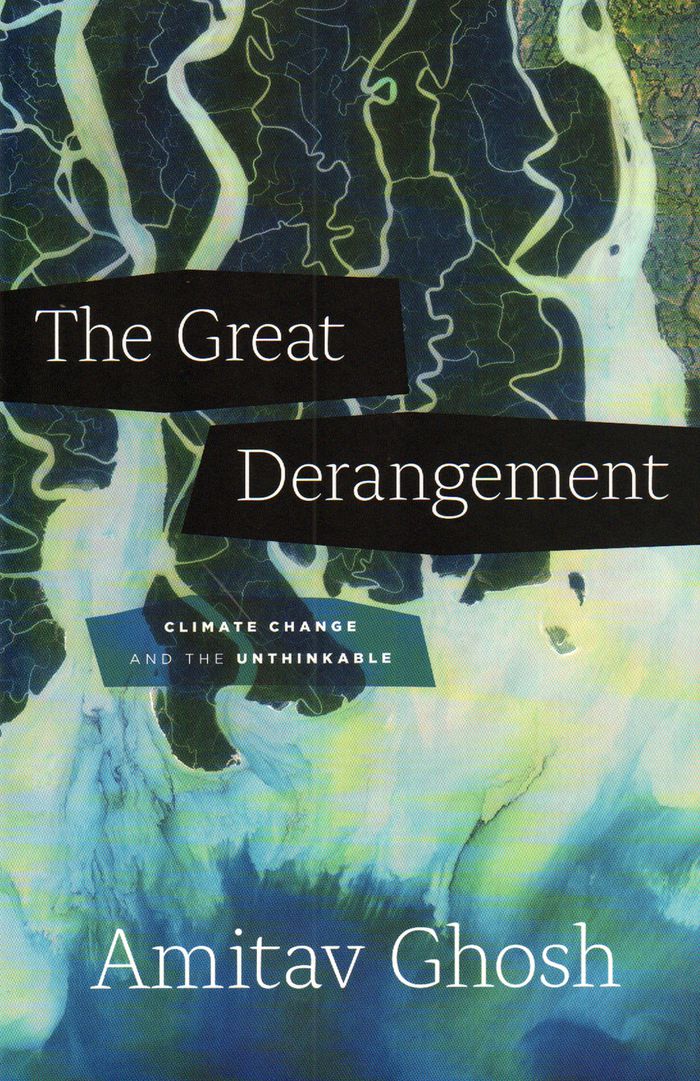
Are we deranged? The acclaimed Indian novelist Amitav Ghosh argues that future generations may well think so. How else to explain our imaginative failure in the face of global warming? In his first major book of nonfiction since In an Antique Land, Ghosh examines our inability—at the level of literature, history, and politics—to grasp the scale and violence of climate change. The extreme nature of today’s climate events, Ghosh asserts, make them peculiarly resistant to contemporary modes of thinking and imagining. This is particularly true of serious literary fiction: hundred-year storms and freakish tornadoes simply feel too improbable for the novel; they are automatically consigned to other genres. In the writing of history, too, the climate crisis has sometimes led to gross simplifications; Ghosh shows that the history of the carbon economy is a tangled global story with many contradictory and counterintuitive elements.
The great derangement: climate change and the unthinkable
Actions:
Prix:
$31.50
(disponible sur commande)
Résumé:
Are we deranged? The acclaimed Indian novelist Amitav Ghosh argues that future generations may well think so. How else to explain our imaginative failure in the face of global warming? In his first major book of nonfiction since In an Antique Land, Ghosh examines our inability—at the level of literature, history, and politics—to grasp the scale and violence of climate change. The extreme nature of today’s climate events, Ghosh asserts, make them peculiarly resistant to contemporary modes of thinking and imagining. This is particularly true of serious literary fiction: hundred-year storms and freakish tornadoes simply feel too improbable for the novel; they are automatically consigned to other genres. In the writing of history, too, the climate crisis has sometimes led to gross simplifications; Ghosh shows that the history of the carbon economy is a tangled global story with many contradictory and counterintuitive elements.
Classification:
livres
livres
Publication:
septembre 2016
septembre 2016
Classification:
livres
livres
Prix:
$70.00
(disponible sur commande)
Résumé:
" Techno textiles 2 " explores an exciting area of art, design and technology that defines 21st-century way of life. Here are new textiles for fabrics that shrink or expand to fit; textiles developed from carbon, steel, glass and ceramics; materials that protect the wearer from every environmental extreme, anywhere on earth or in space. So far and so fast has textile(...)
$70.00
(disponible sur commande)
Résumé:
" Techno textiles 2 " explores an exciting area of art, design and technology that defines 21st-century way of life. Here are new textiles for fabrics that shrink or expand to fit; textiles developed from carbon, steel, glass and ceramics; materials that protect the wearer from every environmental extreme, anywhere on earth or in space. So far and so fast has textile(...)
Titre:
Techno textiles 2 : revolutionary fabrics for fashion and design
Actions:
Prix:
$70.00
(disponible sur commande)
Résumé:
" Techno textiles 2 " explores an exciting area of art, design and technology that defines 21st-century way of life. Here are new textiles for fabrics that shrink or expand to fit; textiles developed from carbon, steel, glass and ceramics; materials that protect the wearer from every environmental extreme, anywhere on earth or in space. So far and so fast has textile technology developed in the last five or so years that many of the ideas flagged in the first edition of " Techno textiles " have now become reality, and countless new ones have been conceived. " Techno Textiles 2 " has been thoroughly revised and updated to showcase the latest developments in the field, and includes 80 per cent new illustrations, all in colour. The book is divided into three sections : "Innovations" which explores how the newest textiles are dreamt up and made. "Applications" – from fashion and design, to architecture and art. "Reference" which includes a glossary, biographies, directories of addresses and public collections, and an extensive bibliography.
Techno textiles 2 : revolutionary fabrics for fashion and design
Actions:
Prix:
$70.00
(disponible sur commande)
Résumé:
" Techno textiles 2 " explores an exciting area of art, design and technology that defines 21st-century way of life. Here are new textiles for fabrics that shrink or expand to fit; textiles developed from carbon, steel, glass and ceramics; materials that protect the wearer from every environmental extreme, anywhere on earth or in space. So far and so fast has textile technology developed in the last five or so years that many of the ideas flagged in the first edition of " Techno textiles " have now become reality, and countless new ones have been conceived. " Techno Textiles 2 " has been thoroughly revised and updated to showcase the latest developments in the field, and includes 80 per cent new illustrations, all in colour. The book is divided into three sections : "Innovations" which explores how the newest textiles are dreamt up and made. "Applications" – from fashion and design, to architecture and art. "Reference" which includes a glossary, biographies, directories of addresses and public collections, and an extensive bibliography.
Classification:
livres
livres
Publication:
mars 2006, New York
mars 2006, New York
Sujet:
Matériaux et éclairage
Matériaux et éclairage
Classification:
livres
livres
Titre:
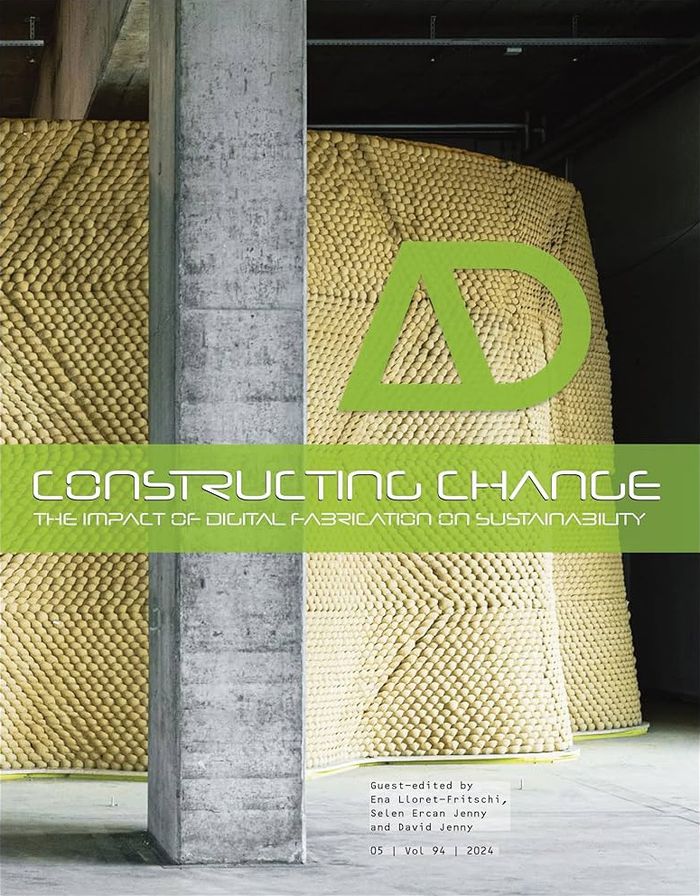
AD 94:05 Constructing change
AD 94:05 Constructing change
Actions:
Prix:
$54.00
(disponible sur commande)
Résumé:
Every year, nearly 100 billion tonnes of raw material globally is extracted from the earth – approximately half of it for construction purposes. The construction industry is responsible for an estimated third of global waste, while reuse of construction materials is not increasing fast enough. The same sector accounts for at least 40 per cent of global carbon-dioxide(...)
$54.00
(disponible sur commande)
Résumé:
Every year, nearly 100 billion tonnes of raw material globally is extracted from the earth – approximately half of it for construction purposes. The construction industry is responsible for an estimated third of global waste, while reuse of construction materials is not increasing fast enough. The same sector accounts for at least 40 per cent of global carbon-dioxide(...)
Titre:
AD 94:05 Constructing change
Actions:
Prix:
$54.00
(disponible sur commande)
Résumé:
Every year, nearly 100 billion tonnes of raw material globally is extracted from the earth – approximately half of it for construction purposes. The construction industry is responsible for an estimated third of global waste, while reuse of construction materials is not increasing fast enough. The same sector accounts for at least 40 per cent of global carbon-dioxide emissions. There is thus an urgent need to showcase how novel approaches in digital fabrication might be able to enhance thesustainability of buildings and transform construction. Featuring specialists from architecture, engineering and materials science, this AD presents innovative research and new construction systems, approaches and trends to demonstrate how existing methods and unique concepts that utilise cutting-edge technologies can, in a short space of time, help us advance towards a culture of sustainable construction. It focuses on digital design and manufacturing, including XR technologies, and highlights unique ways to build with earth or concrete.
AD 94:05 Constructing change
Actions:
Prix:
$54.00
(disponible sur commande)
Résumé:
Every year, nearly 100 billion tonnes of raw material globally is extracted from the earth – approximately half of it for construction purposes. The construction industry is responsible for an estimated third of global waste, while reuse of construction materials is not increasing fast enough. The same sector accounts for at least 40 per cent of global carbon-dioxide emissions. There is thus an urgent need to showcase how novel approaches in digital fabrication might be able to enhance thesustainability of buildings and transform construction. Featuring specialists from architecture, engineering and materials science, this AD presents innovative research and new construction systems, approaches and trends to demonstrate how existing methods and unique concepts that utilise cutting-edge technologies can, in a short space of time, help us advance towards a culture of sustainable construction. It focuses on digital design and manufacturing, including XR technologies, and highlights unique ways to build with earth or concrete.
Classification:
livres
livres
Publication:
septembre 2024
septembre 2024
Sujet:
Revues
Revues
Classification:
livres
livres
Actions:
Prix:
$88.95
(disponible sur commande)
Résumé:
The environmental impacts of construction are momentous. How can architects minimise these by making responsible material choices? Material choices have a global impact. The design and construction industry are responsible for 39% of all carbon emissions in the world. Despite the great desire among architects to address this, it can be difficult to compare materials(...)
$88.95
(disponible sur commande)
Résumé:
The environmental impacts of construction are momentous. How can architects minimise these by making responsible material choices? Material choices have a global impact. The design and construction industry are responsible for 39% of all carbon emissions in the world. Despite the great desire among architects to address this, it can be difficult to compare materials(...)
Titre:
Materials: an environmental primer
Actions:
Prix:
$88.95
(disponible sur commande)
Résumé:
The environmental impacts of construction are momentous. How can architects minimise these by making responsible material choices? Material choices have a global impact. The design and construction industry are responsible for 39% of all carbon emissions in the world. Despite the great desire among architects to address this, it can be difficult to compare materials directly, let alone understand the repercussions of selecting materials for use in different parts of a building or of sourcing them from across the world. Showcasing the latest thought leadership from subject experts across the industry, this primer sets out the various considerations and parameters for specifying a particular material. It empowers architects with the knowledge of which materials are available, how best to use them, and what their future holds as the industry continues to innovate. Each chapter will be devoted to a single material and will consider environmental impacts holistically, looking at health and biodiversity impacts, among other issues.
Materials: an environmental primer
Actions:
Prix:
$88.95
(disponible sur commande)
Résumé:
The environmental impacts of construction are momentous. How can architects minimise these by making responsible material choices? Material choices have a global impact. The design and construction industry are responsible for 39% of all carbon emissions in the world. Despite the great desire among architects to address this, it can be difficult to compare materials directly, let alone understand the repercussions of selecting materials for use in different parts of a building or of sourcing them from across the world. Showcasing the latest thought leadership from subject experts across the industry, this primer sets out the various considerations and parameters for specifying a particular material. It empowers architects with the knowledge of which materials are available, how best to use them, and what their future holds as the industry continues to innovate. Each chapter will be devoted to a single material and will consider environmental impacts holistically, looking at health and biodiversity impacts, among other issues.
Classification:
livres
livres
Publication:
mars 2024
mars 2024
Sujet:
Matériaux et éclairage
Matériaux et éclairage
Classification:
livres
livres
Actions:
Prix:
$75.00
(disponible en magasin)
Résumé:
There is a creative explosion of work taking place in architecture and design schools exploring materials such as mycelium, clay/earth, engineered timber, bio-based plastics and algae. This handbook of low- and no-carbon materials for architects and designers focuses on sustainable materials, their sourcing, technical properties and the processes required for their use in(...)
$75.00
(disponible en magasin)
Résumé:
There is a creative explosion of work taking place in architecture and design schools exploring materials such as mycelium, clay/earth, engineered timber, bio-based plastics and algae. This handbook of low- and no-carbon materials for architects and designers focuses on sustainable materials, their sourcing, technical properties and the processes required for their use in(...)
Titre:
Sustainable and Regenerative Materials for Architecture: A Sourcebook
Actions:
Prix:
$75.00
(disponible en magasin)
Résumé:
There is a creative explosion of work taking place in architecture and design schools exploring materials such as mycelium, clay/earth, engineered timber, bio-based plastics and algae. This handbook of low- and no-carbon materials for architects and designers focuses on sustainable materials, their sourcing, technical properties and the processes required for their use in architecture. The book showcases new and rediscovered processes for material fabrication, responsible sourcing and creative material design. Material properties (structural, thermal, fire, health and life safety) are described and case studies from around the world illustrate the inventive ways in which these materials have been deployed in the built environment. The book is designed as an introduction to the exciting and rapidly changing world of construction materials. With a better understanding of the social, environmental and economic sustainability of any given material - alongside its technical properties - students of architecture can lead the change in responsible and creative material use.
Sustainable and Regenerative Materials for Architecture: A Sourcebook
Actions:
Prix:
$75.00
(disponible en magasin)
Résumé:
There is a creative explosion of work taking place in architecture and design schools exploring materials such as mycelium, clay/earth, engineered timber, bio-based plastics and algae. This handbook of low- and no-carbon materials for architects and designers focuses on sustainable materials, their sourcing, technical properties and the processes required for their use in architecture. The book showcases new and rediscovered processes for material fabrication, responsible sourcing and creative material design. Material properties (structural, thermal, fire, health and life safety) are described and case studies from around the world illustrate the inventive ways in which these materials have been deployed in the built environment. The book is designed as an introduction to the exciting and rapidly changing world of construction materials. With a better understanding of the social, environmental and economic sustainability of any given material - alongside its technical properties - students of architecture can lead the change in responsible and creative material use.
Classification:
livres
livres
Publication:
février 2025
février 2025
Sujet:
Architecture écologique
Architecture écologique
Classification:
livres
livres
Actions:
Prix:
$32.00
(disponible sur commande)
Résumé:
When the “sharing economy” launched a decade ago, proponents claimed that it would transform the experience of work—giving earners flexibility, autonomy, and a decent income. It was touted as a cure for social isolation and rampant ecological degradation. But this novel form of work soon sprouted a dark side: exploited Uber drivers, neighborhoods ruined by Airbnb, racial(...)
$32.00
(disponible sur commande)
Résumé:
When the “sharing economy” launched a decade ago, proponents claimed that it would transform the experience of work—giving earners flexibility, autonomy, and a decent income. It was touted as a cure for social isolation and rampant ecological degradation. But this novel form of work soon sprouted a dark side: exploited Uber drivers, neighborhoods ruined by Airbnb, racial(...)
Titre:
After the gig: how the sharing economy got hijacked, and how to win it back
Actions:
Prix:
$32.00
(disponible sur commande)
Résumé:
When the “sharing economy” launched a decade ago, proponents claimed that it would transform the experience of work—giving earners flexibility, autonomy, and a decent income. It was touted as a cure for social isolation and rampant ecological degradation. But this novel form of work soon sprouted a dark side: exploited Uber drivers, neighborhoods ruined by Airbnb, racial discrimination, and rising carbon emissions. Several of the most prominent platforms are now faced with existential crises as they prioritize growth over fairness and long-term viability. Based on nearly a decade of pioneering research, this publication dives into what went wrong with this contemporary reimagining of labor. It examines multiple types of data from thirteen cases to identify the unique features and potential of sharing platforms that prior research has failed to pinpoint. Juliet B. Schor presents a compelling argument that we can engineer a reboot: through regulatory reforms and cooperative platforms owned and controlled by users, an equitable and truly shared economy is still possible.
After the gig: how the sharing economy got hijacked, and how to win it back
Actions:
Prix:
$32.00
(disponible sur commande)
Résumé:
When the “sharing economy” launched a decade ago, proponents claimed that it would transform the experience of work—giving earners flexibility, autonomy, and a decent income. It was touted as a cure for social isolation and rampant ecological degradation. But this novel form of work soon sprouted a dark side: exploited Uber drivers, neighborhoods ruined by Airbnb, racial discrimination, and rising carbon emissions. Several of the most prominent platforms are now faced with existential crises as they prioritize growth over fairness and long-term viability. Based on nearly a decade of pioneering research, this publication dives into what went wrong with this contemporary reimagining of labor. It examines multiple types of data from thirteen cases to identify the unique features and potential of sharing platforms that prior research has failed to pinpoint. Juliet B. Schor presents a compelling argument that we can engineer a reboot: through regulatory reforms and cooperative platforms owned and controlled by users, an equitable and truly shared economy is still possible.
Classification:
livres
livres
Publication:
juillet 2021
juillet 2021
Sujet:
Théorie/ philosophie
Théorie/ philosophie
Classification:
livres
livres
Prix:
$66.95
(disponible en magasin)
Résumé:
Bringing together real-world examples, "Architecture and energy" offers starting points for how to approach construction today and into the future. The energy requirements of buildings are enormous, resulting in a significant proportion of global carbon dioxide emissions, both in the construction phase and during the building’s use and eventual demolition. In an era of(...)
$66.95
(disponible en magasin)
Résumé:
Bringing together real-world examples, "Architecture and energy" offers starting points for how to approach construction today and into the future. The energy requirements of buildings are enormous, resulting in a significant proportion of global carbon dioxide emissions, both in the construction phase and during the building’s use and eventual demolition. In an era of(...)
Titre:
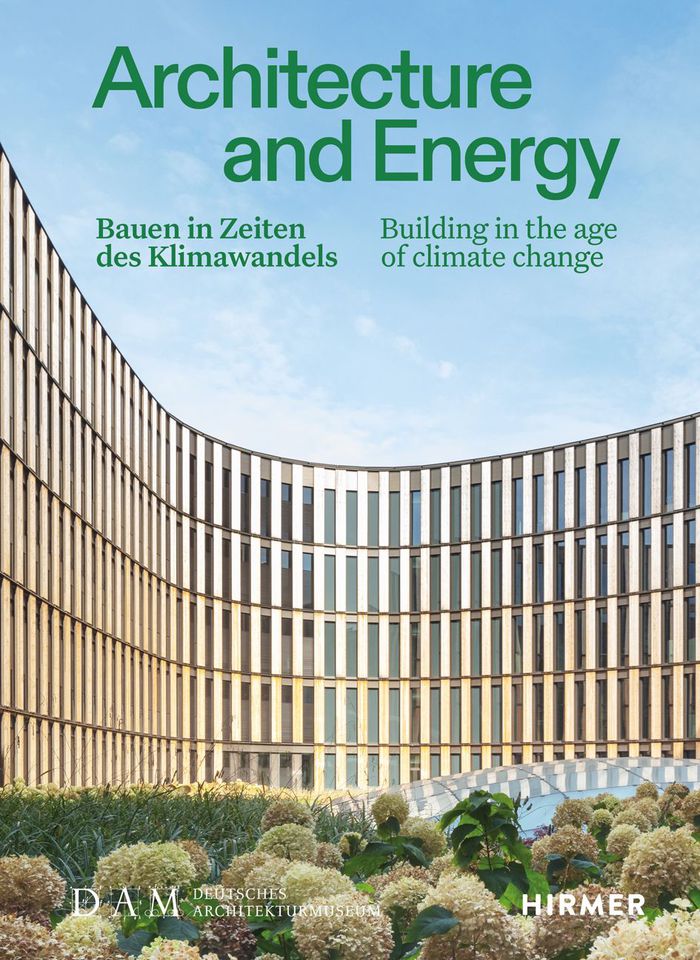
Architecture and energy: Building in the age of climate change
Actions:
Prix:
$66.95
(disponible en magasin)
Résumé:
Bringing together real-world examples, "Architecture and energy" offers starting points for how to approach construction today and into the future. The energy requirements of buildings are enormous, resulting in a significant proportion of global carbon dioxide emissions, both in the construction phase and during the building’s use and eventual demolition. In an era of energy transition and extreme weather phenomena, the question of how we build in a time of climate change becomes all the more urgent. A sustainably-built wood and concrete supermarket that includes a roof farm, a kindergarten constructed from locally sourced recycled materials, renovating an office building so that it can remove its air conditioning and ventilation systems: in addition to the choice of materials and innovative operating concepts, the possibilities for reducing emissions and energy requirements lie above all in thinking about the entire life cycle of a building, including refurbishing rather than new construction when possible. This volume presents international best-practice projects characterized by sustainable design and provides forward-looking answers.
Architecture and energy: Building in the age of climate change
Actions:
Prix:
$66.95
(disponible en magasin)
Résumé:
Bringing together real-world examples, "Architecture and energy" offers starting points for how to approach construction today and into the future. The energy requirements of buildings are enormous, resulting in a significant proportion of global carbon dioxide emissions, both in the construction phase and during the building’s use and eventual demolition. In an era of energy transition and extreme weather phenomena, the question of how we build in a time of climate change becomes all the more urgent. A sustainably-built wood and concrete supermarket that includes a roof farm, a kindergarten constructed from locally sourced recycled materials, renovating an office building so that it can remove its air conditioning and ventilation systems: in addition to the choice of materials and innovative operating concepts, the possibilities for reducing emissions and energy requirements lie above all in thinking about the entire life cycle of a building, including refurbishing rather than new construction when possible. This volume presents international best-practice projects characterized by sustainable design and provides forward-looking answers.
Classification:
livres
livres
Publication:
juillet 2025
juillet 2025
Sujet:
Architecture écologique
Architecture écologique
Classification:
livres
livres
Actions:
Prix:
$100.00
(disponible en magasin)
Résumé:
This volume presents a new collection of Takada’s most recent projects, pushing further his continuing reflections on reconnecting the natural world with the built environment. Featuring breathtaking photography of his buildings and interiors, along with sketches and nature-inspired imagery, the book guides readers through Takada’s global work and innovations. The climate(...)
$100.00
(disponible en magasin)
Résumé:
This volume presents a new collection of Takada’s most recent projects, pushing further his continuing reflections on reconnecting the natural world with the built environment. Featuring breathtaking photography of his buildings and interiors, along with sketches and nature-inspired imagery, the book guides readers through Takada’s global work and innovations. The climate(...)
Titre:
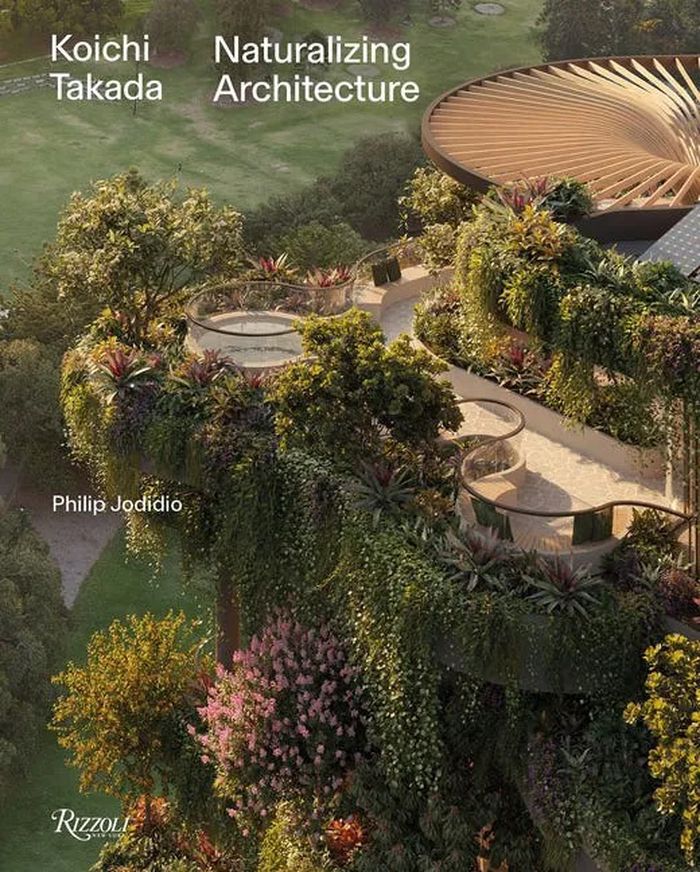
Koichi Takada: Naturalizing architecture
Actions:
Prix:
$100.00
(disponible en magasin)
Résumé:
This volume presents a new collection of Takada’s most recent projects, pushing further his continuing reflections on reconnecting the natural world with the built environment. Featuring breathtaking photography of his buildings and interiors, along with sketches and nature-inspired imagery, the book guides readers through Takada’s global work and innovations. The climate positive residence Sunflower House in Italy has a rotating roof and floors to manage sun exposure and heat gain; the Landmark by Lexus pavilion in Melbourne has 1,000 native Australian plants growing on its facade that granted it a carbon neutral certification; the Palm Frond Retreat at Balmoral Beach in Australia is designed for the inhabitants to use different parts of the house depending on the season and time of day, creating positive impact within homes. Each project illustrates Takada’s study of how the present ecological constrains weigh on the architectural design processes and how the reality of our densely built habitats changes the perception we have of buildings and cities, offering a compelling look at environmentally conscious architecture today and to the future evolution of the practice.
Koichi Takada: Naturalizing architecture
Actions:
Prix:
$100.00
(disponible en magasin)
Résumé:
This volume presents a new collection of Takada’s most recent projects, pushing further his continuing reflections on reconnecting the natural world with the built environment. Featuring breathtaking photography of his buildings and interiors, along with sketches and nature-inspired imagery, the book guides readers through Takada’s global work and innovations. The climate positive residence Sunflower House in Italy has a rotating roof and floors to manage sun exposure and heat gain; the Landmark by Lexus pavilion in Melbourne has 1,000 native Australian plants growing on its facade that granted it a carbon neutral certification; the Palm Frond Retreat at Balmoral Beach in Australia is designed for the inhabitants to use different parts of the house depending on the season and time of day, creating positive impact within homes. Each project illustrates Takada’s study of how the present ecological constrains weigh on the architectural design processes and how the reality of our densely built habitats changes the perception we have of buildings and cities, offering a compelling look at environmentally conscious architecture today and to the future evolution of the practice.
Classification:
livres
livres
Publication:
octobre 2025
octobre 2025
Sujet:
Architecture, monographies
Architecture, monographies


