


435 Résultats
Classification:
livres
livres
Titre:
Globus cassus
Globus cassus
Actions:
Prix:
$45.95
(disponible sur commande)
Résumé:
Part flight of fancy, part Star Trek set, part seemingly drug-induced delusion, Globus Cassus is a solution to a global dilemma, which remains the same size while housing an ever-increasing global population. The catalyst for the project as described by its creator, artist Christian Waldvogel: "The rapidly increasing population notice that their planet will soon be too(...)
$45.95
(disponible sur commande)
Résumé:
Part flight of fancy, part Star Trek set, part seemingly drug-induced delusion, Globus Cassus is a solution to a global dilemma, which remains the same size while housing an ever-increasing global population. The catalyst for the project as described by its creator, artist Christian Waldvogel: "The rapidly increasing population notice that their planet will soon be too(...)
Sujet:
Théorie de l’art
Théorie de l’art
Publication:
mars 2005, Baden
mars 2005, Baden
Titre:
Globus cassus
Actions:
Prix:
$45.95
(disponible sur commande)
Résumé:
Part flight of fancy, part Star Trek set, part seemingly drug-induced delusion, Globus Cassus is a solution to a global dilemma, which remains the same size while housing an ever-increasing global population. The catalyst for the project as described by its creator, artist Christian Waldvogel: "The rapidly increasing population notice that their planet will soon be too small. The Earth is dismantled to provide building material. This is taken away to create Globus Cassus, a new, much bigger habitat, thought out from scratch." And so begins the story of converting the Earth into a gigantic hollow structure. The project, precisely worked out and described in detail, breaks through the bounds of architecture to continue the story of our great contemporary Utopias. Globus Cassus is the core of the Swiss contribution to the 9th Architecture Biennale in Venice, and this book examines the novel project through a series of drawings, diagrams, and photographs of three-dimensional models.
Globus cassus
Actions:
Prix:
$45.95
(disponible sur commande)
Résumé:
Part flight of fancy, part Star Trek set, part seemingly drug-induced delusion, Globus Cassus is a solution to a global dilemma, which remains the same size while housing an ever-increasing global population. The catalyst for the project as described by its creator, artist Christian Waldvogel: "The rapidly increasing population notice that their planet will soon be too small. The Earth is dismantled to provide building material. This is taken away to create Globus Cassus, a new, much bigger habitat, thought out from scratch." And so begins the story of converting the Earth into a gigantic hollow structure. The project, precisely worked out and described in detail, breaks through the bounds of architecture to continue the story of our great contemporary Utopias. Globus Cassus is the core of the Swiss contribution to the 9th Architecture Biennale in Venice, and this book examines the novel project through a series of drawings, diagrams, and photographs of three-dimensional models.
Classification:
livres
livres
Publication:
mars 2005, Baden
mars 2005, Baden
Sujet:
Théorie de l’art
Théorie de l’art
Classification:
périodiques
périodiques
Titre:
Cabinet 30: The Underground
Cabinet 30: The Underground
Actions:
Prix:
$13.00
(disponible en magasin)
Résumé:
Site of hidden infrastructure, source of material and energy, home to clandestine activity, buried landscape of darkness and silence: the physical and emotional space of the underground is at once prosaic and uncanny, rich with both functional potential and metaphorical meaning. Cabinet issue 30, with its special section on The Underground, features Irene Cheng on Thomas(...)
$13.00
(disponible en magasin)
Résumé:
Site of hidden infrastructure, source of material and energy, home to clandestine activity, buried landscape of darkness and silence: the physical and emotional space of the underground is at once prosaic and uncanny, rich with both functional potential and metaphorical meaning. Cabinet issue 30, with its special section on The Underground, features Irene Cheng on Thomas(...)
Titre:
Cabinet 30: The Underground
Actions:
Prix:
$13.00
(disponible en magasin)
Résumé:
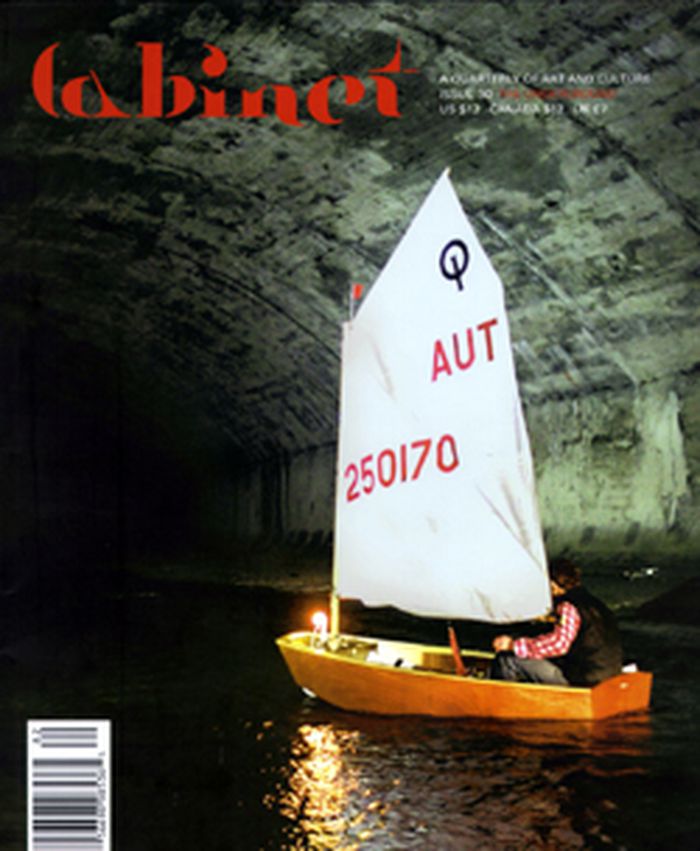
Site of hidden infrastructure, source of material and energy, home to clandestine activity, buried landscape of darkness and silence: the physical and emotional space of the underground is at once prosaic and uncanny, rich with both functional potential and metaphorical meaning. Cabinet issue 30, with its special section on The Underground, features Irene Cheng on Thomas W. Knox's 1876 book Underground, or Life Below the Surface and the vogue for underground tourism; an interview with Michel Siffre, a scientist who spent six months isolated in utter darkness in a cave; Jeffrey Kastner on the metaphor of the mole in revolutionary texts; and essays on the evolution of the mining industry, subterranean storage and political resistance movements. Elsewhere in the issue: Christopher Turner on the history of Day-glo; Christine Wertheim on the fabricated Australian Modernist poet Ern Malley; Tirdad Zolghadr on in-flight magazines; and Moyra Davey on the color maroon. This issue also features artist projects by Josiah McElheny and San Keller.
Cabinet 30: The Underground
Actions:
Prix:
$13.00
(disponible en magasin)
Résumé:
Site of hidden infrastructure, source of material and energy, home to clandestine activity, buried landscape of darkness and silence: the physical and emotional space of the underground is at once prosaic and uncanny, rich with both functional potential and metaphorical meaning. Cabinet issue 30, with its special section on The Underground, features Irene Cheng on Thomas W. Knox's 1876 book Underground, or Life Below the Surface and the vogue for underground tourism; an interview with Michel Siffre, a scientist who spent six months isolated in utter darkness in a cave; Jeffrey Kastner on the metaphor of the mole in revolutionary texts; and essays on the evolution of the mining industry, subterranean storage and political resistance movements. Elsewhere in the issue: Christopher Turner on the history of Day-glo; Christine Wertheim on the fabricated Australian Modernist poet Ern Malley; Tirdad Zolghadr on in-flight magazines; and Moyra Davey on the color maroon. This issue also features artist projects by Josiah McElheny and San Keller.
Classification:
périodiques
périodiques
Publication:
septembre 2008, Brooklyn
septembre 2008, Brooklyn
Sujet:
Revues
Revues
Classification:
livres
livres
Titre:
Dead cities and other tales
Dead cities and other tales
Actions:
Prix:
$44.95
(disponible sur commande)
Résumé:
In his most syncretic writing yet, radical urban theorist Mike Davis explores the combat zone that is contemporary urban America, a ceaseless battle waged both within cities and against nature. Using environmental science as his frame of understanding, Davis examines themes of urban life today—white flight, deindustrialization, housing and job segregation and(...)
$44.95
(disponible sur commande)
Résumé:
In his most syncretic writing yet, radical urban theorist Mike Davis explores the combat zone that is contemporary urban America, a ceaseless battle waged both within cities and against nature. Using environmental science as his frame of understanding, Davis examines themes of urban life today—white flight, deindustrialization, housing and job segregation and(...)
Titre:
Dead cities and other tales
Actions:
Prix:
$44.95
(disponible sur commande)
Résumé:
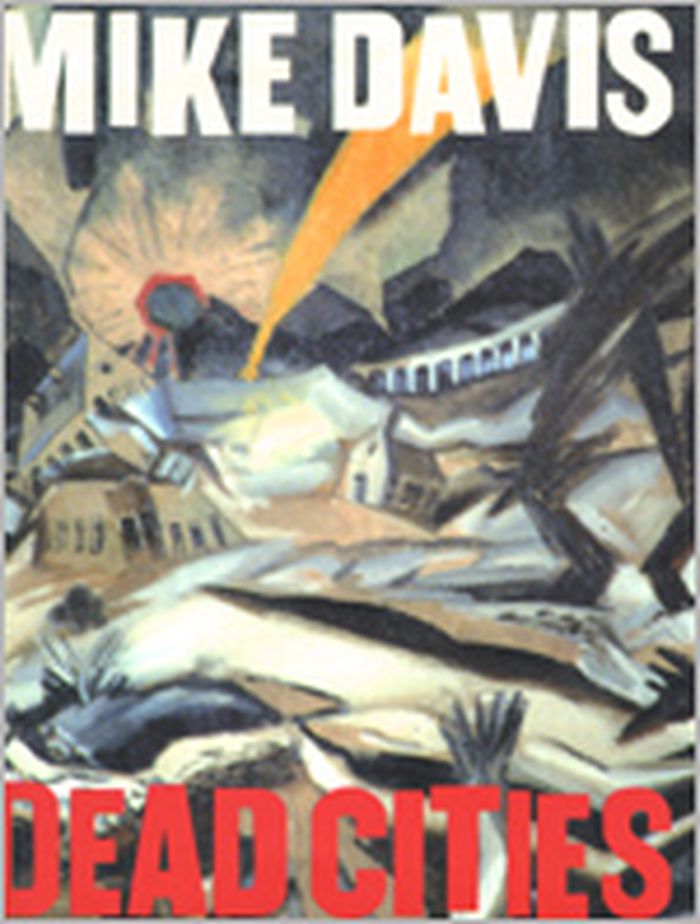
In his most syncretic writing yet, radical urban theorist Mike Davis explores the combat zone that is contemporary urban America, a ceaseless battle waged both within cities and against nature. Using environmental science as his frame of understanding, Davis examines themes of urban life today—white flight, deindustrialization, housing and job segregation and discrimination, and federal policy—and looks at areas he calls "national sacrifice zones," military landscapes that simulated warfare and arms production have rendered uninhabitable. Davis begins our apocalyptically inflected tour with a trip to New York’s Ground Zero. He then takes us to "German Village," a Utah wasteland that was once a test site for Allied science advisors to rehearse the perfect plan for destroying Berlin, and to the diabolic miracle of Las Vegas, where environmental terrorism is practiced in the name of urban development. Davis also hits Los Angeles, the frontline of the "Second Civil War" sparked by American apartheid, and which lies waiting to be ignited in cities across the country.
Dead cities and other tales
Actions:
Prix:
$44.95
(disponible sur commande)
Résumé:
In his most syncretic writing yet, radical urban theorist Mike Davis explores the combat zone that is contemporary urban America, a ceaseless battle waged both within cities and against nature. Using environmental science as his frame of understanding, Davis examines themes of urban life today—white flight, deindustrialization, housing and job segregation and discrimination, and federal policy—and looks at areas he calls "national sacrifice zones," military landscapes that simulated warfare and arms production have rendered uninhabitable. Davis begins our apocalyptically inflected tour with a trip to New York’s Ground Zero. He then takes us to "German Village," a Utah wasteland that was once a test site for Allied science advisors to rehearse the perfect plan for destroying Berlin, and to the diabolic miracle of Las Vegas, where environmental terrorism is practiced in the name of urban development. Davis also hits Los Angeles, the frontline of the "Second Civil War" sparked by American apartheid, and which lies waiting to be ignited in cities across the country.
Classification:
livres
livres
Publication:
septembre 2002, New York
septembre 2002, New York
Sujet:
Théorie de l’urbanisme
Théorie de l’urbanisme
Classification:
livres
livres
Titre:
Cities of change Addis Ababa: transformation strategies for urban territories in the 21st century
Cities of change Addis Ababa: transformation strategies for urban territories in the 21st century
Actions:
Prix:
$63.95
(disponible sur commande)
Résumé:
Economic strengthening and the developments associated with it, such as population growth, rural flight, and the explosive growth of cities, pose enormous challenges for city planners in urban centers throughout the world. But clumsy "test-tube" urban plans like those developed for China in part by German planners have shown that different standards and rules apply in the(...)
$63.95
(disponible sur commande)
Résumé:
Economic strengthening and the developments associated with it, such as population growth, rural flight, and the explosive growth of cities, pose enormous challenges for city planners in urban centers throughout the world. But clumsy "test-tube" urban plans like those developed for China in part by German planners have shown that different standards and rules apply in the(...)
Publication:
décembre 2009
décembre 2009
Titre:
Cities of change Addis Ababa: transformation strategies for urban territories in the 21st century
Actions:
Prix:
$63.95
(disponible sur commande)
Résumé:
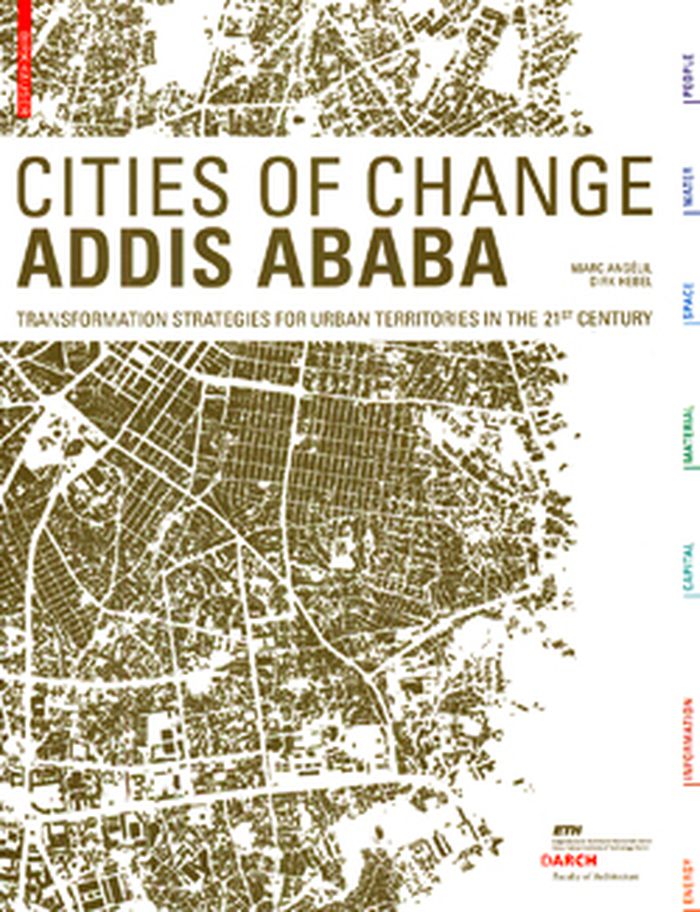
Economic strengthening and the developments associated with it, such as population growth, rural flight, and the explosive growth of cities, pose enormous challenges for city planners in urban centers throughout the world. But clumsy "test-tube" urban plans like those developed for China in part by German planners have shown that different standards and rules apply in the non-European world than in Europe s organically developed urban structures. This manual analyzes contemporary urban phenomena in economic growth regions using the Ethiopian capital city of Addis Abeba as an example, and presents a catalogue of sustainable strategies for city planning practice in the Second and Third Worlds. In the process, it provides planners with generally applicable methods and tools that are usable at the design stage and equip them to develop and deploy dynamic planning and project management processes. To this end, it illuminates such topical subjects as the changing agrarian and industrial landscape, the activation of urban wastelands, and the increasing density of urban hubs. In addition, it uses real projects as examples to highlight avenues for practical implementation.
Cities of change Addis Ababa: transformation strategies for urban territories in the 21st century
Actions:
Prix:
$63.95
(disponible sur commande)
Résumé:
Economic strengthening and the developments associated with it, such as population growth, rural flight, and the explosive growth of cities, pose enormous challenges for city planners in urban centers throughout the world. But clumsy "test-tube" urban plans like those developed for China in part by German planners have shown that different standards and rules apply in the non-European world than in Europe s organically developed urban structures. This manual analyzes contemporary urban phenomena in economic growth regions using the Ethiopian capital city of Addis Abeba as an example, and presents a catalogue of sustainable strategies for city planning practice in the Second and Third Worlds. In the process, it provides planners with generally applicable methods and tools that are usable at the design stage and equip them to develop and deploy dynamic planning and project management processes. To this end, it illuminates such topical subjects as the changing agrarian and industrial landscape, the activation of urban wastelands, and the increasing density of urban hubs. In addition, it uses real projects as examples to highlight avenues for practical implementation.
Classification:
livres
livres
Publication:
décembre 2009
décembre 2009
Classification:
livres
livres

Titre:
Space program
Space program
Actions:
Prix:
$75.00
(disponible sur commande)
Résumé:
For over a decade, Sachs has pondered the technical ingenuity and romance with the unknown that brought America the Apollo program. This publication documents the culmination of his research: the realization of his own life-size Space Program, comprised of three main sculptural elements (Lunar Module, Mission Control, and Space Suit) and a Flight Plan, all put to use(...)
$75.00
(disponible sur commande)
Résumé:
For over a decade, Sachs has pondered the technical ingenuity and romance with the unknown that brought America the Apollo program. This publication documents the culmination of his research: the realization of his own life-size Space Program, comprised of three main sculptural elements (Lunar Module, Mission Control, and Space Suit) and a Flight Plan, all put to use(...)
Titre:
Space program
Actions:
Prix:
$75.00
(disponible sur commande)
Résumé:
For over a decade, Sachs has pondered the technical ingenuity and romance with the unknown that brought America the Apollo program. This publication documents the culmination of his research: the realization of his own life-size Space Program, comprised of three main sculptural elements (Lunar Module, Mission Control, and Space Suit) and a Flight Plan, all put to use during a live demonstration of a lunar landing. In his exuberant manufacture of objects and scenarios, Sachs asks barbed questions of modern creativity that relate to conception, production, consumption, and circulation. Space Program features 797 full-color and 30 black-and-white images; a conversation among Buzz Aldrin, Tom Sachs, and Louise Neri; a critical essay by Arthur C. Danto, contextualizing this work among the artist’s contemporaries; and a comprehensive discussion of the work by Mark Van de Walle. These are accompanied by appendices that provide a full visual and descriptive account of the innumerable components that make up Sachs’s work and illustrate the artist’s related drawings and source materials.
Space program
Actions:
Prix:
$75.00
(disponible sur commande)
Résumé:
For over a decade, Sachs has pondered the technical ingenuity and romance with the unknown that brought America the Apollo program. This publication documents the culmination of his research: the realization of his own life-size Space Program, comprised of three main sculptural elements (Lunar Module, Mission Control, and Space Suit) and a Flight Plan, all put to use during a live demonstration of a lunar landing. In his exuberant manufacture of objects and scenarios, Sachs asks barbed questions of modern creativity that relate to conception, production, consumption, and circulation. Space Program features 797 full-color and 30 black-and-white images; a conversation among Buzz Aldrin, Tom Sachs, and Louise Neri; a critical essay by Arthur C. Danto, contextualizing this work among the artist’s contemporaries; and a comprehensive discussion of the work by Mark Van de Walle. These are accompanied by appendices that provide a full visual and descriptive account of the innumerable components that make up Sachs’s work and illustrate the artist’s related drawings and source materials.
Classification:
livres
livres
Publication:
avril 2009
avril 2009
Classification:
livres
livres
Actions:
Prix:
$37.95
(disponible sur commande)
Résumé:
In The City after Property, Sara Safransky examines how postindustrial decline generates new forms of urban land politics. In the 2010s, Detroit government officials classified a staggering 150,000 lots—more than a third of the city—as “vacant” or “abandoned.” Analyzing subsequent efforts to shrink the Motor City’s footprint and budget, Safransky presents a new way of(...)
$37.95
(disponible sur commande)
Résumé:
In The City after Property, Sara Safransky examines how postindustrial decline generates new forms of urban land politics. In the 2010s, Detroit government officials classified a staggering 150,000 lots—more than a third of the city—as “vacant” or “abandoned.” Analyzing subsequent efforts to shrink the Motor City’s footprint and budget, Safransky presents a new way of(...)
Titre:
The city after property: Abandonment and repair in postindustrial Detroit
Actions:
Prix:
$37.95
(disponible sur commande)
Résumé:
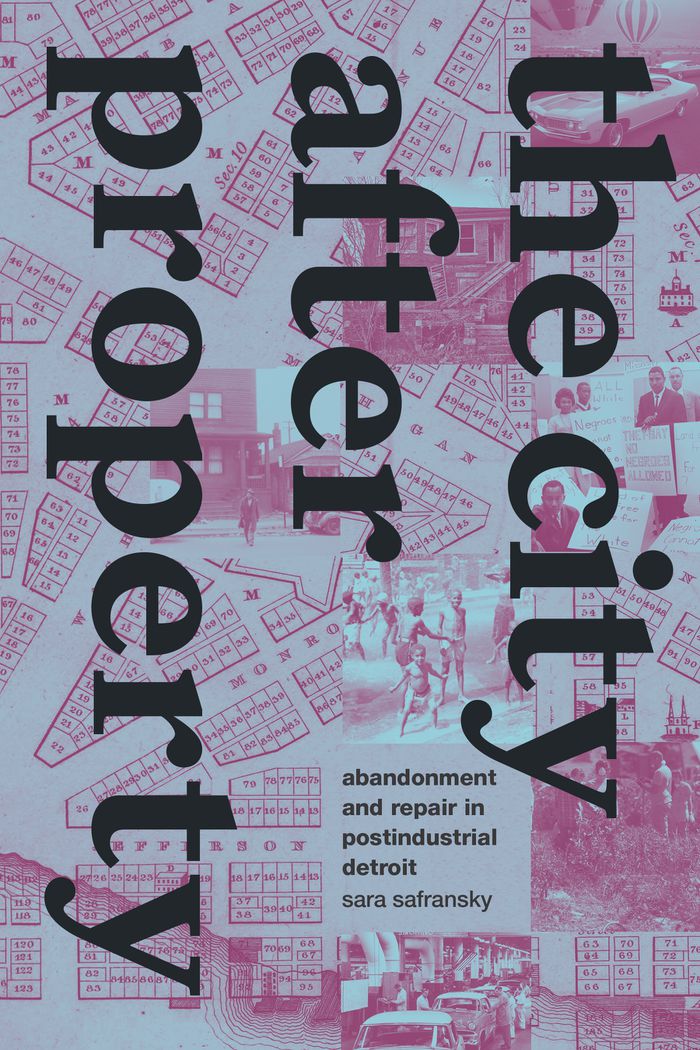
In The City after Property, Sara Safransky examines how postindustrial decline generates new forms of urban land politics. In the 2010s, Detroit government officials classified a staggering 150,000 lots—more than a third of the city—as “vacant” or “abandoned.” Analyzing subsequent efforts to shrink the Motor City’s footprint and budget, Safransky presents a new way of conceptualizing urban abandonment. She challenges popular myths that cast Detroit as empty along with narratives that reduce its historical decline to capital and white flight. In connecting contemporary debates over neoliberal urbanism to Cold War histories and the lasting political legacies of global movements for decolonization and Black liberation, she foregrounds how the making of—and challenges to—modern property regimes have shaped urban policy and politics. Drawing on critical geographical theory and community-based ethnography, Safransky shows how private property functions as a racialized construct, an ideology, and a moral force that shapes selves and worlds. By thinking the city “after property,” Safransky illuminates alternative ways of imagining and organizing urban life.
The city after property: Abandonment and repair in postindustrial Detroit
Actions:
Prix:
$37.95
(disponible sur commande)
Résumé:
In The City after Property, Sara Safransky examines how postindustrial decline generates new forms of urban land politics. In the 2010s, Detroit government officials classified a staggering 150,000 lots—more than a third of the city—as “vacant” or “abandoned.” Analyzing subsequent efforts to shrink the Motor City’s footprint and budget, Safransky presents a new way of conceptualizing urban abandonment. She challenges popular myths that cast Detroit as empty along with narratives that reduce its historical decline to capital and white flight. In connecting contemporary debates over neoliberal urbanism to Cold War histories and the lasting political legacies of global movements for decolonization and Black liberation, she foregrounds how the making of—and challenges to—modern property regimes have shaped urban policy and politics. Drawing on critical geographical theory and community-based ethnography, Safransky shows how private property functions as a racialized construct, an ideology, and a moral force that shapes selves and worlds. By thinking the city “after property,” Safransky illuminates alternative ways of imagining and organizing urban life.
Classification:
livres
livres
Publication:
août 2023
août 2023
Classification:
livres
livres
Titre:
Oil
Oil
Actions:
Prix:
$21.95
(disponible sur commande)
Résumé:
Black gold. Liquid sunlight. Texas tea. Oil remains the ur-commodity of our global era, having been distilled from ancient algae and marine life to turn modernity's wheels. Wars are fought over it. Some communities are displaced by its extraction, so that others may reap its benefits. But despite its heated history, few will ever see oil on the ground. Shrouded within a(...)
$21.95
(disponible sur commande)
Résumé:
Black gold. Liquid sunlight. Texas tea. Oil remains the ur-commodity of our global era, having been distilled from ancient algae and marine life to turn modernity's wheels. Wars are fought over it. Some communities are displaced by its extraction, so that others may reap its benefits. But despite its heated history, few will ever see oil on the ground. Shrouded within a(...)
Titre:
Oil
Actions:
Prix:
$21.95
(disponible sur commande)
Résumé:
Black gold. Liquid sunlight. Texas tea. Oil remains the ur-commodity of our global era, having been distilled from ancient algae and marine life to turn modernity's wheels. Wars are fought over it. Some communities are displaced by its extraction, so that others may reap its benefits. But despite its heated history, few will ever see oil on the ground. Shrouded within a labyrinth of oil fields, pipelines, and manufacturies, it tends to be known only through its magical effects: the thrill of the road, the euphoria of flight, and the metamorphic allure of everything from vinyl records to celluloid film and synthetic clothing. Michael Tondre shows how hydrocarbon became today's pre-eminent power. How did oil come to structure selfhood and social relations? And to what extent is oil not only a commercial product but a cultural one-something shaped by widely imagined dreams and desires? Amid a warming world unleashed by fossil fuels, oil appears as a rich resource for thinking about histories of globalization and technology no less than the energetic underpinnings of literature, film, and art.
Oil
Actions:
Prix:
$21.95
(disponible sur commande)
Résumé:
Black gold. Liquid sunlight. Texas tea. Oil remains the ur-commodity of our global era, having been distilled from ancient algae and marine life to turn modernity's wheels. Wars are fought over it. Some communities are displaced by its extraction, so that others may reap its benefits. But despite its heated history, few will ever see oil on the ground. Shrouded within a labyrinth of oil fields, pipelines, and manufacturies, it tends to be known only through its magical effects: the thrill of the road, the euphoria of flight, and the metamorphic allure of everything from vinyl records to celluloid film and synthetic clothing. Michael Tondre shows how hydrocarbon became today's pre-eminent power. How did oil come to structure selfhood and social relations? And to what extent is oil not only a commercial product but a cultural one-something shaped by widely imagined dreams and desires? Amid a warming world unleashed by fossil fuels, oil appears as a rich resource for thinking about histories of globalization and technology no less than the energetic underpinnings of literature, film, and art.
Classification:
livres
livres
Publication:
novembre 2024
novembre 2024
Sujet:
Théorie/ philosophie
Théorie/ philosophie
Classification:
livres
livres
Prix:
$41.95
(disponible sur commande)
Résumé:
This richly illustrated book chronicles lighter-than-air flight from Archimedes' discovery of the principle of buoyancy to the latest in sport balloons and plans for future airships. Far more than a timeline of events, Lighter Than Air focuses on the people -- flamboyant and daring, heroes and scoundrels -- who made history in the sky. Here are the eighteenth-century(...)
$41.95
(disponible sur commande)
Résumé:
This richly illustrated book chronicles lighter-than-air flight from Archimedes' discovery of the principle of buoyancy to the latest in sport balloons and plans for future airships. Far more than a timeline of events, Lighter Than Air focuses on the people -- flamboyant and daring, heroes and scoundrels -- who made history in the sky. Here are the eighteenth-century(...)
Publication:
avril 2009, Baltimore, Washington
avril 2009, Baltimore, Washington
Titre:
Lighter than air: an illustrated history of balloons and airships
Actions:
Prix:
$41.95
(disponible sur commande)
Résumé:
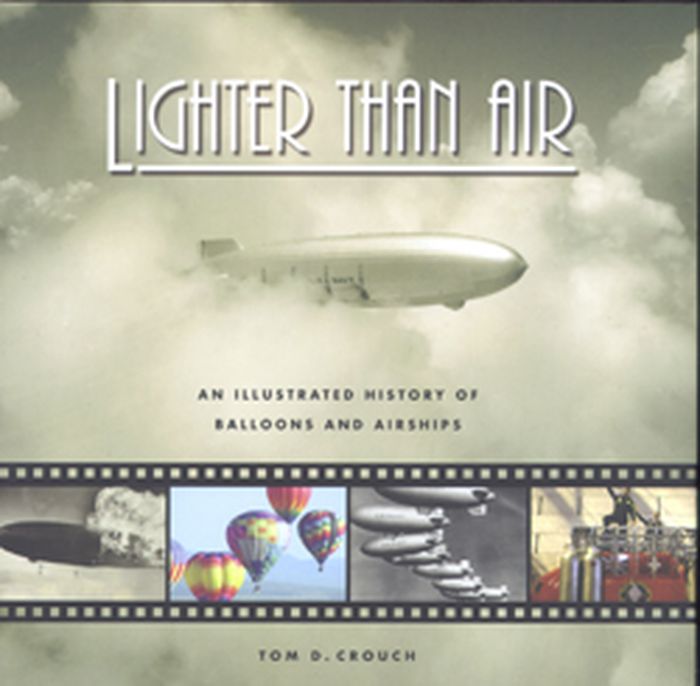
This richly illustrated book chronicles lighter-than-air flight from Archimedes' discovery of the principle of buoyancy to the latest in sport balloons and plans for future airships. Far more than a timeline of events, Lighter Than Air focuses on the people -- flamboyant and daring, heroes and scoundrels -- who made history in the sky. Here are the eighteenth-century pioneers who first took to the skies, the peripatetic aeronauts who criss-crossed two continents a century later, the airmen who manned the great rigid airships, and the intrepid balloonists who flew their craft across oceans and continents in the years following World War II. Tom D. Crouch, senior curator of the Division of Aeronautics at the Smithsonian Institution's National Air and Space Museum, has written and edited over a dozen books, including The Bishop's Boys: A Life of Wilbur and Orville Wright. He has won several major awards for historical writing, including prizes offered by the American Institute of Aeronautics and Astronautics and the Aviation/Space Writers Association.
Lighter than air: an illustrated history of balloons and airships
Actions:
Prix:
$41.95
(disponible sur commande)
Résumé:
This richly illustrated book chronicles lighter-than-air flight from Archimedes' discovery of the principle of buoyancy to the latest in sport balloons and plans for future airships. Far more than a timeline of events, Lighter Than Air focuses on the people -- flamboyant and daring, heroes and scoundrels -- who made history in the sky. Here are the eighteenth-century pioneers who first took to the skies, the peripatetic aeronauts who criss-crossed two continents a century later, the airmen who manned the great rigid airships, and the intrepid balloonists who flew their craft across oceans and continents in the years following World War II. Tom D. Crouch, senior curator of the Division of Aeronautics at the Smithsonian Institution's National Air and Space Museum, has written and edited over a dozen books, including The Bishop's Boys: A Life of Wilbur and Orville Wright. He has won several major awards for historical writing, including prizes offered by the American Institute of Aeronautics and Astronautics and the Aviation/Space Writers Association.
Classification:
livres
livres
Publication:
avril 2009, Baltimore, Washington
avril 2009, Baltimore, Washington
Classification:
livres
livres
Actions:
Prix:
$32.00
(disponible sur commande)
Résumé:
DVD Release Date: June 21, 2009. Kamecke's film could be placed in a time capsule and removed some time in the distant future as an exact record of our feelings at the time." So said Kathleen Carroll of the New York Daily News in 1972. NASA commissioned director Theo Kamecke to make the documentary only six weeks before Apollo 11 s flight to the Moon in July 1969. But(...)
$32.00
(disponible sur commande)
Résumé:
DVD Release Date: June 21, 2009. Kamecke's film could be placed in a time capsule and removed some time in the distant future as an exact record of our feelings at the time." So said Kathleen Carroll of the New York Daily News in 1972. NASA commissioned director Theo Kamecke to make the documentary only six weeks before Apollo 11 s flight to the Moon in July 1969. But(...)
Titre:
Moonwalk one, the director's cut
Actions:
Prix:
$32.00
(disponible sur commande)
Résumé:
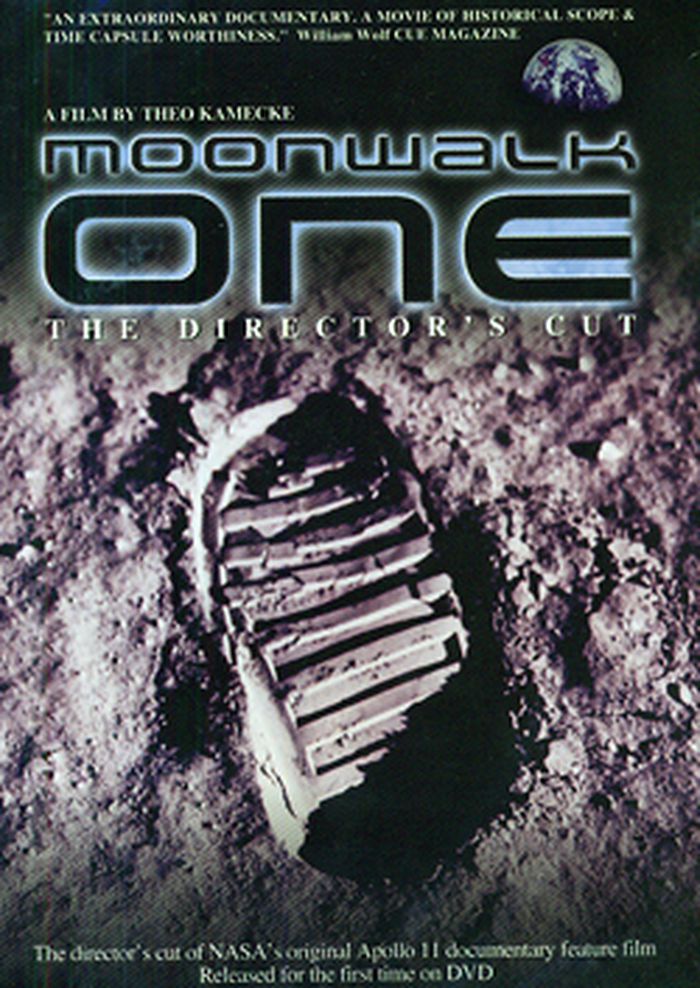
DVD Release Date: June 21, 2009. Kamecke's film could be placed in a time capsule and removed some time in the distant future as an exact record of our feelings at the time." So said Kathleen Carroll of the New York Daily News in 1972. NASA commissioned director Theo Kamecke to make the documentary only six weeks before Apollo 11 s flight to the Moon in July 1969. But instead of a simple documentary film, what transpired was a philosophical and poetic record of Man s first attempt to walk on another world. Opening dramatically with another of mankind s great achievements Stonehenge the film puts the triumph of the Moon shot into its proper historical context. Filmed across the World as the mission unfolded, Moonwalk One uniquely captured the essence of Apollo 11 in a way that subsequent documentaries could only mimic. Combined with Charles Morrow s breathtaking, avant-garde score and Laurence Luckinbill s inspiring narration this is a classic film for all time and makes for fascinating viewing today from the perspective of the early 21st Century. As Joseph Gelmis of the New York daily Newsday declared in 1969; Moonwalk One deserves to be a companion piece to Stanley Kubrik s masterwork 2001: A Space Odyssey .
Moonwalk one, the director's cut
Actions:
Prix:
$32.00
(disponible sur commande)
Résumé:
DVD Release Date: June 21, 2009. Kamecke's film could be placed in a time capsule and removed some time in the distant future as an exact record of our feelings at the time." So said Kathleen Carroll of the New York Daily News in 1972. NASA commissioned director Theo Kamecke to make the documentary only six weeks before Apollo 11 s flight to the Moon in July 1969. But instead of a simple documentary film, what transpired was a philosophical and poetic record of Man s first attempt to walk on another world. Opening dramatically with another of mankind s great achievements Stonehenge the film puts the triumph of the Moon shot into its proper historical context. Filmed across the World as the mission unfolded, Moonwalk One uniquely captured the essence of Apollo 11 in a way that subsequent documentaries could only mimic. Combined with Charles Morrow s breathtaking, avant-garde score and Laurence Luckinbill s inspiring narration this is a classic film for all time and makes for fascinating viewing today from the perspective of the early 21st Century. As Joseph Gelmis of the New York daily Newsday declared in 1969; Moonwalk One deserves to be a companion piece to Stanley Kubrik s masterwork 2001: A Space Odyssey .
Classification:
livres
livres
Publication:
octobre 2009
octobre 2009
Sujet:
DVD vidéo
DVD vidéo
Classification:
livres
livres
Actions:
Prix:
$26.95
(disponible sur commande)
Résumé:
Measures are the subject of this unusual book, in which Robert Tavernor offers a fascinating account of the various measuring systems human beings have devised over two millennia. Tavernor urges us to look beyond the notion that measuring is strictly a scientific activity, divorced from human concerns. Instead, he sets measures and measuring in cultural context and shows(...)
$26.95
(disponible sur commande)
Résumé:
Measures are the subject of this unusual book, in which Robert Tavernor offers a fascinating account of the various measuring systems human beings have devised over two millennia. Tavernor urges us to look beyond the notion that measuring is strictly a scientific activity, divorced from human concerns. Instead, he sets measures and measuring in cultural context and shows(...)
Titre:
Smoot's Ear : The measure of humanity
Actions:
Prix:
$26.95
(disponible sur commande)
Résumé:
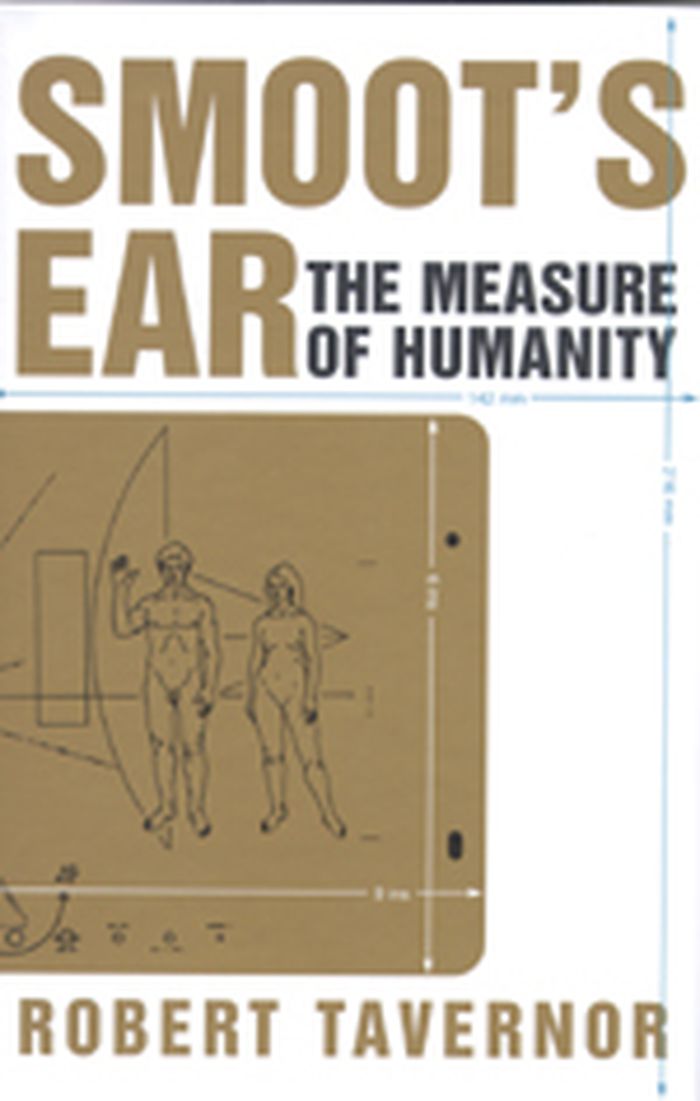
Measures are the subject of this unusual book, in which Robert Tavernor offers a fascinating account of the various measuring systems human beings have devised over two millennia. Tavernor urges us to look beyond the notion that measuring is strictly a scientific activity, divorced from human concerns. Instead, he sets measures and measuring in cultural context and shows how deeply they are connected to human experience and history. The book explores changing attitudes toward measure, focusing on key moments in art, sculpture, architecture, philosophy, and the development of scientific thought. It encompasses the journey of Western civilization from the construction of the Great Pyramid to the first manned flight to the moon. Beginning with a review of early measuring standards that referred to the feet and inches of ideal bodies, the book then tracks how Enlightenment interest in a truly scientific system of measure led to the creation of the metric system. This “rational” approach to measure in turn has inspired artists, architects, writers, and others to seek a balance that takes the human story into account. Tavernor concludes with a discussion of measure in our own time, when space travel presents to humankind a direct encounter with the unfathomable measure of the universe.
Smoot's Ear : The measure of humanity
Actions:
Prix:
$26.95
(disponible sur commande)
Résumé:
Measures are the subject of this unusual book, in which Robert Tavernor offers a fascinating account of the various measuring systems human beings have devised over two millennia. Tavernor urges us to look beyond the notion that measuring is strictly a scientific activity, divorced from human concerns. Instead, he sets measures and measuring in cultural context and shows how deeply they are connected to human experience and history. The book explores changing attitudes toward measure, focusing on key moments in art, sculpture, architecture, philosophy, and the development of scientific thought. It encompasses the journey of Western civilization from the construction of the Great Pyramid to the first manned flight to the moon. Beginning with a review of early measuring standards that referred to the feet and inches of ideal bodies, the book then tracks how Enlightenment interest in a truly scientific system of measure led to the creation of the metric system. This “rational” approach to measure in turn has inspired artists, architects, writers, and others to seek a balance that takes the human story into account. Tavernor concludes with a discussion of measure in our own time, when space travel presents to humankind a direct encounter with the unfathomable measure of the universe.
Classification:
livres
livres
Publication:
août 2007
août 2007


