


482 Résultats
Classification:
livres
livres
Prix:
$48.95
(disponible sur commande)
Résumé:
In recent years Russian cities have visibly changed. The architectural heritage of the Soviet period has not been fully acknowledged. As a result many unique modernist buildings have been destroyed or changed beyond recognition. Russian photographer Arseniy Kotov intends to document these buildings and their surroundings before they are lost forever. He likes to take(...)
$48.95
(disponible sur commande)
Résumé:
In recent years Russian cities have visibly changed. The architectural heritage of the Soviet period has not been fully acknowledged. As a result many unique modernist buildings have been destroyed or changed beyond recognition. Russian photographer Arseniy Kotov intends to document these buildings and their surroundings before they are lost forever. He likes to take(...)
Sujet:
Monographies photo
Monographies photo
Publication:
octobre 2020
octobre 2020
Titre:
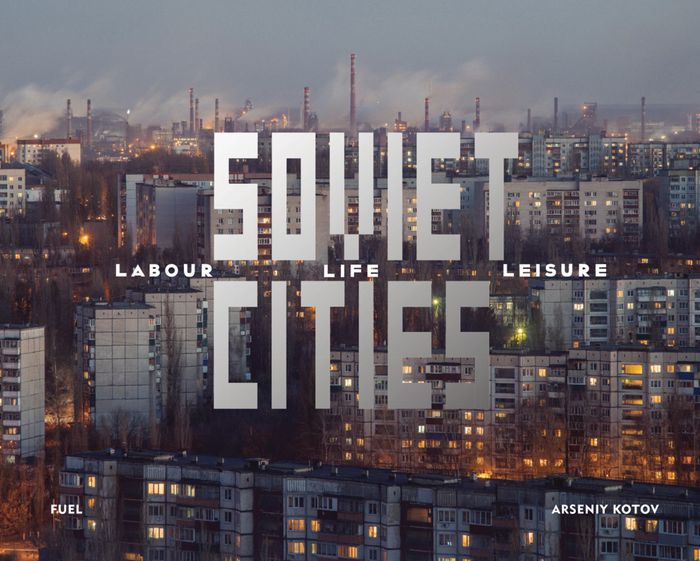
Arseniy Kotov: Soviet cities: labour, life and leisure
Actions:
Prix:
$48.95
(disponible sur commande)
Résumé:
In recent years Russian cities have visibly changed. The architectural heritage of the Soviet period has not been fully acknowledged. As a result many unique modernist buildings have been destroyed or changed beyond recognition. Russian photographer Arseniy Kotov intends to document these buildings and their surroundings before they are lost forever. He likes to take pictures in winter, during the 'blue hour,' which occurs immediately after sunset or just before sunrise. At this time, the warm yellow colors inside apartment-block windows contrast with the twilight gloom outside. To Kotov, this atmosphere reflects the Soviet period of his imagination. His impression of this time is unashamedly idealistic: he envisages a great civilization, built on a fair society, which hopes to explore nature and conquer space. From the Baikonur Cosmodrome in the desert steppes of Kazakhstan to the grim monolithic high-rise dormitory blocks of inner-city Volgograd, Kotov captures the essence of the post-Soviet world.
Arseniy Kotov: Soviet cities: labour, life and leisure
Actions:
Prix:
$48.95
(disponible sur commande)
Résumé:
In recent years Russian cities have visibly changed. The architectural heritage of the Soviet period has not been fully acknowledged. As a result many unique modernist buildings have been destroyed or changed beyond recognition. Russian photographer Arseniy Kotov intends to document these buildings and their surroundings before they are lost forever. He likes to take pictures in winter, during the 'blue hour,' which occurs immediately after sunset or just before sunrise. At this time, the warm yellow colors inside apartment-block windows contrast with the twilight gloom outside. To Kotov, this atmosphere reflects the Soviet period of his imagination. His impression of this time is unashamedly idealistic: he envisages a great civilization, built on a fair society, which hopes to explore nature and conquer space. From the Baikonur Cosmodrome in the desert steppes of Kazakhstan to the grim monolithic high-rise dormitory blocks of inner-city Volgograd, Kotov captures the essence of the post-Soviet world.
Classification:
livres
livres
Publication:
octobre 2020
octobre 2020
Sujet:
Monographies photo
Monographies photo
Classification:
livres
livres
Actions:
Prix:
$82.00
(disponible sur commande)
Résumé:
Deichman Bjørvika, Olso’s new public library, was completed and opened in summer 2020 after a lengthy period of planning and construction. Located opposite the city’s Opera House and the Munch Museum, this imposing building fits into the ensemble in the new cultural quarter of the Norwegian capital. The project, designed by Lundhagem and Atelier Oslo Architects following(...)
$82.00
(disponible sur commande)
Résumé:
Deichman Bjørvika, Olso’s new public library, was completed and opened in summer 2020 after a lengthy period of planning and construction. Located opposite the city’s Opera House and the Munch Museum, this imposing building fits into the ensemble in the new cultural quarter of the Norwegian capital. The project, designed by Lundhagem and Atelier Oslo Architects following(...)
Publication:
avril 2022
avril 2022
Titre:
Deichman Bjørvika: Oslo Public Library. Lund Hagem Architects, Atelier Oslo
Actions:
Prix:
$82.00
(disponible sur commande)
Résumé:
Deichman Bjørvika, Olso’s new public library, was completed and opened in summer 2020 after a lengthy period of planning and construction. Located opposite the city’s Opera House and the Munch Museum, this imposing building fits into the ensemble in the new cultural quarter of the Norwegian capital. The project, designed by Lundhagem and Atelier Oslo Architects following an international architectural competition, was conceived around a radical paradigm of the library as a place for conviviality and substantial multimedia platforms in a conducive, unobtrusive environment. The publication documents in detail the planning and building process, from the first draft to the opening. Essays by the novelist Elif Shafak and the library’s long-term director Liv Sæteren explain the significance of the institution as an integrative social force, while Niklas Maak pays tribute to the building from the perspective of architectural criticism. Iwan Baan and Hélène Binet capture the architecture and its atmosphere in exquisite photographs.
Deichman Bjørvika: Oslo Public Library. Lund Hagem Architects, Atelier Oslo
Actions:
Prix:
$82.00
(disponible sur commande)
Résumé:
Deichman Bjørvika, Olso’s new public library, was completed and opened in summer 2020 after a lengthy period of planning and construction. Located opposite the city’s Opera House and the Munch Museum, this imposing building fits into the ensemble in the new cultural quarter of the Norwegian capital. The project, designed by Lundhagem and Atelier Oslo Architects following an international architectural competition, was conceived around a radical paradigm of the library as a place for conviviality and substantial multimedia platforms in a conducive, unobtrusive environment. The publication documents in detail the planning and building process, from the first draft to the opening. Essays by the novelist Elif Shafak and the library’s long-term director Liv Sæteren explain the significance of the institution as an integrative social force, while Niklas Maak pays tribute to the building from the perspective of architectural criticism. Iwan Baan and Hélène Binet capture the architecture and its atmosphere in exquisite photographs.
Classification:
livres
livres
Publication:
avril 2022
avril 2022
Classification:
livres
livres
Titre:
Simulation city
Simulation city
Actions:
Prix:
$42.95
(disponible en magasin)
Résumé:
Dubai, in its newness, has redefined the notion of authenticity: city and spectacle have been intertwined. Mall culture, airports, and theme parks may seem strange and vacuous in other cities, but in Dubai, they are the essence of life. Shortly before the outbreak of the global pandemic, Dirk Gebhardt and Lars Harmsen visited Dubai. Nowhere in the world had they seen(...)
$42.95
(disponible en magasin)
Résumé:
Dubai, in its newness, has redefined the notion of authenticity: city and spectacle have been intertwined. Mall culture, airports, and theme parks may seem strange and vacuous in other cities, but in Dubai, they are the essence of life. Shortly before the outbreak of the global pandemic, Dirk Gebhardt and Lars Harmsen visited Dubai. Nowhere in the world had they seen(...)
Publication:
juillet 2022
juillet 2022
Titre:
Simulation city
Actions:
Prix:
$42.95
(disponible en magasin)
Résumé:
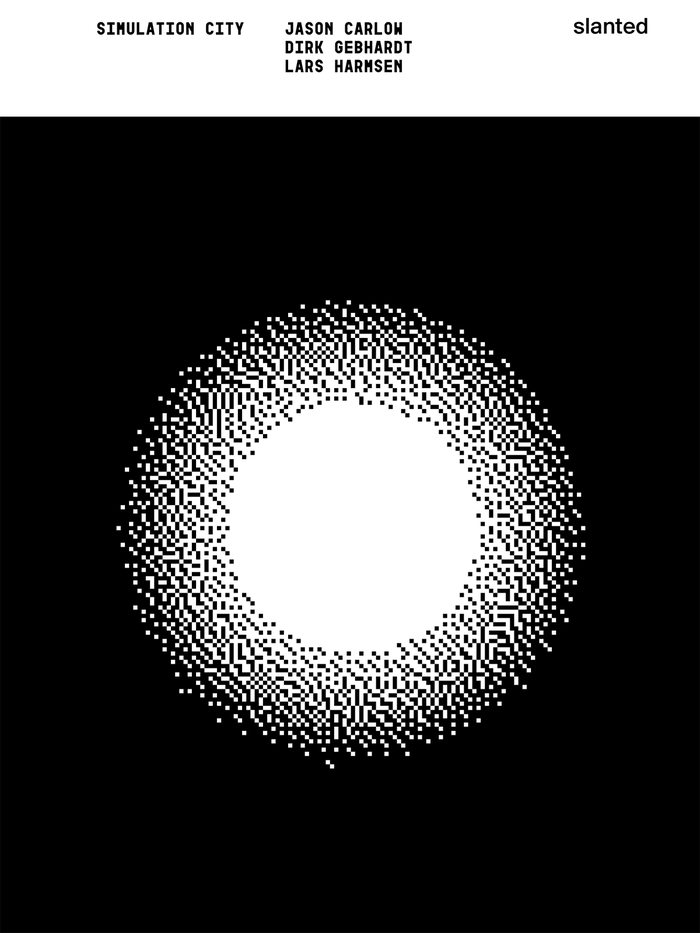
Dubai, in its newness, has redefined the notion of authenticity: city and spectacle have been intertwined. Mall culture, airports, and theme parks may seem strange and vacuous in other cities, but in Dubai, they are the essence of life. Shortly before the outbreak of the global pandemic, Dirk Gebhardt and Lars Harmsen visited Dubai. Nowhere in the world had they seen drama and comedy so powerfully together as in Dubai’s theme parks. In the drive to bring more tourists to the UAE, develop the real estate industry, and retain a huge labor force of expatriate workers, Dubai itself resembles and operates in many ways like a theme park. In his essay Simulation City: The Theming of Dubai Jason Carlow explores the uncanny atmosphere of spectacle, spatial control, and remarkable societal and cultural overlaps and adjacencies that have become an integral part of life for many residents of and visitors to contemporary Dubai.
Simulation city
Actions:
Prix:
$42.95
(disponible en magasin)
Résumé:
Dubai, in its newness, has redefined the notion of authenticity: city and spectacle have been intertwined. Mall culture, airports, and theme parks may seem strange and vacuous in other cities, but in Dubai, they are the essence of life. Shortly before the outbreak of the global pandemic, Dirk Gebhardt and Lars Harmsen visited Dubai. Nowhere in the world had they seen drama and comedy so powerfully together as in Dubai’s theme parks. In the drive to bring more tourists to the UAE, develop the real estate industry, and retain a huge labor force of expatriate workers, Dubai itself resembles and operates in many ways like a theme park. In his essay Simulation City: The Theming of Dubai Jason Carlow explores the uncanny atmosphere of spectacle, spatial control, and remarkable societal and cultural overlaps and adjacencies that have become an integral part of life for many residents of and visitors to contemporary Dubai.
Classification:
livres
livres
Publication:
juillet 2022
juillet 2022
Classification:
livres
livres
Titre:
Out the window (LAX)
Out the window (LAX)
Actions:
Prix:
$22.95
(disponible sur commande)
Résumé:
Contemporary artist Zoe Crosher takes the viewer on an exploratory journey inside the impersonal and transient travel world surrounding the mega international airport, LAX. She finds a landscape packed with identical hotel chains pushed up against giant billboards, where the words “hotel” and “taxi” are understood by nearly everyone. Crosher methodically settled into a(...)
$22.95
(disponible sur commande)
Résumé:
Contemporary artist Zoe Crosher takes the viewer on an exploratory journey inside the impersonal and transient travel world surrounding the mega international airport, LAX. She finds a landscape packed with identical hotel chains pushed up against giant billboards, where the words “hotel” and “taxi” are understood by nearly everyone. Crosher methodically settled into a(...)
Titre:
Out the window (LAX)
Actions:
Prix:
$22.95
(disponible sur commande)
Résumé:
Contemporary artist Zoe Crosher takes the viewer on an exploratory journey inside the impersonal and transient travel world surrounding the mega international airport, LAX. She finds a landscape packed with identical hotel chains pushed up against giant billboards, where the words “hotel” and “taxi” are understood by nearly everyone. Crosher methodically settled into a different hotel room each day and photographed out the window. The only requirement was that the view from each room must duplicate the one she inhabited before. The pattern of the drapes change, the color of the stucco exterior changes and the airplanes caught in mid flight move through the atmosphere, but the basic view stays the same. There is a haunting familiarity that one has never really left the first room, a feeling of complete déjà-vu. Time and identity almost cease to exist. For Crosher, her very quiet, minimal images create huge questions about place, identity, the homogenization of global cultures.
Out the window (LAX)
Actions:
Prix:
$22.95
(disponible sur commande)
Résumé:
Contemporary artist Zoe Crosher takes the viewer on an exploratory journey inside the impersonal and transient travel world surrounding the mega international airport, LAX. She finds a landscape packed with identical hotel chains pushed up against giant billboards, where the words “hotel” and “taxi” are understood by nearly everyone. Crosher methodically settled into a different hotel room each day and photographed out the window. The only requirement was that the view from each room must duplicate the one she inhabited before. The pattern of the drapes change, the color of the stucco exterior changes and the airplanes caught in mid flight move through the atmosphere, but the basic view stays the same. There is a haunting familiarity that one has never really left the first room, a feeling of complete déjà-vu. Time and identity almost cease to exist. For Crosher, her very quiet, minimal images create huge questions about place, identity, the homogenization of global cultures.
Classification:
livres
livres
Publication:
février 2007
février 2007
Classification:
livres
livres
Titre:
Space as membrane
Space as membrane
Actions:
Prix:
$35.00
(disponible en magasin)
Résumé:
What if architecture was no longer 3D or 2D, mass or surface, object or space? And what if the architectural environment was envisioned not as an abstract continuum, but as a material envelope that grows organically from the human body, uniting its skin with the periphery of a city, a region or a continent, and even the entire earthly atmosphere? Such a sprawling(...)
$35.00
(disponible en magasin)
Résumé:
What if architecture was no longer 3D or 2D, mass or surface, object or space? And what if the architectural environment was envisioned not as an abstract continuum, but as a material envelope that grows organically from the human body, uniting its skin with the periphery of a city, a region or a continent, and even the entire earthly atmosphere? Such a sprawling(...)
Titre:
Space as membrane
Actions:
Prix:
$35.00
(disponible en magasin)
Résumé:
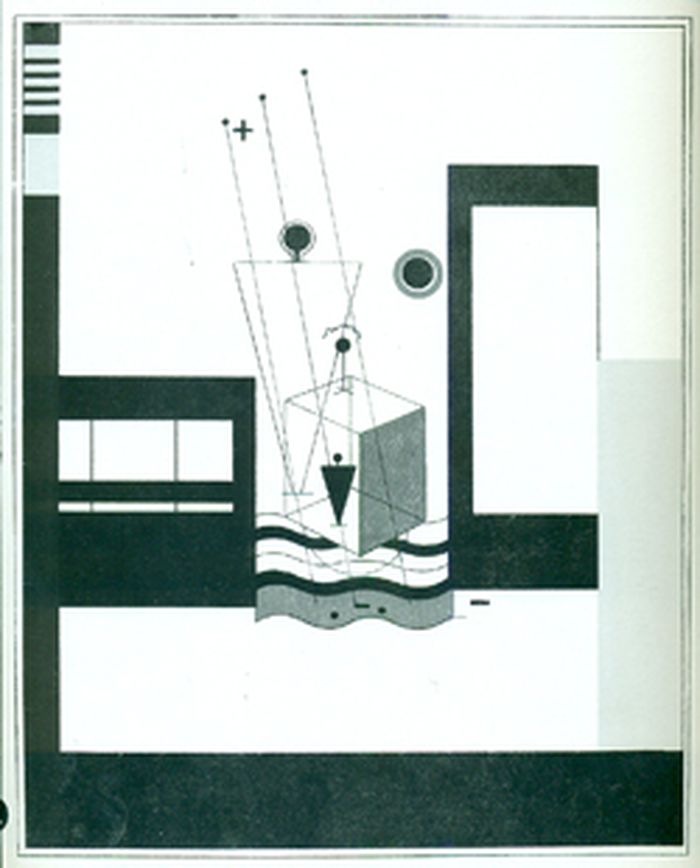
What if architecture was no longer 3D or 2D, mass or surface, object or space? And what if the architectural environment was envisioned not as an abstract continuum, but as a material envelope that grows organically from the human body, uniting its skin with the periphery of a city, a region or a continent, and even the entire earthly atmosphere? Such a sprawling hypothesis informs the theoretical premise of the 1926 essay Space as Membrane, written by former Bauhaus student, architect and cosmological theorist Siegfried Ebeling. Read and praised by Mies van der Rohe, denounced by Walter Gropius and presaging some of the technological innovations introduced across the Atlantic by Buckminster Fuller, Ebeling's treatise has been the subject of a number of recent commentaries, yet the text itself remains unread, due mainly to the scarcity of the original publication. This is the first English translation of Ebeling's original treatise, as well as the first contemporary edition of the text in any language.
Space as membrane
Actions:
Prix:
$35.00
(disponible en magasin)
Résumé:
What if architecture was no longer 3D or 2D, mass or surface, object or space? And what if the architectural environment was envisioned not as an abstract continuum, but as a material envelope that grows organically from the human body, uniting its skin with the periphery of a city, a region or a continent, and even the entire earthly atmosphere? Such a sprawling hypothesis informs the theoretical premise of the 1926 essay Space as Membrane, written by former Bauhaus student, architect and cosmological theorist Siegfried Ebeling. Read and praised by Mies van der Rohe, denounced by Walter Gropius and presaging some of the technological innovations introduced across the Atlantic by Buckminster Fuller, Ebeling's treatise has been the subject of a number of recent commentaries, yet the text itself remains unread, due mainly to the scarcity of the original publication. This is the first English translation of Ebeling's original treatise, as well as the first contemporary edition of the text in any language.
Classification:
livres
livres
Publication:
juin 2010
juin 2010
Sujet:
Théorie de l’architecture
Théorie de l’architecture
Classification:
livres
livres
Prix:
$31.95
(disponible sur commande)
Résumé:
The number one cause of global warming is architecture - the buildings. Buildings are responsible for 40% of the Co2 that is emitted into the atmosphere. The architects must take this responsibility and move from geopolitics towards biosphere politics. This publication is a real test of how this can be achieved. The context for the intervention is an existing historic(...)
$31.95
(disponible sur commande)
Résumé:
The number one cause of global warming is architecture - the buildings. Buildings are responsible for 40% of the Co2 that is emitted into the atmosphere. The architects must take this responsibility and move from geopolitics towards biosphere politics. This publication is a real test of how this can be achieved. The context for the intervention is an existing historic(...)
Titre:
Cloud 9: a green new deal, from geopolitics to biosphere politics
Actions:
Prix:
$31.95
(disponible sur commande)
Résumé:
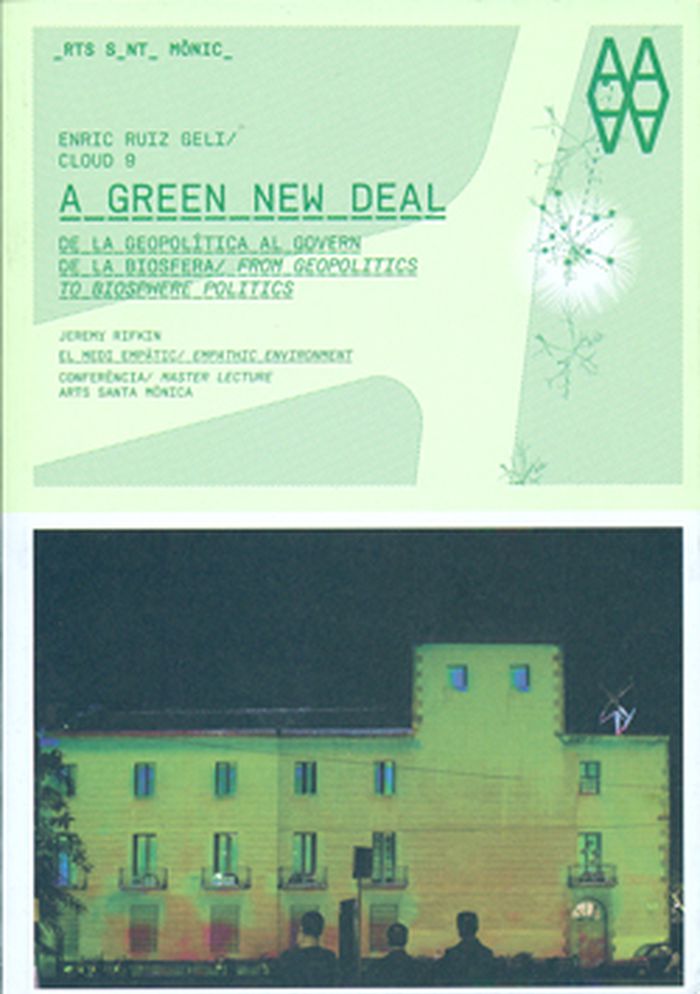
The number one cause of global warming is architecture - the buildings. Buildings are responsible for 40% of the Co2 that is emitted into the atmosphere. The architects must take this responsibility and move from geopolitics towards biosphere politics. This publication is a real test of how this can be achieved. The context for the intervention is an existing historic building in Barcelona, the Centre of Arts Santa Monica; a building to explore the Third Industrial Revolution as the potential of a transformation towards an empathic architecture. Nature should let us show the path. Cloud 9 equipped the trees in front of Arts Santa Monica with sensors that capture data on temperature, humidity and light energy to inform the building. The intervention is an installation on the facade that produces energy from the environment, like the sun and wind. It is an additional skin which allows control of natural light and regulates solar radiation.
Cloud 9: a green new deal, from geopolitics to biosphere politics
Actions:
Prix:
$31.95
(disponible sur commande)
Résumé:
The number one cause of global warming is architecture - the buildings. Buildings are responsible for 40% of the Co2 that is emitted into the atmosphere. The architects must take this responsibility and move from geopolitics towards biosphere politics. This publication is a real test of how this can be achieved. The context for the intervention is an existing historic building in Barcelona, the Centre of Arts Santa Monica; a building to explore the Third Industrial Revolution as the potential of a transformation towards an empathic architecture. Nature should let us show the path. Cloud 9 equipped the trees in front of Arts Santa Monica with sensors that capture data on temperature, humidity and light energy to inform the building. The intervention is an installation on the facade that produces energy from the environment, like the sun and wind. It is an additional skin which allows control of natural light and regulates solar radiation.
Classification:
livres
livres
Publication:
novembre 2010
novembre 2010
Sujet:
Architecture écologique
Architecture écologique
Classification:
livres
livres
Actions:
Prix:
$39.95
(disponible sur commande)
Résumé:
This book is an account of the highly productive decade of architectural experimentation in Croatia lodged between the violent break-up of Yugoslavia and their slow integration into the EU. Ivan Rupnik guides the reader through the emergence of this bizarre and fascinating architectural scene on the very edge of united Europe, utilizing Ljubo Karaman's theory of the(...)
$39.95
(disponible sur commande)
Résumé:
This book is an account of the highly productive decade of architectural experimentation in Croatia lodged between the violent break-up of Yugoslavia and their slow integration into the EU. Ivan Rupnik guides the reader through the emergence of this bizarre and fascinating architectural scene on the very edge of united Europe, utilizing Ljubo Karaman's theory of the(...)
Titre:
A peripheral moment: Croatia 1990-2010
Actions:
Prix:
$39.95
(disponible sur commande)
Résumé:
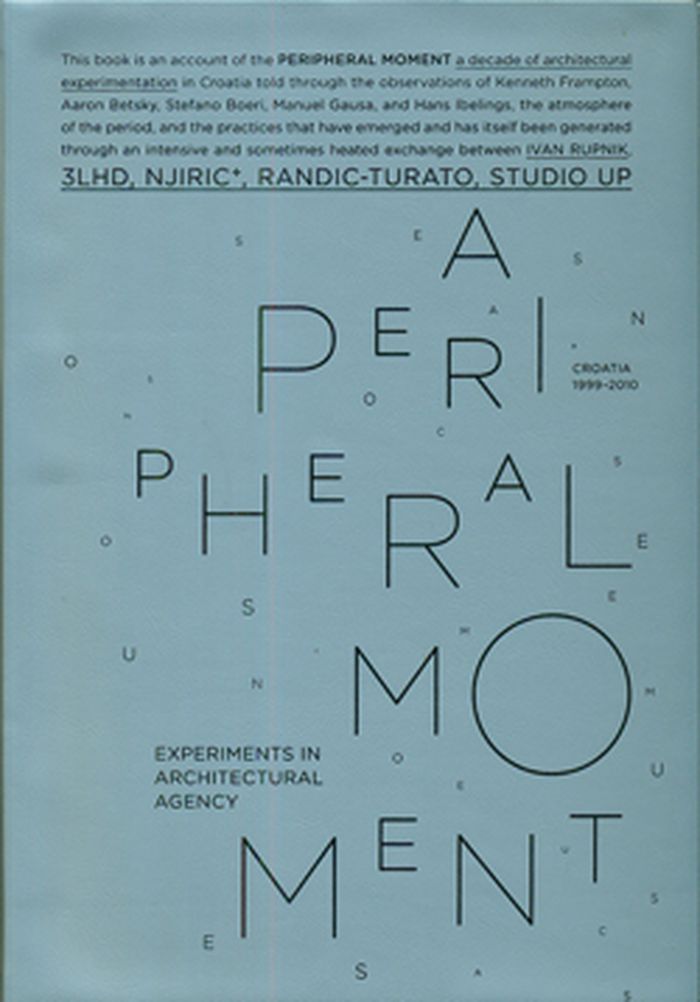
This book is an account of the highly productive decade of architectural experimentation in Croatia lodged between the violent break-up of Yugoslavia and their slow integration into the EU. Ivan Rupnik guides the reader through the emergence of this bizarre and fascinating architectural scene on the very edge of united Europe, utilizing Ljubo Karaman's theory of the periphery as a distinct space of artistic production from that of the center or province, Manfredo Tafuri's concept of architectural experimentation, as well contemporary notions of agency. The account is framed using a variety of different lenses, including the observations of this moment by renowned writers, through the atmosphere of the period as defined by Croatia's complex post-socialist/postwar identity and the subsequent positioning of the architectural profession vis-a-vis that context, the practices that emerged , and through a series of discussions with some of the peripheral moment's primary agent provocateurs: 3LHD, njiric +, Randic - Turato, and STUDIO UP.
A peripheral moment: Croatia 1990-2010
Actions:
Prix:
$39.95
(disponible sur commande)
Résumé:
This book is an account of the highly productive decade of architectural experimentation in Croatia lodged between the violent break-up of Yugoslavia and their slow integration into the EU. Ivan Rupnik guides the reader through the emergence of this bizarre and fascinating architectural scene on the very edge of united Europe, utilizing Ljubo Karaman's theory of the periphery as a distinct space of artistic production from that of the center or province, Manfredo Tafuri's concept of architectural experimentation, as well contemporary notions of agency. The account is framed using a variety of different lenses, including the observations of this moment by renowned writers, through the atmosphere of the period as defined by Croatia's complex post-socialist/postwar identity and the subsequent positioning of the architectural profession vis-a-vis that context, the practices that emerged , and through a series of discussions with some of the peripheral moment's primary agent provocateurs: 3LHD, njiric +, Randic - Turato, and STUDIO UP.
Classification:
livres
livres
Publication:
novembre 2010
novembre 2010
Classification:
livres
livres
Actions:
Prix:
$66.95
(disponible sur commande)
Résumé:
Windows are moments in modern architecture where we look to ascertain elegance, technical expression and material language or to capture a certain atmosphere. A window opening is as much an interval and an opportunity as it is a device for admitting light, air or views; it is simultaneously a physical aperture but also a philosophical opening of collaboration and(...)
$66.95
(disponible sur commande)
Résumé:
Windows are moments in modern architecture where we look to ascertain elegance, technical expression and material language or to capture a certain atmosphere. A window opening is as much an interval and an opportunity as it is a device for admitting light, air or views; it is simultaneously a physical aperture but also a philosophical opening of collaboration and(...)
Titre:
Great windows in modern architecture
Actions:
Prix:
$66.95
(disponible sur commande)
Résumé:
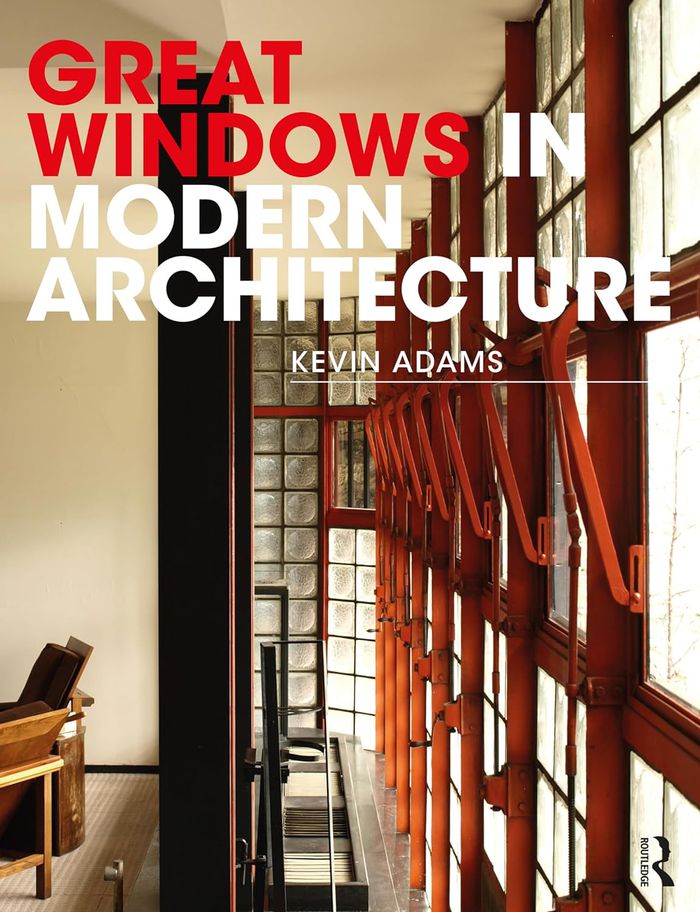
Windows are moments in modern architecture where we look to ascertain elegance, technical expression and material language or to capture a certain atmosphere. A window opening is as much an interval and an opportunity as it is a device for admitting light, air or views; it is simultaneously a physical aperture but also a philosophical opening of collaboration and reflection. In order to understand the language of a building we might look to the detail of the window. But what does this mean and why does modern architecture invest so much expression in the window? This book explores how the act of detailing and situating windows in buildings is a key proponent in the language of architecture, which both informs and works with the contingencies of design and construction. It investigates 18 case studies in-depth using painstakingly drawn details and vivid photographs in full colour to define what makes these windows “great” and how each window is situated within both its technical and philosophical context and as an overall development of modern architecture.
Great windows in modern architecture
Actions:
Prix:
$66.95
(disponible sur commande)
Résumé:
Windows are moments in modern architecture where we look to ascertain elegance, technical expression and material language or to capture a certain atmosphere. A window opening is as much an interval and an opportunity as it is a device for admitting light, air or views; it is simultaneously a physical aperture but also a philosophical opening of collaboration and reflection. In order to understand the language of a building we might look to the detail of the window. But what does this mean and why does modern architecture invest so much expression in the window? This book explores how the act of detailing and situating windows in buildings is a key proponent in the language of architecture, which both informs and works with the contingencies of design and construction. It investigates 18 case studies in-depth using painstakingly drawn details and vivid photographs in full colour to define what makes these windows “great” and how each window is situated within both its technical and philosophical context and as an overall development of modern architecture.
Classification:
livres
livres
Publication:
mars 2024
mars 2024
Sujet:
Modernisme
Modernisme
Classification:
livres
livres
Actions:
Prix:
$75.00
(disponible sur commande)
Résumé:
Gardens have inspired artists for hundreds of years. In the late 19th and early 20th centuries, photographers ranging from Eugène Atget to Edward Steichen were drawn to gardens for their beauty and their metaphorical associations. A century later, in the mid-1980s, an unusually large number of artists returned to the garden as a subject for their photography. This lovely(...)
$75.00
(disponible sur commande)
Résumé:
Gardens have inspired artists for hundreds of years. In the late 19th and early 20th centuries, photographers ranging from Eugène Atget to Edward Steichen were drawn to gardens for their beauty and their metaphorical associations. A century later, in the mid-1980s, an unusually large number of artists returned to the garden as a subject for their photography. This lovely(...)
Sujet:
Théorie de la photographie
Théorie de la photographie
Publication:
novembre 2004, New York
novembre 2004, New York
Titre:
Contemporary photography and the garden
Actions:
Prix:
$75.00
(disponible sur commande)
Résumé:
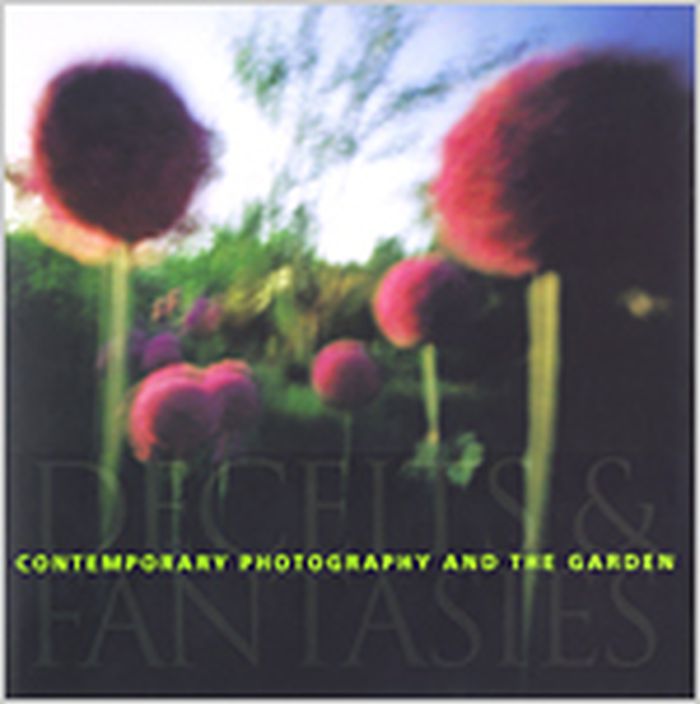
Gardens have inspired artists for hundreds of years. In the late 19th and early 20th centuries, photographers ranging from Eugène Atget to Edward Steichen were drawn to gardens for their beauty and their metaphorical associations. A century later, in the mid-1980s, an unusually large number of artists returned to the garden as a subject for their photography. This lovely book devoted to the garden photography of contemporary artists accompanies an exhibition organized by the American Federation of Arts. The photographs—by Gregory Crewdson, Len Jenshel, Erica Lennard, Sally Mann, Catherine Opie, Jack Pierson, and other acclaimed artists—demonstrate a remarkably wide range of artistic responses to the garden. Whether presenting it as a haven of tranquility and lyrical beauty or drawing on it as a dark visual metaphor for the manipulation of nature, these photographs express the artists' investigation of the forms, atmosphere, and symbolism of the garden. Essays by Thomas Padon, Robert Harrison, Ronald Jones, and Shirin Neshat bring historical and contextual insight to the fascination many contemporary artists have with this popular subject.
Contemporary photography and the garden
Actions:
Prix:
$75.00
(disponible sur commande)
Résumé:
Gardens have inspired artists for hundreds of years. In the late 19th and early 20th centuries, photographers ranging from Eugène Atget to Edward Steichen were drawn to gardens for their beauty and their metaphorical associations. A century later, in the mid-1980s, an unusually large number of artists returned to the garden as a subject for their photography. This lovely book devoted to the garden photography of contemporary artists accompanies an exhibition organized by the American Federation of Arts. The photographs—by Gregory Crewdson, Len Jenshel, Erica Lennard, Sally Mann, Catherine Opie, Jack Pierson, and other acclaimed artists—demonstrate a remarkably wide range of artistic responses to the garden. Whether presenting it as a haven of tranquility and lyrical beauty or drawing on it as a dark visual metaphor for the manipulation of nature, these photographs express the artists' investigation of the forms, atmosphere, and symbolism of the garden. Essays by Thomas Padon, Robert Harrison, Ronald Jones, and Shirin Neshat bring historical and contextual insight to the fascination many contemporary artists have with this popular subject.
Classification:
livres
livres
Publication:
novembre 2004, New York
novembre 2004, New York
Sujet:
Théorie de la photographie
Théorie de la photographie
Classification:
livres
livres
Actions:
Prix:
$85.00
(disponible sur commande)
Résumé:
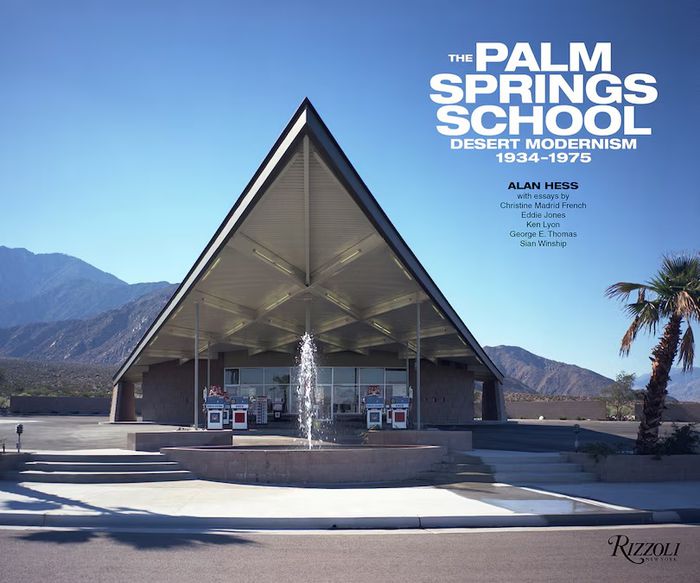
Much more than a resort destination, Palm Springs has served as a laboratory of the Modern; here so much architectural innovation and design took form. From the steel-and-glass boxes of Richard Neutra to the earthy organic homes of John Lautner, and everything in between, the solutions of architects and designers—including notably William F. Cody, E. Stewart Williams, and(...)
$85.00
(disponible sur commande)
Résumé:
Much more than a resort destination, Palm Springs has served as a laboratory of the Modern; here so much architectural innovation and design took form. From the steel-and-glass boxes of Richard Neutra to the earthy organic homes of John Lautner, and everything in between, the solutions of architects and designers—including notably William F. Cody, E. Stewart Williams, and(...)
Titre:
The Palm Springs School: Desert Modernism 1934-1975
Actions:
Prix:
$85.00
(disponible sur commande)
Résumé:
Much more than a resort destination, Palm Springs has served as a laboratory of the Modern; here so much architectural innovation and design took form. From the steel-and-glass boxes of Richard Neutra to the earthy organic homes of John Lautner, and everything in between, the solutions of architects and designers—including notably William F. Cody, E. Stewart Williams, and Albert Frey—were diverse and are ever more relevant in the face of contemporary challenges. Their answers addressed questions that still hold urgency: How to design sustainably in harsh climates? How to use technology efficiently and creatively to meet those challenges? How to build affordable and high-quality mass-produced housing? How to reflect a region’s culture, economy, and distinctive atmosphere? Architects here responded to nature’s climatological demands, and Palm Springs became a center for innovations that were rooted in practice more than theory. Benefitting from the architectural freedoms offered by the remoteness of the California desert, designers explored new approaches that we can now identify as central to the Palm Springs School, shown here in rich archival and contemporary photography.
The Palm Springs School: Desert Modernism 1934-1975
Actions:
Prix:
$85.00
(disponible sur commande)
Résumé:
Much more than a resort destination, Palm Springs has served as a laboratory of the Modern; here so much architectural innovation and design took form. From the steel-and-glass boxes of Richard Neutra to the earthy organic homes of John Lautner, and everything in between, the solutions of architects and designers—including notably William F. Cody, E. Stewart Williams, and Albert Frey—were diverse and are ever more relevant in the face of contemporary challenges. Their answers addressed questions that still hold urgency: How to design sustainably in harsh climates? How to use technology efficiently and creatively to meet those challenges? How to build affordable and high-quality mass-produced housing? How to reflect a region’s culture, economy, and distinctive atmosphere? Architects here responded to nature’s climatological demands, and Palm Springs became a center for innovations that were rooted in practice more than theory. Benefitting from the architectural freedoms offered by the remoteness of the California desert, designers explored new approaches that we can now identify as central to the Palm Springs School, shown here in rich archival and contemporary photography.
Classification:
livres
livres
Publication:
février 2025
février 2025
Sujet:
Modernisme
Modernisme


