


618 Résultats
Classification:
livres
livres

Prix:
$24.00
(disponible sur commande)
Résumé:
Acclaimed engineer and historian Henry Petroski explores our core infrastructure from both historical and contemporary perspectives, explaining how essential their maintenance is to America’s economic health. Petroski reveals the genesis of the many parts of America’s highway system—our interstate numbering system, the centerline that divides roads, and such(...)
$24.00
(disponible sur commande)
Résumé:
Acclaimed engineer and historian Henry Petroski explores our core infrastructure from both historical and contemporary perspectives, explaining how essential their maintenance is to America’s economic health. Petroski reveals the genesis of the many parts of America’s highway system—our interstate numbering system, the centerline that divides roads, and such(...)
Titre:
The road taken: the history and future of America's infrastructure
Actions:
Prix:
$24.00
(disponible sur commande)
Résumé:
Acclaimed engineer and historian Henry Petroski explores our core infrastructure from both historical and contemporary perspectives, explaining how essential their maintenance is to America’s economic health. Petroski reveals the genesis of the many parts of America’s highway system—our interstate numbering system, the centerline that divides roads, and such taken-for-granted objects as guardrails, stop signs, and traffic lights—all crucial to our national and local infrastructure. A compelling work of history, "The road taken" is also an urgent clarion call aimed at American citizens, politicians, and anyone with a vested interest in our economic well-being. Physical infrastructure in the United States is crumbling, and Petroski reveals the complex and challenging interplay between government and industry inherent in major infrastructure improvement. The road we take in the next decade toward rebuilding our aging infrastructure will in large part determine our future national prosperity.
The road taken: the history and future of America's infrastructure
Actions:
Prix:
$24.00
(disponible sur commande)
Résumé:
Acclaimed engineer and historian Henry Petroski explores our core infrastructure from both historical and contemporary perspectives, explaining how essential their maintenance is to America’s economic health. Petroski reveals the genesis of the many parts of America’s highway system—our interstate numbering system, the centerline that divides roads, and such taken-for-granted objects as guardrails, stop signs, and traffic lights—all crucial to our national and local infrastructure. A compelling work of history, "The road taken" is also an urgent clarion call aimed at American citizens, politicians, and anyone with a vested interest in our economic well-being. Physical infrastructure in the United States is crumbling, and Petroski reveals the complex and challenging interplay between government and industry inherent in major infrastructure improvement. The road we take in the next decade toward rebuilding our aging infrastructure will in large part determine our future national prosperity.
Classification:
livres
livres
Publication:
février 2017
février 2017
Sujet:
Structures d’ingénierie
Structures d’ingénierie
Classification:
livres
livres
Titre:
Infrastructure space
Infrastructure space
Actions:
Prix:
$94.95
(disponible sur commande)
Résumé:
Infrastructural systems facilitate the flow of anything from people and goods to resources and information. While engineered to perform specific tasks, such networks also determine the structure of buildings, cities, metropolitan regions, and beyond. Taking this into consideration, this book seeks the expansion and renegotiation of the roles of infrastructure as not only(...)
$94.95
(disponible sur commande)
Résumé:
Infrastructural systems facilitate the flow of anything from people and goods to resources and information. While engineered to perform specific tasks, such networks also determine the structure of buildings, cities, metropolitan regions, and beyond. Taking this into consideration, this book seeks the expansion and renegotiation of the roles of infrastructure as not only(...)
Sujet:
Structures d’ingénierie
Structures d’ingénierie
Publication:
janvier 2017
janvier 2017
Titre:
Infrastructure space
Actions:
Prix:
$94.95
(disponible sur commande)
Résumé:
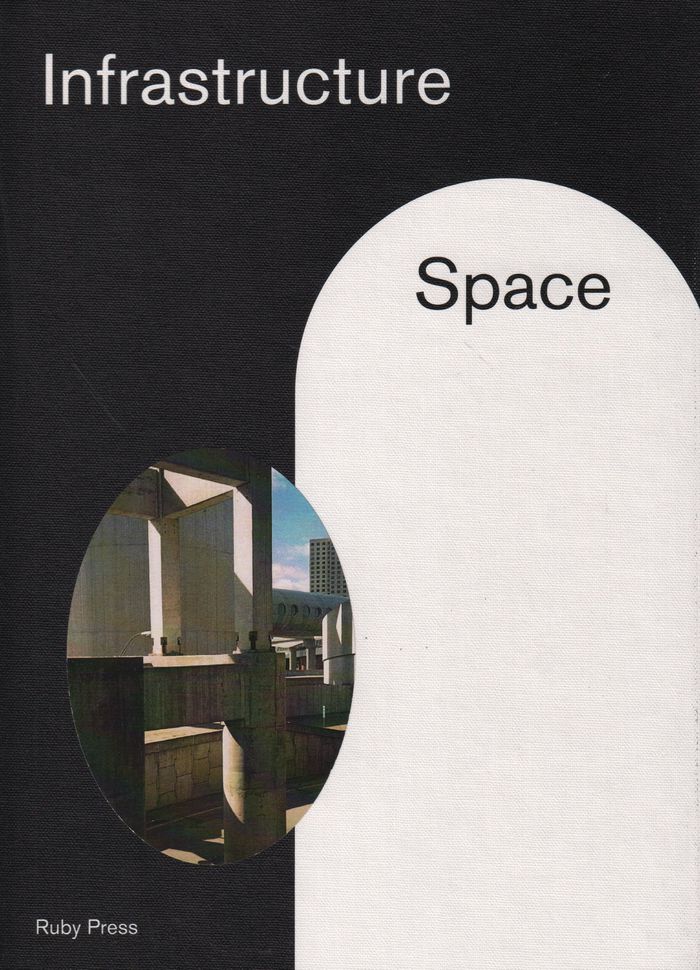
Infrastructural systems facilitate the flow of anything from people and goods to resources and information. While engineered to perform specific tasks, such networks also determine the structure of buildings, cities, metropolitan regions, and beyond. Taking this into consideration, this book seeks the expansion and renegotiation of the roles of infrastructure as not only a technical, but also a political, economic, social, and even aesthetic matter of concern for all. It entails both the means for achieving more resilient forms of development and a right to a sustainable way of life. With 25 essays by Keller Easterling, Michael Dear, Salmaan Craig, and Nancy Couling, among others.
Infrastructure space
Actions:
Prix:
$94.95
(disponible sur commande)
Résumé:
Infrastructural systems facilitate the flow of anything from people and goods to resources and information. While engineered to perform specific tasks, such networks also determine the structure of buildings, cities, metropolitan regions, and beyond. Taking this into consideration, this book seeks the expansion and renegotiation of the roles of infrastructure as not only a technical, but also a political, economic, social, and even aesthetic matter of concern for all. It entails both the means for achieving more resilient forms of development and a right to a sustainable way of life. With 25 essays by Keller Easterling, Michael Dear, Salmaan Craig, and Nancy Couling, among others.
Classification:
livres
livres
Publication:
janvier 2017
janvier 2017
Sujet:
Structures d’ingénierie
Structures d’ingénierie
Classification:
livres
livres
Titre:
Yavuz Sultan Selim bridge
Yavuz Sultan Selim bridge
Actions:
Prix:
$85.00
(disponible sur commande)
Résumé:
A fascinating look at one of the most important engineering achievements of recent times. This book chronicles in detail the various phases of the Yavuz Sultan Selim Bridge, which is the third to connect Europe and Asia over the Bosphorus straits. From its design and engineering concept to its realization, this book offers detailed insights through a historical essay,(...)
$85.00
(disponible sur commande)
Résumé:
A fascinating look at one of the most important engineering achievements of recent times. This book chronicles in detail the various phases of the Yavuz Sultan Selim Bridge, which is the third to connect Europe and Asia over the Bosphorus straits. From its design and engineering concept to its realization, this book offers detailed insights through a historical essay,(...)
Sujet:
Structures d’ingénierie
Structures d’ingénierie
Publication:
septembre 2017
septembre 2017
Titre:
Yavuz Sultan Selim bridge
Actions:
Prix:
$85.00
(disponible sur commande)
Résumé:
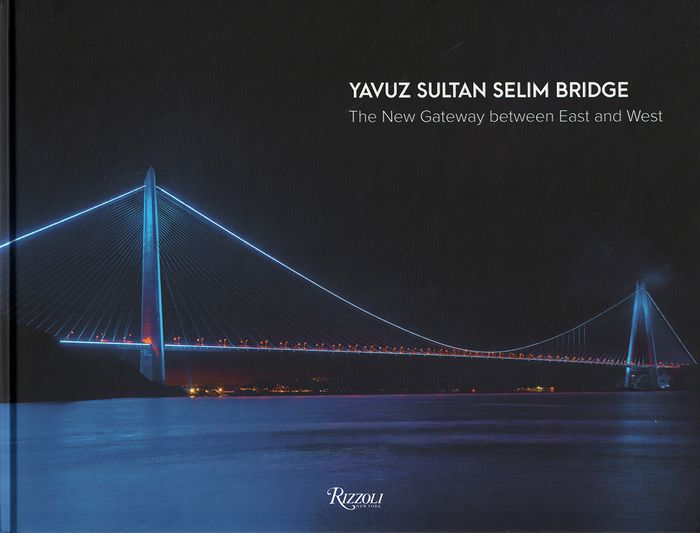
A fascinating look at one of the most important engineering achievements of recent times. This book chronicles in detail the various phases of the Yavuz Sultan Selim Bridge, which is the third to connect Europe and Asia over the Bosphorus straits. From its design and engineering concept to its realization, this book offers detailed insights through a historical essay, texts, interviews, illustrations, diagrams, and stunning photography. The book pays particular attention to the engineering accomplishments of the bridge, through a series of drawings and photographs that explain the process of its realization and its operative functionality. It also captures, through specially commissioned images by renowned photographer Michel Denancé, the experience of the traveler crossing the bridge from Europe to Asia, its presence as a major work of infrastructure in the landscape, and its relation to the city of Istanbul.
Yavuz Sultan Selim bridge
Actions:
Prix:
$85.00
(disponible sur commande)
Résumé:
A fascinating look at one of the most important engineering achievements of recent times. This book chronicles in detail the various phases of the Yavuz Sultan Selim Bridge, which is the third to connect Europe and Asia over the Bosphorus straits. From its design and engineering concept to its realization, this book offers detailed insights through a historical essay, texts, interviews, illustrations, diagrams, and stunning photography. The book pays particular attention to the engineering accomplishments of the bridge, through a series of drawings and photographs that explain the process of its realization and its operative functionality. It also captures, through specially commissioned images by renowned photographer Michel Denancé, the experience of the traveler crossing the bridge from Europe to Asia, its presence as a major work of infrastructure in the landscape, and its relation to the city of Istanbul.
Classification:
livres
livres
Publication:
septembre 2017
septembre 2017
Sujet:
Structures d’ingénierie
Structures d’ingénierie
Classification:
livres
livres
Titre:
La conception des structures
La conception des structures
Actions:
Prix:
$74.95
(disponible sur commande)
Résumé:
N’avez-vous jamais été émerveillé devant la Passerelle de la paix franchissant le Rhône, retenu votre souffle en traversant le pont de Tancarville suspendu dans les airs ou bien encore impressionné par certains ouvrages comme l’Atomium ou le parlement européen à Luxembourg ? Au-delà de l’aspect technique et normatif, l’élégance des structures et des constructions(...)
$74.95
(disponible sur commande)
Résumé:
N’avez-vous jamais été émerveillé devant la Passerelle de la paix franchissant le Rhône, retenu votre souffle en traversant le pont de Tancarville suspendu dans les airs ou bien encore impressionné par certains ouvrages comme l’Atomium ou le parlement européen à Luxembourg ? Au-delà de l’aspect technique et normatif, l’élégance des structures et des constructions(...)
Titre:
La conception des structures
Actions:
Prix:
$74.95
(disponible sur commande)
Résumé:
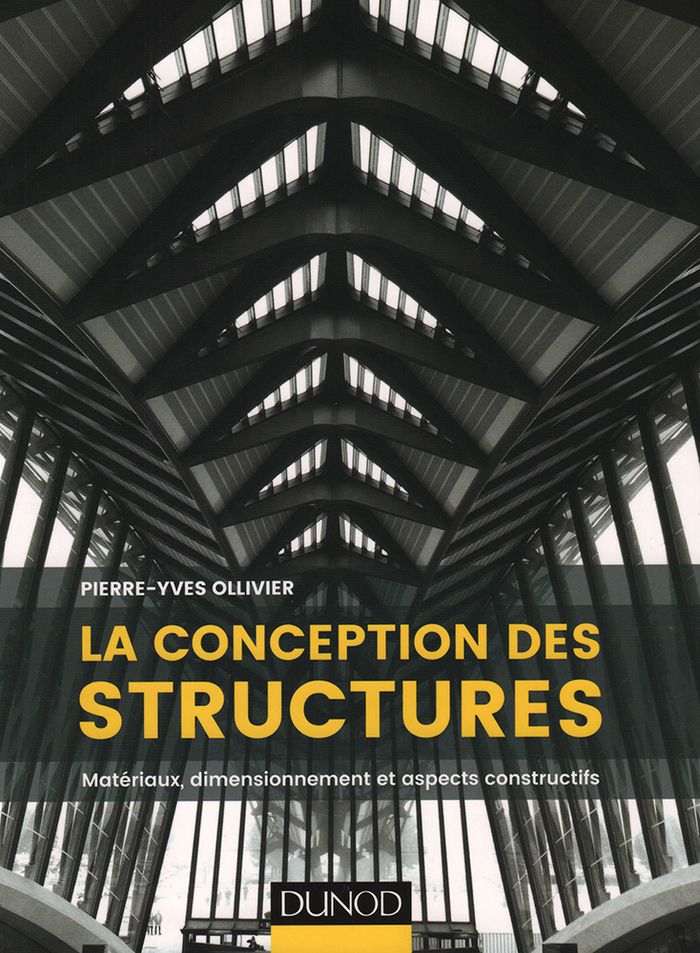
N’avez-vous jamais été émerveillé devant la Passerelle de la paix franchissant le Rhône, retenu votre souffle en traversant le pont de Tancarville suspendu dans les airs ou bien encore impressionné par certains ouvrages comme l’Atomium ou le parlement européen à Luxembourg ? Au-delà de l’aspect technique et normatif, l’élégance des structures et des constructions elles-mêmes suscitent l’envie de comprendre les contraintes à dompter ou à contourner pour les réaliser. Tout en se basant sur les principes fondateurs de la science des structures et des matériaux, cet ouvrage traite de la conception des structures dans l’art de construire : formes géométriques, matériaux, dimensions, etc. Très illustré par des photos d’ouvrages existants, des schémas, des plans, il offre un panorama complet des différentes possibilités en matière de conception. Une vraie incitation à l’innovation!
La conception des structures
Actions:
Prix:
$74.95
(disponible sur commande)
Résumé:
N’avez-vous jamais été émerveillé devant la Passerelle de la paix franchissant le Rhône, retenu votre souffle en traversant le pont de Tancarville suspendu dans les airs ou bien encore impressionné par certains ouvrages comme l’Atomium ou le parlement européen à Luxembourg ? Au-delà de l’aspect technique et normatif, l’élégance des structures et des constructions elles-mêmes suscitent l’envie de comprendre les contraintes à dompter ou à contourner pour les réaliser. Tout en se basant sur les principes fondateurs de la science des structures et des matériaux, cet ouvrage traite de la conception des structures dans l’art de construire : formes géométriques, matériaux, dimensions, etc. Très illustré par des photos d’ouvrages existants, des schémas, des plans, il offre un panorama complet des différentes possibilités en matière de conception. Une vraie incitation à l’innovation!
Classification:
livres
livres
Publication:
mai 2017
mai 2017
Sujet:
Structures d’ingénierie
Structures d’ingénierie
Classification:
livres
livres
Actions:
Prix:
$95.95
(disponible sur commande)
Résumé:
''Aesthetics and Technology in Building: The Twenty-First-Century Edition'' introduces Pier Luigi Nervi's ideas about architecture and engineering to a new generation of students and admirers. More than 200 photographs, details, drawings, and plans show how Nervi put his ideas into practice. Expanding on the seminal 1961 Norton Lectures at Harvard, Nervi analyzes various(...)
$95.95
(disponible sur commande)
Résumé:
''Aesthetics and Technology in Building: The Twenty-First-Century Edition'' introduces Pier Luigi Nervi's ideas about architecture and engineering to a new generation of students and admirers. More than 200 photographs, details, drawings, and plans show how Nervi put his ideas into practice. Expanding on the seminal 1961 Norton Lectures at Harvard, Nervi analyzes various(...)
Sujet:
Structures d’ingénierie
Structures d’ingénierie
Publication:
juillet 2018
juillet 2018
Titre:
Aesthetics and technology in building: the twenty-first century edition
Actions:
Prix:
$95.95
(disponible sur commande)
Résumé:
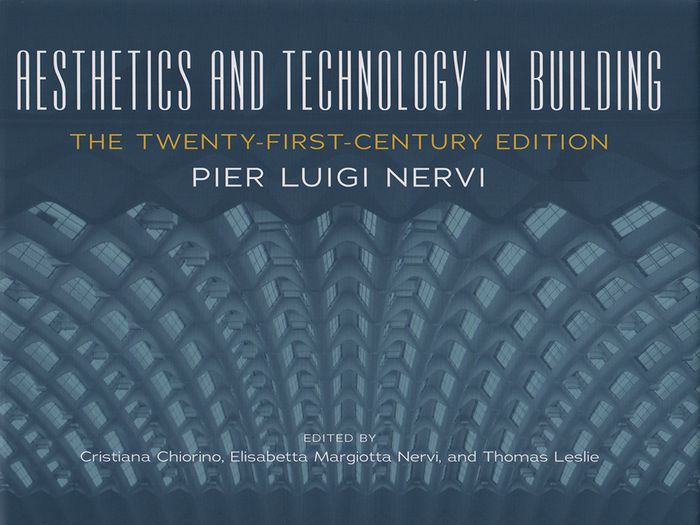
''Aesthetics and Technology in Building: The Twenty-First-Century Edition'' introduces Pier Luigi Nervi's ideas about architecture and engineering to a new generation of students and admirers. More than 200 photographs, details, drawings, and plans show how Nervi put his ideas into practice. Expanding on the seminal 1961 Norton Lectures at Harvard, Nervi analyzes various functional and construction problems. He also explains how precast and cast-in-place concrete can answer demands for economy, technical and functional soundness, and aesthetic perfection. Throughout, he uses his major projects to show how these now-iconic buildings emerged from structural truths and far-sighted construction processes.
Aesthetics and technology in building: the twenty-first century edition
Actions:
Prix:
$95.95
(disponible sur commande)
Résumé:
''Aesthetics and Technology in Building: The Twenty-First-Century Edition'' introduces Pier Luigi Nervi's ideas about architecture and engineering to a new generation of students and admirers. More than 200 photographs, details, drawings, and plans show how Nervi put his ideas into practice. Expanding on the seminal 1961 Norton Lectures at Harvard, Nervi analyzes various functional and construction problems. He also explains how precast and cast-in-place concrete can answer demands for economy, technical and functional soundness, and aesthetic perfection. Throughout, he uses his major projects to show how these now-iconic buildings emerged from structural truths and far-sighted construction processes.
Classification:
livres
livres
Publication:
juillet 2018
juillet 2018
Sujet:
Structures d’ingénierie
Structures d’ingénierie
Classification:
livres
livres
Prix:
$110.00
(disponible sur commande)
Résumé:
This publication is about the relationship between energy and the form of our built environment. It examines the optimisation of energy flows in building and urban design and the implications for form and configuration. It speaks to both architectural and engineering audiences and offers for the first time a truly interdisciplinary overview on the subject, explaining the(...)
$110.00
(disponible sur commande)
Résumé:
This publication is about the relationship between energy and the form of our built environment. It examines the optimisation of energy flows in building and urban design and the implications for form and configuration. It speaks to both architectural and engineering audiences and offers for the first time a truly interdisciplinary overview on the subject, explaining the(...)
Titre:
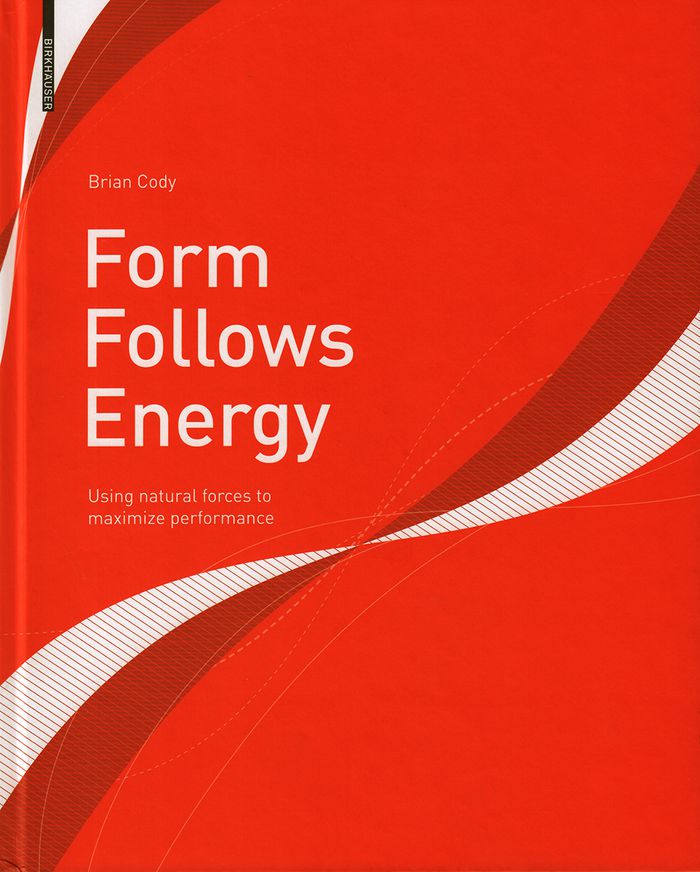
Form follows energy: using natural forces to maximize performance
Actions:
Prix:
$110.00
(disponible sur commande)
Résumé:
This publication is about the relationship between energy and the form of our built environment. It examines the optimisation of energy flows in building and urban design and the implications for form and configuration. It speaks to both architectural and engineering audiences and offers for the first time a truly interdisciplinary overview on the subject, explaining the complex relationships between energy and architecture in an easy to follow manner and using simple diagrams to show how energy design strategies can be used to maximize the energy performance of our built environment, while at the same time leading to new aesthetic qualities and radically new forms in architecture and urban design. Case studies are used to illustrate the theory.
Form follows energy: using natural forces to maximize performance
Actions:
Prix:
$110.00
(disponible sur commande)
Résumé:
This publication is about the relationship between energy and the form of our built environment. It examines the optimisation of energy flows in building and urban design and the implications for form and configuration. It speaks to both architectural and engineering audiences and offers for the first time a truly interdisciplinary overview on the subject, explaining the complex relationships between energy and architecture in an easy to follow manner and using simple diagrams to show how energy design strategies can be used to maximize the energy performance of our built environment, while at the same time leading to new aesthetic qualities and radically new forms in architecture and urban design. Case studies are used to illustrate the theory.
Classification:
livres
livres
Publication:
novembre 2017
novembre 2017
Sujet:
Structures d’ingénierie
Structures d’ingénierie
Classification:
livres
livres
Prix:
$91.50
(disponible sur commande)
Résumé:
Bringing together experts from research and practice, 'Shell Structures for Architecture: Form Finding and Optimization' presents contemporary design methods for shell and gridshell structures, covering form-finding and structural optimization techniques. It introduces architecture and engineering practitioners and students to structural shells and provides computational(...)
$91.50
(disponible sur commande)
Résumé:
Bringing together experts from research and practice, 'Shell Structures for Architecture: Form Finding and Optimization' presents contemporary design methods for shell and gridshell structures, covering form-finding and structural optimization techniques. It introduces architecture and engineering practitioners and students to structural shells and provides computational(...)
Titre:
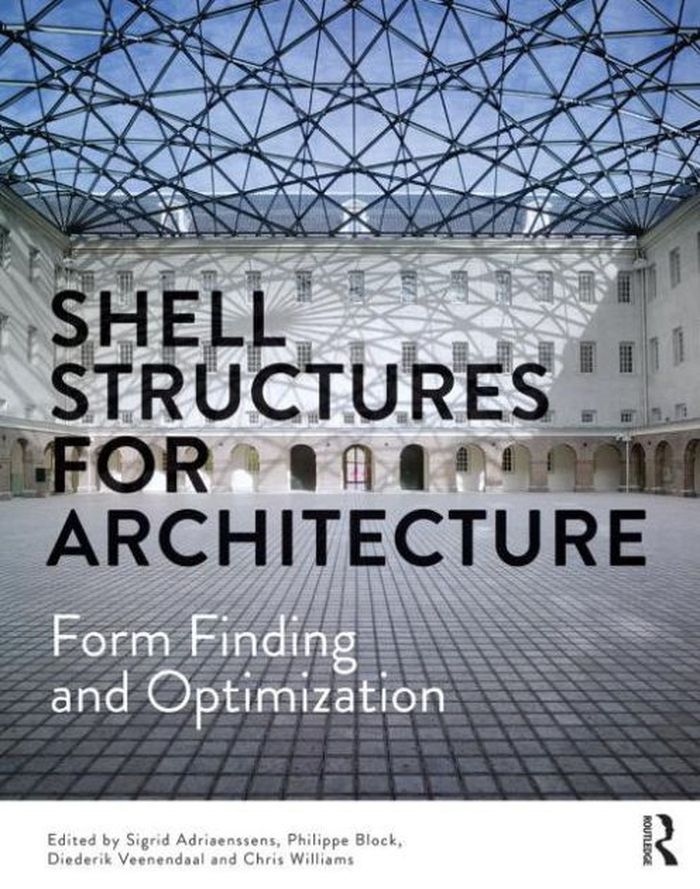
Shell structures for architecture: form finding and optimization
Actions:
Prix:
$91.50
(disponible sur commande)
Résumé:
Bringing together experts from research and practice, 'Shell Structures for Architecture: Form Finding and Optimization' presents contemporary design methods for shell and gridshell structures, covering form-finding and structural optimization techniques. It introduces architecture and engineering practitioners and students to structural shells and provides computational techniques to develop complex curved structural surfaces, in the form of mathematics, computer algorithms, and design case studies.
Shell structures for architecture: form finding and optimization
Actions:
Prix:
$91.50
(disponible sur commande)
Résumé:
Bringing together experts from research and practice, 'Shell Structures for Architecture: Form Finding and Optimization' presents contemporary design methods for shell and gridshell structures, covering form-finding and structural optimization techniques. It introduces architecture and engineering practitioners and students to structural shells and provides computational techniques to develop complex curved structural surfaces, in the form of mathematics, computer algorithms, and design case studies.
Classification:
livres
livres
Publication:
juin 2014
juin 2014
Sujet:
Structures d’ingénierie
Structures d’ingénierie
Classification:
livres
livres
Actions:
Prix:
$100.00
(disponible sur commande)
Résumé:
This book, which since its initial publication has become a standard work for designers of infrastructure, provides a fundamental approach to infrastructure based on four characteristics: as the cause of increased mobility, as a physical presence, as an initiator of movement, and as a collective shared experience of space. These characteristics form the guideline for four(...)
$100.00
(disponible sur commande)
Résumé:
This book, which since its initial publication has become a standard work for designers of infrastructure, provides a fundamental approach to infrastructure based on four characteristics: as the cause of increased mobility, as a physical presence, as an initiator of movement, and as a collective shared experience of space. These characteristics form the guideline for four(...)
Titre:
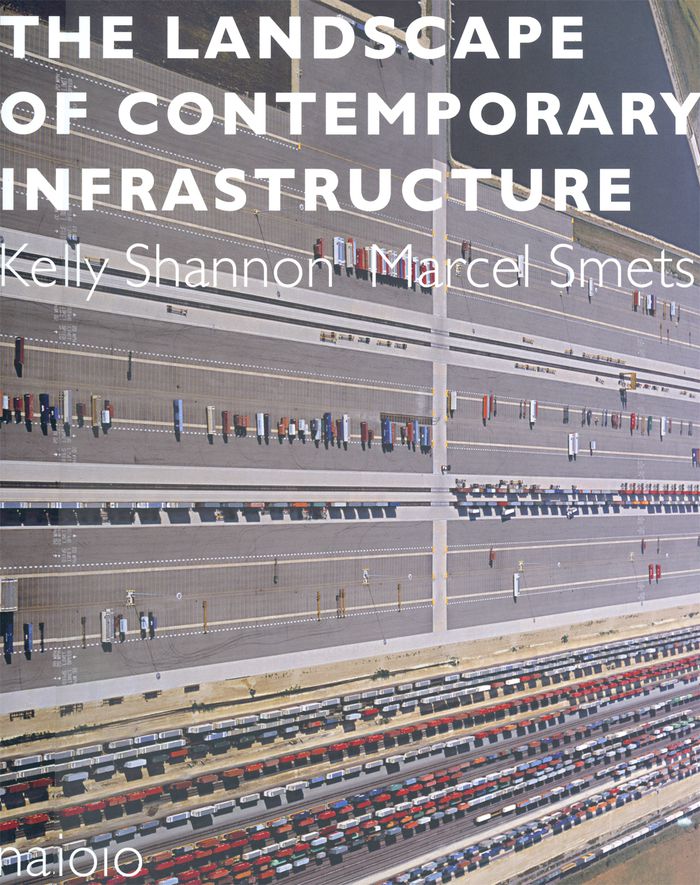
The landscape of contemporary infrastructure
Actions:
Prix:
$100.00
(disponible sur commande)
Résumé:
This book, which since its initial publication has become a standard work for designers of infrastructure, provides a fundamental approach to infrastructure based on four characteristics: as the cause of increased mobility, as a physical presence, as an initiator of movement, and as a collective shared experience of space. These characteristics form the guideline for four chapters that describe a typology of the design concepts that are used worldwide in current practice. Each chapter is illustrated with key projects from around the world, by designers such as Norman Foster, Zaha Hadid, Arata Isozaki and OMA.
The landscape of contemporary infrastructure
Actions:
Prix:
$100.00
(disponible sur commande)
Résumé:
This book, which since its initial publication has become a standard work for designers of infrastructure, provides a fundamental approach to infrastructure based on four characteristics: as the cause of increased mobility, as a physical presence, as an initiator of movement, and as a collective shared experience of space. These characteristics form the guideline for four chapters that describe a typology of the design concepts that are used worldwide in current practice. Each chapter is illustrated with key projects from around the world, by designers such as Norman Foster, Zaha Hadid, Arata Isozaki and OMA.
Classification:
livres
livres
Publication:
août 2016
août 2016
Sujet:
Structures d’ingénierie
Structures d’ingénierie
Classification:
livres
livres
Actions:
Prix:
$41.95
(disponible sur commande)
Résumé:
"If it isn't Electric, it isn't Modern." Such was the slogan of the Philadelphia Electric Company, developer of an unprecedented network of massive metropolitan power stations servicing greater Philadelphia at the turn of the twentieth century. These once-brilliant sentinels of civic utility and activity were designed to convey solidity and immensity in an age of deep(...)
$41.95
(disponible sur commande)
Résumé:
"If it isn't Electric, it isn't Modern." Such was the slogan of the Philadelphia Electric Company, developer of an unprecedented network of massive metropolitan power stations servicing greater Philadelphia at the turn of the twentieth century. These once-brilliant sentinels of civic utility and activity were designed to convey solidity and immensity in an age of deep(...)
Sujet:
Structures d’ingénierie
Structures d’ingénierie
Publication:
novembre 2016
novembre 2016
Titre:
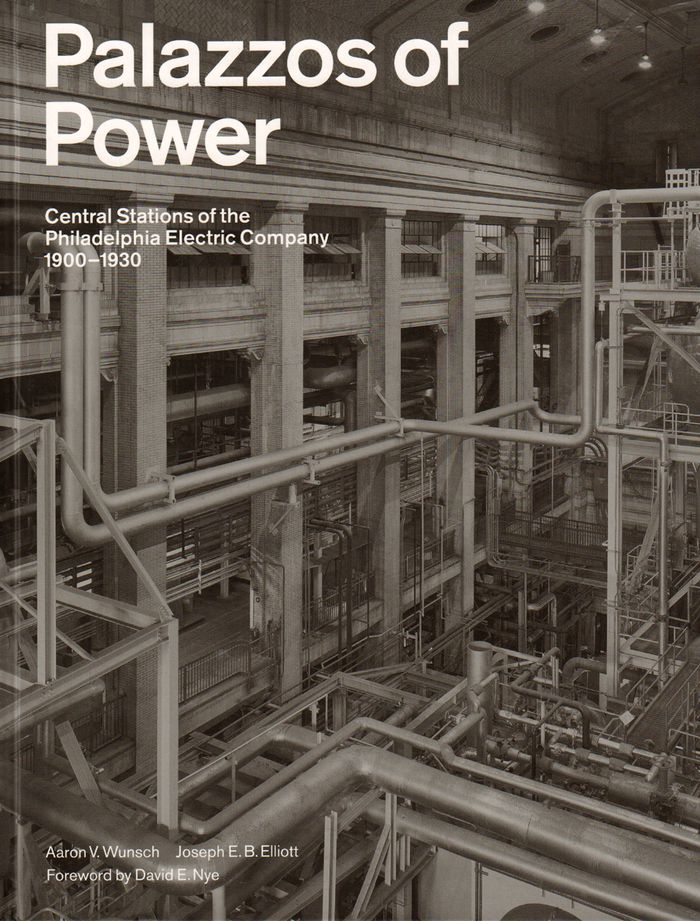
Palazzos of power : central station of the Phalidelphia Electric Company
Actions:
Prix:
$41.95
(disponible sur commande)
Résumé:
"If it isn't Electric, it isn't Modern." Such was the slogan of the Philadelphia Electric Company, developer of an unprecedented network of massive metropolitan power stations servicing greater Philadelphia at the turn of the twentieth century. These once-brilliant sentinels of civic utility and activity were designed to convey solidity and immensity in an age of deep public skepticism. They now stand vacant and decaying, a blight in the eyes of city planners and a beacon to urban explorers.'the first book on the buildings and machines that made possible the electrification of the United States, "Palazzos of power" offers a visual and analytical exploration of architecture, technology, place, loss, and reuse. With a foreword by David Nye, this collection of Joseph Elliott's large-format photographs reveal the urban landscape, monumental spaces, giant machinery, and intricate controls that made up the central station. Aaron Wunsch's essay provides historical context on the social and political climate.
Palazzos of power : central station of the Phalidelphia Electric Company
Actions:
Prix:
$41.95
(disponible sur commande)
Résumé:
"If it isn't Electric, it isn't Modern." Such was the slogan of the Philadelphia Electric Company, developer of an unprecedented network of massive metropolitan power stations servicing greater Philadelphia at the turn of the twentieth century. These once-brilliant sentinels of civic utility and activity were designed to convey solidity and immensity in an age of deep public skepticism. They now stand vacant and decaying, a blight in the eyes of city planners and a beacon to urban explorers.'the first book on the buildings and machines that made possible the electrification of the United States, "Palazzos of power" offers a visual and analytical exploration of architecture, technology, place, loss, and reuse. With a foreword by David Nye, this collection of Joseph Elliott's large-format photographs reveal the urban landscape, monumental spaces, giant machinery, and intricate controls that made up the central station. Aaron Wunsch's essay provides historical context on the social and political climate.
Classification:
livres
livres
Publication:
novembre 2016
novembre 2016
Sujet:
Structures d’ingénierie
Structures d’ingénierie
Classification:
livres
livres

Titre:
Facades selection & details
Facades selection & details
Actions:
Prix:
$57.00
(disponible sur commande)
Résumé:
What gives a building its personality? Its facade, of course. "Facades Selection" offers an exhaustive study of the public face of buildings, from first idea to final execution. Each chapter focuses on a specific material, exploring the design possibilities and construction details of each one. With more than 600 photographs and illustrations, "Facades Selection" is an(...)
$57.00
(disponible sur commande)
Résumé:
What gives a building its personality? Its facade, of course. "Facades Selection" offers an exhaustive study of the public face of buildings, from first idea to final execution. Each chapter focuses on a specific material, exploring the design possibilities and construction details of each one. With more than 600 photographs and illustrations, "Facades Selection" is an(...)
Titre:
Facades selection & details
Actions:
Prix:
$57.00
(disponible sur commande)
Résumé:
What gives a building its personality? Its facade, of course. "Facades Selection" offers an exhaustive study of the public face of buildings, from first idea to final execution. Each chapter focuses on a specific material, exploring the design possibilities and construction details of each one. With more than 600 photographs and illustrations, "Facades Selection" is an indispensable one-volume resource.
Facades selection & details
Actions:
Prix:
$57.00
(disponible sur commande)
Résumé:
What gives a building its personality? Its facade, of course. "Facades Selection" offers an exhaustive study of the public face of buildings, from first idea to final execution. Each chapter focuses on a specific material, exploring the design possibilities and construction details of each one. With more than 600 photographs and illustrations, "Facades Selection" is an indispensable one-volume resource.
Classification:
livres
livres
Publication:
septembre 2008, Barcelona
septembre 2008, Barcelona
Sujet:
Structures d’ingénierie
Structures d’ingénierie


