


5088 Résultats
Classification:
livres
livres
Prix:
$21.95
(disponible sur commande)
Résumé:
Cotten Seiler combs through a vast number of historical, social scientific, philosophical, and literary sources to illustrate the importance of driving to modern American conceptions of the self and the social and political order. He finds that as the figure of the driver blurred into the figure of the citizen, automobility became a powerful resource for women, African(...)
Publication:
octobre 2008, Chicago, London
octobre 2008, Chicago, London
Titre:
Republic of drivers: a cultural history of automobility in America
Actions:
Prix:
$21.95
(disponible sur commande)
Résumé:
Cotten Seiler combs through a vast number of historical, social scientific, philosophical, and literary sources to illustrate the importance of driving to modern American conceptions of the self and the social and political order. He finds that as the figure of the driver blurred into the figure of the citizen, automobility became a powerful resource for women, African Americans, and others seeking entry into the public sphere. And yet, he argues, the individualistic but anonymous act of driving has also monopolized our thinking about freedom and democracy, discouraging the crafting of a more sustainable way of life. As our fantasies of the open road turn into fears of a looming energy crisis, Seiler shows us just how we ended up a republic of drivers—and where we might be headed.
Classification:
livres
livres
Publication:
octobre 2008, Chicago, London
octobre 2008, Chicago, London
Classification:
livres
livres

Actions:
Prix:
$28.50
(disponible sur commande)
Résumé:
After a century behind the wheel, could we be reaching the end of the automotive age?From the Model T to the SUV, "Autophobia" reveals that our vexed relationship with the automobile is nothing new - in fact, debates over whether cars are forces of good or evil in our world have raged for over a century now, ever since the automobile was invented. According to Brian Ladd,(...)
Publication:
novembre 2008, Chicago, London
novembre 2008, Chicago, London
Titre:
Autophobia: love and hate in the automotive age
Actions:
Prix:
$28.50
(disponible sur commande)
Résumé:
After a century behind the wheel, could we be reaching the end of the automotive age?From the Model T to the SUV, "Autophobia" reveals that our vexed relationship with the automobile is nothing new - in fact, debates over whether cars are forces of good or evil in our world have raged for over a century now, ever since the automobile was invented. According to Brian Ladd, this love-hate relationship we have with our cars is the defining quality of the automotive age. And everyone has an opinion about them, from the industry shills, oil barons, and radical libertarians who offer cars blithe paeans and deny their ill effects, to the technophobes, treehuggers, and killjoys who curse cars, ignoring the very real freedoms and benefits they provide us.
Classification:
livres
livres
Publication:
novembre 2008, Chicago, London
novembre 2008, Chicago, London
Classification:
livres
livres
Prix:
$54.00
(disponible en magasin)
Résumé:
The future has been canceled or at least reduced to a perpetual extension of the present, or so we have been told many times by cultural theorists in recent decades. As the unfolding environmental crisis impels us to look ahead with a renewed sense of urgency, many now realize that these futures never went away. In Futures in the Making, Theo Reeves-Evison invites readers(...)
Titre:
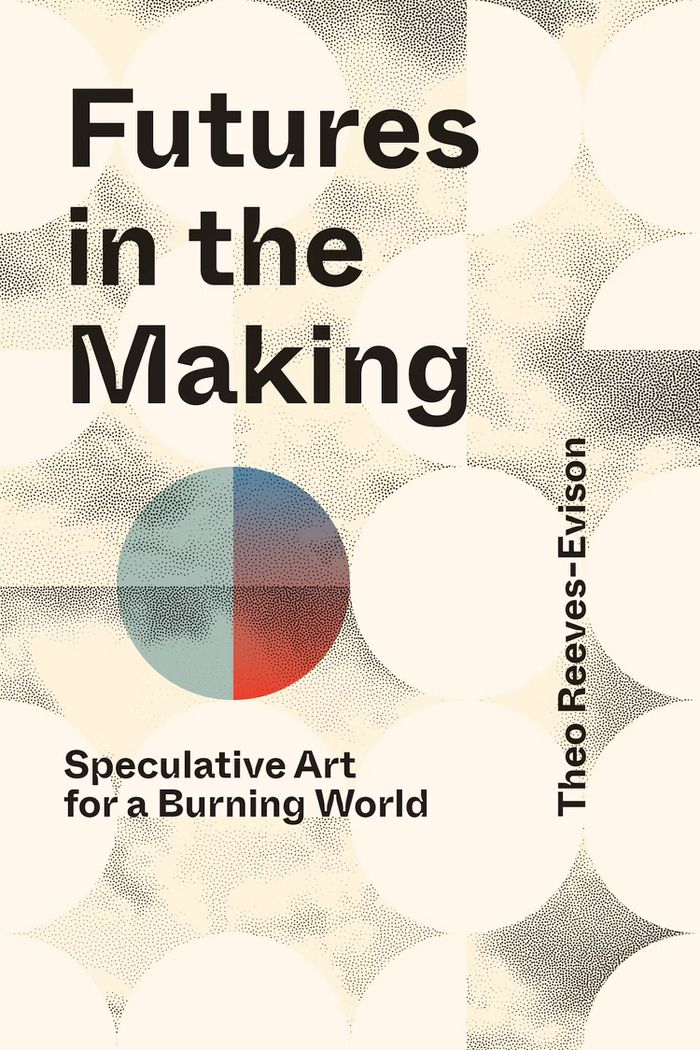
Futures in the making: Speculative art for a burning world
Actions:
Prix:
$54.00
(disponible en magasin)
Résumé:
The future has been canceled or at least reduced to a perpetual extension of the present, or so we have been told many times by cultural theorists in recent decades. As the unfolding environmental crisis impels us to look ahead with a renewed sense of urgency, many now realize that these futures never went away. In Futures in the Making, Theo Reeves-Evison invites readers to explore the role of contemporary art and creative practice in shaping environmental futures. As well as looking at representations of these futures, he pays particular attention to the tools and techniques used to produce them. Tracing the genealogies of socio-technical practices such as scenario planning, prospecting, and geoengineering, the author argues that the ways pasts, presents, and futures are bridged represent a kind of infrastructure.
Classification:
livres
livres
Publication:
octobre 2026
octobre 2026
Sujet:
Théorie de l’art
Théorie de l’art
Classification:
livres
livres
Actions:
Prix:
$48.00
(disponible en magasin)
Résumé:
While everyone is talking about polycrises, the economy keeps growing (and growing green), AI promises to reduce complexity, and wars rage, this book takes a stand: it calls for a new relationship with nature and human nature—beyond extractivism and tourism. The authors argue for a fundamental change in mentality, for a "new rurality." Urban virtues such as freedom,(...)
Titre:
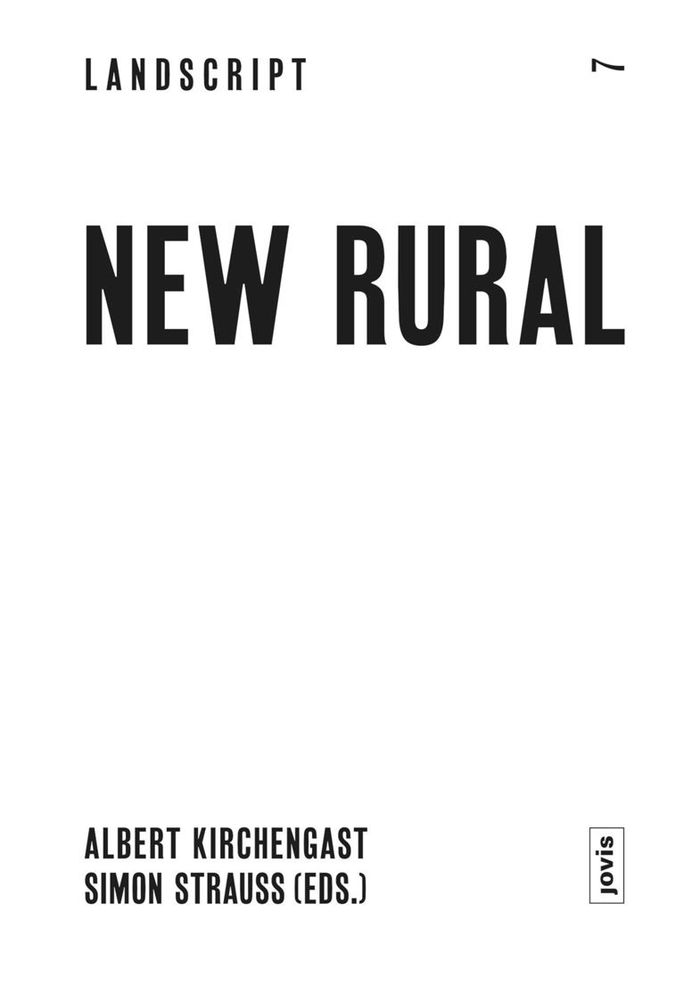
New rural: A stance for the future. Landscript
Actions:
Prix:
$48.00
(disponible en magasin)
Résumé:
While everyone is talking about polycrises, the economy keeps growing (and growing green), AI promises to reduce complexity, and wars rage, this book takes a stand: it calls for a new relationship with nature and human nature—beyond extractivism and tourism. The authors argue for a fundamental change in mentality, for a "new rurality." Urban virtues such as freedom, reason, and intimacy must be rethought and relived with an eye to the forgotten rural spaces. Could a change in our everyday life— decentralized, beyond globalisation and consumption— offer a viable alternative? And what might it look like? New Rural is not a conventional anthology. It is a choreography of various essays and positions that invites us to engage with the material realities of everyday life in new ways.
Classification:
livres
livres
Publication:
septembre 2026
septembre 2026
Sujet:
Théorie du paysage
Théorie du paysage
Classification:
livres
livres

Titre:
Do glaciers listen? Local knowledge, colonial encounters, and social imagination. Anniversay edition
Do glaciers listen? Local knowledge, colonial encounters, and social imagination. Anniversay edition
Actions:
Prix:
$34.95
(disponible en magasin)
Résumé:
"Do Glaciers Listen?" examines conflicting understandings of glaciers in the Saint Elias Mountains, a rugged area where Alaska, British Columbia, and the Yukon Territory meet. In the late eighteenth and early nineteenth centuries, significant geophysical change coincided with social upheaval from a growing European colonial presence and increased trade among Indigenous(...)
Titre:
Do glaciers listen? Local knowledge, colonial encounters, and social imagination. Anniversay edition
Actions:
Prix:
$34.95
(disponible en magasin)
Résumé:
"Do Glaciers Listen?" examines conflicting understandings of glaciers in the Saint Elias Mountains, a rugged area where Alaska, British Columbia, and the Yukon Territory meet. In the late eighteenth and early nineteenth centuries, significant geophysical change coincided with social upheaval from a growing European colonial presence and increased trade among Indigenous Peoples. The European visitors saw glaciers as inanimate and subject to empirical investigation. However, Indigenous oral histories described glaciers as sentient, responding to human behavior and shaping the physical and cultural environments through which they move. Through these contrasts, Cruikshank demonstrates how local knowledge is produced rather than discovered through colonial encounters, and how it often conjoins social and biophysical processes. The result is an interdisciplinary tour de force filled with insight about our relationship to the world around us.
Classification:
livres
livres
Publication:
octobre 2026
octobre 2026
Sujet:
Théorie de l’architecture
Théorie de l’architecture
Classification:
périodiques
périodiques
Actions:
Prix:
$15.00
(disponible en magasin)
Résumé:
That the world is in a pickle, or some kind of a brine, is evident. How do we get out of this jam, or jar? Border Crossings has always looked to artists in all disciplines to show us the way, to shine the light. As we do at least once every year, we immerse ourselves in the alchemy of Paint. Why not begin with the Renaissance and Raphael? In this issue we have a fine(...)
Titre:
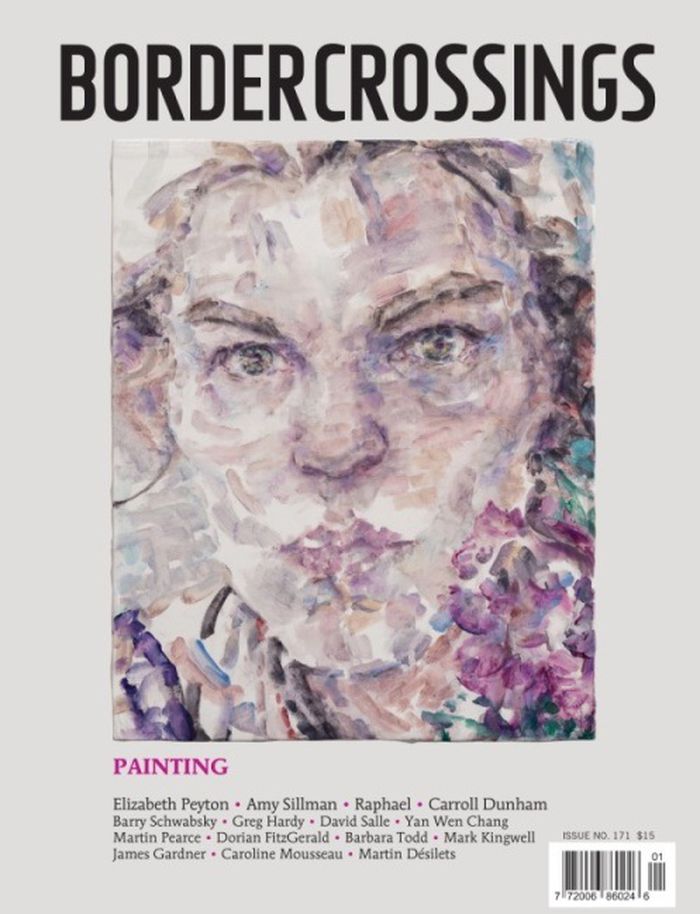
Border crossings 171 : painting
Actions:
Prix:
$15.00
(disponible en magasin)
Résumé:
That the world is in a pickle, or some kind of a brine, is evident. How do we get out of this jam, or jar? Border Crossings has always looked to artists in all disciplines to show us the way, to shine the light. As we do at least once every year, we immerse ourselves in the alchemy of Paint. Why not begin with the Renaissance and Raphael? In this issue we have a fine article on the recent exhibition of Raphael’s works at The Met — some rare pieces travelling to New York. Then, we can look forward. As Border Crossings has always done, we talked with artists — we’ve listened for artists’ voices and conducted an unprecedented number of interviews over many years and so we did for this issue.
Classification:
périodiques
périodiques
Publication:
octobre 2026
octobre 2026
Sujet:
Revues
Revues
Classification:
livres
livres

Prix:
$42.95
(disponible sur commande)
Résumé:
What is the future of the book? And, specifically, what is the future of books on art, design and architecture, and cultural-critical publications? We asked a large number of international interested individuals to respond to this question. Journalists, artists, architects, curators, translators, designers, philosophers, sociologists, teachers, book scholars, publishers,(...)
Titre:
Future book(s): Sharing ideas on books and (art) publishing
Actions:
Prix:
$42.95
(disponible sur commande)
Résumé:
What is the future of the book? And, specifically, what is the future of books on art, design and architecture, and cultural-critical publications? We asked a large number of international interested individuals to respond to this question. Journalists, artists, architects, curators, translators, designers, philosophers, sociologists, teachers, book scholars, publishers, printing houses, distributors, booksellers, historians and art-historians, critics, policymakers, editors, students, and many others have enthusiastically shared their views with us, looking ahead five, twenty or seventy-two years (to the year 2100). At times utopian, wildly fantasizing, at other times with realistic scenarios, in both text and images, exciting for anyone who loves books and/or is involved in books and cultural content. Each section of this publication will be designed by various young designers, to celebrate its scope and diversity.
Classification:
livres
livres
Publication:
octobre 2023
octobre 2023
Classification:
livres
livres
Titre:
Building on the built
Building on the built
Actions:
Prix:
$33.00
(disponible en magasin)
Résumé:
This book is the result of research carried out at the Department of Architecture and Industrial Design of the University of Campania ‘Luigi Vanvitelli’ and thanks to funds from the PON Green and Innovation project. The aim of this work was the desire to investigate a new theory of reuse at a time when space is corrupted by traces of the recent past resulting from(...)
Titre:
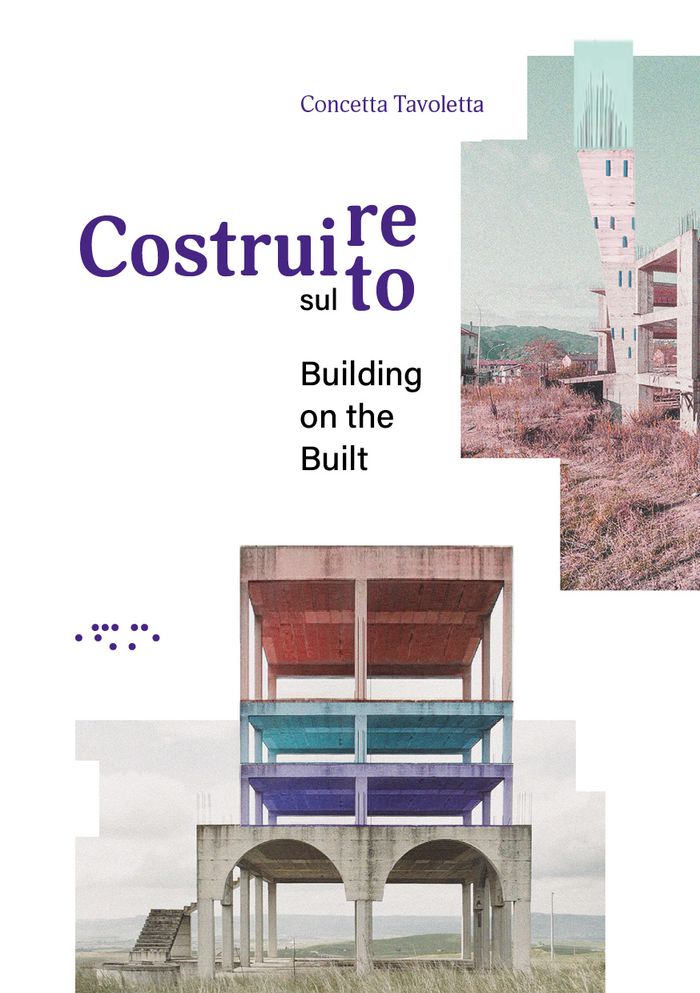
Building on the built
Actions:
Prix:
$33.00
(disponible en magasin)
Résumé:
This book is the result of research carried out at the Department of Architecture and Industrial Design of the University of Campania ‘Luigi Vanvitelli’ and thanks to funds from the PON Green and Innovation project. The aim of this work was the desire to investigate a new theory of reuse at a time when space is corrupted by traces of the recent past resulting from speculation and ‘easy building’. The paradigm of architecture’s function is changing and the project must be in dialogue with the possibility of architecture having many more lives than what it was imagined for, perhaps returning to being what it has always been, an organism ready to be everything and composed of layers of time, just as the history of architecture has taught us by building on the built without fear.
Classification:
livres
livres
Publication:
juin 2023
juin 2023
Sujet:
Architecture contemporaine
Architecture contemporaine
Classification:
livres
livres

Actions:
Prix:
$33.95
(disponible sur commande)
Résumé:
"On extinction" takes us on a breathtaking philosophical journey through desperate territory. As we face "the end of all things," Ben Ware argues we must face our apocalyptic future without flinching. In fact, extinction is the very lens through which we should examine our current reality. Radical politics today should not be concerned with merely averting the worst(...)
Titre:
On extinction: Begining again at the end
Actions:
Prix:
$33.95
(disponible sur commande)
Résumé:
"On extinction" takes us on a breathtaking philosophical journey through desperate territory. As we face "the end of all things," Ben Ware argues we must face our apocalyptic future without flinching. In fact, extinction is the very lens through which we should examine our current reality. Radical politics today should not be concerned with merely averting the worst but rather with beginning again at the end. To think about the future in this way is itself a form of liberation that might incubate the necessary radical solutions we need. Combining lessons from Kant, Hegel, Adorno, and Lacan, as well as drawing on popular culture and ecology, Ware recasts the most urgent issue of our times and resolves that we can only consider our collective end by treating it as a starting point.
Classification:
livres
livres
Publication:
mars 2024
mars 2024
Sujet:
Théorie/ philosophie
Théorie/ philosophie
Classification:
livres
livres
Actions:
Prix:
$29.99
(disponible sur commande)
Résumé:
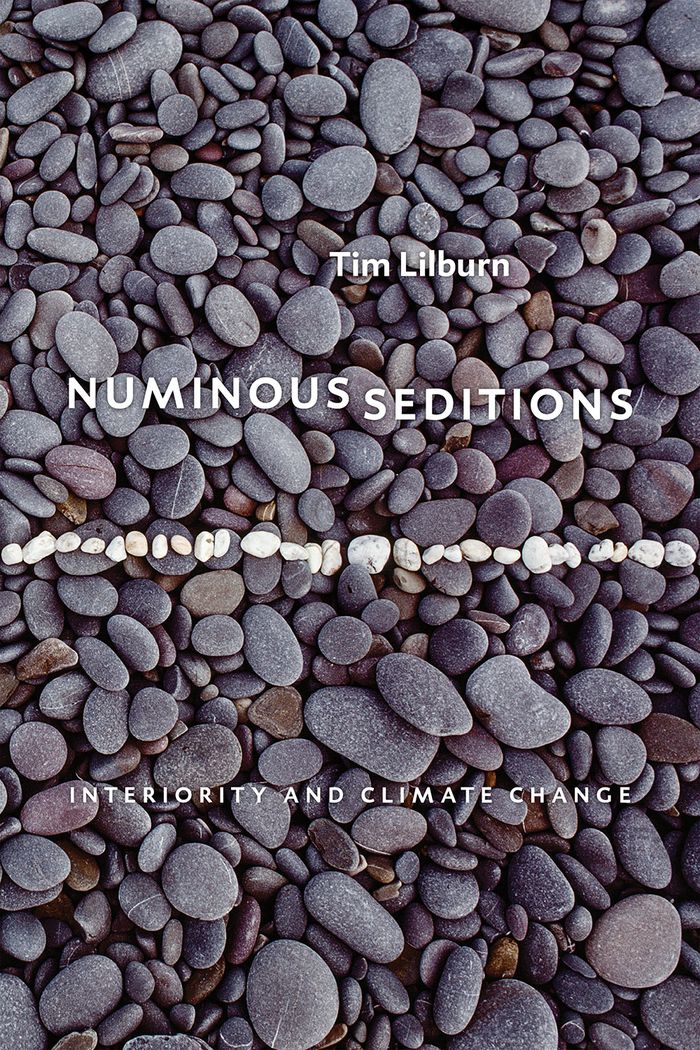
With ''Numinous seditions'', celebrated poet and essayist Tim Lilburn investigates inner dispositions that might help us bear the new sorrows of the climate crisis. The book draws from the West’s almost forgotten contemplative tradition in its Platonic, Islamic, Christian, and Zoharic forms. It also explores ideas from modern philosophers Jan Zwicky, Gillian Rose, Dorothy(...)
Titre:
Numinous seditions: Interiority and climate change
Actions:
Prix:
$29.99
(disponible sur commande)
Résumé:
With ''Numinous seditions'', celebrated poet and essayist Tim Lilburn investigates inner dispositions that might help us bear the new sorrows of the climate crisis. The book draws from the West’s almost forgotten contemplative tradition in its Platonic, Islamic, Christian, and Zoharic forms. It also explores ideas from modern philosophers Jan Zwicky, Gillian Rose, Dorothy Day, and Simone Weil, and from contemporary poets Don Domanski, Philip Kevin Paul, Anne Szumigalski, and Roberto Harrison. Lilburn suggests that listening, noticing, reading, and stretching our imaginations are all part of an interior stance that can assist with the difficult tasks of forming deep relationships with the land, with Indigenous peoples, and with pedagogy itself. Numinous Seditions is for scholars and readers interested in poetry, environmental philosophy, and in the possibility of a contemplative politics.
Classification:
livres
livres
Publication:
novembre 2023
novembre 2023
Sujet:
Théorie/ philosophie
Théorie/ philosophie


