


4749 Résultats
Classification:
livres
livres
Titre:
Momus
Momus
Actions:
Prix:
$47.95
(disponible sur commande)
Résumé:
Momus is the most ambitious literary creation of Leon Battista Alberti, the famous humanist-scientist-artist and "universal man" of the Italian Renaissance. In this dark comedy, written around 1450, Alberti charts the lively fortunes of his anti-hero Momus, the unscrupulous and vitriolic god of criticism. Alberti deploys his singular erudition and wit to satirize subjects(...)
$47.95
(disponible sur commande)
Résumé:
Momus is the most ambitious literary creation of Leon Battista Alberti, the famous humanist-scientist-artist and "universal man" of the Italian Renaissance. In this dark comedy, written around 1450, Alberti charts the lively fortunes of his anti-hero Momus, the unscrupulous and vitriolic god of criticism. Alberti deploys his singular erudition and wit to satirize subjects(...)
Titre:
Momus
Actions:
Prix:
$47.95
(disponible sur commande)
Résumé:
Momus is the most ambitious literary creation of Leon Battista Alberti, the famous humanist-scientist-artist and "universal man" of the Italian Renaissance. In this dark comedy, written around 1450, Alberti charts the lively fortunes of his anti-hero Momus, the unscrupulous and vitriolic god of criticism. Alberti deploys his singular erudition and wit to satirize subjects from court life and politics to philosophy and intellectuals, from grand architectural designs to human and divine folly. The possible contemporary resonance of Alberti's satire, read variously as a humanist roman-à-clef and as a veiled mockery of the mid-Quattrocento papacy, is among its most intriguing aspects. While his more famous books on architecture, painting, and family life have long been regarded as indispensable to a study of Renaissance culture, Momus has recently attracted increasing attention from scholars as a work anticipating the realism of Machiavelli and the satiric wit of Erasmus. This edition provides a new Latin text, the first to be based on the two earliest manuscripts, both corrected by Alberti himself, and includes the first full translation into English.
Momus
Actions:
Prix:
$47.95
(disponible sur commande)
Résumé:
Momus is the most ambitious literary creation of Leon Battista Alberti, the famous humanist-scientist-artist and "universal man" of the Italian Renaissance. In this dark comedy, written around 1450, Alberti charts the lively fortunes of his anti-hero Momus, the unscrupulous and vitriolic god of criticism. Alberti deploys his singular erudition and wit to satirize subjects from court life and politics to philosophy and intellectuals, from grand architectural designs to human and divine folly. The possible contemporary resonance of Alberti's satire, read variously as a humanist roman-à-clef and as a veiled mockery of the mid-Quattrocento papacy, is among its most intriguing aspects. While his more famous books on architecture, painting, and family life have long been regarded as indispensable to a study of Renaissance culture, Momus has recently attracted increasing attention from scholars as a work anticipating the realism of Machiavelli and the satiric wit of Erasmus. This edition provides a new Latin text, the first to be based on the two earliest manuscripts, both corrected by Alberti himself, and includes the first full translation into English.
Classification:
livres
livres
Publication:
mai 2003, Cambridge, Mass.
mai 2003, Cambridge, Mass.
Sujet:
Traités
Traités
Classification:
livres
livres
Titre:
The melancholy art
The melancholy art
Actions:
Prix:
$32.95
(disponible sur commande)
Résumé:
Melancholy is not only about sadness, despair, and loss. As Renaissance artists and philosophers acknowledged long ago, it can engender a certain kind of creativity born from a deep awareness of the mutability of life and the inevitable cycle of birth and death. Drawing on psychoanalysis, philosophy, and the intellectual history of the history of art, The Melancholy Art(...)
$32.95
(disponible sur commande)
Résumé:
Melancholy is not only about sadness, despair, and loss. As Renaissance artists and philosophers acknowledged long ago, it can engender a certain kind of creativity born from a deep awareness of the mutability of life and the inevitable cycle of birth and death. Drawing on psychoanalysis, philosophy, and the intellectual history of the history of art, The Melancholy Art(...)
Titre:
The melancholy art
Actions:
Prix:
$32.95
(disponible sur commande)
Résumé:
Melancholy is not only about sadness, despair, and loss. As Renaissance artists and philosophers acknowledged long ago, it can engender a certain kind of creativity born from a deep awareness of the mutability of life and the inevitable cycle of birth and death. Drawing on psychoanalysis, philosophy, and the intellectual history of the history of art, The Melancholy Art explores the unique connections between melancholy and the art historian's craft.
The melancholy art
Actions:
Prix:
$32.95
(disponible sur commande)
Résumé:
Melancholy is not only about sadness, despair, and loss. As Renaissance artists and philosophers acknowledged long ago, it can engender a certain kind of creativity born from a deep awareness of the mutability of life and the inevitable cycle of birth and death. Drawing on psychoanalysis, philosophy, and the intellectual history of the history of art, The Melancholy Art explores the unique connections between melancholy and the art historian's craft.
Classification:
livres
livres
Publication:
mars 2013
mars 2013
Sujet:
Théorie de l’art
Théorie de l’art
Classification:
livres
livres
Actions:
Prix:
$43.90
(disponible sur commande)
Résumé:
To many, Milton Glaser is the embodiment of American graphic design during the latter half of this century. His presence and impact on the profession internationally is formidable. Immensely creative and articulate, he is a modern renaissance man, one of a rare breeds of intellectual designer-illustrators, who brings a depth of understanding and conceptual thinking,(...)
$43.90
(disponible sur commande)
Résumé:
To many, Milton Glaser is the embodiment of American graphic design during the latter half of this century. His presence and impact on the profession internationally is formidable. Immensely creative and articulate, he is a modern renaissance man, one of a rare breeds of intellectual designer-illustrators, who brings a depth of understanding and conceptual thinking,(...)
Titre:
Idea archive 02 Milton Glaser
Actions:
Prix:
$43.90
(disponible sur commande)
Résumé:
To many, Milton Glaser is the embodiment of American graphic design during the latter half of this century. His presence and impact on the profession internationally is formidable. Immensely creative and articulate, he is a modern renaissance man, one of a rare breeds of intellectual designer-illustrators, who brings a depth of understanding and conceptual thinking, combined with a diverse richness of visual language, to his highly inventive and individualistic work.
Idea archive 02 Milton Glaser
Actions:
Prix:
$43.90
(disponible sur commande)
Résumé:
To many, Milton Glaser is the embodiment of American graphic design during the latter half of this century. His presence and impact on the profession internationally is formidable. Immensely creative and articulate, he is a modern renaissance man, one of a rare breeds of intellectual designer-illustrators, who brings a depth of understanding and conceptual thinking, combined with a diverse richness of visual language, to his highly inventive and individualistic work.
Classification:
livres
livres
Publication:
octobre 2004, Tokyo
octobre 2004, Tokyo
Classification:
livres
livres
Actions:
Prix:
$69.00
(disponible sur commande)
Résumé:
Moving into the central areas of cities is becoming increasingly trendy for people of all ages. Contemporary adaptations of the traditional narrow and multi-storied residential buildings, of London and New York for example, townhouses are the embodiment of this renaissance of urban living. This home type allows its inhabitants to fully enjoy urban life with all its(...)
$69.00
(disponible sur commande)
Résumé:
Moving into the central areas of cities is becoming increasingly trendy for people of all ages. Contemporary adaptations of the traditional narrow and multi-storied residential buildings, of London and New York for example, townhouses are the embodiment of this renaissance of urban living. This home type allows its inhabitants to fully enjoy urban life with all its(...)
Titre:
Townhouse design: layered urban living
Actions:
Prix:
$69.00
(disponible sur commande)
Résumé:
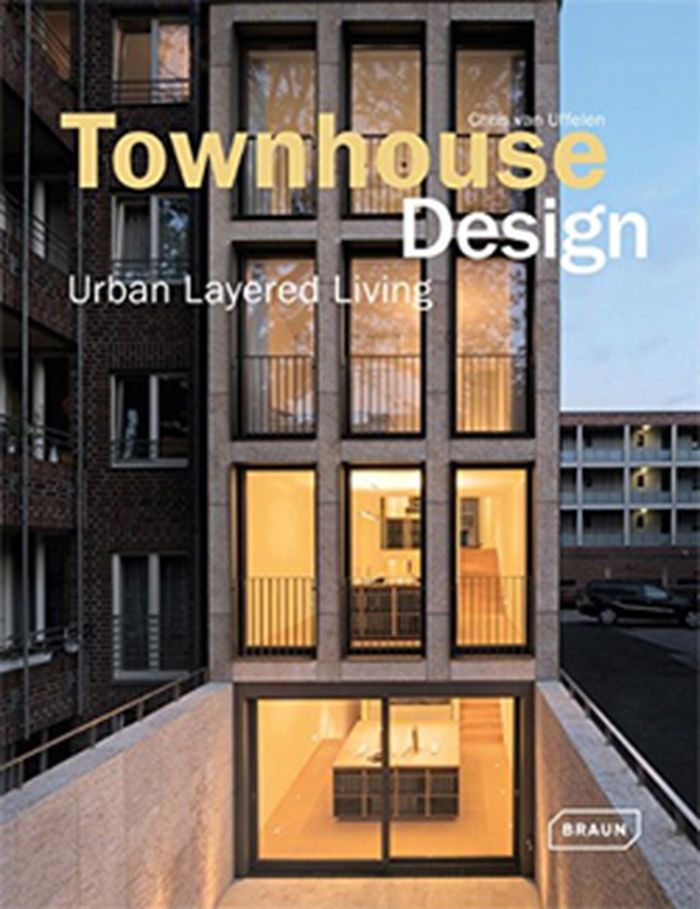
Moving into the central areas of cities is becoming increasingly trendy for people of all ages. Contemporary adaptations of the traditional narrow and multi-storied residential buildings, of London and New York for example, townhouses are the embodiment of this renaissance of urban living. This home type allows its inhabitants to fully enjoy urban life with all its possibilities but also to withdraw from it just like in a single-family house.
Townhouse design: layered urban living
Actions:
Prix:
$69.00
(disponible sur commande)
Résumé:
Moving into the central areas of cities is becoming increasingly trendy for people of all ages. Contemporary adaptations of the traditional narrow and multi-storied residential buildings, of London and New York for example, townhouses are the embodiment of this renaissance of urban living. This home type allows its inhabitants to fully enjoy urban life with all its possibilities but also to withdraw from it just like in a single-family house.
Classification:
livres
livres
Publication:
janvier 2015
janvier 2015
Sujet:
Architecture résidentielle
Architecture résidentielle
Classification:
livres
livres
Actions:
Prix:
$49.95
(disponible sur commande)
Résumé:
Where does architecture belong in the larger scheme of things? Is it a liberal art? Is it related to painting, music, medicine, or horse training? Is it timeless, or does it have a beginning? To pursue such questions, Stephen Parcell investigates four historical definitions of Western architecture: as a techné in ancient Greece, a mechanical art in medieval Europe, an art(...)
$49.95
(disponible sur commande)
Résumé:
Where does architecture belong in the larger scheme of things? Is it a liberal art? Is it related to painting, music, medicine, or horse training? Is it timeless, or does it have a beginning? To pursue such questions, Stephen Parcell investigates four historical definitions of Western architecture: as a techné in ancient Greece, a mechanical art in medieval Europe, an art(...)
Titre:
Four historical definitions of architecture
Actions:
Prix:
$49.95
(disponible sur commande)
Résumé:
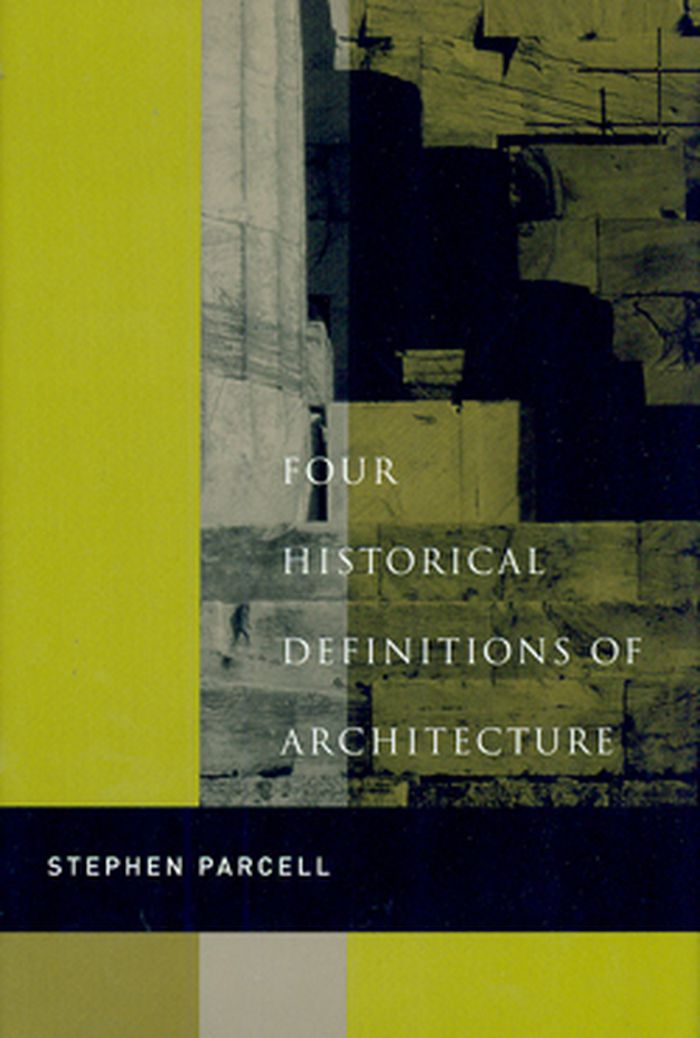
Where does architecture belong in the larger scheme of things? Is it a liberal art? Is it related to painting, music, medicine, or horse training? Is it timeless, or does it have a beginning? To pursue such questions, Stephen Parcell investigates four historical definitions of Western architecture: as a techné in ancient Greece, a mechanical art in medieval Europe, an art of disegno in Renaissance Italy, and a fine art in eighteenth-century Europe.
Four historical definitions of architecture
Actions:
Prix:
$49.95
(disponible sur commande)
Résumé:
Where does architecture belong in the larger scheme of things? Is it a liberal art? Is it related to painting, music, medicine, or horse training? Is it timeless, or does it have a beginning? To pursue such questions, Stephen Parcell investigates four historical definitions of Western architecture: as a techné in ancient Greece, a mechanical art in medieval Europe, an art of disegno in Renaissance Italy, and a fine art in eighteenth-century Europe.
Classification:
livres
livres
Publication:
mars 2012
mars 2012
Sujet:
Histoire jusqu’à 1900
Histoire jusqu’à 1900
Classification:
livres
livres
Prix:
$79.95
(disponible sur commande)
Résumé:
The city does not exist without landscape, nor landscape without the city. The original landscape is always reflected in the form of the city. But how is architectonic coherence between the city and the landscape really achieved? This book sketches the development of the urban landscape from the Renaissance to the present. The examples include urban landscapes and parks(...)
$79.95
(disponible sur commande)
Résumé:
The city does not exist without landscape, nor landscape without the city. The original landscape is always reflected in the form of the city. But how is architectonic coherence between the city and the landscape really achieved? This book sketches the development of the urban landscape from the Renaissance to the present. The examples include urban landscapes and parks(...)
Titre:
Metropolitan landscape architecture: urban parks and landscapes
Actions:
Prix:
$79.95
(disponible sur commande)
Résumé:
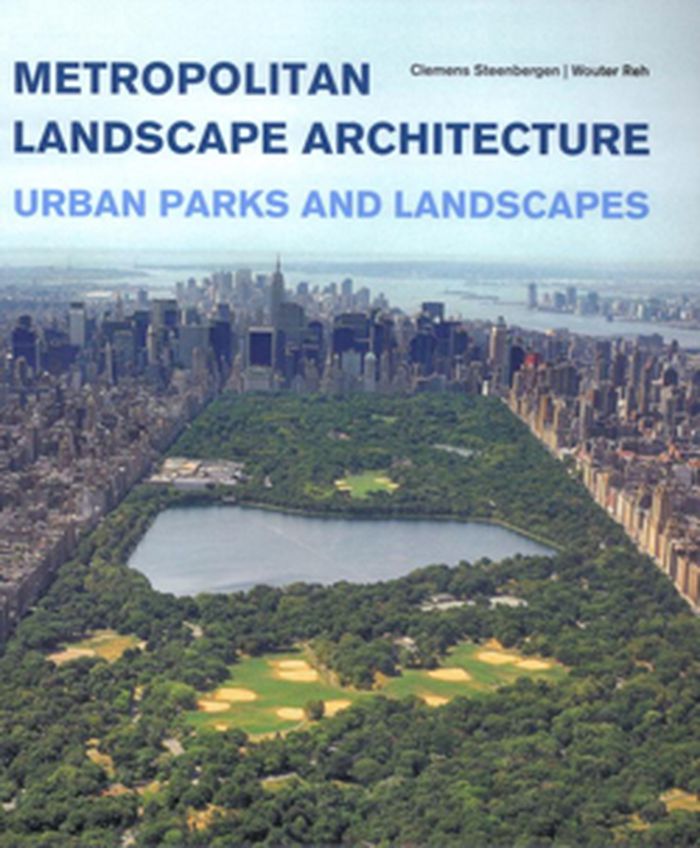
The city does not exist without landscape, nor landscape without the city. The original landscape is always reflected in the form of the city. But how is architectonic coherence between the city and the landscape really achieved? This book sketches the development of the urban landscape from the Renaissance to the present. The examples include urban landscapes and parks in Rome, Paris, London, Berlin, New York, Amsterdam, Barcelona, Boston, Hamburg, Frankfurt and Cologne.
Metropolitan landscape architecture: urban parks and landscapes
Actions:
Prix:
$79.95
(disponible sur commande)
Résumé:
The city does not exist without landscape, nor landscape without the city. The original landscape is always reflected in the form of the city. But how is architectonic coherence between the city and the landscape really achieved? This book sketches the development of the urban landscape from the Renaissance to the present. The examples include urban landscapes and parks in Rome, Paris, London, Berlin, New York, Amsterdam, Barcelona, Boston, Hamburg, Frankfurt and Cologne.
Classification:
livres
livres
Publication:
juin 2012
juin 2012
Sujet:
Paysages urbains
Paysages urbains
Classification:
livres
livres
Actions:
Prix:
$12.95
(disponible sur commande)
Résumé:
Rien ne disposait Talleyrand à vivre à Valençay, somptueux joyau Renaissance revu sous Louis XV, que son blanc donjon apparente à Chambord et aux châteaux de la Loire. Emmanuel de Waresquiel, historien dont les biographies maintes fois primées font date, raconte à la faveur de quel extraordinaire marchandage politico-financier, le citoyen ministre de Bonaparte achète, à(...)
$12.95
(disponible sur commande)
Résumé:
Rien ne disposait Talleyrand à vivre à Valençay, somptueux joyau Renaissance revu sous Louis XV, que son blanc donjon apparente à Chambord et aux châteaux de la Loire. Emmanuel de Waresquiel, historien dont les biographies maintes fois primées font date, raconte à la faveur de quel extraordinaire marchandage politico-financier, le citoyen ministre de Bonaparte achète, à(...)
Publication:
août 2015
août 2015
Titre:
Talleyrand en son château de Valençay
Actions:
Prix:
$12.95
(disponible sur commande)
Résumé:
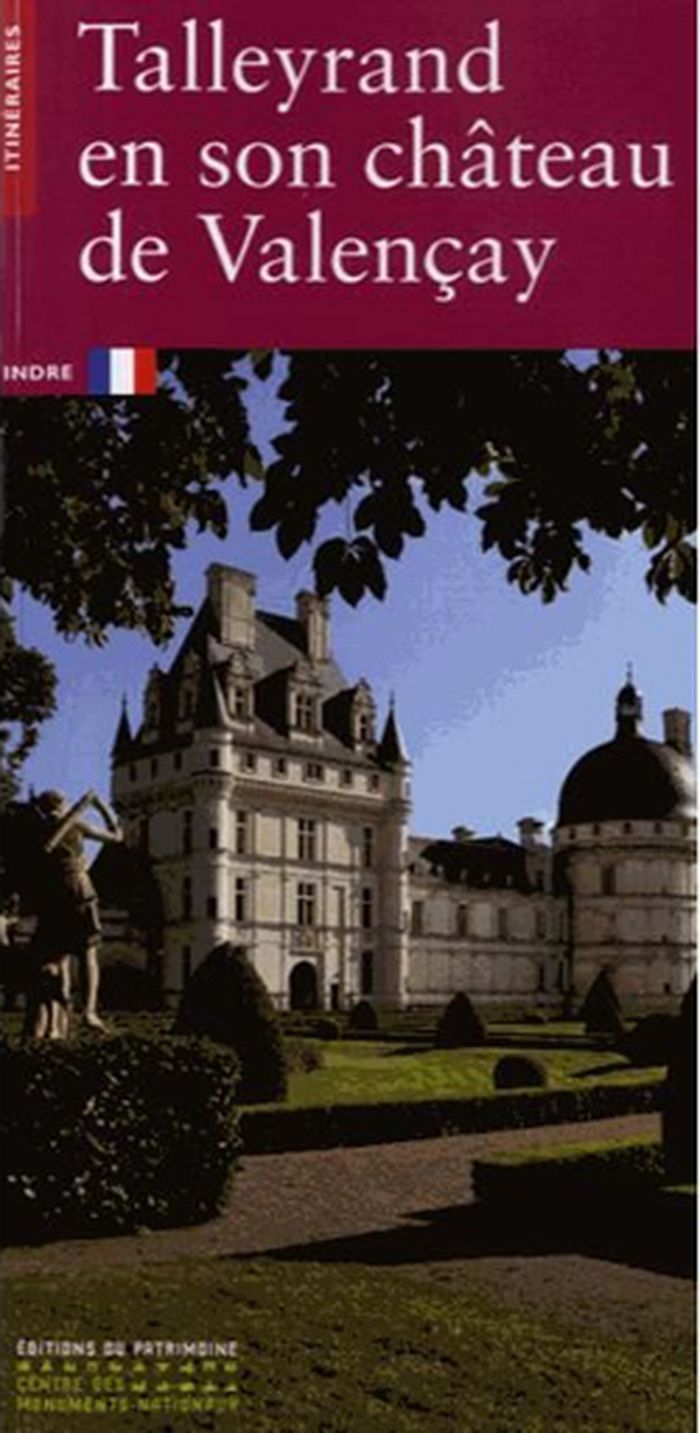
Rien ne disposait Talleyrand à vivre à Valençay, somptueux joyau Renaissance revu sous Louis XV, que son blanc donjon apparente à Chambord et aux châteaux de la Loire. Emmanuel de Waresquiel, historien dont les biographies maintes fois primées font date, raconte à la faveur de quel extraordinaire marchandage politico-financier, le citoyen ministre de Bonaparte achète, à presque cinquante ans, un domaine à la mesure de ses goûts, de sa position et de son ambition.
Talleyrand en son château de Valençay
Actions:
Prix:
$12.95
(disponible sur commande)
Résumé:
Rien ne disposait Talleyrand à vivre à Valençay, somptueux joyau Renaissance revu sous Louis XV, que son blanc donjon apparente à Chambord et aux châteaux de la Loire. Emmanuel de Waresquiel, historien dont les biographies maintes fois primées font date, raconte à la faveur de quel extraordinaire marchandage politico-financier, le citoyen ministre de Bonaparte achète, à presque cinquante ans, un domaine à la mesure de ses goûts, de sa position et de son ambition.
Classification:
livres
livres
Publication:
août 2015
août 2015
Classification:
livres
livres
Actions:
Prix:
$86.00
(disponible sur commande)
Résumé:
The essential purpose of a staircase is utilitarian : to facilitate ascent and descent. Yet the design of even the simplest stair is complex, requiring great knowledge, skill, and ingenuity. This volume showcases the astonishing diversity of staircases over the centuries, from the stepped pyramids of the Maya to the exquisitely proportioned stairs of the Renaissance, to(...)
$86.00
(disponible sur commande)
Résumé:
The essential purpose of a staircase is utilitarian : to facilitate ascent and descent. Yet the design of even the simplest stair is complex, requiring great knowledge, skill, and ingenuity. This volume showcases the astonishing diversity of staircases over the centuries, from the stepped pyramids of the Maya to the exquisitely proportioned stairs of the Renaissance, to(...)
Publication:
septembre 2013
septembre 2013
Titre:
Staircases : the architecture of ascent
Actions:
Prix:
$86.00
(disponible sur commande)
Résumé:
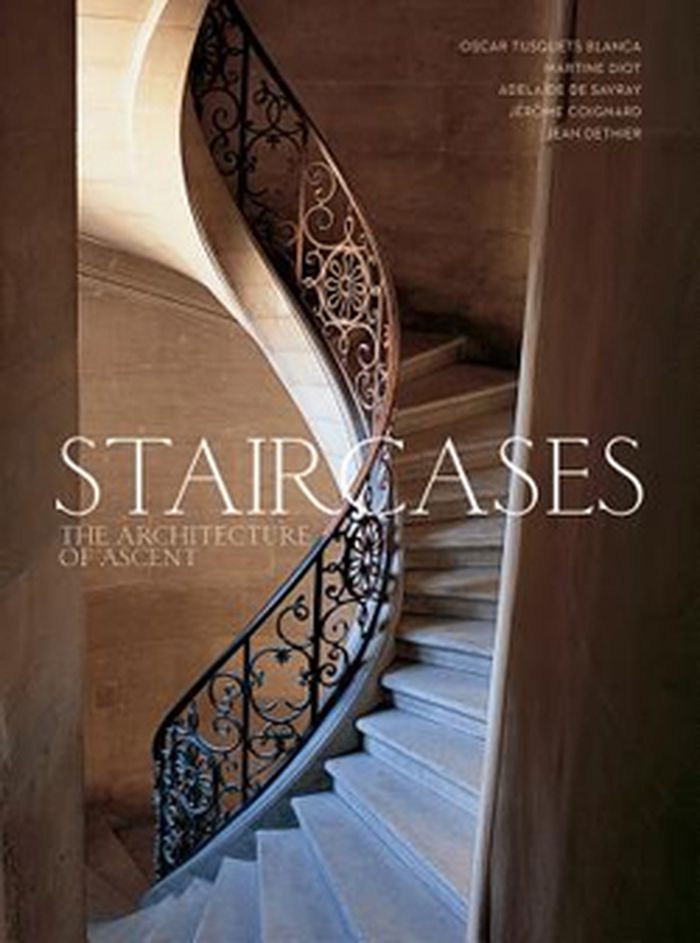
The essential purpose of a staircase is utilitarian : to facilitate ascent and descent. Yet the design of even the simplest stair is complex, requiring great knowledge, skill, and ingenuity. This volume showcases the astonishing diversity of staircases over the centuries, from the stepped pyramids of the Maya to the exquisitely proportioned stairs of the Renaissance, to the elaborate balustraded confections of the Baroque period, to the virtuosic, computer-aided designs of today.
Staircases : the architecture of ascent
Actions:
Prix:
$86.00
(disponible sur commande)
Résumé:
The essential purpose of a staircase is utilitarian : to facilitate ascent and descent. Yet the design of even the simplest stair is complex, requiring great knowledge, skill, and ingenuity. This volume showcases the astonishing diversity of staircases over the centuries, from the stepped pyramids of the Maya to the exquisitely proportioned stairs of the Renaissance, to the elaborate balustraded confections of the Baroque period, to the virtuosic, computer-aided designs of today.
Classification:
livres
livres
Publication:
septembre 2013
septembre 2013
Classification:
livres
livres
Titre:
Little book of lettering
Little book of lettering
Actions:
Prix:
$28.95
(disponible sur commande)
Résumé:
Typography is always one of the designer's first considerations when it comes to making a statement, and in recent years the world of lettering and type has exploded in an unprecedented wave of creative discovery. Contemporary artists, typesetters, and designers of all kinds are exploring new horizons in illustrated and hand-drawn lettering, digitally rendered lettering,(...)
$28.95
(disponible sur commande)
Résumé:
Typography is always one of the designer's first considerations when it comes to making a statement, and in recent years the world of lettering and type has exploded in an unprecedented wave of creative discovery. Contemporary artists, typesetters, and designers of all kinds are exploring new horizons in illustrated and hand-drawn lettering, digitally rendered lettering,(...)
Titre:
Little book of lettering
Actions:
Prix:
$28.95
(disponible sur commande)
Résumé:
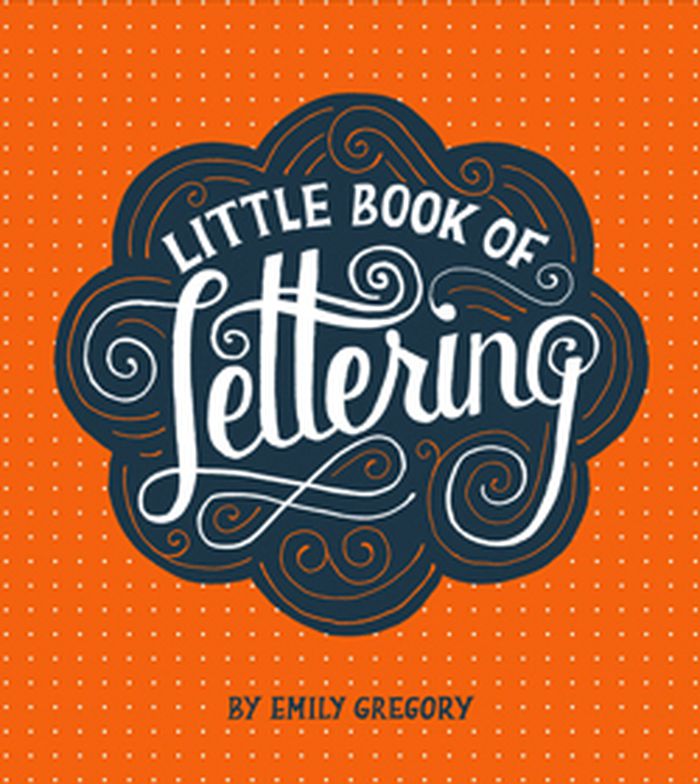
Typography is always one of the designer's first considerations when it comes to making a statement, and in recent years the world of lettering and type has exploded in an unprecedented wave of creative discovery. Contemporary artists, typesetters, and designers of all kinds are exploring new horizons in illustrated and hand-drawn lettering, digitally rendered lettering, and 3D lettering. This collection--large in scope but petite in size-- surveys the recent lettering renaissance.
Little book of lettering
Actions:
Prix:
$28.95
(disponible sur commande)
Résumé:
Typography is always one of the designer's first considerations when it comes to making a statement, and in recent years the world of lettering and type has exploded in an unprecedented wave of creative discovery. Contemporary artists, typesetters, and designers of all kinds are exploring new horizons in illustrated and hand-drawn lettering, digitally rendered lettering, and 3D lettering. This collection--large in scope but petite in size-- surveys the recent lettering renaissance.
Classification:
livres
livres
Publication:
mars 2013
mars 2013
Classification:
livres
livres
Actions:
Prix:
$22.50
(disponible sur commande)
Résumé:
Throughout history, our sensory transformation has been predicated on newly invented machinery and instruments, from the camera obscura to the stereoscope to the multimedia apparatuses of today. In the perspective paintings of the Renaissance, the "train sickness" works of the 19th century, and the helicopter view of modern times, artists reveal their role as mediums of(...)
$22.50
(disponible sur commande)
Résumé:
Throughout history, our sensory transformation has been predicated on newly invented machinery and instruments, from the camera obscura to the stereoscope to the multimedia apparatuses of today. In the perspective paintings of the Renaissance, the "train sickness" works of the 19th century, and the helicopter view of modern times, artists reveal their role as mediums of(...)
Titre:
Technology: art, fairground and theatre
Actions:
Prix:
$22.50
(disponible sur commande)
Résumé:
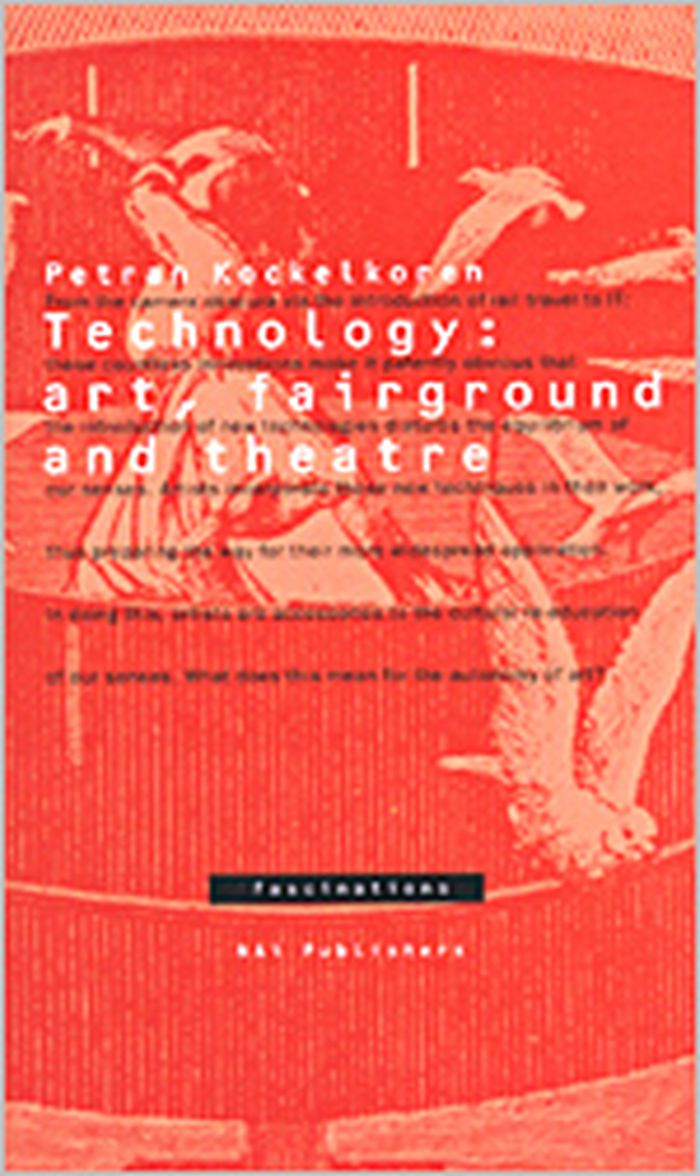
Throughout history, our sensory transformation has been predicated on newly invented machinery and instruments, from the camera obscura to the stereoscope to the multimedia apparatuses of today. In the perspective paintings of the Renaissance, the "train sickness" works of the 19th century, and the helicopter view of modern times, artists reveal their role as mediums of the new, pioneers who, through their incorporation and absorption of new technologies, subtly introduce them into the general consciousness.
Technology: art, fairground and theatre
Actions:
Prix:
$22.50
(disponible sur commande)
Résumé:
Throughout history, our sensory transformation has been predicated on newly invented machinery and instruments, from the camera obscura to the stereoscope to the multimedia apparatuses of today. In the perspective paintings of the Renaissance, the "train sickness" works of the 19th century, and the helicopter view of modern times, artists reveal their role as mediums of the new, pioneers who, through their incorporation and absorption of new technologies, subtly introduce them into the general consciousness.
Classification:
livres
livres
Publication:
mars 2002, Rotterdam
mars 2002, Rotterdam
Sujet:
Théorie de l’architecture
Théorie de l’architecture


