


5088 Résultats
Classification:
livres
livres
Actions:
Prix:
$110.00
(disponible en magasin)
Résumé:
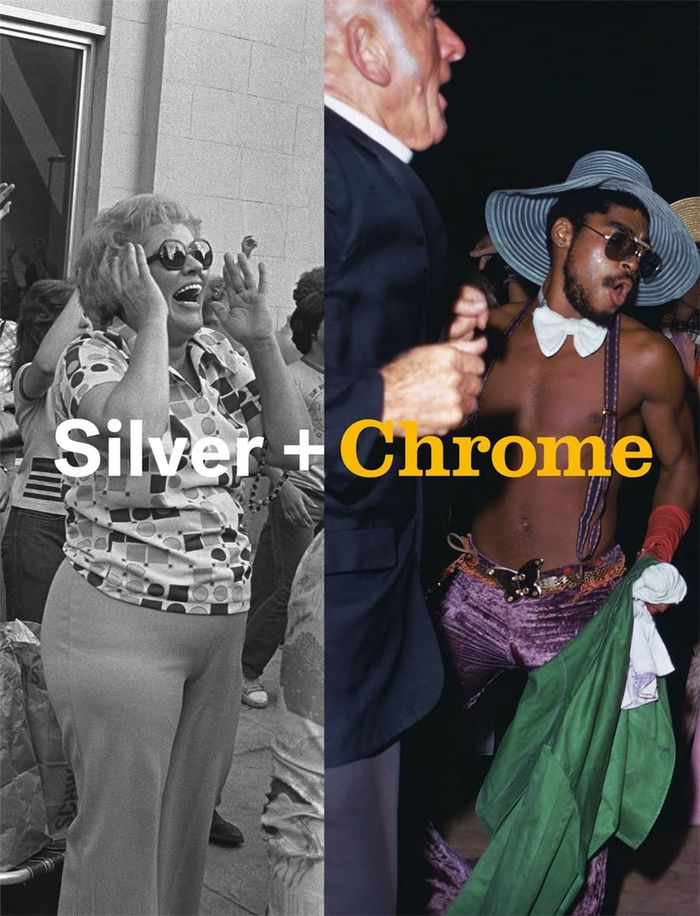
Between 1973 and ’76, Mitch Epstein (born 1952) photographed in American cities- New York, Los Angeles and New Orleans, among others. He was initially shooting in black and white as a student of Garry Winogrand, when he asked his teacher, ''Why not color?'' With Winogrand’s blessing, Epstein shot his first rolls of Kodachrome. ''Silver + Chrome'' is a chronicle of his(...)
Titre:
Mitch Epstein: Silver + Chrome
Actions:
Prix:
$110.00
(disponible en magasin)
Résumé:
Between 1973 and ’76, Mitch Epstein (born 1952) photographed in American cities- New York, Los Angeles and New Orleans, among others. He was initially shooting in black and white as a student of Garry Winogrand, when he asked his teacher, ''Why not color?'' With Winogrand’s blessing, Epstein shot his first rolls of Kodachrome. ''Silver + Chrome'' is a chronicle of his three years alternating between color and black and white, before eventually committing to color. This book contains Epstein’s earliest work, virtually none of which has been seen before. In these kinetic tableaux, the artist’s exuberance is tamed, just barely, by his formal intelligence. He depicts American city life as it undergoes taboo-shattering sexual liberation, economic crises and the repercussions of a boondoggle war in Vietnam, immersing us in the urban chaos of this complicated time.
Classification:
livres
livres
Publication:
août 2022
août 2022
Sujet:
Monographies photo
Monographies photo
Classification:
livres
livres
Titre:
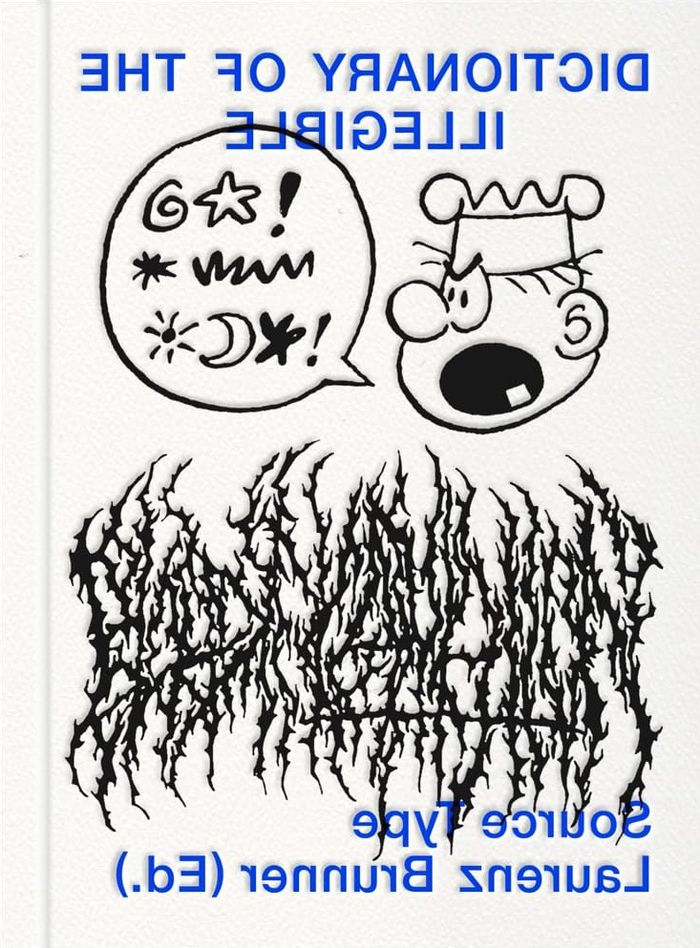
Dictionary of the Illegible
Dictionary of the Illegible
Actions:
Prix:
$58.95
(disponible sur commande)
Résumé:
We seem to have invented every way to deconstruct and decode words: from the Speak & Spell to Hooked on Phonics, from Google Translate to smartphone picture-to-text apps. Yet how does language continue to elude us? From Swiss designer Laurenz Brunner comes Dictionary of the Illegible, a one-of-a-kind research project dedicated to illegible typography. This tome archives(...)
Titre:
Dictionary of the Illegible
Actions:
Prix:
$58.95
(disponible sur commande)
Résumé:
We seem to have invented every way to deconstruct and decode words: from the Speak & Spell to Hooked on Phonics, from Google Translate to smartphone picture-to-text apps. Yet how does language continue to elude us? From Swiss designer Laurenz Brunner comes Dictionary of the Illegible, a one-of-a-kind research project dedicated to illegible typography. This tome archives more than 250 examples drawn from the beginning of visual culture to the hypersaturated media ecosystem of the 21st century. Works by Albrecht Dürer, Hilma af Klint, Roland Barthes, Bruno Munari, Max Ernst and Paul Klee sit alongside equally puzzling screen captures from Family Guy, Jeopardy!, Doctor Who, The Simpsons and Star Trek. Each entry presents distinctive typographic forms that push against conventional notions of "readability" while opening up new possibilities for visual interpretation.
Classification:
livres
livres
Publication:
juin 2026
juin 2026
Sujet:
Théorie de l’art
Théorie de l’art
Classification:
livres
livres
Titre:
Inventing the future : postcapitalism and a world without work / Nick Srnicek and Alex Williams.
Inventing the future : postcapitalism and a world without work / Nick Srnicek and Alex Williams.
Actions:
Exemplaires:
Description:
263 pages ; 20 cm
Description:
263 pages ; 20 cm
Auteur:
Sujet:
Publication:
London ; Brooklyn, NY : Verso, 2016.
London ; Brooklyn, NY : Verso, 2016.
Titre:
Inventing the future : postcapitalism and a world without work / Nick Srnicek and Alex Williams.
Actions:
Exemplaires:
Description:
263 pages ; 20 cm
Inventing the future : postcapitalism and a world without work / Nick Srnicek and Alex Williams.
Actions:
Exemplaires:
Description:
263 pages ; 20 cm
Classification:
livres
livres
Publication:
London ; Brooklyn, NY : Verso, 2016.
London ; Brooklyn, NY : Verso, 2016.
Auteur:
Sujet:
Classification:
livres
livres
Actions:
Prix:
$66.00
(disponible sur commande)
Résumé:
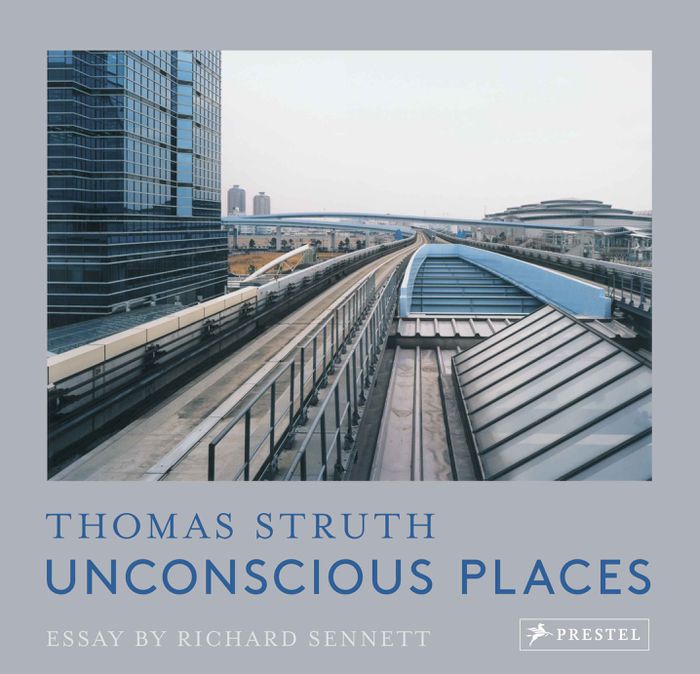
In this new edition of his striking collection of street views from 1970 to 2010. Thomas Struth presents a series of urban streetscapes from cities such as Edinburgh, Lima, Pyongyang, Naples, and New York City, all taken in similar conditions--devoid of human activity. Struth refers to these mundane buildings, unpopulated streets and anonymous facades as "unconscious(...)
Titre:
Thomas Struth: Unconscious places
Actions:
Prix:
$66.00
(disponible sur commande)
Résumé:
In this new edition of his striking collection of street views from 1970 to 2010. Thomas Struth presents a series of urban streetscapes from cities such as Edinburgh, Lima, Pyongyang, Naples, and New York City, all taken in similar conditions--devoid of human activity. Struth refers to these mundane buildings, unpopulated streets and anonymous facades as "unconscious places"--environments that are imbued with meaning only by the viewer. Captured with exquisite technical prowess and presented with powerful, restrained neutrality, Struth's images allow us to fully appreciate a city's character--from its telephone wires above to the pavement below. Richard Sennett's illuminating essay reveals how Struth's sober, lucid photography leads the viewer to create their own conclusions, rather than forcing a perspective. The resulting interplay among photographer, viewer, and landscape may hold the key to understanding how architecture affects our daily lives.
Classification:
livres
livres
Publication:
septembre 2020
septembre 2020
Sujet:
Monographies photo
Monographies photo
Classification:
périodiques
périodiques

Prix:
$48.00
(disponible sur commande)
Résumé:
If reality were solely based on Linkedin announcements, design biennials, and conferences, you’d think design and architecture are nearing perfection in terms of complete sustainable design. In contrast, the actual practice of circular building is messy, complicated, stacked with dilemmas, and still far from achieving its goals. This guide helps readers and designers(...)
Titre:
Volume 63: The not-so-easy guide to circular interior design
Actions:
Prix:
$48.00
(disponible sur commande)
Résumé:
If reality were solely based on Linkedin announcements, design biennials, and conferences, you’d think design and architecture are nearing perfection in terms of complete sustainable design. In contrast, the actual practice of circular building is messy, complicated, stacked with dilemmas, and still far from achieving its goals. This guide helps readers and designers untangle the intricate web of interlocking issues that keep us from realizing most of our ambitions. It takes an inside-out approach to architecture, starting from the interior. This is particularly important as interiors are characterized by high turnover rates, driven by trends, and consist of highly customized components made from a variety of materials, making implementing circular principles even more challenging. Organized into three levels of expertise – beginner, intermediate, and expert – this guide will help you navigate circular design based on your own practice and experience.
Classification:
périodiques
périodiques
Publication:
décembre 2023
décembre 2023
Sujet:
Revues
Revues
Classification:
livres
livres
Titre:
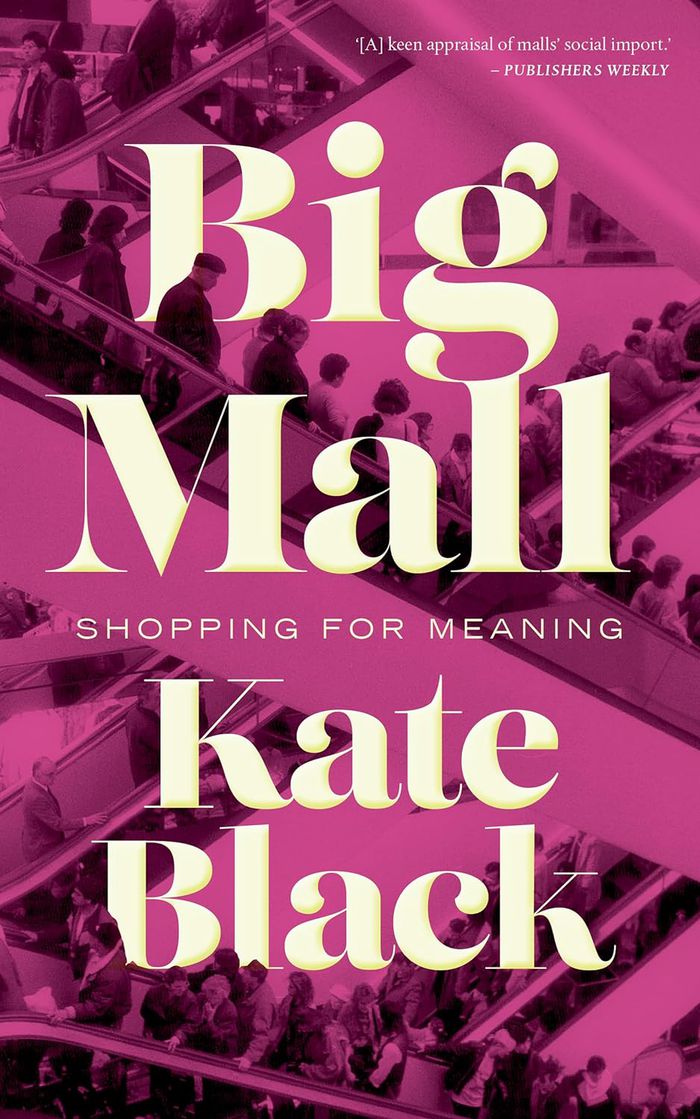
Big mall
Big mall
Actions:
Prix:
$23.95
(disponible sur commande)
Résumé:
A phenomenology of the mall: If the mall makes us feel bad, why do we keep going back? In a world poisoned by capitalism, is shopping what makes life worth living? Kate Black grew up in West Edmonton Mall – a mall on steroids, notorious for its indoor waterpark, deadly roller coaster, and controversial dolphin shows. But everyone has a favourite mall, or a mall that is(...)
Titre:
Big mall
Actions:
Prix:
$23.95
(disponible sur commande)
Résumé:
A phenomenology of the mall: If the mall makes us feel bad, why do we keep going back? In a world poisoned by capitalism, is shopping what makes life worth living? Kate Black grew up in West Edmonton Mall – a mall on steroids, notorious for its indoor waterpark, deadly roller coaster, and controversial dolphin shows. But everyone has a favourite mall, or a mall that is their own personal memory palace. It's a place people love to hate and hate to love – a site of pleasure and pain, of death and violence, of (sub)urban legend. Blending a history of shopping with a story of coming of age in North America's largest and strangest mall, "Big mall" investigates how these structures have become the ultimate symbol of late-capitalist dread – and, surprisingly, a subversive site of hope.
Classification:
livres
livres
Publication:
février 2024
février 2024
Classification:
livres
livres

Titre:
Imperfect solidarities
Imperfect solidarities
Actions:
Prix:
$24.95
(disponible sur commande)
Résumé:
Can empathy deliver political change? Does art that elicits emotional identification with others take us where we need to go? In ''Imperfect Solidarities'', writer and art historian Aruna D’Souza offers observations pulled from current events as well as contemporary art that suggest that a feeling of understanding or closeness based on emotion is an imperfect ground for(...)
Titre:
Imperfect solidarities
Actions:
Prix:
$24.95
(disponible sur commande)
Résumé:
Can empathy deliver political change? Does art that elicits emotional identification with others take us where we need to go? In ''Imperfect Solidarities'', writer and art historian Aruna D’Souza offers observations pulled from current events as well as contemporary art that suggest that a feeling of understanding or closeness based on emotion is an imperfect ground for solidarity. Empathy—and its correlate, love—is a distraction from the hard work that needs to be done to achieve justice. Rather, D’Souza contends, we need to imagine a form of political solidarity that is not based on empathy, but on the much more difficult obligation of care. When we can respect the unknowability of the other and still care for and with them, without translating ourselves into their terms, perhaps we will fare better at building political bridges.
Classification:
livres
livres
Publication:
août 2024
août 2024
Sujet:
Théorie de l’art
Théorie de l’art
Classification:
livres
livres
Actions:
Prix:
$32.95
(disponible sur commande)
Résumé:
The seventh issue of Errant Journal is guest edited by Ghiwa Sayegh and aims to interrogate the role of the body in strategies of resistance from below. Taking Palestine as a starting point, the ongoing genocide committed by Israel and other colonial powers and the people’s continued struggle for liberation inform the issue’s thinking and praxis. From this political(...)
Titre:
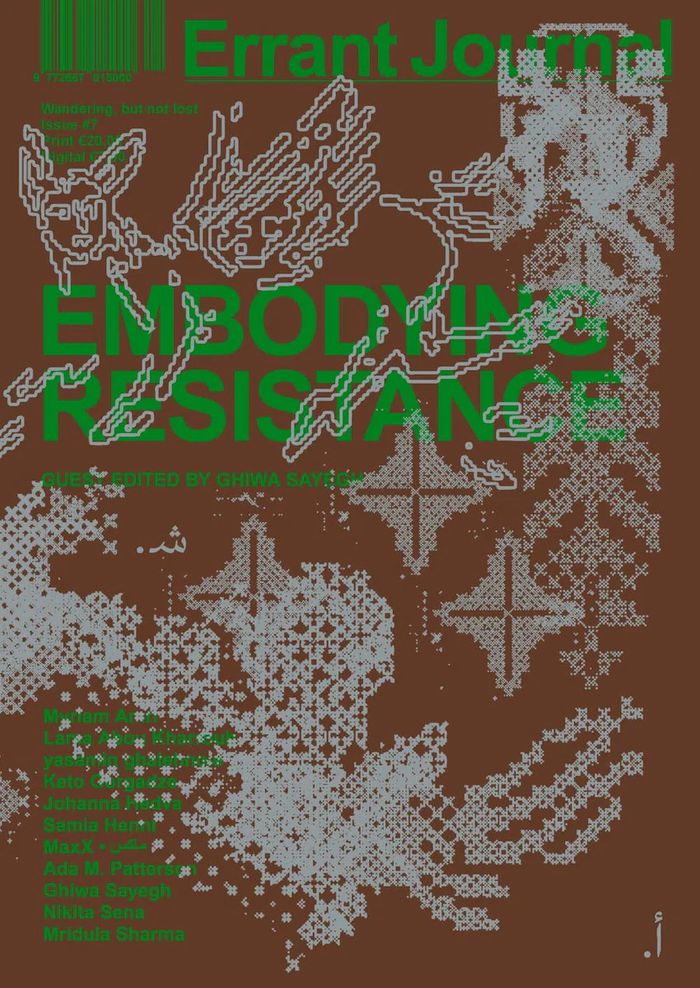
Errant Journal #7: Embodying resistance
Actions:
Prix:
$32.95
(disponible sur commande)
Résumé:
The seventh issue of Errant Journal is guest edited by Ghiwa Sayegh and aims to interrogate the role of the body in strategies of resistance from below. Taking Palestine as a starting point, the ongoing genocide committed by Israel and other colonial powers and the people’s continued struggle for liberation inform the issue’s thinking and praxis. From this political standpoint, it explores the ways in which bodies – that are sexualised, criminalised, racialised, crip – have been able to divert and subvert in order to fight back. To resist from the body is what crip theory tells us is a matter of need. It is a body that no longer fears deviation, specifically because of how cheap our lives are considered and how dangerous our futures are treated. It is about finding community and kinship when we are told we are alone.
Classification:
livres
livres
Publication:
février 2025
février 2025
Sujet:
Revues
Revues
Classification:
livres
livres
Actions:
Prix:
$55.00
(disponible sur commande)
Résumé:
In Sweden, the Facit brand is as well known as IBM or Olivetti. Based in Atvidaberg, the company produced mechanical calculators, typewriters and office furniture between 1922 and 1998. By the 1970s, the company had grown from a local family business into one of the world’s leading manufacturers. The company-sponsored football team AFF was playing in the first division.(...)
Titre:
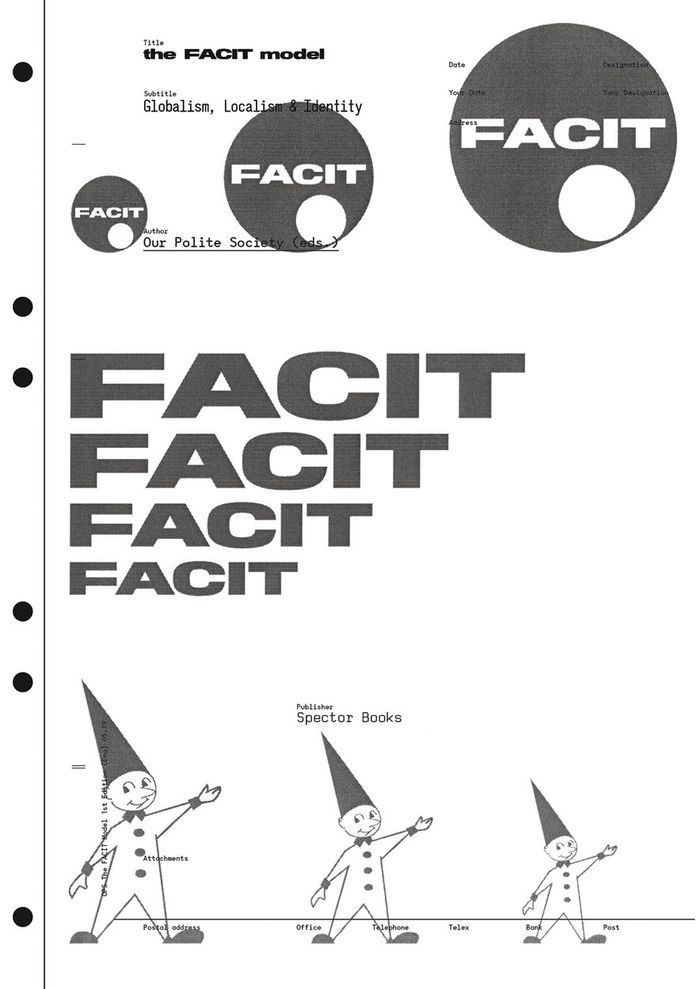
The Facit Model: Globalism, Localism, Identity
Actions:
Prix:
$55.00
(disponible sur commande)
Résumé:
In Sweden, the Facit brand is as well known as IBM or Olivetti. Based in Atvidaberg, the company produced mechanical calculators, typewriters and office furniture between 1922 and 1998. By the 1970s, the company had grown from a local family business into one of the world’s leading manufacturers. The company-sponsored football team AFF was playing in the first division. But a few years later the Facit organization had disappeared—worn down by global capitalism. ''The Facit Model: Globalism, Localism, Identity'' looks at this peculiar example of corporate modernism through the printed matter produced in Facit’s in-house print shops, culled from FACIT’s archives. Type specimens, manuals, advertising leaflets and product catalogs bear witness to a culture which feels increasingly distant, and yet helped to define many of the codes and forms familiar to us from today’s world of work.
Classification:
livres
livres
Publication:
mai 2025
mai 2025
Sujet:
Design industriel
Design industriel
Classification:
livres
livres
Titre:
Ground zero
Ground zero
Actions:
Prix:
$19.00
(disponible sur commande)
Résumé:
How would it be if what we take for human advance were simply a technological progress that literally leaves us out of its equations? What if Progress is not humanity striking out bravely towards the future, but an ultimately destructive force? Paul Virilio paints a bleak picture of current scientific, cultural, social and political values. Art has succumbed to the(...)
Titre:
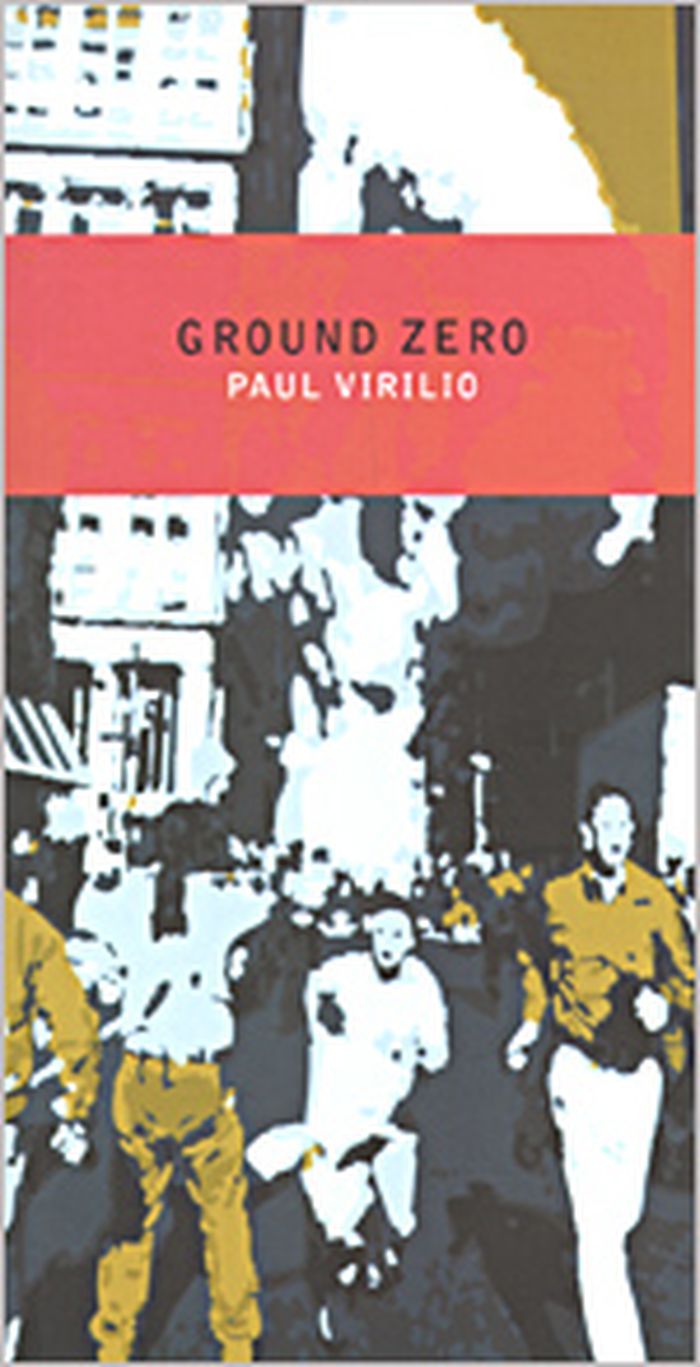
Ground zero
Actions:
Prix:
$19.00
(disponible sur commande)
Résumé:
How would it be if what we take for human advance were simply a technological progress that literally leaves us out of its equations? What if Progress is not humanity striking out bravely towards the future, but an ultimately destructive force? Paul Virilio paints a bleak picture of current scientific, cultural, social and political values. Art has succumbed to the techniques of advertising and in politics, the battle for hearts and minds has become a mere convergence of opinion. TV ratings have triumphed over universal suffrage. The events of September 11 reflect both the manipulation of a global sub-proletariat and the delusions of an élite of rich students and technicians who resemble the 'suicidal members of the Heaven's Gate cybersect'. And, in this post-humanist dystopia, we are morally rudderless before the threat of biological manipulations as yet undreamt.
Classification:
livres
livres
Publication:
septembre 2002, New York
septembre 2002, New York
Sujet:
Théorie de l’architecture
Théorie de l’architecture


