


6233 Résultats
Niveau de description archivistique:
Série(s)
Série(s)
Titre:
OCEAN reference files
OCEAN reference files
Numéro de référence:
AP194.S2
Description:
Series consist of records associated with different projects devised by OCEAN and OCEAN North prior to 1999 and retained as reference material by Johan Bettum, who did not collaborate on every project. Records occasionally include some photographs, but for the most part are images from work done with CAD software. These include plans, diagrams, renderings and views (sections, perspectives) of buildings, landscapes, exhibition scenography, and exhibited items. The amount and type of materials varies largely between projects. Files were transferred to CCA on a CD and their timestamps suggests that materials were copied for reference purpose in the first few months of 1998. The CD cover bears the date of June 3rd 1999. Projects date from 1994 to 1998. Projects included in the reference files are: Barbican, London (OCEAN Helsinki): likely an exhibition design. Museum, Buenos Aires (OCEAN U.K., 1997): a building design for a competition. Finnish Embassy, Canberra (OCEAN Oslo & Helsinki, 1996): an international architectural competition entry. Helsinki Nightclub (OCEAN Helsinki): a building design. Jeil’s Hospital, Seoul (OCEAN U.K., 1996): a building design. Jyväskylä Music and Arts Center (OCEAN Oslo & Helsinki, 1997): an international architectural competition entry. See also Series 1 for more records on this project. Lasipalatsi Media Square (OCEAN U.K.): a landscape design. Synthetic Landscape I-II, Oslo (OCEAN Oslo, 1995-1996): a landscape design. See also Series 1 for more records on this research project. Surfscape, Helsinki (OCEAN Helsinki, 1997): sculpture for an exhibition. Töölö Football Stadium, Hels. (OCEAN Oslo & Helsinki, 1997): an international architectural competition entry. See also Series 1 for more records on this project. Urban Surfaces, Oslo (OCEAN, 1997-1998): photographs of an exhibition. Source: Ateljié Sotamaa. “Portfolio.” Accessed November 2017, http://portfolio.sotamaa.net/ OCEAN design Research Association, “Exhibitions.” Accessed November 2017, http://www.ocean-designresearch.net/index.php/exhibitions-mainmenu-120/list-of-exhibitions FRAC, “Catalog, OCEAN.” Accessed November 2017, http://www.archilab.org/public/2000/catalog/ocean/oceanen.htm OCEAN CN Consultancy Network, “Projects.” Accessed November 2017, http://ocean-cn.org/projects/
AP194.S2
Description:
Series consist of records associated with different projects devised by OCEAN and OCEAN North prior to 1999 and retained as reference material by Johan Bettum, who did not collaborate on every project. Records occasionally include some photographs, but for the most part are images from work done with CAD software. These include plans, diagrams, renderings and views (sections, perspectives) of buildings, landscapes, exhibition scenography, and exhibited items. The amount and type of materials varies largely between projects. Files were transferred to CCA on a CD and their timestamps suggests that materials were copied for reference purpose in the first few months of 1998. The CD cover bears the date of June 3rd 1999. Projects date from 1994 to 1998. Projects included in the reference files are: Barbican, London (OCEAN Helsinki): likely an exhibition design. Museum, Buenos Aires (OCEAN U.K., 1997): a building design for a competition. Finnish Embassy, Canberra (OCEAN Oslo & Helsinki, 1996): an international architectural competition entry. Helsinki Nightclub (OCEAN Helsinki): a building design. Jeil’s Hospital, Seoul (OCEAN U.K., 1996): a building design. Jyväskylä Music and Arts Center (OCEAN Oslo & Helsinki, 1997): an international architectural competition entry. See also Series 1 for more records on this project. Lasipalatsi Media Square (OCEAN U.K.): a landscape design. Synthetic Landscape I-II, Oslo (OCEAN Oslo, 1995-1996): a landscape design. See also Series 1 for more records on this research project. Surfscape, Helsinki (OCEAN Helsinki, 1997): sculpture for an exhibition. Töölö Football Stadium, Hels. (OCEAN Oslo & Helsinki, 1997): an international architectural competition entry. See also Series 1 for more records on this project. Urban Surfaces, Oslo (OCEAN, 1997-1998): photographs of an exhibition. Source: Ateljié Sotamaa. “Portfolio.” Accessed November 2017, http://portfolio.sotamaa.net/ OCEAN design Research Association, “Exhibitions.” Accessed November 2017, http://www.ocean-designresearch.net/index.php/exhibitions-mainmenu-120/list-of-exhibitions FRAC, “Catalog, OCEAN.” Accessed November 2017, http://www.archilab.org/public/2000/catalog/ocean/oceanen.htm OCEAN CN Consultancy Network, “Projects.” Accessed November 2017, http://ocean-cn.org/projects/
Personnes et institutions:
Date:
1998
1998
Titre:
OCEAN reference files
Actions:
AP194.S2
Description:
Series consist of records associated with different projects devised by OCEAN and OCEAN North prior to 1999 and retained as reference material by Johan Bettum, who did not collaborate on every project. Records occasionally include some photographs, but for the most part are images from work done with CAD software. These include plans, diagrams, renderings and views (sections, perspectives) of buildings, landscapes, exhibition scenography, and exhibited items. The amount and type of materials varies largely between projects. Files were transferred to CCA on a CD and their timestamps suggests that materials were copied for reference purpose in the first few months of 1998. The CD cover bears the date of June 3rd 1999. Projects date from 1994 to 1998. Projects included in the reference files are: Barbican, London (OCEAN Helsinki): likely an exhibition design. Museum, Buenos Aires (OCEAN U.K., 1997): a building design for a competition. Finnish Embassy, Canberra (OCEAN Oslo & Helsinki, 1996): an international architectural competition entry. Helsinki Nightclub (OCEAN Helsinki): a building design. Jeil’s Hospital, Seoul (OCEAN U.K., 1996): a building design. Jyväskylä Music and Arts Center (OCEAN Oslo & Helsinki, 1997): an international architectural competition entry. See also Series 1 for more records on this project. Lasipalatsi Media Square (OCEAN U.K.): a landscape design. Synthetic Landscape I-II, Oslo (OCEAN Oslo, 1995-1996): a landscape design. See also Series 1 for more records on this research project. Surfscape, Helsinki (OCEAN Helsinki, 1997): sculpture for an exhibition. Töölö Football Stadium, Hels. (OCEAN Oslo & Helsinki, 1997): an international architectural competition entry. See also Series 1 for more records on this project. Urban Surfaces, Oslo (OCEAN, 1997-1998): photographs of an exhibition. Source: Ateljié Sotamaa. “Portfolio.” Accessed November 2017, http://portfolio.sotamaa.net/ OCEAN design Research Association, “Exhibitions.” Accessed November 2017, http://www.ocean-designresearch.net/index.php/exhibitions-mainmenu-120/list-of-exhibitions FRAC, “Catalog, OCEAN.” Accessed November 2017, http://www.archilab.org/public/2000/catalog/ocean/oceanen.htm OCEAN CN Consultancy Network, “Projects.” Accessed November 2017, http://ocean-cn.org/projects/
OCEAN reference files
Actions:
AP194.S2
Description:
Series consist of records associated with different projects devised by OCEAN and OCEAN North prior to 1999 and retained as reference material by Johan Bettum, who did not collaborate on every project. Records occasionally include some photographs, but for the most part are images from work done with CAD software. These include plans, diagrams, renderings and views (sections, perspectives) of buildings, landscapes, exhibition scenography, and exhibited items. The amount and type of materials varies largely between projects. Files were transferred to CCA on a CD and their timestamps suggests that materials were copied for reference purpose in the first few months of 1998. The CD cover bears the date of June 3rd 1999. Projects date from 1994 to 1998. Projects included in the reference files are: Barbican, London (OCEAN Helsinki): likely an exhibition design. Museum, Buenos Aires (OCEAN U.K., 1997): a building design for a competition. Finnish Embassy, Canberra (OCEAN Oslo & Helsinki, 1996): an international architectural competition entry. Helsinki Nightclub (OCEAN Helsinki): a building design. Jeil’s Hospital, Seoul (OCEAN U.K., 1996): a building design. Jyväskylä Music and Arts Center (OCEAN Oslo & Helsinki, 1997): an international architectural competition entry. See also Series 1 for more records on this project. Lasipalatsi Media Square (OCEAN U.K.): a landscape design. Synthetic Landscape I-II, Oslo (OCEAN Oslo, 1995-1996): a landscape design. See also Series 1 for more records on this research project. Surfscape, Helsinki (OCEAN Helsinki, 1997): sculpture for an exhibition. Töölö Football Stadium, Hels. (OCEAN Oslo & Helsinki, 1997): an international architectural competition entry. See also Series 1 for more records on this project. Urban Surfaces, Oslo (OCEAN, 1997-1998): photographs of an exhibition. Source: Ateljié Sotamaa. “Portfolio.” Accessed November 2017, http://portfolio.sotamaa.net/ OCEAN design Research Association, “Exhibitions.” Accessed November 2017, http://www.ocean-designresearch.net/index.php/exhibitions-mainmenu-120/list-of-exhibitions FRAC, “Catalog, OCEAN.” Accessed November 2017, http://www.archilab.org/public/2000/catalog/ocean/oceanen.htm OCEAN CN Consultancy Network, “Projects.” Accessed November 2017, http://ocean-cn.org/projects/
Niveau de description archivistique:
Series
Series
Date:
1998
1998
Personnes et institutions:
Classification:
événements
événements

Titre:
L'enseignement de… São Paulo
L'enseignement de… São Paulo
Actions:
Description:
Angelo Bucci, architecte et professeur à l’Université de São Paulo au Brésil, aborde les questions de la violence et de l’environnement en évolution à São Paulo, en quête de nouvelles formes urbaines. À São Paulo, la violence peut être vue comme gâchant l’expérience de la ville et, par conséquent, sapant la raison d’être du travail de l’architecte. La conférence porte sur(...)
Angelo Bucci, architecte et professeur à l’Université de São Paulo au Brésil, aborde les questions de la violence et de l’environnement en évolution à São Paulo, en quête de nouvelles formes urbaines. À São Paulo, la violence peut être vue comme gâchant l’expérience de la ville et, par conséquent, sapant la raison d’être du travail de l’architecte. La conférence porte sur(...)
Date:
22 avril 2010
22 avril 2010
Titre:
L'enseignement de… São Paulo
Actions:
Description:
Angelo Bucci, architecte et professeur à l’Université de São Paulo au Brésil, aborde les questions de la violence et de l’environnement en évolution à São Paulo, en quête de nouvelles formes urbaines. À São Paulo, la violence peut être vue comme gâchant l’expérience de la ville et, par conséquent, sapant la raison d’être du travail de l’architecte. La conférence porte sur(...)
L'enseignement de… São Paulo
Actions:
Description:
Angelo Bucci, architecte et professeur à l’Université de São Paulo au Brésil, aborde les questions de la violence et de l’environnement en évolution à São Paulo, en quête de nouvelles formes urbaines. À São Paulo, la violence peut être vue comme gâchant l’expérience de la ville et, par conséquent, sapant la raison d’être du travail de l’architecte. La conférence porte sur(...)
Classification:
événements
événements
Date:
22 avril 2010
22 avril 2010
Niveau de description archivistique:
Projet
Projet
Numéro de référence:
AP178.S1.1965.PR06
Description:
This project series documents the Plano Urbanistico para a Marginal de Leça e Zona da Boa Nova in Matosinhos, Portugal. While the records were held in the office’s archives this project was assigned the number 22/60. In the past the office identified the project as number 113. The office assigned the dates 1965-1974 for this project. This project was part of an urban renewal program of Matosinhos. Originally, the Avenida Marginal de Leça da Palmeira was a ring road mainly used to access the beaches but it later became a central road to access north and east parts of the city. Traffic and lack of parking spaces became problematic. The project consisted of an urbanization plan for Leça da Palmeira and Boa Nova, a new design for the layout of the pipelines between the Port of Leixões and SACOR Refinery, and a new design for da Marginal street that improve access to the Ocean swimming pool and others facilities of the area. Drawings include topographic surveys, studies, sketches, plans and profiles. Textual materials include a building program, notes and correspondence between Siza, the city of Matosinhos, and SACOR. Photographic materials and slides document the project site and model. It is also important to note that several Siza's projects were built in this area and are present in some sketches of this project, including the Casa de Chá, Restaurante da Boa Nova, Ocean swimming pool, and Monumento ao poeta António Nobre.
AP178.S1.1965.PR06
Description:
This project series documents the Plano Urbanistico para a Marginal de Leça e Zona da Boa Nova in Matosinhos, Portugal. While the records were held in the office’s archives this project was assigned the number 22/60. In the past the office identified the project as number 113. The office assigned the dates 1965-1974 for this project. This project was part of an urban renewal program of Matosinhos. Originally, the Avenida Marginal de Leça da Palmeira was a ring road mainly used to access the beaches but it later became a central road to access north and east parts of the city. Traffic and lack of parking spaces became problematic. The project consisted of an urbanization plan for Leça da Palmeira and Boa Nova, a new design for the layout of the pipelines between the Port of Leixões and SACOR Refinery, and a new design for da Marginal street that improve access to the Ocean swimming pool and others facilities of the area. Drawings include topographic surveys, studies, sketches, plans and profiles. Textual materials include a building program, notes and correspondence between Siza, the city of Matosinhos, and SACOR. Photographic materials and slides document the project site and model. It is also important to note that several Siza's projects were built in this area and are present in some sketches of this project, including the Casa de Chá, Restaurante da Boa Nova, Ocean swimming pool, and Monumento ao poeta António Nobre.
Personnes et institutions:
Date:
1960-1984
1960-1984
Titre:
Plano Urbanístico para a Marginal de Leça e Zona da Boa Nova [Leça and Boa Nova coastal development plan], Leça da Palmeira, Matosinhos, Portugal (1966)
Actions:
AP178.S1.1965.PR06
Description:
This project series documents the Plano Urbanistico para a Marginal de Leça e Zona da Boa Nova in Matosinhos, Portugal. While the records were held in the office’s archives this project was assigned the number 22/60. In the past the office identified the project as number 113. The office assigned the dates 1965-1974 for this project. This project was part of an urban renewal program of Matosinhos. Originally, the Avenida Marginal de Leça da Palmeira was a ring road mainly used to access the beaches but it later became a central road to access north and east parts of the city. Traffic and lack of parking spaces became problematic. The project consisted of an urbanization plan for Leça da Palmeira and Boa Nova, a new design for the layout of the pipelines between the Port of Leixões and SACOR Refinery, and a new design for da Marginal street that improve access to the Ocean swimming pool and others facilities of the area. Drawings include topographic surveys, studies, sketches, plans and profiles. Textual materials include a building program, notes and correspondence between Siza, the city of Matosinhos, and SACOR. Photographic materials and slides document the project site and model. It is also important to note that several Siza's projects were built in this area and are present in some sketches of this project, including the Casa de Chá, Restaurante da Boa Nova, Ocean swimming pool, and Monumento ao poeta António Nobre.
Plano Urbanístico para a Marginal de Leça e Zona da Boa Nova [Leça and Boa Nova coastal development plan], Leça da Palmeira, Matosinhos, Portugal (1966)
Actions:
AP178.S1.1965.PR06
Description:
This project series documents the Plano Urbanistico para a Marginal de Leça e Zona da Boa Nova in Matosinhos, Portugal. While the records were held in the office’s archives this project was assigned the number 22/60. In the past the office identified the project as number 113. The office assigned the dates 1965-1974 for this project. This project was part of an urban renewal program of Matosinhos. Originally, the Avenida Marginal de Leça da Palmeira was a ring road mainly used to access the beaches but it later became a central road to access north and east parts of the city. Traffic and lack of parking spaces became problematic. The project consisted of an urbanization plan for Leça da Palmeira and Boa Nova, a new design for the layout of the pipelines between the Port of Leixões and SACOR Refinery, and a new design for da Marginal street that improve access to the Ocean swimming pool and others facilities of the area. Drawings include topographic surveys, studies, sketches, plans and profiles. Textual materials include a building program, notes and correspondence between Siza, the city of Matosinhos, and SACOR. Photographic materials and slides document the project site and model. It is also important to note that several Siza's projects were built in this area and are present in some sketches of this project, including the Casa de Chá, Restaurante da Boa Nova, Ocean swimming pool, and Monumento ao poeta António Nobre.
Niveau de description archivistique:
Project
Project
Date:
1960-1984
1960-1984
Personnes et institutions:
Niveau de description archivistique:
Projet
Projet
Numéro de référence:
AP178.S1.1983.PR04
Description:
The project series documents the 1983 design entry for the Kulturforum. While the records were held in the office’s archives this project was assigned the number 21/80. The office assigned the date 1983 for this project. This project was a competition entry for the International Architectural Exhibition Berlin competition (International Bauaustellung, IBA, circa 1979-1987), an urban renewal strategy for West Berlin, Germany. Siza also submitted five other entries to the IBA: Görtlitzer Bad swimming pool; Block 70 and 89 (Fränkelufer residential complex); Bonjour Tristesse (Block 121); Block 11-12; and Monument to Gestapo victims. The Kulturforum was a complex of cultural buildings. The site underwent many changes during Nazi Germany and post-war with the construction of the National Library of Staatsbibliothek, designed by Hans Scharoun. Two examples of features that the IBA asked participants to include in their design proposals were to exclude vehicle traffic between the library and national gallery, and to reinterpret the Forum space. Documenting this project are several sketches and studies. There are also plans, elevations, and axonometric drawings of site plans. Siza’s office has indicated on some of the studies that they were possibly not created by Siza. Where this is the case it has been noted with the physical material. Photographs and negatives document the competition site and model, and there are transparencies and slides of drawings. Also included is textual documentation on the competition site and a few letters from members of the Berlin Senate, two of which are from Brigitte Cassirer (later Brigitte Fleck).
AP178.S1.1983.PR04
Description:
The project series documents the 1983 design entry for the Kulturforum. While the records were held in the office’s archives this project was assigned the number 21/80. The office assigned the date 1983 for this project. This project was a competition entry for the International Architectural Exhibition Berlin competition (International Bauaustellung, IBA, circa 1979-1987), an urban renewal strategy for West Berlin, Germany. Siza also submitted five other entries to the IBA: Görtlitzer Bad swimming pool; Block 70 and 89 (Fränkelufer residential complex); Bonjour Tristesse (Block 121); Block 11-12; and Monument to Gestapo victims. The Kulturforum was a complex of cultural buildings. The site underwent many changes during Nazi Germany and post-war with the construction of the National Library of Staatsbibliothek, designed by Hans Scharoun. Two examples of features that the IBA asked participants to include in their design proposals were to exclude vehicle traffic between the library and national gallery, and to reinterpret the Forum space. Documenting this project are several sketches and studies. There are also plans, elevations, and axonometric drawings of site plans. Siza’s office has indicated on some of the studies that they were possibly not created by Siza. Where this is the case it has been noted with the physical material. Photographs and negatives document the competition site and model, and there are transparencies and slides of drawings. Also included is textual documentation on the competition site and a few letters from members of the Berlin Senate, two of which are from Brigitte Cassirer (later Brigitte Fleck).
Personnes et institutions:
Date:
1982-2012
1982-2012
Titre:
Kulturforum [Kulturforum], Berlin, Germany (1982-1986)
Actions:
AP178.S1.1983.PR04
Description:
The project series documents the 1983 design entry for the Kulturforum. While the records were held in the office’s archives this project was assigned the number 21/80. The office assigned the date 1983 for this project. This project was a competition entry for the International Architectural Exhibition Berlin competition (International Bauaustellung, IBA, circa 1979-1987), an urban renewal strategy for West Berlin, Germany. Siza also submitted five other entries to the IBA: Görtlitzer Bad swimming pool; Block 70 and 89 (Fränkelufer residential complex); Bonjour Tristesse (Block 121); Block 11-12; and Monument to Gestapo victims. The Kulturforum was a complex of cultural buildings. The site underwent many changes during Nazi Germany and post-war with the construction of the National Library of Staatsbibliothek, designed by Hans Scharoun. Two examples of features that the IBA asked participants to include in their design proposals were to exclude vehicle traffic between the library and national gallery, and to reinterpret the Forum space. Documenting this project are several sketches and studies. There are also plans, elevations, and axonometric drawings of site plans. Siza’s office has indicated on some of the studies that they were possibly not created by Siza. Where this is the case it has been noted with the physical material. Photographs and negatives document the competition site and model, and there are transparencies and slides of drawings. Also included is textual documentation on the competition site and a few letters from members of the Berlin Senate, two of which are from Brigitte Cassirer (later Brigitte Fleck).
Kulturforum [Kulturforum], Berlin, Germany (1982-1986)
Actions:
AP178.S1.1983.PR04
Description:
The project series documents the 1983 design entry for the Kulturforum. While the records were held in the office’s archives this project was assigned the number 21/80. The office assigned the date 1983 for this project. This project was a competition entry for the International Architectural Exhibition Berlin competition (International Bauaustellung, IBA, circa 1979-1987), an urban renewal strategy for West Berlin, Germany. Siza also submitted five other entries to the IBA: Görtlitzer Bad swimming pool; Block 70 and 89 (Fränkelufer residential complex); Bonjour Tristesse (Block 121); Block 11-12; and Monument to Gestapo victims. The Kulturforum was a complex of cultural buildings. The site underwent many changes during Nazi Germany and post-war with the construction of the National Library of Staatsbibliothek, designed by Hans Scharoun. Two examples of features that the IBA asked participants to include in their design proposals were to exclude vehicle traffic between the library and national gallery, and to reinterpret the Forum space. Documenting this project are several sketches and studies. There are also plans, elevations, and axonometric drawings of site plans. Siza’s office has indicated on some of the studies that they were possibly not created by Siza. Where this is the case it has been noted with the physical material. Photographs and negatives document the competition site and model, and there are transparencies and slides of drawings. Also included is textual documentation on the competition site and a few letters from members of the Berlin Senate, two of which are from Brigitte Cassirer (later Brigitte Fleck).
Niveau de description archivistique:
Project
Project
Date:
1982-2012
1982-2012
Personnes et institutions:
Niveau de description archivistique:
Série(s)
Série(s)
Titre:
Projects
Projects
Numéro de référence:
AP194.S1
Description:
Series contains records associated with three OCEAN North projects to which Johan Bettum brought a significant insight: Synthetic Landscape (1995-2000), Jyväskylä Music and Arts Centre (1997) and Töölö Football Stadium (1997). The collaborative process around these projects allowed exploring design methods through the usage of digital tools. In discussions with Greg Lynn, Johan Bettum and Kivi Sotamaa have expressed that they had broached Töölö as a landscape and Jyväskylä as a cloud. Particle streaming and Channelling Systems approaches were applied in these projects and further developed in the third phase of the Synthetic Landscape project and its Pavilion. The Synthetic Landscape project also featured usage of polymer composite materials. All records are born-digital, except for one 1995 drawing from the Synthetic Landscape project. Records include CAD models, raster and vector images, textual records and animated renderings from Channelling Systems studies. CAD models and drawings show design process of the projects, and range from the abstract (particle streaming) to very detailed plans (Jyväskylä). They were created using form*Z, Microstation, Alias, 3D Studio, AutoCAD and Rhinoceros. Some files were saved in IGES and DXF formats. Most CAD drawings have been saved as raster images. Drawings and models might have been saved in more than one file format. Digital textual records include project descriptions, presentations and reports, budgets and meeting notes, often created using the Microsoft Office software suite. Sources: Bettum, Johan and Michael Hensel. “Channelling Systems: Dynamic Processes and Digital Time-Based Methods in Urban Design.” AD Architectural Design 70, no.3 (June 2000): 36-43. Greg Lynn, ed. Archaeology of the Digital 17: OCEAN North, Jyväskylä Music and Arts Centre, Montréal: Canadian Centre for Architecture, 2017. ePub.
AP194.S1
Description:
Series contains records associated with three OCEAN North projects to which Johan Bettum brought a significant insight: Synthetic Landscape (1995-2000), Jyväskylä Music and Arts Centre (1997) and Töölö Football Stadium (1997). The collaborative process around these projects allowed exploring design methods through the usage of digital tools. In discussions with Greg Lynn, Johan Bettum and Kivi Sotamaa have expressed that they had broached Töölö as a landscape and Jyväskylä as a cloud. Particle streaming and Channelling Systems approaches were applied in these projects and further developed in the third phase of the Synthetic Landscape project and its Pavilion. The Synthetic Landscape project also featured usage of polymer composite materials. All records are born-digital, except for one 1995 drawing from the Synthetic Landscape project. Records include CAD models, raster and vector images, textual records and animated renderings from Channelling Systems studies. CAD models and drawings show design process of the projects, and range from the abstract (particle streaming) to very detailed plans (Jyväskylä). They were created using form*Z, Microstation, Alias, 3D Studio, AutoCAD and Rhinoceros. Some files were saved in IGES and DXF formats. Most CAD drawings have been saved as raster images. Drawings and models might have been saved in more than one file format. Digital textual records include project descriptions, presentations and reports, budgets and meeting notes, often created using the Microsoft Office software suite. Sources: Bettum, Johan and Michael Hensel. “Channelling Systems: Dynamic Processes and Digital Time-Based Methods in Urban Design.” AD Architectural Design 70, no.3 (June 2000): 36-43. Greg Lynn, ed. Archaeology of the Digital 17: OCEAN North, Jyväskylä Music and Arts Centre, Montréal: Canadian Centre for Architecture, 2017. ePub.
Personnes et institutions:
Date:
1995-2000
1995-2000
Titre:
Projects
Actions:
AP194.S1
Description:
Series contains records associated with three OCEAN North projects to which Johan Bettum brought a significant insight: Synthetic Landscape (1995-2000), Jyväskylä Music and Arts Centre (1997) and Töölö Football Stadium (1997). The collaborative process around these projects allowed exploring design methods through the usage of digital tools. In discussions with Greg Lynn, Johan Bettum and Kivi Sotamaa have expressed that they had broached Töölö as a landscape and Jyväskylä as a cloud. Particle streaming and Channelling Systems approaches were applied in these projects and further developed in the third phase of the Synthetic Landscape project and its Pavilion. The Synthetic Landscape project also featured usage of polymer composite materials. All records are born-digital, except for one 1995 drawing from the Synthetic Landscape project. Records include CAD models, raster and vector images, textual records and animated renderings from Channelling Systems studies. CAD models and drawings show design process of the projects, and range from the abstract (particle streaming) to very detailed plans (Jyväskylä). They were created using form*Z, Microstation, Alias, 3D Studio, AutoCAD and Rhinoceros. Some files were saved in IGES and DXF formats. Most CAD drawings have been saved as raster images. Drawings and models might have been saved in more than one file format. Digital textual records include project descriptions, presentations and reports, budgets and meeting notes, often created using the Microsoft Office software suite. Sources: Bettum, Johan and Michael Hensel. “Channelling Systems: Dynamic Processes and Digital Time-Based Methods in Urban Design.” AD Architectural Design 70, no.3 (June 2000): 36-43. Greg Lynn, ed. Archaeology of the Digital 17: OCEAN North, Jyväskylä Music and Arts Centre, Montréal: Canadian Centre for Architecture, 2017. ePub.
Projects
Actions:
AP194.S1
Description:
Series contains records associated with three OCEAN North projects to which Johan Bettum brought a significant insight: Synthetic Landscape (1995-2000), Jyväskylä Music and Arts Centre (1997) and Töölö Football Stadium (1997). The collaborative process around these projects allowed exploring design methods through the usage of digital tools. In discussions with Greg Lynn, Johan Bettum and Kivi Sotamaa have expressed that they had broached Töölö as a landscape and Jyväskylä as a cloud. Particle streaming and Channelling Systems approaches were applied in these projects and further developed in the third phase of the Synthetic Landscape project and its Pavilion. The Synthetic Landscape project also featured usage of polymer composite materials. All records are born-digital, except for one 1995 drawing from the Synthetic Landscape project. Records include CAD models, raster and vector images, textual records and animated renderings from Channelling Systems studies. CAD models and drawings show design process of the projects, and range from the abstract (particle streaming) to very detailed plans (Jyväskylä). They were created using form*Z, Microstation, Alias, 3D Studio, AutoCAD and Rhinoceros. Some files were saved in IGES and DXF formats. Most CAD drawings have been saved as raster images. Drawings and models might have been saved in more than one file format. Digital textual records include project descriptions, presentations and reports, budgets and meeting notes, often created using the Microsoft Office software suite. Sources: Bettum, Johan and Michael Hensel. “Channelling Systems: Dynamic Processes and Digital Time-Based Methods in Urban Design.” AD Architectural Design 70, no.3 (June 2000): 36-43. Greg Lynn, ed. Archaeology of the Digital 17: OCEAN North, Jyväskylä Music and Arts Centre, Montréal: Canadian Centre for Architecture, 2017. ePub.
Niveau de description archivistique:
Series
Series
Date:
1995-2000
1995-2000
Personnes et institutions:
Niveau de description archivistique:
Projet
Projet
Numéro de référence:
AP164.S1.2000.D9
Description:
The project series documents the competition entry and infrastructure development of the northeast coast park (Parque litoral nord-est, Barcelona Forum 2004, Sant Adrià de Besòs) and adjoining recycling plant (Edificio de oficinas y planta integral de RSU) in Santa Adriá de Besòs, Barcelona, Spain. The firm identified this project as number 133. The competition was organized by the Barcelona City Council and was part of a larger plan to develop new infrastructure for Barcelona, as the Host City for the International Forum of Cultures held in 2004. A number of architects and firms were involved in other projects related to the infrastructure plan, like the South East Coastal Park & Auditoriums by the Foreign Office Architects (See AP171.S1.2000.D6). The park included several other features, like the design of urban furniture (Pep and Xurret benches, and a fence), an artificial mountain, a youth hostel, a small security building and a pier. Only the park, the artificial mountain and the benches were built. The firm arranged work for this project with the following numbers: 133-1, 133-2, 133-6 to 133-8, and 133-10. The CCA did not receive materials classified under numbers 133-9 and 133-11. The recycling plant includes, among other things, office space, an ecomuseum, and a garden. Abalos and Herreros won the competition for design, construction and exploitation of the plant. The firm worked in collaboration with the firm Tersa, S.A. The firm assigned numbers 133-3 to 133-5 to identify this work. Documenting the project are design development and working drawings, correspondence, invoices, minutes, project descriptions, studies, budgets, contracts, reference, photographic and digital materials, and a videocassette.
AP164.S1.2000.D9
Description:
The project series documents the competition entry and infrastructure development of the northeast coast park (Parque litoral nord-est, Barcelona Forum 2004, Sant Adrià de Besòs) and adjoining recycling plant (Edificio de oficinas y planta integral de RSU) in Santa Adriá de Besòs, Barcelona, Spain. The firm identified this project as number 133. The competition was organized by the Barcelona City Council and was part of a larger plan to develop new infrastructure for Barcelona, as the Host City for the International Forum of Cultures held in 2004. A number of architects and firms were involved in other projects related to the infrastructure plan, like the South East Coastal Park & Auditoriums by the Foreign Office Architects (See AP171.S1.2000.D6). The park included several other features, like the design of urban furniture (Pep and Xurret benches, and a fence), an artificial mountain, a youth hostel, a small security building and a pier. Only the park, the artificial mountain and the benches were built. The firm arranged work for this project with the following numbers: 133-1, 133-2, 133-6 to 133-8, and 133-10. The CCA did not receive materials classified under numbers 133-9 and 133-11. The recycling plant includes, among other things, office space, an ecomuseum, and a garden. Abalos and Herreros won the competition for design, construction and exploitation of the plant. The firm worked in collaboration with the firm Tersa, S.A. The firm assigned numbers 133-3 to 133-5 to identify this work. Documenting the project are design development and working drawings, correspondence, invoices, minutes, project descriptions, studies, budgets, contracts, reference, photographic and digital materials, and a videocassette.
Personnes et institutions:
Date:
1994-2007
1994-2007
Titre:
Barcelona Forum 2004, Santa Adrià de Besòs, Barcelona, Spain (2000)
Actions:
AP164.S1.2000.D9
Description:
The project series documents the competition entry and infrastructure development of the northeast coast park (Parque litoral nord-est, Barcelona Forum 2004, Sant Adrià de Besòs) and adjoining recycling plant (Edificio de oficinas y planta integral de RSU) in Santa Adriá de Besòs, Barcelona, Spain. The firm identified this project as number 133. The competition was organized by the Barcelona City Council and was part of a larger plan to develop new infrastructure for Barcelona, as the Host City for the International Forum of Cultures held in 2004. A number of architects and firms were involved in other projects related to the infrastructure plan, like the South East Coastal Park & Auditoriums by the Foreign Office Architects (See AP171.S1.2000.D6). The park included several other features, like the design of urban furniture (Pep and Xurret benches, and a fence), an artificial mountain, a youth hostel, a small security building and a pier. Only the park, the artificial mountain and the benches were built. The firm arranged work for this project with the following numbers: 133-1, 133-2, 133-6 to 133-8, and 133-10. The CCA did not receive materials classified under numbers 133-9 and 133-11. The recycling plant includes, among other things, office space, an ecomuseum, and a garden. Abalos and Herreros won the competition for design, construction and exploitation of the plant. The firm worked in collaboration with the firm Tersa, S.A. The firm assigned numbers 133-3 to 133-5 to identify this work. Documenting the project are design development and working drawings, correspondence, invoices, minutes, project descriptions, studies, budgets, contracts, reference, photographic and digital materials, and a videocassette.
Barcelona Forum 2004, Santa Adrià de Besòs, Barcelona, Spain (2000)
Actions:
AP164.S1.2000.D9
Description:
The project series documents the competition entry and infrastructure development of the northeast coast park (Parque litoral nord-est, Barcelona Forum 2004, Sant Adrià de Besòs) and adjoining recycling plant (Edificio de oficinas y planta integral de RSU) in Santa Adriá de Besòs, Barcelona, Spain. The firm identified this project as number 133. The competition was organized by the Barcelona City Council and was part of a larger plan to develop new infrastructure for Barcelona, as the Host City for the International Forum of Cultures held in 2004. A number of architects and firms were involved in other projects related to the infrastructure plan, like the South East Coastal Park & Auditoriums by the Foreign Office Architects (See AP171.S1.2000.D6). The park included several other features, like the design of urban furniture (Pep and Xurret benches, and a fence), an artificial mountain, a youth hostel, a small security building and a pier. Only the park, the artificial mountain and the benches were built. The firm arranged work for this project with the following numbers: 133-1, 133-2, 133-6 to 133-8, and 133-10. The CCA did not receive materials classified under numbers 133-9 and 133-11. The recycling plant includes, among other things, office space, an ecomuseum, and a garden. Abalos and Herreros won the competition for design, construction and exploitation of the plant. The firm worked in collaboration with the firm Tersa, S.A. The firm assigned numbers 133-3 to 133-5 to identify this work. Documenting the project are design development and working drawings, correspondence, invoices, minutes, project descriptions, studies, budgets, contracts, reference, photographic and digital materials, and a videocassette.
Niveau de description archivistique:
Project
Project
Date:
1994-2007
1994-2007
Personnes et institutions:
Classification:
événements
événements
Actions:
Description:
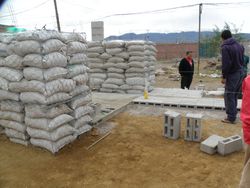
Arturo Ortiz Struck décrit les frontières de la construction légale et autorisée dans le contexte de Mexico :« Afin de nous forger une opinion critique sur la production d’espace et d’architecture dans cet environnement, nous devrions commencer par deux principes fondamentaux. Le premier établit que les espaces reflètent qui nous sommes, et ils traduisent nos habitudes(...)
Arturo Ortiz Struck décrit les frontières de la construction légale et autorisée dans le contexte de Mexico :« Afin de nous forger une opinion critique sur la production d’espace et d’architecture dans cet environnement, nous devrions commencer par deux principes fondamentaux. Le premier établit que les espaces reflètent qui nous sommes, et ils traduisent nos habitudes(...)
Localisation:
Théâtre Paul-Desmarais
Théâtre Paul-Desmarais
Date:
10 mai 2012 , 19h
10 mai 2012 , 19h
Titre:
L'enseignement de... Mexico : Arturo Ortiz Struck
Actions:
Description:
Arturo Ortiz Struck décrit les frontières de la construction légale et autorisée dans le contexte de Mexico :« Afin de nous forger une opinion critique sur la production d’espace et d’architecture dans cet environnement, nous devrions commencer par deux principes fondamentaux. Le premier établit que les espaces reflètent qui nous sommes, et ils traduisent nos habitudes(...)
L'enseignement de... Mexico : Arturo Ortiz Struck
Actions:
Description:
Arturo Ortiz Struck décrit les frontières de la construction légale et autorisée dans le contexte de Mexico :« Afin de nous forger une opinion critique sur la production d’espace et d’architecture dans cet environnement, nous devrions commencer par deux principes fondamentaux. Le premier établit que les espaces reflètent qui nous sommes, et ils traduisent nos habitudes(...)
Classification:
événements
événements
Date:
10 mai 2012
19h
10 mai 2012
19h
Localisation:
Théâtre Paul-Desmarais
Théâtre Paul-Desmarais
Niveau de description archivistique:
Sous-série
Sous-série
Titre:
Europe = Europe
Europe = Europe
Numéro de référence:
AP156.S3.SS1
Description:
La sous-série documente les projets architecturaux et d'urbanisme de Pierre Jeanneret et autres architectes en Europe durant les années 1940 jusqu'à la première moitié des années 1960. La sous-série inclut certains projets réalisés avec la Bureau Central de Construction, en Suisse, ainsi que ses projets indivuels dont le Centre d'apprentissage de Béziers, en France. Le matériel dans cette sous-série a probablement été produit entre 1940 et 1963. La sous-série contient des dessins, principalement des reprographies, donc des études, des dessins conceptuels, des dessins de développement du design, des dessins d'exécution et des dessins de présentation. La sous-série contient aussi des épreuves photomécaniques, une photographie et quelques chemises utilisées par Pierre Jeanneret pour classer ses dossiers de projets. Sub-series documents architectural and urban planning projects of Pierre Jeanneret and other architects in Europe in the 1940s to the first half of the 1960s. The sub-series includes some projects completed with the Bureau Central de la Construction, in Switzerland, and his individual projets including the Centre d'apprentissage in Béziers, France. The material in this sub-series was probably produced between 1940 to 1963. The sub-series contains drawings, predominantly reprographic copies, such as studies, conceptual drawings, design developement drawings, working drawings and presentation drawings. The sub-series also contains photomechanial prints, a photograph and some folder used by Pierre Jeanneret to organized his projects' files.
AP156.S3.SS1
Description:
La sous-série documente les projets architecturaux et d'urbanisme de Pierre Jeanneret et autres architectes en Europe durant les années 1940 jusqu'à la première moitié des années 1960. La sous-série inclut certains projets réalisés avec la Bureau Central de Construction, en Suisse, ainsi que ses projets indivuels dont le Centre d'apprentissage de Béziers, en France. Le matériel dans cette sous-série a probablement été produit entre 1940 et 1963. La sous-série contient des dessins, principalement des reprographies, donc des études, des dessins conceptuels, des dessins de développement du design, des dessins d'exécution et des dessins de présentation. La sous-série contient aussi des épreuves photomécaniques, une photographie et quelques chemises utilisées par Pierre Jeanneret pour classer ses dossiers de projets. Sub-series documents architectural and urban planning projects of Pierre Jeanneret and other architects in Europe in the 1940s to the first half of the 1960s. The sub-series includes some projects completed with the Bureau Central de la Construction, in Switzerland, and his individual projets including the Centre d'apprentissage in Béziers, France. The material in this sub-series was probably produced between 1940 to 1963. The sub-series contains drawings, predominantly reprographic copies, such as studies, conceptual drawings, design developement drawings, working drawings and presentation drawings. The sub-series also contains photomechanial prints, a photograph and some folder used by Pierre Jeanneret to organized his projects' files.
Personnes et institutions:
Date:
1940-1963
1940-1963
Titre:
Europe = Europe
Actions:
AP156.S3.SS1
Description:
La sous-série documente les projets architecturaux et d'urbanisme de Pierre Jeanneret et autres architectes en Europe durant les années 1940 jusqu'à la première moitié des années 1960. La sous-série inclut certains projets réalisés avec la Bureau Central de Construction, en Suisse, ainsi que ses projets indivuels dont le Centre d'apprentissage de Béziers, en France. Le matériel dans cette sous-série a probablement été produit entre 1940 et 1963. La sous-série contient des dessins, principalement des reprographies, donc des études, des dessins conceptuels, des dessins de développement du design, des dessins d'exécution et des dessins de présentation. La sous-série contient aussi des épreuves photomécaniques, une photographie et quelques chemises utilisées par Pierre Jeanneret pour classer ses dossiers de projets. Sub-series documents architectural and urban planning projects of Pierre Jeanneret and other architects in Europe in the 1940s to the first half of the 1960s. The sub-series includes some projects completed with the Bureau Central de la Construction, in Switzerland, and his individual projets including the Centre d'apprentissage in Béziers, France. The material in this sub-series was probably produced between 1940 to 1963. The sub-series contains drawings, predominantly reprographic copies, such as studies, conceptual drawings, design developement drawings, working drawings and presentation drawings. The sub-series also contains photomechanial prints, a photograph and some folder used by Pierre Jeanneret to organized his projects' files.
Europe = Europe
Actions:
AP156.S3.SS1
Description:
La sous-série documente les projets architecturaux et d'urbanisme de Pierre Jeanneret et autres architectes en Europe durant les années 1940 jusqu'à la première moitié des années 1960. La sous-série inclut certains projets réalisés avec la Bureau Central de Construction, en Suisse, ainsi que ses projets indivuels dont le Centre d'apprentissage de Béziers, en France. Le matériel dans cette sous-série a probablement été produit entre 1940 et 1963. La sous-série contient des dessins, principalement des reprographies, donc des études, des dessins conceptuels, des dessins de développement du design, des dessins d'exécution et des dessins de présentation. La sous-série contient aussi des épreuves photomécaniques, une photographie et quelques chemises utilisées par Pierre Jeanneret pour classer ses dossiers de projets. Sub-series documents architectural and urban planning projects of Pierre Jeanneret and other architects in Europe in the 1940s to the first half of the 1960s. The sub-series includes some projects completed with the Bureau Central de la Construction, in Switzerland, and his individual projets including the Centre d'apprentissage in Béziers, France. The material in this sub-series was probably produced between 1940 to 1963. The sub-series contains drawings, predominantly reprographic copies, such as studies, conceptual drawings, design developement drawings, working drawings and presentation drawings. The sub-series also contains photomechanial prints, a photograph and some folder used by Pierre Jeanneret to organized his projects' files.
Niveau de description archivistique:
Sous-série 1
Sous-série 1
Date:
1940-1963
1940-1963
Personnes et institutions:
Niveau de description archivistique:
Série(s)
Série(s)
Numéro de référence:
AP207.S2
Description:
The series documents Pettena’s activities as a curator and exhibition designer from 1980 to 2004 and includes materials for most of the related publications. The material in this series relates to fifteen out of the over twenty-five exhibitions designed by Pettena, which were presented in various galleries in Italy. Pettena’s exhibitions include installations on contemporary architecture, such as an exhibition on avant-garde architects from London, exhibitions on Hans Hollein, on Richard Meier, on Ettore Sottsass and on Ettore Sottsass Jr. He also designed many exhibitions on architects of the Radical movement and the evolution of their work from the beginning of the movement to more recent years. The series also contains material for Pettena’s work on exhibitions on contemporary landscape architecture and the evolution of urban parks. Also included are a few documents related to exhibitions on Pettena’s work, either group exhibitions or solo ones, and curated by others. The series contains research materials, such as publications and reference photographs, correspondence related to exhibition planning and the accompanying publications, exhibition proposals, and some installation designs and concept development notes. The series also contains draft texts, and documents related to the image selection process for the exhibition catalogues. Finally, the series contains installation views, photographs of exhibition openings and some draft exhibition and publication texts for exhibitions on Pettena’s work but that were not curated by him.
AP207.S2
Description:
The series documents Pettena’s activities as a curator and exhibition designer from 1980 to 2004 and includes materials for most of the related publications. The material in this series relates to fifteen out of the over twenty-five exhibitions designed by Pettena, which were presented in various galleries in Italy. Pettena’s exhibitions include installations on contemporary architecture, such as an exhibition on avant-garde architects from London, exhibitions on Hans Hollein, on Richard Meier, on Ettore Sottsass and on Ettore Sottsass Jr. He also designed many exhibitions on architects of the Radical movement and the evolution of their work from the beginning of the movement to more recent years. The series also contains material for Pettena’s work on exhibitions on contemporary landscape architecture and the evolution of urban parks. Also included are a few documents related to exhibitions on Pettena’s work, either group exhibitions or solo ones, and curated by others. The series contains research materials, such as publications and reference photographs, correspondence related to exhibition planning and the accompanying publications, exhibition proposals, and some installation designs and concept development notes. The series also contains draft texts, and documents related to the image selection process for the exhibition catalogues. Finally, the series contains installation views, photographs of exhibition openings and some draft exhibition and publication texts for exhibitions on Pettena’s work but that were not curated by him.
Personnes et institutions:
Date:
circa 1980--2019
circa 1980--2019
Titre:
Exhibitions
Actions:
AP207.S2
Description:
The series documents Pettena’s activities as a curator and exhibition designer from 1980 to 2004 and includes materials for most of the related publications. The material in this series relates to fifteen out of the over twenty-five exhibitions designed by Pettena, which were presented in various galleries in Italy. Pettena’s exhibitions include installations on contemporary architecture, such as an exhibition on avant-garde architects from London, exhibitions on Hans Hollein, on Richard Meier, on Ettore Sottsass and on Ettore Sottsass Jr. He also designed many exhibitions on architects of the Radical movement and the evolution of their work from the beginning of the movement to more recent years. The series also contains material for Pettena’s work on exhibitions on contemporary landscape architecture and the evolution of urban parks. Also included are a few documents related to exhibitions on Pettena’s work, either group exhibitions or solo ones, and curated by others. The series contains research materials, such as publications and reference photographs, correspondence related to exhibition planning and the accompanying publications, exhibition proposals, and some installation designs and concept development notes. The series also contains draft texts, and documents related to the image selection process for the exhibition catalogues. Finally, the series contains installation views, photographs of exhibition openings and some draft exhibition and publication texts for exhibitions on Pettena’s work but that were not curated by him.
Exhibitions
Actions:
AP207.S2
Description:
The series documents Pettena’s activities as a curator and exhibition designer from 1980 to 2004 and includes materials for most of the related publications. The material in this series relates to fifteen out of the over twenty-five exhibitions designed by Pettena, which were presented in various galleries in Italy. Pettena’s exhibitions include installations on contemporary architecture, such as an exhibition on avant-garde architects from London, exhibitions on Hans Hollein, on Richard Meier, on Ettore Sottsass and on Ettore Sottsass Jr. He also designed many exhibitions on architects of the Radical movement and the evolution of their work from the beginning of the movement to more recent years. The series also contains material for Pettena’s work on exhibitions on contemporary landscape architecture and the evolution of urban parks. Also included are a few documents related to exhibitions on Pettena’s work, either group exhibitions or solo ones, and curated by others. The series contains research materials, such as publications and reference photographs, correspondence related to exhibition planning and the accompanying publications, exhibition proposals, and some installation designs and concept development notes. The series also contains draft texts, and documents related to the image selection process for the exhibition catalogues. Finally, the series contains installation views, photographs of exhibition openings and some draft exhibition and publication texts for exhibitions on Pettena’s work but that were not curated by him.
Niveau de description archivistique:
Series
Series
Date:
circa 1980--2019
circa 1980--2019
Personnes et institutions:
Niveau de description archivistique:
Projet
Projet
Titre:
Casal das Figueiras, Setubal
Casal das Figueiras, Setubal
Numéro de référence:
CD034.S1.1975.PR02
Description:
This project series contains seven reproductions of drawings displayed in the exhibit to document the Casal das Figueiras neighbourhood, in Setúbal, south of Lisbon, Portugal. The exhibit text explained that: ... the Setúbal port-city experienced the political vibrations of the revolutionary year with great intensity. The Casal das Figueiras neighbourhood was designed for a fishing community living in a difficult area to build on due to its steep incline. The challenge that the project architect Gonçalo Byrne faced was to maintain the structure of single-family housing with the outhouse or courtyard, the typology that the local populations requested, while making a large urban gesture. The proposal was based on two types of housing (the square and rectangular plans). This overcame the problem of the 36 percent slope in an architecturally striking manner, while it also managed to fulfil the major requirement inherent in any SAAL operation of minimizing costs. (The SAAL Process, Housing in Portugal 1974–76) Gonçalo Byrne worked for SAAL/Lisbon and Central South with Ana Ferreira Rebocho, Berta Sá Caetano and the residents' association Casal das Figueiras, that was founded on October 30th, 1975. The project included 420 dwellings. The operation began in July 1975 , with a construction date in October 1976. This project series contains reproductions of implementation plans and design development drawings. The original drawings were produced in 1978-1979 and were reproduced in 2015 for the exhibit.
CD034.S1.1975.PR02
Description:
This project series contains seven reproductions of drawings displayed in the exhibit to document the Casal das Figueiras neighbourhood, in Setúbal, south of Lisbon, Portugal. The exhibit text explained that: ... the Setúbal port-city experienced the political vibrations of the revolutionary year with great intensity. The Casal das Figueiras neighbourhood was designed for a fishing community living in a difficult area to build on due to its steep incline. The challenge that the project architect Gonçalo Byrne faced was to maintain the structure of single-family housing with the outhouse or courtyard, the typology that the local populations requested, while making a large urban gesture. The proposal was based on two types of housing (the square and rectangular plans). This overcame the problem of the 36 percent slope in an architecturally striking manner, while it also managed to fulfil the major requirement inherent in any SAAL operation of minimizing costs. (The SAAL Process, Housing in Portugal 1974–76) Gonçalo Byrne worked for SAAL/Lisbon and Central South with Ana Ferreira Rebocho, Berta Sá Caetano and the residents' association Casal das Figueiras, that was founded on October 30th, 1975. The project included 420 dwellings. The operation began in July 1975 , with a construction date in October 1976. This project series contains reproductions of implementation plans and design development drawings. The original drawings were produced in 1978-1979 and were reproduced in 2015 for the exhibit.
Personnes et institutions:
Date:
1978-1979
1978-1979
Titre:
Casal das Figueiras, Setubal
Actions:
CD034.S1.1975.PR02
Description:
This project series contains seven reproductions of drawings displayed in the exhibit to document the Casal das Figueiras neighbourhood, in Setúbal, south of Lisbon, Portugal. The exhibit text explained that: ... the Setúbal port-city experienced the political vibrations of the revolutionary year with great intensity. The Casal das Figueiras neighbourhood was designed for a fishing community living in a difficult area to build on due to its steep incline. The challenge that the project architect Gonçalo Byrne faced was to maintain the structure of single-family housing with the outhouse or courtyard, the typology that the local populations requested, while making a large urban gesture. The proposal was based on two types of housing (the square and rectangular plans). This overcame the problem of the 36 percent slope in an architecturally striking manner, while it also managed to fulfil the major requirement inherent in any SAAL operation of minimizing costs. (The SAAL Process, Housing in Portugal 1974–76) Gonçalo Byrne worked for SAAL/Lisbon and Central South with Ana Ferreira Rebocho, Berta Sá Caetano and the residents' association Casal das Figueiras, that was founded on October 30th, 1975. The project included 420 dwellings. The operation began in July 1975 , with a construction date in October 1976. This project series contains reproductions of implementation plans and design development drawings. The original drawings were produced in 1978-1979 and were reproduced in 2015 for the exhibit.
Casal das Figueiras, Setubal
Actions:
CD034.S1.1975.PR02
Description:
This project series contains seven reproductions of drawings displayed in the exhibit to document the Casal das Figueiras neighbourhood, in Setúbal, south of Lisbon, Portugal. The exhibit text explained that: ... the Setúbal port-city experienced the political vibrations of the revolutionary year with great intensity. The Casal das Figueiras neighbourhood was designed for a fishing community living in a difficult area to build on due to its steep incline. The challenge that the project architect Gonçalo Byrne faced was to maintain the structure of single-family housing with the outhouse or courtyard, the typology that the local populations requested, while making a large urban gesture. The proposal was based on two types of housing (the square and rectangular plans). This overcame the problem of the 36 percent slope in an architecturally striking manner, while it also managed to fulfil the major requirement inherent in any SAAL operation of minimizing costs. (The SAAL Process, Housing in Portugal 1974–76) Gonçalo Byrne worked for SAAL/Lisbon and Central South with Ana Ferreira Rebocho, Berta Sá Caetano and the residents' association Casal das Figueiras, that was founded on October 30th, 1975. The project included 420 dwellings. The operation began in July 1975 , with a construction date in October 1976. This project series contains reproductions of implementation plans and design development drawings. The original drawings were produced in 1978-1979 and were reproduced in 2015 for the exhibit.
Niveau de description archivistique:
Project
Project
Date:
1978-1979
1978-1979
Personnes et institutions:


