


5088 Résultats
Classification:
livres
livres
Titre:
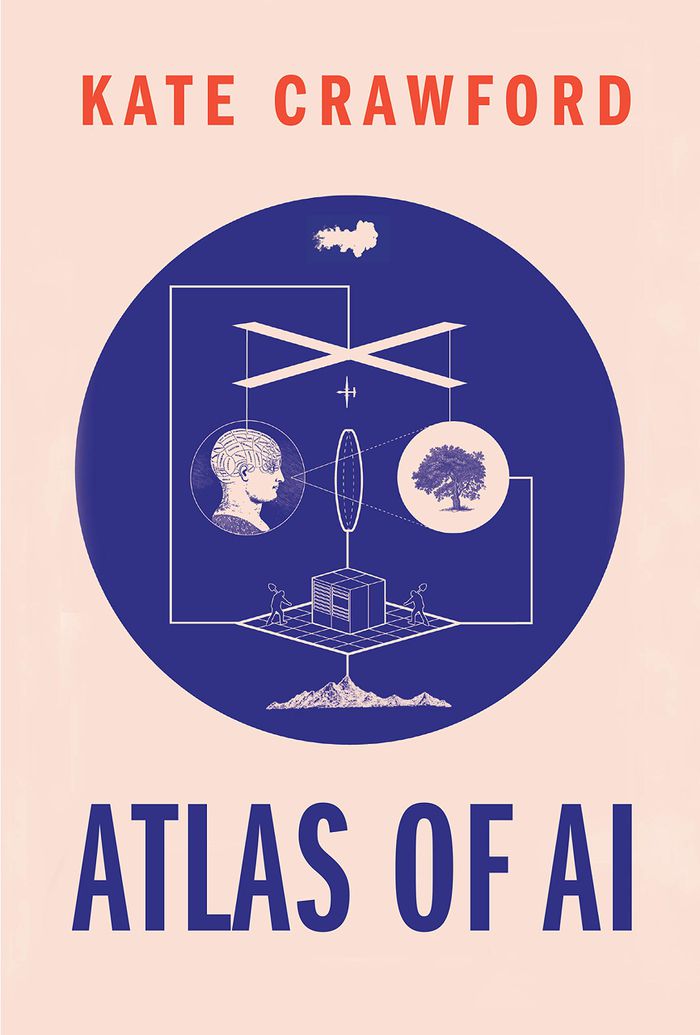
Atlas of AI
Atlas of AI
Actions:
Prix:
$39.95
(disponible sur commande)
Résumé:
What happens when artificial intelligence saturates political life and depletes the planet? How is AI shaping our understanding of ourselves and our societies? Drawing on more than a decade of research, award-winning scholar Kate Crawford reveals how AI is a technology of extraction: from the minerals drawn from the earth, to the labor pulled from low-wage information(...)
Titre:
Atlas of AI
Actions:
Prix:
$39.95
(disponible sur commande)
Résumé:
What happens when artificial intelligence saturates political life and depletes the planet? How is AI shaping our understanding of ourselves and our societies? Drawing on more than a decade of research, award-winning scholar Kate Crawford reveals how AI is a technology of extraction: from the minerals drawn from the earth, to the labor pulled from low-wage information workers, to the data taken from every action and expression. This book reveals how this planetary network is fueling a shift toward undemocratic governance and increased inequity. Rather than taking a narrow focus on code and algorithms, Crawford offers us a material and political perspective on what it takes to make AI and how it centralizes power. This is an urgent account of what is at stake as technology companies use artificial intelligence to reshape the world.
Classification:
livres
livres
Publication:
avril 2021
avril 2021
Classification:
livres
livres
Actions:
Prix:
$34.00
(disponible en magasin)
Résumé:
What happens when artificial intelligence saturates political life and depletes the planet? How is AI shaping our understanding of ourselves and our societies? Drawing on more than a decade of research, award-winning scholar Kate Crawford reveals how AI is a technology of extraction: from the minerals drawn from the earth, to the labor pulled from low-wage information(...)
Titre:
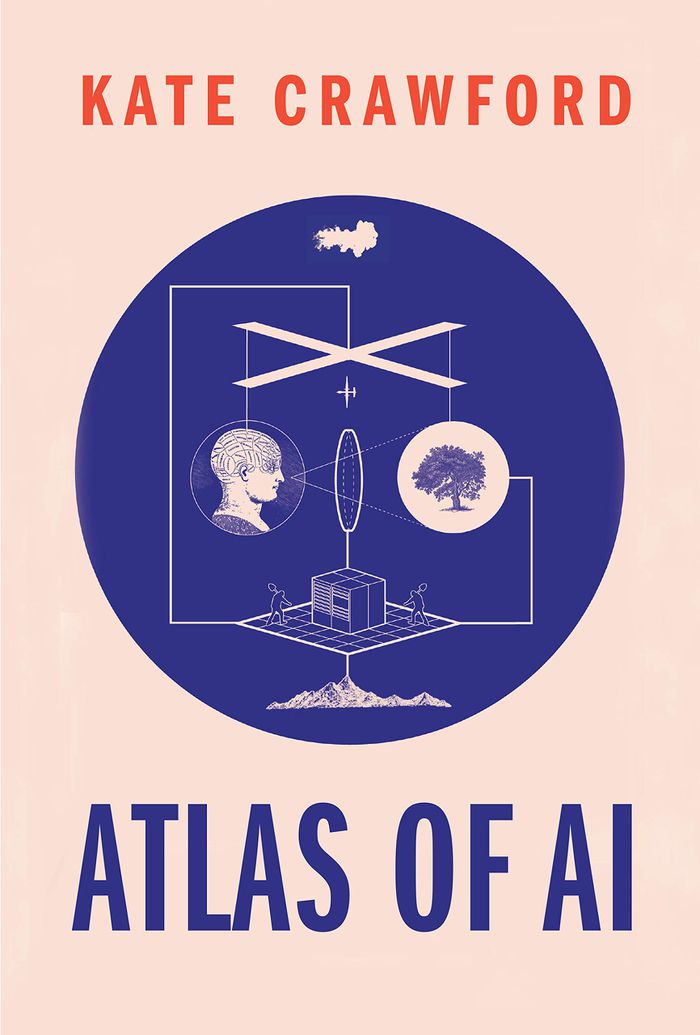
Atlas of AI: Power, politics, and the planetary costs of artificial intelligence
Actions:
Prix:
$34.00
(disponible en magasin)
Résumé:
What happens when artificial intelligence saturates political life and depletes the planet? How is AI shaping our understanding of ourselves and our societies? Drawing on more than a decade of research, award-winning scholar Kate Crawford reveals how AI is a technology of extraction: from the minerals drawn from the earth, to the labor pulled from low-wage information workers, to the data taken from every action and expression. This book reveals how this planetary network is fueling a shift toward undemocratic governance and increased inequity. Rather than taking a narrow focus on code and algorithms, Crawford offers us a material and political perspective on what it takes to make AI and how it centralizes power. This is an urgent account of what is at stake as technology companies use artificial intelligence to reshape the world.
Classification:
livres
livres
Publication:
août 2022
août 2022
Sujet:
Théorie/ philosophie
Théorie/ philosophie
Classification:
livres
livres
Titre:
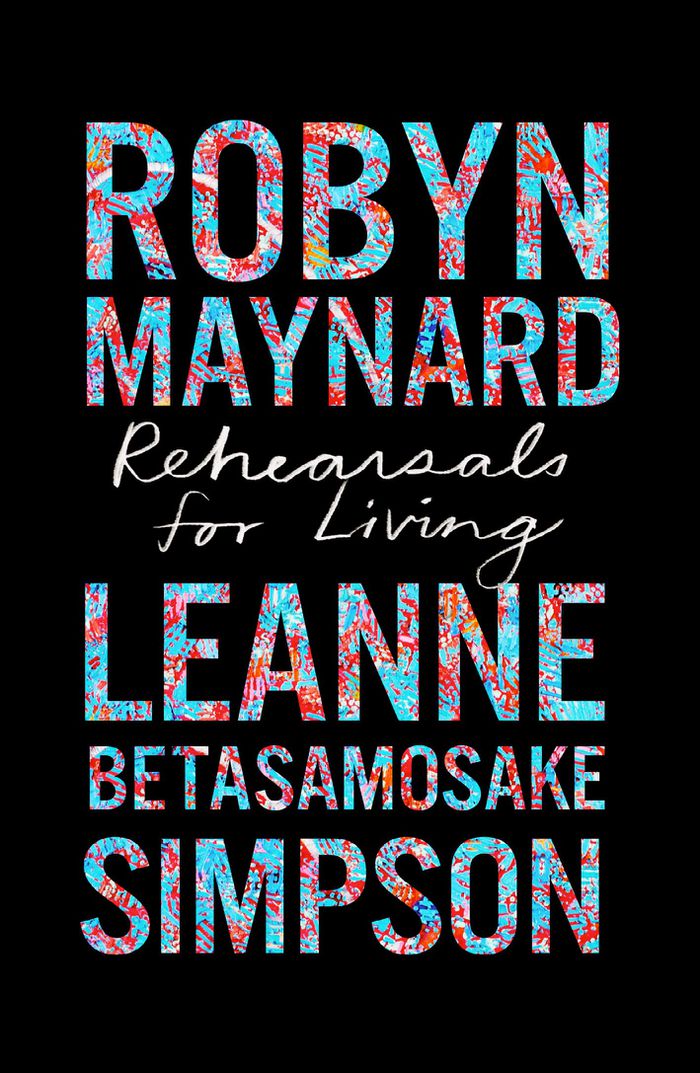
Rehearsals for living
Rehearsals for living
Actions:
Prix:
$32.00
(disponible sur commande)
Résumé:
When the world entered pandemic lockdown in spring 2020, Robyn Maynard and Leanne Betasamosake Simpson began writing each other letters—a gesture sparked by a desire for kinship and connection in a world shattering under the intersecting crises of pandemic, police killings, and climate catastrophe. These letters soon grew into a powerful exchange about where we go from(...)
Titre:
Rehearsals for living
Actions:
Prix:
$32.00
(disponible sur commande)
Résumé:
When the world entered pandemic lockdown in spring 2020, Robyn Maynard and Leanne Betasamosake Simpson began writing each other letters—a gesture sparked by a desire for kinship and connection in a world shattering under the intersecting crises of pandemic, police killings, and climate catastrophe. These letters soon grew into a powerful exchange about where we go from here. Ths book is a captivating and visionary work—part debate, part dialogue, part lively and detailed familial correspondence between two razor-sharp writers. By articulating to each other Black and Indigenous perspectives on our unprecedented here and now, and reiterating the long-disavowed histories of slavery and colonization that have brought us to this moment, Maynard and Simpson create something new: an urgent demand for a different way forward, and a poetic call to dream up other ways of ordering earthly life.
Classification:
livres
livres
Publication:
juin 2022
juin 2022
Sujet:
Social
Social
Classification:
livres
livres
Actions:
Prix:
$37.00
(disponible sur commande)
Résumé:
We are living in a time of deep divisions. Americans are sorting themselves along racial, religious, and cultural lines, leading to a level of polarization that the country hasn't seen since the Civil War. Pundits and politicians are calling for us to come together, to find common purpose. But how, exactly, can this be done? In ''Palaces for the People'', Eric Klinenberg(...)
Titre:
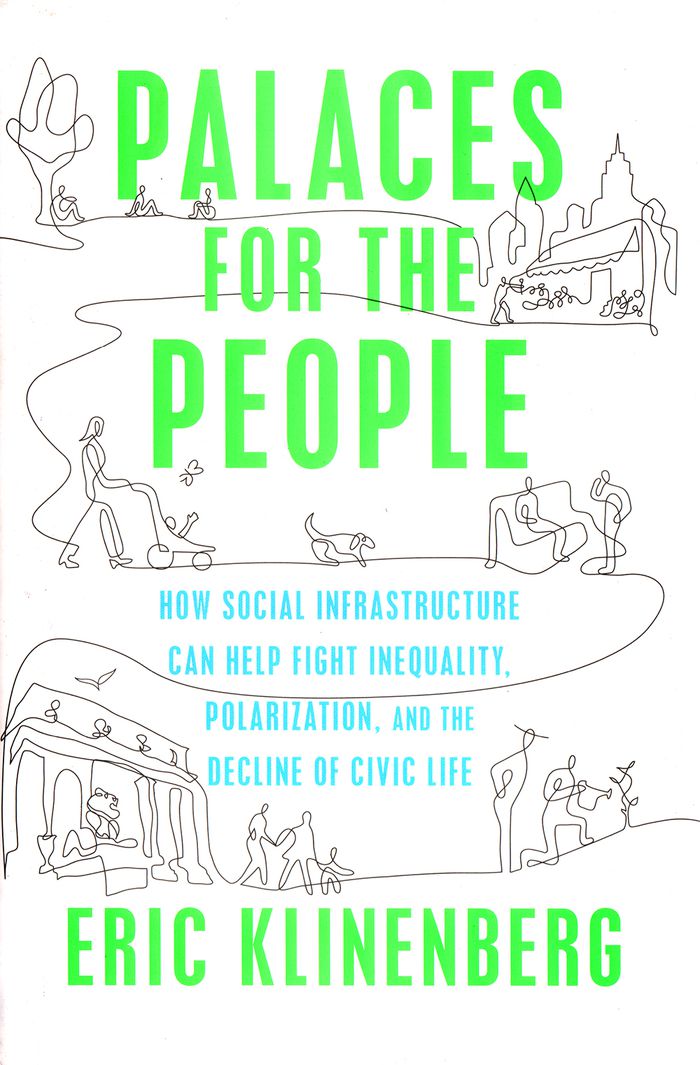
Palaces for the people: how social infrastructure can help fight inequality
Actions:
Prix:
$37.00
(disponible sur commande)
Résumé:
We are living in a time of deep divisions. Americans are sorting themselves along racial, religious, and cultural lines, leading to a level of polarization that the country hasn't seen since the Civil War. Pundits and politicians are calling for us to come together, to find common purpose. But how, exactly, can this be done? In ''Palaces for the People'', Eric Klinenberg suggests a way forward. He believes that the future of democratic societies rests not simply on shared values but on shared spaces where crucial, sometimes life-saving connections, are formed. These are places where people gather and linger, making friends across group lines and strengthening the entire community. Klinenberg calls this the ''social infrastructure'': When it is strong, neighborhoods flourish; when it is neglected, as it has been in recent years, families and individuals must fend for themselves.
Classification:
livres
livres
Publication:
septembre 2018
septembre 2018
Sujet:
Théorie de l’urbanisme
Théorie de l’urbanisme
Classification:
livres
livres
Actions:
Prix:
$67.50
(disponible sur commande)
Résumé:
The “home of the future” has long been a topic of fascination in popular culture and an intriguing prospect for designers, and the 20th century offered up countless visions of the future of domestic life, from the aspirational to the radical. Whether it was the dream of the fully mechanized home or the notion that technology might free us from the home altogether, the(...)
Publication:
avril 2019
avril 2019
Titre:
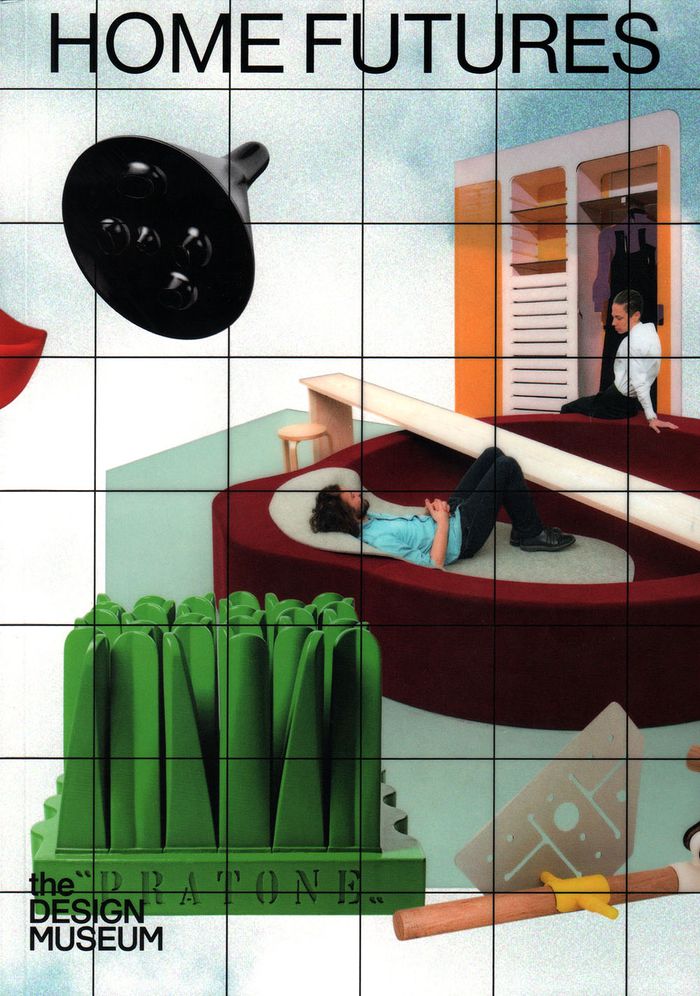
Home futures: living in yesterday's tomorrow
Actions:
Prix:
$67.50
(disponible sur commande)
Résumé:
The “home of the future” has long been a topic of fascination in popular culture and an intriguing prospect for designers, and the 20th century offered up countless visions of the future of domestic life, from the aspirational to the radical. Whether it was the dream of the fully mechanized home or the notion that technology might free us from the home altogether, the domestic realm was a site of endless invention and speculation. But what happened to those visions? Are the smart homes of today and patterns of use in the sharing economy the future that architects and designers once predicted, or has the “home” proved resistant to radical change? "Home Futures: Living in Yesterday’s Tomorrow" explores different approaches to reinventing domestic life, tracing the social and technological developments that have driven change in the home.
Classification:
livres
livres
Publication:
avril 2019
avril 2019
Classification:
livres
livres
Titre:
On freedom
On freedom
Actions:
Prix:
$16.95
(disponible sur commande)
Résumé:
In this book, New York Times bestselling author Cass Sunstein asks us to rethink freedom. He shows that freedom of choice isn't nearly enough. To be free, we must also be able to navigate life. People often need something like a GPS device to help them get where they want to go- whether the issue involves health, money, jobs, children, or relationships. In both rich and(...)
Publication:
février 2019
février 2019
Titre:
On freedom
Actions:
Prix:
$16.95
(disponible sur commande)
Résumé:
In this book, New York Times bestselling author Cass Sunstein asks us to rethink freedom. He shows that freedom of choice isn't nearly enough. To be free, we must also be able to navigate life. People often need something like a GPS device to help them get where they want to go- whether the issue involves health, money, jobs, children, or relationships. In both rich and poor countries, citizens often have no idea how to get to their desired destination. That is why they are unfree. People also face serious problems of self-control, as many of them make decisions today that can make their lives worse tomorrow. And in some cases, we would be just as happy with other choices, whether a different partner, career, or place to live- which raises the difficult question of which outcome best promotes our well-being.
Classification:
livres
livres
Publication:
février 2019
février 2019
Classification:
livres
livres
Prix:
$54.00
(disponible sur commande)
Résumé:
The pace of modern life is undoubtedly speeding up, yet this acceleration does not seem to have made us any happier or more content. If acceleration is the problem, then the solution, argues Hartmut Rosa in this major new work, lies in “resonance.” The quality of a human life cannot be measured simply in terms of resources, options, and moments of happiness; instead, we(...)
Titre:
Resonance: a sociology of the relationship to the world
Actions:
Prix:
$54.00
(disponible sur commande)
Résumé:
The pace of modern life is undoubtedly speeding up, yet this acceleration does not seem to have made us any happier or more content. If acceleration is the problem, then the solution, argues Hartmut Rosa in this major new work, lies in “resonance.” The quality of a human life cannot be measured simply in terms of resources, options, and moments of happiness; instead, we must consider our relationship to, or resonance with, the world. Applying his theory of resonance to many domains of human activity, Rosa describesthe full spectrum of ways in which we establish our relationship to the world, from the act of breathing to the adoption of culturally distinct worldviews. He then turns to therealms of concrete experience and action – family and politics, work and sports, religion and art – in which we as late modern subjects seek out resonance.
Classification:
livres
livres
Publication:
septembre 2019
septembre 2019
Sujet:
Théorie/ philosophie
Théorie/ philosophie
Classification:
livres
livres
Actions:
Prix:
$29.95
(disponible sur commande)
Résumé:
We tend to think cities look the way they do because of the conscious work of architects, planners and builders. But what if the look of cities had less to do with design, and more to do with social, cultural, financial and political processes, and the way ordinary citizens interact with them? This book is the story of dramatic but unforeseen urban sights: how(...)
Titre:
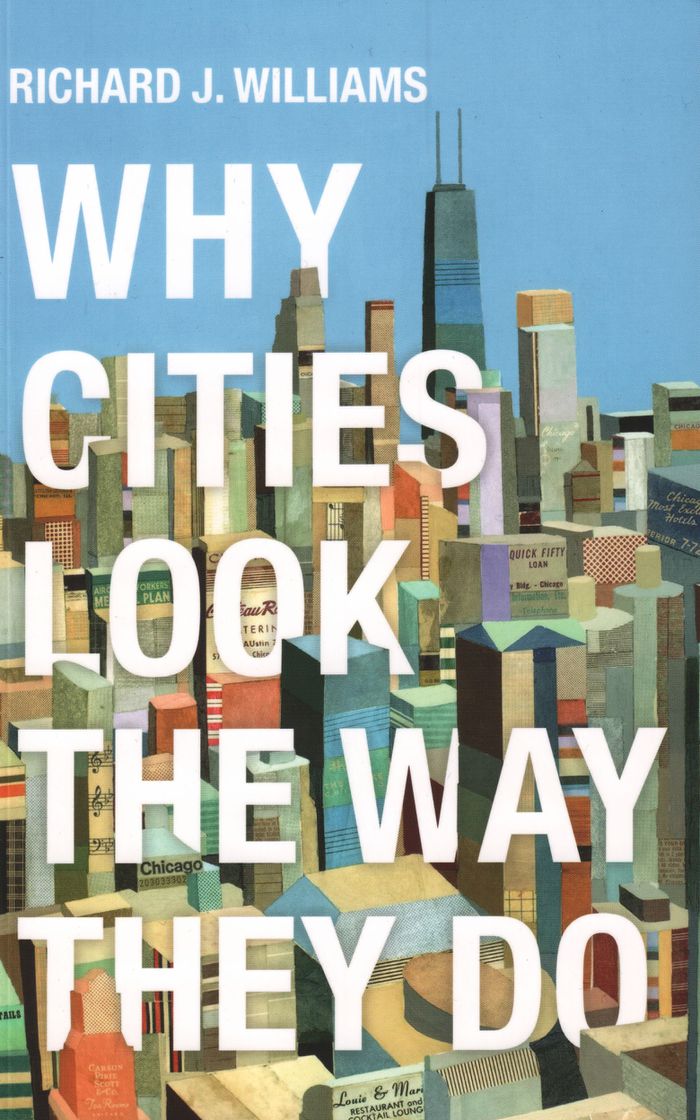
Why cities look the way they do
Actions:
Prix:
$29.95
(disponible sur commande)
Résumé:
We tend to think cities look the way they do because of the conscious work of architects, planners and builders. But what if the look of cities had less to do with design, and more to do with social, cultural, financial and political processes, and the way ordinary citizens interact with them? This book is the story of dramatic but unforeseen urban sights: how financial capital spawns empty towering skyscrapers and hollowed-out ghettoes; how the zoning of once-illicit sexual practices in marginal areas of the city results in the reinvention of culturally vibrant gay villages; how abandoned factories have been repurposed as creative hubs in a precarious postindustrial economy. It is also the story of how popular urban clichés and the fictional portrayal of cities powerfully shape the way we read and see the bricks, concrete and glass that surround us.
Classification:
livres
livres
Publication:
juin 2019
juin 2019
Sujet:
Théorie de l’urbanisme
Théorie de l’urbanisme
Classification:
périodiques
périodiques
Actions:
Prix:
$24.95
(disponible sur commande)
Résumé:
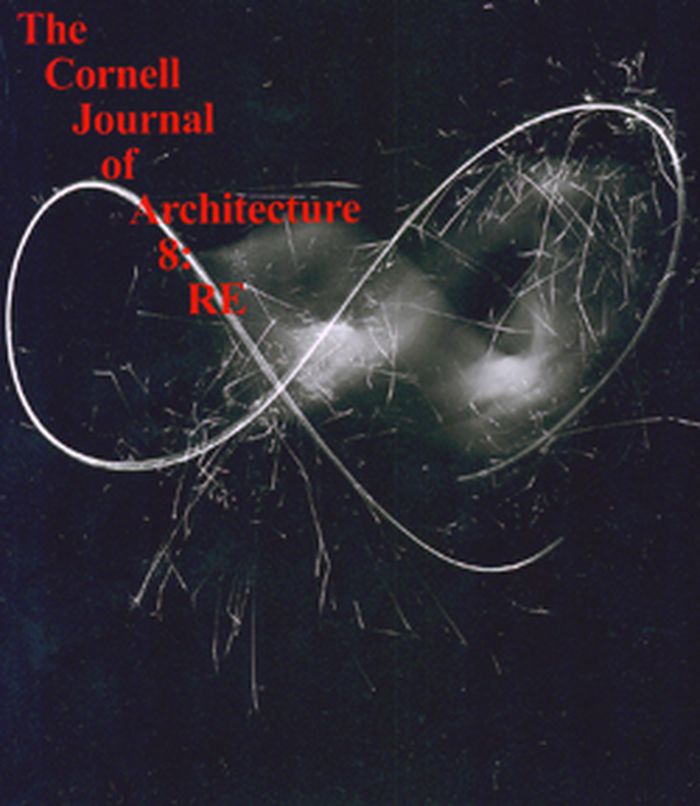
This issue of the Cornell Journal of Architecture is about the now, the new, and the next in architecture, while simultaneously acknowledging that every possible future is intrinsically linked to the existent, to the present and its attendant past. At the heart of issue 8: RE is the understanding that the creative act itself is reiterative; that in rethinking,(...)
Titre:
The Cornell journal of architecture 8: RE
Actions:
Prix:
$24.95
(disponible sur commande)
Résumé:
This issue of the Cornell Journal of Architecture is about the now, the new, and the next in architecture, while simultaneously acknowledging that every possible future is intrinsically linked to the existent, to the present and its attendant past. At the heart of issue 8: RE is the understanding that the creative act itself is reiterative; that in rethinking, recombining, reshuffling, recycling, and reimagining aspects of the world around us, we produce work that both belongs to the current moment and establishes new future trajectories. The texts reflect the interconnected strands of technology, history, theory, and intuition that necessarily reinforce each other in architectural education and practice today: issues of reuse and recycling; of feedback loops and regression; of dialogue, criticism, and correspondence; and of the role that changing technologies have in restructuring the way we think, see, and remember.
Classification:
périodiques
périodiques
Publication:
mars 2011
mars 2011
Sujet:
Revues
Revues
Classification:
livres
livres
Actions:
Prix:
$64.95
(disponible sur commande)
Résumé:
The effect of architectural and artistic forms is based on the phenomena of the basic elements: point, line and plane. Architectural space is defined by its boundaries, where each element is evaluated by its inherent energies. As architecture is also the organization of space, these elements are described in terms of their influence on each other and on their(...)
Publication:
janvier 2011
janvier 2011
Titre:
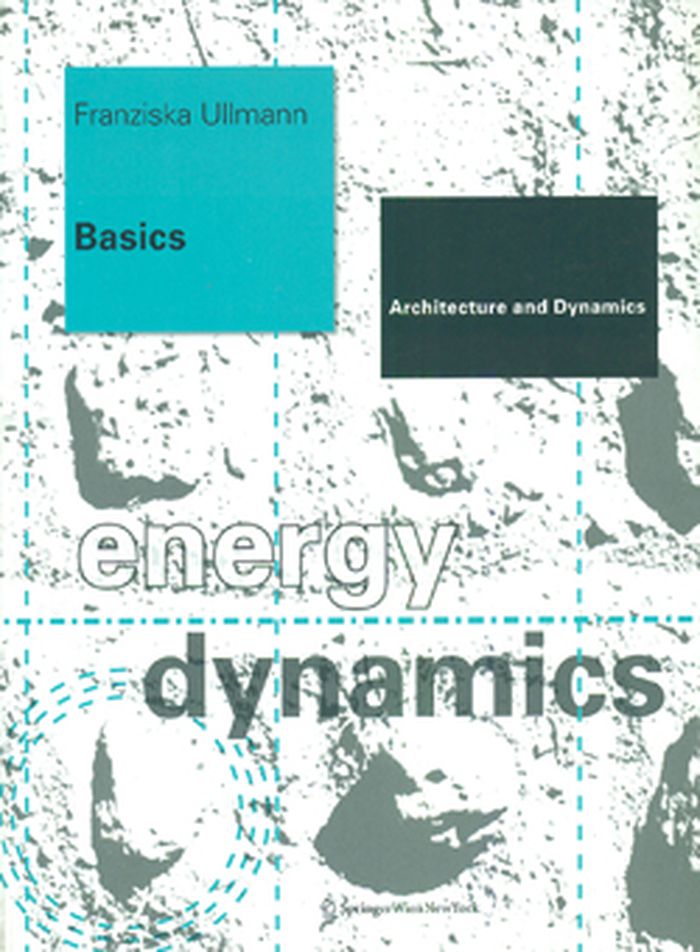
Basics: architecture and dynamics
Actions:
Prix:
$64.95
(disponible sur commande)
Résumé:
The effect of architectural and artistic forms is based on the phenomena of the basic elements: point, line and plane. Architectural space is defined by its boundaries, where each element is evaluated by its inherent energies. As architecture is also the organization of space, these elements are described in terms of their influence on each other and on their surroundings. In an attempt to understand these elements in terms of architecture, this book examines them based on the research of Bauhaus member Wassily Kandinsky. Through the inherent qualities of these elements we can understand the effect of energies, tensions, and dynamics in all existing objects, buildings and landscapes as the organization of movement and stillness. This book contains diagrams and examples especially selected to describe these elements and their architectural manifestations and to show the manifold ways in which they communicate with us.
Classification:
livres
livres
Publication:
janvier 2011
janvier 2011


